Sustainable home decor transcends mere aesthetics; it represents a conscious choice to minimize environmental impact and foster ethical consumption. This guide explores the multifaceted aspects of creating a beautiful and responsible living space, encompassing material sourcing, waste reduction, and design strategies that prioritize both style and sustainability. We will delve into practical methods for upcycling, repurposing, and selecting eco-friendly materials, ultimately demonstrating how to cultivate a home that reflects both personal style and environmental responsibility.
From understanding the lifecycle assessment of various materials to implementing energy-efficient lighting solutions, we provide a comprehensive framework for transforming your home into a haven that is both stylish and environmentally conscious. The journey towards sustainable living begins with informed choices, and this guide equips you with the knowledge and tools to make those choices confidently and effectively.
Defining Sustainable Decor
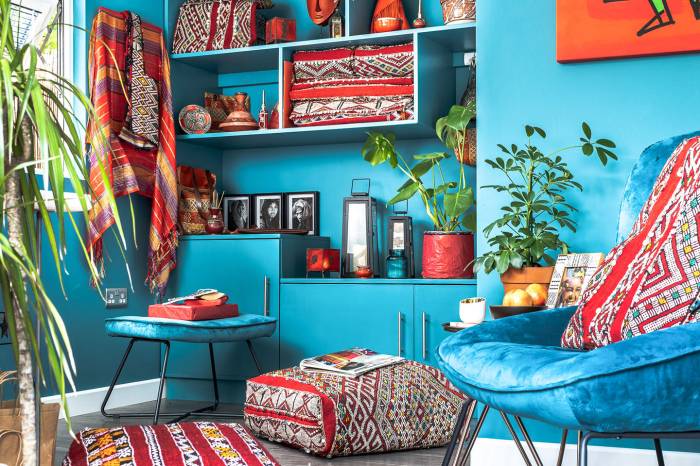
Sustainable decor represents a holistic approach to interior design that prioritizes environmental responsibility, social equity, and economic viability throughout the product lifecycle. It moves beyond mere aesthetics, considering the impact of materials, manufacturing processes, and disposal methods on the planet and its people. This approach aims to create spaces that are both beautiful and ethically sound.Sustainable decor incorporates several key principles that guide its implementation.
These principles work in concert to minimize the negative environmental impact and maximize the positive social and economic benefits associated with creating and maintaining a home’s interior.
Key Principles of Sustainable Interior Design
The core principles of sustainable interior design are interconnected and mutually reinforcing. They guide the selection of materials, the design process, and the overall lifespan of the décor. Ignoring one principle often compromises the effectiveness of the others. For example, using recycled materials (environmental) may be unsustainable if the recycling process is energy-intensive (environmental) or exploits workers (social).
- Minimizing Environmental Impact: This involves selecting materials with low embodied energy (the energy used to produce and transport them), prioritizing recycled and reclaimed materials, and choosing products with minimal packaging. Examples include using bamboo flooring instead of hardwood, opting for organic cotton textiles, and selecting furniture made from sustainably harvested wood.
- Promoting Social Equity: This focuses on ensuring fair labor practices throughout the supply chain, supporting local artisans and businesses, and avoiding products associated with exploitative practices. This could involve choosing furniture made by companies with transparent ethical sourcing policies or purchasing handcrafted items directly from local craftspeople.
- Enhancing Economic Viability: This considers the long-term cost-effectiveness of design choices, promoting durability, repairability, and adaptability. Choosing high-quality, durable materials that can be easily repaired or repurposed reduces the need for frequent replacements, ultimately saving money and resources in the long run. Investing in well-made, classic pieces rather than trendy, disposable items is a key aspect of this principle.
- Reducing Waste: This involves minimizing waste at every stage, from design and production to disposal. This includes choosing products with minimal packaging, utilizing repurposed materials, and ensuring that items can be easily recycled or composted at the end of their life. Strategies such as upcycling furniture or creatively reusing existing items fall under this principle.
Sustainable Decor versus Conventional Interior Design
Conventional interior design often prioritizes aesthetics and trends above environmental and social considerations. While beauty is still a significant factor in sustainable decor, the approach differs substantially in its consideration of the broader impact.
| Feature | Sustainable Decor | Conventional Interior Design |
|---|---|---|
| Material Selection | Prioritizes recycled, reclaimed, sustainably sourced, and low-impact materials; avoids toxic chemicals. | Often uses materials with high embodied energy and potentially harmful chemicals; may prioritize aesthetics over material origin. |
| Manufacturing Processes | Emphasizes ethical and environmentally responsible manufacturing practices; supports fair labor standards. | May overlook labor practices and environmental impact of manufacturing; focuses on cost-effectiveness and speed of production. |
| Product Lifespan | Focuses on durability, repairability, and adaptability; promotes longevity and reduces waste. | Often prioritizes disposability and trends; encourages frequent replacements. |
| Disposal | Emphasizes recycling, composting, and responsible disposal methods; minimizes landfill waste. | May not consider end-of-life disposal; contributes to landfill waste. |
Sourcing Sustainable Materials
Sustainable home decor relies heavily on the responsible sourcing of materials. The environmental impact of a product extends far beyond its use; it begins with the extraction and processing of raw materials. Choosing materials with a low environmental footprint and ensuring ethical sourcing practices are crucial for truly sustainable design. This section explores various eco-friendly materials and the importance of responsible supply chains.
Eco-Friendly Materials in Sustainable Home Decor
The selection of materials significantly influences the environmental impact of home decor. The following table details common sustainable options, their sources, advantages, and limitations.
| Material | Source | Pros | Cons |
|---|---|---|---|
| Bamboo | Rapidly renewable grass | Durable, versatile, aesthetically pleasing, requires less water and pesticides than hardwood | Can be susceptible to moisture damage if not properly treated, may require specific finishing techniques |
| Recycled Wood | Reclaimed from demolition, construction waste, or repurposed furniture | Reduces landfill waste, unique character, often more affordable than new wood | Availability can be limited, may require significant restoration, potential for inconsistencies in quality |
| Cork | Bark of the cork oak tree | Renewable, sustainable harvesting methods, naturally insulating, lightweight | Can be more expensive than other materials, limited color and pattern options |
| Recycled Glass | Recycled glass bottles and containers | Reduces landfill waste, durable, aesthetically versatile (e.g., tiles, countertops) | Can be brittle, may require careful handling during installation |
| Organic Cotton | Grown without synthetic pesticides or fertilizers | Soft, breathable, biodegradable, reduced environmental impact compared to conventionally grown cotton | Can be more expensive, may require more careful washing and maintenance |
| Hemp | Hemp plant | Durable, strong, requires minimal water and pesticides, biodegradable | Can be challenging to work with, limited color options, potential for inconsistent quality depending on processing |
| Seagrass | Seagrass plant | Renewable, durable, naturally resists pests and mold, biodegradable | Susceptible to moisture damage if not properly treated, limited color and pattern options |
Lifecycle Assessment of Sustainable Materials
A lifecycle assessment (LCA) analyzes the environmental impacts of a product throughout its entire life, from raw material extraction to disposal. For example, bamboo, while a rapidly renewable resource, still requires processing and transportation, contributing to its carbon footprint. Recycled materials generally have a lower environmental impact than virgin materials because they reduce the need for new resource extraction and energy consumption.
However, the energy required for recycling and transportation must also be considered. The LCA of organic cotton highlights the reduced pesticide and fertilizer use compared to conventional cotton, leading to less water pollution and soil degradation. However, the higher cost and potentially lower yields can influence the overall environmental impact. A thorough LCA is crucial for comparing the true sustainability of different materials.
Responsible and Ethical Sourcing
Sourcing materials from responsible and ethical suppliers is paramount. This involves verifying that suppliers adhere to fair labor practices, environmental regulations, and sustainable harvesting methods. Certifications like the Forest Stewardship Council (FSC) for wood and Global Organic Textile Standard (GOTS) for organic textiles provide assurance of responsible sourcing. Transparency in the supply chain is essential, allowing consumers to trace the origin of materials and understand their environmental impact.
Supporting local artisans and businesses can also promote sustainable practices and contribute to the local economy. For example, purchasing reclaimed wood from a local supplier ensures the wood is sourced responsibly and reduces transportation emissions. Choosing suppliers committed to ethical labor practices helps to prevent exploitation and ensure fair wages for workers involved in the production process.
Upcycling and Repurposing
Upcycling and repurposing existing materials are cornerstones of sustainable decor. By giving new life to discarded or unwanted items, we significantly reduce waste and lessen the demand for newly manufactured products, thereby minimizing the environmental impact associated with resource extraction and production. This section explores practical applications of upcycling and repurposing in home decor.
Upcycling and repurposing offer creative and cost-effective ways to personalize your home while adhering to sustainable principles. Transforming old items into functional and aesthetically pleasing decor not only reduces waste but also adds unique character to your living space. The following examples illustrate the versatility of this approach.
Examples of Upcycled and Repurposed Furniture and Decor Items
Numerous everyday items can be transformed into unique decor pieces. The key lies in recognizing the potential of seemingly discarded objects and applying a little creativity and effort.
- Old pallets transformed into shelving units or headboards: Discarded wooden pallets, after thorough cleaning and sanding, can be easily disassembled and reassembled into stylish and functional shelving units or even rustic headboards. A coat of paint or varnish can further enhance their aesthetic appeal.
- Repurposed glass jars as vases or storage containers: Empty glass jars, commonly found in kitchens, can be cleaned and decorated to serve as elegant vases for flowers or as charming storage containers for small items like cotton balls or utensils. Simple paint, ribbons, or twine can transform their appearance.
- Old ladders repurposed as bookshelves or plant stands: Old wooden ladders, if sturdy, can be cleaned, sanded, and repainted to create unique bookshelves or plant stands. The rustic look complements many interior design styles.
- Upcycled clothing transformed into rugs or wall hangings: Old t-shirts or other fabric scraps can be cut into strips and braided or crocheted to create unique rugs or wall hangings. This is a great way to reduce textile waste and add a personal touch to your home.
- Wine crates repurposed as storage or shelving: Empty wine crates, often discarded, can be cleaned and used as rustic storage solutions for books, blankets, or other items. They can also be painted or stained to match your décor.
Step-by-Step Guide for Upcycling an Old Chair
This guide details the process of transforming an old wooden chair into a modern, stylish piece.
- Assessment and Preparation: Begin by thoroughly inspecting the chair for damage. Repair any loose joints or broken pieces using wood glue and clamps. Sand the entire chair to remove any loose paint or varnish, ensuring a smooth surface for the new finish.
- Cleaning: Clean the chair with a damp cloth to remove dust and debris. Allow it to dry completely before proceeding.
- Priming (Optional): Apply a primer coat to ensure better paint adhesion and prevent the old finish from bleeding through. Allow the primer to dry completely.
- Painting or Staining: Choose a paint or stain that complements your existing décor. Apply multiple thin coats, allowing each coat to dry before applying the next. For a distressed look, sand lightly between coats.
- Sealing (Optional): Apply a sealant to protect the finish and enhance its durability. This step is particularly important if the chair will be placed in a high-traffic area.
- Finishing Touches: Add any desired finishing touches, such as new upholstery for the seat or decorative knobs. This step allows for personalization and adds a unique touch.
Repurposing Common Household Items into Unique Decor
Many everyday items can be easily transformed into attractive and functional decor elements with minimal effort.
- Mason jars as candle holders: Clean mason jars can be filled with sand or pebbles and used as rustic candle holders. Adding decorative elements like twine or lace enhances their charm.
- Tin cans as planters: Clean and decorated tin cans can be used as miniature planters for herbs or succulents. Painting or wrapping them with fabric adds a personalized touch.
- Old picture frames as wall art: Old picture frames can be repurposed as wall art by painting them, adding fabric, or using them to display pressed flowers or other small decorative items.
- Bottle caps as coasters: Clean bottle caps can be arranged and glued together to create unique coasters. They can be painted or left in their original metallic finish.
Reducing Waste and Consumption
Sustainable home decor extends beyond simply choosing eco-friendly materials; it necessitates a mindful approach to consumption and waste reduction throughout the entire process. By minimizing waste and opting for durable pieces, we contribute significantly to a more sustainable lifestyle and lessen the environmental impact of our decorating choices. This section will explore practical strategies to achieve this.
Minimizing waste in home decor involves a conscious effort at every stage, from initial planning to eventual disposal. By adopting a proactive approach, we can significantly reduce our environmental footprint and contribute to a more circular economy.
Strategies for Minimizing Waste During the Home Decor Process
Implementing effective waste reduction strategies during the home decor process requires a multi-pronged approach. Careful planning, responsible sourcing, and creative repurposing are key elements in minimizing waste generation and maximizing resource utilization.
- Plan carefully before purchasing: Create a detailed design plan to avoid impulse buys and ensure you only acquire what you truly need. This prevents accumulating unnecessary items that end up in landfills.
- Buy only what you need: Resist the urge to overbuy or purchase items solely based on trends. Focus on quality over quantity and prioritize items that serve a practical purpose and align with your existing decor style.
- Source materials responsibly: Opt for recycled or reclaimed materials whenever possible. Support businesses committed to sustainable practices and responsible sourcing.
- Properly dispose of waste: Recycle or compost materials whenever feasible. Familiarize yourself with your local recycling guidelines and dispose of hazardous waste appropriately.
- Donate or sell unwanted items: Instead of discarding items you no longer need, consider donating them to charity or selling them online. This extends the lifespan of the items and reduces the demand for new products.
Choosing Durable and Long-Lasting Decor Items
Investing in durable and long-lasting decor items significantly reduces the need for frequent replacements, thereby minimizing waste and contributing to a more sustainable home environment. Consider factors such as material quality, construction, and design when making purchasing decisions. This approach reduces the overall environmental impact associated with manufacturing and transportation.
- Prioritize quality over quantity: A well-made, durable piece will last longer than several cheaper alternatives, reducing the need for frequent replacements and minimizing waste.
- Choose natural, durable materials: Opt for materials like solid wood, sustainably harvested bamboo, or durable fabrics like linen or organic cotton. These materials are often more resistant to wear and tear than synthetic alternatives.
- Consider timeless designs: Avoid trendy items that may quickly become outdated. Choose classic designs that will remain stylish for years to come, extending the lifespan of your decor.
- Invest in repairable items: Select items that can be easily repaired or restored if damaged, rather than being immediately discarded.
- Look for warranties and guarantees: A warranty or guarantee indicates the manufacturer’s confidence in the product’s durability and provides recourse if issues arise.
Mindful Consumption and Sustainable Home Decor
Mindful consumption plays a crucial role in creating a sustainable home decor aesthetic. It involves a conscious decision-making process that considers the environmental and social impact of our purchasing choices. This goes beyond simply choosing eco-friendly products; it’s about making informed decisions that align with our values and reduce our overall environmental footprint.
For example, instead of impulsively buying new throw pillows every season, consider repurposing existing fabrics or investing in high-quality, durable pillows that can withstand the test of time. Similarly, before purchasing new furniture, consider refinishing or reupholstering existing pieces to extend their lifespan and avoid contributing to furniture waste. This mindful approach reduces demand for new products, lessening the environmental burden associated with manufacturing and transportation.
Incorporating Natural Light and Ventilation
Maximizing natural light and ventilation significantly contributes to a sustainable and healthy home environment. Beyond reducing reliance on artificial lighting and climate control systems, these design elements offer considerable benefits for occupant well-being and energy efficiency. This section explores strategies for effectively incorporating natural light and ventilation into various room types, highlighting sustainable materials and techniques.Natural light and ventilation offer numerous advantages.
Firstly, they drastically reduce energy consumption associated with artificial lighting and mechanical ventilation. Studies consistently demonstrate a substantial decrease in electricity bills for homes optimized for natural light and airflow. Secondly, these features positively impact occupant health and well-being. Natural light regulates circadian rhythms, improving sleep quality and mood, while adequate ventilation reduces indoor air pollutants, minimizing the risk of respiratory problems and allergies.
Finally, maximizing natural light and ventilation can enhance the aesthetic appeal of a space, creating a brighter, more inviting atmosphere.
Natural Light Strategies for Different Room Types
Effective natural light incorporation depends on room orientation, size, and function. South-facing rooms generally receive the most sunlight, which can be maximized with large windows and strategically placed mirrors to reflect light into darker corners. In north-facing rooms, maximizing window size and using light-colored, reflective surfaces on walls and floors can compensate for limited direct sunlight. For bedrooms, prioritizing east-facing windows allows for gentle morning light, while west-facing windows in living areas can provide warm afternoon sun.
Bathrooms and kitchens, often smaller spaces, benefit from strategically placed skylights or strategically placed windows to enhance brightness without compromising privacy. For example, a small bathroom could utilize a frosted glass skylight to maximize light while maintaining privacy.
Ventilation Strategies for Different Room Types
Ventilation strategies must consider the climate and the room’s function. In warmer climates, cross-ventilation, achieved through strategically placed windows or vents on opposite walls, is crucial for effective cooling. In colder climates, careful placement of windows and the use of operable windows with weather stripping to minimize heat loss are essential. Bedrooms should prioritize quiet, gentle ventilation, perhaps achieved through strategically placed vents or small windows.
Kitchens and bathrooms require more robust ventilation to remove moisture and odors, potentially using exhaust fans supplemented by strategically placed windows. Living areas can benefit from both cross-ventilation and ceiling fans to circulate air efficiently. For instance, a living room could utilize strategically placed windows on opposite walls for cross-ventilation, supplemented by a ceiling fan made from sustainable bamboo for efficient air circulation.
Sustainable Materials and Techniques for Improving Natural Light and Ventilation
Numerous sustainable materials and techniques enhance natural light and ventilation. Using reclaimed wood for window frames reduces waste and adds character. Employing low-E glass in windows minimizes heat loss in winter and heat gain in summer, enhancing energy efficiency. Installing operable skylights constructed from recycled materials provides natural light and ventilation while reducing reliance on electric lighting and air conditioning.
Employing light-colored, sustainably sourced paints on walls and ceilings increases reflectivity, maximizing the impact of natural light. For example, using a lime-wash paint, made from natural ingredients, on walls increases light reflection while providing a breathable finish. The incorporation of strategically placed strategically placed indoor plants can also improve air quality and reduce the need for artificial air fresheners.
Finally, using sustainably sourced bamboo for window shades or blinds provides natural light control while minimizing environmental impact.
Choosing Sustainable Paint and Finishes
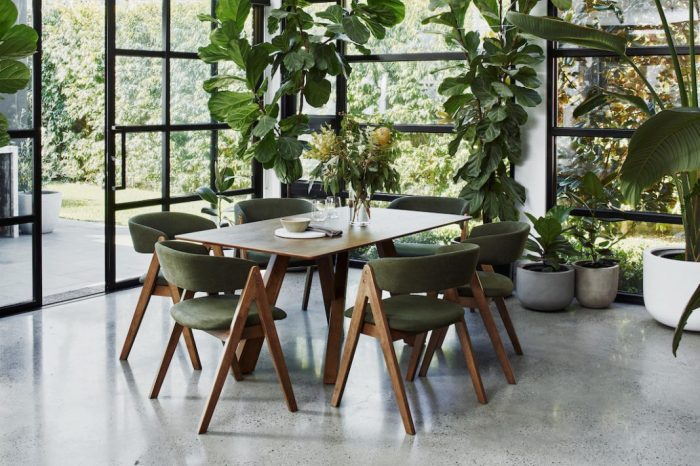
Selecting environmentally friendly paints and finishes is a crucial step in creating a sustainable home. These choices not only reduce the environmental impact of your home renovation but also contribute to a healthier indoor environment for you and your family. The impact extends beyond the immediate application, encompassing the entire lifecycle of the product, from manufacturing to disposal.
Eco-friendly paints and finishes offer a range of options, each with varying compositions, environmental impacts, and performance characteristics. Understanding these differences allows for informed decision-making, ensuring the chosen product aligns with both sustainability goals and practical needs.
Low-VOC Paint Composition and Environmental Impact
Low-VOC (volatile organic compound) paints are formulated to minimize the release of harmful chemicals into the air. Traditional paints often contain high levels of VOCs, which contribute to air pollution and can cause respiratory problems and other health issues. In contrast, low-VOC paints utilize water-based binders and lower amounts of solvents, significantly reducing their environmental impact. Several types of low-VOC paints exist, including those made from natural plant-based oils and resins, further minimizing the use of synthetic chemicals.
The reduction in VOCs also translates to a healthier indoor environment, particularly important for sensitive individuals like children and the elderly. Examples of low-VOC paints include those certified by Green Seal or other reputable environmental organizations.
Selecting Low-VOC Paints for a Healthier Home
Choosing low-VOC paints involves careful consideration of several factors. The first is the VOC level itself, typically expressed in grams per liter (g/L). Lower values indicate less emission of harmful chemicals. Look for paints explicitly labeled as “low-VOC,” “zero-VOC,” or those meeting specific environmental certifications. Secondly, consider the paint’s durability and performance.
While some low-VOC paints might require more coats for optimal coverage, many now offer comparable durability to their conventional counterparts. Finally, consider the paint’s cost, which can vary depending on the brand and type. While some eco-friendly options may be slightly more expensive, the long-term health and environmental benefits often outweigh the initial cost difference. For example, investing in a high-quality, low-VOC paint may reduce the need for frequent repainting, ultimately saving money in the long run.
Comparison of Eco-Friendly Paint Types
The following table compares different types of eco-friendly paints, highlighting their VOC levels, durability, and cost. Note that these values are general and can vary depending on the specific brand and formulation.
| Paint Type | VOC Level (g/L) | Durability | Cost (Relative) |
|---|---|---|---|
| Water-based acrylic | Low (typically <50 g/L) | Good | Medium |
| Milk paint | Very Low | Moderate | High |
| Plant-based oil paint | Low to Moderate | Excellent | High |
| Limewash | Very Low | Moderate | Medium |
Sustainable Lighting Solutions
Sustainable lighting choices significantly impact a home’s environmental footprint and energy bills. By opting for energy-efficient alternatives, homeowners can reduce their carbon emissions and save money over the long term. This section explores the benefits of various sustainable lighting solutions and offers guidance on selecting appropriate options for different areas of the house.
Energy-Efficient Lighting Options and Their Benefits
Energy-efficient lighting options, such as LED bulbs and solar-powered lights, offer substantial environmental and economic advantages compared to traditional incandescent bulbs. LEDs, for instance, consume significantly less energy while producing comparable or even brighter light. Solar-powered lights harness renewable energy, minimizing reliance on the electrical grid and reducing greenhouse gas emissions. The longevity of these options also reduces waste associated with frequent bulb replacements.
Impact of Lighting Choices on Energy Consumption and Environmental Sustainability
Different lighting choices exert varying impacts on energy consumption and environmental sustainability. Incandescent bulbs, for example, are highly inefficient, converting only a small percentage of energy into light, with the rest released as heat. This inefficiency leads to higher electricity consumption and greater reliance on fossil fuels for power generation, contributing to increased greenhouse gas emissions. In contrast, LED bulbs boast significantly higher energy efficiency, translating to lower energy bills and a reduced carbon footprint.
Similarly, solar-powered lighting solutions completely eliminate reliance on grid electricity for operation, promoting energy independence and environmental protection. The life cycle assessment of each lighting type, encompassing manufacturing, use, and disposal, should also be considered for a complete picture of its environmental impact.
Energy-Efficient Lighting Options for Various Rooms
The selection of appropriate lighting should consider the room’s function and ambiance. A well-lit kitchen requires different lighting solutions compared to a relaxing bedroom.
- Living Room: LED track lighting for adjustable illumination, combined with energy-efficient dimmable downlights for ambient lighting, and a statement LED floor lamp for task or accent lighting. This combination provides flexibility and energy efficiency.
- Kitchen: LED under-cabinet lighting for task illumination, energy-efficient pendant lights above the island or dining area, and LED strip lights for accentuating features. This setup provides effective task lighting while enhancing the kitchen’s aesthetics.
- Bedroom: Dimmable LED bedside lamps for reading, a low-wattage LED ceiling light for ambient lighting, and potentially solar-powered nightlights for added convenience and sustainability. This creates a calming and energy-efficient atmosphere.
- Bathroom: LED-integrated mirrors with adjustable brightness, energy-efficient recessed LED lighting, and potentially a motion-sensor activated LED light for the vanity area. This ensures sufficient lighting while conserving energy.
- Outdoor Spaces: Solar-powered pathway lights, LED security lights with motion sensors, and solar-powered garden spotlights. These minimize energy consumption and provide safe and aesthetically pleasing outdoor illumination.
Creating a Sustainable Decor Plan
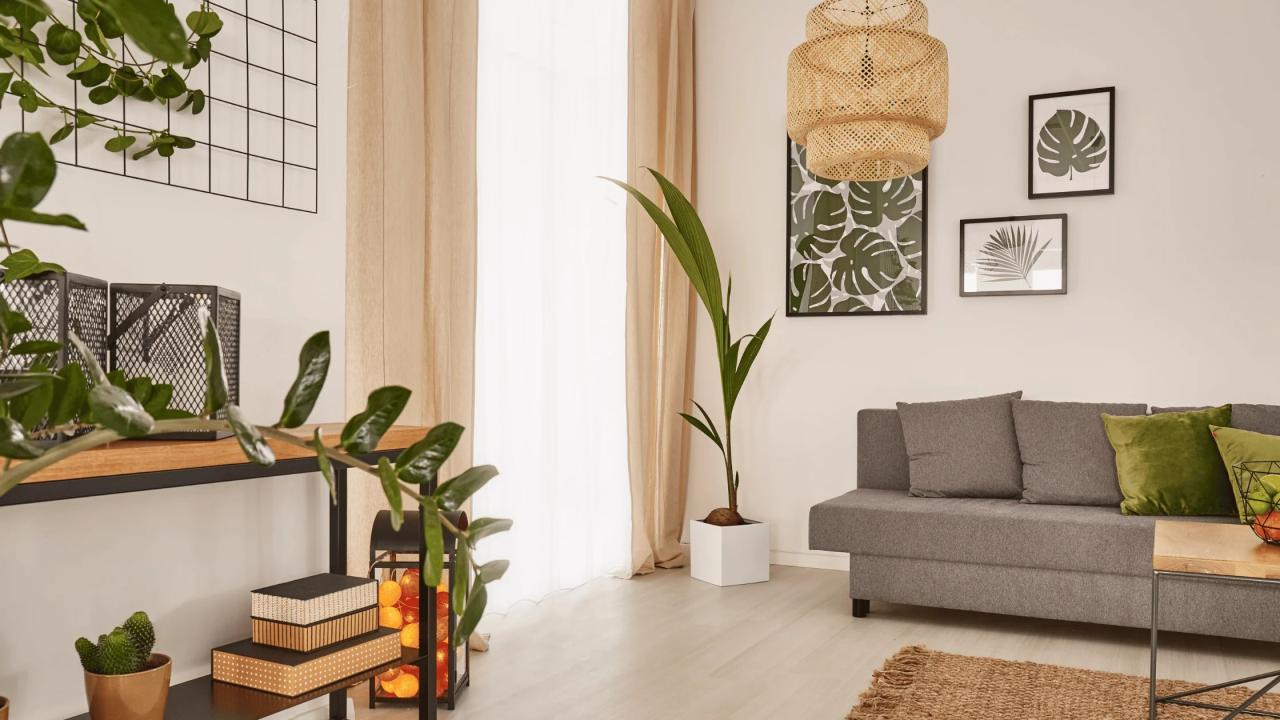
Developing a sustainable decor plan involves a strategic approach to transforming your home’s aesthetic while minimizing environmental impact. This process requires careful consideration of your budget, existing decor, and long-term goals. A well-structured plan ensures a cohesive and environmentally responsible outcome.
A successful sustainable decor plan integrates aesthetic appeal with environmental consciousness. Ignoring design aesthetics in favor of solely sustainable materials can result in a visually unappealing space. Conversely, prioritizing aesthetics without considering sustainability undermines the core purpose. The ideal approach balances both, creating a beautiful and environmentally responsible home.
Step-by-Step Sustainable Decor Plan
Implementing sustainable decor requires a phased approach. The following plan Artikels key steps, adaptable to various budget levels. Prioritization is key; focusing on high-impact areas first maximizes results.
- Assessment and Goal Setting: Begin by assessing your current home decor. Identify areas needing improvement, focusing on functionality and aesthetics. Define your budget – low, medium, or high – to guide material choices and project scope. Set realistic goals, prioritizing areas with the greatest impact (e.g., replacing high-energy consumption lighting before addressing smaller decorative elements).
- Prioritization and Planning: Prioritize areas for change based on impact and budget. For instance, a low-budget plan might focus on upcycling existing furniture and textiles, while a higher budget might allow for sourcing new, sustainable materials. Create a timeline for completing each project to avoid feeling overwhelmed.
- Material Sourcing and Selection: Research and source sustainable materials. Consider reclaimed wood, recycled fabrics, organic cotton, bamboo, and sustainably harvested timber. For low budgets, explore thrift stores, online marketplaces, and community swap meets. Medium budgets might allow for purchasing certified sustainable materials from ethical suppliers. High budgets can accommodate bespoke, handcrafted items from local artisans using sustainably sourced materials.
- Implementation and Upcycling: Begin implementing your plan. Upcycle existing furniture and decor items. Repurpose old jars as storage containers or use old textiles to create new cushions. This phase involves creative problem-solving and maximizing the life of existing items. For low budgets, creativity and resourcefulness are key.
Medium and high budgets allow for greater investment in professional upcycling services or purchasing sustainably produced new items.
- Monitoring and Adjustment: Regularly monitor your progress and make adjustments as needed. This iterative process allows for adapting to unexpected challenges or changes in priorities. Review your initial goals and assess whether they are still aligned with your evolving needs and budget.
Budget Considerations
Budget significantly influences material choices and project scope. A low budget necessitates creative reuse and upcycling. Medium budgets allow for a blend of upcycling and purchasing some new, sustainable materials. High budgets afford greater flexibility, potentially including professional design services and premium, sustainably sourced materials.
| Budget Level | Material Sourcing | Project Examples |
|---|---|---|
| Low | Thrift stores, upcycling existing items, free or low-cost resources | Repurposing old jars as storage, repainting existing furniture, creating textiles from old clothes |
| Medium | Combination of upcycling and purchasing certified sustainable materials | Buying organic cotton bedding, sourcing reclaimed wood for shelves, commissioning a local artisan to upcycle a piece of furniture |
| High | Purchasing high-quality, sustainably sourced materials from ethical suppliers, potentially commissioning bespoke pieces | Investing in sustainably harvested timber flooring, commissioning custom-made furniture from sustainable wood, using certified organic paints |
Integrating Design Aesthetics
Sustainable decor shouldn’t compromise aesthetics. The overall design style should guide material and color choices. For example, a minimalist aesthetic might incorporate natural materials like bamboo and unbleached cotton, while a bohemian style could utilize recycled textiles and reclaimed wood. Consistency in design elements, regardless of the sustainability aspect, ensures a cohesive and visually pleasing space.
A successful sustainable decor plan seamlessly integrates environmental responsibility with personal style, creating a home that is both beautiful and environmentally conscious.
Illustrative Examples of Sustainable Decor
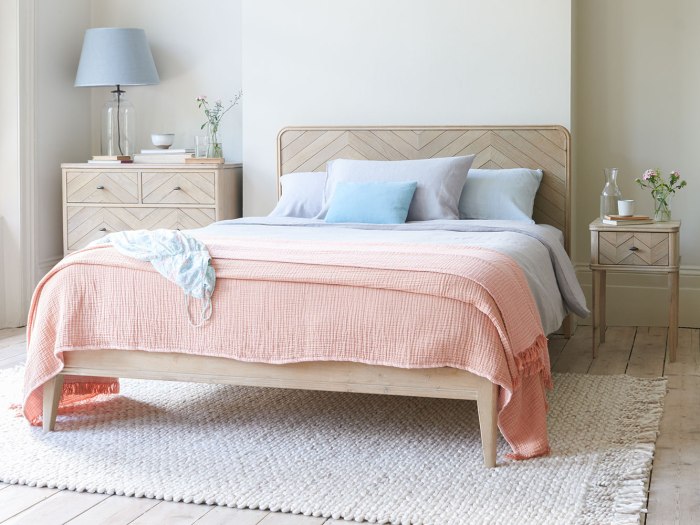
Sustainable decor transcends mere aesthetics; it’s a holistic approach to interior design that minimizes environmental impact while creating beautiful and functional spaces. The following examples showcase how sustainable principles can be applied to diverse room designs, highlighting the positive environmental consequences of conscious choices.
Living Room Design: Emphasizing Natural Materials and Minimalism
This living room design prioritizes natural materials and a minimalist aesthetic to reduce environmental impact. The flooring is composed of reclaimed hardwood, sourced from a local demolition project, significantly reducing the demand for newly harvested timber. The walls are painted with low-VOC (volatile organic compound) paint in a soft, neutral tone, minimizing indoor air pollution. Furniture is limited to essential pieces: a comfortable, sustainably sourced sofa made from organic cotton and sustainably harvested wood, a few locally crafted wooden side tables, and a jute rug.
Decorative elements are minimal, focusing on a few carefully selected pieces such as a ceramic vase holding locally grown flowers and a collection of vintage books. The overall aesthetic is calming and uncluttered, reflecting the principles of mindful consumption. The use of reclaimed wood reduces deforestation, while low-VOC paint improves indoor air quality, benefiting both the environment and the occupants’ health.
The minimalist approach minimizes resource consumption and waste generation.
Bedroom Design: Promoting Biodegradability and Local Sourcing
This bedroom emphasizes biodegradability and local sourcing. The bed frame is crafted from sustainably harvested bamboo, a rapidly renewable resource known for its strength and durability. The mattress is made from natural latex and organic cotton, ensuring minimal chemical exposure and a reduced carbon footprint compared to synthetic alternatives. Bedding is made from organic linen, a durable and biodegradable fabric.
The walls are adorned with artwork created by a local artist using eco-friendly inks and materials. The lighting is provided by energy-efficient LED bulbs housed in simple, locally sourced wooden lamps. The overall color palette is muted and natural, using earth tones that create a sense of calm and tranquility. The choice of bamboo for the bed frame reduces reliance on slow-growing hardwoods, while the organic cotton and linen bedding minimize the use of pesticides and harmful chemicals.
Supporting local artists reduces transportation emissions and fosters community engagement.
Kitchen Design: Recycling and Upcycling
This kitchen showcases the power of recycling and upcycling. The countertops are made from recycled glass, reducing landfill waste and utilizing a readily available material. Cabinets are constructed from reclaimed wood, salvaged from old buildings, thereby preventing unnecessary deforestation. Instead of new appliances, energy-efficient models are chosen, reducing energy consumption. Old jars and containers are repurposed as storage solutions, minimizing the need for new packaging.
Decorative elements are primarily upcycled items, such as vintage teacups used as planters and old wooden crates transformed into shelves. The overall aesthetic is rustic and charming, reflecting the creative use of recycled and repurposed materials. The use of recycled glass countertops and reclaimed wood cabinets significantly reduces the environmental impact of new material production. Repurposing existing items minimizes waste and reduces the demand for new resources.
Energy-efficient appliances further reduce the kitchen’s environmental footprint.
Creating a sustainably decorated home is not merely a trend; it’s a commitment to a healthier planet and a more mindful lifestyle. By consciously choosing eco-friendly materials, reducing waste, and prioritizing natural light and ventilation, we can significantly lessen our environmental footprint. This guide has provided a practical roadmap, outlining actionable steps for integrating sustainable principles into your interior design.
Remember, every sustainable choice, no matter how small, contributes to a larger, positive impact, creating a space that is both beautiful and responsible.
Expert Answers
What are some common misconceptions about sustainable decor?
A common misconception is that sustainable decor is expensive or less stylish. While some eco-friendly materials may have a higher upfront cost, the long-term benefits (durability, reduced replacements) often outweigh the initial investment. Furthermore, sustainable design can be just as stylish and aesthetically pleasing as conventional design.
How can I incorporate sustainable decor on a budget?
Prioritize upcycling and repurposing existing items. Shop secondhand for furniture and decor. Focus on making smaller, incremental changes rather than a complete overhaul. Choose durable, long-lasting items to reduce the need for frequent replacements.
Where can I find certified sustainable materials?
Look for certifications like Forest Stewardship Council (FSC) for wood products, Global Organic Textile Standard (GOTS) for textiles, and Cradle to Cradle Certified™ for various materials. Many online retailers and local stores also specialize in sustainable home goods.
How do I dispose of old, unsustainable decor items responsibly?
Prioritize donating or selling usable items. Check with your local waste management facilities for proper disposal of non-recyclable items. Many municipalities offer separate collection programs for hazardous waste, including certain paints and finishes.
Is it difficult to maintain a sustainable home decor style over time?
Maintaining a sustainable decor style requires ongoing mindful choices. However, by focusing on durable, versatile pieces and adopting a less consumerist approach, it becomes easier to maintain a sustainable home decor style long-term. Regularly assess your needs and avoid impulsive purchases.
Leave a Reply