Blending disparate home decor styles can transform a house into a uniquely expressive home. This exploration delves into the art of eclectic interior design, guiding readers through the principles of design, the identification of core styles, and practical techniques for successful mixing and matching. We’ll examine how to create a cohesive space by navigating common pitfalls, selecting dominant styles, and strategically using accent pieces.
The process will be illustrated through mood boards, room-specific examples, and a focus on the unifying power of accessories and textiles. Ultimately, this guide empowers readers to craft a personalized and aesthetically pleasing living space reflecting their individual tastes.
The journey begins with understanding fundamental design principles – balance, rhythm, emphasis, proportion, harmony, and unity – and how they apply when combining diverse styles. We then explore five distinct decor styles: Modern, Farmhouse, Bohemian, Industrial, and Mid-Century Modern, comparing their color palettes, materials, and furniture silhouettes. Mastering techniques for blending these styles involves thoughtful consideration of color palettes, the strategic use of dominant and accent styles, and the careful selection of textiles and accessories.
We’ll also address common mistakes to avoid and provide step-by-step guidance for applying these principles to different rooms in your home.
Understanding Design Principles
Successfully mixing and matching home decor styles hinges on a solid understanding of fundamental design principles. These principles, when applied thoughtfully, create a cohesive and visually appealing space, even when diverse styles are combined. Ignoring these principles can lead to a chaotic and uninviting interior. Mastering them allows for intentional eclecticism, transforming a collection of disparate elements into a unified and stylish whole.
The basic principles of design act as a framework for creating visually pleasing and functional spaces. They guide the arrangement and selection of furniture, colors, textures, and accessories, ensuring that the overall effect is harmonious and balanced. Understanding these principles is crucial for achieving a unique and stylish look when blending different decor styles.
Balance
Balance refers to the visual weight distribution within a space. Symmetrical balance creates a formal and traditional feel, achieved by mirroring elements on either side of a central point. Asymmetrical balance, common in eclectic designs, uses different elements of varying visual weight to create equilibrium. For instance, a large, bold piece of artwork on one wall might be balanced by a grouping of smaller, lighter accessories on the opposite wall.
In a room blending mid-century modern and bohemian styles, a symmetrical arrangement of two identical mid-century modern armchairs could be balanced by an asymmetrical arrangement of a large woven rug and several smaller bohemian throw pillows.
Rhythm
Rhythm involves the repetition or progression of elements to create a sense of movement and visual interest. This could be achieved through repeating patterns, colors, or shapes. In an eclectic space, rhythm might be established by repeating a specific color family throughout the room, even if the patterns and textures vary greatly. For example, a room combining industrial and farmhouse styles could use varying shades of grey and beige in the furniture, textiles, and wall paint, creating a visual rhythm that unites the disparate elements.
Emphasis
Emphasis, or focal point, draws the eye to a specific area within the room. This could be a striking piece of art, an architectural feature, or a uniquely designed piece of furniture. In an eclectic interior, the emphasis might be a vibrant piece of globally-inspired art that contrasts with more neutral elements, acting as a visual anchor for the room’s diverse style.
This focal point can help unify the different elements by providing a central point of visual interest.
Proportion
Proportion refers to the size relationships between different elements within a space. Proper proportion ensures that no single element overwhelms the others, creating a sense of visual harmony. When mixing and matching styles, careful consideration of proportion is crucial. A large, oversized sofa in a small room, for instance, can disrupt the balance and make the space feel cramped, regardless of the style of the sofa.
Maintaining appropriate proportions is key to preventing a cluttered or overwhelming feel, even in a room with many diverse elements.
Harmony
Harmony refers to the pleasing combination of elements that create a sense of unity and visual coherence. It’s about creating a sense of visual agreement between the different components of a room. When mixing styles, harmony can be achieved by using a common color palette, repeating textures, or selecting pieces that share similar lines or forms. For example, a room that blends rustic and modern styles could use a neutral color palette with natural materials such as wood and stone to create a sense of harmony between the two styles.
Unity
Unity is the overall sense of cohesion and completeness in a space. It’s the feeling that all the elements work together to create a unified whole, despite their individual differences. In an eclectic interior, unity is achieved by carefully selecting pieces that share a common thread, whether it’s a color palette, a texture, a style element, or a common theme.
A consistent element, such as a recurring geometric pattern or a specific type of material, can act as a unifying factor in a room combining various styles, tying the different elements together.
Identifying Core Styles
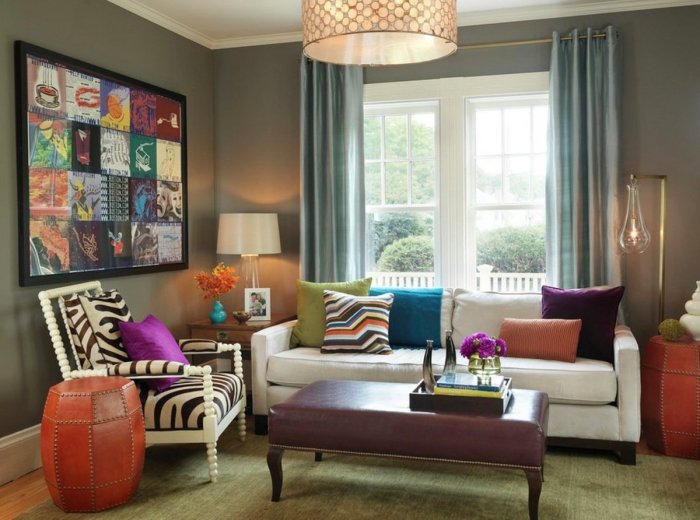
Understanding distinct home decor styles is crucial for successful mixing and matching. A foundational knowledge of individual styles allows for informed choices, preventing clashes and fostering a cohesive, personalized aesthetic. This section details five prominent styles, comparing their characteristics to facilitate informed style blending.
Five Distinct Home Decor Styles
Five distinct home decor styles—Modern, Farmhouse, Bohemian, Industrial, and Mid-Century Modern—offer diverse aesthetic approaches. Each possesses unique characteristics in color palettes, materials, and furniture shapes, providing a broad spectrum of design choices. Understanding these differences allows for creative combinations and a truly unique living space.
Style Comparison: Modern, Farmhouse, Bohemian, Industrial, and Mid-Century Modern
The following table compares the five styles across key characteristics. Note that these are general guidelines; individual interpretations and blends exist within each style.
| Style | Color Palette | Typical Materials | Furniture Silhouettes |
|---|---|---|---|
| Modern | Neutral base (white, gray, black) with pops of bold color; often monochromatic | Glass, steel, chrome, concrete, clean lines, and minimal ornamentation | Clean lines, simple shapes, geometric forms; often low-profile and functional |
| Farmhouse | Warm neutrals (cream, beige, white) with accents of natural wood tones and muted blues or greens | Wood, natural fibers (linen, cotton), metal (often distressed or aged), stone | Rustic, often distressed wood; comfortable and functional; mix of vintage and new pieces |
| Bohemian | Rich, earthy tones (terracotta, mustard yellow, deep blues) combined with vibrant patterns and jewel tones | Natural fibers (wool, jute, cotton), textiles (tapestries, rugs), wood, metal, eclectic mix of materials | Low seating, eclectic mix of textures and styles; layered textiles and cushions; global influences |
| Industrial | Neutral tones (gray, black, brown) with metallic accents; often raw and unfinished | Metal (steel, iron, copper), concrete, exposed brick, wood (often reclaimed or distressed) | Simple, functional designs; often made from raw materials; metallic accents; open shelving |
| Mid-Century Modern | Warm neutrals (browns, creams, yellows) accented with pops of teal, mustard, or burnt orange | Wood (teak, walnut), upholstery (leather, velvet), metal (often brass or chrome), glass | Clean lines, tapered legs, organic shapes; often low-slung seating; emphasis on functionality and form |
Mixing and Matching Techniques
Successfully blending disparate interior design styles requires a strategic approach that goes beyond simply placing items from different aesthetics together. It involves understanding the underlying principles of each style and employing techniques that create a cohesive and visually appealing result. This section will explore effective strategies for combining styles, emphasizing the crucial role of color palettes and providing illustrative examples.
Strategies for Combining Decor Styles
Successful style blending hinges on identifying common threads and using them as a unifying element. For instance, two seemingly opposing styles, such as minimalist and bohemian, can be harmoniously combined by focusing on a shared characteristic, like a neutral color palette. The minimalist approach’s emphasis on clean lines and uncluttered spaces can be balanced by the bohemian style’s use of textures and natural materials.
This balance is achieved not by compromising the essence of each style, but by carefully selecting pieces that reflect the common ground. Another approach is to use one style as the dominant theme, with accents from the secondary style strategically placed to add visual interest and prevent monotony. A modern living room, for example, could incorporate farmhouse-style wooden elements as accents, creating a sophisticated yet warm atmosphere.
The key is to maintain a sense of proportion and avoid overwhelming the space with too many disparate elements.
The Importance of a Cohesive Color Palette
A unified color palette acts as the glue that binds different design styles together. When mixing styles, selecting a cohesive palette is paramount. This doesn’t mean restricting oneself to a single color family; rather, it involves creating a harmonious relationship between colors chosen from different styles. For instance, a combination of a muted, earthy palette (characteristic of farmhouse style) with bold accents of jewel tones (often seen in bohemian style) can create a vibrant yet grounded aesthetic.
The color palette should complement the textures and materials used, ensuring a visual flow that connects different elements. Without a thoughtful color palette, a space might feel disjointed and visually jarring, despite the individual elements being aesthetically pleasing in isolation.
Mood Board Examples: Blending Contrasting Styles
The following descriptions illustrate three mood boards showcasing successful combinations of contrasting styles. These examples demonstrate how careful selection of colors, textures, and key elements can create a cohesive and visually appealing interior.
Mood Board 1: Modern and Farmhouse
This mood board blends the clean lines and minimalist aesthetic of modern design with the rustic charm of farmhouse style. The color palette centers around neutral tones like creamy whites, soft grays, and warm beiges. Textures are key: smooth surfaces of modern furniture are balanced by the rough texture of reclaimed wood, woven baskets, and linen textiles. Key elements include a sleek modern sofa, a rustic wooden coffee table, and a gallery wall featuring both abstract modern art and framed botanical prints.
The overall aesthetic is sophisticated yet inviting, achieving a balance between contemporary sleekness and cozy rusticity.
Mood Board 2: Bohemian and Industrial
This mood board juxtaposes the free-spirited, eclectic nature of bohemian style with the raw, functional elements of industrial design. The color palette incorporates earthy tones like terracotta, deep blues, and muted greens, punctuated by metallic accents like brass and copper. Textures are diverse, featuring the soft textures of woven rugs and tapestries alongside the rough surfaces of exposed brick and metal piping.
Key elements include a vintage industrial metal shelving unit, a plush bohemian rug, and eclectic artwork featuring mixed media and bold patterns. The overall aesthetic is layered and texturally rich, showcasing a harmonious blend of relaxed bohemian charm and edgy industrial grit.
Mood Board 3: Mid-Century Modern and Minimalist
This mood board combines the clean lines and organic forms of Mid-Century Modern design with the simplicity and functionality of minimalist style. The color palette is predominantly neutral, featuring shades of beige, gray, and black, accented with pops of warm mustard yellow or deep teal. Textures are kept relatively simple, with smooth surfaces of wood and leather balanced by the subtle texture of natural fiber rugs.
Key elements include a classic Mid-Century Modern armchair, a minimalist coffee table with clean lines, and carefully curated accessories that avoid clutter. The overall aesthetic is sophisticated, refined, and uncluttered, demonstrating the potential for a harmonious blend of these two styles.
Creating a Cohesive Space
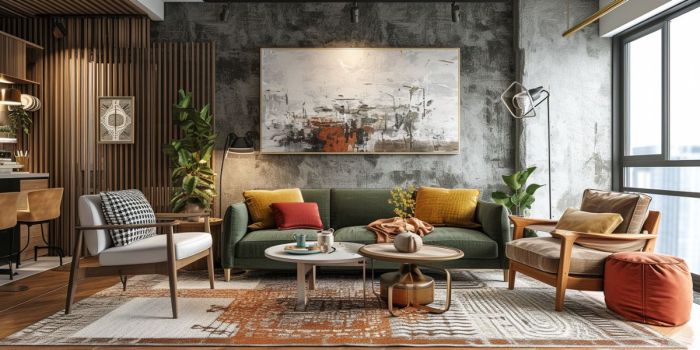
Mixing and matching decor styles can result in a vibrant and unique home, but without careful planning, it can easily descend into chaos. Successfully blending styles requires a keen eye for balance and an understanding of how different elements interact. This section will explore common pitfalls to avoid and provide practical strategies for creating a cohesive and stylish space.Successfully integrating diverse design styles hinges on avoiding common mistakes that can disrupt visual harmony.
Overlooking these pitfalls can lead to a space that feels cluttered, disjointed, and ultimately, unwelcoming.
Common Pitfalls in Mixing Decor Styles
Overwhelming a space with too many disparate styles is a frequent mistake. Attempting to incorporate every style a homeowner enjoys can lead to a visually jarring effect. For example, combining ornate Victorian furniture with stark minimalist decor creates a clash that lacks a unifying theme. Another common error is neglecting scale and proportion. Mixing large, bold pieces with delicate, smaller items without considering the overall balance can create an uneven and visually unbalanced space.
Finally, inconsistent color palettes can also undermine a cohesive look. Using wildly different color schemes without a connecting thread will prevent the room from feeling unified. A well-defined color palette, even if varied in tone, creates a sense of continuity.
Selecting a Dominant Style and Using Accent Pieces
The key to successfully mixing styles lies in establishing a dominant style that forms the foundation of the room’s design. This dominant style sets the overall tone and provides a cohesive framework. For example, a mid-century modern living room might serve as the foundation, with its clean lines and functional furniture. Then, accent pieces from other styles can be carefully introduced to add personality and visual interest.
A bohemian rug, for instance, could add texture and warmth, while a few antique brass accents could introduce a touch of vintage charm. The dominant style provides the structure, while the accent pieces offer playful contrasts. It’s crucial to ensure the accent pieces complement, rather than compete with, the dominant style.
A Step-by-Step Guide to Incorporating Different Styles
A structured approach is vital when blending multiple design styles within a single room. Following a methodical process ensures a cohesive outcome.
- Define the Dominant Style: Begin by selecting a primary design style that will form the base of your room’s aesthetic. This could be anything from minimalist to traditional, farmhouse to industrial.
- Choose a Color Palette: Select a color palette that complements the dominant style. This palette should serve as a unifying element throughout the room, even as you incorporate other styles.
- Select Key Furniture Pieces: Choose major furniture items that adhere to the dominant style. These pieces will anchor the space and provide a strong visual foundation.
- Incorporate Accent Pieces: Introduce accent pieces from other styles. These items should be carefully chosen to complement the dominant style and add visual interest without overwhelming the space. Consider textures, patterns, and colors when making these selections.
- Pay Attention to Scale and Proportion: Ensure that the size and scale of furniture and accessories are proportionate to the room and to each other. Avoid overcrowding the space with too many large or small items.
- Layer Textures and Patterns: Introduce different textures and patterns to add visual depth and interest. However, maintain a balance to avoid a chaotic appearance. A cohesive pattern, even in diverse textures, can tie the space together.
- Refine and Adjust: Step back and assess the overall look. Make adjustments as needed to achieve a balanced and harmonious space. This might involve rearranging furniture, swapping out accessories, or making minor color adjustments.
Room-Specific Applications
Successfully mixing and matching home decor styles requires a nuanced approach tailored to each room’s function and atmosphere. The following examples illustrate how diverse stylistic elements can be harmoniously integrated in living rooms, bedrooms, and kitchens, creating unique and personalized spaces. Consider the room’s primary purpose and the desired mood when selecting and combining styles.
Living Room Style Integration
The living room, often the heart of the home, benefits from a balance between comfort and visual appeal. A successful blend of styles might incorporate the relaxed informality of bohemian design with the clean lines of mid-century modern. This combination can create a space that is both stylish and inviting. The key is to establish a common thread, such as a neutral color palette, to unify the disparate elements.
For instance, a neutral beige sofa could serve as an anchor, complemented by bohemian patterned throw pillows and a mid-century modern coffee table. The use of natural materials like wood and jute further enhances the cohesion.
- A neutral-toned sofa (mid-century modern) serves as a foundational piece.
- Bohemian patterned throw pillows and blankets add texture and color.
- A mid-century modern coffee table provides a clean, geometric counterpoint.
- Jute rug grounds the space and introduces natural texture.
- Woven wall hangings (bohemian) add visual interest without overwhelming the space.
Bedroom Style Harmony
The bedroom should prioritize tranquility and relaxation. Mixing styles here might involve combining the romantic elegance of French country with the minimalist simplicity of Scandinavian design. The result is a space that feels both sophisticated and calming. A muted color palette, predominantly whites, creams, and soft pastels, would create a unified base. The incorporation of natural light and textures is crucial for maintaining a sense of serenity.
- A simple, white platform bed (Scandinavian) forms the central element.
- Delicate floral bedding (French country) introduces a touch of romance.
- A light-colored, woven rug (Scandinavian) provides warmth and texture.
- A vintage-inspired nightstand (French country) adds character and storage.
- Simple, unadorned curtains (Scandinavian) allow ample natural light.
Kitchen Style Fusion
The kitchen, a space for both functionality and aesthetic appeal, can benefit from a blend of styles that prioritize both practicality and visual interest. Combining the rustic charm of farmhouse design with the sleek modernity of industrial style can create a dynamic and inviting kitchen. The key here is to balance the warmth of the farmhouse aesthetic with the clean lines of the industrial style.
A consistent color scheme, perhaps incorporating muted greens and grays, can unify the overall look.
- Simple shaker-style cabinets (farmhouse) provide ample storage.
- Open shelving (industrial) displays cookware and adds visual interest.
- A metal island (industrial) offers a practical workspace.
- Rustic wooden countertops (farmhouse) add warmth and texture.
- Vintage-inspired pendant lights (farmhouse) provide soft, ambient lighting.
The Role of Accessories and Textiles
Accessories and textiles play a crucial role in unifying disparate design styles within a home, acting as the connective tissue that binds seemingly contrasting elements together. They provide opportunities to introduce pops of color, texture, and pattern, subtly bridging the gaps between different aesthetic approaches and creating a cohesive, layered look that feels both eclectic and intentional. Careful selection and placement of these elements are essential to achieving a harmonious blend rather than a chaotic clash.The strategic use of rugs, throw pillows, and artwork, in particular, can significantly impact the overall aesthetic.
These items offer flexibility and allow for easy updates and changes, making them ideal tools for experimenting with style combinations and refining the overall design scheme over time. Lighting fixtures, too, serve as significant design elements that contribute to the overall ambiance and should be carefully considered when mixing styles to ensure a unified and visually appealing result.
Rugs, Throw Pillows, and Artwork in Style Integration
Rugs function as anchors, defining zones within a room and providing a foundational layer of texture and pattern. A large, neutral-toned rug can serve as a unifying element, grounding bolder furniture pieces from different styles. For example, a mid-century modern sofa might sit comfortably alongside a bohemian armchair on a simple jute rug, the natural fiber providing a neutral backdrop that complements both styles.
Conversely, a patterned rug with strong geometric shapes can introduce a unifying theme, linking disparate elements through a shared visual motif. Throw pillows offer a similar function, introducing pops of color, texture, and pattern to soften hard lines and add visual interest. Mixing patterns and textures—such as a velvet pillow with a geometric print alongside a linen pillow in a solid color—can create a visually engaging and sophisticated look.
Artwork provides another layer of stylistic integration. A collection of diverse pieces—a modern abstract painting alongside a vintage botanical print—can be united by a shared color palette or framing style, creating a cohesive gallery wall that reflects the eclectic nature of the overall design.
The Impact of Lighting Fixtures on Mixed-Style Decor
Lighting fixtures are more than just functional elements; they are significant design features that contribute substantially to the overall ambiance and style of a room. When mixing styles, lighting fixtures can either unify or clash with the existing décor, depending on their selection. A modern minimalist chandelier can add a touch of sleek sophistication to a room featuring both traditional and bohemian elements, providing a counterpoint to the more ornate or rustic features.
Conversely, a rustic farmhouse pendant light could soften the stark lines of a mid-century modern space, adding warmth and character. The key is to choose fixtures that complement the overall color palette and textures of the room while maintaining a sense of visual harmony. A well-chosen lighting fixture can act as a bridge between different styles, subtly connecting them through shared design principles like form, material, or color.
Hypothetical Living Room Design: Blending Three Styles
This hypothetical living room incorporates elements of mid-century modern, bohemian, and industrial styles. The foundation is a mid-century modern sofa with clean lines and tapered legs, upholstered in a neutral beige fabric. An industrial-style coffee table made of reclaimed wood and metal provides a contrasting texture and material. A bohemian armchair in a vibrant patterned fabric adds a touch of color and personality.
A large, jute rug anchors the seating area, providing a neutral base that complements all three styles. Throw pillows in various textures and patterns—velvet, linen, and woven—introduce pops of color and visual interest, while maintaining a cohesive palette of earth tones and jewel tones. Artwork includes a mid-century modern abstract print, a black and white photography print, and a woven tapestry, all unified by a shared color palette and simple black frames.
The lighting fixture is a modern industrial pendant light with exposed bulbs, adding a touch of raw industrial aesthetic while maintaining a sense of sleekness that complements the mid-century modern elements. This careful selection of accessories and textiles creates a cohesive and visually appealing space that blends three distinct styles seamlessly.
Successfully mixing and matching home decor styles requires a balance of understanding fundamental design principles and embracing creative experimentation. By carefully selecting dominant and accent styles, employing cohesive color palettes, and strategically utilizing textiles and accessories, you can create a truly unique and personalized living space. This process is not merely about combining disparate elements; it’s about crafting a narrative that reflects your personality and lifestyle.
Remember to avoid common pitfalls such as overwhelming the space with too many styles and to focus on creating a unified aesthetic through careful planning and attention to detail. The result will be a home that is both beautiful and uniquely you.
General Inquiries
What if I only want to mix two styles?
Focus on identifying a dominant style and using the second as an accent. Prioritize a cohesive color palette to unify the two.
How can I avoid making my space look cluttered when mixing styles?
Maintain a consistent color scheme and limit the number of patterns. Use a dominant style to anchor the space and use accent pieces sparingly.
Where can I find inspiration for mixing and matching styles?
Explore interior design magazines, websites, and social media platforms like Pinterest and Instagram. Visit showrooms and home decor stores to see styles in person.
What is the role of lighting in a space with mixed styles?
Lighting helps to unify the space. Choose fixtures that complement the overall color palette and style, avoiding stark contrasts that can disrupt the cohesion.
How do I know which style is right for me?
Consider your personal preferences, lifestyle, and the overall feel you want to create in your home. Browse different styles and identify elements that resonate with you.
Leave a Reply