Transforming a small living room into a stylish and functional space requires a strategic approach. This guide delves into maximizing space, selecting the right color palette and lighting, choosing furniture and accessories wisely, and incorporating personal style without compromising on comfort or aesthetics. We’ll explore effective techniques to create the illusion of more space, utilize natural light to its fullest potential, and curate a design that reflects your unique personality while maintaining a sense of openness and flow.
From clever furniture arrangements and space-saving solutions to the strategic use of color and light, we’ll provide practical tips and design principles to help you achieve a living room that feels both spacious and inviting. We’ll cover a range of styles, from minimalist to bohemian, offering diverse options to suit individual preferences and create a haven of relaxation and style within your compact living space.
Maximizing Space in a Small Living Room
Small living rooms present unique design challenges, but with careful planning and strategic choices, they can be transformed into comfortable and functional spaces. Maximizing space involves a combination of smart furniture selection, strategic placement, and clever use of visual elements. This section explores effective techniques for achieving a spacious feel in a compact living area.
Floor Plan Design for Space Maximization
Effective furniture arrangement is crucial in a small living room. A well-designed floor plan can significantly impact the perceived size and functionality of the room. Consider the following options, keeping in mind the need for sufficient walkways and easy movement. The optimal arrangement will depend on the specific dimensions and features of the individual room.
| Furniture Arrangement | Pros | Cons |
|---|---|---|
| L-Shaped Seating Arrangement | Creates a cozy and intimate feel; maximizes seating capacity in a corner; allows for flexible use of the remaining space. | May feel cramped if the room is very small; can block access to other areas of the room if not carefully planned. |
| Floating Furniture Arrangement | Creates an airy feel; allows for easier movement around the room; ideal for small spaces with limited floor space. | May require more careful consideration of storage solutions; might not provide as much seating capacity as other arrangements. |
| Multifunctional Furniture Arrangement | Maximizes functionality by using furniture with dual purposes (e.g., sofa bed, storage ottomans); saves space by combining functions. | May require compromising on comfort or aesthetics; choosing the right multifunctional pieces is essential. |
Space-Saving Furniture Options
Choosing the right furniture is key to maximizing space in a small living room. The following options offer both functionality and space efficiency.
- Sofa Beds: Provide seating during the day and sleeping space at night, eliminating the need for a separate bed.
- Storage Ottomans: Offer extra seating and hidden storage for blankets, pillows, or other items.
- Wall-Mounted Shelves: Utilize vertical space to store books, décor, and other items, freeing up floor space.
- Nesting Tables: Allow for flexible configurations; can be nested together when not in use to save space.
- Slim Console Tables: Provide a surface for lamps, décor, or remotes without taking up excessive floor space.
- Foldable Chairs: Can be easily stored away when not needed, freeing up valuable floor space.
Utilizing Mirrors and Reflective Surfaces
Mirrors are a powerful tool for creating the illusion of more space in a small living room. Strategically placed mirrors can reflect light and visually expand the room’s dimensions.
For instance, a large mirror placed opposite a window will reflect natural light, making the room appear brighter and larger. Placing a mirror on a wall adjacent to a light source can similarly enhance the feeling of spaciousness. Smaller mirrors can be used as decorative elements to add depth and visual interest.
Decluttering and Organizing for Openness
Decluttering and organizing are essential for maximizing space and creating a sense of openness in a small living room. Regular purging of unnecessary items is crucial. Efficient storage solutions, such as baskets, drawers, and storage ottomans, can help keep belongings organized and out of sight. A minimalist approach to décor can also enhance the feeling of spaciousness.
Avoid overcrowding surfaces with too many items. A clean, uncluttered space will always feel larger than a cluttered one.
Choosing the Right Color Palette and Lighting
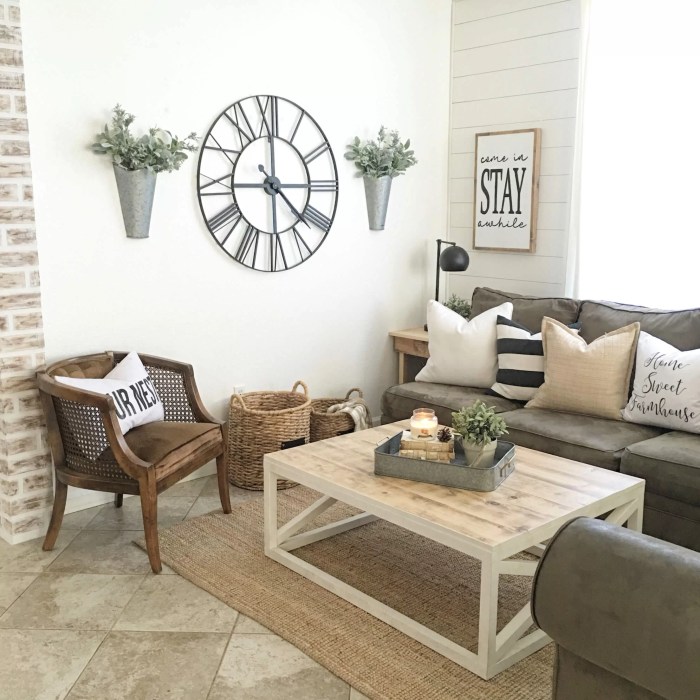
The effective use of color and lighting is paramount in maximizing the perceived space and ambiance of a small living room. Strategic choices in these areas can significantly impact the overall feel of the room, making it appear larger and more inviting than its actual dimensions might suggest. Careful consideration of color psychology and lighting techniques is crucial for achieving a comfortable and visually appealing space.
Color Palette’s Impact on Perceived Space
Light and dark color schemes have distinctly different effects on the perceived size of a room. Lighter colors reflect more light, creating an illusion of spaciousness, while darker colors absorb light, making a room feel smaller and more enclosed. The following table illustrates this contrast:
| Color Scheme | Impact on Perceived Size | Advantages | Disadvantages |
|---|---|---|---|
| Light (Whites, pastels, light neutrals) | Makes the room feel larger and airier | Increases natural light reflection, creates a sense of openness and calm | Can appear sterile if not balanced with textures and warmer accents; may show dirt more easily |
| Dark (Deep blues, greens, grays, browns) | Makes the room feel smaller and cozier | Creates a dramatic and sophisticated atmosphere, can hide imperfections | Can make the room feel cramped and dark if not properly lit; may absorb natural light |
Lighting Plan for a Small Living Room
A well-designed lighting plan incorporates ambient, task, and accent lighting to create a versatile and functional space. Each type of lighting serves a distinct purpose, contributing to the overall atmosphere and usability of the room.
| Lighting Type | Placement | Effect | Example |
|---|---|---|---|
| Ambient Lighting | Overhead fixture (e.g., recessed lighting, chandelier), or wall-mounted sconces | Provides overall illumination, sets the mood | Recessed lighting evenly distributed across the ceiling for general brightness. |
| Task Lighting | Table lamps, floor lamps near reading areas, under-cabinet lighting in a kitchen area within the living room | Provides focused light for specific activities | A floor lamp next to a reading chair, providing focused light for reading. |
| Accent Lighting | Track lighting highlighting artwork, picture lights, strategically placed spotlights | Highlights architectural details or decorative elements, adds depth and visual interest | Spotlights highlighting a collection of framed photographs on a wall. |
Utilizing Natural Light Effectively
Maximizing natural light is crucial for creating a bright and spacious feeling in a small living room. Strategic window treatments can significantly enhance the amount of natural light entering the room.
Using sheer curtains or blinds allows for diffused light to enter the room while maintaining privacy. Avoid heavy drapes or blinds that obstruct light. Consider using light-colored window treatments to reflect light into the room. Mirrors strategically placed near windows can also help to reflect and distribute natural light, effectively expanding the perceived size of the room.
For example, a large mirror placed opposite a window can double the amount of light entering the space. Skylights, if feasible, are another excellent option for increasing natural light.
Color Combinations for Spaciousness
The following color combinations are known to create a feeling of spaciousness and airiness in small living rooms:
Choosing the right color palette is key to creating a sense of openness. Light and airy colors work best, but careful consideration of undertones is important to avoid a sterile feel. Warm whites and creamy neutrals are excellent choices for the main walls, while pops of color can be introduced through accessories or furniture.
- White or off-white walls with light gray or beige accents.
- Pale blues and greens with white trim and furniture.
- Soft yellows and creams with natural wood tones.
- Light gray walls with pops of pastel colors in accessories.
Selecting Furniture and Accessories
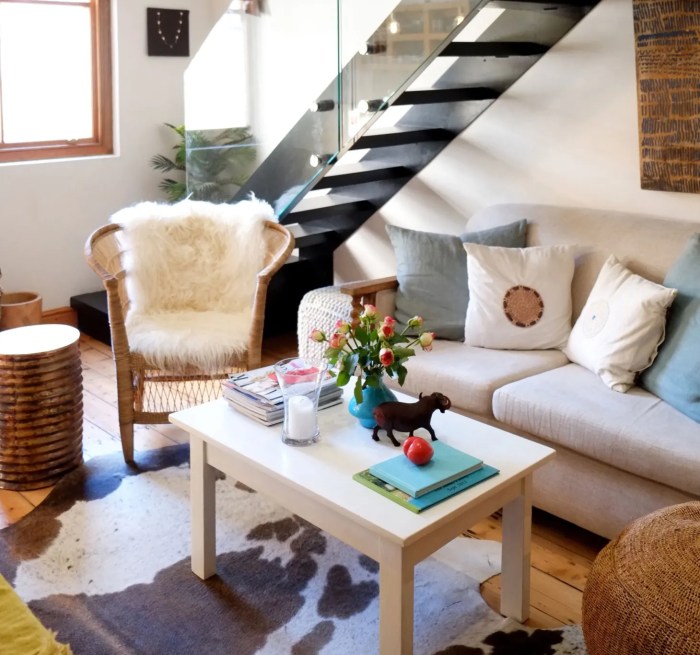
Careful furniture and accessory selection is crucial for maximizing both space and style in a small living room. The right pieces, strategically placed, can create an illusion of spaciousness and enhance the room’s overall aesthetic appeal. Oversized or poorly chosen items can easily overwhelm a small space, making it feel cramped and cluttered.
The following section details essential furniture, the importance of multi-functional pieces, incorporating texture and pattern, and comparing different furniture styles suitable for small living rooms.
Essential Furniture and Ideal Placement
Choosing the right furniture and arranging it effectively are key to a functional and visually appealing small living room. Overcrowding should be avoided, and pieces should be selected based on their size and utility. Prioritizing essential items and using multi-functional pieces can significantly improve space utilization.
- Sofa: A compact loveseat or a small, two-seater sofa is ideal. Place it against the largest wall to maximize floor space. Consider a sofa with built-in storage.
- Coffee Table: Opt for a small, round or oval coffee table. This shape allows for easier movement around the seating area compared to a square or rectangular table. A nesting coffee table set can be useful when needing extra surface space, then stored away easily.
- Accent Chair(s): One or two accent chairs can add extra seating. Choose chairs with slim profiles and consider armchairs that can be tucked away when not in use.
- Media Console/Storage Unit: A slim, low-profile media console or a compact storage unit provides space for electronics and other items. Place it against a wall to avoid obstructing walkways.
- Lighting: Incorporate various lighting options such as a floor lamp, table lamps, and overhead lighting to create ambiance and functionality. Strategically placed lamps can also add visual interest.
Multi-Functional Furniture
Multi-functional furniture is a game-changer in small living rooms. By selecting pieces that serve multiple purposes, you can significantly reduce clutter and maximize space efficiency. Examples of such furniture include pieces that offer both seating and storage or those that combine functionality with aesthetic appeal.
For example, a storage ottoman provides extra seating while offering concealed storage for blankets, books, or games. A sofa bed offers both seating and sleeping accommodations, perfect for guests or for small apartments. A coffee table with drawers provides storage for remotes, magazines, and other items. These space-saving solutions are essential for maintaining a tidy and organized small living room.
Texture and Pattern Incorporation
Introducing a variety of textures and patterns can add visual interest and depth to a small living room without making it feel overwhelming. The key is to use them strategically and in moderation. Overdoing it can create a chaotic and cluttered look. Careful selection and placement can enhance the room’s personality and create a more engaging atmosphere.
- Textures: Incorporate a mix of textures like a plush velvet sofa, a woven rug, a knitted throw blanket, and a smooth glass coffee table. This layering of textures adds visual richness without cluttering the space.
- Patterns: Use patterns sparingly and strategically. A patterned rug can anchor the seating area, while patterned throw pillows can add pops of color and interest. Maintain a balance between patterned and solid pieces to prevent the room from feeling too busy.
Furniture Style Comparison
Different furniture styles offer unique aesthetics and functionalities. The choice depends on personal preferences and the overall design scheme of the living room. Consider the space limitations and the desired atmosphere when selecting a style. Below is a comparison of three popular styles suitable for small living rooms.
| Style | Characteristics | Suitable for Small Living Rooms? | Example |
|---|---|---|---|
| Minimalist | Clean lines, simple shapes, neutral colors, minimal ornamentation. | Yes, its emphasis on simplicity and functionality makes it ideal for maximizing space. | A low-profile sofa with clean lines, a simple coffee table, and minimal accessories. |
| Scandinavian | Light and airy, natural materials (wood, linen), functional design, often incorporates white or pastel colors. | Yes, its focus on light and airy spaces creates an illusion of spaciousness. | A light-colored wooden coffee table, a comfortable armchair in a natural fabric, and a simple, white rug. |
| Modern | Sleek and sophisticated, often incorporates metallic accents, bold geometric shapes, and a mix of materials. | Yes, if carefully chosen, modern pieces can add a touch of elegance without overwhelming the space. Opt for pieces with clean lines and avoid overly bulky furniture. | A sleek, low-profile sofa in a neutral color, a glass coffee table with a metallic base, and a few carefully selected accessories. |
Incorporating Style and Personality
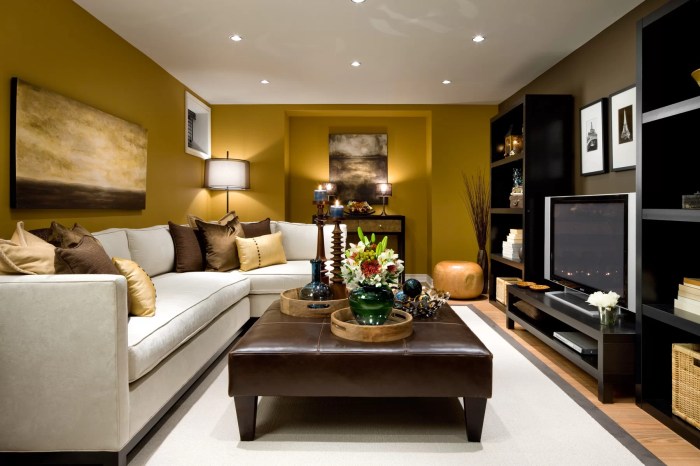
A small living room, while presenting space challenges, offers a unique opportunity to showcase personal style in a concentrated and impactful way. By carefully selecting furniture, accessories, and color palettes, and employing strategic design techniques, a small living room can be transformed into a stylish and comfortable haven reflecting the homeowner’s individual taste and personality. The key is to prioritize functionality and visual appeal, ensuring that every item serves a purpose and contributes to the overall aesthetic.A well-defined design concept provides a cohesive framework for decorating a small living room.
This concept acts as a guide, ensuring that all design choices align and create a harmonious atmosphere. The selection of a specific style, such as bohemian, rustic, or modern, dictates the choice of colors, textures, and furniture.
A Bohemian-Inspired Small Living Room
This design concept embraces a relaxed and eclectic aesthetic, characterized by layered textures, vibrant colors, and globally-inspired accents. The overall feel is warm, inviting, and creatively unconstrained. Key design elements include a low-slung sofa or floor cushions, a mix of patterned textiles (such as kilim rugs and embroidered throws), macrame wall hangings, and globally sourced accessories like vintage baskets and carved wooden bowls.
Natural materials like wood, rattan, and jute are heavily featured, creating a sense of organic warmth. The color palette is typically rich and varied, incorporating earthy tones with pops of jewel-toned accents.
Incorporating Personal Touches Without Cluttering
Meaningful items and personal touches add warmth and character to a living space. However, in a small room, it’s crucial to curate carefully to avoid overwhelming the space. Consider using vertical space strategically. For example, a gallery wall featuring a collection of framed photographs or postcards can showcase personal memories without taking up valuable floor space. Similarly, floating shelves can display cherished objects, books, or plants, adding visual interest while maximizing vertical space.
Another option is to use decorative trays or baskets to group similar items, creating visual order and minimizing clutter. For instance, a beautiful tray could hold candles, remotes, and other small items, keeping them organized and visually appealing.
DIY Décor Projects for a Small Living Room
DIY projects are a cost-effective way to personalize a small living room and reflect individual style.
- Repurposed Jars as Vases or Organizers: Clean and decorate empty glass jars with paint, fabric scraps, or twine to create unique vases or storage containers for small items.
- Fabric-Covered Picture Frames: Update inexpensive frames by covering them with fabric remnants or patterned paper, creating a cohesive and personalized look.
- DIY Wall Hanging: Create a unique wall hanging using macrame techniques, fabric scraps, or repurposed materials, adding texture and personality to a blank wall.
- Painted Planters: Transform plain terracotta pots into stylish planters by painting them with vibrant colors or geometric patterns.
Artwork and Wall Décor for Small Living Rooms
Artwork and wall décor can dramatically enhance a small living room’s visual appeal without making it feel cramped.
- Large-Scale Statement Piece: A single, large piece of art can create a focal point and add visual interest without overwhelming the space. Imagine a striking abstract painting or a large-scale photograph.
- Gallery Wall with a Consistent Theme: A gallery wall with smaller framed prints or photographs, all adhering to a consistent color palette or theme, creates a cohesive and visually appealing display without feeling cluttered. The consistency prevents visual chaos.
- Mirrors to Maximize Light and Space: Strategically placed mirrors can reflect light, creating the illusion of more space and brightening the room. A large mirror on one wall can visually expand the room’s dimensions.
- Vertical Wall Décor: Tall, slender artwork or wall shelves can draw the eye upwards, creating a sense of height and preventing the room from feeling boxy.
Designing a small living room doesn’t have to mean compromising on style or comfort. By thoughtfully considering space optimization, color palettes, lighting, and furniture choices, you can create a vibrant and welcoming atmosphere. Remember that the key lies in a balanced approach: maximizing functionality through smart furniture selection and strategic placement, enhancing the sense of spaciousness through light and color, and infusing your personal style to create a space that truly reflects you.
With careful planning and creativity, your small living room can become a haven of comfort and personality.
User Queries
Can I use dark colors in a small living room?
While lighter colors generally make a room feel larger, dark colors can be used strategically. Use them on a single accent wall or for smaller furniture pieces to create a dramatic focal point, but keep the majority of the room light and airy.
What kind of flooring is best for a small living room?
Light-colored flooring, such as light wood or light-colored tiles, will help to reflect light and make the room appear larger. Avoid dark or heavily patterned flooring.
How do I deal with limited storage in a small living room?
Utilize vertical space with tall shelving units, consider ottomans with built-in storage, and explore under-bed storage solutions. Declutter regularly to prevent overcrowding.
What if my living room has low ceilings?
Use light and airy colors, vertical stripes on walls or curtains, and tall, slender furniture to draw the eye upwards and create a sense of height. Avoid bulky, low-slung furniture.
How can I make my small living room feel more cozy?
Incorporate soft textures like rugs, throws, and cushions. Use warm lighting, and consider adding plants to create a welcoming and intimate atmosphere. A strategically placed fireplace (if possible) can greatly enhance coziness.
Leave a Reply