Designing a modern kitchen involves a harmonious blend of aesthetics and functionality. This guide explores the key elements – from choosing the perfect color palette and cabinetry to selecting durable countertops and integrating smart appliances – to create a space that is both stylish and efficient. We’ll delve into the nuances of lighting design, innovative storage solutions, and the incorporation of natural elements to achieve a modern kitchen that reflects your personal style and enhances your culinary experience.
This comprehensive exploration covers a range of design choices, offering practical advice and visual inspiration to help you navigate the process of transforming your kitchen into a contemporary masterpiece. Whether you’re undertaking a complete renovation or simply seeking a refresh, this guide provides the knowledge and tools to achieve your desired modern kitchen aesthetic.
Modern Kitchen Color Palettes
Modern kitchen design emphasizes clean lines, functionality, and a sense of spaciousness. Achieving this aesthetic relies heavily on the careful selection of color palettes, which influence the overall mood and perceived size of the space. The interplay of colors in the cabinetry, walls, and countertops significantly impacts the final design.
Modern Kitchen Color Palette Options
Three distinct modern kitchen color palettes are presented below, each offering a unique atmosphere and suitability for various kitchen styles and sizes. These palettes incorporate a balance of neutral and accent colors, allowing for customization and personal expression. The hex codes provided ensure accurate color reproduction.
Palette Descriptions with Color Specifications
| Color Palette Name | Primary Colors | Secondary Colors | Overall Mood |
|---|---|---|---|
| Coastal Calm | #F2F0E9 (Off-White Walls), #C8B7A9 (Light Grey Cabinets) | #607D8B (Steel Grey Countertops), #45B39D (Seafoam Green Accents) | Serene, airy, and relaxing. Suitable for smaller kitchens due to its light and bright nature. |
| Warm Minimalism | #F5F5DC (Beige Walls), #A0522D (Sienna Cabinets) | #D2691E (Terracotta Countertops), #DEB887 (Light Brown Accents) | Inviting, warm, and grounded. Works well in kitchens of all sizes, particularly those with limited natural light. |
| Modern Monochrome | #FFFFFF (White Walls), #262626 (Dark Grey Cabinets) | #A9A9A9 (Light Grey Countertops), #000000 (Black Hardware) | Sophisticated, sleek, and dramatic. Best suited for larger kitchens with ample natural light to prevent the space from feeling cramped. |
Impact of Natural Light on Color Palette Visual Effect
Natural light significantly alters the perception of color in a kitchen. In the Coastal Calm palette, abundant natural light enhances the brightness and airy feel, making the space appear larger. Conversely, limited natural light might wash out the subtle color variations. The Warm Minimalism palette, with its warmer tones, benefits from natural light, which prevents the space from appearing too dark or heavy.
However, even with less light, the warmer tones still create a cozy ambiance. The Modern Monochrome palette, with its high contrast, requires ample natural light to prevent the space from feeling stark or overly shadowed. In low-light conditions, the dark grey cabinets might absorb too much light, making the kitchen feel smaller and less inviting. Proper lighting design is crucial for all palettes to compensate for variations in natural light.
Cabinetry Styles for a Modern Kitchen
Modern kitchen cabinetry significantly impacts the overall aesthetic and functionality of the space. The choice of style, material, and hardware directly influences the kitchen’s look, durability, and maintenance requirements. Careful consideration of these factors is crucial in achieving a desired modern design.
Slab-Door Cabinets
Slab-door cabinets, characterized by their flat, frameless fronts, are a hallmark of minimalist modern design. These cabinets typically utilize materials like high-gloss lacquer, thermofoil, or wood veneer in neutral colors such as white, gray, or black. Hardware choices often include sleek, minimalist bar pulls or recessed handles for a seamless look.
- Materials: High-gloss lacquer, thermofoil, wood veneer (e.g., maple, birch).
- Door Style: Flat, frameless.
- Hardware: Minimalist bar pulls, recessed handles, or no hardware.
- Pros: Clean lines, easy to clean, creates a spacious feel.
- Cons: Can show fingerprints easily (especially lacquer), potentially higher cost for some materials.
Visual Representation: Imagine a kitchen with sleek, white lacquer slab-door cabinets. The cabinets extend from floor to ceiling, creating a sense of verticality. Recessed handles are subtly integrated into the cabinet doors, maintaining the clean, minimalist aesthetic. The countertops are a simple, light-grey quartz, complementing the clean white of the cabinets.
Shaker-Style Cabinets
While traditionally associated with a more classic style, Shaker cabinets can easily integrate into a modern kitchen with the right materials and finishes. Modern interpretations often feature simple, clean lines and a flat-panel door with a recessed center panel. Materials can range from painted wood to stained wood, offering flexibility in color and texture. Hardware choices can vary from simple knobs to sleek pulls.
- Materials: Painted wood (e.g., MDF), stained wood (e.g., oak, walnut).
- Door Style: Flat-panel with recessed center panel.
- Hardware: Simple knobs, sleek pulls, cup pulls.
- Pros: Versatile style, durable, relatively easy to maintain.
- Cons: Can appear less modern if not carefully chosen, some wood types can be more expensive.
Visual Representation: Envision a kitchen with Shaker-style cabinets in a warm, medium-toned stained oak. The simple, flat-panel doors have a subtly recessed center panel. The hardware consists of simple, brushed nickel cup pulls, adding a touch of understated elegance. The countertops are a dark grey granite, providing a sophisticated contrast to the warm wood tones.
Frameless Cabinets
Frameless cabinets, also known as European-style cabinets, are characterized by their lack of face frames around the cabinet doors. This design maximizes interior space and creates a clean, contemporary look. Materials are typically high-quality wood or engineered wood with various finishes available. Hardware choices are typically minimalist and integrated into the design.
- Materials: High-quality wood (e.g., cherry, maple), engineered wood (e.g., MDF).
- Door Style: Overlay doors, often with a simple profile.
- Hardware: Minimalist bar pulls, integrated handles, or concealed hinges.
- Pros: Maximize storage space, clean lines, modern aesthetic.
- Cons: Can be more expensive than framed cabinets, requires precise installation.
Visual Representation: Picture a kitchen featuring frameless cabinets made from light-colored maple wood with a natural finish. The cabinets are fitted with sleek, brushed steel bar pulls. The countertops are a light-colored quartz, creating a bright and airy atmosphere. The overall effect is clean, simple, and sophisticated.
Inset Cabinets
Inset cabinets feature doors that are recessed within the cabinet frame, creating a flush, seamless look. This style adds a touch of sophistication and elegance to a modern kitchen. Materials commonly include high-quality wood or painted MDF. Hardware is often minimal and carefully selected to complement the overall design.
- Materials: High-quality wood (e.g., walnut, cherry), painted MDF.
- Door Style: Recessed within the cabinet frame.
- Hardware: Minimalist knobs or pulls, often integrated into the design.
- Pros: Elegant and sophisticated look, durable, high-quality feel.
- Cons: More expensive than other styles, requires precise installation.
Visual Representation: Imagine a kitchen with inset cabinets crafted from dark walnut wood. The doors are perfectly recessed within the frame, creating a smooth, seamless surface. Simple, black metal knobs are used as hardware, adding a touch of contrast. The countertops are a dark grey marble, complementing the rich wood tones and creating a luxurious feel.
Handleless Cabinets
Handleless cabinets are a highly modern and minimalist choice, eliminating visible hardware altogether. The doors are typically designed with recessed channels or push-to-open mechanisms for ease of access. Materials are often high-gloss lacquer or sleek wood veneers. This style creates a clean, seamless look that is perfect for smaller kitchens.
- Materials: High-gloss lacquer, wood veneer (e.g., oak, walnut).
- Door Style: Recessed channels or push-to-open mechanisms.
- Hardware: None (push-to-open mechanisms).
- Pros: Extremely clean and minimalist look, maximizes visual space.
- Cons: Push-to-open mechanisms can be prone to malfunction, may not be suitable for all users.
Visual Representation: Picture a small, modern kitchen with handleless cabinets finished in high-gloss white lacquer. The doors open via a push-to-open mechanism, completely eliminating visible hardware. The countertops are a sleek, white quartz, creating a bright and uncluttered space. The overall effect is a clean, modern, and sophisticated look, ideal for maximizing the feel of space in a compact kitchen.
Modern Kitchen Countertops and Backsplashes
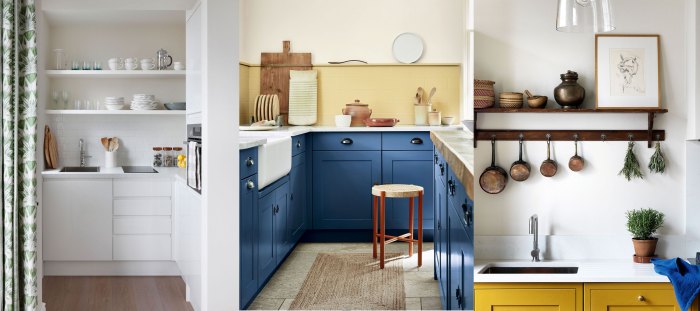
The selection of countertops and backsplashes significantly impacts a modern kitchen’s aesthetic and functionality. These surfaces must withstand daily wear and tear while complementing the overall design scheme. Careful consideration of material properties, maintenance needs, and visual appeal is crucial for a successful outcome.
Countertop Material Properties and Backsplash Compatibility
The following table details five popular countertop materials for modern kitchens, outlining their advantages and disadvantages alongside compatible backsplash options. The choice depends on factors such as budget, desired aesthetic, and lifestyle.
| Countertop Material | Pros | Cons | Complementary Backsplash Options |
|---|---|---|---|
| Quartz | Durable, stain-resistant, low maintenance, wide variety of colors and patterns. | Can be expensive, susceptible to chipping under extreme impact, can appear less natural than stone. | Large format porcelain tiles (for a sleek, modern look), glass subway tiles (for a classic, clean feel), thin brick (for a textured, industrial vibe). Installation typically involves thin-set mortar and grout. |
| Granite | Natural stone, unique veining and color variations, durable, heat-resistant. | Requires sealing to prevent staining, can be porous, expensive, prone to chipping, requires more maintenance than quartz. | Matching granite tiles (for a cohesive look), honed marble tiles (for a sophisticated contrast), metallic mosaics (for a striking accent). Installation methods involve thin-set mortar and grout. |
| Marble | Elegant, luxurious appearance, unique veining, heat-resistant (with proper care). | Prone to etching from acidic substances, requires regular sealing, relatively soft and susceptible to scratching and staining, high maintenance. | Subtle glass tiles (to avoid visual competition), honed limestone tiles (for a similar natural feel), large format marble slabs (for a seamless, luxurious look). Installation requires thin-set mortar and grout, with careful attention to sealing. |
| Laminate | Affordable, easy to install, wide variety of colors and patterns, durable for light use. | Susceptible to heat damage, scratches, and chipping, less durable than natural stone or engineered quartz, can appear less sophisticated. | Ceramic tiles (affordable and durable), textured glass tiles (to add visual interest), stainless steel sheets (for a modern, industrial look). Installation methods vary depending on the backsplash material. |
| Concrete | Durable, unique appearance, can be customized with stains and pigments, relatively low maintenance once sealed. | Can be porous if not properly sealed, susceptible to staining if not sealed correctly, requires sealing, can crack under extreme stress. | Large format porcelain tiles (to contrast the concrete’s texture), glass tiles in neutral tones (to complement the concrete’s color), exposed brick (for an industrial aesthetic). Installation typically involves thin-set mortar and grout. |
Appliances and Fixtures for a Modern Kitchen
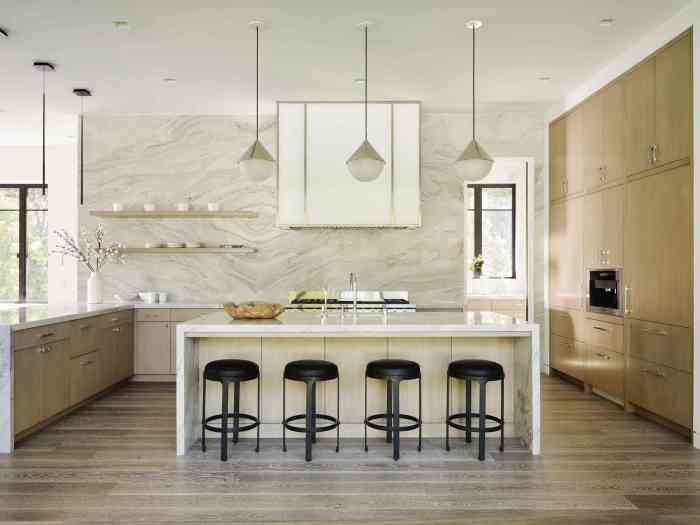
The selection of appliances and fixtures significantly impacts the overall aesthetic and functionality of a modern kitchen. Careful consideration of design, technology, and material choices ensures a cohesive and efficient space. This section will explore leading appliance brands, the integration of smart technology, and a range of contemporary faucet and sink options.
Modern Appliance Brands
Three key appliance brands consistently deliver modern designs and advanced functionality: Miele, Sub-Zero, and Gaggenau. Miele is renowned for its sleek, minimalist aesthetic and emphasis on durability and precision engineering. Their appliances often feature stainless steel finishes and intuitive control panels, reflecting a commitment to both form and function. Sub-Zero, on the other hand, is celebrated for its high-performance refrigeration systems and built-in designs that seamlessly integrate into custom cabinetry.
Their signature style emphasizes clean lines and professional-grade features. Gaggenau, a German brand, is known for its innovative technology and sophisticated designs. Their appliances are characterized by their minimalist aesthetic and professional-grade performance, often featuring integrated handles and subtle detailing.
Smart Appliance Integration in Modern Kitchens
Smart appliances are rapidly transforming the modern kitchen, offering enhanced convenience and control. For example, smart refrigerators with integrated touchscreens allow users to manage grocery lists, view internal cameras, and even stream music. Smart ovens provide precise temperature control and remote monitoring capabilities, enabling users to preheat their ovens remotely or receive notifications when their food is ready.
Smart dishwashers offer customized cleaning cycles and remote start/stop functions, optimizing water and energy usage. These features enhance both efficiency and the overall user experience, aligning with the modern kitchen’s focus on seamless technology integration. A connected kitchen ecosystem, where appliances communicate with each other and with smart home systems, represents the future of modern kitchen design.
Modern Faucet and Sink Options
The choice of faucet and sink significantly contributes to a modern kitchen’s overall look and feel. Five exemplary options illustrate the range of styles and materials available:
- Kohler Purist: This faucet showcases a minimalist design with clean lines and a single-lever handle, typically crafted from brushed nickel or chrome. Its streamlined silhouette complements contemporary kitchen aesthetics.
- Grohe Minta Touch: Known for its touch-activated functionality, this faucet allows for hands-free operation, enhancing hygiene and convenience. Available in various finishes, including brushed nickel and chrome, it seamlessly blends functionality with modern design.
- Blanco Precis: This undermount sink is made from durable Silgranit, a composite material that resists scratches and stains. Its clean lines and seamless integration into the countertop create a sleek and modern look.
- Rohl Shaws: These sinks are known for their handcrafted quality and unique designs, often featuring apron-front styles and integrated drainboards. Made from fireclay, they offer a timeless appeal with a modern twist.
- Moen Arbor: This faucet boasts a sophisticated arc design and offers a pull-down spray head for added versatility. Its durable construction and available finishes (such as matte black) cater to a range of modern kitchen styles.
Lighting Design in a Modern Kitchen
Effective lighting is paramount in a modern kitchen, impacting both functionality and aesthetic appeal. A well-designed lighting scheme enhances the space’s usability, highlights architectural features, and sets the desired mood, from bright and energetic to warm and inviting. Layered lighting, combining ambient, task, and accent lighting, is crucial for achieving this balance.
Three Modern Kitchen Lighting Schemes
This section details three distinct lighting schemes, each employing a layered approach to illuminate a modern kitchen effectively. The schemes demonstrate how different combinations of ambient, task, and accent lighting can drastically alter the kitchen’s atmosphere and functionality.
- Scheme 1: Bright and Functional This scheme prioritizes functionality with ample task lighting complemented by softer ambient lighting. Recessed LED downlights provide even, bright ambient illumination across the entire kitchen ceiling. Under-cabinet lighting, using LED strips, offers focused task lighting for food preparation areas. Accent lighting, in the form of strategically placed pendant lights above the kitchen island, adds a touch of style while providing localized illumination for dining or casual conversation.
This setup creates a bright, airy atmosphere, ideal for busy kitchens where efficiency is key. The overall mood is energetic and modern.
- Scheme 2: Warm and Inviting This scheme emphasizes a warmer, more intimate atmosphere. Recessed lighting is minimized, replaced by a combination of warmer-toned pendant lights above the island and dimmer-controlled track lighting along the ceiling perimeter. This provides soft ambient lighting. Task lighting comes from integrated LED strips within the cabinetry, offering a subtle yet effective illumination for workspaces. Accent lighting is incorporated using carefully positioned spotlights to highlight specific features like a unique backsplash or a statement piece of artwork.
This creates a cozy and inviting space, perfect for relaxed meal preparation and social gatherings. The overall mood is relaxed and comfortable.
- Scheme 3: Dramatic and Chic This scheme uses lighting to create a dramatic and sophisticated atmosphere. The primary ambient lighting source is a statement chandelier above the kitchen island, providing both illumination and a striking focal point. Task lighting is provided by sleek, linear LED fixtures under the cabinets and within integrated shelving. Accent lighting is employed more liberally, using spotlights to highlight textured walls, metallic finishes, or other architectural details.
This approach creates a sense of drama and elegance, ideal for modern kitchens with high-end finishes and unique architectural features. The overall mood is luxurious and sophisticated.
Impact of Lighting Schemes on Mood and Functionality
Each lighting scheme significantly impacts the kitchen’s overall atmosphere and how effectively it functions. The bright and functional scheme maximizes visibility and efficiency, making it ideal for busy households. The warm and inviting scheme promotes relaxation and social interaction, enhancing the kitchen’s role as a gathering space. The dramatic and chic scheme elevates the kitchen’s aesthetic appeal, creating a luxurious and sophisticated ambiance.
Layered Lighting to Highlight Architectural Details
Layered lighting is crucial for showcasing architectural details and key features. For instance, strategically placed accent lights can highlight a unique backsplash tile pattern, the texture of a natural stone countertop, or the intricate detailing of custom cabinetry. In Scheme 2, for example, spotlights directed towards a textured brick backsplash would enhance its visual appeal and add depth to the space.
Similarly, using LED strip lighting within glass-fronted cabinets subtly illuminates the contents, creating a visually interesting display. By combining ambient, task, and accent lighting effectively, the kitchen’s architectural elements become integral parts of the overall design, rather than just structural components.
Modern Kitchen Storage Solutions
Maximizing storage in a modern kitchen is crucial for maintaining a clean, organized, and efficient workspace. Innovative storage solutions are key to achieving this, particularly in smaller kitchens where space is at a premium. The following explores several strategies for optimizing storage and incorporating design elements that enhance both functionality and aesthetics.
Innovative Storage Solutions for Modern Kitchens
Effective storage solutions go beyond simply adding more cabinets. They involve thoughtful design choices that leverage space efficiently and enhance the overall kitchen’s functionality. The following five examples demonstrate innovative approaches to modern kitchen storage.
- Pull-out Pantry Systems: These systems utilize the full depth of a cabinet, transforming what might otherwise be wasted space into easily accessible storage. Materials typically include high-quality wood, wire baskets, or a combination of both, offering customizable options for storing various items. The functionality lies in the smooth, easy-glide pull-out mechanism, allowing for complete visibility and access to all stored items, eliminating the need to reach into dark corners.
- Slim-line Cabinet Organizers: Designed specifically for narrow spaces, these organizers maximize vertical storage in cabinets that might otherwise be unusable. Common materials include durable plastic or metal, often featuring adjustable shelving and dividers. Their functionality comes from their ability to create distinct zones within a cabinet, keeping items neatly separated and easily retrievable. This is particularly useful for storing spices, canned goods, or small kitchen appliances.
- Under-Cabinet Drawer Systems: These systems provide additional storage space in the often-underutilized area beneath countertops. Materials typically include high-grade stainless steel or durable laminated wood. The functionality comes from the easy access to frequently used items like cutlery, utensils, or cookware. The smooth-glide drawers allow for efficient retrieval without rummaging through cluttered cabinets.
- Vertical Spice Racks: These racks utilize vertical space efficiently, offering a visually appealing and highly functional solution for storing spices. Materials can range from sleek stainless steel to stylish bamboo or wood. The functionality lies in their ability to maximize limited space and make frequently used spices easily accessible. A rotating carousel design further enhances functionality by allowing for 360-degree access to all spices.
- Corner Cabinet Lazy Susans: Often overlooked, corner cabinets can be transformed into highly functional storage spaces using lazy susans. Materials vary, from durable melamine to high-end wood, with the rotating shelves providing easy access to items stored in even the deepest corners. The functionality lies in the elimination of wasted space and the increased ease of access to items that might otherwise be difficult to reach.
Utilizing Vertical Space and Hidden Storage Compartments
Modern kitchen design emphasizes the efficient use of all available space, including vertical space and often-overlooked areas. Vertical space can be maximized through tall cabinets reaching the ceiling, open shelving, and wall-mounted racks. Hidden storage compartments, such as drawers within drawers or pull-out pantries, add significant storage capacity without compromising the kitchen’s overall aesthetic. For instance, a tall pantry cabinet can incorporate pull-out drawers for easy access to items at various heights, while base cabinets can be equipped with drawers that slide out completely, revealing their full contents.
Organizing a Modern Kitchen Pantry Effectively
Effective pantry organization is essential for maintaining a well-functioning modern kitchen. A step-by-step approach ensures a streamlined and efficient process.
- Empty and Clean: Completely empty the pantry, discarding expired items and cleaning the shelves thoroughly.
- Categorize Items: Group similar items together (e.g., canned goods, baking supplies, snacks). This makes it easier to locate specific items later.
- Select Storage Containers: Choose uniform containers (preferably clear for easy visibility) to store items. Label each container clearly for easy identification.
- Organize Shelves: Arrange items on shelves according to frequency of use, placing frequently used items at eye level and less frequently used items higher or lower.
- Maintain Organization: Regularly check expiration dates and discard outdated items. Restock items in their designated locations to maintain a consistently organized pantry.
Incorporating Natural Elements in a Modern Kitchen
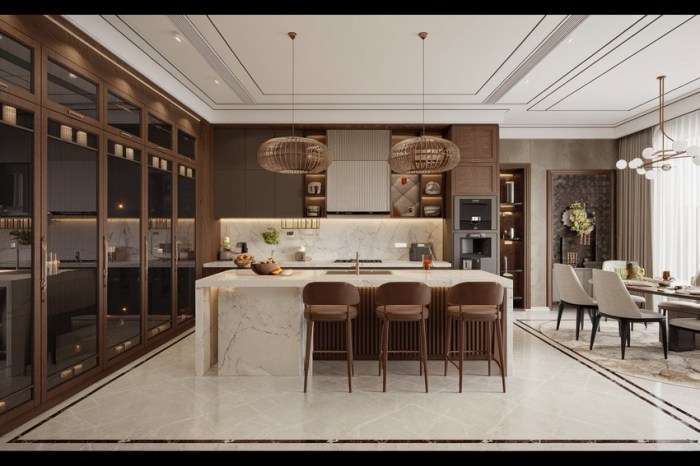
The integration of natural elements is crucial in mitigating the sometimes sterile feel of a purely minimalist modern kitchen. By thoughtfully incorporating natural materials, light, and ventilation, designers can create spaces that are both aesthetically pleasing and conducive to a sense of well-being. This approach moves beyond mere decoration, impacting the overall atmosphere and functionality of the kitchen.The use of natural materials like wood, stone, and plants introduces warmth, texture, and a connection to the outdoors, counterbalancing the often sleek, hard surfaces of modern design.
Natural light and ventilation contribute significantly to the health and ambiance of the space, reducing reliance on artificial lighting and improving air quality. These elements are not merely decorative choices; they enhance the overall experience of using the kitchen.
Natural Material Selection and Application
Careful selection and placement of natural materials are paramount. Wood, for example, can be incorporated through cabinetry, flooring, or even a statement island. Light-colored woods like ash or maple offer a clean, contemporary look, while darker woods such as walnut or cherry can add depth and richness. Stone, whether used for countertops, backsplashes, or flooring, brings durability and a sense of permanence.
Marble, granite, or quartz offer varied veining and textures that add visual interest. Plants, strategically placed, introduce life and vibrancy, softening hard lines and adding a touch of the organic. Consider incorporating vertical gardens or hanging planters to maximize space and visual impact.
Natural Light and Ventilation Strategies
Maximizing natural light is essential for creating a bright, airy kitchen. Large windows, skylights, and glass doors flood the space with sunlight, reducing the need for artificial lighting during the day and improving energy efficiency. Strategically placed mirrors can further enhance the effect, reflecting light into darker corners. Adequate ventilation is equally important, removing cooking odors and moisture to maintain a healthy and pleasant atmosphere.
Consider installing a powerful range hood and ensuring sufficient airflow through windows or exhaust fans.
Visual Representation of a Modern Kitchen with Natural Elements
Imagine a kitchen with sleek, white cabinetry punctuated by a large island crafted from light oak. The countertop is a slab of polished concrete, its cool gray tones offset by the warmth of the wood. A backsplash of pale grey subway tile adds a touch of classic elegance, while a series of strategically placed pendant lights illuminates the space.
Large windows overlooking a garden allow ample natural light to flood the room, illuminating potted herbs and a small indoor herb garden situated on a windowsill. A subtly textured linen Roman shade softens the light and provides privacy. The overall effect is one of modern sophistication tempered by a sense of warmth and tranquility, a space that is both functional and inviting.
The combination of clean lines, minimalist design, and the incorporation of natural elements creates a harmonious and balanced atmosphere.
Creating a modern kitchen is a journey of thoughtful selection and considered design. By carefully choosing color palettes, cabinetry, countertops, appliances, and lighting, you can craft a space that is both beautiful and functional. Remember to prioritize your personal style and needs, incorporating elements that enhance your daily life and create a kitchen that truly reflects your vision. The result will be a modern, efficient, and inviting space where culinary creativity and comfortable living converge.
Questions and Answers
What are some budget-friendly ways to update a modern kitchen?
Focus on smaller, impactful changes like repainting cabinets, updating hardware, adding new lighting fixtures, or installing a stylish backsplash. Consider refinishing existing countertops instead of replacing them entirely.
How can I make my modern kitchen feel warmer and more inviting?
Incorporate natural materials like wood and stone, add warm lighting, and include plants or greenery to soften the space. Consider using warmer color tones in your palette.
What are the latest trends in modern kitchen design?
Current trends include integrated appliances, minimalist designs, sustainable materials, smart technology integration, and a blend of natural and industrial elements.
How important is proper ventilation in a modern kitchen?
Proper ventilation is crucial for removing cooking odors, steam, and grease, preventing damage to cabinets and walls, and maintaining a comfortable and healthy cooking environment.
How do I choose the right size and style of kitchen island?
Consider the available space, the number of people using the kitchen, and the desired functionality (seating, storage, prep space). Choose a style that complements your overall kitchen design.
Leave a Reply