Mirrors, far from being mere functional objects, possess a remarkable ability to transform interior spaces. Their strategic placement can dramatically alter the perception of size, light, and overall ambiance. This guide delves into the art of mirror decoration, exploring diverse styles, placement techniques, and safety considerations to help you harness the transformative power of mirrors in your home.
From understanding the reflective properties of various mirror types – framed, unframed, antique, or modern – to mastering techniques for maximizing space and light, we will cover a comprehensive range of topics. We will examine how mirrors can create focal points, add depth and dimension, and complement different interior design themes, providing practical advice and visually rich examples to inspire your next decorating project.
Types of Mirrors for Home Decoration

Mirrors are versatile decorative elements that can dramatically alter the perceived size and ambiance of a room. Their reflective properties offer a multitude of design possibilities, from creating the illusion of more space to highlighting architectural details or artwork. The selection of an appropriate mirror type depends on factors such as the room’s style, the desired aesthetic, and the intended functionality.
Mirror Types and Their Characteristics
Various types of mirrors cater to diverse decorative needs and preferences. The choice of material and style significantly impacts both the aesthetic appeal and the reflective quality of the mirror. Different materials can influence the clarity, distortion, and overall visual effect.
Categorization of Mirrors for Home Décor
The following table organizes various mirror types based on material, style, and best use cases. The reflective qualities can vary slightly depending on the quality of the glass and the manufacturing process, but generally, all mirrors reflect light similarly unless otherwise specified (e.g., antique mirrors with a patina).
| Type | Material | Style | Best Use Cases |
|---|---|---|---|
| Framed Mirror | Glass with wooden, metal, plastic, or resin frame | Traditional, modern, minimalist, ornate, rustic | Living rooms, hallways, bedrooms, entryways; adding a focal point or enhancing existing décor. |
| Unframed Mirror | Glass only, sometimes with beveled edges | Modern, minimalist, contemporary | Bathrooms, dressing areas, creating a sense of spaciousness. |
| Antique Mirror | Glass with aged or distressed finish, often with ornate frames | Vintage, traditional, eclectic | Entryways, living rooms, bedrooms; adding character and historical charm. The reflective quality may be slightly muted due to the aged finish. |
| Modern Mirror | Glass with sleek, minimalist frames or no frame at all; may incorporate unusual shapes or materials | Contemporary, minimalist, geometric | Bathrooms, living rooms, hallways; creating a clean, contemporary aesthetic. |
| Full-Length Mirror | Glass, often with a full-length frame or standing freely | Varied, depending on the frame | Bedrooms, dressing rooms, hallways; for practical use and enhancing the sense of space. |
| Vanity Mirror | Glass, typically with magnification and adjustable features; often with a decorative base or frame | Varied, from simple to ornate | Bathrooms, dressing rooms, vanity areas; for personal grooming and makeup application. |
| Mosaic Mirror | Glass pieces arranged in a mosaic pattern, often with a frame | Bohemian, eclectic, traditional | Bathrooms, entryways, living rooms; adding texture and visual interest. |
| Accented Mirror | Glass with added decorative elements such as etching, painting, or other embellishments | Varied, depending on the accents | Living rooms, bedrooms, hallways; adding a unique and personalized touch. |
Strategic Placement of Mirrors to Enhance Space
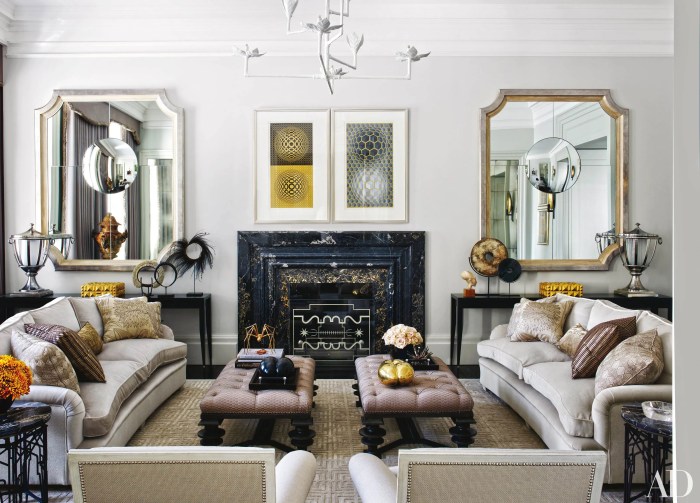
Mirrors strategically placed within a room can significantly alter its perceived size and brightness. Their reflective properties offer a powerful tool for interior design, creating illusions of spaciousness and enhancing the impact of natural and artificial light sources. Understanding these properties and applying them thoughtfully can transform even the smallest room.Mirrors create the illusion of more space in small rooms primarily by reflecting the existing space, visually extending the boundaries of the room.
This effect is particularly pronounced when a mirror is positioned to reflect a light and airy area, such as a window or a well-lit corner. The reflected image essentially doubles the visual area, making the room seem larger than it actually is. For instance, placing a large mirror on a wall opposite a window will reflect the outdoor view, bringing the outside in and creating a sense of depth and openness.
Similarly, a strategically placed mirror can reflect a light-colored wall, reinforcing the sense of spaciousness and brightness.
Mirror Placement and Light Reflection
The placement of a mirror significantly impacts light reflection and overall room brightness. Mirrors act as light multipliers, bouncing light around the room and reducing the reliance on artificial lighting. Optimizing natural light involves positioning mirrors to capture and redirect sunlight. A mirror placed opposite a window will reflect sunlight deeper into the room, illuminating areas that might otherwise be shadowed.
The angle of the mirror is crucial; a slight adjustment can dramatically change the amount and direction of reflected light. For instance, a mirror angled to reflect light onto a dark corner will brighten that area, improving the overall balance of light within the room. Conversely, placing a mirror directly opposite a bright light source might create glare, reducing the effectiveness of the light reflection.
Room Layout Examples Utilizing Mirrors
The following three examples illustrate how mirrors can maximize space and light in different room types:
Example 1: Small Living Room
In a small living room with a single window, a large, full-length mirror placed on the wall opposite the window will create the illusion of a much larger space. The reflected window and light will make the room feel brighter and airier. A smaller, decorative mirror could be added above a mantelpiece to reflect light and add visual interest.
The use of light-colored furniture and walls will further enhance the effect of the mirrors, reflecting more light and creating a sense of spaciousness. Avoid dark or heavily patterned furniture and walls, as these will absorb light and reduce the effectiveness of the mirrors.
Example 2: Narrow Hallway
A narrow hallway can be transformed with strategically placed mirrors. A series of smaller mirrors arranged along one wall, perhaps in a gallery style, can create a sense of depth and widen the perceived space. The mirrors should be positioned to reflect light from the ends of the hallway, creating a more open and welcoming feel. Using mirrors with simple frames will avoid cluttering the already narrow space.
The reflected light will also enhance the brightness of the hallway, making it feel less cramped and more inviting.
Example 3: Small Bedroom
In a small bedroom, a large mirror placed on a wardrobe door or on a wall opposite the window will maximize both space and light. The reflected light will brighten the room, and the reflected space will create a sense of spaciousness. Adding a smaller mirror to the dressing table area can further enhance the reflective effect and provide practical functionality.
Light-colored bedding and curtains will work in conjunction with the mirrors to create a bright and airy atmosphere. Avoiding large, dark pieces of furniture will prevent the absorption of light and maintain the feeling of openness.
Mirrors to Create Focal Points and Visual Interest
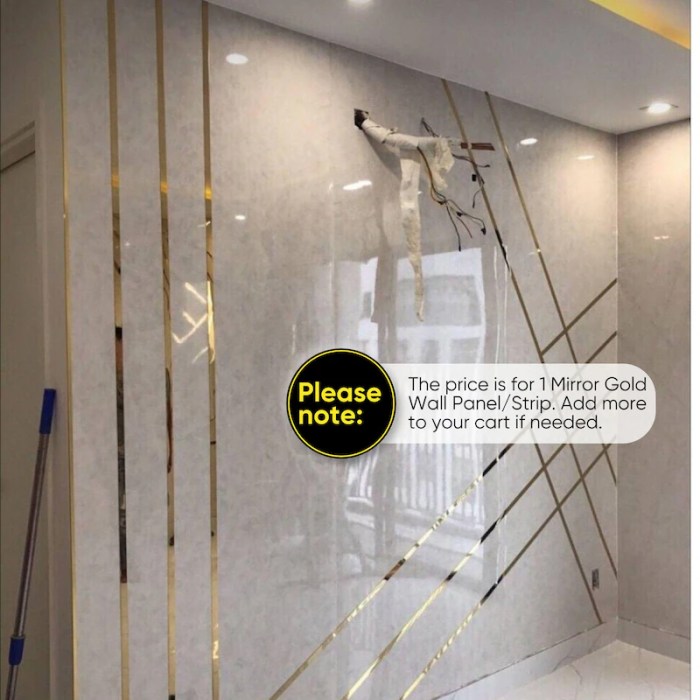
Mirrors strategically placed can dramatically alter the perceived space and style of a room, transforming a dull area into a visually captivating focal point. Their reflective properties not only expand the sense of space but also highlight specific features, drawing the eye and enhancing the overall aesthetic appeal. Effective use involves careful consideration of both the mirror itself and its surrounding environment.Mirrors effectively draw attention to a specific area by reflecting light and visually extending the space.
This technique is particularly useful in rooms lacking natural light or those with limited square footage. By placing a mirror opposite a window, for example, the light is amplified, creating a brighter and more spacious feel. Similarly, positioning a mirror to reflect a striking piece of artwork or a beautifully arranged fireplace instantly elevates its prominence and transforms it into a room’s central feature.
Decorative Mirror Frames and Their Contribution to Interior Design
The frame of a mirror is as crucial as its reflective surface. A thoughtfully chosen frame can elevate a simple mirror into a statement piece, complementing the existing décor and adding a touch of personality. For instance, an ornate gilded frame would beautifully accentuate a classic, traditional room, while a sleek, minimalist frame would be ideal for a modern, contemporary space.
The material of the frame – be it wood, metal, resin, or even a mosaic – further contributes to the overall aesthetic. A rustic wooden frame might suit a farmhouse-style room, while a metallic frame could add a touch of industrial chic to a loft apartment. The color and texture of the frame also play a significant role, offering a vast array of options to match or contrast with existing furniture and wall colors.
Statement Mirror as a Focal Point: A Visual Description
Imagine a spacious living room decorated in a mid-century modern style. The walls are painted a soft, muted grey, and the furniture consists of sleek, low-profile sofas in a warm beige fabric, paired with a polished teak coffee table. A large, round mirror with a black lacquered frame hangs above the fireplace mantel. The mirror is not just functional; it’s a statement piece, its substantial size and bold frame commanding attention.
The mirror reflects the warm glow of the fireplace, the soft light from a nearby lamp, and a glimpse of the vibrant artwork hanging on the opposite wall. The reflection subtly expands the perceived space of the room, making it feel larger and more airy. The black frame provides a striking contrast against the lighter walls and furniture, adding a touch of sophistication and anchoring the design.
The overall effect is one of elegant simplicity and carefully curated style, with the mirror acting as a central unifying element that brings together all the other design choices. The reflection of the room’s elements within the mirror creates a sense of depth and visual interest, further enhancing the room’s aesthetic appeal and making the fireplace a stunning focal point.
Mirror Styles and Their Coordination with Interior Design Themes
Selecting the right mirror not only enhances the functionality of a room but also significantly impacts its overall aesthetic. The style of the mirror should complement the existing interior design theme to create a cohesive and visually appealing space. Careful consideration of frame material, shape, and size is crucial in achieving this harmony.Mirror selection is heavily influenced by the prevailing interior design style.
Different styles call for different aesthetic approaches, ensuring the mirror integrates seamlessly rather than clashing with the room’s character. This section will explore how to match mirror styles to various interior design themes, focusing on the synergistic relationship between mirror design and overall room décor.
Mirror Styles and Their Compatibility with Modern and Minimalist Designs
Modern and minimalist interiors prioritize clean lines, simplicity, and functionality. Mirrors in these settings should reflect this ethos. Frameless mirrors or those with thin, minimalist frames (perhaps in brushed metal or dark wood) are ideal. Geometric shapes, such as squares, rectangles, and circles, are preferred over ornate designs. Large, single mirrors can create a sense of spaciousness, a key element in minimalist design.
Conversely, a collection of smaller, identically framed mirrors can create a visually interesting yet uncluttered focal point. The use of reflective surfaces maximizes light and enhances the sense of openness characteristic of these styles.
Mirror Styles and Their Integration with Bohemian and Eclectic Interiors
Bohemian and eclectic styles embrace a more relaxed and layered approach to décor. Mirrors in these settings can be more expressive. Ornate frames, perhaps with intricate carvings or distressed finishes, are appropriate. Unusual shapes, such as sunbursts or irregular forms, add character. A mix of materials, such as wood, metal, and even rattan, can be used to create a unique and personalized look.
The key is to incorporate mirrors that reflect the eclectic nature of the surrounding décor, adding visual interest without overwhelming the space. Mirrors with a vintage or antique feel can contribute significantly to the bohemian aesthetic.
Mirror Styles and Their Harmonization with Traditional and Classic Interior Design Themes
Traditional and classic interiors often feature ornate details, rich textures, and a sense of history. Mirrors in these settings should complement this elegance. Heavily framed mirrors, with details like gilded edges or intricate carvings, are a natural fit. Classical shapes, such as oval or rectangular mirrors with substantial frames, work well. The frames should ideally be made of materials like wood (dark stained or painted) or ornate metal, reflecting the richness of the surrounding furniture and décor.
The size and placement of the mirror should be carefully considered to enhance the existing grandeur of the room.
Selecting Mirror Frames and Shapes to Complement Interior Design Elements
The choice of mirror frame and shape should directly complement the existing interior design elements. For instance, a modern living room with sleek lines and metallic accents would benefit from a rectangular mirror with a thin, brushed-steel frame. In contrast, a traditional bedroom with antique furniture and ornate detailing would be enhanced by a large, oval mirror with an elaborate, gilded frame.
The color and texture of the frame should also be considered; a mirror with a dark wood frame would complement a room with dark wood furniture, while a mirror with a light-colored frame would work well in a brighter, more airy space. The shape of the mirror should also complement the shapes of other objects in the room.
For example, a circular mirror would look great in a room with rounded furniture and curves.
- Modern/Minimalist: Frameless mirrors, thin metallic frames, geometric shapes (squares, rectangles, circles).
- Bohemian/Eclectic: Ornate frames, unusual shapes (sunbursts, irregular forms), mixed materials (wood, metal, rattan), vintage or antique styles.
- Traditional/Classic: Heavily framed mirrors, gilded edges, intricate carvings, classical shapes (oval, rectangle), dark wood or ornate metal frames.
Using Mirrors to Create Depth and Dimension
Mirrors, strategically placed, possess the remarkable ability to manipulate the perceived dimensions of a space, effectively creating an illusion of depth and expanding the visual boundaries of a room. This effect is particularly valuable in smaller spaces or hallways where maximizing the sense of spaciousness is crucial. The reflective properties of mirrors allow them to bounce light and replicate parts of the room, visually extending the space beyond its physical limitations.The skillful use of mirrors to enhance depth and dimension relies on understanding their reflective properties and how they interact with the surrounding environment.
The size, shape, and placement of the mirror all play significant roles in determining the final visual impact. Large mirrors generally create a more pronounced sense of depth than smaller ones, while strategically positioned mirrors can amplify the effect of natural light, further contributing to the feeling of spaciousness.
Mirror Placement in Hallways and Narrow Spaces
Hallways and narrow spaces often benefit most from the depth-creating properties of mirrors. A large, vertically oriented mirror placed at the end of a hallway can dramatically extend the visual length of the space, making it appear longer and more open. This effect is amplified if the mirror reflects a light source or an interesting feature at the end of the hallway, further drawing the eye and creating a sense of visual continuity.
In narrower spaces, a strategically placed mirror can visually double the width, creating a more balanced and less claustrophobic feel. For example, a mirror placed on a narrow wall opposite a window will reflect the outdoor view, effectively widening the room and bringing the outdoors in.
The Dramatic Effect of Multiple Mirrors
Employing multiple mirrors in a coordinated arrangement can generate a powerful and dramatic effect, significantly enhancing the perceived depth and dimension of a room. A gallery wall featuring a collection of mirrors of varying sizes and shapes can create a visually stunning focal point while simultaneously adding depth. The interplay of reflections between the mirrors can produce a mesmerizing effect, multiplying the light and creating a sense of spaciousness that transcends the physical limitations of the room.
For instance, a series of smaller, framed mirrors arranged in a geometric pattern on a wall can create a sense of movement and depth, adding visual interest to an otherwise plain surface. The reflections from each mirror will overlap and interact, producing a more complex and dynamic visual effect.
Impact of Mirror Size and Shape on Depth Perception
The size and shape of a mirror directly influence its ability to create depth and dimension. Larger mirrors, especially those with a full-length or near full-length reflection, are more effective in creating a sense of spaciousness. A large, rectangular mirror positioned opposite a window will not only reflect the outside view but also extend the visual space of the room considerably.
In contrast, smaller, round or oval mirrors, while still contributing to visual interest, generally have a less pronounced impact on the perception of depth. However, strategically grouping several smaller mirrors can produce a similar effect to a single larger mirror. The shape of the mirror also plays a role; a long, narrow mirror can elongate a room vertically, while a wider, shorter mirror can broaden a room horizontally.
The strategic use of these varying shapes and sizes can be used to balance and manipulate the perceived proportions of a room.
Practical Considerations and Safety
Mirrors, while enhancing aesthetics and functionality, pose safety risks if not handled and installed correctly. Improper installation can lead to serious injuries, from minor cuts to severe lacerations, due to falling mirrors. Understanding and implementing safe practices is crucial for both the installer and the occupants of the space.Proper mirror hanging and securing techniques are paramount to prevent accidents.
The weight of the mirror, the type of wall material, and the chosen hanging method all play a significant role in ensuring a secure installation. Ignoring these factors can result in a catastrophic failure, leading to property damage and potential injury.
Mirror Hanging Techniques and Secure Installation
Selecting the appropriate hanging method is dependent on several factors, including the mirror’s weight, the wall’s material (drywall, concrete, brick), and the mirror’s dimensions. For lightweight mirrors, adhesive strips might suffice. However, heavier mirrors necessitate more robust methods such as using specialized mirror clips or heavy-duty picture hanging hardware. For particularly large or heavy mirrors, professional installation is strongly recommended.
This ensures the mirror is securely fastened and minimizes the risk of falling.A step-by-step guide for securely hanging a mirror generally involves:
1. Assessing the mirror and wall
Determine the mirror’s weight and the wall’s composition. This dictates the appropriate hanging hardware.
2. Choosing the right hardware
Select appropriate hanging hardware based on the mirror’s weight and wall type. Heavy-duty D-rings, wire, and picture hooks are suitable for heavier mirrors and stronger walls. For drywall, specialized drywall anchors are essential.
3. Marking the hanging points
Carefully mark the locations on the wall where the hanging hardware will be installed, ensuring they are level and aligned with the mirror’s hanging points.
4. Installing the hardware
Install the chosen hanging hardware according to the manufacturer’s instructions. For drywall, use appropriate anchors to provide sufficient support.
5. Hanging the mirror
Carefully hang the mirror onto the installed hardware, ensuring it is securely fastened and level. A second person may be needed for larger mirrors.
6. Testing the stability
Gently test the mirror’s stability to ensure it is securely fixed and will not easily move or fall.
Hazards of Improperly Installed Mirrors
Improperly installed mirrors present several significant hazards. The most immediate danger is the risk of the mirror falling, which can result in:* Serious injuries: Shattered glass can cause deep cuts and lacerations. The weight of the mirror itself can also cause significant blunt force trauma.
Property damage
A falling mirror can damage surrounding furniture, flooring, and other items.
Secondary hazards
Broken glass can create a hazardous environment, posing a risk of stepping on shards and causing further injuries.Failure to use appropriate hanging hardware, ignoring the weight of the mirror, and improper placement of the hanging points are common causes of mirror accidents. For example, using small nails or hooks to support a heavy mirror on a weak wall is extremely dangerous.
Similarly, installing the hardware unevenly or failing to secure it firmly increases the risk of the mirror falling. These scenarios highlight the critical importance of following safe installation practices and seeking professional assistance when dealing with large or heavy mirrors.
Mastering the art of mirror placement is a journey of enhancing both aesthetics and functionality. By understanding the principles of reflection, spatial illusion, and design harmony, you can effectively transform any room. This guide has equipped you with the knowledge to select the right mirrors, position them strategically, and integrate them seamlessly into your existing décor. Remember, the key lies in thoughtful planning and a keen eye for detail – unleash your creativity and let your mirrors reflect a space that truly embodies your personal style.
Question & Answer Hub
Can I use mirrors in a small bathroom to make it feel larger?
Absolutely! A strategically placed mirror, particularly a large one opposite a light source, can significantly expand the perceived size of a small bathroom. Consider a full-length mirror or a large framed mirror on a wall.
What type of mirror is best for a modern minimalist design?
For a modern minimalist aesthetic, opt for simple, unframed mirrors with clean lines. Large, rectangular mirrors or smaller, geometrically shaped mirrors work well in this style.
How do I clean mirrors without leaving streaks?
Use a glass cleaner specifically designed for mirrors, and apply it to a microfiber cloth. Wipe in a circular motion, then buff with a clean, dry microfiber cloth for a streak-free shine. Avoid using abrasive cleaners.
Are there any safety concerns I should consider when hanging a mirror?
Yes, always use appropriate hanging hardware for the weight of the mirror and the type of wall. Securely fasten the mirror to prevent it from falling. Consider using safety film on larger mirrors to prevent shattering in case of accidental breakage.
How can I incorporate antique mirrors into a contemporary setting?
An antique mirror can serve as a striking focal point in a contemporary room, adding a touch of unexpected character and history. Choose a mirror with a frame that complements, rather than clashes with, the existing décor. The contrast can create a visually interesting juxtaposition.
Leave a Reply