The allure of Scandinavian design lies in its minimalist aesthetic, a harmonious blend of functionality and understated elegance. White and grey, the cornerstones of this style, create a serene and inviting atmosphere, reflecting the region’s long winters and appreciation for natural light. This exploration delves into the principles of Scandinavian design, showcasing how the interplay of white and grey, complemented by natural materials and carefully selected furnishings, achieves a sophisticated yet cozy ambiance.
We’ll examine color palettes, texture combinations, furniture choices, lighting strategies, and decorative elements, providing a comprehensive guide to crafting a truly captivating Scandinavian home.
From understanding the core tenets of Scandinavian minimalism – simplicity, functionality, and natural light – to mastering the art of layering textures and incorporating subtle accent colors, this guide offers a practical approach to achieving this coveted style. We will explore various interpretations, from minimalist to maximalist approaches, and provide actionable advice on selecting furniture, lighting, and decorative accessories to create spaces that are both beautiful and comfortable.
Defining Scandinavian Style in White and Grey
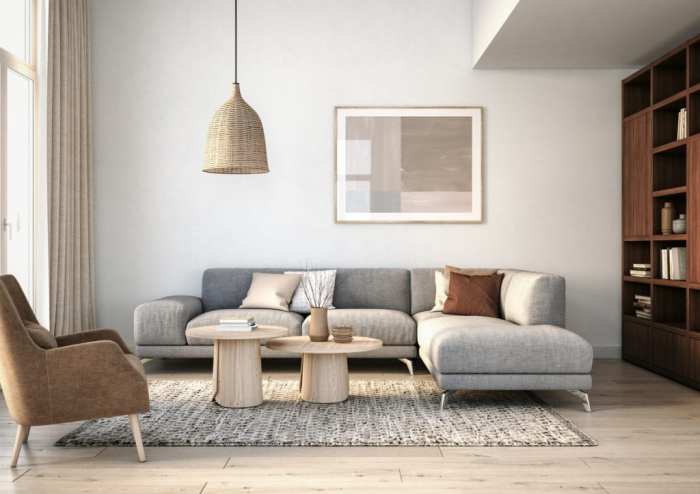
Scandinavian design, born from the Nordic countries’ unique climate and culture, prioritizes functionality, simplicity, and a connection with nature. This style, often characterized by its minimalist aesthetic, uses light and airy spaces to combat the long, dark winters, creating homes that feel both inviting and serene. The prevalence of white and grey, coupled with natural materials, is central to achieving this characteristic atmosphere.
White and grey are fundamental to the Scandinavian aesthetic, not merely as colors, but as contributors to the overall feeling of spaciousness and tranquility. White, reflecting light and creating a sense of openness, is often used as a base, while grey, in its various shades, adds depth and sophistication without overwhelming the space. The interplay of these two neutral tones allows for the introduction of pops of color through textiles and accessories, further enhancing the design’s versatility and personality.
The Role of Natural Materials in Scandinavian Design
Natural materials are integral to Scandinavian design, reflecting a deep respect for the environment and a desire to create spaces that feel warm and organic. Wood, particularly light-colored woods like birch and pine, is extensively used in flooring, furniture, and wall paneling. Other natural materials, such as stone, wool, linen, and leather, are incorporated to add texture and visual interest.
The use of these materials directly connects the interior space with the natural world, enhancing the feeling of calm and well-being. The inherent textures and subtle variations in color found in these natural materials provide a welcome counterpoint to the clean lines and minimalist aesthetic. For instance, the warm grain of a wooden table contrasts beautifully with the cool smoothness of a grey stone fireplace.
Common Scandinavian Design Elements
Several key elements consistently appear in Scandinavian-style interiors. Clean lines and simple shapes are paramount, avoiding unnecessary ornamentation or clutter. Functionality is prioritized; each piece of furniture serves a purpose and contributes to the overall efficiency of the space. Built-in storage solutions are frequently employed to maximize space and maintain a sense of order. Large windows are crucial for maximizing natural light, a prized commodity in the Nordic countries.
Minimalist artwork, often featuring nature-inspired themes, and simple, uncluttered shelving further contribute to the overall aesthetic. Lighting plays a significant role; strategically placed lamps and overhead fixtures ensure the space is well-lit and inviting.
Minimalist vs. Maximalist Interpretations of Scandinavian Style
The following table compares minimalist and maximalist interpretations of Scandinavian design using white and grey as the base palette:
| Feature | Minimalist Interpretation | Maximalist Interpretation | Illustrative Example |
|---|---|---|---|
| Color Palette | Primarily white and grey, with minimal pops of color | White and grey as a base, with bolder, more varied color accents | Minimalist: A living room with a white sofa, grey walls, and a single, vibrant throw pillow. Maximalist: A living room with a white sofa, grey walls, several colorful throw pillows, and a patterned rug. |
| Furniture | Simple, functional pieces; minimal furniture | More furniture pieces, but still maintaining clean lines and functionality | Minimalist: A single, sleek sofa and a small coffee table. Maximalist: A sofa, two armchairs, a coffee table, and a side table. |
| Decorative Elements | Very few decorative items; emphasis on clean lines and simplicity | More decorative elements, but carefully curated to maintain a sense of balance | Minimalist: A single, minimalist artwork. Maximalist: Several carefully selected artworks, plants, and decorative objects. |
| Textiles | Simple, natural fabrics in neutral tones | A wider variety of textiles, including patterns and textures, but still emphasizing natural materials | Minimalist: A simple linen throw blanket. Maximalist: A variety of textured throws, cushions, and rugs in natural fibers. |
Color Palettes and Texture Combinations
The interplay of color and texture is paramount in achieving the characteristically serene and sophisticated aesthetic of Scandinavian design. White and grey, the foundational hues of this style, offer a remarkably versatile canvas upon which to build a range of moods and atmospheres. The strategic incorporation of diverse shades, textures, and metallic accents elevates the space beyond mere minimalism, imbuing it with warmth, depth, and visual interest.
The perception of color is a complex interaction between light, the observer’s physiology, and the surrounding environment. Variations in undertones—whether cool, warm, or neutral—significantly impact the overall feeling of a room. Similarly, texture introduces another layer of sensory experience, influencing how light reflects and interacts with the surfaces, creating a dynamic interplay of shadow and highlight.
White and Grey Shade Combinations
Scandinavian design often favors a spectrum of whites and greys, avoiding stark contrasts. Subtle variations in tone create visual depth and prevent monotony. For instance, a warm white on walls can be paired with a cool grey on flooring, creating a harmonious yet visually engaging contrast. Conversely, a light grey on walls might be complemented by an off-white on furniture, introducing a sense of calm sophistication.
The use of different shades of grey, from charcoal to dove grey, allows for the creation of focal points and visual hierarchy within the space. Consider using a slightly darker grey for accent walls or furniture pieces to anchor the room and provide a grounding element.
Texture Integration in White and Grey Schemes
The incorporation of diverse textures is crucial in preventing a sterile feel within a predominantly white and grey space. Natural materials are key. The warmth of light oak or the cool smoothness of painted pine wood introduce tactile and visual interest. Woven textiles, such as wool throws or linen curtains, add a layer of softness and visual complexity.
The rough texture of a hand-woven rug contrasts beautifully with the smooth surfaces of the walls and furniture, creating a visually rich environment. The interplay of these textures provides a depth of sensory experience that is essential to the success of Scandinavian design. Consider the contrasting textures of a smooth linen tablecloth on a roughly hewn wooden table, for example, for a striking yet harmonious visual effect.
Metallic Accents in Scandinavian Design
Metallic accents, used sparingly, can add a touch of elegance and warmth to a white and grey palette. Brass, copper, and brushed nickel are popular choices, offering varying levels of warmth and reflectivity. Brass, with its golden hue, brings a sense of richness and sophistication. Copper offers a warmer, more rustic feel. Brushed nickel provides a more modern, sleek look.
These metallic elements are typically incorporated through lighting fixtures, hardware, or decorative accessories. A brass lamp base on a white side table or copper-toned handles on grey cabinets can add a subtle but impactful contrast and a sense of luxury. The reflective qualities of these metals also help to bounce light around the room, brightening and enhancing the overall ambiance.
Three Accent Color Palettes
The following palettes utilize white and grey as a base, each enhanced by a different accent color to create distinct moods and applications.
- Palette 1: White, Light Grey, and Dusty Rose: This palette evokes a sense of calm and romantic serenity. The dusty rose adds a soft, feminine touch, suitable for bedrooms or living spaces designed for relaxation. The lightness of the palette ensures it remains airy and bright.
- Palette 2: Off-White, Charcoal Grey, and Deep Teal: This palette is more dramatic and sophisticated, suitable for a formal dining room or a study. The deep teal adds a sense of depth and richness, contrasting beautifully with the neutral tones. The charcoal grey anchors the palette and adds a touch of gravitas.
- Palette 3: Warm White, Light Grey, and Mustard Yellow: This palette is cheerful and energetic, perfect for a kitchen or a sunroom. The mustard yellow adds a pop of vibrant color, creating a sense of warmth and optimism. This palette is lively yet maintains the overall calming effect of the Scandinavian aesthetic.
Furniture and Furnings
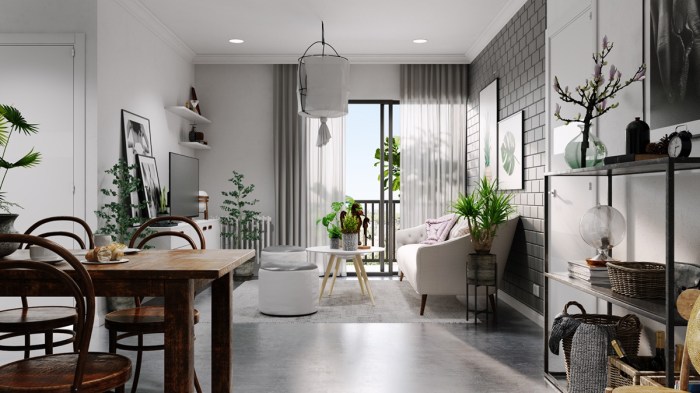
Scandinavian design philosophy, deeply rooted in functionality and simplicity, extends naturally to its furniture. The emphasis is on clean lines, natural materials, and pieces that seamlessly integrate into the living space, enhancing both aesthetics and practicality. This approach reflects a cultural appreciation for craftsmanship and a mindful use of resources, resulting in furniture that is both beautiful and enduring.The inherent minimalism of Scandinavian style is reflected in the careful selection of furniture pieces.
Over-furnishing is avoided, prioritizing quality over quantity. Each piece serves a distinct purpose, contributing to the overall harmony and functionality of the room. This approach is informed by the principles of ergonomic design, ensuring comfort and ease of use. The result is a space that feels open, airy, and inviting, rather than cluttered or overwhelming.
Key Furniture Pieces in Scandinavian Design
Characteristic Scandinavian furniture pieces often feature simple, geometric forms. Think of the iconic Arne Jacobsen Egg chair, a testament to sculpted curves and ergonomic design, or the clean lines of a Hans Wegner chair, showcasing the beauty of simple construction. These pieces, while aesthetically pleasing, are also incredibly functional, designed for comfort and ease of use. Functionality is not merely a secondary consideration; it’s integral to the design itself.
The inherent simplicity of the forms allows for versatility, fitting seamlessly into diverse interiors.
Furniture Materials in Scandinavian Design
The materials used in Scandinavian furniture are predominantly natural and sustainably sourced. Light-colored woods, such as birch, pine, and oak, are favored for their warmth and visual appeal. These woods often retain their natural grain and texture, adding a sense of authenticity and rustic charm to the otherwise minimalist aesthetic. Other materials, such as wool, linen, and leather, are frequently used for upholstery and accessories, contributing to the tactile richness of the overall design.
The choice of materials reflects a commitment to both environmental responsibility and a sensory experience.
Functionality and Simplicity in Furniture Selection
Incorporating functionality and simplicity into furniture selection is paramount in achieving a true Scandinavian aesthetic. This means choosing pieces that are both beautiful and practical, serving their intended purpose efficiently without unnecessary embellishments. For instance, a simple, unadorned dining table made from light oak, paired with comfortable yet understated chairs, is far more characteristic of the style than an ornate, heavily carved table.
The emphasis is on clean lines, durable materials, and a timeless design that will not quickly go out of style. The selection process prioritizes enduring quality over fleeting trends.
Modern versus Traditional Scandinavian Furniture
While both modern and traditional Scandinavian furniture styles share a core philosophy of functionality and simplicity, there are subtle differences. Traditional Scandinavian furniture often features more handcrafted details and slightly heavier construction, reflecting a connection to the region’s woodworking heritage. Modern Scandinavian furniture tends to embrace more minimalist forms, often incorporating contemporary materials and techniques. However, both styles maintain a focus on clean lines, natural materials, and a sense of understated elegance.
The distinction is largely one of degree, not a fundamental shift in aesthetic principles.
Essential Furniture for a White and Grey Scandinavian Living Room
A thoughtfully curated selection of furniture pieces is key to creating a successful Scandinavian living room. The following five pieces, when chosen with an eye towards functionality and simplicity, will establish the foundation of the space.
- A light-colored wood sofa (e.g., birch or oak) with simple, clean lines and neutral-colored upholstery (e.g., light grey or beige linen).
- A low-profile coffee table made from light wood or marble, providing a functional surface without overwhelming the space.
- Two or three armchairs, ideally in a similar style to the sofa, upholstered in a complementary fabric.
- A simple, unadorned shelving unit made from light wood, offering practical storage and display space.
- A floor lamp with a minimalist design, providing ambient lighting while complementing the overall aesthetic.
Lighting and Ambiance
Scandinavian design, with its emphasis on light and airy spaces, places paramount importance on both natural and artificial lighting to create a specific ambiance. The interplay of these light sources is crucial in achieving the characteristically serene and inviting atmosphere of a Scandinavian home. The inherent connection between light and well-being is deeply rooted in the region’s long winters, necessitating a thoughtful approach to illumination.The strategic use of light in Scandinavian interiors is not merely decorative; it’s a functional and emotional element that significantly impacts the overall mood and experience of the space.
This section will explore the role of natural and artificial lighting, detailing how different types of illumination contribute to the signature Scandinavian aesthetic.
Natural Light Maximization
Natural light is the cornerstone of Scandinavian design. The long, dark winters of Scandinavian countries necessitate a deep appreciation for maximizing natural light during the shorter days. Large windows, often floor-to-ceiling, are a defining feature, allowing ample sunlight to flood the interiors. The placement of these windows is often carefully considered to optimize sunlight exposure throughout the day.
White walls and light-colored floors further enhance the reflection and diffusion of natural light, creating a bright and airy environment. This abundant natural light is not just visually appealing; studies have shown a positive correlation between natural light exposure and improved mood, productivity, and overall well-being. For example, a study published in the Journal of Environmental Psychology demonstrated a significant improvement in worker satisfaction and performance in offices with increased natural light access.
Artificial Lighting as a Complement
While natural light is prioritized, artificial lighting plays a vital role in complementing and extending the ambiance, especially during the darker months. Scandinavian lighting design avoids harsh, direct illumination. Instead, it emphasizes soft, diffused light that mimics the gentle glow of natural light. This approach helps maintain the calming and inviting atmosphere even when the sun sets. The selection of light fixtures and bulbs is crucial; warm-toned LED bulbs are frequently preferred for their ability to create a cozy and welcoming ambiance.
Furthermore, the layering of different lighting types is key to achieving the desired effect.
Types of Lighting and Their Application
Scandinavian lighting schemes typically employ a combination of ambient, task, and accent lighting. Ambient lighting provides overall illumination, creating a foundational level of brightness. In a Scandinavian home, this might be achieved through recessed ceiling lights or large, softly diffused pendant lamps. Task lighting, on the other hand, is focused and functional, providing illumination for specific activities like reading or working.
Desk lamps with adjustable arms or strategically placed floor lamps are common examples. Accent lighting is used to highlight specific features or artwork, adding depth and visual interest. This could involve small spotlights directed at paintings or sculptural elements, or perhaps a subtle uplighting to emphasize architectural details. The careful balance of these three lighting types creates a layered and dynamic lighting scheme that caters to both functionality and aesthetics.
Lighting Plan for a Scandinavian Bedroom
Consider a Scandinavian-style bedroom with white walls, light wood floors, and a muted grey accent wall. The lighting plan would incorporate:
- Ambient Lighting: A central ceiling fixture, perhaps a large, circular pendant light with a frosted glass shade, providing soft, diffused light throughout the room. The light source should be a warm-white LED bulb to create a relaxed atmosphere.
- Task Lighting: A pair of bedside table lamps with simple, elegant designs. These lamps would provide focused light for reading, with adjustable brightness settings for flexibility. Again, warm-white LED bulbs would be the ideal choice.
- Accent Lighting: Small, adjustable spotlights mounted on the ceiling could be used to highlight a piece of artwork or a decorative element on the grey accent wall. This would add a touch of visual interest and sophistication without disrupting the overall serene atmosphere.
This combination of lighting types ensures adequate illumination for various activities while maintaining the calming and inviting ambiance characteristic of Scandinavian design.
Ambiance Created by Different Lighting Choices
The choice of lighting significantly influences the mood and atmosphere of a Scandinavian bedroom. Warm-toned, diffused lighting creates a feeling of coziness and relaxation, ideal for sleep and unwinding. Bright, crisp lighting, while less common, can be used strategically in the morning to promote alertness and energy. The absence of harsh shadows and the emphasis on soft, even illumination contribute to a sense of tranquility and well-being.
Dimming capabilities allow for adjustment based on the time of day and desired mood, further enhancing the flexibility and versatility of the lighting scheme. For example, dimming the lights in the evening promotes relaxation, while brighter settings in the morning can help to improve alertness and energy levels. This adaptable approach to lighting ensures the space is comfortable and functional throughout the day.
Decor and Accessories
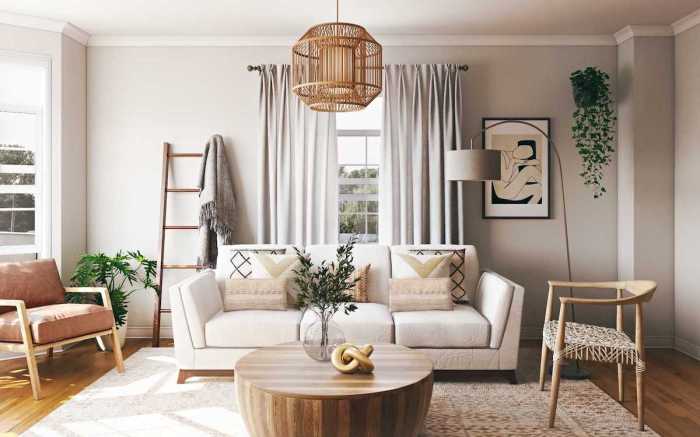
The careful selection and placement of decorative accessories are paramount in achieving the serene and functional aesthetic of a white and grey Scandinavian home. These elements, while seemingly minor, contribute significantly to the overall atmosphere, reflecting the design philosophy’s emphasis on simplicity, functionality, and natural elements. The key lies in curating a collection that avoids clutter while adding warmth and personality.
Decorative Items for White and Grey Scandinavian Spaces
The minimalist nature of Scandinavian design doesn’t preclude the use of decorative items; rather, it dictates a selective approach. Items should be functional, beautiful, and preferably made from natural materials. Consider incorporating pieces like ceramic bowls in muted tones, handcrafted wooden boxes for storage, or simple, geometrically-shaped vases. A collection of vintage or antique finds, such as a small, subtly patterned rug or a hand-blown glass bottle, can inject character without disrupting the overall harmony.
The color palette should remain consistent with the overall scheme, utilizing shades of white, grey, and subtle natural tones like beige or taupe. Metallic accents, such as brushed brass or copper, can be used sparingly to add warmth and visual interest. The principle is to add personality through carefully chosen, high-quality items, rather than through a large quantity of decorative objects.
Plants and Natural Elements as Decor
Biophilic design, the integration of natural elements into interior spaces, is a cornerstone of Scandinavian style. The incorporation of plants is not merely decorative; studies have shown that exposure to greenery reduces stress and improves air quality. Large potted plants, such as a fiddle-leaf fig or a snake plant, add verticality and visual interest to a room. Smaller succulents or air plants in minimalist ceramic pots can be strategically placed on shelves or windowsills.
Natural materials, such as wood, stone, and wool, further enhance this connection to nature. Wooden bowls, stone coasters, and wool throws add texture and warmth, reinforcing the overall sense of calm and well-being. The use of natural light is also crucial, maximizing the feeling of spaciousness and openness, further complementing the natural elements.
Artwork and Textiles in Scandinavian Design
Artwork and textiles play a crucial role in adding personality and warmth to a white and grey Scandinavian space. Artwork should be chosen for its simplicity and elegance. Abstract pieces in muted tones, or minimalist line drawings, complement the overall aesthetic. The frames should be simple and understated, preferably in wood or a neutral metallic finish. Textiles, such as wool throws, linen cushions, and cotton rugs, introduce texture and comfort.
The color palette should be kept consistent with the rest of the room, using shades of white, grey, and natural tones. Patterns should be subtle and understated, perhaps incorporating simple geometric shapes or Scandinavian-inspired motifs. The textures should be tactile and inviting, adding a sense of warmth and comfort to the otherwise minimalist space.
Mood Board: White and Grey Scandinavian Kitchen
Imagine a mood board for a white and grey Scandinavian kitchen. The background is a soft grey. A large image dominates, showcasing a sleek, white kitchen island with a light grey marble countertop. Next to it, a smaller image displays a set of minimalist white ceramic bowls, showcasing their clean lines and subtle texture. A third image presents a simple wooden cutting board, its natural grain visible, representing the natural element integration.
A fourth image shows a small, potted succulent in a white ceramic pot, adding a touch of greenery. Finally, a swatch of a light grey linen tea towel adds texture and a touch of subtle pattern. The overall impression is one of calm, functionality, and understated elegance, characteristic of Scandinavian design.
Key Decorative Accessories Defining Scandinavian Style
- Simple, geometrically-shaped ceramic vases: These add visual interest without being overly decorative.
- Natural fiber rugs (wool, jute): Introduce texture and warmth while maintaining a minimalist aesthetic.
- Wooden bowls and trays: Offer both functionality and a natural element.
- Minimalist artwork in muted tones: Adds personality without overwhelming the space.
- Potted plants: Introduce greenery and improve air quality, reflecting the biophilic design principles.
Illustrative Examples
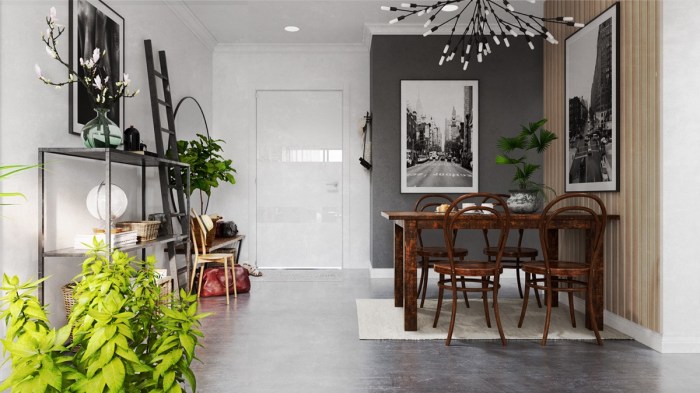
The following examples showcase the application of white and grey Scandinavian design principles across various rooms in a home. These designs leverage the core tenets of Scandinavian style – functionality, minimalism, and the strategic use of natural light – while emphasizing the calming and sophisticated interplay of white and grey. Each example demonstrates how texture, material selection, and carefully chosen accessories contribute to the overall aesthetic.
White and Grey Scandinavian Living Room
This living room embodies the essence of Scandinavian minimalism. The walls are painted a soft, warm white, providing a bright and airy backdrop. The flooring is light grey engineered oak, contributing a subtle warmth and texture. A large, grey fabric sofa, positioned to maximize natural light from a large window, anchors the space. A low, white coffee table made of sustainably sourced wood sits before the sofa, its clean lines reflecting the overall simplicity of the design.
A sheepskin rug adds a touch of texture and warmth underfoot. Minimalist shelving, made of light-colored wood, displays a small collection of carefully curated books and decorative objects, predominantly in shades of white, grey, and natural wood tones. The overall effect is one of calm sophistication and understated elegance. The room’s layout emphasizes open space, allowing for easy movement and a sense of spaciousness.
White and Grey Scandinavian Bedroom
The bedroom continues the serene palette of the living room, using a similar combination of soft white walls and a light grey carpet. The bed, a central feature, is a simple platform bed with a light grey linen headboard. The bedding consists of crisp white sheets and a light grey duvet cover, further enhancing the calming atmosphere. A small, white bedside table, made from birch wood, holds a simple lamp and a few personal items.
A large window, dressed with sheer white curtains, allows ample natural light to flood the room. The walls are largely unadorned, reflecting the Scandinavian preference for uncluttered spaces. A single piece of artwork, a minimalist print in muted grey tones, adds a subtle touch of personality without disrupting the overall sense of tranquility. The room is meticulously organized, fostering a sense of calm and restfulness, vital for a healthy sleep environment.
White and Grey Scandinavian Kitchen
The kitchen utilizes a combination of white and light grey cabinetry, creating a clean and modern look. The countertops are a light grey quartz, offering durability and a sophisticated appearance. White subway tiles backsplash adds a touch of classic elegance, while stainless steel appliances maintain a sleek, functional aesthetic. Open shelving displays a small collection of white ceramic dishes and minimalist kitchen tools, emphasizing functionality and organization.
A large window above the sink maximizes natural light, brightening the space and creating a pleasant working environment. The overall effect is a space that is both stylish and highly functional, reflecting the Scandinavian emphasis on practicality and efficiency. The use of integrated appliances further enhances the minimalist design.
White and Grey Scandinavian Bathroom
The bathroom is a study in textural contrast. White hexagonal tiles cover the walls, creating a clean and bright backdrop. The flooring is composed of large, light grey porcelain tiles, providing a smooth and durable surface. A freestanding bathtub, made of white cast iron, sits prominently in the space. A grey concrete vanity unit provides a textural contrast to the smooth tiles, and its simple lines complement the overall minimalist aesthetic.
The lighting is soft and diffused, creating a relaxing atmosphere. The use of natural materials, such as a wooden shelving unit for toiletries, adds a touch of warmth. The overall design prioritizes functionality and creates a spa-like atmosphere through careful material selection and lighting design. The combination of textures – smooth tiles, rough concrete, and warm wood – creates a sensory experience that complements the calming color palette.
| Living Room | Bedroom | Kitchen | Bathroom |
|---|---|---|---|
| Image Description: A spacious living room with a large grey sofa, a white coffee table, and light grey engineered oak flooring. Walls are a soft white, and a sheepskin rug adds texture. Minimalist shelving displays a few carefully selected items. Natural light floods the room. | Image Description: A tranquil bedroom with a light grey linen headboard, white bedding, and a light grey carpet. A small white bedside table holds a lamp. Sheer white curtains allow ample natural light. A single minimalist print adorns one wall. | Image Description: A clean and modern kitchen with white and light grey cabinetry, light grey quartz countertops, and white subway tile backsplash. Stainless steel appliances maintain a sleek look. Open shelving displays white ceramic dishes and minimalist tools. A large window brightens the space. | Image Description: A spa-like bathroom with white hexagonal wall tiles and large light grey porcelain floor tiles. A white cast iron bathtub, a grey concrete vanity unit, and a wooden shelving unit showcase a contrast of textures. Soft, diffused lighting creates a relaxing atmosphere. |
Creating a white and grey Scandinavian home is more than just choosing a color palette; it’s about embracing a philosophy of design that prioritizes simplicity, functionality, and a connection to nature. By understanding the core principles of this aesthetic and thoughtfully selecting furniture, lighting, and decor, you can transform your living space into a haven of calm and understated elegance.
The careful balance of light and shadow, the interplay of textures, and the thoughtful use of natural materials all contribute to the unique and enduring appeal of this design style, making it a timeless choice for the modern home.
Top FAQs
What are some common misconceptions about Scandinavian design?
A common misconception is that Scandinavian design is solely minimalist. While minimalism is a key element, maximalist interpretations exist, incorporating more decorative elements while maintaining the core principles of natural materials and light.
How can I incorporate pops of color into a white and grey Scandinavian space without disrupting the overall aesthetic?
Introduce pops of color through textiles like throw pillows, blankets, or rugs. Muted jewel tones, pastel shades, or even a single bold accent piece can add visual interest without overwhelming the space’s serenity.
Is Scandinavian design suitable for smaller spaces?
Absolutely! The minimalist nature of Scandinavian design, emphasizing light and airy spaces, makes it particularly well-suited for smaller homes. Clever storage solutions and light-colored walls can enhance the feeling of spaciousness.
What are some affordable ways to achieve a Scandinavian look?
Shop secondhand stores for vintage furniture pieces, utilize affordable natural materials like pine wood, and incorporate DIY projects to personalize your space. Focus on key pieces rather than trying to completely overhaul your home at once.
How do I maintain the cleanliness and orderliness associated with Scandinavian design?
Regular decluttering and mindful organization are key. Invest in storage solutions that are both functional and aesthetically pleasing, and maintain a consistent cleaning schedule to preserve the clean and uncluttered feel.
Leave a Reply