The expansive canvas of a large home presents a unique design challenge: how to maintain a sense of spaciousness and avoid stark emptiness while embracing minimalist aesthetics. This exploration delves into the principles of minimalist design adapted for larger living areas, examining spatial planning, furniture selection, color palettes, and the strategic use of lighting and décor. We’ll uncover how to cultivate a sense of calm and intentionality, even within generous square footage, by balancing functionality with the inherent beauty of simplicity.
Minimalism, often perceived as stark and austere, transforms within the context of a large home. It becomes an opportunity to showcase architectural features, highlight natural light, and create a sense of airy openness. The principles remain the same – intentional selection, clean lines, and a focus on functionality – but their application adapts to the scale of the space, requiring a different approach to space planning, furniture selection, and the introduction of carefully chosen decorative elements.
Defining Minimalist Aesthetics in Large Spaces
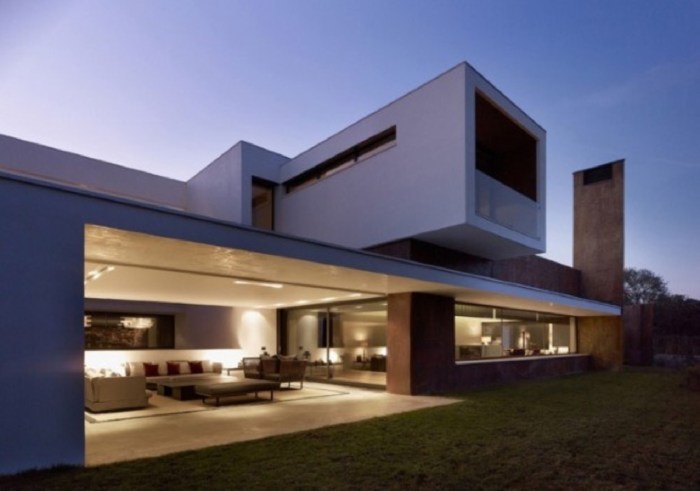
Minimalist design, characterized by its intentional reduction of clutter and emphasis on essential elements, presents unique opportunities and challenges when applied to expansive living areas. In smaller spaces, minimalism helps maximize functionality and create a sense of calm. However, in large homes, the challenge shifts to preventing a feeling of emptiness or starkness while retaining the core principles of the style.
Successfully implementing minimalism in a large home requires a nuanced approach that balances openness with a sense of considered design.
The core principles of minimalist design—simplicity, functionality, and intentionality—remain paramount in large spaces. However, the scale necessitates a different strategy. Instead of merely removing items, the focus becomes on carefully curating what remains. Each piece of furniture, artwork, or decorative object should serve a purpose and contribute to the overall aesthetic. The use of negative space becomes a design element in itself, enhancing the feeling of spaciousness and allowing the eye to rest.
Large, uncluttered areas are not empty, but rather, represent a deliberate design choice that emphasizes airiness and light.
Maintaining Spaciousness in Minimalist Large Homes
Maintaining a sense of spaciousness in a large minimalist home requires strategic planning. The use of light-colored walls and floors is crucial; these reflect light, making the space appear larger and more open. Large windows, strategically placed mirrors, and a carefully chosen color palette—often incorporating neutral tones with pops of color as accents—all contribute to an airy and welcoming atmosphere.
Oversized furniture, while tempting in a large space, can overwhelm the room; instead, selecting a few well-proportioned, high-quality pieces that are both functional and aesthetically pleasing is key. Open floor plans further enhance the sense of spaciousness, allowing for easy movement and visual flow throughout the home. Furthermore, incorporating natural elements like plants can soften the minimalist aesthetic while adding texture and life to the space.
Comparison of Minimalist and Other Styles for Large Homes
Minimalist design, while sharing similarities with other contemporary styles, distinguishes itself through its stark reduction. Modern design, often characterized by clean lines and functional furniture, can incorporate more ornamentation and bolder colors than minimalism. Contemporary design, encompassing a broader range of styles, can include eclectic elements, while minimalism strictly adheres to a sense of restraint. Traditional styles, with their ornate details and emphasis on craftsmanship, are diametrically opposed to the minimalist ethos.
In large homes, the contrast becomes more pronounced: a large traditional home might feel cluttered even with careful curation, while a large minimalist home emphasizes openness and the inherent beauty of uncluttered space.
Minimalist Mood Boards for Large Homes
The following table showcases three distinct minimalist styles suitable for large homes, each with its own unique aesthetic and material palette. These represent just a starting point; countless variations exist within the broad umbrella of minimalist design.
| Mood Board | Description | Color Palette | Dominant Materials |
|---|---|---|---|
| Scandinavian Minimalism | Characterized by its bright, airy feel, emphasizing natural light and simple, functional furniture. A sense of warmth is achieved through the use of natural materials and muted colors. | Whites, creams, light greys, muted blues, natural wood tones | Wood, linen, wool, cotton, stone |
| Japanese Minimalism | Emphasizes simplicity, tranquility, and a connection with nature. Clean lines, natural materials, and a focus on functionality are key elements. | Neutral tones, blacks, greys, natural greens, browns | Wood, paper, bamboo, stone, tatami mats |
| Industrial Minimalism | Combines the raw aesthetic of industrial design with the principles of minimalism. Exposed brick, metal accents, and functional furniture create a sleek, modern look. | Greys, blacks, metallics, occasional pops of color | Metal, concrete, exposed brick, reclaimed wood |
Space Planning and Functionality in Minimalist Large Homes
The challenge in designing a minimalist large home isn’t merely about subtracting possessions; it’s about strategically employing space to maximize functionality and avoid the pitfalls of emptiness. Efficient space planning is paramount, transforming vast areas into harmonious, purposeful environments. Failure to do so can result in a sprawling, impersonal space that feels cold and uninviting, negating the intended calming effect of minimalism.
Effective space planning in a large minimalist home hinges on understanding the interplay between form and function. The key is to create zones that seamlessly integrate while maintaining a sense of openness and flow. This requires careful consideration of sightlines, traffic patterns, and the natural light available. For instance, a poorly planned open-plan layout can become a chaotic jumble, while overly compartmentalized spaces can feel isolating and disconnected.
The goal is to find a balance, strategically dividing the space to enhance functionality without sacrificing the airy feel inherent to minimalist design.
Zoning Strategies for Cohesive Minimalist Aesthetics
Strategic zoning divides a large home into distinct areas dedicated to specific activities, fostering a sense of order and purpose. A common approach involves creating zones for living, dining, and cooking that flow naturally into one another, often within an open-plan layout. However, even in open-plan spaces, subtle architectural features, like changes in flooring material or ceiling height, can visually delineate these zones.
Private areas, such as bedrooms and bathrooms, typically require more defined spaces to ensure privacy and intimacy. The visual connection between zones is maintained through consistent material palettes, a limited color scheme, and the repetition of minimalist design elements. For example, the use of consistent wood flooring throughout the main living areas, coupled with similar lighting fixtures and furniture styles, creates a visual unity even as the space is functionally divided.
Open-Plan Layouts Versus Defined Spaces
Open-plan layouts offer a sense of spaciousness and visual continuity, ideal for fostering a feeling of openness in a large minimalist home. Natural light can flow freely, and social interaction is encouraged. However, a poorly planned open-plan layout can lead to visual clutter and noise pollution. Defined spaces, on the other hand, offer privacy and a sense of calm.
They are particularly suitable for areas requiring focused activity, such as home offices or libraries. The optimal approach often involves a hybrid solution, combining open-plan areas for social interaction with more defined spaces for privacy and focused work. This approach allows for flexibility and caters to the diverse needs of the occupants while maintaining the overall minimalist aesthetic.
The use of room dividers, such as sliding screens or strategically placed shelving units, can help define spaces within an open-plan layout without compromising the sense of openness.
Creative Storage Solutions for Maintaining a Clean Look
Maximizing storage in a large minimalist home is crucial for maintaining a clean and uncluttered appearance. Visible clutter directly contradicts the minimalist ethos. Therefore, storage solutions must be both functional and aesthetically pleasing, seamlessly integrating into the overall design.
Effective storage solutions should be both functional and aesthetically pleasing, seamlessly integrating into the overall design. Oversized storage solutions are often counterproductive, creating visual bulk and detracting from the minimalist aesthetic. The focus should be on integrating storage cleverly into the architecture of the space.
- Built-in wardrobes and shelving: Recessed wardrobes and floor-to-ceiling shelving units maximize vertical space and minimize visual impact.
- Hidden storage within furniture: Ottomans with built-in storage, coffee tables with drawers, and beds with integrated storage compartments offer discreet storage solutions.
- Modular shelving systems: Adaptable and scalable, these systems allow for customization to suit specific needs and can be easily rearranged as needs change.
- Under-stair storage: Utilizing the often-wasted space under staircases for storage provides a significant increase in storage capacity without affecting the visual aesthetic.
- Decluttering and mindful consumption: Before implementing storage solutions, a thorough decluttering process is essential. Adopting a mindful approach to consumption, buying only what is truly needed, significantly reduces the need for extensive storage.
Furniture Selection and Placement for Minimalist Large Homes
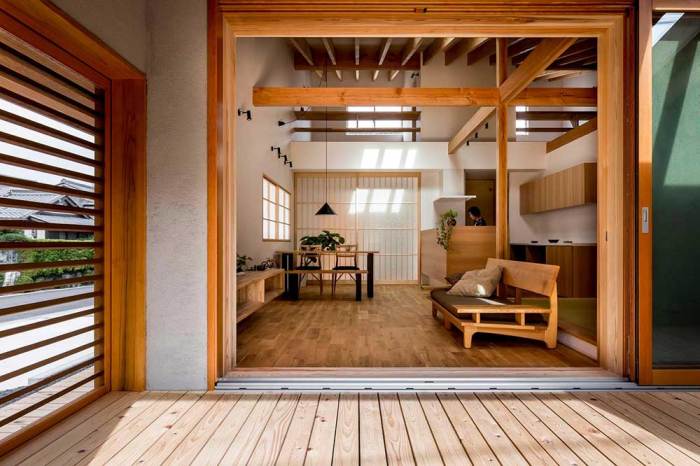
Minimalist design in expansive spaces necessitates a careful approach to furniture selection and placement. The goal is to create a sense of spaciousness and calm, avoiding the cluttered feeling that can easily arise in large rooms if furnishings are not chosen and arranged thoughtfully. This requires a deep understanding of scale, proportion, and the strategic use of negative space.
The key is to select pieces that are both aesthetically pleasing and functionally appropriate, contributing to a cohesive and inviting atmosphere.The principle of scale and proportion is paramount when furnishing large rooms. Oversized furniture can dwarf a space, creating a feeling of confinement rather than openness. Conversely, using furniture that is too small can make the room feel empty and uninviting.
The goal is to achieve a balance—furniture should be substantial enough to anchor the space but not so large as to overwhelm it. This balance is achieved through careful consideration of the room’s dimensions and the furniture’s individual footprint. Understanding the golden ratio (approximately 1:1.618) can aid in achieving aesthetically pleasing proportions in furniture placement and overall room design.
Scale and Proportion in Furniture Selection
Choosing furniture for a large minimalist home requires a keen eye for scale. Large rooms benefit from a few carefully selected, substantial pieces rather than a multitude of smaller items. For example, a single, large sectional sofa might be preferable to multiple smaller sofas or armchairs in a spacious living room. Similarly, a substantial dining table that can comfortably accommodate guests should be chosen over several smaller tables.
The aim is to create focal points that ground the space without visually fragmenting it. This principle extends to all furniture choices, from sideboards and coffee tables to beds and dressers. The overall effect should be one of intentional simplicity and elegance. Choosing furniture with clean lines and minimal ornamentation further enhances the minimalist aesthetic.
Furniture Arrangement for Minimalist Large Homes
The arrangement of furniture is equally crucial. To avoid a sterile feel, strategic placement is needed to create zones for different activities. Open spaces can be divided using rugs, lighting, and furniture groupings. The goal is to create a flow and functionality within the space, guiding the eye and enhancing the experience of the room.
A large living room might feature a large, low-profile sectional sofa as the central piece, anchored by a low coffee table and a statement floor lamp. A large area rug defines the seating area, while strategically placed artwork or a sculptural piece adds visual interest. The space between furniture pieces should be generous, allowing for easy movement and enhancing the sense of openness.
In a minimalist dining room, a large, rectangular dining table takes center stage, ideally made of natural materials like wood or stone. Minimalist chairs with clean lines surround the table. A simple chandelier or pendant light provides overhead illumination, while a sideboard or credenza offers storage and surface space. The overall effect should be one of understated elegance and functionality. Avoid overcrowding the space with unnecessary decorative elements.
The master bedroom, the sanctuary of the home, should reflect tranquility and serenity. A platform bed, unadorned and low to the ground, serves as the focal point. Nightstands with minimal design flank the bed, offering space for lamps and personal items. A large area rug defines the sleeping area, adding warmth and texture. Built-in wardrobes or minimalist closets offer ample storage, keeping the space clean and clutter-free. Natural light should be maximized, contributing to a calming atmosphere.
Color Palettes and Material Choices for Minimalist Large Homes
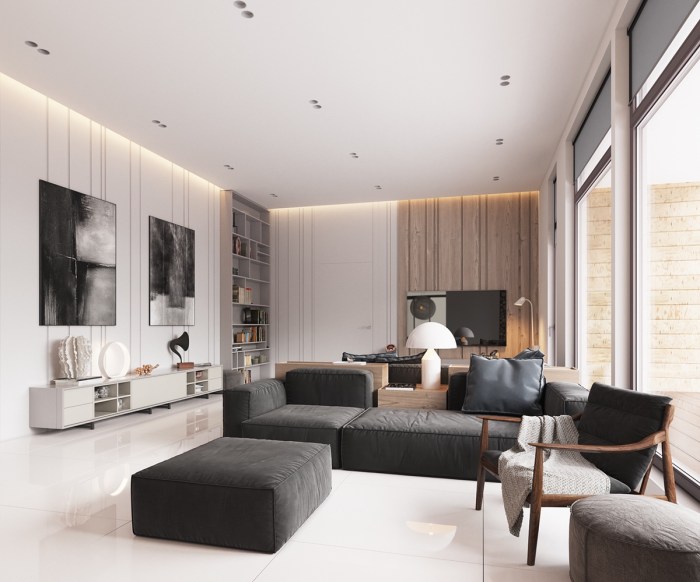
The successful implementation of a minimalist aesthetic in a large home hinges not only on spatial arrangement but also on a carefully curated selection of colors and materials. These elements work in concert to establish the desired mood and enhance the sense of spaciousness and tranquility. The choice of palette and materials directly impacts the overall feeling of the home, influencing everything from perceived temperature to the emotional response elicited from its inhabitants.
Minimalist Color Palettes for Large Homes
Creating a cohesive and calming atmosphere in a minimalist large home requires thoughtful consideration of color. Overuse of vibrant hues can easily overwhelm a large space, whereas a monochromatic or limited palette fosters a sense of serenity and openness. The following palettes offer diverse options, each with its own unique emotional impact and suitability for different areas within the home.
Palette 1: Cool Serenity
This palette centers around cool, muted tones like soft greys, pale blues, and creamy whites. The effect is one of airy spaciousness and tranquility. The cool tones visually recede, making the space feel larger. This palette is particularly well-suited for bedrooms and bathrooms, promoting relaxation and a sense of calm. Accents of natural wood or metallics can add warmth and visual interest without disrupting the overall cool palette.
Palette 2: Warm Neutrals
This palette embraces warm, earthy tones such as beige, taupe, and muted browns. These colors evoke a feeling of comfort and grounding. Unlike cool tones, warm neutrals visually advance, creating a sense of intimacy even in a large space. This palette is ideal for living areas and dining rooms, fostering a welcoming and inviting atmosphere. Subtle variations in tone through textiles and accessories can add depth and sophistication.
Palette 3: Monochromatic Elegance
A monochromatic palette utilizes varying shades and intensities of a single color. For example, a sophisticated grey palette might range from charcoal grey to light dove grey. This approach creates a visually calming effect and emphasizes texture and form. This palette is highly versatile, suitable for any room in the house, offering a sense of refined simplicity and elegance.
The introduction of a single contrasting accent color, such as a deep emerald green or a vibrant ochre yellow, can add a touch of unexpected dynamism.
Natural Material Applications in Minimalist Large Homes
Natural materials are essential in achieving a minimalist aesthetic that feels both luxurious and environmentally conscious. Their inherent textures and subtle variations in color add visual interest without overwhelming the space. The following table details the use of various materials:
| Material | Texture | Suitable Rooms | Notes |
|---|---|---|---|
| Wood | Smooth, grained, rough | Living room, bedroom, dining room | Adds warmth and visual interest; consider sustainably sourced wood. |
| Stone | Smooth, rough, textured | Bathroom, kitchen, flooring | Provides durability and a sense of luxury; consider variations in color and veining. |
| Linen | Soft, slightly textured | Bedroom, living room, dining room | Adds a sense of warmth and comfort; ideal for curtains, upholstery, and bedding. |
| Concrete | Smooth, polished, textured | Flooring, kitchen countertops | Provides a modern and industrial feel; suitable for high-traffic areas. |
The Role of Texture in Minimalist Large Home Design
Texture plays a crucial role in adding visual interest to a minimalist space without resorting to clutter. While minimalism prioritizes clean lines and simplicity, the absence of texture can result in a stark and uninviting environment. The interplay of different textures – the smooth surface of a stone countertop contrasted with the coarse weave of a linen throw, for instance – adds depth and visual complexity.
This strategic use of texture prevents the space from feeling monotonous, creating a richer and more engaging experience while maintaining the core principles of minimalist design. The careful selection and placement of textured elements, such as a woven rug or a sculptural piece of wood, allows for the introduction of visual weight without compromising the overall sense of openness and spaciousness.
Lighting and Decor in Minimalist Large Homes
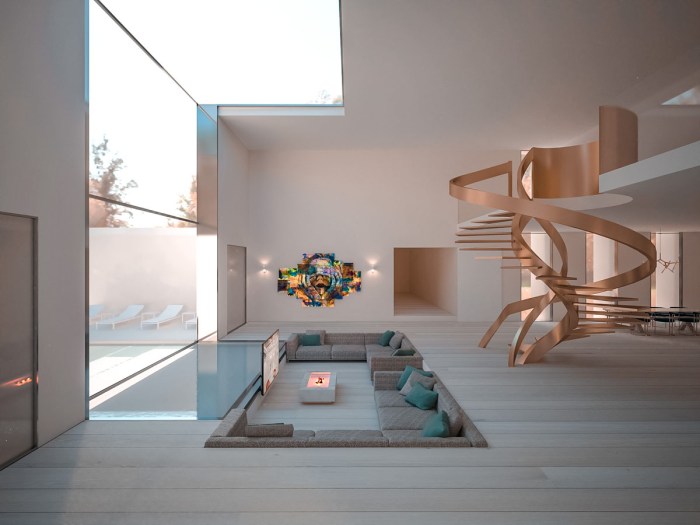
The successful execution of a minimalist aesthetic in a large home hinges not only on the strategic use of space and carefully chosen furniture but also on the thoughtful integration of lighting and decor. These elements, often overlooked, possess the power to dramatically alter the ambiance and functionality of the space, transforming a potentially sterile environment into a warm, inviting, and aesthetically pleasing home.
The interplay of light and carefully selected decorative pieces is key to achieving a balance between spaciousness and coziness.The strategic implementation of various lighting types—ambient, task, and accent—is crucial in minimalist design. Ambient lighting provides overall illumination, establishing the mood of the room. Task lighting, focused and directed, supports specific activities, while accent lighting highlights architectural features or artwork, adding depth and visual interest.
The careful layering of these lighting types creates a dynamic and adaptable environment.
Ambient Lighting in Minimalist Large Homes
Ambient lighting forms the foundational layer of illumination in a minimalist space. In large homes, this often involves a combination of sources to avoid harsh shadows and ensure even distribution. Recessed lighting, for instance, provides a clean, unobtrusive way to illuminate large areas uniformly. Consider using dimmable LED downlights, offering adjustable brightness to suit different moods and times of day.
Large, strategically placed pendant lights can add a sculptural element while providing ample ambient light. For a softer, more diffused light, consider using floor lamps with sheer shades or wall-mounted sconces with soft, warm-toned bulbs. The key is to create a gentle, even glow that avoids harsh contrasts.
Task Lighting in Minimalist Large Homes
Task lighting addresses the practical need for focused illumination in specific areas. In a minimalist home, this might involve sleek, adjustable desk lamps for home offices or reading nooks. Linear LED strip lighting under kitchen cabinets provides functional illumination for food preparation, while discreetly integrated under-counter lighting in bathrooms offers practical light without visual clutter. The selection of task lighting should prioritize functionality and seamless integration with the overall minimalist aesthetic, avoiding bulky or visually distracting designs.
For example, a simple, articulated arm lamp with a minimalist base can provide excellent task lighting while maintaining a clean look.
Accent Lighting in Minimalist Large Homes
Accent lighting is used to highlight specific features and add visual interest. In a minimalist large home, this might involve track lighting to focus on artwork or architectural details like a high ceiling or a striking fireplace. LED strip lights can be subtly integrated into shelving units to showcase books or decorative objects. Small, strategically placed spotlights can draw attention to a particular sculpture or piece of furniture, adding a sense of drama and sophistication.
Remember that the goal is to enhance, not overwhelm, the minimalist aesthetic. Overuse of accent lighting can defeat the purpose of a clean, uncluttered space.
Minimalist Decorative Elements for Large Homes
The incorporation of decorative elements in a minimalist home requires careful consideration. The aim is to add character and warmth without disrupting the clean lines and simplicity that define the style. Over-decorating can quickly negate the desired effect.
- Sculptural Vessels: Simple, elegant vases or bowls in natural materials like ceramic or wood can add visual interest without overwhelming the space. The focus should be on form and texture rather than intricate detail.
- Textured Throws and Cushions: Introducing subtle texture through throws or cushions in neutral colors can add warmth and comfort without disrupting the minimalist aesthetic. Choose natural materials like linen or wool for a tactile element.
- Large-Scale Plants: Strategic placement of a few large potted plants, such as a fiddle-leaf fig or snake plant, can add life and visual interest to a minimalist space. The vertical lines of tall plants can also help to balance the horizontal lines of furniture.
- Natural Materials: Incorporating natural materials such as wood, stone, or rattan in furniture, flooring, or decorative accents can create a sense of warmth and grounding in a minimalist space. These materials offer inherent texture and visual interest.
Artwork and Accessories in Minimalist Large Homes
The integration of artwork and accessories is crucial in preventing a minimalist space from feeling sterile or impersonal. However, the key is restraint. Instead of numerous small pieces, opt for a few carefully selected, impactful items. A single, large-scale artwork can become a focal point, drawing the eye and adding personality to a room. Similarly, a few carefully chosen accessories, such as a unique sculpture or a handcrafted bowl, can add visual interest without cluttering the space.
The rule of thumb is to curate rather than collect, ensuring that each item contributes to the overall aesthetic and enhances the minimalist feel. Consider the negative space around each piece as equally important to the piece itself. Empty space allows the eye to rest and appreciate the selected items more fully.
Designing a minimalist interior for a large home is a journey of thoughtful curation, not deprivation. It’s about maximizing the potential of spaciousness, not minimizing it. By understanding the interplay of space planning, furniture scale, color palettes, and the strategic use of light and texture, one can create a haven that is both visually stunning and deeply calming. The result is a home that breathes, a space where every element contributes to a sense of effortless elegance and refined simplicity, showcasing the power of less to achieve so much more.
Answers to Common Questions
Can minimalism in a large home feel cold or impersonal?
No. The use of warm color palettes, natural materials like wood and stone, and strategically placed textiles can counteract any potential coldness. Careful consideration of lighting is also crucial to create a warm and inviting atmosphere.
How do I avoid making a large minimalist home feel empty?
Strategic zoning, carefully chosen furniture with appropriate scale, and the incorporation of art and carefully selected accessories are key. Think about creating focal points in each area to draw the eye and prevent the space from feeling cavernous.
What are some cost-effective ways to achieve a minimalist look?
Focus on quality over quantity. Invest in a few well-chosen, durable pieces of furniture rather than many cheap items. Decluttering and repurposing existing items can also significantly contribute to a minimalist aesthetic without breaking the bank.
Is minimalist design suitable for families with children?
Absolutely. While it requires a more intentional approach to storage and durable materials, minimalist principles can create a calm and organized environment that is beneficial for families. Built-in storage and multi-functional furniture are particularly useful.
Leave a Reply