The allure of minimalist living lies in its ability to transform a space from cluttered chaos into a haven of serenity and intentionality. This isn’t about stark emptiness, but rather a curated selection of items that serve a purpose and contribute to a feeling of calm. This guide explores the principles of minimalist apartment design, guiding you through space planning, furniture selection, lighting strategies, and the art of incorporating personal touches without sacrificing the clean lines and uncluttered aesthetic that defines this style.
We will delve into the science of spatial organization, the psychology of color, and the practicalities of creating a beautiful and functional living space, even within the confines of a small apartment.
From understanding the core principles of minimalist design – emphasizing functionality, clean lines, and a neutral color palette – to mastering the art of decluttering and strategically utilizing multi-functional furniture, this guide offers a comprehensive approach. We’ll explore how to maximize space, incorporate natural light, and select furnishings that both enhance the aesthetic and serve practical needs. We’ll also address the often-overlooked aspect of personalizing your space within the minimalist framework, ensuring your apartment reflects your unique personality and style while maintaining its inherent calm and order.
Defining Minimalist Apartment Style
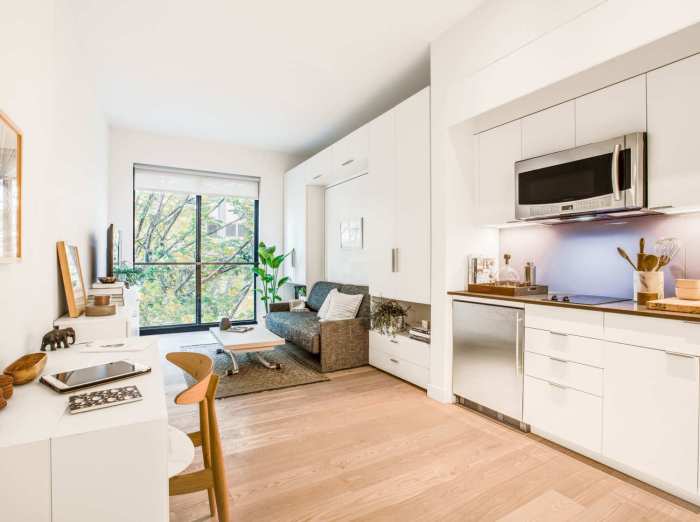
Minimalist interior design, a philosophy rooted in intentional living, prioritizes functionality and simplicity over superfluous ornamentation. It’s about curating a space that promotes clarity, calm, and a sense of spaciousness, even within the confines of an apartment. This approach is supported by research in environmental psychology which shows that uncluttered environments can reduce stress and improve focus.
The core principles hinge on eliminating unnecessary items, carefully selecting high-quality pieces, and emphasizing clean lines and a neutral aesthetic. This isn’t about deprivation; rather, it’s about conscious consumption and creating a living space that truly reflects personal values and enhances well-being.
Minimalist Color Palettes
A minimalist color palette typically features a limited number of neutral hues, allowing for a sense of tranquility and spaciousness. The most common choices include variations of white, beige, gray, and black. These colors create a backdrop that allows for the intentional introduction of accent colors. For instance, a soft gray base can be complemented with muted blues or greens for a calming effect, drawing inspiration from the principles of color psychology.
Using a limited palette reduces visual clutter and enhances the feeling of openness. A stark white apartment might feel sterile, but a warm off-white, combined with a deep charcoal gray for accents, offers a sophisticated and calming effect.
Characteristics of Minimalist Furniture
Minimalist furniture is characterized by its simplicity of form and functionality. Pieces are typically clean-lined, unadorned, and made from high-quality, durable materials such as natural wood, metal, or concrete. Avoidance of excessive detailing is key. Multifunctional furniture, such as a sofa bed or a coffee table with storage, is highly valued for maximizing space efficiency. Think sleek, unfussy lines and neutral colors, mirroring the overall design aesthetic.
For example, a simple, low-profile sofa in a light gray fabric paired with a minimalist wooden coffee table creates a visually appealing and functional seating area.
Decluttering and Organizing a Minimalist Space
The process of decluttering is fundamental to achieving a minimalist aesthetic. This involves systematically reviewing each item in the apartment and asking whether it serves a purpose, adds value, or brings joy. Items that fail this test are either donated, sold, or discarded. Effective organization involves utilizing storage solutions that are both functional and aesthetically pleasing. Clear containers, hidden storage units, and vertical shelving are all valuable tools.
The KonMari method, for example, encourages organizing by category and keeping only items that “spark joy,” effectively minimizing clutter and promoting a sense of order. Regular purging and maintaining a consistent decluttering routine are crucial for sustaining a minimalist lifestyle.
Space Planning and Layout
Effective space planning is paramount in minimalist apartment design. It’s not merely about fitting furniture into a small space; it’s about optimizing the flow, functionality, and overall feeling of spaciousness, even within limited square footage. This involves a deep understanding of spatial psychology and the strategic placement of elements to enhance both visual and practical aspects of the living environment.
The principles of Gestalt psychology, focusing on how humans perceive visual patterns, play a crucial role in achieving this.
A well-planned minimalist apartment prioritizes open space and the strategic use of light to create an illusion of larger dimensions. This is achieved through careful consideration of furniture placement, color palettes, and the integration of natural light sources. The absence of clutter, a defining characteristic of minimalism, directly contributes to this feeling of spaciousness. The science of ergonomics also informs the design, ensuring furniture is placed to optimize movement and functionality, minimizing wasted space and maximizing user comfort.
Sample Floor Plan for a Minimalist Apartment
Consider a 500 square foot apartment. A sample floor plan might allocate approximately 200 square feet to the living/dining area, 100 square feet to the bedroom, 50 square feet to the kitchen, and 50 square feet to the bathroom. This distribution allows for a relatively spacious living area, prioritizing the space where most time is spent. The bedroom is kept compact but functional, focusing on a comfortable bed and essential storage.
The kitchen and bathroom are compact yet efficient, utilizing built-in cabinetry and space-saving fixtures. Visualize a rectangular space. The entrance opens into the living/dining area, which stretches along one long wall. The kitchen is tucked neatly into a corner, creating a natural visual separation. The bedroom and bathroom are located at the opposite end of the apartment, maintaining privacy and minimizing noise transfer.
The design incorporates ample natural light, with large windows in the living area and smaller, strategically placed windows in other rooms.
Maximizing Space in a Small Minimalist Apartment
Several techniques contribute to maximizing space. Vertical storage solutions, such as tall bookshelves or built-in wardrobes, are highly effective. Mirrors strategically placed on walls can create the illusion of depth, expanding the perceived size of a room. Light-colored walls and floors reflect light, making the space feel more open and airy. This is based on the principle of light scattering and reflection; lighter colors scatter light more effectively than darker colors.
Multi-functional furniture plays a vital role, as detailed below. Finally, decluttering and careful curation of possessions are essential for maintaining a sense of spaciousness.
Functionality in Minimalist Apartment Design
Functionality is not merely a desirable feature but a cornerstone of minimalist design. Every item must serve a purpose, contributing to the overall efficiency and usability of the space. This stems from the core principles of minimalism – to eliminate unnecessary items and prioritize what truly adds value to one’s life. The space should be easy to navigate, clean, and maintain, reflecting a commitment to practicality and efficiency.
This approach is directly related to the concept of lean manufacturing, focusing on eliminating waste and optimizing processes, but applied to the living environment. A functional minimalist apartment promotes a sense of calm and order, enhancing both mental and physical well-being.
Multi-functional Furniture in a Minimalist Setting
Multi-functional furniture is crucial for maximizing space and maintaining a clean aesthetic. A sofa bed serves as both seating and sleeping space. A coffee table with built-in storage provides a surface for drinks and also holds items, reducing clutter. Ottomans with storage compartments offer additional seating and storage. Wall-mounted fold-down desks create a workspace when needed, then fold away to reclaim floor space.
These pieces directly address the need for efficient space usage, allowing for multiple functions within a single piece of furniture. The design and selection of these pieces are informed by principles of ergonomics and efficient spatial organization.
Choosing Furniture and Decor
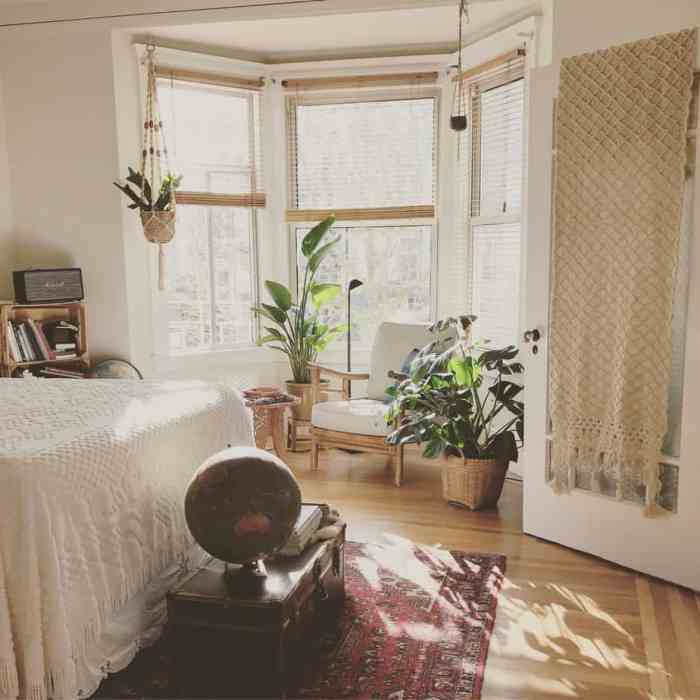
The selection of furniture and decor is paramount in achieving a minimalist aesthetic. The goal isn’t merely to remove items, but to curate a space that is both functional and visually calming, reflecting a conscious decluttering of both physical and visual noise. This involves careful consideration of each piece’s form, function, and impact on the overall atmosphere. Understanding the principles of negative space and intentional design is key to success.
Essential Furniture for a Minimalist Apartment
Choosing furniture for a minimalist apartment requires a focus on functionality and visual simplicity. Each piece should serve a clear purpose, and its design should contribute to the overall feeling of spaciousness and calm. Overwhelming the space with unnecessary furniture defeats the purpose of minimalism. Prioritize quality over quantity; a few well-chosen pieces are far more effective than a multitude of cheap or poorly designed items.
- Living Room: A comfortable sofa or loveseat, a coffee table (ideally with storage), a media console or shelving unit for minimal electronics storage.
- Bedroom: A bed frame (preferably low-profile), a bedside table (optional, depending on space and needs), a dresser or wardrobe with ample storage.
- Dining Area: A dining table (consider a drop-leaf or expandable option for flexibility) and chairs (choose a set of 2-4, depending on your needs).
- Kitchen: Minimalist kitchens often benefit from open shelving, which should hold only essential items. A well-designed kitchen island or bar can serve as a multi-functional space.
Selecting Furniture with Clean Lines and Simple Designs
The principle of “less is more” extends to the design of the furniture itself. Clean lines, simple silhouettes, and a lack of excessive ornamentation are characteristic of minimalist furniture. Avoid overly ornate details, intricate carvings, or busy patterns. Natural materials such as wood, metal, and stone often complement this aesthetic, offering a sense of warmth and authenticity. Neutral color palettes—whites, grays, blacks, and natural wood tones—further enhance the minimalist effect.
Consider the proportions of the furniture relative to the room size; oversized furniture can make a space feel cramped, while undersized pieces can appear lost. For example, a low-profile sofa with clean lines and neutral upholstery will occupy less visual space than a bulky, heavily upholstered sectional.
Minimalist Artwork and Decorative Accessories
Artwork and decorative accessories should be carefully curated to avoid overwhelming the space. A single, striking piece of art can be more impactful than a collection of smaller, less cohesive items. Consider abstract art, photography, or minimalist prints. The use of natural elements, such as a single, well-placed plant or a simple vase with a few stems, can add a touch of life and texture without cluttering the space.
The key is to choose pieces that enhance the overall aesthetic rather than detract from it. For instance, a large, monochrome photograph can serve as a focal point, drawing the eye without being visually distracting. Similarly, a sculptural ceramic piece can add visual interest without overwhelming the space.
Selecting Textiles for a Minimalist Aesthetic
Textiles play a crucial role in creating a cohesive and calming minimalist environment. Choose fabrics with simple patterns or solid colors in neutral tones. Natural materials like linen, cotton, and wool offer a sense of warmth and texture without being overly fussy. Rugs should be chosen carefully to complement the overall color scheme and not compete with the furniture.
A large, neutral-toned rug can anchor the space and add warmth underfoot, while curtains should be simple and unfussy, preferably in a light, neutral color to allow ample natural light to enter the room. Overly patterned or textured textiles can disrupt the clean lines and simple aesthetic of a minimalist space. A simple linen throw blanket draped over the sofa, for example, can add texture and warmth without being visually overwhelming.
Lighting and Ambiance
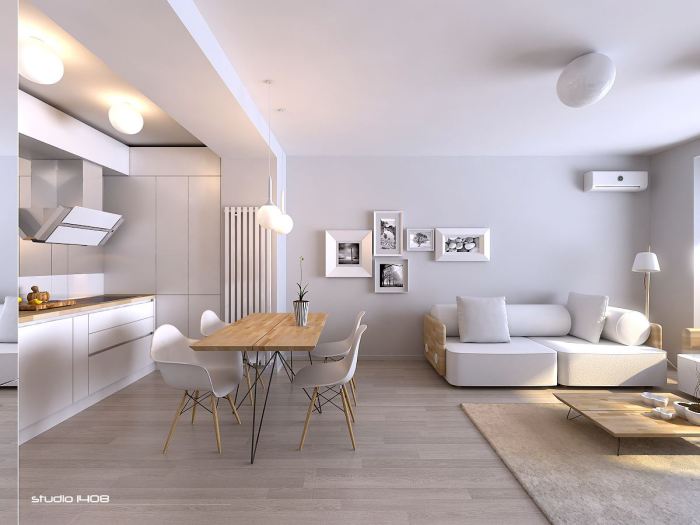
Light, a fundamental element in interior design, profoundly impacts the mood and functionality of a minimalist apartment. Its strategic application can transform a space from cold and sterile to warm and inviting, enhancing both the aesthetic appeal and the overall sense of well-being. Understanding the interplay of natural and artificial light sources is crucial in achieving the desired ambiance within a minimalist setting.The human visual system is remarkably sensitive to light levels and color temperatures.
Exposure to bright, cool-toned light can increase alertness and productivity, while softer, warmer light promotes relaxation and comfort. This physiological response underscores the importance of carefully considering the lighting plan when designing a minimalist apartment, aiming for a balance that caters to both daily activities and restful evenings.
Natural Light Optimization
Maximizing natural light is paramount in minimalist design. Large windows, strategically placed mirrors reflecting sunlight deeper into the room, and sheer curtains that diffuse harsh light while maintaining privacy are all effective strategies. The angle of the sun throughout the day should be considered to avoid glare on screens or uncomfortable direct sunlight. For example, in a south-facing apartment, light-filtering blinds or curtains might be necessary during peak sunlight hours, while sheer curtains would suffice during softer morning or evening light.
The use of light-colored walls and flooring further enhances the diffusion and reflection of natural light, creating a brighter, more spacious feeling.
Artificial Lighting Strategies
Artificial lighting complements and extends the benefits of natural light. A layered approach, incorporating ambient, task, and accent lighting, is ideal. Ambient lighting provides general illumination, setting the overall mood. Task lighting, focused and brighter, supports specific activities like reading or cooking. Accent lighting highlights artwork, architectural features, or decorative elements.
For instance, recessed lighting can provide even ambient illumination throughout the apartment, while a floor lamp with a warm-toned bulb can create a cozy reading nook. A track lighting system allows for flexible adjustment of accent lighting to showcase artwork or highlight architectural details such as exposed beams.
Lighting Fixture Selection for Minimalist Spaces
Minimalist aesthetics favor clean lines, simple forms, and understated elegance. Lighting fixtures should reflect this philosophy. Recessed lighting, integrated into the ceiling, maintains a clean, uncluttered look. Pendant lights, particularly those with simple geometric shapes or minimalist designs, can add a focal point without overwhelming the space. Linear fixtures, such as LED strips under cabinets or along walls, offer practical task lighting while maintaining a streamlined aesthetic.
Table lamps and floor lamps should be chosen for their simplicity and functionality, avoiding overly ornate designs. Materials like brushed metal, matte black, or white complement the minimalist color palette. Consider using dimmers to control the intensity and mood of the lighting, creating flexibility to adjust the ambiance according to the time of day or activity.
Highlighting Architectural Features and Artwork
Strategic lighting can dramatically enhance the impact of architectural features and artwork in a minimalist apartment. For example, uplighting can highlight the texture of a feature wall or a piece of sculptural art. Track lighting allows for precise directional illumination, showcasing artwork effectively without creating harsh shadows. Backlighting a shelving unit can subtly highlight the displayed objects, adding depth and visual interest.
Consider using LED strip lights for this purpose, which are energy-efficient and produce minimal heat. The color temperature of the light source can also be used to affect the mood; cooler tones are more energizing, while warmer tones create a more relaxing atmosphere.
Incorporating Personal Touches
Minimalism, while emphasizing simplicity and functionality, doesn’t necessitate a sterile or impersonal living space. The key lies in strategically integrating personal items that resonate with your identity without compromising the clean aesthetic. This involves a mindful selection process, prioritizing quality over quantity and ensuring each item contributes to the overall harmony of the space. The goal is to create an environment that reflects your personality while upholding the principles of minimalist design.
Successfully incorporating personal touches within a minimalist framework requires careful consideration of scale, placement, and the inherent qualities of the chosen items. Neuroscientific studies show that our environments significantly impact our mood and cognitive function. A thoughtfully curated minimalist space, infused with personal elements, can foster a sense of calm and well-being, promoting focus and creativity. Conversely, an overcrowded environment can lead to stress and decreased cognitive performance.
Personalization Strategies for Minimalist Living
Personalizing a minimalist apartment doesn’t mean sacrificing functionality for aesthetics. Instead, it involves curating items that serve a purpose and hold sentimental value. For instance, a single, striking piece of artwork can become a focal point, replacing the need for multiple smaller pieces. Similarly, a well-chosen rug can add warmth and texture without overwhelming the room. Prioritizing quality over quantity is paramount; a few high-quality items will create a more impactful and lasting impression than numerous cheap or mass-produced ones.
The Role of Plants and Natural Elements
Biophilic design, which incorporates natural elements into interior spaces, aligns perfectly with minimalist aesthetics. Studies have demonstrated the positive psychological and physiological effects of indoor plants. They can improve air quality by filtering pollutants, reduce stress levels, and boost mood. A few strategically placed potted plants – perhaps a large fiddle-leaf fig in a corner or a small succulent on a shelf – can add life and vibrancy without cluttering the space.
Natural materials like wood, stone, and bamboo can further enhance the calming effect, creating a connection to the natural world within the minimalist setting. Consider a wooden coffee table, stone coasters, or bamboo blinds to subtly introduce these elements.
Incorporating Personal Collections or Mementos
Personal collections or mementos can be displayed in a minimalist manner by focusing on quality and thoughtful curation. Instead of displaying an entire collection, select a few representative pieces to showcase. A small grouping of favorite photographs displayed in a simple frame or a curated collection of vintage postcards can add a personal touch without overwhelming the space.
Consider using shadow boxes to display small, cherished items, maintaining a sense of order and preventing visual clutter. The key is to present these items in a visually cohesive and intentional manner, enhancing the overall design rather than detracting from it.
Balancing Minimalism with Personal Expression
The essence of successful minimalist design lies in the balance between simplicity and personal expression. It’s about curating a space that reflects your unique identity while adhering to the principles of minimalism. This is not about deprivation but about intentionality. Every item should have a purpose and contribute to the overall aesthetic and functionality of the space. The process of decluttering and selecting only those items that bring you joy and serve a purpose is a form of self-expression in itself.
The result is a space that is both aesthetically pleasing and deeply personal, reflecting your unique style and personality without feeling cluttered or overwhelming.
Budget-Friendly Minimalist Decor
Achieving a minimalist aesthetic doesn’t necessitate a hefty budget. By employing strategic sourcing, DIY techniques, and creative repurposing, one can cultivate a serene and stylish minimalist space without breaking the bank. This approach aligns with the core principles of minimalism: functionality, intentionality, and resourcefulness. The following strategies demonstrate how to create a beautiful, minimalist home on a limited budget.
Affordable Sources for Minimalist Furniture and Decor
Finding affordable yet stylish minimalist pieces requires a multi-pronged approach. Thrift stores, antique shops, and online marketplaces offer a treasure trove of pre-owned furniture and decor items often at significantly reduced prices. Furthermore, many contemporary furniture retailers offer budget-friendly lines specifically designed with minimalist aesthetics in mind. Consider exploring options like IKEA, which provides affordable, functional furniture, often requiring self-assembly, further reducing costs.
Finally, direct-to-consumer brands that cut out the middleman frequently offer competitive pricing on stylish, minimalist pieces.
DIY Minimalist Decor Projects
Creating minimalist decor items through DIY projects is both cost-effective and personally rewarding. A simple example is crafting geometric wall art using painter’s tape and affordable paint. The clean lines and bold colors will add visual interest without cluttering the space. Another project involves repurposing empty glass jars into minimalist vases or storage containers. A simple coat of paint or a decorative ribbon can transform these everyday objects into stylish accents.
Furthermore, creating simple macrame wall hangings using inexpensive cotton rope requires minimal skill and produces a visually appealing, textured piece that complements a minimalist space.
Repurposing Existing Items for a Minimalist Aesthetic
Repurposing existing items is a cornerstone of budget-friendly minimalist decorating. Old wooden crates can be transformed into unique shelving units with a fresh coat of paint or stain. Similarly, vintage suitcases can be used as side tables or coffee tables, adding character and a touch of history to the space. Plain white sheets can be repurposed as simple curtains or even draped over furniture to add a clean, uncluttered look.
The key is to identify items with inherent potential and to approach their transformation with a minimalist lens, emphasizing simplicity and functionality.
Tips for Decorating a Minimalist Apartment on a Tight Budget
Prioritizing functionality over fleeting trends is crucial when decorating on a budget. Invest in high-quality, durable items that will withstand the test of time rather than purchasing numerous inexpensive, low-quality pieces. This reduces the need for frequent replacements, saving money in the long run. Furthermore, utilize neutral colors as a base for your decor. Neutral palettes create a sense of calm and spaciousness, and they provide a flexible backdrop for occasional pops of color through carefully selected accessories.
Finally, focusing on a few key statement pieces, rather than cluttering the space with numerous smaller items, maximizes visual impact while minimizing costs.
Visual Examples
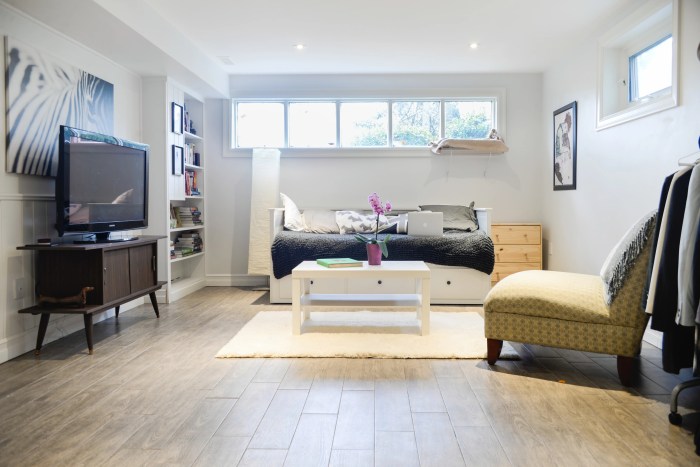
Minimalist design, while seemingly simple, relies on a careful selection of elements to create a space that is both functional and aesthetically pleasing. The following table provides visual examples of key components, demonstrating how different choices contribute to the overall minimalist aesthetic. Understanding these choices allows for the creation of a cohesive and calming environment.
Minimalist Apartment Design Elements
| Furniture | Color Palette | Lighting Fixtures | Decor Items |
|---|---|---|---|
| A simple, low-profile sofa in a neutral fabric like linen or cotton, with clean lines and minimal ornamentation. Think Scandinavian design—functional and understated. | A monochromatic scheme using varying shades of grey and white, punctuated by a single accent color like a deep teal or muted ochre. This creates visual interest without overwhelming the space. The principle of “less is more” is central to color selection in minimalist design. | Sleek, minimalist pendant lights made of brushed metal or simple glass shades. These provide focused task lighting without being visually distracting. Recessed lighting is another common choice for even, ambient light. | A single, large-scale piece of art or photography, perhaps a black and white photograph or an abstract painting in muted tones. Overly decorative items are avoided; instead, the focus is on quality over quantity. |
| A multifunctional piece of furniture, such as a storage ottoman that doubles as seating. This maximizes space and minimizes clutter. This exemplifies the emphasis on practicality in minimalist design. | A natural color palette using various shades of beige, cream, and brown, with the addition of natural textures like wood and stone. This creates a warm and inviting atmosphere. This approach connects the interior space with natural elements. | Floor lamps with simple, adjustable designs, providing ambient light and flexibility. These offer a practical and visually appealing lighting solution. The emphasis is on functionality and clean lines. | A collection of three to five carefully chosen books displayed on a floating shelf. This adds personality and visual interest without being overwhelming. The selection reflects the resident’s interests and personal style. |
Visual Examples
Illustrating the principles of minimalist design requires visualizing how different spatial configurations can achieve a sense of calm and order. The following examples demonstrate how minimalist principles can be applied to apartments of varying sizes, focusing on furniture placement, material choices, and lighting to optimize space and enhance the feeling of spaciousness. These are not prescriptive blueprints, but rather illustrative examples of how design choices impact the overall feel of a minimalist space.
Small Studio Apartment Layout
This 300 square foot studio apartment prioritizes functionality and visual clarity. The space is organized around a central area, defined by a large, light-colored rug made from natural fibers like jute or wool. This rug anchors the living area, visually separating it from the sleeping area. The sleeping area is demarcated by a low platform bed with built-in storage, maximizing vertical space.
A single, modular sofa acts as both seating and additional storage, its clean lines reflecting the overall minimalist aesthetic. The kitchen, integrated into the main living space, features sleek, handleless cabinets in a matte white finish, providing a clean and uncluttered look. Natural light streams in from a large window, supplemented by strategically placed LED recessed lighting for task and ambient illumination.
Materials are kept to a minimum, using primarily natural wood, white paint, and neutral-toned textiles. The color palette is limited to whites, grays, and a single accent color, like a muted green, used sparingly in throw pillows and a small potted plant.
One-Bedroom Apartment Layout
This 600 square foot one-bedroom apartment employs a similar strategy of defining zones within the open-plan space. The living area, featuring a comfortable, light grey fabric sofa and a low coffee table made of light oak, is visually separated from the dining area by a large, rectangular dining table with two minimalist chairs. The bedroom, situated at the far end of the apartment, is kept deliberately uncluttered, with a platform bed, a small bedside table, and a built-in wardrobe.
The color scheme is predominantly white and grey, with accents of warm wood tones from the flooring and furniture. The lighting strategy involves a combination of natural light from large windows and artificial light from pendant lights over the dining table and adjustable floor lamps in the living area. Materials are carefully selected for their durability and simplicity, emphasizing natural materials like wood and cotton.
Two-Bedroom Apartment Layout
This 900 square foot two-bedroom apartment showcases the flexibility of minimalist design in larger spaces. Each bedroom maintains a distinct character while adhering to the overall minimalist theme. One bedroom, designed as a master suite, features a king-size bed with a simple headboard, two bedside tables, and a spacious walk-in closet. The second bedroom, intended as a guest room or home office, is furnished with a single bed, a small desk, and a bookshelf.
The living area incorporates a modular sofa system that can be reconfigured to suit different needs. A large, open-plan kitchen with an island counter acts as a central hub, connecting the living and dining areas. The color palette is predominantly neutral, with pops of color introduced through artwork and carefully chosen textiles. The use of natural light is maximized through large windows and skylights, supplemented by recessed lighting and strategically placed floor lamps.
Materials such as concrete, natural wood, and glass create a sense of spaciousness and sophistication. The overall effect is one of airy elegance and understated luxury.
Creating a minimalist apartment isn’t just about aesthetics; it’s about cultivating a mindful and intentional living space. By understanding the principles of space optimization, mindful selection of furnishings, and the strategic use of light and color, you can transform your apartment into a sanctuary that promotes peace and productivity. Remember, the journey to a minimalist apartment is a process of mindful curation, a careful selection of items that serve both a practical and aesthetic purpose, ultimately creating a space that is both beautiful and functional, reflecting your personal style while embracing the core tenets of minimalist design.
The result is a space that feels both expansive and inviting, a testament to the power of less.
Helpful Answers
Can I achieve a minimalist look on a tight budget?
Absolutely! Thrift stores, online marketplaces, and DIY projects are excellent resources for finding affordable minimalist furniture and decor. Repurposing existing items is also a cost-effective way to achieve a minimalist aesthetic.
How do I incorporate personal items without cluttering the space?
Choose a few meaningful items and display them strategically. Consider using shadow boxes or shelves to create a curated display, or incorporate personal photos into a minimalist photo album or digital frame.
What if I have a lot of storage needs in a small apartment?
Invest in multi-functional furniture with built-in storage, such as ottomans with hidden compartments or beds with drawers underneath. Vertical storage solutions like tall bookshelves or wall-mounted shelves can also maximize space.
How much time commitment is involved in maintaining a minimalist space?
While the initial decluttering process may require significant time, maintaining a minimalist space is surprisingly easy. Regular decluttering sessions (even short ones) and a conscious effort to avoid accumulating unnecessary items will keep your space organized and clutter-free.
What are some common mistakes to avoid when decorating a minimalist apartment?
Over-accessorizing, using too many colors or patterns, and neglecting lighting are common pitfalls. Sticking to a neutral color palette, using strategic lighting, and focusing on quality over quantity are key to avoiding these mistakes.
Leave a Reply