The raw, utilitarian aesthetic of industrial design has migrated from factories to homes, transforming living spaces with its unique blend of functionality and rugged charm. This shift reflects a growing appreciation for repurposed materials and a desire for interiors that tell a story. DIY industrial home decor projects offer a pathway to creating personalized, stylish spaces, blending vintage industrial elements with modern sensibilities.
From repurposing old pallets into stunning shelves to crafting unique lighting fixtures from metal pipes, the possibilities are as limitless as your creativity.
This guide delves into the core principles of industrial home decor, providing practical instructions and insightful tips for tackling various projects. We’ll explore the history and characteristics of this style, detailing techniques for repurposing materials, building furniture, and creating decorative accessories. We’ll also cover essential painting and finishing techniques to ensure your creations are both beautiful and durable.
Prepare to transform your home into a testament to ingenuity and style.
Introduction to DIY Industrial Home Decor
The marriage of industrial design aesthetics with the domestic sphere is a relatively recent phenomenon, gaining significant traction in the late 20th and early 21st centuries. Initially, industrial design, born from the needs of mass production and functionality in the late 19th century, focused on factories and workplaces. However, its inherent appeal – a blend of raw materials, exposed functionality, and a sense of honest craftsmanship – gradually seeped into residential interiors, transforming the way we think about home design.
This shift reflects a broader cultural movement towards appreciating authenticity and repurposing materials, creating a unique and personal living space.Industrial style home decor, in its essence, is a celebration of raw materials and functional design. It embraces the inherent beauty of unfinished surfaces and exposed elements, often drawing inspiration from factories, warehouses, and industrial spaces. This aesthetic rejects the ornate and overly decorative, instead favoring a minimalist approach that prioritizes functionality and a sense of spaciousness.
The overall effect is a space that feels both rugged and sophisticated, a harmonious blend of the utilitarian and the aesthetically pleasing.
Key Characteristics of Industrial Style Home Decor
The defining characteristics of industrial home decor create a cohesive and recognizable style. These characteristics are not merely stylistic choices but reflect the core principles of industrial design. The use of raw, unfinished materials, such as exposed brick, metal, and wood, is paramount. These materials often retain their natural textures and imperfections, adding to the overall authenticity of the design.
The color palette typically features muted tones of gray, brown, and black, with occasional pops of color provided by accent pieces or furniture. Furthermore, a sense of openness and spaciousness is achieved through the strategic use of large windows, high ceilings, and minimal clutter. Functionality is paramount; every piece of furniture or decor serves a purpose, contributing to the overall efficiency and practicality of the space.
Finally, the integration of vintage or repurposed elements, such as factory lights or metal shelving, adds a layer of character and history to the design.
Popular Industrial Home Decor Elements
Many readily available elements contribute to the creation of an industrial-style home. Metal piping, often repurposed as shelving or lighting fixtures, exemplifies the style’s embrace of functionality and raw materials. The strength and durability of metal are showcased, while its inherent aesthetic contributes to the overall design. Exposed brick walls, whether left as they are or painted in muted tones, provide a rustic backdrop that highlights the raw and unrefined nature of industrial design.
The texture and visual warmth of exposed brick contrast beautifully with the cooler tones of metal and concrete, creating a balanced and inviting space. Reclaimed wood, another key element, brings a sense of history and warmth to the otherwise cool industrial palette. The unique grain and texture of reclaimed wood, often featuring signs of wear and tear, add character and authenticity, reinforcing the style’s emphasis on genuine materials and honest craftsmanship.
Finally, vintage or antique furniture, such as metal chairs or industrial-style workbenches, adds a layer of history and personality, completing the look.
Repurposing Materials for Industrial Home Decor Projects
Repurposing materials is a cornerstone of industrial design, emphasizing sustainability and resourcefulness. This approach not only reduces waste but also adds a unique, character-rich element to your home decor. By transforming discarded or overlooked items, you can create stunning pieces with a distinctly industrial aesthetic, reflecting a blend of functionality and raw beauty. This section will explore specific techniques for repurposing pallets, metal pipes, and reclaimed wood.
Repurposing Pallets into Shelves and Coffee Tables
Pallets, often discarded after shipping, offer a wealth of potential for DIY projects. Their inherent strength and rustic appearance lend themselves well to industrial styles. However, it’s crucial to select appropriate pallets and ensure they are properly treated before use. The following table compares different pallet types and their suitability for home decor projects:
| Pallet Type | Wood Type | Suitability for Furniture | Treatment Considerations |
|---|---|---|---|
| Heat-Treated (HT) | Various Softwoods | Good – Generally clean and safe. | May require sanding and sealing. |
| Methyl Bromide (MB) Fumigated | Various Softwoods and Hardwoods | Poor – May contain harmful chemicals. Avoid unless professionally treated. | Requires specialized treatment and disposal; not recommended for home use. |
| European Pallets (EPAL) | Softwoods (Pine, Spruce, Fir) | Good – Consistent quality and dimensions. | Sanding and sealing recommended for indoor use. |
| Other/Unknown | Variable | Poor – Risk of unknown treatments and pests. | Thorough inspection and treatment are essential before use. |
To construct a shelf or coffee table, carefully disassemble the pallet, removing any loose nails or staples. Sand the wood to remove splinters and create a smooth surface. Apply a sealant or stain to protect the wood and enhance its appearance. For a shelf, simply attach brackets to the wall and secure the cleaned pallet planks. For a coffee table, consider adding legs made from metal pipes or repurposed wood.
Transforming Metal Pipes into Lighting Fixtures and Shelving Units
Metal pipes, readily available at hardware stores or salvage yards, offer a versatile material for industrial-style projects. Their clean lines and robust nature complement the aesthetic perfectly. Creating a simple pipe shelving unit involves cutting pipes to the desired lengths (using a pipe cutter for clean cuts), threading the ends (if necessary), and connecting them using appropriate fittings.
A wall-mounted pipe shelf could be created by attaching pipe flanges to the wall and inserting pipes into the flanges.To create a unique lighting fixture, imagine a design where several lengths of pipe are joined to form a frame. Picture this: A central pipe acts as the main support, with smaller pipes branching out to hold light bulbs.
These could be Edison-style bulbs for an authentic industrial feel. The pipes can be painted or left in their raw metallic state, depending on the desired aesthetic. Ensure all electrical connections are made safely and to code, utilizing appropriate wiring and sockets.
Always ensure proper grounding and insulation when working with electrical components. Failure to do so can result in serious injury or fire.
Reclaimed Wood for Accent Walls and Headboards
Reclaimed wood, with its unique character and history, provides a captivating material for accent walls and headboards. The process involves selecting suitable wood planks, cleaning them thoroughly, and potentially treating them to prevent insect infestation. For an accent wall, consider a staggered arrangement, creating a rustic and visually appealing texture. A headboard can be created by arranging the planks in a desired configuration and attaching them to a supporting frame.
The natural variations in color and texture of reclaimed wood add to the industrial charm.
Always wear appropriate safety gear, including eye protection and a dust mask, when working with reclaimed wood. Some wood types may contain harmful substances or splinters.
Creating Industrial-Style Furniture
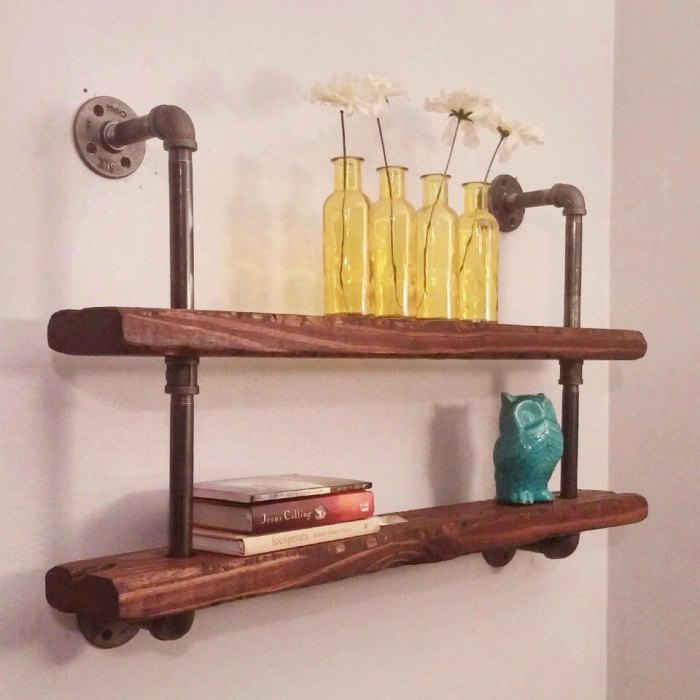
The allure of industrial-style furniture lies in its raw aesthetic, a blend of robust materials and functional design echoing the aesthetics of factories and workshops. This style emphasizes the inherent beauty of materials like reclaimed wood and exposed metal, celebrating their imperfections rather than concealing them. Creating your own industrial-style pieces allows for complete customization, ensuring a unique addition to your home décor that reflects your personal style and preferences.
This section will detail the construction of three key pieces: a metal and wood chair, a rustic metal and wood side table, and an industrial-style coffee table.
Metal and Wood Chair Design Specifications
This design prioritizes simplicity and durability, characteristic of industrial design. The chair utilizes a sturdy metal frame for support and comfortable wooden seating.
| Component | Material | Dimensions (cm) |
|---|---|---|
| Legs | 1.9cm diameter steel pipe | Height: 45cm |
| Seat | Reclaimed pine wood planks | Width: 40cm, Depth: 40cm, Thickness: 2.5cm |
| Backrest | Reclaimed pine wood planks | Width: 40cm, Height: 40cm, Thickness: 2.5cm |
The chair’s design is straightforward: four steel pipe legs are welded to a metal frame, which supports the wooden seat and backrest. The wood is treated with a clear sealant to preserve its natural texture and protect it from moisture. The metal frame provides a strong and stable foundation, while the wood offers comfort and a touch of warmth.
The raw, slightly unfinished look of the materials is central to the industrial aesthetic.
Rustic Metal and Wood Side Table Construction
This project utilizes readily available materials and basic metalworking and woodworking techniques. The strength of the metal base is balanced by the rustic charm of the wooden top.The construction involves welding a simple metal frame from steel pipes or angle iron and attaching a reclaimed wood tabletop. The metal legs are welded to form a stable base. The tabletop can be a single piece of reclaimed wood or several smaller pieces arranged for a more rustic look.
Tools Required:
- Welding machine (MIG or TIG)
- Angle grinder with cutting and grinding discs
- Drill with various drill bits
- Measuring tape and level
- Safety glasses and gloves
- Screws and wood glue
- Sandpaper
- Wood sealant
Industrial-Style Coffee Table Construction
This coffee table uses reclaimed wood for the top and sturdy metal legs for support, exemplifying the core principles of industrial design: functionality and raw material beauty. The dimensions can be easily adjusted to fit your space.
Step-by-step construction:
- Prepare the reclaimed wood: Select wood planks of consistent thickness, ideally with interesting grain patterns and natural imperfections. Sand the planks smooth and apply a protective sealant.
- Assemble the wood top: Arrange the planks to create the desired tabletop size. Secure them together using wood glue and screws. Allow the glue to dry completely.
- Prepare the metal legs: Cut four metal legs to the desired height from steel pipes or angle iron. Ensure the legs are of consistent length and square to the ground for stability.
- Attach the legs to the tabletop: Drill pilot holes through the tabletop and attach the metal legs using appropriate fasteners. Ensure the legs are securely fastened and evenly spaced.
- Finish and protect: Apply a final coat of sealant to the wood tabletop and consider applying a rust-resistant coating to the metal legs if desired. The coffee table is now ready for use.
DIY Industrial Decor Accessories
The aesthetic appeal of industrial-style decor lies not only in large-scale furniture pieces but also in the carefully curated collection of smaller accessories. These details, often crafted from repurposed materials, add character and authenticity, transforming a space from merely decorated to truly lived-in and uniquely personal. The creation of these accessories offers a rewarding blend of creativity and practicality, allowing for both artistic expression and functional solutions.
Industrial Wall Art Using Metal Sheets and Stencils
Metal sheets, readily available in various gauges and finishes, provide a robust and versatile canvas for industrial-style wall art. The process involves selecting a metal sheet—perhaps reclaimed from a construction site or purchased from a metal supplier—cleaning it thoroughly, and then applying a stencil to create a design. Stenciling techniques vary, from simple contact stenciling where the stencil is held firmly against the surface while paint is applied, to more advanced techniques such as using a dry-brush method for a weathered effect, or layering multiple stencils for complex designs.
The choice of paint is crucial; spray paints offer even coverage, while oil-based paints provide a more durable finish. After the paint dries, the stencil is carefully removed, revealing the design. Consider using a clear coat sealant to protect the finished piece from wear and tear. For example, a stencil of a vintage factory blueprint applied to a piece of corrugated metal sheet, then distressed with sandpaper and finished with a dark grey spray paint, would create a striking piece of wall art.
Repurposed Metal Containers as Industrial Storage Solutions
Metal containers, such as vintage tins, old toolboxes, or even repurposed shipping containers (scaled down appropriately), offer unique storage solutions. The inherent durability and rustic aesthetic of these containers lend themselves perfectly to an industrial setting. Finishing techniques range from a simple wire brush cleaning to reveal the metal’s patina, to a more involved process of sanding, priming, and painting.
Consider using a matte finish paint to retain the industrial feel. For added visual interest, consider adding decorative elements like metal handles, rivets, or even stencils. For instance, a collection of vintage metal lunchboxes, cleaned and painted in a consistent color palette, could be stacked to create a unique side table or shelving unit. Alternatively, a larger repurposed metal container could be lined with fabric or repurposed wood for a more functional and aesthetically pleasing storage solution.
The key is to embrace the imperfections and history inherent in these containers, allowing their character to shine through.
Decorative Elements from Vintage Industrial Parts
Vintage industrial parts, such as gears, pulleys, and sprockets, offer a wealth of possibilities for creating unique decorative elements. These components, often found at antique shops, flea markets, or online marketplaces, possess a unique charm and history. They can be incorporated into various projects, such as wall hangings, clocks, or even lampshades. For instance, a collection of gears of varying sizes could be arranged on a wooden board and mounted on the wall, creating a captivating display.
The gears could be arranged in a specific pattern, or left in a more haphazard, yet still aesthetically pleasing, arrangement. The use of a clear epoxy resin to encapsulate the gears would not only enhance their protection but also highlight their intricate details. The visual appeal lies in the juxtaposition of the mechanical precision of the parts against the backdrop of a more rustic or contemporary setting.
The finished product evokes a sense of history and craftsmanship, a hallmark of industrial-style decor.
Painting and Finishing Techniques for Industrial Decor
The final touch in any DIY industrial home decor project lies in the application of paint and protective finishes. The choice of paint and the finishing techniques employed significantly impact the aesthetic appeal and longevity of the project. Understanding the properties of different paints and mastering various finishing techniques is crucial for achieving the desired industrial look, whether it’s a sleek, metallic sheen or a heavily distressed, aged appearance.
Paint Types for Metal and Wood
Selecting the appropriate paint is paramount. The substrate – whether metal or wood – dictates the type of paint best suited for the job. Different paints offer varying levels of adhesion, durability, and aesthetic qualities. The following table compares common paint types, highlighting their suitability for industrial projects.
| Paint Type | Suitable for | Properties | Application |
|---|---|---|---|
| Oil-based Alkyd Enamel | Metal, Wood | Durable, hard finish, excellent adhesion, slow drying, strong odor | Brush, roller, spray |
| Acrylic Enamel | Metal, Wood | Fast drying, low odor, good adhesion, less durable than alkyd enamel | Brush, roller, spray |
| Hammered Finish Paint | Metal | Creates a textured, hammered metal look, durable, good for concealing imperfections | Brush, roller, spray |
| Chalk Paint | Wood | Matte finish, easy application, requires sealing, excellent for distressing | Brush, roller |
Achieving a Distressed or Rusted Metal Look
The hallmark of many industrial designs is the appearance of age and wear. Achieving a distressed or rusted metal look requires a multi-step process that involves careful application of paint and the strategic use of distressing techniques.To create a distressed look on metal, start with a base coat of a dark metallic paint, such as dark gray or black.
Once dry, apply a lighter metallic paint, such as silver or bronze, over the base coat. Before the top coat fully dries, use fine-grit sandpaper (around 220 grit) to lightly sand away portions of the top coat, revealing the darker base coat underneath. This creates a worn, aged effect. For a more dramatic effect, consider using a wire brush to create deeper scratches and reveal more of the base coat.
The process can be repeated with multiple layers of different colors to achieve a multi-layered, aged effect. Imagine the contrast between a base of dark gunmetal gray, then a layer of aged silver rubbed back to expose the gray, then a final top layer of light copper worn away to reveal the gray and silver beneath. The final visual would be a nuanced, multi-toned metal finish.To simulate rust, apply a rust-colored paint (or a mix of reddish-brown and orange hues) over a base coat of dark metallic paint.
Then, use a damp cloth or sponge to wipe away some of the rust-colored paint, creating a blotchy, uneven texture that mimics the natural appearance of rust. Alternatively, specialized rust-effect paints are available that produce a realistic rusted appearance with minimal effort.
Sealing and Protecting Finished Projects
Protecting your finished projects from the elements and wear and tear is essential for their longevity. Proper sealing ensures the paint adheres well and resists chipping, scratching, and fading.
- Clean the surface thoroughly before applying any sealant. Remove dust and debris with a tack cloth or a slightly damp cloth.
- Apply a suitable sealant, such as polyurethane varnish or a clear acrylic sealer, in thin, even coats. Allow each coat to dry completely before applying the next.
- For optimal protection, apply at least two coats of sealant. More coats may be needed depending on the project and the desired level of protection.
- Allow the final coat of sealant to cure completely before handling or using the finished project. The curing time varies depending on the type of sealant used; always check the manufacturer’s instructions.
Lighting and Accessories
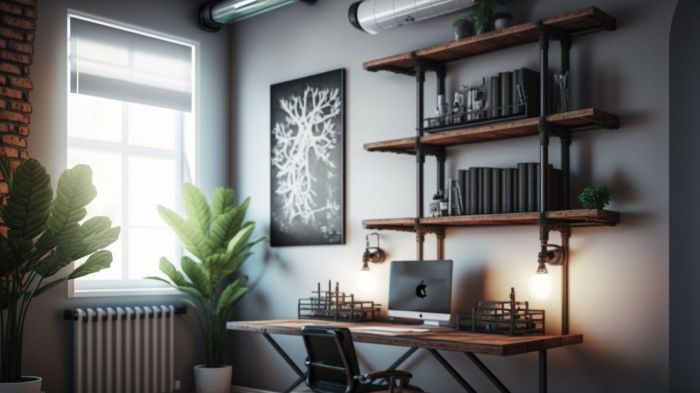
Industrial-style lighting and accessories are crucial elements in achieving an authentic aesthetic. These components not only illuminate the space but also contribute significantly to the overall visual texture and character, reflecting the raw, functional beauty of industrial design. The careful selection and placement of lighting fixtures and decorative elements can transform a room, enhancing its atmosphere and creating a cohesive design narrative.
Pendant Light Design Using Repurposed Metal Pipes and Edison Bulbs
Creating a pendant light from repurposed metal pipes offers a unique opportunity to blend functionality with a distinctly industrial aesthetic. The process leverages the inherent strength and visual appeal of metal pipes, often salvaged from plumbing or construction projects. The Edison bulb, with its exposed filament, further enhances the vintage industrial feel.To construct this pendant light, one would first select appropriately sized metal pipes, ensuring they are clean and free of rust or damage.
These pipes, typically varying in diameter and length depending on the desired design, are then cut to the required dimensions using a pipe cutter. Appropriate fittings, such as elbows and flanges, are crucial for connecting the pipes and creating the desired shape. A threaded rod or a chain is used to suspend the fixture from the ceiling.
Finally, the Edison bulb is secured to the lower end of the pipe assembly, ideally using a suitable socket and wiring that meets safety standards. The entire assembly can be painted with a matte black or metallic finish to enhance the industrial look. A simple diagram would show a vertical pipe, possibly with an elbow to create a slight curve, attached to a ceiling rose via a chain or rod, with an Edison bulb at the bottom.
A more complex design might involve multiple pipes joined to form a geometric shape.
Industrial-Style Wall Sconce Construction from Salvaged Metal
Salvaged metal, such as old sheet metal or discarded industrial components, can be transformed into striking wall sconces. The process involves careful selection of the metal, cleaning it to remove rust and debris, and then shaping and cutting it to the desired form. This often involves using tools such as shears, grinders, and welding equipment (if necessary for joining pieces).
The raw, unfinished look of the metal is a key feature of the industrial style; however, a protective coating or patina may be applied to prevent corrosion and enhance durability. The sconce’s electrical components – wiring, socket, and bulb – need to be carefully integrated, adhering to all relevant safety regulations. The finished product could be a simple, rectangular piece of sheet metal with a centrally mounted bulb, or a more elaborate design incorporating multiple metal pieces.
The final finish could be a raw metal look, or it could be painted with a dark, industrial color. The mounting mechanism needs to be secure and appropriately designed for the wall material.
Incorporating Vintage Industrial Elements
Integrating authentic vintage industrial elements, such as old factory lights or clocks, significantly enhances the overall aesthetic. These pieces often possess unique characteristics reflecting their history and functionality, adding a layer of character and authenticity that cannot be replicated. For example, an old factory pendant light, with its heavy metal construction and exposed wiring, can serve as a dramatic focal point in a room.
Similarly, a vintage industrial clock, with its large numerals and robust design, can add a touch of rugged elegance. The visual impact of these elements is substantial, creating a sense of history and industrial heritage. The patina and wear on these pieces contribute to their unique charm, adding visual interest and texture to the space. The careful placement of these vintage elements is crucial, balancing their prominence with the overall design scheme.
Embarking on DIY industrial home decor projects is more than just crafting; it’s a journey of creative expression and sustainable design. By repurposing materials and embracing the raw beauty of reclaimed wood and metal, you’re not only adding character to your home but also contributing to a more environmentally conscious approach to interior design. The process allows you to infuse your personality into your living space, creating a unique environment that reflects your individual style.
So, gather your tools, embrace the challenge, and let your creativity shine through in every meticulously crafted piece.
Question & Answer Hub
What safety precautions should I take when working with metal?
Always wear safety glasses and gloves. Use appropriate ventilation when working with paints and solvents. Ensure proper handling and disposal of sharp materials. When working with power tools, follow all manufacturer safety guidelines.
Where can I source reclaimed wood and metal for my projects?
Reclaimed wood can be found at salvage yards, demolition sites (with permission), and online marketplaces. Metal can be sourced similarly, or from metal recycling centers and even hardware stores selling scrap metal.
How do I clean reclaimed materials before use?
Thoroughly clean reclaimed wood and metal with a suitable cleaner and allow them to dry completely before starting your project. This removes dirt, debris, and potential contaminants.
What type of paint is best for industrial-style projects?
Oil-based paints offer excellent durability and a classic look, while chalk paint provides a matte finish ideal for a distressed aesthetic. Choose a paint type appropriate for the material (wood or metal).
How can I achieve a truly authentic industrial look?
Focus on using raw materials with visible texture and imperfections. Embrace a slightly unfinished or distressed look in your paintwork. Incorporate vintage industrial elements such as gears, pulleys, or old factory lights.
Leave a Reply