Natural wood decor transcends mere aesthetics; it’s a journey into the heart of sustainable design and the enduring appeal of natural materials. From the rustic charm of reclaimed barn wood to the sleek minimalism of light oak, wood’s inherent versatility allows for countless design expressions. This exploration delves into the diverse styles, sourcing practices, and practical applications of natural wood in interior design, offering a comprehensive guide for homeowners and design enthusiasts alike.
We’ll examine the scientific properties of various wood types, their responses to different finishes, and the crucial role of sustainable forestry in ensuring the longevity of this beautiful resource.
The journey will encompass a detailed look at the environmental impact of wood sourcing, highlighting the importance of responsible consumption and the identification of sustainably harvested wood. We’ll explore how to seamlessly integrate wood with other materials, creating harmonious and visually striking spaces. The guide will also provide practical advice on maintaining the beauty and longevity of your wood decor, ensuring your investment stands the test of time.
Defining Natural Wood Decor Styles
Natural wood, a material deeply rooted in human history, offers a versatile palette for interior design. Its inherent warmth and organic texture lend themselves to a wide array of styles, each reflecting a unique aesthetic and approach to living spaces. Understanding these styles and the scientific properties of wood itself allows for a more informed and effective approach to interior design.
Natural Wood Decor Style Categorization
The diverse applications of wood in interior design allow for a spectrum of stylistic expressions. We can broadly categorize these styles based on their key characteristics, including the type of wood used, the finishing techniques employed, and the overall design philosophy they embody. The following table provides a concise overview of three prominent natural wood decor styles.
| Style | Description | Key Characteristics | Example Wood Types |
|---|---|---|---|
| Rustic | Emphasizes the raw, natural beauty of wood, often showcasing imperfections and textures. This style evokes a sense of warmth, history, and connection to nature. | Reclaimed wood, distressed finishes, exposed beams, heavy furniture. | Reclaimed barn wood, pine, oak (with a rough finish) |
| Modern Farmhouse | Blends rustic elements with modern lines and functionality. It maintains a sense of warmth but incorporates clean aesthetics and contemporary design principles. | Clean lines, neutral color palettes, mixed materials (wood and metal), simple furniture. | Oak, whitewashed pine, maple |
| Minimalist | Prioritizes simplicity and functionality, using wood as a clean, understated element within a largely uncluttered space. | Uncluttered spaces, light-colored woods, smooth finishes, minimal ornamentation. | Birch, ash, light-colored oak (with a smooth, possibly lacquered finish) |
Wood Type and Visual Impact
Different wood species possess unique properties that significantly influence their visual appeal and suitability for specific decor styles. For instance, oak, known for its strength and prominent grain pattern, creates a bold statement in rustic or modern farmhouse settings. Its density and durability make it ideal for flooring and furniture. In contrast, pine, a softer wood with a more subtle grain, offers a lighter, airier feel, often preferred in minimalist or Scandinavian designs.
Walnut, with its rich, dark color and elegant grain, lends itself to sophisticated, luxurious aesthetics. The choice of wood type directly impacts the overall tone and ambiance of a space.
The Effect of Wood Finishes
The finishing technique applied to wood dramatically alters its appearance and contributes significantly to the overall aesthetic. A stained finish enhances the natural grain and color of the wood, adding depth and richness. Staining oak, for example, can intensify its already prominent grain, resulting in a visually striking effect. Painting wood, on the other hand, creates a uniform surface, often used to achieve a clean, modern look.
A painted finish can mask the wood grain, resulting in a simpler, less textured aesthetic. A natural, unstained finish allows the inherent beauty of the wood to shine through, emphasizing its texture and color variations. This approach is commonly used in minimalist and some rustic styles, showcasing the wood’s natural character without alteration. The interplay between wood type and finish provides an extensive palette for achieving diverse design outcomes.
Sourcing and Sustainability
The allure of natural wood decor lies not only in its aesthetic beauty but also in its connection to the natural world. However, the environmental impact of wood sourcing practices varies dramatically, ranging from sustainable forestry that promotes forest health to destructive logging that depletes vital ecosystems. Understanding these differences is crucial for consumers seeking to make environmentally conscious choices.
The journey from forest to home should be one of responsible stewardship, ensuring the longevity of our forests and the beauty of wood for generations to come.The environmental impact of wood harvesting is multifaceted and depends heavily on the methods employed. Unsustainable practices, such as clear-cutting vast tracts of forest without replanting, lead to habitat loss, soil erosion, and increased carbon emissions.
This contrasts sharply with selective logging, which removes only mature trees, leaving the forest structure largely intact and allowing for natural regeneration. Furthermore, the transportation of wood, particularly over long distances, contributes to carbon emissions. Sustainable sourcing prioritizes minimizing these impacts through responsible forestry management and efficient transportation networks.
Environmental Impacts of Different Wood Sourcing Practices
Clear-cutting, while efficient for timber extraction, severely disrupts ecosystems. The removal of all trees leaves the soil exposed to erosion, impacting water quality and biodiversity. This practice also contributes significantly to carbon emissions, as the stored carbon in the trees is released into the atmosphere. In contrast, selective logging minimizes these negative effects by preserving the forest’s structure and allowing for quicker regeneration.
Sustainable forestry practices often incorporate techniques like reduced-impact logging (RIL), which minimizes damage to remaining trees and the forest floor. RIL utilizes specialized equipment and techniques to reduce soil compaction and tree damage during harvesting. Furthermore, responsible forestry includes reforestation efforts, ensuring that new trees are planted to replace those harvested. The overall carbon footprint of wood products is also influenced by the distance they travel from the forest to the consumer.
Locally sourced wood significantly reduces transportation emissions.
A Consumer’s Guide to Choosing Sustainably Sourced Wood Products
Choosing sustainably sourced wood requires informed decision-making. Consumers can significantly reduce their environmental impact by following these guidelines:
- Look for Certifications: Seek out products certified by organizations that verify sustainable forestry practices. This ensures the wood comes from responsibly managed forests.
- Inquire About Sourcing: Contact the retailer or manufacturer directly to inquire about the origin of the wood and the forestry practices employed. Transparency is key to ensuring sustainability.
- Consider the Species: Some wood species are more sustainable than others. Research the species used in the product and its growth rate and susceptibility to pests and diseases.
- Choose Locally Sourced Wood: Reducing transportation distances minimizes the carbon footprint associated with shipping. Opting for locally sourced wood whenever possible helps support local economies and reduces emissions.
- Support Reclaimed Wood: Using reclaimed wood, salvaged from old buildings or structures, reduces the demand for newly harvested timber and gives old materials new life.
Certifications and Labels Indicating Sustainable Forestry Practices
Several organizations offer certifications and labels that guarantee sustainable forestry practices. These certifications provide assurance that the wood comes from responsibly managed forests.
- Forest Stewardship Council (FSC): The FSC is a globally recognized organization that promotes responsible forest management. Their certification ensures that the wood comes from forests managed according to strict environmental and social standards.
- Programme for the Endorsement of Forest Certification (PEFC): PEFC is another leading certification scheme that promotes sustainable forest management. Their certification provides assurance that the wood is sourced from responsibly managed forests.
- Sustainable Forestry Initiative (SFI): SFI is a North American standard that promotes sustainable forest management practices. Their certification ensures that the wood comes from forests managed according to their rigorous standards.
Natural Wood Decor in Different Rooms
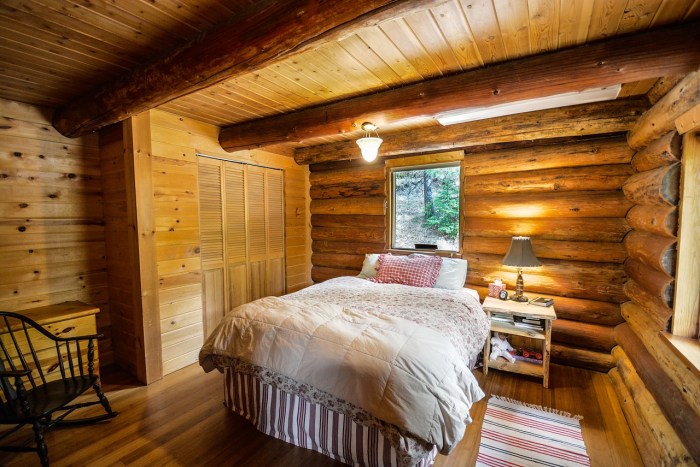
The inherent warmth and beauty of natural wood lend themselves beautifully to various interior design styles and spaces. Its versatility, stemming from the wide array of species, finishes, and grains, allows for both rustic charm and sleek modern aesthetics. Understanding the properties of different wood types and their suitability for different environments is key to successful integration. For instance, hardwoods like oak and walnut are exceptionally durable and resistant to wear, making them ideal for high-traffic areas, while softer woods like pine might be better suited for less demanding spaces.
Living Room Design Incorporating Natural Wood
A living room, the heart of the home, provides ample opportunity to showcase the beauty of natural wood. Consider a centerpiece of a large, reclaimed wood coffee table, its unique grain patterns and knots telling a story of its past life. Surrounding this, armchairs upholstered in natural fabrics like linen or wool complement the wood’s organic texture.
A light oak media console provides functional storage without overwhelming the space. Subtle wood accents, such as a wooden lamp base or a set of coasters crafted from sustainably sourced wood, add warmth and sophistication. The overall effect should be one of relaxed elegance, where the wood serves as a unifying element rather than a dominant feature.
Bedroom Design for a Calming Atmosphere with Natural Wood
The bedroom, a sanctuary for rest and relaxation, benefits from the tranquil ambiance that natural wood imparts. A simple wooden headboard, perhaps crafted from light-colored beech or birch, adds a touch of understated elegance. A nightstand made from dark walnut or cherry wood provides a striking contrast. Natural wood flooring, preferably a wide plank design, contributes to the room’s calming effect, providing a warm and inviting surface underfoot.
To enhance the sense of calm, consider incorporating soft, natural lighting, which helps highlight the wood’s grain and texture. Avoid overly ornate designs; simplicity and clean lines are key to achieving a serene atmosphere.
Kitchen Design with Natural Wood Countertops, Cabinetry, and Shelving
The kitchen, a space often characterized by hard surfaces, can be significantly softened by the inclusion of natural wood. Strategically incorporating wood elements balances the practical needs of the kitchen with an aesthetic appeal.
| Feature | Wood Type Suggestion | Advantages | Considerations |
|---|---|---|---|
| Countertops | Maple, Cherry, Walnut | Durable, beautiful grain patterns, warm aesthetic | Requires regular sealing and maintenance; potential for water damage if not properly sealed |
| Cabinetry | Oak, Birch, Beech | Strong, versatile, can be stained or painted | Can be susceptible to scratches and dents; requires careful cleaning |
| Shelving | Pine, Redwood | Cost-effective, readily available, light and airy feel | Softer woods, may require more frequent maintenance |
| Accessories | Bamboo, Acacia | Sustainable, unique textures, adds visual interest | Some woods may be more susceptible to moisture or pests |
Integrating Natural Wood with Other Materials
The inherent warmth and organic texture of natural wood make it a versatile material in interior design, readily complementing or contrasting with a wide range of other materials. Understanding the interplay of textures, colors, and inherent properties of these materials is crucial for creating harmonious and visually striking spaces. The successful integration of wood with other materials hinges on a thoughtful consideration of design principles, emphasizing balance and visual interest.The textural and visual contrasts afforded by pairing wood with other materials are significant.
The smooth, cool surface of glass juxtaposes beautifully with the warm, tactile grain of wood, creating a dynamic interplay of opposites. Similarly, the rough, earthy texture of stone provides a grounding counterpoint to the refined elegance of polished wood. Metal, with its sleek lines and industrial aesthetic, can introduce a modern edge to a space dominated by natural wood, fostering a sophisticated blend of rustic and contemporary styles.
Natural Wood and Metal: A Study in Contrasts
The combination of natural wood and metal offers a compelling blend of organic and industrial aesthetics. The warmth of the wood softens the starkness of the metal, while the metal’s sleek lines provide a contemporary counterpoint to the wood’s natural texture. Consider, for instance, a dining table with a solid wood top and a base crafted from brushed steel.
The steel’s cool, metallic sheen contrasts beautifully with the rich grain of the wood, creating a visually captivating piece. Alternatively, a living room might feature a wooden shelving unit with metal brackets, showcasing the interplay of materials in a functional yet aesthetically pleasing manner. The key lies in balancing the proportions; an overabundance of either material can disrupt the harmony.
Natural Wood and Stone: Earthy Elegance
The pairing of natural wood and stone evokes a sense of grounding and natural elegance. Both materials share an inherent connection to the earth, yet their textural differences create a visually rich combination. Imagine a bathroom featuring a vanity crafted from warm-toned wood, complemented by a countertop made from cool, smooth marble. The marble’s sleek surface contrasts beautifully with the wood’s grain, while both materials contribute to an atmosphere of serene sophistication.
Similarly, a fireplace surround made of natural stone, framed by a wooden mantelpiece, creates a focal point that blends rustic charm with modern elegance. The success of this combination relies on careful selection of stone and wood tones that complement each other.
Natural Wood and Glass: Transparency and Texture
The combination of natural wood and glass creates a unique juxtaposition of solid and transparent elements. The warmth and texture of wood are highlighted by the clean lines and transparency of glass, resulting in a space that feels both inviting and airy. A coffee table with a glass top and a wooden base exemplifies this combination. The glass allows the beauty of the wooden base to be fully appreciated, while simultaneously adding a modern, sleek element.
Similarly, a wooden frame around a large window showcases the wood’s natural beauty while maximizing natural light. The contrast in texture and material properties is striking, creating a dynamic visual effect.
Natural Wood and Textiles: A Symphony of Textures
The successful integration of natural wood with textiles depends on a careful consideration of texture and color palettes. Rough-hewn wood pairs well with coarsely woven fabrics like linen or burlap, creating a rustic and inviting atmosphere. In contrast, smoother, polished wood complements finer textiles like silk or velvet, creating a more refined and sophisticated ambiance. For example, a living room might feature a sofa upholstered in a warm-toned linen fabric, complemented by a coffee table made of polished cherry wood.
The textures and colors work together to create a cohesive and visually pleasing space. The key is to maintain a balance, avoiding overwhelming the space with too much texture or color.
Natural Wood and Paint Colors: A Visual Dialogue
The choice of paint color significantly impacts the overall aesthetic when paired with natural wood. Warm wood tones, such as cherry or mahogany, pair well with muted earth tones, such as greens, browns, and creams, creating a cohesive and natural palette. Lighter wood tones, such as birch or maple, can be enhanced by brighter, more vibrant colors, such as blues, yellows, or greens, adding a sense of energy and vibrancy to the space.
For instance, a bedroom with light oak flooring could be complemented by walls painted in a soft, calming blue, creating a serene and relaxing atmosphere. Conversely, a study with dark walnut paneling might be paired with a deep green or rich burgundy, emphasizing the wood’s richness and depth. The interaction between the wood’s grain and the paint color creates a visual dialogue that adds depth and character to the space.
Care and Maintenance of Natural Wood Decor
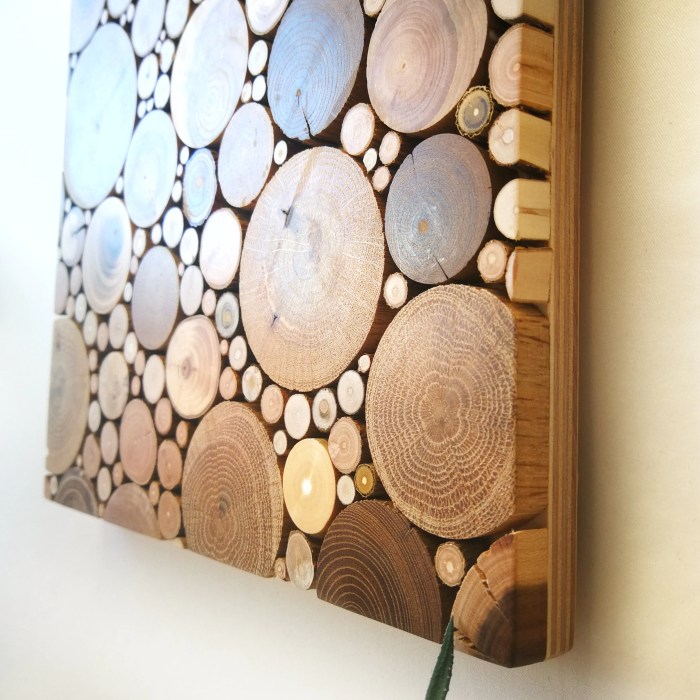
The longevity and beauty of natural wood decor are significantly impacted by proper care and maintenance. Understanding the specific needs of different wood finishes and implementing preventative measures are crucial for preserving the investment and aesthetic appeal of these pieces. This section details the best practices for cleaning, protecting, and maintaining your natural wood treasures, ensuring they remain a focal point of your home for years to come.
Cleaning and Maintaining Different Wood Finishes
Different wood finishes require tailored cleaning approaches. The type of finish dictates the appropriate cleaning method and products to use. Using harsh chemicals or abrasive materials can damage the finish and the wood itself, leading to irreversible deterioration.
- Unfinished Wood: Unprotected wood is the most delicate and requires gentle handling. Dust regularly with a soft cloth or brush. For cleaning, use a slightly damp (not wet) cloth and a mild soap solution. Always dry thoroughly to prevent water damage and the growth of mold or mildew. Regular application of a high-quality wood oil or wax will help protect the wood from moisture and damage.
- Waxed Wood: Waxed finishes provide a protective layer, but they can be prone to scratches. Regular dusting is essential. For cleaning, use a soft cloth dampened with a mild solution of warm water and dish soap. Avoid excessive moisture. Periodically, reapply a thin layer of wax to maintain the protective layer and restore the shine.
Use a soft cloth to buff the wax to a high sheen.
- Lacquered Wood: Lacquered finishes are more durable and resistant to scratches and moisture. Dusting with a soft cloth is usually sufficient. For cleaning, use a slightly damp cloth with a mild soap solution. Avoid abrasive cleaners or scouring pads. If needed, a commercial wood cleaner specifically formulated for lacquered finishes can be used.
Always test any cleaner on a small, inconspicuous area first.
- Varnished Wood: Similar to lacquered wood, varnished wood is relatively durable. Regular dusting and occasional cleaning with a damp cloth and mild soap are usually adequate. Avoid abrasive cleaners. If the varnish becomes dull, a professional refinishing may be necessary.
Preventing Damage to Wood Furniture and Decor Items
Preventing damage is far easier than repairing it. Proactive measures can significantly extend the lifespan of your wood pieces.
- Use Coasters and Placemats: Always use coasters under drinks and placemats under plates and hot dishes to prevent water rings and heat damage. The heat from hot dishes can cause irreversible damage to the wood’s finish.
- Protect from Direct Sunlight: Prolonged exposure to direct sunlight can cause fading and discoloration. Rotate furniture regularly or use curtains or blinds to filter sunlight.
- Avoid Extreme Temperatures and Humidity: Sudden changes in temperature and humidity can cause wood to expand and contract, leading to cracking or warping. Maintain a stable indoor environment.
- Use Furniture Pads: Use felt pads or similar protective materials under furniture legs to prevent scratches on floors and damage to the furniture itself.
- Handle with Care: Avoid dragging or bumping furniture. Lift heavy items carefully to prevent damage.
Humidity Control for Preserving Wood Quality
Maintaining proper humidity levels is critical for preventing wood damage. Wood is hygroscopic, meaning it absorbs and releases moisture from the surrounding air. Fluctuations in humidity can cause wood to expand and contract, leading to cracking, warping, and other damage.
Maintaining a relative humidity between 35% and 55% is generally recommended for preserving the quality of wood furniture and decor. Using a humidifier in dry climates or a dehumidifier in humid climates can help regulate humidity levels. Regular monitoring with a hygrometer is essential for maintaining optimal conditions.
Illustrative Examples of Natural Wood Decor
The beauty and versatility of natural wood lend themselves to a wide array of design styles, from rustic charm to sleek minimalism. The following examples demonstrate how different wood species, finishes, and construction techniques can create unique and captivating pieces for the home. Each piece showcases the inherent qualities of the wood, highlighting its grain, texture, and natural variations.
Rustic Reclaimed Wood Coffee Table
This substantial coffee table embodies rustic elegance. Constructed from reclaimed Douglas fir timbers, its dimensions measure approximately 48 inches in length, 24 inches in width, and 18 inches in height. The visible age and weathering of the wood are integral to its design, showcasing the rich history embedded within each plank. The tabletop, composed of three wide planks, displays a variety of knots, grain patterns, and color variations, testament to the wood’s previous life.
These imperfections, rather than flaws, enhance its character and contribute to its unique aesthetic appeal. The legs, fashioned from thicker reclaimed beams, are subtly tapered, providing a sturdy base while maintaining a visually appealing silhouette. A simple, yet strong, mortise and tenon joinery technique secures the legs to the tabletop, a method both historically significant and remarkably durable.
The table’s overall finish is a clear, matte sealant, allowing the natural beauty of the wood to shine through while protecting it from everyday wear and tear. The rustic character of this piece would complement a variety of interior styles, from farmhouse chic to industrial loft.
Modern Minimalist Light Wood Bookshelf
In stark contrast to the rustic coffee table, this bookshelf exemplifies modern minimalist design. Crafted from sustainably sourced ash wood, known for its light color and fine grain, the bookshelf is a study in clean lines and simple elegance. The ash wood’s pale, creamy tone lends an airy feel to the space. The bookshelf features five open shelves, each precisely spaced and supported by thin, almost invisible, metal brackets.
The overall dimensions are approximately 72 inches in height, 36 inches in width, and 12 inches in depth. The minimalist design allows the natural beauty of the ash wood to take center stage. The lack of ornamentation emphasizes the inherent elegance of the material. The smooth, lightly sanded surface of the wood creates a tactile experience that complements the visual appeal.
The light color enhances the sense of spaciousness and brightness within a room, making it ideal for modern and contemporary interiors.
Dark Stained Wood Bedroom Headboard
This headboard showcases the transformative power of wood staining. Constructed from solid walnut, a wood prized for its rich dark brown hue and distinctive grain pattern, the headboard exudes sophistication and warmth. The deep stain enhances the natural grain, creating a dramatic visual effect. The headboard measures approximately 60 inches in width and 24 inches in height, with a thickness of 2 inches.
The slightly raised panel design adds subtle texture and depth, drawing attention to the play of light and shadow across the surface. The smooth, polished finish accentuates the richness of the walnut’s color and grain, creating a luxurious feel. The dark stain creates a striking contrast against lighter bedding and wall colors, making it a focal point within the bedroom.
The solid construction of the headboard provides a sense of stability and permanence, contributing to a restful and inviting atmosphere.
Ending Remarks
In conclusion, incorporating natural wood decor into your home is not just an aesthetic choice; it’s a commitment to sustainable living and the appreciation of natural beauty. By understanding the diverse styles, sourcing practices, and maintenance requirements, you can create spaces that are both visually stunning and environmentally responsible. From the rustic warmth of a reclaimed wood coffee table to the sleek elegance of a minimalist bookshelf, the possibilities are as diverse as the forests themselves.
Embrace the natural beauty and enduring quality of wood, and create a home that reflects your commitment to both style and sustainability.
FAQ Explained
What are the most common types of wood finishes?
Common wood finishes include stains (which enhance the wood’s natural grain), paints (which provide a solid color), and clear finishes like polyurethane or varnish (which protect the wood while preserving its natural appearance).
How often should I clean my wood furniture?
The frequency depends on the finish and location. Dust regularly with a soft cloth. For spills, wipe immediately with a damp (not wet) cloth. Consider using wood cleaner specifically designed for your finish type every few months.
Can I use natural wood decor in a small space?
Yes! Light-colored woods and minimalist designs can make a small space feel larger and brighter. Avoid overly bulky pieces, and opt for lighter-colored woods to maximize light reflection.
How can I tell if wood is sustainably sourced?
Look for certifications like the Forest Stewardship Council (FSC) label, which indicates responsible forestry practices. Inquire about the wood’s origin and sourcing methods from the retailer.
What’s the difference between hardwood and softwood?
Hardwoods come from deciduous trees (trees that lose their leaves) and are generally denser and more durable than softwoods, which come from coniferous trees (evergreen trees). However, “hardness” isn’t always directly related to the tree’s species; some softwoods are surprisingly durable.
Leave a Reply