The warm embrace of wood, its inherent beauty and textural depth, has captivated interior designers and homeowners for centuries. Wood paneling, far from being a relic of the past, enjoys a resurgence in popularity, offering a versatile and aesthetically pleasing solution for wall coverings. This exploration delves into the multifaceted world of wood paneling, examining its diverse types, installation methods, design applications, maintenance requirements, cost considerations, and environmental impact, providing a scientifically informed perspective on this timeless material.
From the rustic charm of reclaimed barn wood to the sleek modernity of engineered panels, the choices are as varied as the styles they enhance. Understanding the properties of different wood species—their density, grain patterns, and susceptibility to moisture—is crucial for making informed decisions. Similarly, the installation process, while seemingly straightforward, demands precision and attention to detail to ensure a seamless and long-lasting finish.
This guide will navigate you through each step, empowering you to make the best choice for your project and achieve the desired aesthetic.
Types of Wood Paneling
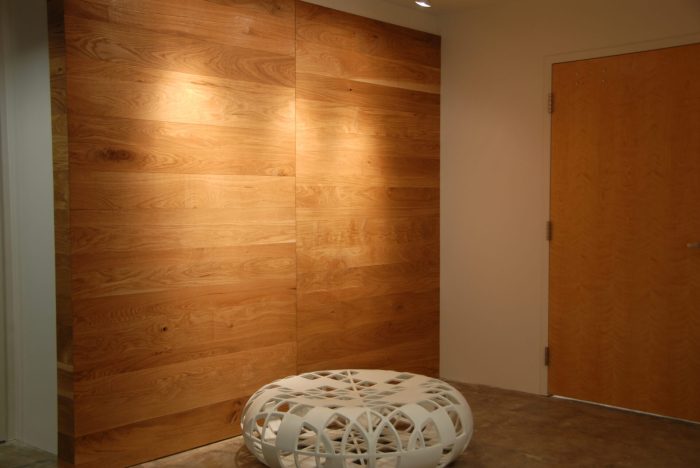
Wood paneling offers a versatile and aesthetically pleasing way to enhance the interior of a home, providing warmth, texture, and a touch of natural beauty. The choice of wood, finish, and panel profile significantly impacts the final look and feel of the space, influencing both its durability and overall cost. Understanding these factors is crucial for making an informed decision.
Wood Species for Wall Paneling
The selection of wood species for paneling directly influences its appearance, durability, and price. Hardwoods generally offer superior durability and a more refined aesthetic compared to softwoods, but come at a higher cost. Pine, a common softwood, is relatively inexpensive and readily available, boasting a light color and easily worked texture, making it suitable for DIY projects. Its softer nature, however, makes it more susceptible to dents and scratches.
Oak, a classic hardwood, is renowned for its strength, durability, and distinct grain patterns, resulting in a timeless and elegant appearance. Its cost is moderate to high, depending on the specific type of oak (red or white). Walnut, a luxury hardwood, exhibits rich, dark tones and a beautiful, intricate grain, lending an air of sophistication and opulence to any room.
It is highly durable but commands a premium price.
Wood Paneling Finishes
The finish applied to wood paneling significantly alters its visual appeal and overall feel. A natural finish emphasizes the wood’s inherent grain and color variations, offering a rustic and organic aesthetic. Staining allows for customization, deepening the wood’s natural tones or creating entirely new hues. This provides versatility in matching existing décor or creating a specific ambiance. Painted paneling, on the other hand, provides a clean, modern look, masking the wood’s grain and offering a wide range of color possibilities.
This is an excellent choice for those seeking a contemporary style or wanting to easily integrate the paneling into diverse color schemes.
Wood Paneling Profiles
Various paneling profiles offer distinct aesthetic qualities and installation complexities. The choice depends on the desired visual effect and the DIY skills of the installer.
| Material | Installation Difficulty | Aesthetic |
|---|---|---|
| Tongue and Groove | Moderate | Clean, classic lines; creates a seamless look. |
| Shiplap | Easy | Rustic, farmhouse style; characterized by overlapping boards. |
| Beadboard | Easy to Moderate | Traditional, often used in kitchens and bathrooms; features vertical, raised beading. |
Installation Methods
Installing wood paneling transforms a room, adding warmth and character. However, successful installation requires careful planning and execution. This section details the process, highlighting potential challenges and their solutions. Proper preparation is key to achieving a professional-looking finish.
The installation process generally involves several key steps, beginning with surface preparation and concluding with finishing touches. The specific techniques may vary depending on the type of paneling and the wall’s condition, but the underlying principles remain consistent. Accurate measurements and meticulous cutting are crucial for a seamless result.
Surface Preparation
Before any paneling goes up, the wall must be properly prepared. This involves assessing the wall’s condition, cleaning it thoroughly, and ensuring it’s structurally sound. Any imperfections, such as cracks or holes, need to be repaired with spackle or patching compound and allowed to dry completely before proceeding. Uneven surfaces should be addressed using drywall compound to create a smooth base for the paneling.
A clean, level surface is paramount for achieving a professional finish and preventing issues later in the installation process. Failure to properly prepare the surface can lead to uneven paneling and a less aesthetically pleasing outcome.
Measuring and Cutting
Accurate measurements are fundamental to avoid material waste and ensure a perfect fit. Begin by measuring the wall’s height and width, taking into account any doors, windows, or other obstructions. Paneling is typically sold in 4ft x 8ft sheets, so calculations must be made to determine the optimal layout and minimize cuts. A sharp utility knife or panel saw is essential for clean cuts, and a speed square can assist in achieving precise angles.
Incorrect measurements or sloppy cuts will result in visible gaps or misaligned panels, detracting from the overall appearance.
Installing the First Panel
The first panel acts as a guide for the rest of the installation. It’s crucial to ensure it’s perfectly aligned and level. Starting in a corner or at a prominent point, secure the panel using panel adhesive and nails or staples, ensuring that it is plumb and level. Using a level throughout this process is critical to prevent unevenness that will be magnified as more panels are installed.
A misaligned first panel will cascade into errors throughout the entire project.
Installing Subsequent Panels
Subsequent panels are installed by butting them tightly against the previously installed panel. Maintain consistent spacing between panels to prevent unevenness and ensure a clean look. Use panel adhesive and fasteners (nails or staples) to secure each panel firmly. Regularly check for levelness and alignment to correct any discrepancies immediately. Ignoring alignment issues during installation will make correction significantly more difficult later.
Finishing Touches
Once all the panels are installed, finishing touches are necessary to complete the project. This includes filling nail holes with wood filler, sanding smooth, and priming and painting or staining the paneling to achieve the desired finish. Caulk can be used to seal gaps between the paneling and adjacent surfaces, such as trim or molding. A final inspection ensures a professional and flawless outcome.
Overlooking these details can leave the installation looking unfinished and unprofessional.
Potential Installation Challenges and Solutions
Several challenges can arise during wood paneling installation. Addressing them proactively ensures a successful outcome. Careful planning and preparation are essential in mitigating these potential problems.
- Uneven Walls: Use shims to level the panels against uneven walls. This ensures a flat surface despite wall imperfections.
- Difficult Cuts: Utilize a miter saw for precise cuts around corners, windows, and doors. A sharp blade is essential for clean cuts.
- Panel Gaps: Apply additional adhesive or use wood filler to close small gaps between panels. For larger gaps, reassess panel alignment and cutting accuracy.
- Nail Pops: Use a nail set to countersink nails below the surface, preventing them from popping out over time. Properly set nails contribute to a smooth finish.
Design and Aesthetics
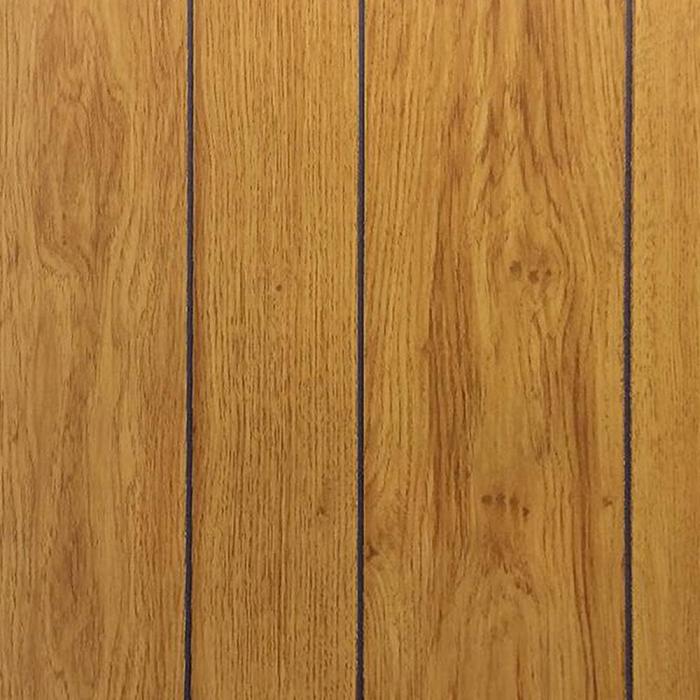
Wood paneling offers a remarkable versatility in design, capable of transforming a space from rustic charm to sleek modernity, depending on the chosen wood type, finish, and installation method. The inherent natural beauty of wood lends itself to a wide range of aesthetic expressions, allowing for both subtle enhancements and dramatic focal points within a room. Understanding these design possibilities is key to harnessing the full potential of wood paneling.
The grain, color, and texture of the wood itself are fundamental elements influencing the overall aesthetic. For instance, the pronounced grain of reclaimed barn wood evokes a rustic feel, while the clean lines of engineered bamboo suggest a contemporary atmosphere. The choice of finish – from a natural, oiled look to a high-gloss lacquer – further shapes the final aesthetic, impacting light reflection and the overall perceived texture.
Wood Paneling Styles and Their Applications
Wood paneling’s adaptability allows it to seamlessly integrate into various design styles. A rustic aesthetic, often associated with cozy cabins or farmhouse kitchens, can be achieved using reclaimed wood with visible knots and imperfections, perhaps in a vertical plank arrangement. A warm, honey-toned stain would complement this style. In contrast, a modern design might feature sleek, horizontal panels of light-colored wood, such as ash or maple, with a minimalist, almost invisible finish.
Traditional styles often utilize detailed molding and panel arrangements, drawing inspiration from historical architectural details. Think rich, dark woods like cherry or mahogany, arranged in intricate patterns.
Incorporating Wood Paneling into Different Room Types
The application of wood paneling extends beyond mere aesthetics; it can also influence the perceived functionality and atmosphere of a room. In a living room, a feature wall of vertically installed planks can create a sense of height and elegance. A bedroom might benefit from a headboard wall clad in paneling, offering a sophisticated and warm backdrop for the bed.
Even bathrooms, with careful selection of moisture-resistant wood and appropriate sealing, can incorporate paneling to create a spa-like atmosphere. The key is choosing a wood type and finish that complements the existing décor and the room’s intended function.
Design Concepts Using Wood Paneling
The following examples illustrate diverse applications of wood paneling as both an accent and a full-room feature:
- Accent Wall in a Modern Living Room: A single wall clad in horizontal, light-oak panels, creating a clean, minimalist focal point against neutral-colored walls. The sleek, straight lines of the paneling contrast beautifully with soft furnishings and contemporary furniture.
- Full-Room Paneling in a Rustic Dining Room: Reclaimed barn wood, installed vertically with varying widths, creates a dramatic, textural backdrop for a rustic dining setting. The natural variations in the wood add character and warmth to the space.
- Headboard Wall in a Traditional Bedroom: Dark stained cherry wood paneling, installed in a vertical plank pattern, forms a sophisticated headboard wall. Detailed molding around the panels adds to the traditional aesthetic, creating a sense of elegance and refinement.
- Bathroom Feature Wall: Water-resistant bamboo panels, installed vertically, create a spa-like atmosphere in a bathroom. A light, natural finish enhances the feeling of serenity and cleanliness.
Maintenance and Care
The longevity and aesthetic appeal of wood paneling are directly tied to proper maintenance and care. Understanding the material’s properties and potential vulnerabilities is crucial for preserving its beauty and structural integrity over time. Neglecting maintenance can lead to irreversible damage, significantly reducing the lifespan of your investment. This section details best practices for cleaning, addressing common problems, and implementing preventative measures to ensure your wood paneling remains a stunning feature for years to come.
Regular cleaning and preventative maintenance are paramount to preserving the beauty and structural integrity of wood paneling. Different types of wood have varying sensitivities, so understanding the specific needs of your paneling is the first step in effective care. For instance, highly porous woods may require more frequent cleaning than denser varieties. The environment also plays a role; paneling in high-humidity areas needs more attention to prevent mold and mildew growth.
Cleaning and Polishing Wood Paneling
Regular dusting is the cornerstone of wood paneling maintenance. A soft, dry cloth or a feather duster is ideal for removing surface dust and preventing the accumulation of grime that can scratch the finish. For more thorough cleaning, use a slightly damp (not wet) cloth with a mild, pH-neutral cleaner specifically designed for wood. Avoid harsh chemicals, abrasive cleaners, and excessive moisture, which can damage the finish and the wood itself.
After cleaning, allow the paneling to air dry completely. For a polished finish, a wood polish specifically formulated for the type of wood can be applied sparingly and buffed to a shine. Always test any cleaning product in an inconspicuous area first to ensure it doesn’t damage the finish.
Addressing Common Problems
Scratches are a common occurrence with wood paneling, especially in high-traffic areas. Minor scratches can often be buffed out with a fine-grit sandpaper (220-grit or higher) followed by polishing. For deeper scratches, wood filler matched to the paneling’s color can be applied, sanded smooth, and then refinished. Water damage manifests as warping, discoloration, or mold growth. Immediate action is crucial to prevent further damage.
Dry the affected area thoroughly, using a dehumidifier if necessary. For minor water damage, allowing the wood to dry naturally may suffice. However, severe water damage may require professional intervention, including potential replacement of damaged panels. Mold and mildew growth require immediate treatment with a solution of diluted bleach and water (always test in an inconspicuous area first).
Always ensure proper ventilation to prevent future occurrences.
Preventative Maintenance
Preventative maintenance is key to extending the lifespan of your wood paneling. This includes regularly checking for loose panels, ensuring proper ventilation to prevent moisture buildup, and protecting the paneling from direct sunlight, which can cause fading and discoloration. UV-protective window treatments can help mitigate sun damage. Avoid placing hot objects directly on the paneling, as this can cause scorching or discoloration.
Regularly inspect the paneling for any signs of damage, such as cracks, loose panels, or insect infestation, addressing any issues promptly to prevent further problems. By following these preventative measures, you can significantly prolong the life and beauty of your wood paneling.
Cost and Budget Considerations
The allure of wood paneling lies not only in its aesthetic appeal but also in its potential to significantly impact the overall cost of a renovation project. Understanding the financial implications, from material acquisition to installation, is crucial for successful budgeting and project planning. This section will dissect the various cost components, explore alternative options, and provide a sample budget to guide your decision-making process.
Cost Breakdown of Wood Paneling
The price of wood paneling is highly variable, influenced by several key factors. The type of wood significantly impacts cost; exotic hardwoods like mahogany or walnut command significantly higher prices than more common species such as pine or fir. The grade of the wood also plays a role; higher grades, featuring fewer knots and imperfections, typically cost more.
Paneling thickness further affects the final price, with thicker panels generally being more expensive. Finally, the style of paneling – whether it’s tongue-and-groove, shiplap, or beaded – can also influence cost. For instance, a high-end, handcrafted tongue-and-groove paneling made from reclaimed wood will be substantially more expensive than standard pre-finished pine panels from a home improvement store.
Consider also the cost of finishing. Pre-finished panels are more expensive initially but eliminate labor costs associated with sanding, priming, and painting on-site.
Alternative Materials and Cost-Effectiveness
While wood paneling offers undeniable charm, several alternatives provide comparable aesthetics at potentially lower costs. For instance, engineered wood products like medium-density fiberboard (MDF) or high-density fiberboard (HDF) can be significantly cheaper than solid wood. These materials can be easily painted or stained to mimic the look of wood, offering a budget-friendly solution. Vinyl and laminate paneling represent even more economical choices, with a wide range of colors and patterns available.
However, these materials lack the natural texture and warmth of real wood. Reclaimed wood, while initially more expensive than new lumber, can be a cost-effective option in the long run, offering a unique aesthetic and contributing to sustainability. The cost-effectiveness of each material depends heavily on the specific project, desired aesthetic, and availability of materials in the local market.
Sample Budget for Wood Paneling Installation
This sample budget illustrates the potential costs associated with a 100 square foot wood paneling project using standard pine tongue-and-groove panels. Prices are estimates and can vary based on location and specific materials chosen.
| Expense Category | Estimated Cost |
|---|---|
| Materials (Wood Paneling) | $500 – $1000 |
| Materials (Fasteners, adhesive, etc.) | $50 – $100 |
| Labor (Installation) | $500 – $1500 (depending on complexity and professional vs. DIY) |
| Finishing (if necessary) | $100 – $300 |
| Waste removal | $50 – $100 |
| Total Estimated Cost | $1200 – $3000 |
Note: This budget is a rough estimate. Actual costs may vary depending on several factors, including the type and amount of wood paneling, labor rates in your area, and the complexity of the installation. Obtaining multiple quotes from contractors is highly recommended.
Environmental Impact
The environmental footprint of wood paneling is a complex issue, encompassing the harvesting of trees, manufacturing processes, transportation, and eventual disposal. Understanding this impact requires a nuanced perspective, considering both the potential negative consequences and the inherent sustainability of wood as a renewable resource. The choices made throughout the lifecycle of wood paneling, from forest management to end-of-life solutions, significantly influence its overall environmental impact.The environmental impact of wood paneling is multifaceted, stemming from several key stages of its lifecycle.
Initially, the harvesting of trees for lumber directly affects forest ecosystems. Sustainable forestry practices, however, can mitigate these effects by ensuring replanting and responsible resource management. The manufacturing process, involving energy consumption and potential waste generation, further contributes to the overall carbon footprint. Transportation distances also play a role, with locally sourced wood having a smaller environmental impact than wood transported across continents.
Finally, the disposal or recycling of wood paneling at the end of its useful life presents additional environmental considerations.
Sustainable Forestry Practices and Sourcing
Sustainable forestry is paramount to minimizing the environmental impact of wood paneling. This involves responsible harvesting techniques that prioritize selective logging, preserving biodiversity, and ensuring forest regeneration. Certifications such as the Forest Stewardship Council (FSC) and the Programme for the Endorsement of Forest Certification (PEFC) provide assurance that wood products originate from sustainably managed forests. Choosing paneling from certified sources significantly reduces the environmental burden associated with deforestation and habitat loss.
For instance, FSC-certified forests maintain biodiversity by preserving old-growth trees and avoiding clear-cutting, thus protecting numerous plant and animal species. The PEFC standard emphasizes responsible forest management across various forest types and ownership structures, promoting sustainable practices globally.
Comparison of Environmental Impacts of Different Wood Types
Different wood species exhibit varying environmental impacts. Fast-growing species like poplar and bamboo generally have a lower carbon footprint per unit of wood compared to slower-growing hardwoods like oak or mahogany, because they require less time to reach maturity. However, the impact also depends on factors such as growth conditions and the distance of transportation. Rapidly renewable species like bamboo offer a particularly sustainable option, demonstrating exceptional growth rates and requiring minimal resources for cultivation.
Conversely, slow-growing hardwoods often come from more remote locations, leading to increased transportation emissions. Furthermore, the density of the wood influences the amount of material needed to produce a specific volume of paneling, directly impacting resource consumption.
Eco-Friendly Options and Sustainable Practices
Several eco-friendly options exist within the wood paneling market. Recycled wood paneling, made from reclaimed lumber or industrial waste, significantly reduces the demand for newly harvested timber. This reduces deforestation and lowers the overall carbon footprint. Bamboo paneling offers an exceptionally sustainable alternative, as bamboo is a rapidly renewable resource requiring minimal water and pesticides. Furthermore, employing sustainable manufacturing practices, such as minimizing energy consumption and waste generation during the production process, can significantly reduce the environmental impact.
This can include using renewable energy sources to power factories and implementing efficient waste management systems to recycle or repurpose byproducts. Finally, choosing paneling with low volatile organic compound (VOC) emissions minimizes indoor air pollution, contributing to a healthier indoor environment.
Concluding Remarks
Wood paneling transcends mere wall covering; it’s a design statement, a reflection of personal style, and a testament to the enduring appeal of natural materials. By carefully considering the various types of wood, installation techniques, design possibilities, and environmental implications, homeowners can create stunning interiors that are both aesthetically pleasing and environmentally responsible. This guide has armed you with the knowledge to embark on your wood paneling project with confidence, transforming your living spaces into havens of warmth, character, and enduring beauty.
The choices you make, from sustainable sourcing to appropriate maintenance, directly impact the longevity and environmental footprint of your project. Choosing wisely ensures a beautiful and responsible outcome.
FAQ Insights
Can I install wood paneling over existing drywall?
Yes, provided the drywall is in good condition and securely fastened. However, ensure the surface is clean, smooth, and free from imperfections for optimal adhesion.
How long does wood paneling last?
With proper installation and maintenance, wood paneling can last for decades, even generations. The lifespan depends heavily on the wood type, finish, and environmental conditions.
What is the best wood for a bathroom?
Moisture-resistant woods like cedar or redwood are ideal for bathrooms. Proper sealing and ventilation are crucial to prevent water damage.
How much does professional installation cost?
Labor costs vary significantly depending on location, the complexity of the project, and the installer’s experience. It’s best to obtain multiple quotes before making a decision.
Can I paint wood paneling?
Yes, painting wood paneling is a common practice that allows for greater design flexibility and customization. Use a high-quality primer designed for wood before applying paint.
Leave a Reply