Imagine a space bathed in soft, diffused light, where minimalist aesthetics meet the calming embrace of pastel hues. This is the essence of Scandinavian design infused with the gentle charm of pastel colors. This exploration delves into the harmonious blend of functionality, natural materials, and muted palettes that define this popular interior design trend. We’ll examine the core principles of Scandinavian style, explore the psychological impact of pastel shades, and showcase how different color combinations can transform various rooms into tranquil havens.
The journey will involve understanding how light interacts with these colors in the characteristically bright yet often short-daylit Scandinavian environment, and how this interplay shapes the overall mood and ambiance.
From the carefully selected furniture and textiles to the strategic placement of lighting, every element contributes to a cohesive and serene atmosphere. We’ll uncover the secrets behind creating a successful Scandinavian pastel interior, offering practical advice and inspiring examples to help you translate this aesthetic into your own home. This isn’t merely about aesthetics; it’s about crafting a living space that promotes well-being and reflects a mindful approach to design.
Defining Scandinavian Style
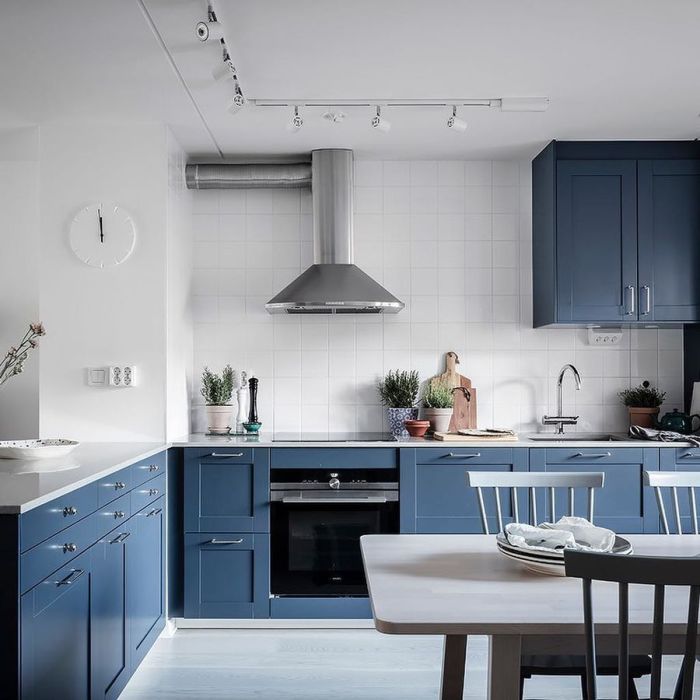
Scandinavian design, often referred to as Nordic design, is a distinct interior design aesthetic originating from the Scandinavian countries: Denmark, Norway, Sweden, Finland, and Iceland. It’s characterized by a unique blend of minimalism, functionality, and a deep connection to nature, resulting in spaces that are both aesthetically pleasing and highly practical. This style prioritizes simplicity, light, and a sense of calm, creating environments that promote well-being and relaxation.Scandinavian design’s core principles emphasize simplicity and functionality above all else.
The philosophy is rooted in the belief that design should serve a purpose, eliminating unnecessary ornamentation and focusing on clean lines and practical solutions. This minimalist approach is not about austerity, but rather about creating a sense of spaciousness and clarity, allowing the beauty of the materials and the functionality of the objects to take center stage. The focus on functionality extends to the selection of furniture and accessories, prioritizing pieces that are durable, versatile, and easy to maintain.
Minimalism and Functionality in Scandinavian Design
Minimalism in Scandinavian design is not about emptiness, but rather about carefully curating objects to maximize both space and functionality. Every item has a purpose, contributing to the overall aesthetic and practicality of the room. This deliberate selection of furniture and accessories ensures that spaces feel uncluttered and inviting. Functionality is paramount; furniture is often designed with multiple uses in mind, and storage solutions are integrated seamlessly into the design.
For example, a simple, unadorned bench might also serve as storage, or a coffee table could incorporate drawers for remotes and magazines. This approach reflects the practical needs of the Scandinavian climate and lifestyle.
The Use of Natural Materials in Scandinavian Design
Natural materials are integral to the Scandinavian aesthetic, reflecting a deep appreciation for the natural world and sustainable practices. Wood, particularly light-colored woods like birch and pine, is a dominant material, used in flooring, furniture, and wall paneling. Its natural warmth and texture contribute significantly to the cozy and inviting atmosphere. Stone, often in the form of granite or marble, is also incorporated, adding a touch of elegance and durability, particularly in bathrooms and kitchens.
Natural textiles, such as wool, linen, and cotton, are favored for upholstery, rugs, and curtains, adding layers of texture and warmth while maintaining a sense of simplicity. The use of these natural materials promotes a sense of connection to the environment and contributes to the overall feeling of serenity and well-being. Furthermore, the light, often muted color palette associated with Scandinavian design complements the natural tones of these materials, creating a harmonious and cohesive aesthetic.
Pastel Colors in Scandinavian Design
The inherent brightness of Scandinavian homes, characterized by long winters and limited sunlight, necessitates a thoughtful approach to interior design. Pastel colors, with their soft hues and gentle luminosity, play a crucial role in maximizing natural light and creating a calming, inviting atmosphere, a key tenet of Scandinavian aesthetics. Their subtle nature complements the minimalist style and natural materials often found in these spaces.Pastel shades in Scandinavian design aren’t merely decorative; they are functional, impacting both the perception of space and the psychological well-being of inhabitants.
The science of color psychology supports this, demonstrating how specific hues can influence mood and productivity.
Common Pastel Colors in Scandinavian Interiors
Several pastel colors consistently appear in Scandinavian interiors, each contributing uniquely to the overall ambiance. These include muted variations of blues, greens, pinks, and yellows. Powder blue, reminiscent of a clear, winter sky, offers a sense of serenity and spaciousness. Sage green, evoking the feeling of nature, brings a calming effect. Blush pink, a softer alternative to vibrant pinks, adds a touch of warmth and femininity without overwhelming the space.
Butter yellow, a pale, sunny hue, introduces cheerfulness and brightness, particularly effective during the darker months. These colors, often used in combination, create a harmonious and balanced palette.
Pastel Shades and Natural Light Interaction
The interaction between pastel colors and natural light in Scandinavian homes is a key factor in their success. Pastel shades, being lighter and less saturated than their bolder counterparts, reflect light more effectively. This is crucial in maximizing the limited daylight hours during winter. A room painted in a pale blue, for instance, will appear brighter and more spacious than one painted in a deep navy.
The light reflectance of pastel colors helps to prevent a space from feeling dark or cramped, even on cloudy days. This is scientifically verifiable through the study of light reflection and absorption properties of different pigments.
Effects of Different Pastel Color Palettes
The choice between cool and warm pastel palettes significantly alters the mood of a Scandinavian interior. Cool palettes, featuring shades of blue, green, and lavender, create a calming and serene environment, ideal for relaxation and focus. These colors evoke a sense of spaciousness and cleanliness, mirroring the minimalist aesthetic. Conversely, warm palettes, incorporating pastel pinks, yellows, and peaches, generate a more inviting and comforting atmosphere.
They bring a sense of warmth and coziness, particularly beneficial during the cold winter months. The psychological impact of these color choices is well-documented in studies on environmental psychology and color therapy.
Pastel Color Combinations for Scandinavian Rooms
The following table presents several pastel color combinations suitable for various rooms in a Scandinavian-style home. These combinations are chosen for their harmonious balance and ability to enhance the overall ambiance.
| Room | Wall Color | Accent Color(s) | Furniture/Textile Color(s) |
|---|---|---|---|
| Living Room | Powder Blue | Sage Green, Blush Pink | Natural Wood, Off-White |
| Bedroom | Lavender | Soft Grey, Pale Yellow | Light Grey, Cream |
| Dining Room | Pale Mint Green | Butter Yellow, Soft Coral | Natural Wood, White |
| Nursery | Soft Peach | Pale Blue, Light Grey | Natural Wood, Cream |
Furniture and Accessories
The harmonious blend of functionality and aesthetics defines Scandinavian design, a philosophy perfectly captured in the selection of furniture and accessories for a pastel-colored living room. The emphasis remains on natural materials, clean lines, and a sense of airy spaciousness, all while incorporating the soft, calming hues of pastel shades. This approach creates a space that is both visually appealing and conducive to relaxation and well-being.
Living Room Furniture Selection
A successful Scandinavian living room design, infused with pastel tones, begins with the foundational pieces. Consider a light-colored, possibly off-white or a pale grey, sofa as a neutral anchor. Its simple, unfussy design, perhaps with subtly tapered legs made of light wood like birch or ash, embodies the core principles of Scandinavian minimalism. Complement this with a pair of armchairs in a pale pastel, such as blush pink or mint green, upholstered in a natural fabric like linen or wool.
A low, rectangular coffee table made of light wood or even a pale-colored marble provides a practical surface while maintaining the visual lightness of the room. The inclusion of a sheepskin rug adds both warmth and texture, a classic Scandinavian touch. Storage solutions should be integrated seamlessly; consider a sleek, light-colored shelving unit for books and decorative items.
Pastel-Colored Textiles
Textiles play a vital role in introducing pastel shades and adding textural depth to the Scandinavian aesthetic. Imagine cushions in various pastel hues – a soft lavender, a delicate sky blue, and a subtle peach – scattered across the sofa and armchairs. These could be made from linen, cotton, or a blend of natural fibers, emphasizing tactile comfort.
A larger throw blanket in a single pastel color, perhaps draped over the sofa arm, adds a layer of warmth and visual interest. Finally, a rug in a pastel shade, such as a pale rose or a soft sage green, can ground the space and define the seating area. The rug’s material should ideally be natural, like wool or cotton, to maintain the overall natural feel.
Lighting Fixtures
Lighting is crucial in enhancing the pastel color palette and the overall atmosphere. Scandinavian design favors natural light, so maximizing window space is paramount. However, supplemental lighting should be carefully chosen. Floor lamps with simple, elegant designs and pastel-colored shades can provide ambient lighting. Table lamps with similar aesthetic qualities, placed on side tables or the coffee table, offer task lighting.
Consider pendant lights with white or light wood accents, allowing the pastel colors of the walls and textiles to take center stage. Avoid harsh, direct lighting; instead, opt for soft, diffused light sources to create a warm and inviting ambiance.
Scandinavian Accessories
A selection of carefully chosen accessories elevates the pastel-colored Scandinavian living room to a cohesive and stylish space. Consider incorporating natural elements such as a simple vase filled with branches or dried flowers. A collection of ceramic bowls in muted pastel tones can add visual interest and serve as decorative objects. A few carefully selected pieces of minimalist artwork, featuring nature scenes or abstract designs in pastel colors, can complement the overall scheme.
Finally, candles in simple glass holders, perhaps with pastel-colored wax, contribute to the sense of calm and relaxation inherent in Scandinavian design. The key is to avoid clutter; less is more in this style.
Room-Specific Applications
The principles of Scandinavian design, characterized by its minimalist aesthetic, functionality, and use of natural light, translate beautifully into various rooms within a home. The incorporation of pastel colors further enhances this style, creating calming and inviting spaces. The following sections detail the application of this design philosophy in bedrooms, kitchens, bathrooms, and children’s rooms.
Scandinavian Pastel Bedroom
A Scandinavian-style bedroom, imbued with pastel hues, prioritizes rest and relaxation. The color palette typically features soft shades of blue, pink, green, or lavender, often paired with crisp white or light grey. Furniture is kept minimal and functional. A light wood platform bed, perhaps in birch or pine, serves as a central element. A simple nightstand with a small lamp and a few books completes the bedside arrangement.
Natural materials, such as linen bedding and a wool rug, add texture and warmth. Subtle patterns, such as a delicate floral print on the curtains or a geometric design on a throw pillow, introduce visual interest without overwhelming the space. The overall effect is one of serenity and understated elegance. The psychological impact of these pastel shades is well-documented; studies show that softer colors promote relaxation and reduce stress, making them ideal for a sleep environment.
Pastel-Colored Scandinavian Kitchen
A Scandinavian kitchen, designed with pastel colors, prioritizes both aesthetics and functionality. Light-colored cabinetry, such as pale grey or mint green, creates a bright and airy atmosphere. These colors reflect light effectively, enhancing the feeling of spaciousness, a key element of Scandinavian design. The countertops are often made of a light-colored material, such as white quartz or light-colored wood, maintaining visual harmony.
Appliances are typically integrated or chosen in stainless steel or white to maintain a clean and uncluttered look. Open shelving displays carefully curated tableware and kitchenware, adding a touch of personality without compromising the minimalist aesthetic. The use of natural wood elements, such as a butcher block island or wooden shelving, adds warmth and texture, balancing the cool tones of the pastel colors.
The overall design promotes a sense of calm and efficiency, reflecting the Scandinavian emphasis on practicality and clean lines.
Scandinavian-Style Pastel Bathroom
A Scandinavian-style bathroom in pastel shades creates a spa-like atmosphere. The color palette might include soft shades of blue, reminiscent of the sea, or a gentle lavender, evoking a sense of tranquility. Natural materials, such as light-colored wood, marble, or ceramic tiles, are key elements. A freestanding bathtub, perhaps in white or a pastel shade, is a focal point.
Simple, clean lines are prioritized in the fixtures, with faucets and showerheads chosen for their sleek design. A large mirror reflects light, amplifying the feeling of spaciousness. Plants, such as succulents or orchids, add a touch of life and vibrancy. The overall effect is a clean, calming space that promotes relaxation and rejuvenation. The use of natural materials and light colors contributes to a sense of wellbeing, aligning with the principles of biophilic design, which incorporates elements of nature to improve mental and physical health.
Children’s Room in Pastel Scandinavian Style
A children’s room designed with pastel colors and Scandinavian style blends functionality with playfulness. The color palette might include soft shades of yellow, blue, and pink, evoking a sense of cheerfulness and calm. A simple, low-to-the-ground bed, perhaps with a playful design, is the centerpiece. Built-in storage units help keep toys organized and maintain a clean aesthetic.
A small desk and chair provide a dedicated space for play or study. Decorative elements include soft, textured rugs, whimsical wall art, and playful textiles. Natural materials such as wood and cotton are preferred for their durability and sustainability. The overall design prioritizes safety, functionality, and a playful environment that encourages creativity and imagination. The use of soft pastel colors has been linked to reducing anxiety and promoting a sense of calm in children, creating a nurturing space for growth and development.
Color Psychology and Impact
Pastel colors, with their muted tones and soft hues, exert a significant influence on the psychological ambiance of a Scandinavian-style interior. Their inherent gentleness contrasts sharply with the often stark, minimalist aesthetic, creating a space that feels both sophisticated and calming. The impact stems not just from the individual colors but also from the interplay and balance within the chosen palette.The subtle variations in light and shade within a pastel palette directly affect our emotional response.
This is due to the complex interplay between color perception, light reflection, and our inherent neurological responses to visual stimuli. Research in color psychology consistently demonstrates a link between specific hues and emotional states.
Pastel Color Palettes and Their Emotional Effects in Scandinavian Design
Different pastel color palettes evoke distinct emotional responses within a Scandinavian context. A palette dominated by pale blues and greens, for example, promotes a sense of tranquility and spaciousness, mirroring the vast, open skies and serene landscapes often associated with Scandinavian countries. This is supported by studies showing blue’s association with calmness and green’s link to feelings of rejuvenation and connection with nature.
Conversely, a palette featuring soft pinks and peaches might create a warmer, more inviting atmosphere, suggestive of comfort and gentle energy. The use of lavender or lilac can introduce a touch of romance and sophistication, while maintaining the overall light and airy feel of the Scandinavian style. The key is in the balance – too much of one color can overwhelm the intended effect.
For instance, an overabundance of pale yellow might feel jarring and lack the soothing effect of a more balanced pastel scheme.
Pastel Colors, Light, and Space Perception
Pastel colors, due to their lightness and reflectivity, significantly impact the perception of light and space within a Scandinavian-style room. Their ability to reflect light effectively makes even smaller spaces feel larger and brighter. This is particularly crucial in Scandinavian countries, where daylight hours can be limited during winter months. Light pastel shades maximize the available natural light, creating a feeling of openness and airiness.
Conversely, darker pastels, while still offering a softer aesthetic, may absorb more light, potentially reducing the sense of spaciousness. The strategic use of mirrors alongside pastel walls can further enhance the perception of space and light, creating a brighter, more expansive feeling. This is a technique often used by interior designers to maximize the impact of natural light in smaller spaces.
Enhancing Calmness and Serenity with Pastel Color Selection
Careful selection of pastel colors is paramount to achieving a feeling of calmness and serenity in a Scandinavian home. The use of analogous pastel colors – those that are adjacent to each other on the color wheel, such as pale blues and greens or soft pinks and lavenders – promotes a harmonious and balanced atmosphere. This creates a visual flow that reduces visual stimulation and encourages a sense of peace.
In contrast, using complementary pastel colors (those opposite each other on the color wheel, like pale blues and peaches) can create a more dynamic and exciting space, but might be less conducive to ultimate relaxation. However, even with complementary colors, maintaining a soft saturation level prevents visual overload and retains the desired calm. The incorporation of natural materials like wood and textiles further enhances the calming effect, creating a textured backdrop for the pastel colors to rest upon.
This holistic approach, combining color psychology with material choices, is crucial in achieving the desired tranquil atmosphere.
Illustrative Examples
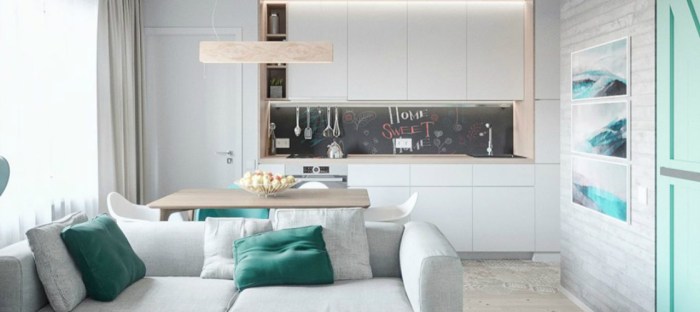
The following examples showcase how the principles of Scandinavian design, particularly the use of pastel colors, translate into distinct and inviting living spaces. Each room exemplifies the interplay of light, texture, and natural materials, creating environments that are both aesthetically pleasing and functionally comfortable. These examples are not exhaustive, but they illustrate the versatility and adaptability of this design style.
Scandinavian Living Room: Pastel Blues and Greens
Imagine a living room bathed in the soft, diffused light of a Nordic summer. Walls painted in a pale, misty blue create a sense of calm and spaciousness. The natural light, enhanced by large windows, interacts beautifully with this hue, casting gentle shadows that highlight the textural elements within the room. A plush, light green sofa, made of a linen-like fabric, anchors the space.
Its texture is further emphasized by a throw blanket in a slightly darker shade of green, perhaps a wool blend, adding warmth and visual interest. A sheepskin rug, creamy white in color, rests on the pale oak floorboards, providing a tactile contrast and softening the overall aesthetic. Accessories are minimal but carefully chosen: a simple glass coffee table, a ceramic vase with a single branch of dried flowers, and a few carefully selected books on a low shelf.
The overall effect is one of understated elegance, emphasizing comfort and tranquility. The cool blues and greens, combined with the natural materials and ample light, create a serene and welcoming atmosphere, characteristic of Scandinavian design. The subtle color variations, from the pale blue walls to the deeper green of the throw, add depth and visual richness without overwhelming the space.
Closing Notes
The fusion of Scandinavian minimalism and pastel palettes creates a uniquely calming and aesthetically pleasing interior design style. By thoughtfully incorporating natural materials, strategically using light, and carefully selecting pastel color schemes, one can achieve a space that is both functional and emotionally resonant. The key lies in understanding the interplay between light, color, and texture, creating a harmonious environment that promotes relaxation and well-being.
Whether it’s a bedroom bathed in soft pinks and creams, a living room accented with muted blues and greens, or a kitchen featuring gentle yellows and grays, the possibilities are as diverse and inviting as the Scandinavian landscape itself. Ultimately, the success of this style rests on creating a space that feels both stylish and deeply personal, a sanctuary reflecting the unique personality of its inhabitants.
FAQ Summary
What are some common mistakes to avoid when decorating with pastel colors in a Scandinavian style?
Overusing pastel shades can make a space feel washed out. Maintain balance with neutral tones and incorporate darker accents to provide contrast and visual interest. Avoid using too many different pastel shades in one room; stick to a limited palette for a cohesive look. Insufficient natural light can also dull pastel colors; ensure ample lighting to showcase their vibrancy.
How can I incorporate Scandinavian style with pastel colors in a small space?
Prioritize light, airy colors and maximize natural light. Use mirrors strategically to create the illusion of more space. Choose multi-functional furniture that serves multiple purposes to save space. Keep the decor minimal and avoid cluttering the room with too many accessories.
Are there any specific plants that complement a Scandinavian pastel interior?
Plants with light green or variegated leaves, such as snake plants, ZZ plants, or pothos, often complement pastel palettes. Their simple forms align with the minimalist aesthetic. Consider placing them in light-colored pots to maintain a cohesive look.
How can I add texture to a Scandinavian pastel space without overwhelming it?
Incorporate natural textures like sheepskin rugs, linen throws, and woven baskets. These add visual interest and warmth without clashing with the pastel color scheme. The key is to use textures sparingly and strategically to add depth without sacrificing the clean lines of Scandinavian design.
Leave a Reply