Transforming a living space into an industrial chic haven involves more than just aesthetics; it’s about embracing a design philosophy rooted in raw materials and functional elegance. This style, born from repurposed factories and warehouses, celebrates exposed brick, metal piping, and the inherent beauty of aged surfaces. We’ll delve into the core principles of industrial chic, exploring material choices, lighting strategies, furniture selection, and DIY projects to achieve this unique look, blending functionality with a touch of vintage charm.
From understanding the interplay of light and shadow to strategically incorporating repurposed materials, mastering industrial chic requires a keen eye for detail and a balanced approach. This guide provides a comprehensive roadmap, covering everything from selecting the right color palettes and lighting fixtures to choosing furniture that complements the overall aesthetic. We will explore both large-scale renovations and budget-friendly DIY projects, enabling you to craft a space that reflects your personal style while adhering to the core tenets of this captivating design movement.
Defining Industrial Chic Style in Home Upgrades
Industrial chic, a popular interior design aesthetic, seamlessly blends the raw, utilitarian elements of industrial spaces with the sophistication and comfort of modern living. This style draws inspiration from factories, warehouses, and other industrial settings, repurposing their inherent characteristics into stylish and functional home designs. The result is a space that is both visually striking and surprisingly welcoming.
Core Elements of Industrial Chic Home Design
The defining features of industrial chic are its emphasis on exposed elements, a neutral color palette, and the strategic use of contrasting textures and materials. The overall effect is a space that feels both authentic and refined, balancing a sense of history with contemporary elegance. This style avoids overly polished finishes, instead embracing the inherent beauty of raw materials and visible structural components.
The goal is to create a space that feels both lived-in and stylish, reflecting a sense of honest craftsmanship and functionality.
Materials Commonly Used in Industrial Chic Interiors
The selection of materials is crucial in achieving the authentic industrial chic look. The style relies heavily on the use of materials typically found in industrial settings, emphasizing their inherent textures and colors. These materials contribute to the overall aesthetic, creating a space that is both visually interesting and texturally rich.
| Material | Description | Application in Industrial Chic Design | Visual Characteristics |
|---|---|---|---|
| Metal | Steel, iron, and other metals are frequently used for their durability and raw aesthetic. | Exposed pipes, metal shelving, lighting fixtures, and furniture frames. | Often dark grey, black, or rusted; can be polished or left raw for a more rustic feel. |
| Wood | Reclaimed wood, particularly with visible wear and texture, is a key element. | Flooring, beams, furniture, and accent walls. | Ranges from dark browns and greys to lighter, bleached tones, often showing signs of age and weathering. |
| Concrete | Polished or raw concrete is used for its industrial feel and durability. | Floors, countertops, and accent walls. | Typically grey, but can be stained or polished to achieve different shades and finishes. |
| Brick | Exposed brick walls are a hallmark of industrial chic. | Feature walls, fireplaces, and accent areas. | Usually red or brown, but can be painted for a different aesthetic; often left exposed to show the texture. |
Color Palettes in Industrial Chic Aesthetics
The color palette of industrial chic design is generally muted and neutral, reflecting the raw materials used in industrial settings. This palette provides a backdrop that allows the textures and materials to take center stage. While a neutral base is key, strategic pops of color can be incorporated to add visual interest and personality.The dominant colors are typically shades of grey, black, brown, and beige.
These colors are often found in the raw materials themselves, reinforcing the authenticity of the style. Metallic accents, such as copper or brass, are frequently used to add warmth and visual interest, while touches of deep blues or greens can introduce a more organic element. The overall effect is a sophisticated yet unpretentious palette that complements the raw materials and industrial aesthetic.
Lighting for an Industrial Chic Atmosphere
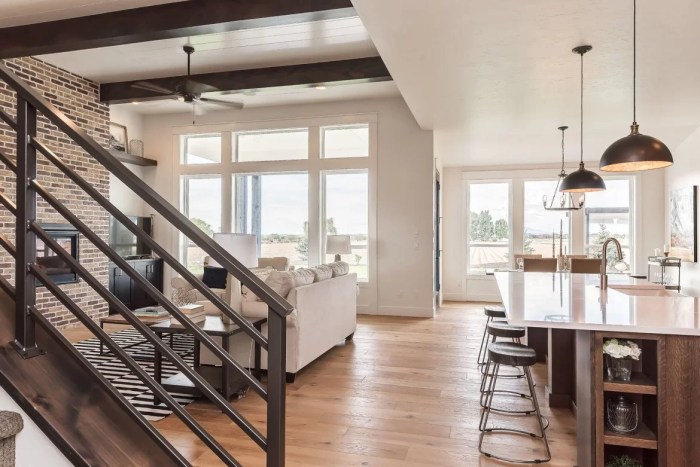
Illumination is paramount in establishing the desired aesthetic of any interior design scheme. In the context of industrial chic, lighting plays a crucial role in balancing the raw, functional elements with a touch of warmth and sophistication. The strategic use of different lighting types and bulb choices significantly impacts the overall ambiance, transforming a space from cold and sterile to inviting and stylish.
Industrial Chic Living Room Lighting Schemes
The following three lighting schemes demonstrate diverse approaches to illuminating an industrial chic living room, each leveraging the unique qualities of various fixture types to achieve a distinct atmosphere. The selection of fixtures and their placement are critical to maximizing both functionality and aesthetic appeal.
- Scheme 1: Exposed Brick and Metal Accents This scheme emphasizes the raw beauty of exposed brick walls and metallic elements. The primary light source would be a central, large-scale industrial pendant light featuring a cage-like metal shade and exposed Edison bulbs. This provides ample ambient lighting. Task lighting is incorporated through strategically placed adjustable metal desk lamps with Edison bulbs on side tables.
Accent lighting is achieved with small, strategically placed spotlights highlighting artwork or architectural features. The warm glow of Edison bulbs complements the rustic textures.
- Scheme 2: Sleek Metal and Glass This scheme showcases the sleekness of metal and glass. The main light source consists of multiple linear pendant lights made of brushed steel or polished chrome, suspended at varying heights above a central seating area. These provide ambient light with a modern twist. Task lighting comes from sleek, minimalist floor lamps with adjustable arms and LED bulbs, providing focused illumination for reading.
Accent lighting uses small, recessed LED spotlights to subtly highlight textured surfaces or artwork, creating a more contemporary feel.
- Scheme 3: Reclaimed Wood and Vintage Finds This scheme integrates reclaimed wood and vintage elements. The ambient lighting is provided by a large, repurposed industrial cart or trolley converted into a unique lighting fixture with Edison bulbs. Task lighting incorporates adjustable vintage-style desk lamps with brass or copper finishes, adding character and warmth. Accent lighting is created using antique or vintage wall sconces with Edison bulbs, providing a soft, nostalgic glow.
The contrast between the reclaimed wood and the warm light creates a sense of history and character.
Ambient, Task, and Accent Lighting in an Industrial Chic Bedroom
The effective layering of ambient, task, and accent lighting is crucial for creating a relaxing yet functional industrial chic bedroom. Each type of lighting serves a distinct purpose, contributing to the overall atmosphere and usability of the space. Careful consideration of fixture placement and bulb type is essential to achieving the desired balance.Ambient lighting sets the overall mood, while task lighting provides focused illumination for specific activities, and accent lighting highlights key features and adds visual interest.
In an industrial chic bedroom, this might involve a central pendant light (ambient), bedside lamps for reading (task), and strategically placed spotlights to highlight artwork or a textured headboard (accent).
Impact of Different Bulb Types on Ambiance
The choice of bulb type significantly influences the overall ambiance of an industrial chic space. Edison bulbs, with their warm, filament-based glow, evoke a nostalgic and rustic feel, complementing the raw textures and materials often found in this style. Their visible filaments add a distinct visual element. Conversely, LEDs offer energy efficiency and a cleaner, more modern aesthetic.
While LEDs can provide warm light, they generally lack the visual character of Edison bulbs. The choice between these bulb types depends on the specific design goals and the desired balance between functionality and visual appeal. For instance, a living room might use a mix of both, with Edison bulbs in statement fixtures and LEDs in less prominent areas.
A bedroom might prioritize the warm, softer glow of Edison bulbs for a more relaxing atmosphere. The spectrum of light emitted, measured in Kelvin (K), is a crucial factor in determining the warmth or coolness of the light. Lower Kelvin values (e.g., 2700K) indicate warmer light, while higher values (e.g., 5000K) indicate cooler light.
Furniture Selection for an Industrial Chic Space
The successful execution of an industrial chic design hinges on a carefully curated selection of furniture. The aesthetic prioritizes functionality, durability, and a blend of raw materials with refined lines. Choosing the right pieces transforms a space from merely functional to a stylish and evocative environment. This requires understanding the inherent characteristics of materials like metal, wood, and leather, and how their interplay contributes to the overall design narrative.
The key to achieving an authentic industrial chic aesthetic lies in the thoughtful juxtaposition of materials and styles. The inherent strength and visual weight of materials like steel and reclaimed wood, for example, create a sense of robustness and history, contrasting beautifully with the sleek lines and minimalist forms often incorporated in industrial designs. This combination provides both visual interest and a tactile experience that speaks to the design’s core principles.
Industrial Chic Kitchen Furniture Shopping List
Creating a functional and visually appealing industrial chic kitchen requires selecting furniture that reflects both practicality and aesthetic sensibilities. The following shopping list provides a foundation for achieving this balance. The materials specified contribute to the overall aesthetic and durability of the space.
- Kitchen Island: A large metal island with a butcher block countertop. The metal provides a robust, industrial feel, while the wood adds warmth and functionality. Imagine a substantial piece, perhaps with a brushed steel frame and a thick, dark-stained oak countertop. The island could incorporate storage in the form of drawers and open shelving, further enhancing its practicality.
- Bar Stools: Metal bar stools with leather or vinyl seats. These provide comfortable seating and reinforce the industrial theme. Consider stools with a simple, unadorned design, perhaps in black metal with distressed leather seats, reflecting a vintage industrial aesthetic.
- Dining Table: A reclaimed wood dining table with a metal base. This provides a contrast between the rustic charm of the wood and the industrial strength of the metal. The table’s size should be proportionate to the kitchen’s overall dimensions, allowing for comfortable seating and easy movement.
- Open Shelving: Metal open shelving units for displaying cookware and kitchenware. These units contribute to the open and airy feel typical of industrial spaces while providing ample storage. A dark metal finish would enhance the industrial feel, allowing the displayed items to stand out.
Integrating Vintage and Repurposed Furniture
The incorporation of vintage and repurposed furniture is crucial for achieving an authentic industrial chic look. These pieces add character, history, and a unique narrative to the space. They are often characterized by their patina, wear, and imperfections, which add to the overall aesthetic appeal.
- Metal lockers: Repurposed as storage units in a hallway or entryway. The inherent durability and visual appeal of these pieces adds a strong industrial element.
- Vintage rolling carts: Used as mobile kitchen islands or bar carts. Their inherent mobility and functionality align with the industrial design’s emphasis on practicality.
- Reclaimed wood crates: Used as shelving or storage solutions. Their rustic texture complements the overall aesthetic, offering a tactile element that adds depth to the space.
- Antique factory lights: Used as pendant lights above a kitchen island or dining table. These provide both functional lighting and a visual nod to industrial history.
Sofa and Armchair Selection for Industrial Chic Interiors
Sofas and armchairs are key elements in defining the comfort and style of a living space within an industrial chic design. The selection process requires a balance between comfort, durability, and aesthetic coherence with the overall design scheme. The choice of materials and design should complement the existing industrial elements without overwhelming the space.
- Leather sofas: Leather sofas with metal legs offer both comfort and durability, aligning perfectly with the industrial aesthetic. Consider a deep brown or black leather for a classic look, or a distressed leather for a more vintage feel. The metal legs provide a clean, industrial counterpoint to the softness of the leather.
- Armchairs with metal frames: Armchairs with exposed metal frames and upholstered seats in neutral colors such as grey or beige offer a balance between comfort and industrial aesthetics. The metal frames add a touch of ruggedness, while the neutral upholstery keeps the space feeling open and airy.
- Velvet upholstery: Unexpectedly, velvet upholstery can add a touch of luxury and softness to an industrial setting. Choose a dark color such as deep green or navy blue to complement the existing industrial elements without clashing with the overall aesthetic.
Incorporating Industrial Chic Elements in Different Rooms
The industrial chic aesthetic, born from the repurposing of factory spaces, translates beautifully into diverse residential settings. Its core principles—raw materials, exposed elements, and a functional design—can be subtly or boldly incorporated to create unique and stylish spaces. The key lies in understanding how these core elements interact with the specific function and existing architecture of each room. Careful consideration of material selection, fixture choices, and the strategic placement of key design features ensures a cohesive and visually appealing outcome, avoiding a cold or overly sterile feel.
Industrial Chic Bathroom Design
Transforming a bathroom into an industrial chic haven involves a careful selection of fixtures and materials that evoke a sense of raw elegance. The key is to balance the utilitarian elements of industrial design with the need for a clean and functional bathroom space. This balance can be achieved through the strategic use of materials like concrete, metal, and reclaimed wood, alongside sleek, minimalist fixtures.
The overall effect should be one of sophisticated simplicity.
| Fixture | Material | Description |
|---|---|---|
| Sink | Concrete or reclaimed wood | A concrete vessel sink offers a raw, textured look, while a reclaimed wood sink adds warmth and character. The choice depends on the desired level of rusticity. |
| Toilet | Porcelain with exposed plumbing | A standard porcelain toilet can be incorporated, but leaving the plumbing exposed adds to the industrial aesthetic. Consider using black or dark grey fixtures for a bolder look. |
| Shower | Metal frame with glass enclosure | A metal frame shower enclosure, perhaps in black or brushed steel, creates a clean, modern contrast against other materials. The use of clear glass maximizes space and light. |
| Lighting | Exposed Edison bulbs or metal pendants | Exposed filament bulbs within industrial-style cages or simple metal pendants provide functional lighting while enhancing the overall aesthetic. |
| Flooring | Large format porcelain tiles or polished concrete | Large format porcelain tiles mimicking concrete or actual polished concrete flooring provides durability and a sleek, industrial feel. |
Industrial Chic Home Office Wall Treatments
The walls of a home office play a crucial role in establishing the overall ambiance. For an industrial chic aesthetic, several wall treatments effectively contribute to the desired atmosphere. These choices offer various levels of visual texture and impact, from subtle accents to bold statements. Careful consideration of the existing architecture and the desired level of visual boldness will guide the selection.
Suitable wall treatments for an industrial chic home office include:
- Exposed brick: The inherent texture and history of exposed brick walls instantly convey an industrial feel. Leaving some brick unpainted or using a sealant to preserve the original character is key.
- Metallic accents: Metal panels or sheets, particularly in shades of copper, steel, or brass, add a sophisticated industrial touch. These can be used as feature walls or incorporated into shelving units.
- Reclaimed wood paneling: Vertical or horizontal reclaimed wood paneling adds warmth and texture, contrasting nicely with the colder elements of the industrial style. The natural variations in wood grain contribute to a unique and visually interesting wall surface.
- Dark, neutral paint colors: Dark grey, charcoal, or deep navy blue paint provides a versatile backdrop for industrial-style furniture and accessories. These colors enhance the feeling of depth and sophistication.
Incorporating Industrial Chic Elements into a Traditionally Styled Bedroom
Integrating industrial chic elements into a traditionally styled bedroom requires a delicate balance. The goal is to introduce industrial accents without clashing with the existing style. This involves a strategic approach, focusing on subtle additions that complement rather than overwhelm the traditional elements.
This can be achieved through the selective use of:
- Metal bed frame: A sleek metal bed frame, possibly with a black powder-coated finish, introduces an industrial touch without sacrificing elegance. The choice of a simple, clean-lined design is crucial to avoid visual conflict.
- Industrial-style lighting: A single pendant light or a pair of wall sconces with exposed bulbs or metal shades can add subtle industrial flair. Positioning these strategically can create a focal point without disrupting the overall room harmony.
- Textured textiles: Incorporate textiles with textures reminiscent of industrial materials. For example, a throw blanket with a slightly rough weave or a linen duvet cover can add subtle industrial elements.
- Metal accents: Small metal accents, such as a side table with a metal base or a decorative metal tray, can subtly introduce the industrial aesthetic without overpowering the traditional elements of the room.
DIY Industrial Chic Projects
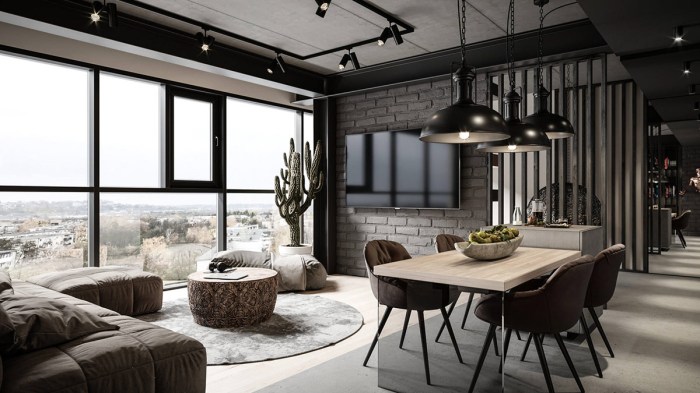
Transforming your home into an industrial chic haven doesn’t require a hefty budget or professional expertise. Many striking design elements can be achieved through resourceful DIY projects, leveraging readily available materials and simple techniques. This section details three such projects, focusing on practicality and aesthetic appeal. The projects Artikeld below utilize principles of material science and engineering to ensure both structural integrity and visual impact.
Metal Pipe Shelving Unit Construction
Creating a metal pipe shelving unit offers a fantastic opportunity to showcase the raw, functional beauty of industrial design. The process involves assembling readily available components into a robust and stylish storage solution. Careful attention to measurements and secure connections are crucial for ensuring stability and longevity.
- Materials: Black iron pipe fittings (flanges, elbows, tees, and couplings), galvanized steel pipes (various lengths), wood planks (for shelves), sandpaper, rust-resistant paint (optional).
- Tools: Pipe cutter or hacksaw, measuring tape, level, wrench, drill, screwdriver (if using screws for shelf attachment).
The construction begins with planning the shelf dimensions and layout. Measure and cut the pipes to the desired lengths using a pipe cutter or hacksaw. Ensure precise measurements to guarantee stability and a visually appealing result. Next, assemble the pipe framework using the fittings, tightening connections securely with a wrench. Finally, attach the wooden shelves using screws or other suitable fasteners.
A final coat of rust-resistant paint (optional) can enhance durability and aesthetic appeal.
Repurposing Old Pallets into a Coffee Table
Repurposing old wooden pallets offers a sustainable and cost-effective way to create a unique coffee table that embodies the industrial chic aesthetic. This process involves careful cleaning, sanding, and assembly, resulting in a sturdy and visually appealing piece of furniture. The natural imperfections of the wood contribute to the overall charm and authenticity of the design.
- Materials: Two sturdy wooden pallets (ensure they are free of any harmful chemicals or treatments), wood stain or sealant, caster wheels (optional), sandpaper.
- Tools: Hammer, saw (for cutting down pallets if necessary), screwdriver, safety glasses, gloves.
The pallets should first be thoroughly cleaned and inspected for any loose or damaged components. Sand the surfaces to create a smooth finish and remove any splinters. If necessary, cut the pallets to the desired size and shape using a saw. The two pallets can then be stacked or joined together to create the table’s base. Applying a wood stain or sealant protects the wood and enhances its appearance.
Adding caster wheels to the bottom enhances mobility.
Image Description: Repurposed Pallet Coffee Table
The coffee table appears rustic yet refined. Two reclaimed wooden pallets, lightly stained with a dark walnut finish, are stacked to create a rectangular top. The natural variations in the wood grain are visible, adding to its character. The edges of the pallets are slightly distressed, enhancing the reclaimed aesthetic. The overall dimensions are approximately 48 inches wide, 24 inches deep, and 18 inches high.
Four small black caster wheels are attached to the bottom, allowing for easy movement. The materials used are primarily reclaimed pine wood and metal caster wheels. The process involved cleaning, sanding, staining, and assembling the pallets.
Industrial-Style Pendant Light Fixture from Repurposed Materials
This project demonstrates the transformation of ordinary materials into a striking pendant light fixture, reflecting the industrial aesthetic’s emphasis on functionality and exposed elements. The creation process emphasizes careful wiring and secure attachment for both safety and aesthetic appeal. Understanding basic electrical wiring is crucial for this project.
- Materials: Metal pipe (various lengths and diameters), metal lampshade (or repurposed container), electrical wire, light bulb socket, light bulb, chain or cord.
- Tools: Pipe cutter or hacksaw, wire strippers, electrical tape, pliers, screwdriver, drill.
Begin by cutting the metal pipe to the desired length for the fixture’s body. Assemble the pipe sections (if necessary) and attach the lampshade or repurposed container securely to the bottom. Carefully wire the light bulb socket, ensuring proper insulation and grounding. Connect the wires to the power source and test the fixture before installation. Finally, hang the fixture using a chain or cord.
The final product should showcase the exposed metal pipes and the repurposed lampshade or container, creating a unique and functional light source.
Budget-Friendly Industrial Chic Upgrades
Transforming your home into an industrial chic haven doesn’t necessitate a hefty price tag. With a keen eye for detail and a resourceful approach, you can achieve a sophisticated, factory-inspired aesthetic without emptying your wallet. This involves leveraging readily available, inexpensive materials and repurposing existing furniture, embracing the inherent beauty of aged and reclaimed elements. The key lies in understanding the core principles of the style – exposed brick, metal accents, and a neutral color palette – and applying them creatively.The allure of industrial chic stems from its ability to blend raw, utilitarian elements with a touch of modern elegance.
This juxtaposition creates a unique and visually arresting space. The inherent adaptability of the style allows for a high degree of personalization, meaning you can tailor the look to your specific taste and budget. By focusing on strategic upgrades and DIY projects, you can significantly impact the overall aesthetic without incurring significant expenses.
Affordable Materials for Industrial Chic
The beauty of industrial chic lies in its embrace of raw and repurposed materials. Many elements can be sourced affordably, creating a unique and personalized look. The following materials offer excellent value and contribute significantly to the overall aesthetic.
- Reclaimed Wood: Look for salvaged wood pallets, old barn wood, or even discarded flooring. These materials offer a rich texture and history, adding character to your space. A coat of sealant or a simple sanding can bring out the natural beauty of the wood, transforming inexpensive materials into stunning design features. For example, reclaimed wood planks can be used to create shelving, headboards, or even a rustic coffee table.
- Metal Pipes and Fittings: Hardware stores often have surplus or discounted metal pipes and fittings. These can be used to construct shelving units, lighting fixtures, or even unique furniture legs. The raw, metallic finish adds an authentic industrial touch. Consider using galvanized steel pipes for a classic industrial look, or black iron pipes for a more contemporary feel.
- Mason Jars: These versatile containers are inexpensive and readily available. They can be used for storage, lighting fixtures (with the addition of LED lights), or even as unique vases. Their simple, cylindrical shape perfectly complements the industrial aesthetic.
- Concrete: While working with concrete might seem daunting, there are affordable options like pre-cast concrete blocks or concrete tiles. These can be used to create accent walls, countertops, or even flooring. The raw, textured surface of concrete adds a substantial industrial feel.
Updating Existing Furniture for an Industrial Chic Theme
Rather than purchasing entirely new furniture, consider repurposing existing pieces to align with the industrial chic theme. This approach is both budget-friendly and environmentally conscious.
- Metal Accents: Add metal handles, knobs, or legs to existing wooden furniture. This simple addition can drastically change the look and feel of a piece, injecting an industrial vibe without requiring a complete overhaul. For instance, replacing the handles on a dresser with industrial-style metal pulls instantly updates its aesthetic.
- Distressed Finishes: Use sandpaper or paint techniques to create a distressed or aged look on existing furniture. This mimics the worn, weathered appearance commonly found in industrial spaces. For example, a simple sanding technique on a wooden coffee table can reveal the wood’s natural grain and create a rustic, aged look, perfectly complementing the industrial aesthetic.
- Strategic Paint Jobs: A fresh coat of paint in a neutral color, such as gray, black, or white, can dramatically transform the appearance of old furniture. Consider using metallic paints for accents or to create a weathered look. A dark gray paint on an old wooden chair, for example, can instantly give it a more industrial feel.
Outcome Summary
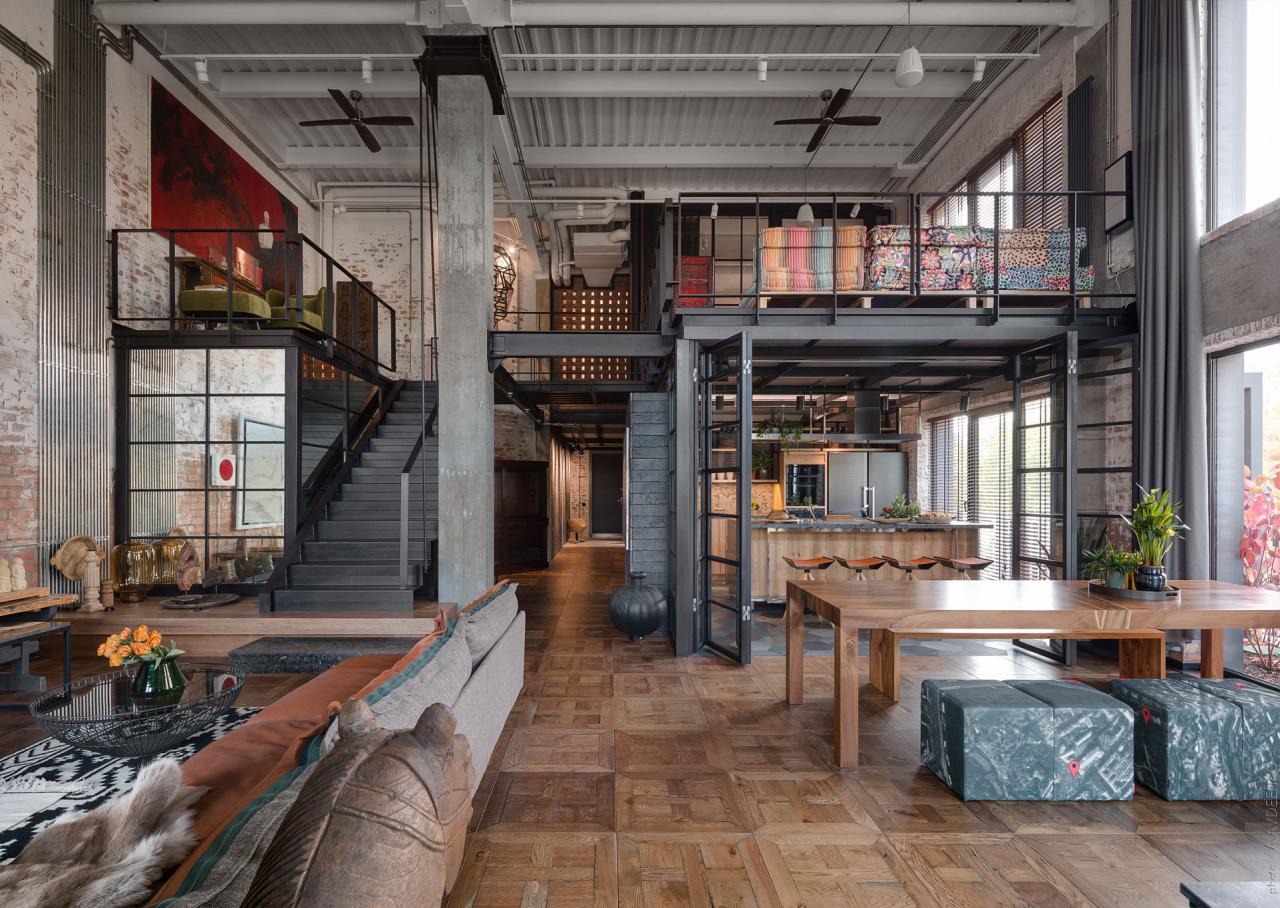
Ultimately, achieving a successful industrial chic interior is a journey of thoughtful curation and creative expression. By carefully considering the interplay of raw materials, functional lighting, and vintage accents, you can create a space that is both aesthetically stunning and deeply personal. Whether you’re embracing exposed brickwork, repurposing old pallets, or crafting custom metal pipe shelving, remember that the essence of industrial chic lies in its authenticity and the unique story each element tells.
This guide has provided the tools; now, it’s time to unleash your inner designer and craft a space that truly reflects your vision.
FAQ Overview
What are some common misconceptions about industrial chic design?
A common misconception is that industrial chic is cold and sterile. While it utilizes raw materials, skillful implementation balances this with warmth through textiles, lighting, and carefully chosen accents.
How can I incorporate industrial chic into a small space?
Use lighter colors, strategically placed mirrors to maximize light and create the illusion of space, and choose multi-functional furniture. Avoid overcrowding.
Is industrial chic suitable for families with children?
Yes, with careful material selection. Opt for durable, easily cleaned surfaces and consider protective coatings for vulnerable areas. Choose furniture with robust construction.
How can I maintain the industrial chic look over time?
Regular cleaning is key, especially for metal and wood surfaces. Periodically touch up paint or sealant as needed to maintain the integrity of the finishes. Embrace the patina of age for a truly authentic look.
Where can I find affordable industrial chic furniture and decor?
Thrift stores, flea markets, and online marketplaces are excellent resources for finding vintage and repurposed pieces. Consider DIY projects to further reduce costs.
Leave a Reply