Industrial chic living room decor transcends mere aesthetics; it’s a journey through time, a fusion of raw, utilitarian elements with refined comfort. Born from the repurposing of factories and warehouses, this style celebrates exposed brick, metal piping, and reclaimed wood – materials that whisper tales of bygone eras. But it’s not simply about mimicking industrial spaces; it’s about carefully curating a balance between the rugged and the refined, the functional and the beautiful, creating a living space that’s both strikingly modern and remarkably warm.
This design philosophy draws inspiration from the late 19th and early 20th centuries, a time of industrial revolution and burgeoning urban landscapes. Think lofty ceilings, exposed ductwork, and the inherent beauty found in the honest textures of aged materials. The color palette typically features muted tones of grey, charcoal, and brown, often punctuated by pops of vibrant color to add visual interest and prevent the space from feeling too austere.
This guide will explore the key elements of industrial chic design, offering practical advice and inspiring examples to help you create your own unique industrial haven.
Defining Industrial Chic Style
Industrial chic, a prominent interior design style, seamlessly blends the raw aesthetics of industrial spaces with the comfort and sophistication of contemporary living. This juxtaposition creates a unique ambiance characterized by exposed elements, functional furniture, and a carefully curated blend of textures and materials. Its roots lie in the adaptive reuse of former industrial buildings, a trend that gained momentum in the late 20th century.Industrial chic’s historical influences are deeply rooted in the post-industrial era.
The rise of loft living in repurposed factories and warehouses, particularly in cities like New York and London, played a pivotal role in popularizing the style. Architects and designers began to appreciate the inherent beauty of exposed brick, metal piping, and high ceilings, transforming these formerly utilitarian spaces into stylish residences. This movement embraced a philosophy of repurposing and celebrating the history embedded within these structures, rather than concealing their industrial past.
Core Elements of Industrial Chic Interior Design
The core elements of industrial chic design revolve around the strategic integration of raw, industrial materials with refined, modern accents. The overall effect is a balance between the rugged and the refined, creating a space that is both visually striking and surprisingly comfortable. This style often features exposed brick walls, which provide a textural backdrop and a nod to the style’s historical roots.
High ceilings, a common feature in former industrial buildings, contribute to the spaciousness and grandeur of the design. Large windows, often found in these structures, allow for ample natural light, enhancing the overall aesthetic. The use of metal elements, such as exposed pipes, metal shelving, and industrial lighting fixtures, adds to the raw, industrial feel.
Materials Commonly Used in Industrial Chic Living Rooms
A defining characteristic of industrial chic living rooms is the strategic use of materials. Metal, in various forms, plays a significant role. Exposed steel beams, wrought iron accents, and galvanized steel pipes are frequently incorporated into the design. The metallic surfaces contribute to the raw aesthetic and provide a strong visual contrast to other elements. Wood, often reclaimed or with a distressed finish, introduces warmth and texture.
Reclaimed wood beams, flooring, or furniture pieces add character and history to the space. Brick, often left exposed, provides a textural and visually interesting backdrop, further emphasizing the industrial heritage. Concrete, another prominent material, can be used for flooring or accent walls, adding a modern, industrial edge. Finally, the strategic use of glass, often in large windows or partitions, adds a contemporary element, contrasting with the rougher materials.
Color Palettes Typically Associated with Industrial Chic Aesthetics
The color palettes in industrial chic living rooms are generally characterized by a muted and neutral base, punctuated by strategic pops of color. Neutral tones, such as grays, blacks, browns, and whites, create a sophisticated backdrop. These colors are often found in the walls, flooring, and larger furniture pieces, providing a sense of calm and spaciousness. Metallic accents, such as copper, bronze, or brushed nickel, add warmth and visual interest.
Pops of color, often in jewel tones or deep blues, greens, and reds, are strategically introduced through accessories, artwork, or smaller furniture pieces to add personality and visual excitement without overwhelming the overall neutral scheme. The overall effect is a balanced and sophisticated aesthetic, where the neutral base provides a foundation for the strategic use of color to highlight specific elements and add personality.
Furniture Selection for an Industrial Chic Living Room
The foundation of any successful industrial chic living room lies in the careful selection of furniture. This style, characterized by a blend of raw materials, functionality, and a touch of vintage charm, demands pieces that reflect its inherent aesthetic. The key is to strike a balance between robust, utilitarian forms and comfortable, inviting spaces. This requires understanding the properties of various materials and their integration within the overall design scheme.
A typical industrial chic living room layout prioritizes functionality and open space. The arrangement should facilitate easy movement and conversation flow. A strategic placement of furniture pieces can define distinct zones within the room, such as a seating area, a conversation nook, and a storage area, without feeling cramped or cluttered. The careful selection of furniture pieces is paramount to achieving this balance.
Seating Arrangements in Industrial Chic Living Rooms
The seating arrangement is the heart of any living room. In an industrial chic setting, this often involves a statement sofa, perhaps a metal-framed piece with worn leather upholstery, or a modular sofa system allowing for flexible configurations. Additional seating can include armchairs with exposed metal legs and comfortable cushions, or even vintage industrial stools repurposed as seating.
The materials chosen should reflect durability and a slightly aged patina. Leather, due to its strength and ability to age gracefully, is a popular choice, often exhibiting a distressed or worn appearance. Similarly, metal frames, preferably in dark greys or blacks, add to the industrial aesthetic.
Coffee Tables and Side Tables: Materials and Design
Coffee tables and side tables are crucial for completing the look. Reclaimed wood coffee tables, showing the natural grain and texture of the wood, are a staple of industrial chic. Their rugged character complements the overall aesthetic, offering a contrast to the smoother surfaces of other furniture pieces. Metal coffee tables, particularly those with a distressed or aged finish, also fit seamlessly into this style.
The choice between wood and metal often depends on the existing color palette and the desired level of contrast. For instance, a dark metal coffee table might complement a lighter-colored sofa, while a reclaimed wood table could balance out a predominantly metal seating area.
Storage Solutions: Functionality and Aesthetics
Storage is essential in any living room, and the industrial chic style offers unique options. Metal shelving units, often with exposed brackets and a raw, unfinished look, are excellent choices. These can be used to display decorative items or store books and other belongings. Alternatively, repurposed industrial storage units, such as vintage metal cabinets or tool chests, can serve as both functional storage and eye-catching decorative elements.
The key is to select pieces that complement the overall aesthetic while maintaining practicality. For example, a vintage metal locker can provide ample storage while adding a distinct industrial touch. Likewise, industrial-style rolling carts offer both storage and mobility, ideal for smaller spaces.
Incorporating Vintage and Repurposed Furniture
The integration of vintage or repurposed furniture is a hallmark of the industrial chic style. The use of older pieces with inherent character adds authenticity and depth to the design. Finding vintage factory carts, repurposing old wooden crates as coffee tables, or incorporating antique metal lockers as storage solutions are all ways to achieve this. The age and wear on these pieces add a layer of history and texture, complementing the raw materials and unpolished aesthetic of the overall style.
Careful selection is key; the pieces should maintain structural integrity and enhance the room’s overall ambiance rather than detracting from it. For example, an old wooden workbench can be transformed into a unique dining or coffee table, its history adding a layer of narrative to the living room’s design.
Lighting and Accessories in Industrial Chic Decor
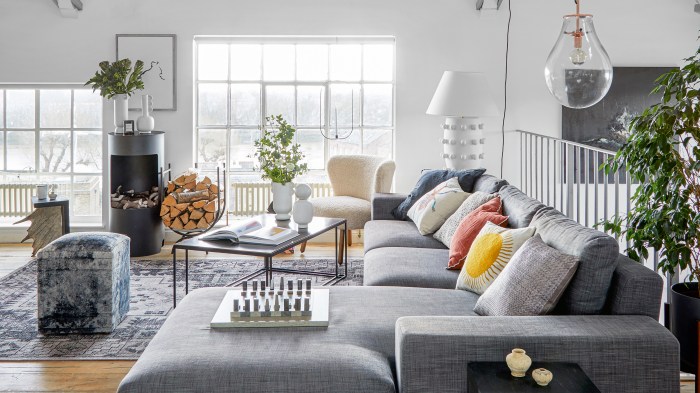
The successful execution of an industrial chic living room hinges not only on the furniture but also on a carefully considered lighting plan and the strategic placement of accessories. These elements work in concert to create the desired atmosphere, blending functionality with the aesthetic hallmarks of the style. Proper lighting, in particular, can dramatically alter the perception of space and enhance the textural interplay inherent in industrial design.
Lighting design, from a scientific perspective, involves manipulating the intensity, color temperature, and direction of light to achieve specific visual effects. This is crucial in industrial chic, where the goal is often to create a balance between a raw, utilitarian feel and a comfortable, inviting ambiance.
Ambient, Task, and Accent Lighting in Industrial Chic Interiors
A layered lighting approach is key to achieving the desired effect in an industrial chic living room. Ambient lighting provides overall illumination, task lighting focuses light on specific areas for activities, and accent lighting highlights features and creates visual interest. For ambient lighting, consider a combination of sources to avoid harsh shadows and create a warm, inviting glow. Task lighting, positioned above reading areas or workspaces, should be bright and focused.
Accent lighting can be used to showcase artwork or architectural details.
Examples of Industrial-Style Lighting Fixtures
The choice of lighting fixtures is paramount in establishing the industrial aesthetic. Metal finishes, exposed bulbs, and cage-like designs are characteristic elements. For instance, a collection of exposed-bulb pendant lights hung at varying heights above a dining table creates a visually dynamic focal point, reminiscent of factory lighting. The warm glow of Edison-style bulbs further enhances the vintage industrial feel.
Metal floor lamps with adjustable arms, mimicking the functionality of industrial work lamps, provide task lighting while maintaining the style. Track lighting systems, often seen in industrial settings, can be used to direct light precisely where needed. Their clean lines and adjustable heads offer both practicality and aesthetic appeal.
Mood Board: Accessory Choices for an Industrial Chic Living Room
Accessories are crucial in adding personality and depth to the industrial chic aesthetic. A carefully curated collection of items can transform a space from merely functional to truly inviting. The interplay of textures and materials is key; think rough-hewn wood, cool metal, and warm leather.
Imagine a mood board featuring a distressed metal clock with oversized Roman numerals, reflecting the utilitarian aspect of the style. Alongside it, a vintage-style industrial metal shelf displays a collection of glass apothecary jars filled with interesting objects, creating a display of both function and beauty. A piece of abstract artwork with a metallic finish hangs on a brick wall, contrasting the rough texture with a smooth, reflective surface.
A leather armchair adds warmth and texture, while a plush rug softens the otherwise hard surfaces of the room. The color palette would likely include muted grays, browns, and blacks, with pops of color from carefully selected accent pieces.
Texture and Pattern in Industrial Chic Design
The skillful use of texture and pattern is vital for preventing an industrial-chic space from feeling cold or sterile. The juxtaposition of contrasting textures—smooth metal against rough-hewn wood, soft textiles against hard surfaces—creates visual interest and depth. Patterns should be used sparingly, and if incorporated, should complement the overall aesthetic. For instance, a geometric patterned rug can add visual interest without overwhelming the space.
Similarly, a subtly patterned throw blanket on a leather sofa can add a touch of warmth and personality. The key is balance: avoid overwhelming the space with too many competing patterns or textures.
Incorporating Different Elements into the Design
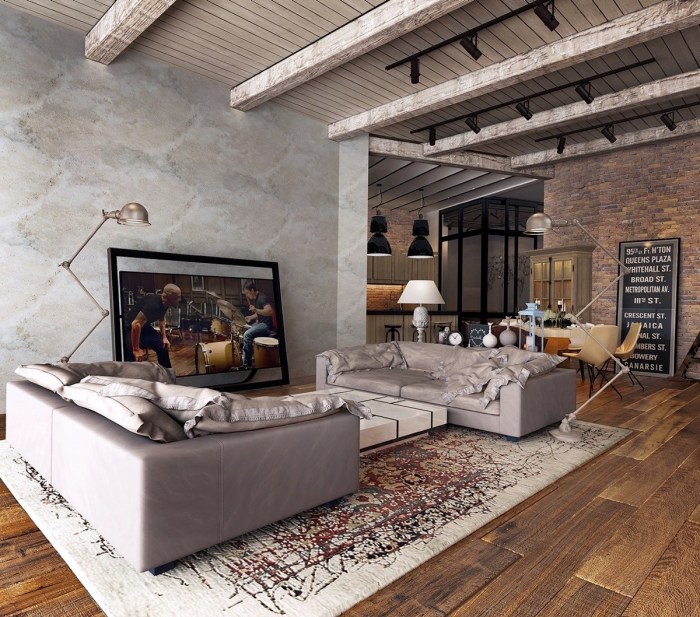
The inherent starkness of industrial chic design, while aesthetically appealing to many, can benefit from strategic integration of contrasting elements to create a more balanced and inviting living space. This involves carefully considering the interplay of different substyles, the introduction of natural materials, and a thoughtful approach to balancing hard and soft elements. The ultimate goal is to achieve a space that embodies the raw aesthetic of industrial design while maintaining a sense of warmth and comfort.
Industrial Chic Substyles: A Comparative Analysis
Different interpretations of industrial chic lead to diverse substyles, each offering a unique aesthetic. Understanding these nuances allows for a more personalized and nuanced approach to interior design. The following table compares and contrasts three prominent substyles: Rustic Industrial, Minimalist Industrial, and Urban Industrial.
| Feature | Rustic Industrial | Minimalist Industrial | Urban Industrial |
|---|---|---|---|
| Color Palette | Warm neutrals (browns, grays, beige) accented with pops of deep reds or greens. | Neutral monochrome palette (grays, blacks, whites) with occasional metallic accents. | Cool grays, blacks, and whites with pops of bright, bold colors (e.g., teal, mustard yellow). |
| Materials | Reclaimed wood, exposed brick, aged metals, leather, natural fibers (e.g., jute, wool). | Metal, concrete, glass, clean lines, simple forms, limited ornamentation. | Metal, concrete, glass, brick, exposed pipes, repurposed industrial materials. |
| Furniture | Heavily textured furniture with visible wear and tear, often featuring distressed finishes. | Sleek, minimalist furniture with clean lines and simple forms, often made from metal or wood. | A mix of vintage and contemporary industrial furniture, with a focus on functionality and practicality. |
| Overall Feel | Warm, inviting, and slightly weathered. | Clean, simple, and uncluttered. | Edgy, raw, and urban. |
Incorporating Natural Elements to Soften the Aesthetic
The inherent hardness of metal and concrete can be counterbalanced by introducing natural elements. Plants, in particular, serve as effective visual softeners, adding texture and life to the space. Large potted plants, such as fiddle-leaf figs or snake plants, add height and visual interest, while smaller succulents or trailing plants can be strategically placed on shelves or tables.
Natural fabrics, such as linen, wool, and cotton, in throw pillows, rugs, and curtains, further contribute to a warmer, more inviting atmosphere. The scientific principle of biophilic design—incorporating natural elements into built environments—demonstrates the positive psychological and physiological effects of such integration, reducing stress and improving overall well-being. For example, studies have shown that exposure to plants can reduce cortisol levels (a stress hormone).
Balancing Hard and Cold Elements with Warmer Features
The contrast between hard and soft elements is key to successful industrial chic design. The cold, metallic surfaces and exposed brick can be balanced with the warmth of wood, plush textiles, and soft lighting. Warm-toned lighting, such as incandescent or Edison bulb fixtures, contributes significantly to a cozier atmosphere compared to harsh, bright fluorescent lighting. Adding a fireplace, even a decorative electric one, introduces a focal point that radiates both visual and literal warmth.
The use of rich textures in fabrics, such as a chunky knit throw blanket or a sheepskin rug, provides tactile warmth and visual interest, creating a more inviting and comfortable space.
Flooring Choices to Enhance the Industrial Chic Look
Flooring plays a crucial role in establishing the industrial aesthetic. Polished concrete floors, a hallmark of industrial spaces, provide a clean, minimalist backdrop. However, their inherent coldness can be mitigated by the addition of area rugs made from natural fibers. Alternatively, hardwood floors, particularly those with a reclaimed or distressed finish, offer a warmer, more textured alternative while still maintaining a sense of industrial authenticity.
The choice depends on the specific substyle and desired level of warmth. For instance, a minimalist industrial design might opt for polished concrete, while a rustic industrial style might favor reclaimed hardwood.
Illustrative Examples of Industrial Chic Living Rooms
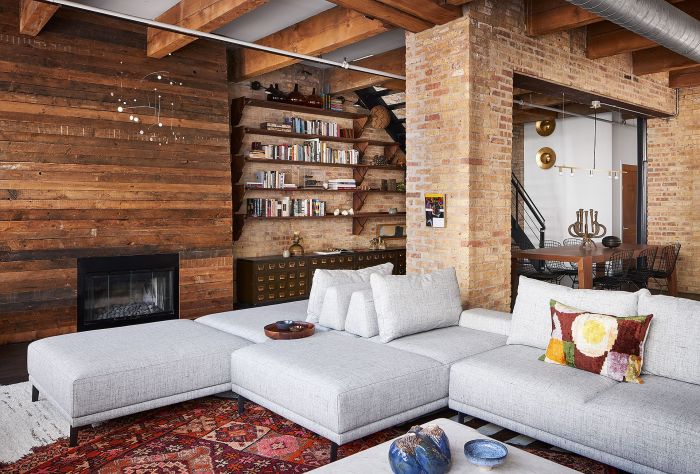
The versatility of industrial chic style allows for diverse interpretations, ranging from minimalist spaces emphasizing clean lines to rustic settings showcasing reclaimed materials. The following examples demonstrate this adaptability, highlighting the interplay of textures, colors, and lighting to create distinct atmospheres within the industrial aesthetic.
Minimalist Industrial Chic Living Room
This design prioritizes functionality and clean lines, minimizing clutter and maximizing space. The color palette is predominantly neutral, utilizing shades of gray, white, and black. Furniture consists of sleek, metal-framed sofas and armchairs, perhaps upholstered in a simple, dark gray fabric. Lighting is functional and understated, featuring exposed Edison bulbs suspended from the ceiling and minimalist metal floor lamps.
Accessories are kept to a minimum, possibly including a few carefully selected metallic sculptures or abstract art pieces. The overall effect is one of sophisticated simplicity, emphasizing the inherent beauty of the industrial elements.
Rustic Industrial Chic Living Room
This approach embraces the warmth and texture of reclaimed materials. The color palette incorporates richer tones, such as deep browns, muted greens, and rusty oranges. Furniture includes vintage leather armchairs and a coffee table crafted from reclaimed wood, perhaps showing signs of wear and tear, adding to the overall charm. Lighting fixtures might incorporate Edison bulbs in exposed metal cages, complemented by strategically placed table lamps with vintage-inspired bases.
Accessories could include vintage maps, exposed brick walls, and industrial-style metal shelving displaying curated collections of books and decorative objects. The result is a lived-in, comfortable space that evokes a sense of history and craftsmanship.
Modern Industrial Chic Living Room
This interpretation balances industrial elements with contemporary design principles. The color palette might feature a mix of cool grays, metallic accents, and pops of vibrant color, such as teal or mustard yellow. Furniture includes clean-lined sofas and armchairs with modern silhouettes, perhaps upholstered in a textured fabric like linen or velvet. Lighting is a blend of industrial and modern, possibly incorporating sleek pendant lights alongside exposed filament bulbs.
Accessories are carefully chosen, emphasizing geometric shapes and minimalist design. The space exudes a sense of sophisticated modernity, with industrial elements serving as textural and stylistic accents rather than the dominant focus.
Visual Impact of Exposed Brick, Metal Shelving, and Vintage Leather
Imagine a living room bathed in the warm glow of late afternoon sun, its light filtering through large factory-style windows. The exposed brick walls, a testament to the building’s history, provide a textured backdrop, their uneven surface catching the light and casting subtle shadows. Metal shelving units, painted a matte black, stand against the brick, their clean lines contrasting with the rough texture of the wall.
On these shelves, carefully curated objects—vintage books, antique tools, and sculptural pieces—are artfully arranged, adding depth and visual interest. A worn leather armchair, its patina deepened by years of use, sits in a sunlit corner, its soft curves a counterpoint to the hard lines of the metal and brick. The interplay of light and shadow creates a dynamic and visually captivating space, highlighting the beauty of both the raw industrial elements and the carefully chosen furnishings.
The shadows accentuate the texture of the brick, creating a sense of depth and history, while the light highlights the rich tones of the leather and the metallic sheen of the shelving.
Impact of Different Window Treatments on Industrial Chic Decor
Window treatments play a crucial role in modulating the light and overall aesthetic of an industrial chic living room. Sheer curtains, for example, allow ample natural light to filter into the space while softening the harshness of industrial elements. They add a touch of elegance and create a more intimate atmosphere. In contrast, blinds, particularly metal blinds, maintain the industrial theme, offering precise control over light and privacy.
They enhance the minimalist and functional aspects of the style. The choice depends on the desired level of light control and the overall mood the designer aims to create. For a balance, a combination could be employed, using sheer curtains layered over blinds to offer flexibility and visual interest.
Concluding Remarks
Creating an industrial chic living room is about more than just selecting the right furniture; it’s about understanding the underlying principles of the style and using them to craft a space that reflects your personal style. By thoughtfully incorporating raw materials, vintage pieces, and strategic lighting, you can achieve a space that’s both stylish and surprisingly inviting. The key is to find the perfect balance between the cool, industrial elements and warmer, more comfortable accents, creating a space that’s both visually striking and incredibly livable.
The result? A living room that’s as unique and captivating as its story.
Frequently Asked Questions
What are some affordable ways to incorporate industrial chic elements?
Repurposing existing furniture is a great starting point. A simple coat of paint can transform an old wooden table into a rustic industrial piece. Thrift stores and flea markets are treasure troves of vintage finds that can add character and authenticity without breaking the bank. Consider using affordable metal shelving units for storage and incorporating inexpensive Edison-style bulbs for lighting.
How do I prevent an industrial chic living room from feeling too cold?
Introduce warmth through textures like plush rugs, soft throws, and comfortable cushions. Incorporate natural elements such as plants and wooden accents. Opt for warmer metallic finishes like brushed brass or copper instead of stark chrome. A strategically placed fireplace can also add a significant amount of warmth, both literally and visually.
Can industrial chic work in a small living room?
Absolutely! The key is to use light colors and maximize vertical space. Utilize mirrors to create an illusion of more space. Choose multi-functional furniture pieces that serve dual purposes, such as ottomans with storage. Keep the color palette light and airy, and avoid overcrowding the space.
What type of flooring best complements industrial chic?
Concrete flooring is a classic choice, offering a raw and authentic feel. However, polished concrete or hardwood floors can also work beautifully, adding warmth and sophistication. Consider the overall aesthetic you are aiming for when selecting your flooring; a rustic industrial design might suit concrete better, while a more modern industrial look might be enhanced by hardwood.
Leave a Reply