The minimalist aesthetic, celebrated for its clean lines and uncluttered spaces, extends its influence even to the sanctuary of the bathroom. Minimalist bathroom lighting, far from being merely functional, becomes a crucial element in crafting a serene and sophisticated atmosphere. This exploration delves into the science of light, examining how color temperature, brightness, and fixture selection contribute to the overall ambiance and functionality of this intimate space.
We’ll dissect various lighting styles, fixture types, and design principles, illuminating the path to creating a minimalist bathroom that is both visually stunning and practically efficient.
Beyond mere aesthetics, the strategic placement of lighting enhances the functionality of a minimalist bathroom. Proper illumination improves visibility for tasks like applying makeup or shaving, while strategically dimmed lighting fosters relaxation during a soothing bath. The interplay of light and shadow, carefully orchestrated, can subtly accentuate architectural features and create a sense of depth and spaciousness, even in smaller bathrooms.
Understanding the principles of light and how they interact with space and materials is key to achieving a successful minimalist design.
Defining Minimalist Bathroom Lighting Styles
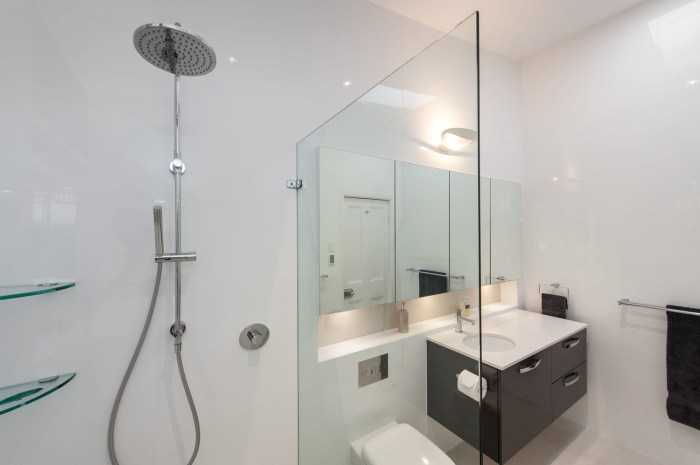
Minimalist bathroom lighting prioritizes functionality and clean aesthetics, eschewing superfluous ornamentation for a sense of calm and spaciousness. The choice of lighting style significantly impacts the overall mood and perceived size of the bathroom, influencing both its practicality and visual appeal. Careful consideration of fixture type, placement, and light color temperature is crucial to achieving the desired minimalist effect.
Recessed Lighting: A Subtle Approach
Recessed lighting, also known as downlights, offers a clean and unobtrusive solution for minimalist bathrooms. These fixtures are installed directly into the ceiling, leaving only a small aperture visible. Their minimalist design allows them to seamlessly integrate into the ceiling plane, avoiding visual clutter. The visual impact is one of understated elegance. For instance, a bathroom with a white ceiling might incorporate several small, round recessed lights with a cool white (5000K-6500K) light temperature to create a bright, functional space.
This approach works particularly well in smaller bathrooms where prominent fixtures might overwhelm the space. Materials typically include brushed aluminum or white finishes, complementing contemporary designs. In contrast to pendant or vanity lights, recessed lighting provides even illumination across the ceiling, minimizing shadows and maximizing the feeling of openness.
Linear Lighting: A Modern Accent
Linear lighting fixtures, characterized by their elongated and streamlined shapes, add a contemporary edge to minimalist bathroom design. These fixtures can be installed as ceiling lights or as under-cabinet lighting, offering versatility in application. The visual impact is one of sleek sophistication. Imagine a long, thin LED strip light affixed to the underside of a floating vanity, emitting a warm white (2700K-3000K) glow.
The light’s gentle illumination enhances the vanity area without being overpowering. Materials often include polished chrome or matte black metal, depending on the overall bathroom scheme. This style is particularly effective in larger bathrooms, where the elongated form adds a visual focal point without overwhelming the space. Unlike the diffused light of recessed fixtures, linear lighting can create a more directional light source, useful for highlighting specific areas.
Pendant Lighting: A Statement Piece
While seemingly at odds with minimalism, a single, carefully chosen pendant light can serve as a striking focal point in a minimalist bathroom. The key is to select a fixture with simple, clean lines and a muted color palette. The visual impact is one of understated drama. For example, a single, globe-shaped pendant light made of frosted glass, emitting a warm white light, can hang centrally above a freestanding bathtub, creating a spa-like atmosphere.
The material choice is often glass or matte metal, in neutral colors such as white, black, or brushed nickel. This style works best in larger bathrooms with high ceilings, where the pendant light can be appreciated without feeling cramped. In comparison to recessed or linear lighting, a pendant light offers a more concentrated light source, ideal for accentuating a specific feature within the bathroom.
Types of Minimalist Lighting Fixtures
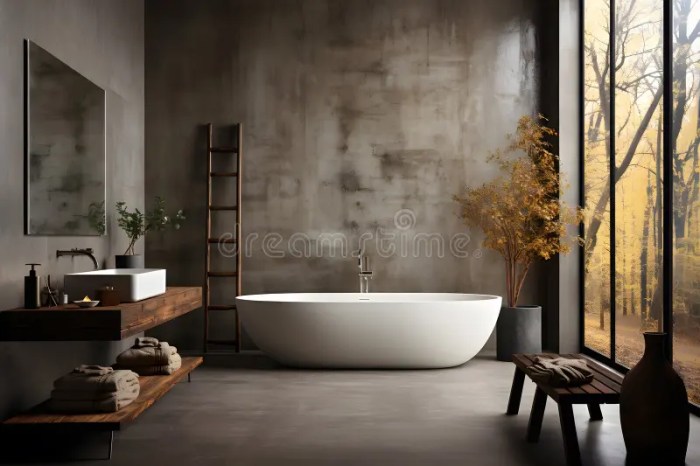
Minimalist bathroom lighting design prioritizes functionality and simplicity, eschewing ornamentation for clean lines and efficient illumination. The choice of lighting fixture significantly impacts the overall aesthetic and ambiance. Understanding the various types available allows for a tailored approach that complements the space’s unique characteristics and desired mood.
Selecting the right lighting fixture involves considering several factors: the size and shape of the bathroom, the color temperature of the light, the material of the fixture, and its compatibility with the overall design scheme. The interplay of these elements creates a harmonious and functional lighting solution.
Minimalist Bathroom Lighting Fixture Types
The following table Artikels five common minimalist lighting fixture types, highlighting their material, light color temperature options, and suitability for different bathroom styles.
| Fixture Type | Material | Light Color Temperature Options (Kelvin) | Suitable Bathroom Style |
|---|---|---|---|
| Recessed Lighting | Aluminum, Brushed Nickel, White | 2700K (Warm White)
|
Modern, Contemporary, Minimalist |
| Pendant Lights | Glass, Metal (Brass, Chrome, Black), Concrete | 2700K – 5000K | Modern, Industrial, Scandinavian |
| Vanity Lights | Brushed Nickel, Chrome, Matte Black | 3000K (Soft White)
|
Traditional, Modern, Transitional |
| Wall Sconces | Glass, Metal (Brass, Chrome), Wood | 2700K – 5000K | Traditional, Modern, Contemporary |
| LED Strip Lights | Plastic, Aluminum | 2700K – 6500K (Daylight) | Modern, Contemporary, High-Tech |
Advantages and Disadvantages of Specific Fixture Types
Each lighting fixture type offers unique advantages and disadvantages within a minimalist bathroom context. Careful consideration of these factors ensures optimal functionality and aesthetic harmony.
Recessed Lighting: Recessed lights offer even, ambient illumination, maximizing space and minimizing visual clutter. However, installation can be more complex and requires sufficient ceiling height. Their minimalist design integrates seamlessly into modern spaces. A disadvantage is the potential for glare if not properly shielded.
Pendant Lights: Pendant lights provide a focal point, often used above a freestanding tub or vanity. They offer adjustable height and a range of styles, allowing for personalized design expression. However, they might be unsuitable for bathrooms with low ceilings and can cast shadows if not strategically positioned.
Vanity Lights: Vanity lights offer task lighting for applying makeup or shaving, ensuring optimal visibility. Their placement directly above the mirror minimizes shadows. However, overly bright or poorly designed vanity lights can create glare and detract from the overall minimalist aesthetic.
Example Minimalist Bathroom Lighting Scheme
A well-designed minimalist bathroom lighting scheme utilizes a combination of fixture types to achieve layered illumination, enhancing both functionality and ambiance. This example demonstrates such a scheme.
This scheme incorporates recessed lighting for general illumination, providing a soft, even light throughout the bathroom. The recessed lights are strategically placed to avoid glare and create a calming atmosphere. To add a focal point and task lighting, a single pendant light is installed above the freestanding bathtub. The pendant light is chosen for its simple design and soft, warm light.
Finally, sleek, minimalist vanity lights are mounted on either side of the mirror, offering focused task lighting without compromising the overall aesthetic. This layered approach provides ambient, task, and accent lighting, creating a versatile and functional space.
Impact of Light Color Temperature and Brightness
The human visual system is remarkably sensitive to variations in light, impacting not only our ability to see but also our mood, alertness, and overall perception of a space. In the context of minimalist bathroom design, the strategic application of light color temperature and brightness is paramount to creating an environment that is both functional and aesthetically pleasing. The interplay between these two factors profoundly influences the atmosphere, transforming a simple bathroom into a sanctuary or a vibrant, energizing space.Light color temperature, measured in Kelvin (K), determines the perceived “warmth” or “coolness” of the light.
Brightness, measured in lumens (lm), dictates the intensity of the light. Understanding these parameters allows for precise control over the bathroom’s ambiance and functionality.
Color Temperature’s Influence on Mood and Ambiance
Different color temperatures evoke distinct emotional responses. Warm white light (2700-3000K), often associated with incandescent bulbs, projects a cozy, inviting atmosphere. This is ideal for relaxation and creating a spa-like experience in a minimalist bathroom. The soft, yellowish hue promotes calmness and can even help to mask minor imperfections in the room’s design. Conversely, cool white light (5000-6500K), similar to daylight, provides a more invigorating and focused environment.
This is better suited for tasks requiring higher levels of concentration, such as applying makeup or shaving. Daylight (5000-6500K) mimics natural sunlight, offering a bright, clean feel, suitable for a minimalist aesthetic that emphasizes cleanliness and openness. Choosing between warm and cool light depends entirely on the desired mood and the primary function of the space. For instance, a minimalist bathroom designed for relaxation might prioritize warm white lighting above the vanity and a cool white light source in the shower area for visibility.
Brightness Levels and Their Functional and Aesthetic Impact
Brightness levels directly impact both the functionality and the aesthetic appeal of a minimalist bathroom. Insufficient lighting can hinder tasks like applying makeup or showering safely, while excessive brightness can feel harsh and sterile. Appropriate lumen levels vary depending on the area: a vanity area might require 300-500 lumens for optimal task lighting, ensuring clear visibility for detailed tasks.
The shower area should have at least 150-200 lumens for safety, avoiding harsh shadows. Ambient lighting, which contributes to the overall atmosphere, can range from 50-100 lumens, creating a softly illuminated background. The use of dimmers allows for adjustable brightness, offering versatility to suit different times of day and moods. A dimmer switch on a warm white light above the bath, for instance, can transition the space from a bright, functional area to a relaxing, dimly lit oasis.
Balancing Brightness and Color Temperature for a Relaxing Yet Functional Space
Achieving a harmonious balance between brightness and color temperature is crucial for creating a minimalist bathroom that is both relaxing and functional. This involves a layered approach to lighting, incorporating multiple light sources with varying color temperatures and brightness levels. For example, incorporating recessed warm white downlights for ambient lighting can provide a gentle, welcoming glow. This could be complemented by brighter, cool white task lighting above the vanity and within the shower enclosure.
The use of dimmers allows for personalized adjustment, enabling users to fine-tune the lighting to suit their needs and preferences throughout the day. This layered approach allows for a dynamic environment that seamlessly transitions between functional and relaxing modes. A thoughtfully designed minimalist bathroom lighting scheme uses light to enhance the clean lines and uncluttered aesthetic, making it a space that is both visually appealing and highly functional.
Integrating Minimalist Lighting with Bathroom Design Elements
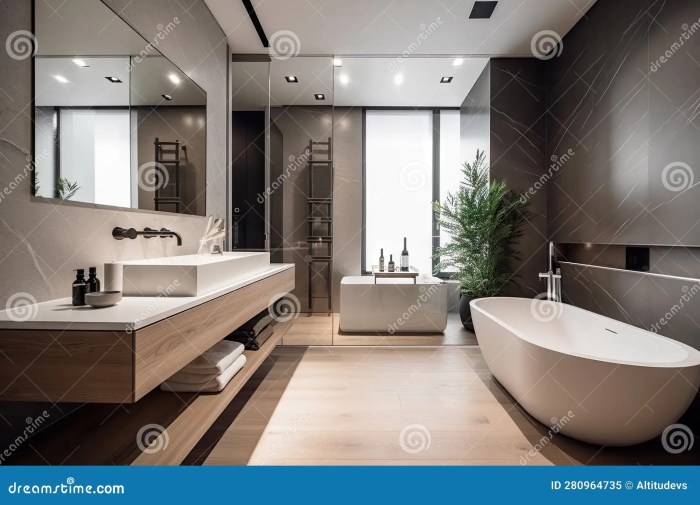
Minimalist lighting, characterized by its clean lines, subtle presence, and functional brilliance, seamlessly integrates with various bathroom design elements to create a harmonious and aesthetically pleasing space. The interplay of light and form enhances the overall design, transforming a functional room into a sanctuary of calm and sophistication. This synergy is achieved through careful consideration of light placement, intensity, and color temperature, all working in concert with the chosen bathroom fixtures and color palette.The strategic placement of minimalist lighting fixtures can dramatically alter the perception of space and enhance the visual appeal of key design elements.
For instance, strategically positioned LED strip lighting beneath a minimalist vanity subtly illuminates the countertop, highlighting its sleek lines and creating a sense of spaciousness. Similarly, recessed lighting above a walk-in shower can accentuate the clean geometry of the enclosure, casting a soft glow that enhances the overall sense of serenity. The interplay between light and shadow becomes a design element in itself, sculpting the space and directing the eye.
Minimalist Lighting and Bathroom Design Element Synergy
The successful integration of minimalist lighting hinges on its ability to complement, not compete with, the existing design elements. A minimalist vanity, often characterized by its clean lines and lack of ornamentation, benefits from understated lighting that avoids overshadowing its inherent elegance. Recessed lighting or a single, elegantly designed pendant light above the vanity provides sufficient illumination without visual clutter.
Similarly, sleek shower enclosures, typically constructed from glass or minimalist tiling, are enhanced by subtle backlighting or integrated LED strips that subtly illuminate the enclosure’s edges, creating a spa-like atmosphere. Neutral color palettes, frequently employed in minimalist bathrooms, provide a blank canvas for lighting to work its magic. Warm-toned lighting can add warmth and coziness to a predominantly white or beige space, while cooler tones can create a feeling of openness and cleanliness.
The key is balance; the lighting should enhance the existing aesthetic, not clash with it.
Key Design Principles for Minimalist Bathroom Lighting
Understanding key design principles is crucial for achieving a cohesive and aesthetically pleasing minimalist bathroom. The following principles ensure that the lighting scheme complements the overall design, creating a harmonious and functional space.
- Prioritize Functionality: Adequate illumination for all tasks, from applying makeup to showering, is paramount. While minimalist, the lighting must be functional.
- Embrace Simplicity: Avoid overly ornate or complex fixtures. Clean lines and simple shapes are key to maintaining the minimalist aesthetic.
- Layer Lighting: Combine ambient, task, and accent lighting to create depth and visual interest. This layering avoids harsh shadows and provides flexible illumination for different activities.
- Consider Color Temperature: Warm white light (2700-3000K) creates a relaxing atmosphere, while cool white light (5000-6500K) provides a brighter, more energizing feel. Choose the temperature that best suits the overall mood.
- Integrate with Materials: Choose fixtures that complement the bathroom’s materials, such as chrome, brushed nickel, or matte black, to create a cohesive look.
Visual Description of a Minimalist Bathroom
Imagine a bathroom bathed in soft, warm white light (approximately 3000K). The walls are clad in large, off-white tiles, creating a sense of spaciousness. A minimalist vanity, featuring a sleek, white countertop and a single, integrated sink, sits beneath a single, slender pendant light made of brushed nickel. The light casts a gentle glow, highlighting the clean lines of the vanity and reflecting softly off the countertop.
A walk-in shower, enclosed by frameless glass, is subtly illuminated by LED strip lighting integrated into the ceiling above the showerhead. This creates a soft, diffused light that avoids harsh shadows and enhances the shower’s clean lines. The overall atmosphere is one of calm, serenity, and understated elegance – a space designed for relaxation and rejuvenation. The lighting plays a crucial role in establishing this mood, its subtle presence enhancing rather than dominating the overall design.
Practical Considerations for Minimalist Bathroom Lighting
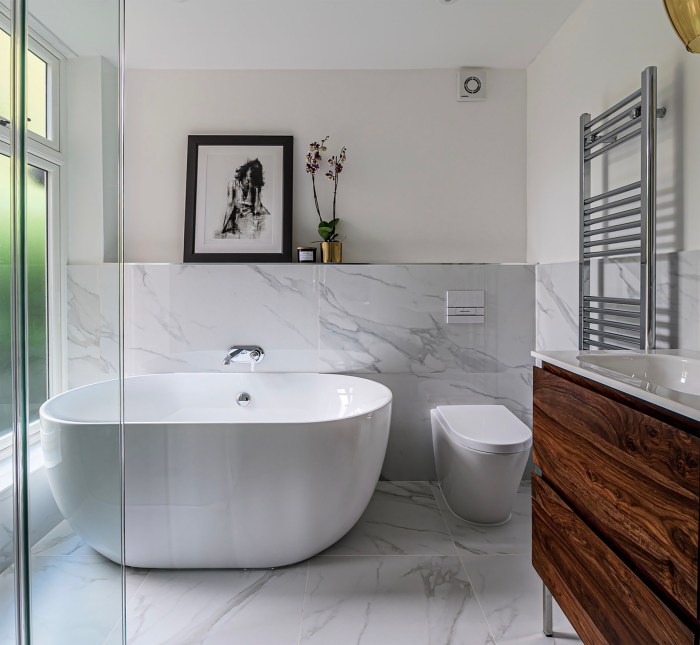
Minimalist bathroom lighting, while aesthetically pleasing, presents unique challenges due to the inherent nature of bathroom environments. The combination of limited space, high humidity, and the need for both task and ambient lighting requires careful planning and selection of fixtures to ensure both functionality and longevity. Overcoming these challenges involves a thoughtful approach to fixture selection, installation, and maintenance.
The small size of many bathrooms often restricts the number and types of light fixtures that can be installed. Furthermore, the presence of moisture necessitates the use of fixtures specifically designed for damp or wet locations, as defined by Ingress Protection (IP) ratings. Finally, energy efficiency is paramount, not only to reduce environmental impact but also to keep operating costs low.
Addressing these concerns demands a holistic approach that integrates design aesthetics with practical considerations.
Space Optimization Strategies for Minimalist Bathroom Lighting
Limited space in many bathrooms often necessitates creative solutions for lighting placement. Recessed lighting, for instance, maximizes space by integrating fixtures directly into the ceiling, minimizing visual clutter. Similarly, strategically placed sconces can provide ambient lighting while also serving as decorative elements. Mirrors with integrated lighting offer a dual-purpose solution, providing both task lighting and a minimalist aesthetic.
In smaller bathrooms, a single, well-placed pendant light can provide sufficient illumination without overwhelming the space. Careful consideration of the room’s dimensions and the placement of other fixtures is crucial to optimize the lighting design for maximum impact and minimal visual interference.
Moisture Resistance and IP Ratings in Bathroom Lighting
Bathrooms are inherently humid environments, making the selection of moisture-resistant lighting fixtures crucial. The Ingress Protection (IP) rating system classifies the degree of protection provided by electrical enclosures against intrusion by solid objects and liquids. For bathroom lighting, fixtures with at least an IP44 rating are recommended, indicating protection against splashing water from any direction. For areas with higher risk of water exposure, such as above showers, fixtures with an IP65 rating or higher, offering protection against water jets, are necessary.
Ignoring these ratings can lead to short circuits, electrical hazards, and premature fixture failure. Choosing fixtures with appropriate IP ratings is a fundamental aspect of safe and reliable bathroom lighting.
Energy-Efficient Minimalist Lighting Solutions
Energy efficiency is a key consideration in modern bathroom design. LED lighting offers a compelling solution, consuming significantly less energy than incandescent or halogen bulbs while providing comparable or superior brightness. LEDs also boast a longer lifespan, reducing the frequency of bulb replacements and minimizing maintenance. Furthermore, advancements in LED technology have resulted in a wider range of color temperatures and light distributions, allowing for greater flexibility in achieving the desired minimalist aesthetic.
Investing in energy-efficient LED lighting not only reduces environmental impact and utility bills but also contributes to the longevity and sustainability of the bathroom’s lighting system.
Proper Installation and Maintenance of Minimalist Bathroom Lighting
Correct installation is paramount to ensure both the safety and longevity of minimalist bathroom lighting fixtures. All electrical work should be undertaken by a qualified electrician to comply with local building codes and safety regulations. This includes ensuring proper wiring, grounding, and the use of appropriate junction boxes and connectors. Regular maintenance, such as cleaning fixtures to prevent dust buildup and checking for any signs of damage or malfunction, is also essential.
Early detection and resolution of issues can prevent more extensive and costly repairs in the future. A well-maintained lighting system will not only enhance the aesthetic appeal of the bathroom but also contribute to its safety and functionality for years to come.
Ending Remarks
In conclusion, minimalist bathroom lighting is more than just the placement of fixtures; it’s a carefully considered design strategy that enhances both the aesthetic appeal and practical functionality of the space. By understanding the interplay of light color temperature, brightness levels, and fixture selection, homeowners can transform their bathrooms into tranquil oases of calm. The key lies in balancing form and function, creating a harmonious blend of style and practicality that reflects personal preferences while adhering to the core principles of minimalist design.
The result is a bathroom that is not only visually striking but also a haven of serenity and efficiency.
FAQ Guide
What is the best lumen output for a minimalist bathroom?
The ideal lumen output depends on the bathroom’s size and intended use. A smaller bathroom might require 500-750 lumens, while a larger one may need 1000-1500 lumens. Consider using dimmer switches for adjustable brightness.
Are LED lights the best choice for a minimalist bathroom?
Yes, LEDs are generally preferred for their energy efficiency, long lifespan, and various color temperature options, aligning perfectly with minimalist design principles emphasizing sustainability and functionality.
How do I prevent moisture damage to my minimalist lighting fixtures?
Choose fixtures with an IP rating (Ingress Protection) suitable for damp or wet locations. Proper ventilation and regular cleaning also help prevent moisture buildup.
Can I use smart lighting in a minimalist bathroom?
Absolutely! Smart lighting allows for customizable color temperatures, brightness levels, and even automated schedules, adding a layer of convenience and control to the minimalist aesthetic.
What are some affordable minimalist lighting options?
Many retailers offer affordable LED strip lights, recessed downlights, and simple pendant lights that achieve a minimalist look without breaking the bank. Consider online marketplaces and discount stores for budget-friendly options.
Leave a Reply