Imagine strolling through a meticulously crafted landscape, where centuries of horticultural artistry converge. This is the essence of the European-style classic garden, a testament to human ingenuity and nature’s enduring beauty. From the formal grandeur of French gardens, meticulously manicured with geometric precision and reflecting pools, to the romantic, naturalistic charm of English gardens, overflowing with wildflowers and winding paths, these landscapes represent distinct cultural expressions shaped by historical trends and regional climates.
The evolution of these styles, influenced by Renaissance ideals, Enlightenment philosophy, and the Romantic movement, has left an indelible mark on garden design, shaping aesthetics and practices that continue to inspire today. We will explore the key elements, from plant selection and structural design to ongoing maintenance, revealing the science and artistry behind these timeless creations.
The design principles underlying these gardens are rooted in a deep understanding of botany and landscape architecture. Careful consideration of sunlight exposure, soil composition, and plant compatibility informs plant selection and arrangement. Structural elements, such as fountains, gazebos, and statuary, are not merely decorative additions but integral components, often symbolizing specific cultural or philosophical ideas. The use of symmetry, balance, and perspective enhances the visual impact, creating a harmonious and aesthetically pleasing environment.
Moreover, the ongoing maintenance of these gardens requires specialized knowledge and dedicated effort to preserve their historical integrity and aesthetic appeal.
Defining the “European-Style Classic Garden”
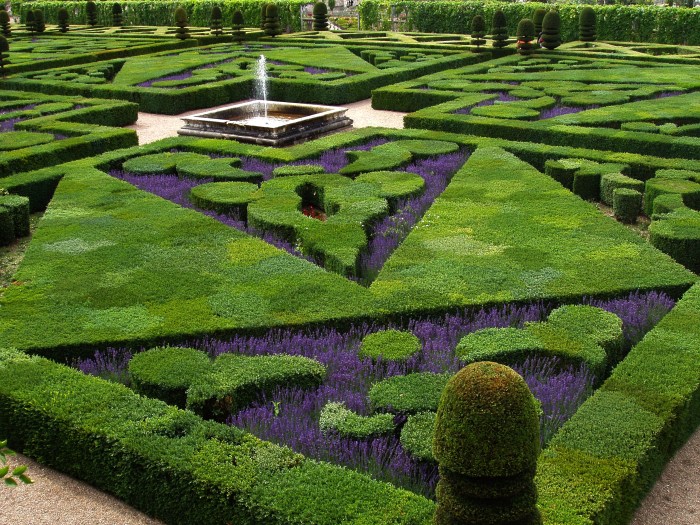
The European classic garden, a product of centuries of artistic and horticultural evolution, represents a sophisticated interplay between nature and human design. Its development reflects changing cultural values, technological advancements, and philosophical shifts across Europe. From the formal geometries of Italian Renaissance gardens to the naturalistic landscapes of the English garden, the style encompasses a diverse range of approaches, yet maintains a consistent emphasis on order, symmetry, and the deliberate manipulation of the natural world to create aesthetically pleasing and intellectually stimulating spaces.
The historical evolution of the European classic garden style can be traced back to ancient Roman and Greek influences, which emphasized geometric layouts and the incorporation of water features. The Renaissance saw a revival of classical ideals, resulting in the creation of highly structured Italian gardens characterized by precisely manicured hedges, fountains, and sculpted topiary. The French Baroque style, exemplified by the gardens of Versailles, amplified this formality, employing grand axial perspectives and elaborate displays of power and wealth.
In contrast, the English landscape garden, emerging in the 18th century, reacted against this formality, embracing a more naturalistic aesthetic that mimicked the seemingly random beauty of the natural world while still maintaining a sense of careful design.
Key Characteristics of European Classic Gardens
European classic gardens, despite their national variations, share several defining characteristics. These include a strong emphasis on symmetry and geometric patterns, often expressed through the layout of paths, flowerbeds, and water features. The use of carefully pruned hedges and topiary creates structured forms within the garden, contrasting with the softer lines of flowering plants and trees. Formal elements such as fountains, statues, and gazebos are frequently incorporated, adding to the overall sense of order and design.
The integration of architecture, sculpture, and horticulture creates a unified and harmonious whole, demonstrating a deliberate artistic vision. Finally, the gardens often incorporated elements designed to evoke specific emotions or ideas, reflecting the prevailing philosophical and cultural climate.
National Variations in European Classic Garden Style
The Italian Renaissance garden, exemplified by the Boboli Gardens in Florence, prioritizes geometric precision and the creation of dramatic visual perspectives. Terraced gardens, fountains, and sculpted hedges are common features, creating a sense of grandeur and controlled beauty. The French Baroque garden, as seen in the Gardens of Versailles, emphasizes grand scale and axial symmetry, using long avenues, formal parterres, and elaborate water features to create an overwhelming display of power and magnificence.
In contrast, the English landscape garden, epitomized by Stowe Landscape Garden, embraces a more naturalistic aesthetic, mimicking the appearance of an unspoiled landscape while subtly guiding the visitor’s experience through carefully placed features and strategically planted trees and shrubs.
Materials and Building Techniques in European Classic Gardens
The construction of European classic gardens involved a range of materials and techniques reflecting the available resources and the desired aesthetic effect. Stone, brick, and marble were frequently used for walls, terraces, and architectural features, reflecting the wealth and status of the garden’s owners. Elaborate water features, such as fountains and canals, required specialized engineering skills to manage water flow and pressure.
The creation of formal hedges and topiary involved meticulous pruning and shaping of plants, often over many years. The planting of trees and shrubs followed specific design principles, ensuring that the overall composition of the garden contributed to the desired aesthetic effect. The use of materials like lead for pipes and ornate ironwork for gates and other decorative elements also reflects the skilled craftsmanship integral to these gardens.
Plant Selection and Arrangement
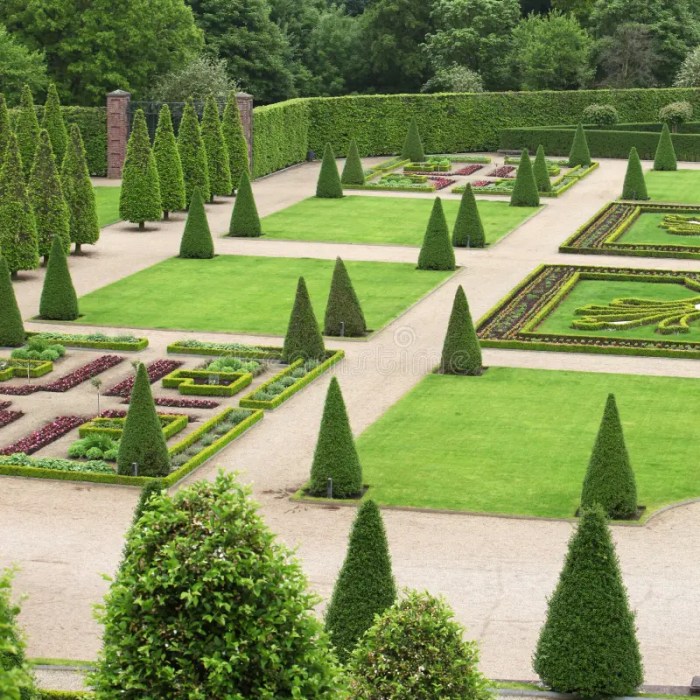
The creation of a successful European classic garden hinges on meticulous plant selection and arrangement. The aesthetic aims for a sense of controlled naturalism, balancing formality with the organic beauty of the plant life. Careful consideration of plant characteristics, including size, growth habit, bloom time, and color, is crucial to achieving the desired effect. The overall design should evoke a sense of timeless elegance and tranquility.
Plant Choices for a European Classic Garden
A palette of plants reflecting traditional European gardens should be selected, emphasizing a blend of structure and seasonal color variation. This involves choosing plants known for their historical significance in European landscaping, as well as their ability to thrive in the intended climate. The selection should also consider the garden’s size and sun exposure levels.
Examples of Suitable Plants
For flowering plants, consider Rosa gallica (French rose), known for its richly colored blooms and historical importance; Lavandula angustifolia (lavender), prized for its fragrant flowers and silvery foliage; and Digitalis purpurea (foxglove), with its tall spires of bell-shaped flowers. Shrubs could include Buxus sempervirens (boxwood), a classic hedging plant known for its dense, formal growth habit; and Hydrangea macrophylla (hydrangea), offering large, showy flower heads in a range of colors.
Trees might include Tilia cordata (small-leaved lime), appreciated for its fragrant flowers and shade, and Acer platanoides (Norway maple), providing striking autumn color.
Principles of Color Coordination and Texture
Color coordination plays a vital role in creating a harmonious garden design. A classic European garden often employs a muted palette, incorporating soft pastels, creams, and deep greens. Bold colors can be used sparingly as accents. The interplay of textures is equally important; the smooth, glossy leaves of boxwood can be contrasted with the rough texture of a stone wall or the delicate blooms of a rose.
Varying plant heights and forms creates visual interest and depth. For instance, the vertical lines of foxgloves can be complemented by the horizontal spread of lavender.
Plant Choices Based on Sun Exposure
| Plant Name | Sun Exposure | Bloom Time | Plant Type |
|---|---|---|---|
| Rosa gallica (French Rose) | Full sun to partial shade | June-July | Flowering Shrub |
| Lavandula angustifolia (Lavender) | Full sun | June-August | Herb/Sub-shrub |
| Digitalis purpurea (Foxglove) | Partial shade | June-August | Biennial |
| Buxus sempervirens (Boxwood) | Full sun to partial shade | Insignificant bloom | Shrub |
| Hydrangea macrophylla (Hydrangea) | Partial shade | June-September | Shrub |
| Tilia cordata (Small-leaved Lime) | Full sun | June-July | Tree |
| Acer platanoides (Norway Maple) | Full sun | Autumn | Tree |
Garden Structures and Features
The carefully chosen structures and features within a European classic garden are not merely decorative elements; they are integral to the overall design, enhancing both the aesthetic appeal and the functionality of the space. These elements work in harmony with the planting scheme to create a sense of balance, proportion, and controlled natural beauty. Their placement and design reflect centuries of horticultural tradition and a deep understanding of how to manipulate space and light to achieve a specific effect.
The incorporation of these elements transcends mere ornamentation; they serve practical purposes while contributing to the garden’s artistic composition. Consider, for instance, the strategic placement of a fountain to cool the air and provide a focal point, or the use of a strategically placed gazebo to offer shade and a quiet retreat. The interplay between these features and the living elements – the plants – creates a dynamic and engaging garden experience.
Fountains
Fountains, a quintessential feature of European classic gardens, serve multiple purposes beyond their aesthetic value. The gentle sound of flowing water creates a calming atmosphere, masking unwanted noises and fostering a sense of tranquility. The visual spectacle of water cascading or jetting into the air provides a captivating focal point, often strategically placed to draw the eye down a long vista or to highlight a particular architectural feature.
From the simple, elegant designs of a classical Italian garden to the more elaborate Baroque styles with their sculpted figures and intricate waterworks, fountains are integral to the garden’s character. The physics of water movement, carefully manipulated through nozzle design and pressure, contributes to the visual artistry. For example, a carefully angled jet can create a shimmering arc of water, catching the sunlight and creating an ever-changing display.
Gazebos and Pavilions
Gazebos and pavilions provide shaded retreats within the garden, offering respite from the sun and a place for contemplation or social gatherings. Their architectural styles often complement the overall garden design, reflecting the prevalent architectural trends of the period. Materials range from wrought iron, offering delicate elegance, to sturdy stone, creating a sense of permanence and grandeur. The placement of a gazebo is crucial; it should offer a view of the most attractive aspects of the garden while providing a sense of seclusion and intimacy.
A gazebo placed strategically near a water feature or a particularly vibrant flowerbed can amplify the overall aesthetic impact. The design might incorporate climbing plants, further integrating the structure into the natural landscape.
Statuary
Statuary adds another layer of artistic expression to the garden. Sculptures, often depicting classical figures or mythological scenes, can serve as focal points, adding depth and narrative to the landscape. The choice of materials, such as marble or bronze, and the style of the sculpture will influence the overall atmosphere. A classical statue might evoke a sense of serenity and order, while a more dynamic or expressive sculpture could inject a sense of drama or movement.
The placement of statuary is equally important; a solitary figure might be placed to draw the eye towards a distant view, while a grouping of sculptures could create a small, intimate scene within the larger garden.
Pathways
Pathways are not merely functional elements; they guide the visitor through the garden, revealing its beauty gradually and creating a sense of anticipation and discovery. The choice of material significantly impacts the overall aesthetic. Gravel paths offer a natural, informal look, while stone or brick pathways provide a more formal and structured feel. The pattern and width of the pathway also contribute to the garden’s character; a meandering path suggests a more relaxed and informal atmosphere, whereas a straight, wide path conveys a sense of order and formality.
The materials used are not only aesthetically significant but also reflect practicality; for example, brick is durable and easy to maintain, while gravel can require more frequent replenishment.
Walls, Hedges, and Boundary Elements
Walls, hedges, and other boundary elements are crucial in defining garden spaces and creating a sense of enclosure and intimacy. Hedges, particularly those composed of clipped evergreens, offer a formal and structured boundary, while walls, made of brick, stone, or even wood, can provide a more substantial and imposing presence. These elements not only delineate different areas within the garden but also serve to screen off unwanted views, create a backdrop for planting, and provide support for climbing plants.
The height and material of these elements will vary depending on the desired level of formality and the overall design of the garden. For instance, a high brick wall might create a sense of seclusion in a formal setting, while a low, informal hedge might be more suitable for a cottage garden.
Essential Garden Structures: Placement Considerations
The effective placement of garden structures is paramount to achieving a harmonious and aesthetically pleasing design. Careful consideration must be given to the overall layout, the interplay of light and shadow, and the relationship between the structures and the surrounding planting.
- Fountains: Often placed as focal points at the end of a vista or in a central location.
- Gazebos/Pavilions: Situated to offer shade and a view of the most attractive garden features.
- Statuary: Strategically placed to highlight architectural features or create intimate scenes.
- Walls/Hedges: Used to define spaces, screen views, and provide backdrops for planting.
- Pathways: Meandering or straight, guiding the visitor through the garden and connecting different areas.
Maintaining a European Classic Garden
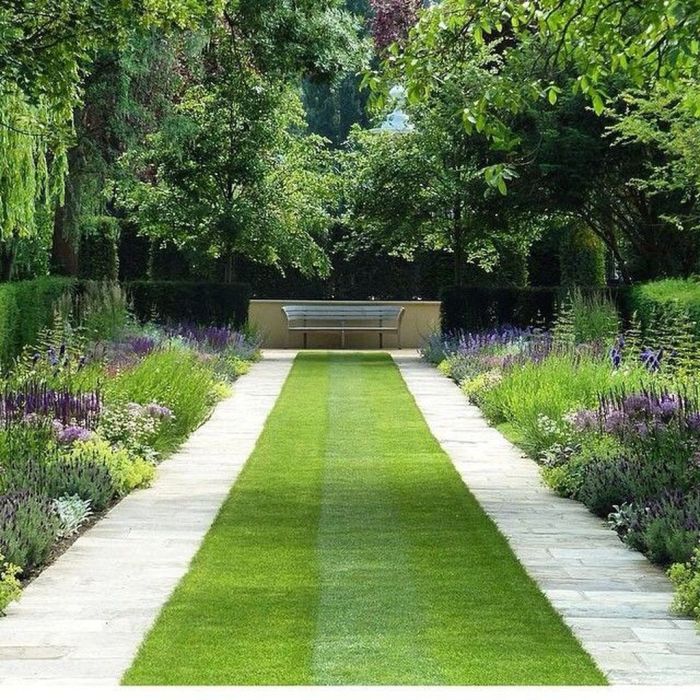
The enduring beauty of a European classic garden demands consistent care. Maintaining its historical integrity and adapting to seasonal changes requires a blend of horticultural knowledge and a respectful approach to the garden’s design principles. This section Artikels the essential maintenance practices necessary to preserve the charm and vitality of this style of garden for years to come.
Pruning Techniques for Classic Garden Plants
Proper pruning is paramount in maintaining the structure and health of plants within a European classic garden. Different pruning techniques are employed depending on the plant species and the desired effect. For example, formative pruning of hedges, such as boxwood or hornbeam, involves shaping and maintaining their geometric forms throughout the growing season. This often necessitates multiple light prunings to avoid harsh cuts that could damage the plant’s health and aesthetic appeal.
Conversely, flowering shrubs might require post-flowering pruning to encourage the next season’s bloom and maintain their overall shape. Incorrect pruning can lead to unbalanced growth, reduced flowering, and susceptibility to diseases. Understanding the specific requirements of each plant species is crucial. For instance, roses benefit from different pruning techniques depending on whether they are climbing, floribunda, or hybrid tea varieties.
Weed Control and Soil Management
Weed control is an ongoing process that prevents weeds from competing with desirable plants for resources such as water and nutrients. Hand weeding, while labor-intensive, is the most effective method for preserving the integrity of the garden beds and avoiding the use of herbicides which could harm beneficial insects and the overall soil ecosystem. Mulching with organic materials like composted bark or leaf mold suppresses weed growth, conserves soil moisture, and improves soil fertility over time.
Regular soil testing can inform decisions on amending the soil with compost or other organic matter to ensure optimal growing conditions.
Pest and Disease Management
A healthy garden is less susceptible to pests and diseases. Regular inspection of plants is crucial for early detection of any problems. Integrated pest management (IPM) strategies prioritize preventative measures, such as selecting disease-resistant plant varieties and maintaining good plant hygiene. Biological control methods, such as introducing beneficial insects like ladybugs to control aphids, can be employed where appropriate.
Chemical pesticides should be used only as a last resort and in strict accordance with manufacturer’s instructions, minimizing environmental impact.
Preserving Historical Integrity
Maintaining the historical character of a European classic garden requires a mindful approach to all maintenance activities. Original plant materials, if known, should be prioritized where feasible. New plantings should adhere to the garden’s original design principles, respecting the existing layout, plant choices, and overall aesthetic. Careful documentation of existing features and plant varieties can aid in future restoration and maintenance efforts.
Any repairs or renovations to garden structures should utilize traditional materials and techniques wherever possible, ensuring consistency with the garden’s historical context.
Adapting to Climate and Seasons
European classic garden designs can be adapted to various climates through careful plant selection and seasonal management. In colder climates, winter protection measures such as mulching, wrapping vulnerable plants, or providing windbreaks may be necessary. In hotter, drier climates, drought-tolerant plants should be prioritized, and irrigation systems may be required to maintain soil moisture. Seasonal adjustments include adjusting watering schedules based on rainfall and temperature, fertilizing during the growing season, and protecting plants from extreme weather events.
Seasonal Maintenance Schedule
| Season | Task | Frequency | Materials Needed |
|---|---|---|---|
| Spring | Pruning, weeding, planting, soil preparation, fertilizing | Ongoing | Pruning shears, hand tools, compost, fertilizer, seeds/plants |
| Summer | Watering, weeding, pest and disease monitoring, deadheading | Weekly/bi-weekly | Watering can/hose, hand tools, insecticidal soap, fungicides (if needed) |
| Autumn | Clearing leaves, pruning, planting bulbs, preparing for winter | Monthly | Rakes, leaf blowers, pruning shears, bulbs, mulch |
| Winter | Protecting plants from frost, inspecting structures for damage | As needed | Mulch, burlap, protective covers, repair materials |
Illustrative Examples
The design principles of the European classic garden, emphasizing symmetry, formality, and the integration of architecture and nature, are best understood through examination of both historical examples and hypothetical designs. These examples illuminate the versatility and enduring appeal of this style, showcasing its adaptability to diverse contexts and climates.
The Gardens of Versailles: A Paragon of Formal Design
The Gardens of Versailles, commissioned by Louis XIV in the 17th century, represent the epitome of the French formal garden, a sub-style within the broader European classic garden tradition. The gardens’ expansive scale, meticulously planned axial layout, and the strategic use of water features such as canals, fountains, and basins exemplify the grandeur and control characteristic of this style.
The use of clipped hedges, parterres (ornamental flower beds), and meticulously arranged topiary, all crafted to mirror the palace’s symmetrical architecture, reflects a desire to impose order and harmony upon the natural world. Scientifically, the design maximized sunlight exposure for optimal plant growth, utilizing the prevailing winds to enhance the visual impact of water features. The vast expanse of the gardens also served as a demonstration of royal power and control over nature.
Rows of precisely planted trees, such as limes and chestnuts, create a sense of perspective and depth, drawing the eye towards the palace and its focal points. The incorporation of sculptures and fountains further reinforces the sense of opulence and deliberate design.
A Hypothetical Coastal European Classic Garden
Imagine a hypothetical European classic garden situated on a gently sloping coastal site in the Mediterranean. The design would embrace the local climate and topography, utilizing drought-tolerant plants and creating a sense of layered depth. The central axis, defined by a gravel path bordered by low boxwood hedges, would lead from a central fountain towards a pergola draped with climbing roses (Rosa spp.), framing a stunning ocean view.
Symmetrically placed raised beds would showcase a selection of fragrant herbs such as lavender (Lavandula angustifolia), rosemary (Rosmarinus officinalis), and thyme (Thymus vulgaris), interspersed with drought-resistant flowering plants like cistus (Cistus spp.) and bougainvillea (Bougainvillea spp.). Terracotta pots, filled with vibrant geraniums (Pelargonium spp.) and succulents, would add pops of color along the pathways. A classical-style gazebo, constructed from local stone, would provide a shaded seating area, offering a perfect vantage point to enjoy the sea breeze and the sunset.
The design would incorporate native grasses and wildflowers along the periphery, softening the formal elements and creating a transition to the natural coastal landscape. This design utilizes the principles of symmetry and balance, while also acknowledging and integrating the surrounding environment.
Symmetry and Balance in Garden Design: A Visual Symphony
The visual impact of symmetry and balance in a European classic garden is profound. Symmetry, achieved through mirroring elements across a central axis, creates a sense of order, tranquility, and harmony. This is visually appealing to the human eye, triggering a subconscious recognition of balance and stability. For example, two identical fountains placed equidistant from a central pathway create a pleasing visual effect.
The repetition of plant types and structures along the axis further reinforces this sense of harmony. Balance, while not necessarily symmetrical, involves a careful distribution of visual weight throughout the garden. This can be achieved through the use of contrasting colors, textures, and heights of plants, creating a dynamic yet balanced composition. The strategic placement of larger structures, such as a gazebo or a statue, can be counterbalanced by smaller elements such as flowerbeds or smaller structures, maintaining a sense of visual equilibrium.
The interplay of symmetry and balance creates a sense of sophistication and deliberate design, reflecting the refined aesthetic of the European classic garden style.
Lighting Schemes to Enhance Garden Beauty
Different lighting schemes can dramatically enhance the beauty of a European classic garden at various times of day. During the day, the focus is on highlighting architectural features and plant textures. Strategic placement of strategically positioned solar-powered spotlights can accentuate the details of sculptures, fountains, and hedges. During the evening, warmer-toned LED lighting can create a magical atmosphere, highlighting the garden’s softer elements.
Uplighting directed at trees and shrubs can create dramatic shadows and depth, adding visual interest. Path lighting, using low-voltage LEDs embedded in the ground, provides safe and elegant illumination for pathways, guiding visitors through the garden. Subtle backlighting of fountains or water features can create a mesmerizing effect, highlighting the movement of water. By carefully selecting the type, color, and intensity of lighting, one can transform the garden from a daytime display of order and symmetry to a nocturnal landscape of mystery and charm.
The use of timers and sensors allows for automated control of lighting, maximizing energy efficiency and creating a seamless transition between day and night.
Final Wrap-Up
The European-style classic garden, in its diverse national expressions, stands as a powerful symbol of human creativity and our enduring connection with the natural world. From the formal precision of French Baroque gardens to the informal elegance of English landscapes, each style reflects a unique cultural and historical context. Understanding the underlying principles of design, plant selection, and maintenance is key to appreciating and recreating these timeless masterpieces.
By studying the historical evolution and the scientific principles behind these gardens, we can not only appreciate their beauty but also gain a deeper understanding of the intricate relationship between human design and the natural world. The legacy of these gardens continues to inspire contemporary landscape architects and gardeners alike, demonstrating the enduring power of horticultural artistry.
FAQ Section
What are some common pests affecting European-style classic gardens?
Common pests vary by region and plant type, but aphids, spider mites, and various caterpillars are frequent issues. Integrated pest management strategies, including biological controls and targeted pesticide use, are crucial.
How do I choose the right soil for my European-style classic garden?
Soil testing is essential to determine pH and nutrient levels. Amendments like compost and other organic matter can improve soil structure and fertility, catering to the specific needs of chosen plants.
What are some sustainable practices for maintaining a European-style classic garden?
Water conservation techniques (e.g., drip irrigation), using organic fertilizers, composting green waste, and selecting drought-tolerant plants contribute to sustainable gardening practices.
How can I incorporate modern technology into maintaining a classic garden?
Smart irrigation systems, weather monitoring tools, and plant health apps can assist in efficient water management, pest control, and overall garden maintenance.
Leave a Reply