Imagine stepping into a verdant sanctuary, where the air hums with the symphony of rustling leaves and the gentle trickle of water. This is the essence of a classic tropical garden, a meticulously crafted landscape that evokes the untamed beauty of lush rainforests and vibrant coastal regions. These havens, inspired by historical influences and informed by horticultural science, blend diverse plant life, strategic design elements, and careful maintenance to create an immersive and tranquil experience.
From the careful selection of palm species to the artful placement of water features, every detail contributes to a holistic design that celebrates the vibrant spirit of the tropics.
The classic tropical garden design isn’t merely an aesthetic choice; it’s a testament to humanity’s enduring fascination with nature’s opulence. Understanding its core principles – layering, textural contrast, and the strategic use of light and shade – allows for the creation of personalized paradises. This exploration delves into the historical context, plant selection, layout strategies, maintenance techniques, and illustrative examples, providing a comprehensive guide to crafting your own piece of tropical bliss.
Defining “Classic Tropical Garden Design”
Classic tropical garden design evokes lush, vibrant landscapes reminiscent of humid, equatorial regions. It’s a style characterized by its abundance of diverse plant life, creating a sense of immersive natural beauty. Unlike more formal garden styles, the classic tropical approach prioritizes a sense of untamed luxuriance, though this is carefully orchestrated to create specific aesthetic effects.
The core principles of classic tropical garden design center around mimicking the natural biodiversity and layered textures found in tropical rainforests and coastal regions. This involves using a wide variety of plants with differing heights, textures, and colors to create a dynamic and visually engaging space. Emphasis is placed on the use of shade-tolerant understory plants, vibrant flowering species, and striking foliage plants, often arranged in a somewhat informal, naturalistic manner.
The overall effect aims for a sense of abundance and tranquility, a visual escape into a lush, exotic environment.
Historical Influences on Classic Tropical Garden Design
The development of classic tropical garden design is intricately linked to European colonial expansion into tropical regions. Beginning in the 18th and 19th centuries, wealthy colonists and explorers brought back exotic plants from their travels, introducing them to European gardens. This sparked a fascination with tropical flora, influencing garden design trends. Early examples often involved incorporating individual exotic specimens into existing formal garden layouts, but gradually, a more naturalistic approach emerged, aiming to recreate the atmosphere of the tropics themselves.
The influence of landscape painting and romantic ideals also played a significant role, emphasizing the emotional impact of nature and the desire to create scenes of idyllic beauty. The development of botanical gardens further contributed to the understanding and cultivation of tropical plants, enabling the creation of increasingly authentic tropical landscapes.
Iconic Examples of Classic Tropical Gardens
Many gardens around the world exemplify classic tropical design. The Singapore Botanic Gardens, a UNESCO World Heritage Site, is a prime example, showcasing a vast collection of tropical plants arranged in thematic gardens that illustrate both the biodiversity of the region and the principles of horticultural design. The extensive use of palms, ferns, orchids, and other tropical species, along with thoughtfully designed water features, create a truly immersive experience.
Similarly, the Royal Botanic Gardens, Kew, in London, though situated in a temperate climate, contains significant tropical conservatories that recreate the atmosphere of a tropical rainforest, showcasing the meticulous planning and horticultural skill required to create a convincing tropical setting. These gardens, along with numerous private estates and public parks in tropical and subtropical regions, demonstrate the enduring appeal and evolving interpretation of this garden style.
Comparison of Classic Tropical Design with Other Garden Styles
Classic tropical garden design differs significantly from other styles. Compared to the formal geometric precision of Italian Renaissance gardens, or the structured symmetry of French formal gardens, the tropical style embraces a more informal, naturalistic approach. Unlike the minimalist aesthetic of Japanese gardens, which often prioritize simplicity and contemplation, tropical gardens celebrate abundance and exuberance. While English cottage gardens emphasize a charming, informal feel with a focus on flowering herbaceous plants, tropical gardens incorporate a wider range of plant types, including trees, shrubs, climbers, and epiphytes, creating a more layered and complex visual experience.
The use of water features, often incorporating ponds, streams, and waterfalls, is more common in tropical gardens than in many other styles, further enhancing the sense of a lush, vibrant environment. The overall atmosphere created by a classic tropical garden is distinctly different, prioritizing a sense of immersion in a rich and diverse ecosystem.
Plant Selection for a Classic Tropical Garden
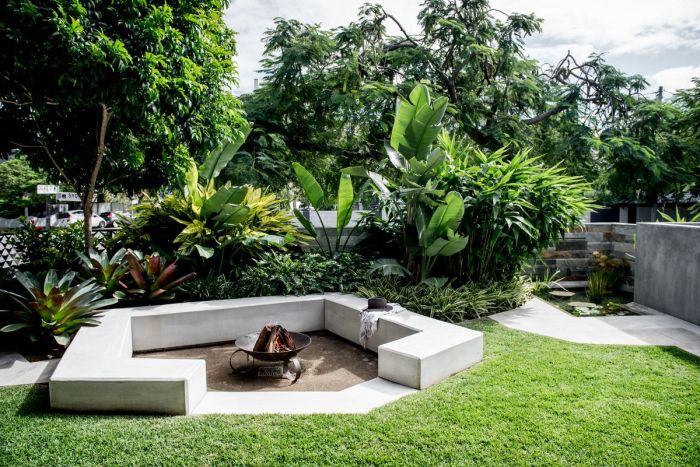
The creation of a thriving classic tropical garden hinges on a meticulous selection of plant species. The chosen flora must not only visually complement the overall design aesthetic but also thrive within the specific environmental conditions of the location. Factors such as sunlight exposure, water availability, and soil type all play crucial roles in determining the success of the garden.
Careful consideration of these factors, coupled with an understanding of plant characteristics, is paramount.
Essential Plant Species for Classic Tropical Gardens
The following table lists essential plant species commonly used in classic tropical garden design, categorized by their characteristics, sunlight, and water requirements. These species offer a diverse range of textures, colors, and sizes, allowing for the creation of a visually rich and dynamic landscape. Note that specific needs may vary slightly depending on cultivar and local conditions.
| Species | Characteristics | Sunlight Needs | Water Needs |
|---|---|---|---|
| Heliconia rostrata (Hanging Lobster Claw) | Showy, pendulous, red and yellow bracts; attracts hummingbirds. | Partial shade to full sun | Moderate to high; consistently moist soil |
| Musa spp. (Banana Plants) | Large, dramatic foliage; provides a bold vertical element; some varieties produce edible fruit. | Full sun to partial shade | High; requires consistently moist soil |
| Hibiscus rosa-sinensis (Chinese Hibiscus) | Vibrant, large flowers in various colors; continuous blooming throughout warm seasons. | Full sun to partial shade | Moderate; well-drained soil |
| Bougainvillea spp. | Thorny vines with brightly colored bracts; excellent for walls, fences, or trellises. | Full sun | Moderate; drought-tolerant once established |
| Colocasia esculenta (Elephant Ear) | Large, heart-shaped leaves; provides textural contrast and shade. | Partial shade to full sun | Moderate to high; prefers consistently moist soil |
| Dieffenbachia spp. (Dumb Cane) | Variegated foliage; adds a touch of elegance and contrast; suitable for shade. | Partial shade | Moderate; well-drained soil |
| Cycas revoluta (Sago Palm) | Slow-growing, cycad with stiff, dark green leaves; adds architectural interest. | Full sun to partial shade | Moderate; drought-tolerant once established |
| Nephrolepis exaltata (Boston Fern) | Delicate, cascading fronds; adds lushness and softens hardscapes. | Partial shade | High; prefers consistently moist soil |
The Role of Palms, Ferns, and Flowering Plants
Palms provide a strong architectural backbone to the classic tropical garden, offering a variety of heights, shapes, and textures. Their fronds create a sense of verticality and tropical ambiance. Ferns, with their delicate foliage, add a lush, textural counterpoint to the bolder forms of palms and flowering plants. They thrive in shaded areas, creating depth and visual interest in understory plantings.
Flowering plants, chosen for their vibrant colors and diverse bloom times, contribute a dynamic, ever-changing visual element. Careful selection ensures a continuous display of color throughout the growing season.
Plant Layering and Textural Contrast
Plant layering is a crucial aspect of classic tropical garden design. It involves arranging plants of varying heights and textures to create visual depth and interest. This technique mimics the natural layering found in tropical rainforests, where taller trees form a canopy, smaller trees and shrubs create a mid-layer, and groundcovers and ferns form the understory. Combining plants with contrasting textures – for instance, the smooth, waxy leaves of some flowering plants juxtaposed against the feathery fronds of ferns – further enhances the visual appeal of the garden.
Sample Plant Palette for a Florida Classic Tropical Garden
A classic tropical garden in Florida might include: Roystonea regia (Royal Palm) as a focal point, Copernicia alba (Silver Thatch Palm) for textural contrast, Philodendron spp. (various types) for climbing and ground cover, Heliconia rostrata for vibrant color, Hibiscus spp. for continuous blooms, and Nephrolepis exaltata (Boston Fern) for lush understory plantings. This palette offers a combination of architectural elements, textural contrast, and vibrant color, all suitable for Florida’s subtropical climate.
Careful consideration of the mature size of each plant is essential to avoid overcrowding.
Layout and Design Elements
The layout of a classic tropical garden is designed to evoke a sense of lush, untamed beauty while maintaining a degree of order and accessibility. Careful consideration of sunlight, shade, and the strategic placement of plants and hardscaping elements is crucial to achieving this balance. The overall effect should be one of natural abundance and tranquility.
The interplay of sunlight and shade is paramount in creating a thriving tropical garden. Sunlight requirements vary greatly amongst tropical plants; some thrive in full sun, while others prefer dappled shade or even deep shade. Effective design necessitates a thoughtful arrangement that caters to these individual needs, often utilizing the strategic placement of trees and taller plants to cast shade over more delicate species.
This also creates microclimates within the garden, adding depth and complexity to the overall design.
Pathways and Water Features
Pathways in a classic tropical garden are rarely straight; instead, they meander through the landscape, encouraging exploration and discovery. Winding paths, often paved with natural materials like stone or brick, subtly guide visitors through the various sections of the garden. These paths are not merely functional; they are integral design elements that add to the garden’s overall charm and enhance the experience of strolling through the space.
Water features, such as ponds, streams, or even simple fountains, introduce a dynamic element, adding visual interest and the soothing sounds of moving water. These features also provide a vital habitat for beneficial insects and amphibians, enhancing the garden’s biodiversity. The reflection of sunlight on water further adds to the garden’s luminosity and visual appeal.
Shade and Sunlight Management
The effective use of shade and sunlight is critical to the success of a tropical garden. Tall trees, such as palms or ficus, strategically placed, can create dappled shade beneath their canopies, protecting more sensitive plants from the intense tropical sun. Conversely, sunny areas can be allocated to sun-loving species, ensuring each plant receives the optimal amount of light for its growth.
The positioning of structures, such as pergolas or gazebos, can further enhance shade management, providing sheltered areas for relaxation and contemplation. This strategic management prevents scorching and ensures the vibrant growth of all the flora. For example, a banana tree, known for its large leaves, can create a beautiful shade area for smaller plants like ferns or impatiens.
Hardscaping Materials
The choice of hardscaping materials is essential in maintaining the classic tropical garden aesthetic. Natural materials such as stone, wood, and brick are typically preferred, complementing the organic feel of the abundant vegetation. Stone pathways and walls add a sense of rustic charm, while wooden structures, such as bridges or pergolas, provide a warmer, more inviting feel. Brickwork can be used to create retaining walls or borders, adding structure and definition to the garden’s layout.
The selection and placement of these materials should be carefully considered to ensure they blend seamlessly with the surrounding landscape, avoiding a jarring contrast with the natural elements. For example, weathered grey stone might be selected to mimic the tones of natural rock formations.
Designing a Classic Tropical Garden Layout: A Step-by-Step Guide
- Assess the Site: Begin by thoroughly evaluating the site’s characteristics, including sunlight exposure, soil type, and existing drainage. This assessment informs decisions about plant placement and hardscaping.
- Develop a Conceptual Plan: Sketch a preliminary layout, considering the placement of pathways, water features, and major planting areas. This plan serves as a blueprint for the garden’s overall structure.
- Select Plants: Choose a diverse range of tropical plants that are suited to the site’s conditions and complement each other in terms of size, color, and texture. Consider the mature size of each plant to avoid overcrowding.
- Incorporate Hardscaping: Integrate hardscaping elements such as pathways, walls, and water features, ensuring they enhance the garden’s aesthetic appeal and functionality. Consider the use of natural materials that complement the surrounding environment.
- Implement the Design: Begin planting and installing the hardscaping elements, paying close attention to detail and ensuring proper spacing between plants.
- Maintain and Refine: Regularly maintain the garden, pruning plants, removing weeds, and adjusting the layout as needed to ensure its continued health and beauty. Regular observation allows for ongoing refinement of the design.
Water Features and Other Design Elements
The incorporation of water features and thoughtful placement of functional spaces are crucial for creating a truly immersive and enjoyable classic tropical garden. These elements not only enhance the aesthetic appeal but also contribute to the overall biodiversity and microclimate of the space, mimicking the natural water cycles found in lush tropical environments. The careful integration of lighting further amplifies the garden’s beauty, extending its enjoyment into the evening hours.Water features, such as fountains and ponds, introduce the soothing sounds and visual dynamism of moving water, a hallmark of many tropical landscapes.
The gentle splashing and the reflective surfaces of the water create a tranquil atmosphere, counteracting the potential harshness of direct sunlight and adding a layer of complexity to the garden’s design. Furthermore, water features provide a habitat for beneficial insects and amphibians, fostering a richer ecosystem within the garden. Ponds, in particular, can support aquatic plants, further enhancing the biodiversity and visual interest.
The humidity generated by the water also contributes to the overall microclimate, benefiting the surrounding vegetation.
The Role of Water Features in Ambiance Enhancement
The addition of a water feature dramatically alters the sensory experience of a tropical garden. The sound of gently flowing water masks unwanted noises from the surrounding environment, creating a sense of peaceful seclusion. Visually, the reflective surface of the water introduces a dynamic element, mirroring the sky and surrounding foliage, and enhancing the perception of depth and space.
A strategically placed fountain can become a focal point, drawing the eye and guiding the visitor through the garden. The interplay of light and water creates shimmering effects that change throughout the day, adding a sense of movement and vitality to the otherwise static elements of the garden. For example, a small, cascading fountain placed near a seating area would create a calming and meditative atmosphere.
A larger pond with strategically placed aquatic plants would offer a more naturalistic and biodiverse setting.
Lighting Design for Nighttime Appreciation
Strategic lighting is essential for extending the enjoyment of a classic tropical garden beyond daylight hours. Low-voltage landscape lighting, utilizing warm-toned LEDs, can be subtly integrated to highlight key plants, architectural features, and the water feature itself. Uplighting can dramatically showcase the textures and forms of large-leaved plants, while path lighting ensures safe and comfortable navigation at night. Submerged lighting in ponds can create magical underwater effects, highlighting the aquatic plants and the movement of the water.
For instance, strategically placed spotlights can illuminate the vibrant colors of flowering plants, while path lights made of natural materials like bamboo would maintain a cohesive aesthetic. Careful consideration of light levels is crucial to avoid light pollution and to preserve the nocturnal habitat for beneficial insects and animals.
Incorporation of Seating Areas and Functional Spaces
Seating areas and other functional spaces are essential for transforming a classic tropical garden from a purely aesthetic space into a place of relaxation and enjoyment. Strategically placed benches, hammocks, or even outdoor dining areas provide opportunities for contemplation, social interaction, and quiet enjoyment of the garden’s beauty. These spaces should be designed to be both comfortable and aesthetically integrated into the overall garden design, perhaps nestled amongst lush foliage or positioned to offer a captivating view of a water feature.
Consider the incorporation of pergolas or gazebos for shade and protection from the elements, adding further architectural interest to the garden. The materials used for seating and other structures should be chosen to complement the overall style of the garden and to withstand the tropical climate. For example, a rustic wooden bench nestled beneath a canopy of palms would provide a welcoming space for relaxation, while a shaded dining area with woven furniture could offer an ideal setting for al fresco meals.
Design of a Water Feature for a Classic Tropical Garden
A suitable water feature for a classic tropical garden could be a free-form pond measuring approximately 5 meters by 3 meters, with a depth ranging from 0.5 meters to 1 meter. The pond’s shape could mimic the natural curves of a stream or riverbed. The construction could utilize a flexible liner made of high-quality EPDM rubber, known for its durability and resistance to UV degradation.
The edges of the pond could be subtly camouflaged with river rocks and strategically placed tropical plants, creating a seamless integration with the surrounding landscape. A small, battery-powered pump could circulate the water, ensuring cleanliness and providing a gentle flow to enhance the aesthetic appeal. The inclusion of aquatic plants such as water lilies and papyrus would add both visual interest and ecological value, contributing to the overall biodiversity of the garden.
The pond could also incorporate a small waterfall feature, adding to the soundscape and creating a sense of movement.
Maintaining a Classic Tropical Garden
The vibrant beauty of a classic tropical garden demands consistent care. Maintaining its lushness and health requires a proactive approach encompassing regular maintenance tasks, pest and disease management, and thoughtful irrigation and fertilization strategies. Neglect can quickly lead to a decline in the overall aesthetic appeal and the health of individual plants. This section Artikels a practical maintenance schedule and crucial techniques to ensure your tropical paradise thrives.
A Detailed Maintenance Schedule for a Classic Tropical Garden
A well-structured maintenance schedule is essential for a thriving tropical garden. This schedule should be adapted to the specific needs of your plants and the local climate. However, some common tasks apply across the board. Regular inspections are key to early detection of problems.
- Weekly Tasks: Deadheading spent blooms to encourage further flowering; checking for signs of pests or diseases; watering as needed, adjusting frequency based on rainfall and soil moisture; monitoring for nutrient deficiencies.
- Bi-weekly Tasks: Cleaning debris from pathways and around plants; checking for weed growth and removing accordingly; applying foliar feed for certain plants that benefit from this method (e.g., orchids, ferns).
- Monthly Tasks: Fertilizing plants according to their specific requirements; inspecting larger plants for structural damage or disease; assessing overall garden health and making adjustments to the maintenance schedule as needed.
- Quarterly Tasks: Deep watering to encourage deep root growth; pruning and shaping of plants; soil testing to check nutrient levels; mulching to retain moisture and suppress weeds.
- Annual Tasks: Major pruning and shaping of larger plants; soil replenishment or amendment; pest and disease prevention treatments; replanting or replacing any plants that have died or become unhealthy.
Managing Pests and Diseases Common to Tropical Plants
Tropical gardens are susceptible to a variety of pests and diseases. Early detection and swift action are crucial to preventing widespread damage. Integrated pest management (IPM) strategies, emphasizing prevention and minimal chemical use, are highly recommended.
- Common Pests: Aphids, mealybugs, scale insects, spider mites, whiteflies, and various caterpillars. These can be controlled through methods such as hand-picking, insecticidal soap, neem oil, or biological control agents (e.g., introducing ladybugs to prey on aphids).
- Common Diseases: Leaf spot, fungal blights, root rot, and viral diseases. These can often be prevented by ensuring good air circulation, avoiding overhead watering, and using disease-resistant plant varieties. Fungicides may be necessary in severe cases, but should be used judiciously and according to label instructions.
- Disease Prevention: Proper sanitation, including removing infected plant material promptly and disposing of it appropriately, is crucial to preventing the spread of diseases. Maintaining good soil drainage and avoiding overwatering are also essential preventive measures.
Proper Watering and Fertilization Techniques
Water and nutrient availability are critical factors influencing the health and vigor of tropical plants. Consistent moisture levels are vital, but overwatering can lead to root rot. Fertilization provides the essential nutrients for healthy growth and flowering.
Watering should be deep and infrequent rather than shallow and frequent, encouraging deep root development. The frequency depends on factors such as rainfall, soil type, and plant species. Observe the soil moisture before watering; allow the top inch or two to dry out before watering again. Consider using a drip irrigation system for efficient water delivery.
Fertilization needs vary depending on the plant species and soil conditions. A soil test can determine nutrient deficiencies. Use a balanced, slow-release fertilizer formulated for tropical plants. Follow the manufacturer’s instructions carefully, avoiding over-fertilization, which can damage plant roots and harm the environment. Organic fertilizers, such as compost, can improve soil structure and provide slow-release nutrients.
Pruning and Shaping Plants to Maintain the Desired Aesthetic
Pruning and shaping are essential for maintaining the desired form and health of your tropical plants. This involves removing dead, damaged, or diseased branches, as well as shaping plants to maintain the overall aesthetic of the garden.
Pruning should be done strategically, considering the natural growth habit of each plant species. Avoid drastic pruning, which can stress the plant and reduce its flowering potential. Use sharp, clean pruning tools to minimize the risk of disease transmission. For instance, palms generally require minimal pruning, focusing on removing dead fronds. On the other hand, flowering shrubs might benefit from more regular pruning to encourage bushier growth and abundant blooms.
The timing of pruning also varies depending on the species, with some flowering best after pruning in late winter, while others prefer pruning after flowering in the spring or summer.
Illustrative Examples
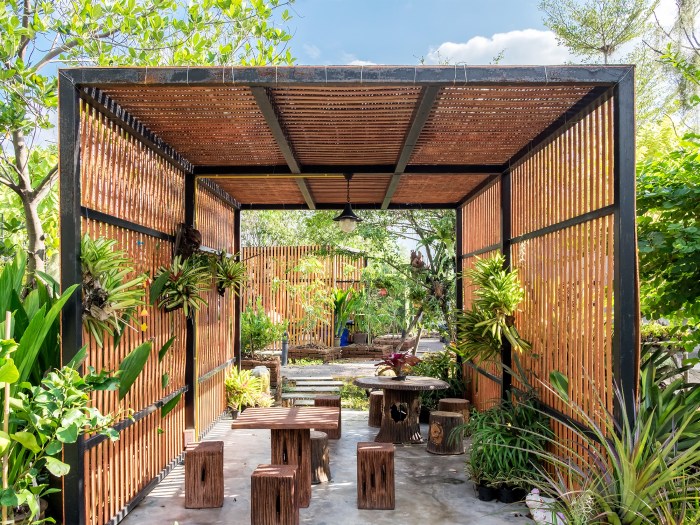
A classic tropical garden is more than just a collection of plants; it’s a carefully orchestrated symphony of color, texture, and form, designed to evoke the lush beauty of tropical rainforests and coastal regions. Understanding the visual elements is key to appreciating and recreating this style. The following examples showcase the interplay of these elements to achieve a truly captivating tropical garden aesthetic.
The successful implementation of a classic tropical garden hinges on a meticulous selection of plants and the thoughtful arrangement of design elements. These examples will highlight the practical application of the principles discussed previously, offering a detailed look at what a realized classic tropical garden might look like.
A Classic Tropical Garden Scene
Imagine stepping into a space bathed in dappled sunlight filtering through the broad leaves of a mature Ravenala madagascariensis (Traveller’s Palm). The air is thick with the scent of frangipani ( Plumeria spp.), their intoxicating fragrance carried on a gentle breeze. Beneath the palms, the ground is a tapestry of textures: the smooth, glossy leaves of Calathea species contrasting with the rough, almost furry texture of Alocasia leaves.
Colors range from the vibrant pinks and oranges of hibiscus ( Hibiscus rosa-sinensis) to the deep greens of various ferns and the silvery undersides of the Philodendron leaves. The overall effect is one of lush abundance and vibrant life, punctuated by the occasional splash of brighter color from flowering plants. The lighting shifts throughout the day, creating dynamic shadows that dance across the foliage, adding another layer of visual interest.
This scene embodies the essence of a classic tropical garden, a place where nature’s artistry is celebrated in all its glory.
Garden Entrance Featuring a Royal Palm and Stone Pathway
The entrance to the garden is framed by a majestic Roystonea regia (Royal Palm), its tall, slender trunk crowned with a magnificent crown of fronds reaching towards the sky. The palm’s smooth, grey trunk contrasts beautifully with the warm tones of the stone pathway leading into the garden. The pathway, composed of large, irregularly shaped flagstones, meanders gently through the landscape, inviting exploration.
Low-growing, drought-tolerant plants, such as Cordyline species with their striking foliage, are strategically placed along the edges of the pathway, adding a touch of color and texture without obstructing the view. The interplay of vertical lines from the palm and the horizontal lines of the pathway creates a visually appealing sense of balance and direction. The lighting here is crucial; the palm casts a welcome shade during the hottest part of the day, while the open space allows ample sunlight to reach the pathway.
Shaded Seating Area
A tranquil seating area is nestled beneath the dense canopy of a Ficus benjamina (Weeping Fig), its cascading branches providing ample shade. The ground beneath is covered with a soft carpet of Dichondra repens (Kidney Weed), its small, rounded leaves creating a lush, green groundcover. Larger specimens of Aspidistra elatior (Cast Iron Plant), known for their tolerance of low light conditions, are interspersed amongst the Dichondra, adding vertical interest and textural contrast.
The cool, muted greens of these plants complement the warmer tones of the wooden seating, creating a calm and inviting atmosphere. The strategic placement of strategically placed lighting fixtures adds a soft, ambient glow in the evening, extending the usability of the space into the cooler hours. The overall design fosters a sense of seclusion and tranquility, a perfect spot for relaxation and contemplation within the vibrant tropical garden.
Final Conclusion
Creating a classic tropical garden is a journey of horticultural artistry and mindful design. By understanding the interplay of plant selection, layout, and maintenance, one can cultivate a vibrant, thriving ecosystem that reflects the unique beauty of tropical landscapes. From the careful consideration of sunlight and water needs to the strategic integration of hardscaping and water features, each element plays a vital role in shaping the overall ambiance.
Ultimately, the success of a classic tropical garden lies not only in its aesthetic appeal but also in its ability to provide a sanctuary—a place of tranquility and rejuvenation where the spirit can reconnect with the vibrant energy of nature. The careful balance of science and artistry ensures a timeless, captivating space, a living testament to the enduring power of tropical beauty.
FAQ Corner
What are the common pests and diseases affecting tropical plants?
Common pests include mealybugs, spider mites, aphids, and scale insects. Diseases vary by plant species but can include fungal leaf spots, root rot, and various viral infections. Regular inspection and proactive treatment are crucial.
How often should I fertilize my tropical garden?
Fertilizing frequency depends on the specific plant needs and soil conditions. Generally, a slow-release fertilizer applied every 2-3 months during the growing season is recommended. Adjust based on plant growth and soil testing results.
What types of soil are best for tropical plants?
Well-draining, slightly acidic soil rich in organic matter is ideal for most tropical plants. Amend heavy clay soils with compost and perlite to improve drainage. Sandy soils benefit from the addition of organic matter to increase water retention.
Can I create a classic tropical garden in a temperate climate?
Yes, but you’ll need to select plants that are hardy in your specific climate zone. Consider using container gardening for greater flexibility and protection during colder months. You may need to adapt the design to incorporate more sheltered areas.
How do I choose the right size and type of water feature?
Water feature size should be proportionate to the overall garden size. Consider the available space, budget, and maintenance requirements. Types range from simple fountains to elaborate ponds; choose one that complements the garden’s style and your personal preferences.
Leave a Reply