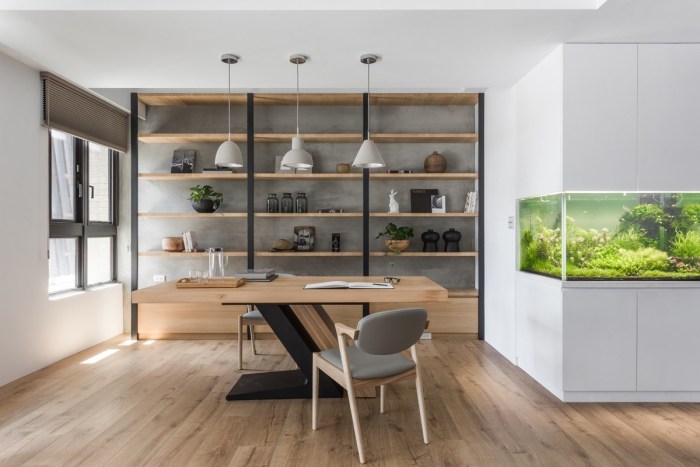
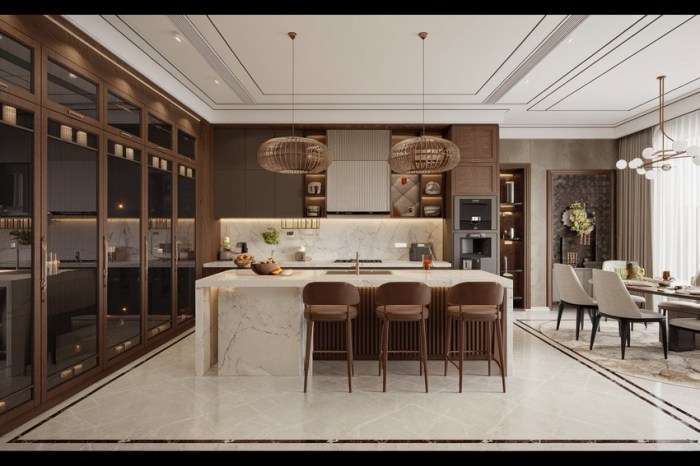
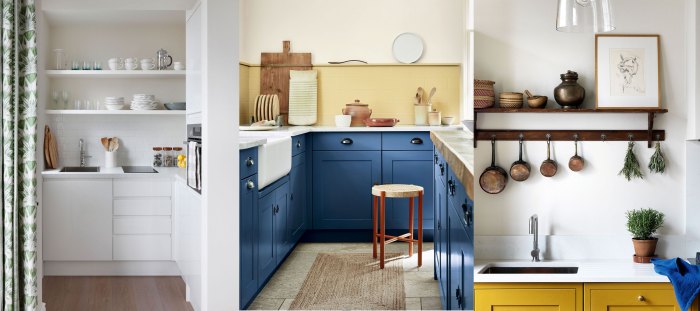
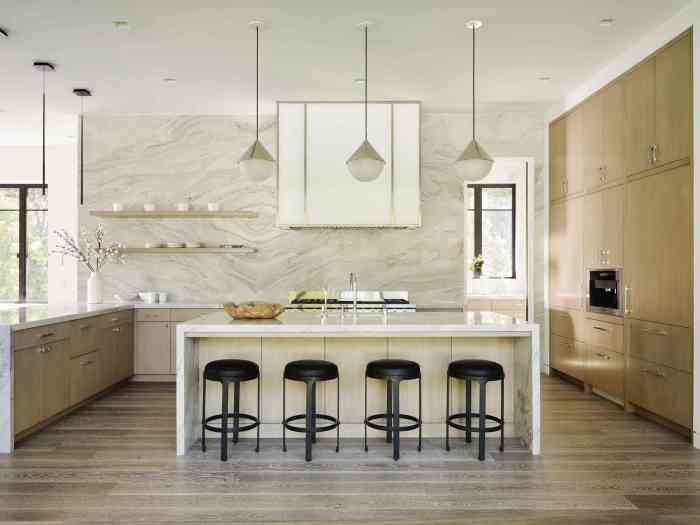
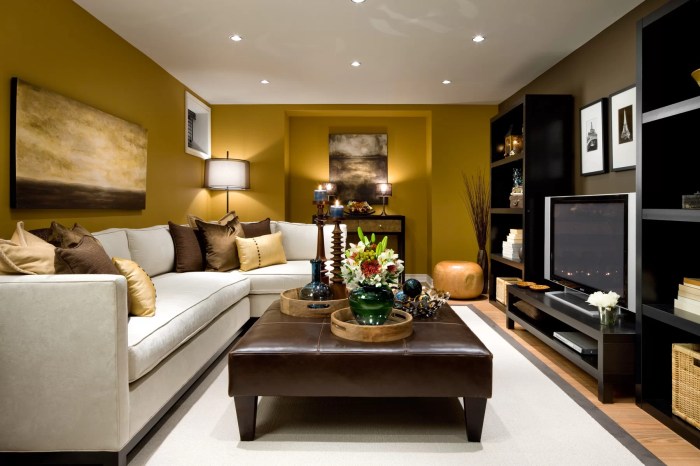
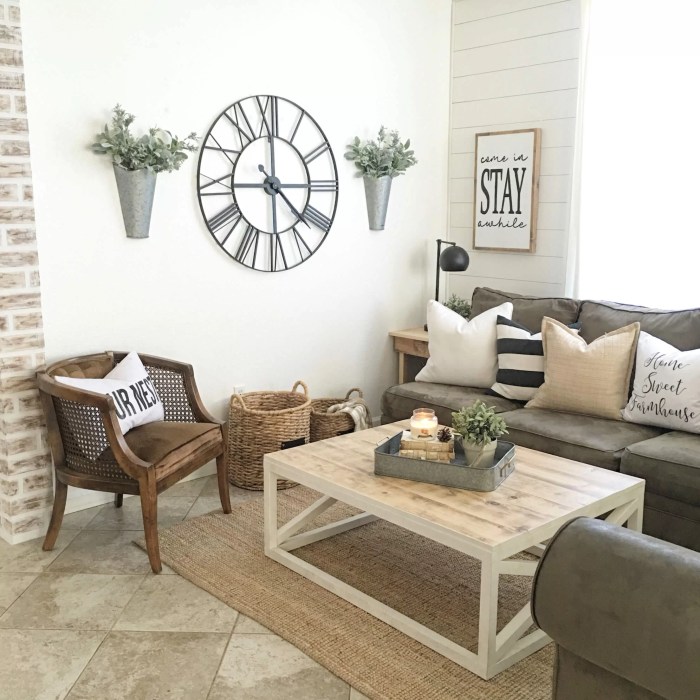
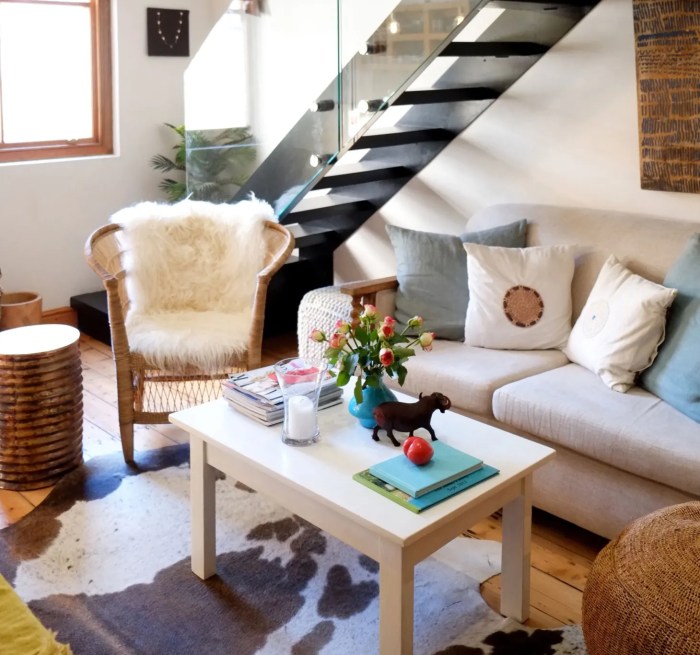
The allure of minimalist home decor lies not in austerity, but in intentionality. It’s a design philosophy rooted in the scientific understanding of how our environments impact our well-being. By carefully curating possessions and prioritizing functionality, minimalism reduces visual clutter, thereby reducing mental clutter, a principle supported by research on cognitive load and stress reduction. This guide delves into the practical application of minimalist principles, transforming your home into a sanctuary of calm and efficiency.
We’ll explore the core tenets of minimalist design, differentiating it from similar styles like Scandinavian and modern aesthetics. Through detailed examples and practical advice, we will navigate color palettes, material selection, furniture arrangement, lighting strategies, decluttering techniques, and the strategic incorporation of decorative elements. The journey will encompass both the aesthetic and the practical, blending design principles with actionable steps to achieve a minimalist haven that reflects your personal style and enhances your daily life.
Defining Minimalist Home Decor
Minimalist home decor is a design philosophy that prioritizes functionality, simplicity, and intentionality. It’s not merely about decluttering; it’s a mindful approach to living, where every object serves a purpose and contributes to a sense of calm and order. This aesthetic transcends mere aesthetics, influencing how we interact with our living spaces and, consequently, our well-being.Minimalism, in its purest form, advocates for reducing possessions to only those that are essential and bring genuine value to the owner’s life.
This contrasts with other design styles that may embrace more ornamentation or visual complexity.
Distinguishing Minimalism from Other Design Styles
While minimalism shares some similarities with other design styles, key differences exist. Scandinavian design, for example, often incorporates natural materials like wood and incorporates lighter color palettes, creating a bright and airy atmosphere. While minimalist spaces might also use natural materials, the focus remains solely on functionality and the reduction of visual clutter; the use of light colors is a stylistic choice, not a defining principle.
Modern design, on the other hand, emphasizes clean lines and geometric shapes, but can still incorporate a significant number of decorative elements, unlike minimalism which prioritizes restraint. Minimalism is a more extreme version of both, focusing on the absolute essentials.
Minimalist Design Elements in Various Rooms
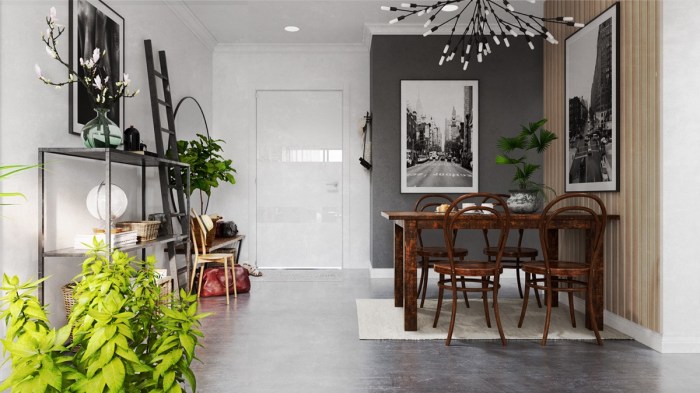
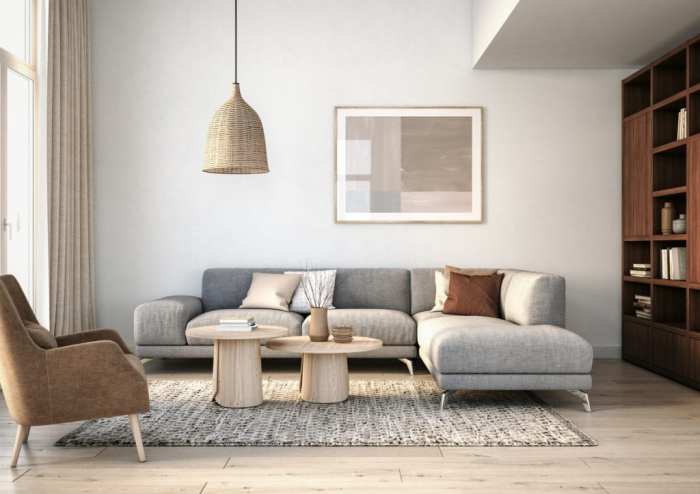
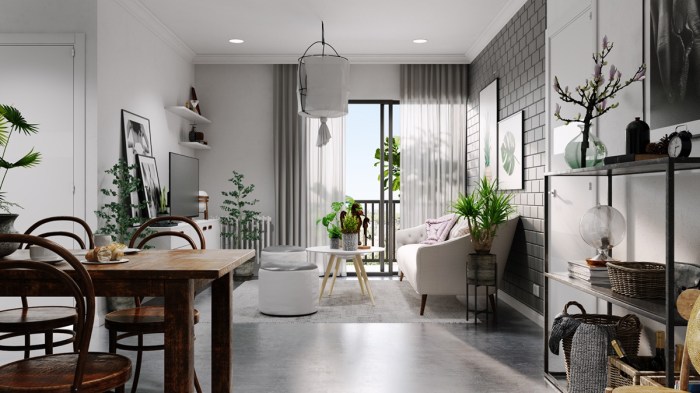
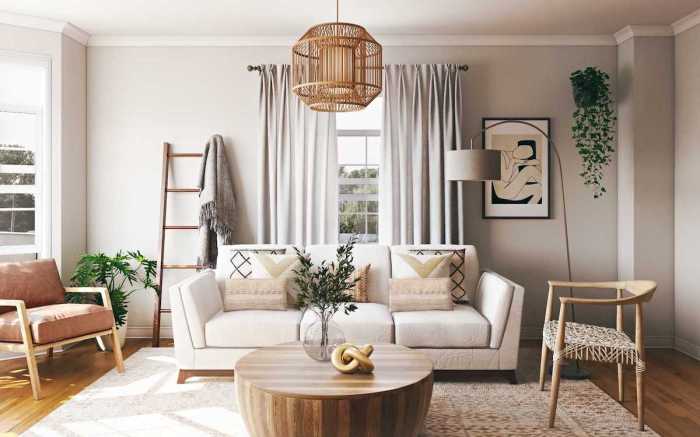
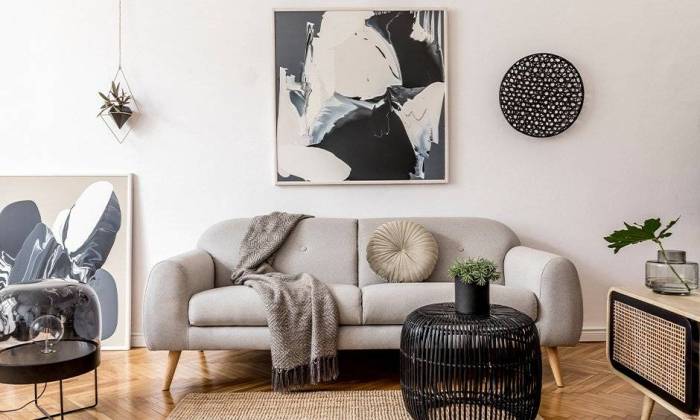
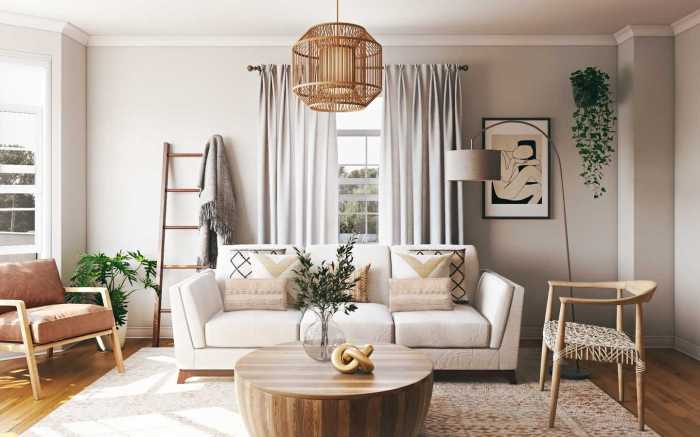
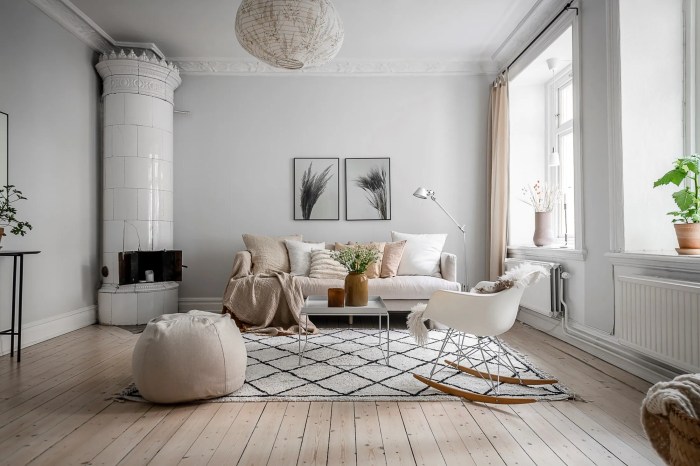
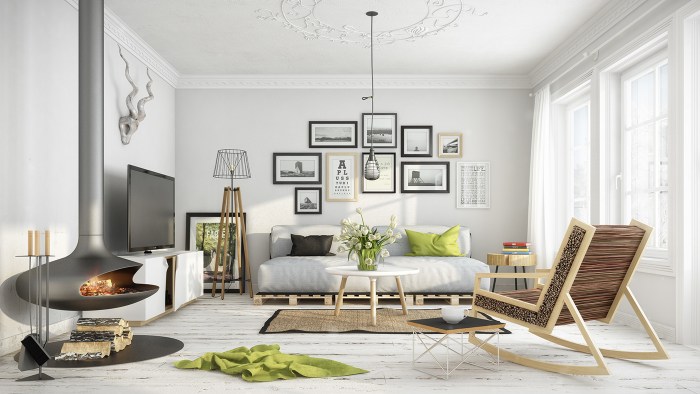
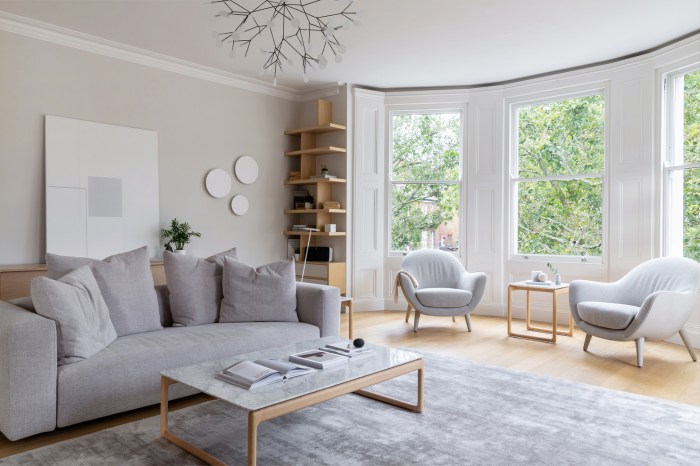
The principles of minimalism are adaptable to various rooms, although the specific application varies.In a minimalist living room, you’d find a streamlined sofa, perhaps a single statement piece of art, and minimal accessories. The focus would be on clean lines and a neutral color palette, with textures playing a supporting role. Imagine a simple, light gray sofa, a low-profile coffee table made of natural wood, and a large window allowing maximum natural light.A minimalist bedroom emphasizes rest and relaxation.
The furniture would be limited to a bed, a bedside table, and possibly a wardrobe. The color scheme would typically be muted, and the bedding simple and uncluttered. Consider a platform bed with crisp white linens and a single, small lamp on a minimalist nightstand.A minimalist kitchen prioritizes functionality and efficient use of space. Cabinets are often sleek and handleless, countertops are clean and uncluttered, and appliances are integrated seamlessly.
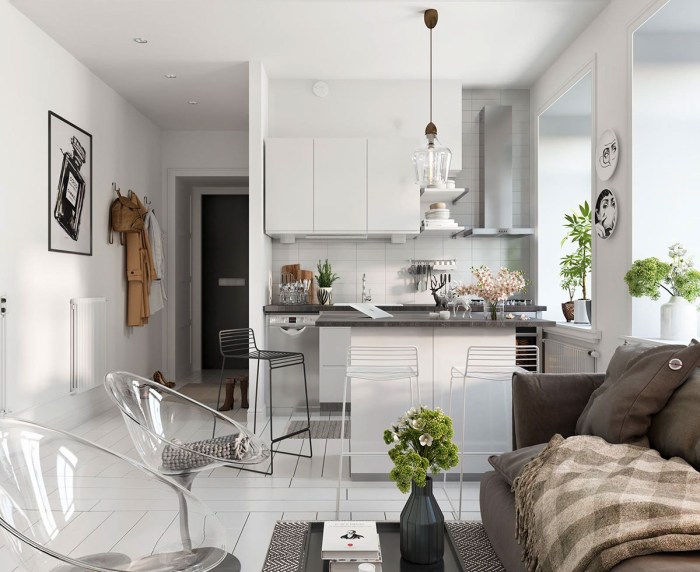
A muted color palette and open shelving for a few carefully chosen items might be used. Visualize a kitchen with stainless steel appliances, white cabinets, and a simple wooden cutting board as the only visible item on the counter.A minimalist bathroom focuses on creating a spa-like atmosphere. The color scheme is typically neutral and calming, with the focus on clean lines and functionality.
Storage is often integrated into the walls or under the sink, keeping the space clutter-free. Imagine a bathroom with a sleek, white vanity, a frameless glass shower, and a single, simple mirror. The only visible items might be a few carefully selected toiletries.
Color Palettes and Material Choices
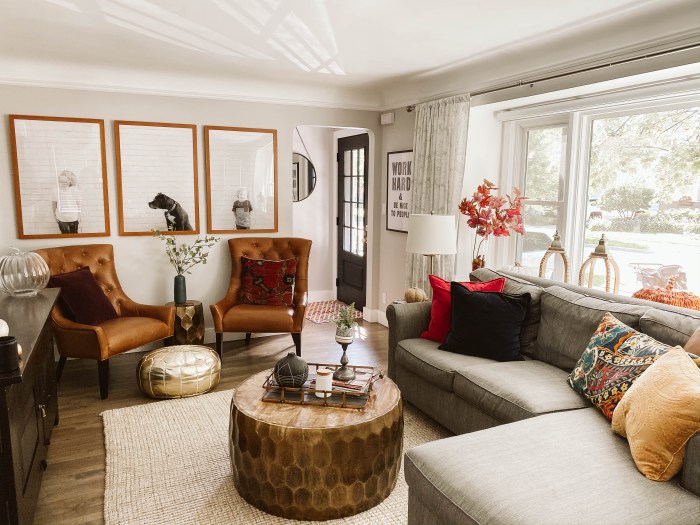
The selection of color palettes and materials is paramount in achieving a minimalist aesthetic. These choices directly impact the perceived spaciousness, tranquility, and overall mood of a minimalist home. A carefully curated palette and the use of natural, sustainable materials contribute significantly to the feeling of calm and order characteristic of this design style. The interplay of color and texture also plays a crucial role in creating visual interest without overwhelming the space.The psychology of color significantly influences our perception of a space.
Neuroscientific research demonstrates the impact of color on mood and behavior; cool colors tend to promote relaxation while warm colors can stimulate energy. The careful consideration of these effects allows for the intentional creation of a specific atmosphere within the home. Material choices, on the other hand, influence both the aesthetic and the tactile experience of the space.
Minimalist Color Palettes
Three distinct minimalist color palettes, emphasizing neutrality and visual harmony, are presented below. These palettes are based on principles of color theory and aim to create calming and sophisticated environments.
- Palette 1: Warm Neutral: This palette features creamy whites (#FAF0E6), warm greys (#A9A9A9), and soft beige (#F5F5DC). The warm undertones create a sense of coziness and invite relaxation. Imagine walls painted in the creamy white, accented by beige textiles and furniture upholstered in a light grey fabric. This palette evokes a sense of gentle warmth and understated elegance.
- Palette 2: Cool Neutral: This palette uses cool greys (#D3D3D3), soft blues (#ADD8E6), and crisp whites (#FFFFFF). The cool tones promote a feeling of serenity and spaciousness. Visualize walls in a light grey, paired with blue accents in throw pillows or artwork, and white furniture for a bright, airy feel. This creates a calming and sophisticated atmosphere.
- Palette 3: Monochromatic Neutral: This palette focuses on variations of a single neutral color, such as different shades of grey (#808080, #A9A9A9, #D3D3D3). The subtle shifts in tone add depth and visual interest without disrupting the overall sense of calm. Imagine a space where the walls, flooring, and furniture are all shades of grey, with the darkest shade used sparingly as an accent.
This monochromatic approach showcases the beauty of subtle contrasts.
Natural and Sustainable Materials
Minimalist design often prioritizes natural and sustainable materials due to their inherent beauty, durability, and environmental benefits. The use of these materials contributes to a healthier living environment and aligns with the principles of sustainable living.
- Wood: Various types of wood, such as oak, bamboo, and reclaimed wood, offer warmth and texture. The natural grain and variations in color add visual interest. Reclaimed wood, in particular, reduces environmental impact by repurposing existing materials.
- Stone: Natural stone, such as marble, granite, and slate, brings a sense of permanence and sophistication. Its durability and timeless appeal make it a popular choice for flooring and countertops. The coolness of stone contrasts beautifully with the warmth of wood.
- Cotton and Linen: These natural fibers are breathable, comfortable, and environmentally friendly. They are ideal for upholstery, bedding, and curtains, adding softness and texture to the space. Their natural variations in color and texture add character.
- Bamboo: A rapidly renewable resource, bamboo is a sustainable alternative to traditional hardwoods. It’s lightweight yet durable, making it suitable for flooring, furniture, and accessories. Its light color adds a touch of serenity.
Texture in Minimalist Spaces
The strategic use of texture is essential in creating visual interest within the minimalist aesthetic. The contrast between smooth and rough, natural and man-made textures adds depth and complexity without sacrificing the overall sense of order.The interplay of smooth surfaces, such as polished concrete floors or lacquered furniture, and rougher textures, like woven textiles or unfinished wood, adds visual richness.
Natural textures, such as the grain of wood or the veining of stone, create a sense of authenticity and connection to nature, while man-made textures, such as the weave of a fabric or the pattern of a tile, add a touch of sophistication. This balance prevents the space from feeling monotonous and sterile. The combination of different textures creates a multi-sensory experience that enhances the overall feeling of the space.
Furniture Selection and Arrangement
Minimalist interior design prioritizes functionality and visual clarity. Achieving this requires careful consideration of furniture selection and arrangement, focusing on essential pieces and strategic placement to optimize space and enhance the overall aesthetic. The principles of Gestalt psychology, which explores how humans perceive visual elements, are particularly relevant here, emphasizing the importance of proximity, similarity, and closure in creating a harmonious and uncluttered space.The selection and arrangement of furniture directly impact the flow and functionality of a minimalist home.
Strategic placement optimizes space utilization while ensuring ease of movement and interaction within the room. The principles of ergonomics also play a crucial role, ensuring furniture is positioned to promote comfort and efficiency in daily activities.
Essential Furniture for Minimalist Living Spaces
A minimalist approach advocates for owning only what is essential and useful. Therefore, the selection of furniture should be highly selective, focusing on quality over quantity. This necessitates a careful evaluation of individual needs and lifestyles. Below is a list of essential furniture pieces for a minimalist living room, bedroom, and dining area.
- Living Room: A sofa (potentially a sofa bed for multi-functional use), a coffee table, and a media console or shelving unit for storage and entertainment systems. Additional seating can be added as needed, perhaps with a single armchair or floor cushions.
- Bedroom: A bed, bedside tables (optional, depending on personal needs), and a wardrobe or dresser for clothing storage. A simple, low-profile chest of drawers might be a suitable alternative for smaller spaces.
- Dining Area: A dining table and chairs, sized appropriately for the number of occupants. A minimalist approach may favour a compact, extendable table to accommodate guests.
Furniture Arrangement for Maximized Space and Flow
Effective furniture arrangement is crucial for maximizing space and creating a sense of flow within a minimalist home. The goal is to create a balanced and uncluttered environment that encourages movement and interaction. This often involves positioning furniture to create natural pathways through the room, avoiding congestion and awkward spaces. The principle of “negative space,” or empty space, is essential, allowing the eye to rest and preventing the room from feeling cramped.For example, in a living room, placing the sofa against a wall can free up floor space, while arranging seating to face a focal point, such as a fireplace or window, creates a sense of cohesion.
In a bedroom, positioning the bed away from the door allows for easier movement and a more relaxed atmosphere. Maintaining a consistent distance between furniture pieces contributes to a feeling of spaciousness and balance.
Multi-Functional Furniture in Minimalist Design
Multi-functional furniture is a cornerstone of minimalist design, maximizing space efficiency and minimizing clutter. This type of furniture serves multiple purposes, reducing the need for numerous individual pieces. For example, a sofa bed provides both seating and sleeping accommodations, while ottomans with storage offer seating and hidden storage space. This approach adheres to the principle of “form follows function,” where the design is dictated by its intended purpose, emphasizing practicality and efficiency.
Sofa Bed Comparison
The following table compares three different sofa beds, highlighting their features and prices to illustrate the variety available in the market. These are examples and actual prices may vary depending on retailer and specific model.
| Feature | Sofa Bed A | Sofa Bed B | Sofa Bed C |
|---|---|---|---|
| Brand | Example Brand X | Example Brand Y | Example Brand Z |
| Size (approx.) | 70″ x 36″ | 80″ x 40″ | 60″ x 30″ |
| Materials | Polyester fabric, solid wood frame | Microfiber fabric, metal frame | Cotton blend fabric, plywood frame |
| Features | Storage underneath, easy conversion | Fold-out design, comfortable mattress | Lightweight, easy to move |
| Price (approx.) | $500 | $700 | $350 |
Lighting and Ambiance
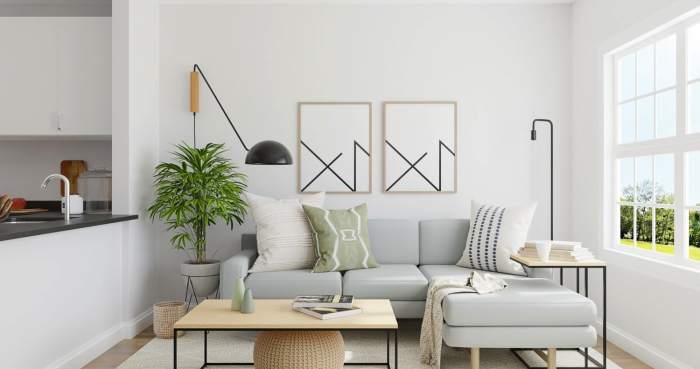
The interplay of light and shadow is paramount in crafting the atmosphere of a minimalist home. A well-designed lighting scheme, incorporating both natural and artificial sources, is crucial for enhancing the space’s clean lines and emphasizing its key features. The strategic use of light can dramatically impact the perceived size and warmth of a room, contributing significantly to the overall sense of calm and serenity characteristic of minimalist design.Natural light, a readily available and cost-effective resource, is a cornerstone of minimalist interior design.
Its dynamic qualities, changing throughout the day, introduce a sense of vitality and connection to the outside world. Studies show that exposure to natural light improves mood and productivity, enhancing the well-being of occupants. The increased levels of melatonin during daylight hours, regulated by the suprachiasmatic nucleus in the hypothalamus, contribute to better sleep cycles. Furthermore, natural light, being a full-spectrum light source, reduces eye strain compared to artificial lighting.
Its gentle diffusion across a minimalist space accentuates textures and highlights the clean, uncluttered aesthetic. Maximizing natural light penetration, through strategically placed windows and the avoidance of bulky curtains, becomes a key design element.
Minimalist Bedroom Lighting Scheme
A minimalist bedroom benefits from a layered lighting approach, combining ambient, task, and accent lighting to create a flexible and adaptable environment. Ambient lighting provides overall illumination, setting the mood. This could be achieved with recessed ceiling lights, offering a uniform, glare-free glow. Task lighting, focused and functional, is essential for activities like reading or getting ready. A simple, adjustable bedside lamp with a sleek design would fulfill this role.
Accent lighting, strategically placed, highlights specific features or artwork. A small, discreet LED strip light positioned under a floating shelf or behind a headboard could subtly enhance the room’s visual appeal. This layered approach ensures sufficient illumination for various activities while maintaining a serene and uncluttered atmosphere. The overall light temperature should be considered; warm white light (2700-3000K) is generally preferred for bedrooms to promote relaxation.
Mirrors and the Illusion of Space
Mirrors are powerful tools in minimalist design, capable of visually expanding a space and enhancing its luminosity. Their reflective properties effectively double the perceived size of a room, particularly beneficial in smaller areas. This effect is rooted in the physics of light reflection; a strategically placed mirror reflects light and the surrounding environment, creating a sense of depth and spaciousness.
In a minimalist bedroom, a large mirror placed opposite a window will maximize the reflection of natural light, brightening the room and creating a sense of airiness. A full-length mirror positioned against a wall can also serve a practical purpose while enhancing the room’s aesthetic appeal, provided it complements the overall minimalist design. The careful selection of a mirror’s frame and size is crucial to ensure it integrates seamlessly with the room’s decor, avoiding any visual clutter.
Decluttering and Organization
The transition to a minimalist lifestyle necessitates a significant shift in mindset regarding possessions. Decluttering, a process often perceived as daunting, becomes a cornerstone of maintaining a serene and functional living space. By strategically removing unnecessary items, we not only free up physical space but also reduce mental clutter, fostering a sense of calm and control. This section details a methodical approach to decluttering and organizing a minimalist home, focusing on practical strategies supported by principles of behavioral psychology and organizational science.
A Step-by-Step Guide to Decluttering a Minimalist Home
The process of decluttering is best approached systematically, rather than impulsively. A phased approach, tackling one area at a time, prevents overwhelm and encourages a sustainable shift in habits. Research suggests that gradual change leads to better long-term adherence to new routines.
- Assessment and Categorization: Begin by identifying a specific area—a drawer, a shelf, or an entire room. Then, meticulously categorize all items within that space. This systematic approach allows for a more focused decluttering process, reducing feelings of being overwhelmed.
- The Four-Box Method: Employ the four-box method: one for items to keep, one for items to donate, one for items to sell, and one for items to trash. This clear categorization streamlines the decision-making process and provides a visual representation of progress.
- The “One In, One Out” Rule: For every new item acquired, a similar item must be removed. This principle prevents future accumulation and reinforces the minimalist ethos of conscious consumption. Studies in consumer behavior indicate that this method is effective in curbing impulsive purchases.
- Regular Purging: Schedule regular decluttering sessions, even if only for 15-30 minutes. This proactive approach prevents clutter from accumulating and makes the process less burdensome. Consistency is key to maintaining a minimalist lifestyle.
- Donation and Disposal: Promptly donate or dispose of unwanted items. Donating items provides a sense of contribution to the community, while responsible disposal minimizes environmental impact. This step completes the decluttering cycle and reinforces the commitment to minimalism.
Practical Tips for Organizing Storage Spaces in a Minimalist Setting
Efficient storage is crucial for maintaining a clutter-free minimalist environment. Maximizing vertical space and utilizing multi-functional furniture are key strategies. Studies in ergonomics show that well-organized spaces improve efficiency and reduce stress.
- Vertical Storage: Utilize shelves, drawers, and vertical organizers to maximize storage capacity. This approach optimizes space utilization, a core principle of minimalist design.
- Multi-functional Furniture: Invest in furniture with built-in storage, such as ottomans with hidden compartments or beds with drawers underneath. This maximizes space and minimizes the need for additional storage units.
- Clear Containers: Use clear, labeled containers to store items. This allows for easy identification of contents, reducing time spent searching and promoting efficiency.
- Hidden Storage: Utilize hidden storage solutions, such as under-bed storage or closet organizers, to maintain a clean and uncluttered aesthetic.
Creating a Capsule Wardrobe within a Minimalist Lifestyle
A capsule wardrobe is a collection of essential clothing items that can be mixed and matched to create numerous outfits. This approach simplifies the decision-making process and reduces the amount of clothing needed, aligning perfectly with minimalist principles. Research suggests that reducing choice paradoxically increases satisfaction.
- Identify Your Style: Determine your personal style and the types of clothing that best suit your lifestyle and needs. This foundational step ensures that the capsule wardrobe reflects individual preferences and practical requirements.
- Choose Neutral Colors: Opt for neutral colors that can be easily mixed and matched. This allows for maximum versatility and reduces the need for a large number of garments.
- Select Versatile Items: Focus on versatile items that can be worn in various settings and seasons. This maximizes the utility of each garment and minimizes the overall number of clothes required.
- Quality over Quantity: Invest in high-quality, durable clothing items that will last longer. This approach reduces the need for frequent replacements and aligns with sustainable consumption practices.
- Regular Evaluation: Regularly evaluate your capsule wardrobe to ensure that it still meets your needs and preferences. This ongoing assessment allows for adjustments and prevents the accumulation of unwanted items.
Decorative Elements and Accessories
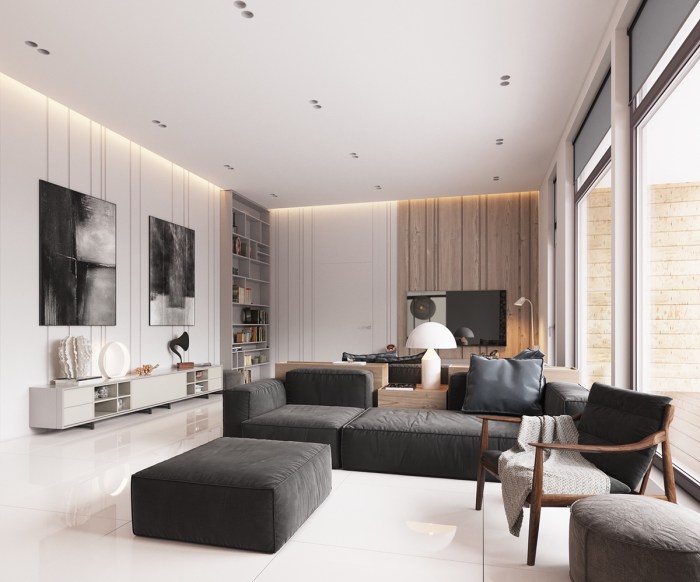
Minimalist design, while prioritizing simplicity and functionality, doesn’t necessitate a stark or sterile environment. Strategic incorporation of carefully selected decorative elements and accessories can enhance the aesthetic appeal and add personality to a minimalist space, provided they adhere to the core principles of minimalism. The key is to curate, not clutter.The careful selection of decorative elements is crucial in achieving a balanced and visually appealing minimalist interior.
Over-accessorizing negates the intended effect. Therefore, a mindful approach, focusing on quality over quantity, is paramount. This section will explore suitable decorative elements and accessories, emphasizing their contribution to the overall minimalist aesthetic.
Key Decorative Elements for Minimalist Homes
Three key elements consistently elevate minimalist spaces: carefully chosen plants, thoughtfully selected artwork, and subtly incorporated sculptures. Plants introduce natural elements, improving air quality and adding a touch of life. Artwork, when minimalist in style itself, can become a focal point, adding personality and visual interest. Sculptures, when strategically placed, can add a sense of three-dimensionality and artistry without overwhelming the space.
The selection of these elements should align with the overall color palette and material choices of the home, maintaining a cohesive design.
Minimalist Home Decor Accessories and Their Aesthetic Enhancement
Five minimalist home decor accessories that enhance the overall aesthetic are: a single, statement vase; a high-quality throw blanket; a set of elegantly designed books; a minimalist clock; and a simple, well-crafted tray. A statement vase, when filled with a single, striking bloom or branch, becomes a sculptural element in itself. A high-quality throw blanket adds texture and warmth without cluttering.
A carefully curated set of books, visible but not overwhelming, suggests intellect and personal style. A minimalist clock provides functionality without visual distraction. Finally, a simple tray serves as a catch-all, keeping surfaces tidy while adding a touch of sophistication. Each item is chosen for its inherent aesthetic qualities and functional purpose, avoiding unnecessary ornamentation.
Suggested Arrangement for a Minimalist Living Room
- Focal Point: A large-scale, abstract artwork positioned above a minimalist sofa, creating a visual anchor for the room. The artwork’s color palette should complement the room’s overall scheme. For example, a muted grey and white abstract painting would suit a living room with a neutral palette.
- Textural Element: A high-quality, textured throw blanket draped casually over the sofa, introducing warmth and visual interest. A chunky knit throw in a natural color, such as cream or beige, would complement the neutral color scheme.
- Natural Element: A large potted plant, such as a fiddle-leaf fig or snake plant, placed in a corner to add a touch of nature and improve air quality. The pot should be simple and unadorned, in a material like ceramic or terracotta.
- Functional Accessory: A simple, wooden tray on the coffee table, used to hold remotes, coasters, or a small bowl of decorative stones. The tray’s clean lines and natural material add a touch of understated elegance.
- Timepiece: A minimalist clock, preferably analog, placed on a side table or shelf. The clock should be understated, perhaps with a simple wooden or metal frame, avoiding overly ornate designs.
Creating a Minimalist Gallery Wall
A minimalist gallery wall, while seemingly simple, offers a powerful opportunity to showcase personality and artistic taste within the constraints of a pared-down aesthetic. The key lies in careful selection of imagery and a considered approach to arrangement, ensuring visual harmony without overwhelming the space. This process leverages principles of Gestalt psychology, specifically the laws of proximity and similarity, to create a cohesive and impactful display.
The following details the design and creation of a minimalist gallery wall using black and white photography, focusing on precision and impact.
Black and White Photography Selection
The chosen photographs should adhere to a unified theme or style. For this example, we’ll utilize three black and white images: a stark architectural detail (a close-up of a building’s geometric lines), a landscape featuring strong contrasts of light and shadow, and an abstract image emphasizing texture and form. Each photograph should be printed in a high-resolution matte finish to avoid unwanted glare and maintain a sophisticated aesthetic.
The size variation will be subtle, with the largest image approximately 12×18 inches, the medium 10×15 inches, and the smallest 8×12 inches. The consistent monochrome palette ensures visual unity, while the varied subject matter provides a subtle level of intrigue.
Gallery Wall Arrangement and Measurements
The arrangement will be asymmetrical, avoiding perfect symmetry for a more natural and less contrived feel. The largest photograph will anchor the arrangement, positioned slightly off-center. The medium-sized photograph will be placed slightly above and to the left of the largest, while the smallest will be placed below and to the right of the largest, creating a visually balanced, yet dynamic, triangular configuration.
The spacing between the frames will be consistent, approximately 2 inches, enhancing the visual flow and preventing visual clutter. This arrangement is based on the principles of visual weight distribution, ensuring that the eye is naturally drawn across the entire composition. Precise measurements will be taken prior to hanging, using a pencil to lightly mark the intended positions on the wall to ensure accuracy and prevent unnecessary adjustments.
Materials and Installation Process
The necessary materials include the three selected photographs, three black, thin frames (1-inch width maximum), a measuring tape, a level, painter’s tape, and picture hanging hooks appropriate for the wall type. Before drilling any holes, a thorough assessment of the wall material should be undertaken. The process begins with lightly marking the desired positions of each frame using painter’s tape.
The level is then used to ensure each mark is perfectly aligned. Once the positions are confirmed, the appropriate picture hooks are carefully installed, ensuring they are firmly secured. The frames are then hung, carefully adjusting their positions to match the marked points. The final step involves inspecting the arrangement from various distances to ensure visual harmony and balance.
Final Product Description
The completed minimalist gallery wall presents a sophisticated and calming visual impact. The black and white photographs, subtly varied in size and subject matter, create a visually engaging yet restrained aesthetic. The consistent monochrome palette ensures a sense of unity, while the carefully planned asymmetrical arrangement prevents monotony. The thin black frames provide a clean and unobtrusive border, allowing the photographs to take center stage.
The overall effect is a feeling of serenity and quiet contemplation, reflecting the minimalist ethos of understated elegance and functional simplicity. The carefully considered spacing and arrangement ensure the gallery wall does not appear cluttered or overwhelming, instead serving as a subtle yet impactful focal point in the room.
Budget-Friendly Minimalist Decor
Achieving a minimalist aesthetic doesn’t necessitate exorbitant spending. By prioritizing functionality, repurposing existing items, and employing creative DIY solutions, a serene and stylish minimalist space can be created on a modest budget. This approach aligns with the principles of sustainable living, reducing waste and minimizing environmental impact.
Affordable Minimalist Decor Strategies
Five key strategies can significantly enhance a living space’s minimalist appeal without straining the budget. These methods emphasize maximizing existing resources and creatively transforming readily available materials.
- Repurposing Existing Items: A simple, cost-effective way to achieve a minimalist look is by repurposing items already owned. For example, an old wooden ladder can be transformed into a unique bookshelf after a fresh coat of paint. Similarly, vintage suitcases can serve as stylish side tables, adding character and reducing the need for new furniture purchases.
- Utilizing Natural Elements: Incorporating natural elements, such as branches, stones, or seashells, adds visual interest at minimal cost. A collection of smooth river stones can become a unique centerpiece for a coffee table, or branches can be arranged in a vase as a simple, elegant decoration. The inherent beauty of these natural items requires minimal processing, aligning with the minimalist ethos of simplicity.
- Shopping Secondhand: Thrift stores, flea markets, and online marketplaces offer a treasure trove of affordable minimalist decor items. Finding unique pieces with character can significantly reduce costs compared to buying new. Searching for vintage furniture or simple, well-made items can result in significant savings while adding character and a unique touch to the space.
- DIY Projects with Found Objects: Crafting minimalist decor from readily available materials is both economical and personally fulfilling. For instance, empty glass jars can be transformed into stylish storage containers or candle holders with a simple coat of paint or by adding twine. This reduces reliance on commercially produced items and promotes a sense of personal connection with the home environment.
- Prioritizing Multifunctional Furniture: Choosing furniture with multiple functions is crucial for maximizing space and minimizing clutter. A storage ottoman provides seating while simultaneously offering hidden storage, or a bed with built-in drawers combines sleeping space with storage capacity, reducing the need for separate storage solutions.
Repurposing and Upcycling for Minimalist Decor
Repurposing and upcycling are integral to creating a minimalist and sustainable home environment. These practices involve transforming existing items into new, functional pieces, thus reducing waste and promoting environmental responsibility. The inherent sustainability of these practices aligns perfectly with the minimalist philosophy of mindful consumption.
“Repurposing and upcycling reduce waste, lower costs, and add unique character to minimalist spaces, fostering a sustainable and aesthetically pleasing environment.”
DIY Minimalist Decor Items
Creating DIY minimalist decor items is a simple and cost-effective way to personalize a living space. The following examples illustrate how readily available materials can be transformed into stylish minimalist accents.
- Mason Jar Candle Holders: Empty mason jars, readily available and inexpensive, can be transformed into elegant candle holders. A simple coat of paint, a ribbon, or twine can personalize them to match any decor style.
- Floating Shelves from Reclaimed Wood: Reclaimed wood, often found at low cost or even for free, can be cut and stained to create simple, minimalist floating shelves. These shelves provide additional storage while adding a rustic charm.
- Painted Wooden Crates: Wooden crates, easily found at flea markets or online, can be painted and used as unique storage solutions, nightstands, or even plant stands. Their simple design lends itself well to a minimalist aesthetic.
Creating a minimalist home is not merely about removing items; it’s about cultivating a mindful approach to living. By understanding the principles of space optimization, intentional design, and mindful decluttering, you can transform your living space into a reflection of your values and a sanctuary for your well-being. The journey may require initial effort, but the resulting calm, efficiency, and enhanced sense of control over your environment are rewards that extend far beyond the aesthetic.
Embrace the simplicity, embrace the intention, and embrace the transformative power of minimalist design.
Question & Answer Hub
Can minimalism be achieved on a small budget?
Absolutely. Repurposing existing items, upcycling furniture, and focusing on DIY projects are cost-effective ways to achieve a minimalist aesthetic. Prioritizing quality over quantity in essential purchases also helps.
How do I avoid making my minimalist space feel sterile or cold?
Incorporate natural textures like wood and textiles, use warm lighting, and add a few carefully chosen decorative elements like plants or artwork to inject warmth and personality without compromising the minimalist aesthetic. Strategic use of mirrors can also help to add depth and visual interest.
Is minimalism a temporary trend or a sustainable lifestyle choice?
Minimalism is less a trend and more a lifestyle philosophy that emphasizes intentionality and conscious consumption. Its principles of reducing clutter and prioritizing quality can be adapted and sustained long-term, promoting both environmental and personal well-being.
How often should I declutter my minimalist home?
The frequency depends on your lifestyle, but a regular decluttering session—even a short one—every few months can help maintain a clutter-free environment. Consider a seasonal declutter to address changes in wardrobe or seasonal items.
What if I’m attached to sentimental items?
Sentimental items can be incorporated mindfully. Consider digital archiving of photos or mementos, displaying a few cherished items strategically, or finding creative ways to repurpose or donate items while preserving the memories associated with them.