Scandinavian design, renowned for its minimalist aesthetic and functionality, cleverly incorporates hidden storage solutions into its kitchens. These ingenious designs maximize space utilization while maintaining a clean, uncluttered appearance. From pull-out pantries that effortlessly glide open to reveal organized contents to drawers within drawers and cleverly concealed lift-up countertops, these storage systems exemplify the region’s commitment to both form and function.
This exploration delves into the science of efficient space management within the context of Scandinavian kitchen design, examining the materials, mechanisms, and aesthetic integration of these hidden storage marvels.
The efficiency of these systems stems from a deep understanding of human ergonomics and spatial psychology. The seamless integration of hidden storage minimizes visual clutter, promoting a sense of calm and spaciousness. The use of light colors and natural materials, typical of Scandinavian design, further enhances this effect, creating a bright and airy atmosphere. This integration isn’t merely aesthetic; it’s a carefully considered design strategy that optimizes workflow and enhances the overall kitchen experience.
Types of Hidden Storage
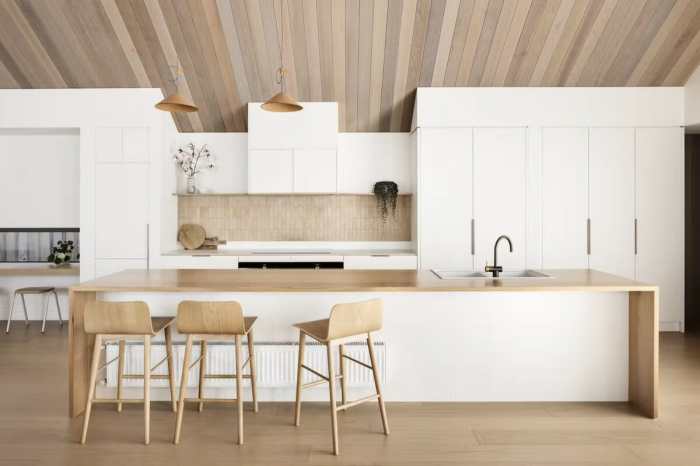
Scandinavian kitchen design prioritizes functionality and minimalism, often incorporating clever hidden storage solutions to maximize space and maintain a clean aesthetic. These solutions go beyond simple cupboards, integrating seamlessly into the overall design while providing efficient storage for various kitchen items. The choice of storage type depends on the specific needs and layout of the kitchen, as well as the overall design philosophy.
Common Hidden Storage Solutions in Scandinavian Kitchens
The following table details common hidden storage types found in Scandinavian kitchens, comparing their functionality and space efficiency. The materials used reflect the region’s preference for natural, durable, and aesthetically pleasing materials.
| Type | Description | Advantages | Disadvantages |
|---|---|---|---|
| Pull-out Pantries | Narrow, deep cabinets that pull out completely, revealing all contents. Often equipped with adjustable shelves and dividers. | Excellent space utilization, improved accessibility to items at the back, organized storage. | Can be expensive, requires careful planning for cabinet depth and width to ensure smooth operation, may not be suitable for all kitchen layouts. |
| Drawers within Drawers | A larger drawer containing smaller drawers or trays, ideal for organizing utensils, spices, or small appliances. | Highly organized storage, efficient use of vertical space, keeps items easily accessible and visible. | Can be more expensive than standard drawers, requires precise manufacturing and fitting, may not be suitable for very large or heavy items. |
| Lift-up Countertops | A section of the countertop that lifts up to reveal storage space underneath. | Conceals storage effectively, maintains a clean countertop surface, ideal for storing less frequently used items. | Limited storage capacity compared to other options, requires a strong mechanism to support the weight of the countertop, may not be suitable for heavy items. |
| Cabinet Carousels | Rotating shelves within a cabinet, allowing easy access to items stored on all sides. | Maximizes space utilization in corner cabinets, provides excellent accessibility to all stored items. | Can be more expensive than standard shelving, requires precise installation and alignment for smooth rotation, may not be ideal for very heavy items. |
| Integrated Appliance Storage | Built-in storage for appliances such as coffee machines or toasters, seamlessly integrated into the cabinetry. | Maintains a clean and uncluttered countertop, protects appliances from dust and damage, enhances kitchen aesthetics. | Requires careful planning and custom design to accommodate specific appliance dimensions, may limit the choice of appliances. |
Materials Used in Scandinavian Hidden Storage
Scandinavian design emphasizes the use of natural and sustainable materials. Common materials used in constructing hidden storage solutions include:
Light-colored woods such as birch and beech are frequently used for their clean aesthetic and durability. These woods are often treated with a clear finish to preserve their natural beauty and protect them from moisture. MDF (Medium-Density Fiberboard) and plywood are also employed, particularly for internal components, offering cost-effectiveness and stability. Metal, especially stainless steel, is used for drawer slides and other hardware, ensuring smooth operation and longevity.
Finally, stone countertops, such as granite or quartz, often incorporate lift-up mechanisms, combining practicality with a premium aesthetic.
Design and Aesthetics
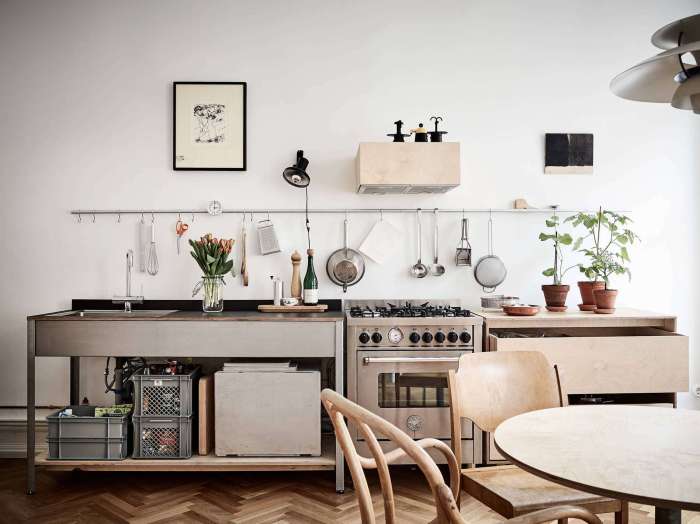
The seamless integration of hidden storage within Scandinavian kitchen design is a testament to the philosophy of minimalism and functionality. This aesthetic prioritizes clean lines, natural light, and a sense of spaciousness, all of which are enhanced, not compromised, by cleverly concealed storage solutions. The emphasis is on creating a visually calming and uncluttered environment where every element serves a purpose without drawing unnecessary attention to itself.Hidden storage solutions directly contribute to the clean and uncluttered look characteristic of Scandinavian kitchens.
By removing visual clutter from countertops and cabinets, these systems create a sense of order and tranquility. The absence of visually overwhelming displays allows the eye to rest, appreciating the carefully chosen materials and the overall simplicity of the design. This is achieved through a variety of methods, from integrated appliances to custom-built cabinetry. The result is a kitchen that feels both spacious and inviting.
Light Colors and Natural Materials in Hidden Storage Design
The use of light colors and natural materials is paramount in achieving the desired aesthetic. Pale shades of white, grey, and beige are frequently employed, reflecting light and enhancing the sense of spaciousness. These neutral tones provide a perfect backdrop for the integration of hidden storage elements, allowing them to recede visually while maintaining their functionality. Natural materials such as wood, particularly light-colored woods like birch or ash, add warmth and texture without disrupting the overall minimalist feel.
These materials often feature in the construction of pull-out drawers, shelving units, and even the façades of hidden pantries, subtly blending with the surrounding environment. The inherent simplicity of these materials complements the clean lines of Scandinavian design, creating a cohesive and harmonious space.
Visual Description of a Scandinavian Kitchen with Hidden Storage
Imagine a kitchen bathed in soft, natural light. The walls are painted a pale grey, providing a neutral canvas. The floor is covered in wide, light oak planks. Custom-built cabinetry, painted in a slightly off-white shade, stretches along one wall. The cabinet doors are handleless, their sleek surfaces seamlessly integrated into the wall, concealing a variety of storage solutions.
A pull-out pantry, cleverly hidden behind one of these doors, reveals neatly organized shelves filled with kitchen essentials. Beneath the countertops, drawers glide smoothly open, revealing cutlery, utensils, and cookware, all carefully arranged. A section of the countertop itself subtly lifts to reveal an additional storage compartment. The overall effect is one of understated elegance and effortless functionality.
The integration of hidden storage is so complete that it almost disappears, leaving only a sense of calm and order. A single, carefully chosen pendant light hangs above a minimalist island, completing the picture of understated Scandinavian design where functionality is seamlessly woven into the fabric of aesthetic beauty.
Functionality and Practicality
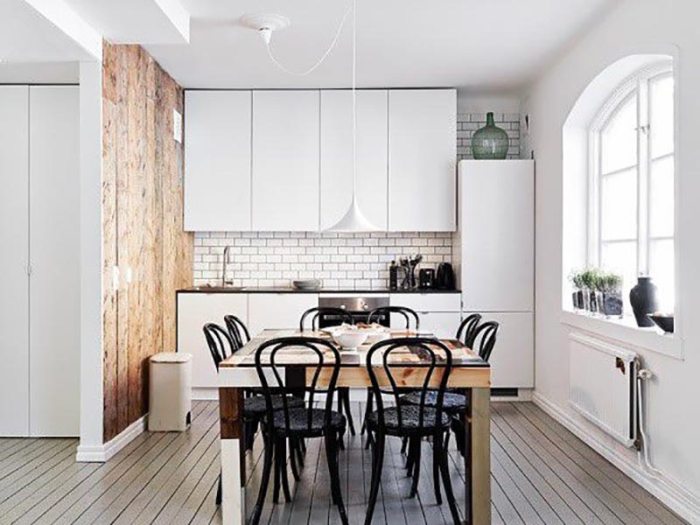
The seamless integration of hidden storage in Scandinavian kitchens hinges on a delicate balance between aesthetic appeal and practical functionality. Ergonomic design considerations are paramount, ensuring ease of access to stored items without compromising the clean lines and minimalist aesthetic characteristic of the style. Innovative mechanisms further enhance usability, while strategic space planning maximizes storage capacity within the often compact dimensions of Scandinavian homes.
Ergonomic design in Scandinavian kitchens prioritizes user comfort and efficiency. Hidden storage solutions must be easily accessible to users of varying heights and physical capabilities. For instance, pull-out drawers with smooth-glide mechanisms, rather than awkward-to-reach high shelves, are preferred for frequently used items. The placement of hidden compartments should also consider the natural reach and movement patterns within the kitchen workspace, minimizing unnecessary bending or stretching.
Studies on kitchen ergonomics consistently highlight the importance of minimizing unnecessary movement to improve efficiency and reduce strain, a principle expertly applied in Scandinavian kitchen design.
Ergonomic Access to Hidden Storage
Careful consideration of anthropometric data – measurements of the human body – informs the design of hidden storage solutions. Drawers should be positioned at a comfortable height for the average user, avoiding the need for excessive bending or reaching. Pull-out shelves and pantries maximize visibility and accessibility of items stored further back, eliminating the frustration of rummaging through cluttered shelves.
The incorporation of soft-close mechanisms further enhances the user experience, preventing accidental slams and ensuring quiet operation. This focus on quiet operation aligns with the overall emphasis on calm and tranquility in Scandinavian design principles.
Innovative Opening and Closing Mechanisms
A range of innovative mechanisms contribute to the smooth and efficient operation of hidden storage. These range from simple, yet effective, push-to-open systems that eliminate the need for visible handles, to more complex motorized systems that effortlessly reveal hidden compartments with a touch of a button. For example, a concealed lift-up system might reveal a hidden spice rack, while a cleverly integrated drawer system might slide out to reveal additional storage space beneath a countertop.
These mechanisms not only enhance functionality but also contribute to the sleek and minimalist aesthetic of the kitchen. The use of high-quality, durable materials in these mechanisms ensures longevity and reliable performance, aligning with the emphasis on sustainability in Scandinavian design.
Maximizing Space Utilization with Hidden Storage
One of the primary advantages of hidden storage is its ability to maximize space utilization, particularly crucial in smaller Scandinavian kitchens. Custom-designed solutions, tailored to the specific dimensions and layout of the kitchen, are highly effective. This includes utilizing often-wasted vertical space, such as the space above cabinets or under countertops, with pull-down shelves and drawer systems. Corner units, often problematic in terms of accessibility, can be transformed into efficient storage areas with innovative rotating or pull-out mechanisms.
The design process should also consider the integration of different storage types – for example, combining drawers for utensils with pull-out shelves for larger items – to create a highly efficient and versatile storage system.
Step-by-Step Guide for Incorporating Hidden Storage
- Assessment of Existing Layout: Begin by carefully measuring the existing kitchen layout, identifying areas with unused or underutilized space. Pay close attention to dimensions and accessibility.
- Identification of Storage Needs: Determine the types of items to be stored and their approximate dimensions. This will inform the design and selection of appropriate storage solutions.
- Selection of Storage Mechanisms: Choose appropriate mechanisms based on the identified storage needs and the available space. Consider factors such as ease of access, cost, and aesthetic compatibility with the existing kitchen design.
- Design and Planning: Develop a detailed plan outlining the location, dimensions, and type of each hidden storage component. This plan should integrate seamlessly with the existing kitchen layout.
- Installation and Integration: Professional installation is often recommended to ensure the proper functionality and integration of the hidden storage components. This step ensures the long-term reliability of the system.
Cost and Accessibility
The integration of hidden storage in Scandinavian kitchens, while enhancing both aesthetics and functionality, presents a spectrum of cost implications dependent on several factors. These factors include the type of storage solution chosen, the complexity of installation, and the materials used. Understanding this cost spectrum is crucial for homeowners aiming to balance their budget with their desire for a sleek, organized kitchen.The cost of implementing hidden storage solutions varies significantly, ranging from relatively inexpensive DIY projects to substantial investments in bespoke, custom-built systems.
This variance necessitates a careful evaluation of different options to determine the best fit for individual budgets and kitchen layouts. Factors such as material selection (e.g., solid wood versus particleboard), the level of craftsmanship required, and the complexity of the installation process all contribute to the overall expense.
Cost Comparison of Hidden Storage Solutions
The following points Artikel the cost differences between various hidden storage solutions commonly found in Scandinavian kitchens. It’s important to note that these are estimates and can fluctuate based on location, materials, and labor costs.
- Pre-fabricated solutions: These offer a more budget-friendly approach, typically ranging from $500 to $2000 depending on size and features. Examples include ready-to-assemble pull-out drawers or spice racks that can be easily integrated into existing cabinetry. The cost-effectiveness stems from mass production and readily available components.
- Custom-built solutions: These represent a higher investment, generally costing between $2000 and $10,000 or more. The price increases with complexity, material choices (solid wood, high-end finishes), and the level of bespoke design required. Custom solutions allow for perfectly tailored integration into the kitchen’s unique layout and style.
- DIY solutions: For the budget-conscious and handy homeowner, DIY options provide the most cost-effective approach. Costs are primarily determined by the materials purchased, and can range from under $100 for simple solutions such as repurposed shelving units to several hundred dollars for more complex projects involving custom-cut wood and specialized hardware. The time investment, however, is significantly higher.
Budget-Friendly Options for Hidden Storage
Several cost-effective strategies exist for incorporating hidden storage without compromising the overall aesthetic of a Scandinavian kitchen. These strategies leverage readily available materials and simple designs to maximize storage space efficiently.
- Repurposing existing cabinets: Adding pull-out shelves or drawers to existing base cabinets can significantly increase storage capacity without the need for major renovations. This utilizes existing infrastructure and minimizes material costs.
- Utilizing vertical space: Installing tall, narrow cabinets or utilizing the space above cabinets with open shelving or a custom-built pantry offers substantial hidden storage at a relatively low cost. The materials can be relatively inexpensive, such as inexpensive, painted wood.
- Clever use of corner cabinets: Implementing specialized corner cabinet organizers or lazy susans allows for easy access to often-unused space, maximizing storage capacity without significant additional costs. This focuses on optimizing existing cabinet space rather than adding new cabinets.
Accessibility of Different Hidden Storage Solutions
The accessibility of various hidden storage solutions is influenced by factors beyond just cost. Ease of installation and availability of materials and skilled labor play significant roles.
- Pre-fabricated solutions: These are generally readily accessible, widely available through online retailers and home improvement stores. Installation is often straightforward, requiring minimal specialized tools or expertise.
- Custom-built solutions: Accessibility depends on the availability of skilled carpenters or cabinet makers. Lead times can be significant, and the process may involve multiple consultations and design revisions. Materials might also require specialized sourcing.
- DIY solutions: Accessibility is largely dependent on the homeowner’s skills and access to necessary tools and materials. While this option offers the greatest control, it also requires significant time and effort.
Maintenance and Care
The longevity and efficiency of your Scandinavian-style hidden kitchen storage depend heavily on proper maintenance. Understanding the materials used and implementing consistent care routines will prevent common problems and ensure your storage solutions remain functional and aesthetically pleasing for years to come. Neglecting maintenance can lead to costly repairs, reduced storage capacity, and even potential health hazards from mold or pest infestations.Maintaining hidden storage involves a multi-faceted approach, addressing both the structural integrity of the units and the hygiene of their contents.
This includes regular cleaning, preventative measures against moisture damage, and the occasional lubrication of moving parts. The specific care procedures will vary depending on the materials used in construction.
Maintenance Procedures for Different Materials
Hidden storage in Scandinavian kitchens often utilizes materials like wood (solid or engineered), melamine, and sometimes metal. Wood, especially solid wood, requires regular dusting to prevent the accumulation of dust and grime that can scratch the surface. A soft cloth and a mild wood cleaner, specifically formulated for the type of wood (e.g., oak, beech), are recommended. Engineered wood, like melamine, is more durable and usually only needs to be wiped down with a damp cloth and mild detergent.
Metal components, if present, can be cleaned with a mild soapy water solution and then dried thoroughly to prevent rust. Avoid abrasive cleaners or scouring pads on any material to prevent damage.
Preventing Moisture Damage and Malfunctioning Mechanisms
Moisture is the enemy of most storage materials. To prevent moisture damage, ensure adequate ventilation in your kitchen. This might involve using an exhaust fan during cooking and opening windows periodically. For hidden pull-out units, avoid overloading them, as this can strain the mechanisms and lead to premature wear. Regularly inspect hinges, glides, and other moving parts for smooth operation.
Apply a small amount of silicone-based lubricant to these parts as needed to reduce friction and prevent squeaking. Address any sticking or binding immediately to prevent further damage.
Maintaining Organization and Clutter-Free Compartments
Maintaining organization within hidden storage is crucial for maximizing its functionality. Regularly declutter by removing items you no longer need or use. Utilize dividers, trays, and containers to keep items separated and easily accessible. Labeling containers can also aid in quick identification. Consider using vertical space effectively by employing stackable containers and utilizing the height of the compartments.
A well-organized space not only looks better but also functions more efficiently.
Recommended Cleaning Products and Methods
The choice of cleaning products depends on the material of the storage unit. For wood, a gentle wood cleaner and a soft cloth are best. For melamine and metal, a mild dish soap and water solution is sufficient. Avoid harsh chemicals, abrasive cleaners, and scouring pads that can scratch or damage surfaces. Always test any cleaning product on an inconspicuous area first to ensure it doesn’t cause discoloration or damage.
After cleaning, thoroughly dry all surfaces to prevent moisture buildup. For particularly stubborn stains, consider using a baking soda paste, which is a gentle yet effective cleaning agent. Remember to always follow the manufacturer’s recommendations for cleaning specific materials.
Ending Remarks
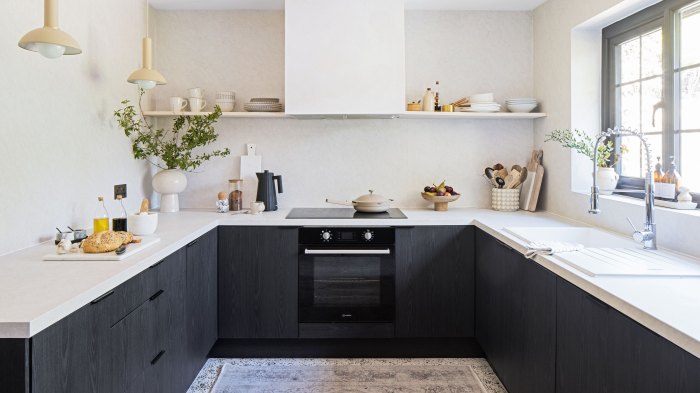
Hidden storage in Scandinavian kitchens represents a sophisticated blend of design, functionality, and practicality. By seamlessly integrating storage solutions within the overall aesthetic, Scandinavian design achieves a remarkable balance between visual appeal and efficient space management. The innovative mechanisms, ergonomic considerations, and sustainable materials employed underscore a commitment to both style and sustainability. Ultimately, these hidden storage solutions are not merely functional additions but integral components of a holistic design philosophy that prioritizes both beauty and usability in the heart of the home.
Essential FAQs
What are the most common materials used in Scandinavian hidden kitchen storage?
Common materials include light-colored wood (like birch or pine), high-quality laminate, and sometimes, sustainably sourced bamboo. These choices reflect the Scandinavian preference for natural materials and light, airy aesthetics.
How much does installing hidden storage typically cost?
Costs vary greatly depending on the complexity of the design, the materials used, and whether the storage is custom-built or pre-fabricated. Pre-fabricated options are generally more budget-friendly, while custom solutions offer greater flexibility and integration but come at a higher price.
Are there any potential drawbacks to hidden storage?
While offering significant advantages, hidden storage can sometimes be less accessible than open shelving. Careful planning and consideration of ergonomic factors are crucial to ensure easy access to all stored items. Furthermore, malfunctioning mechanisms can create accessibility issues.
How can I maintain hidden storage to prevent issues like moisture damage?
Regular cleaning with appropriate cleaning solutions is essential. Proper ventilation is also crucial to prevent moisture buildup. For wooden components, periodic application of a suitable wood protectant can help prevent damage.
Can I retrofit hidden storage into an existing kitchen?
Yes, retrofitting is possible, although it may require some adjustments to the existing layout. Consult a kitchen designer or contractor to assess feasibility and develop a suitable plan. The complexity and cost will depend on the extent of the modifications needed.
Leave a Reply