Transforming a house into a welcoming home transcends mere aesthetics; it’s about cultivating an atmosphere of comfort, warmth, and genuine hospitality. This involves a thoughtful consideration of sensory details, from the inviting aroma that greets guests at the entrance to the carefully curated ambiance of each room. Creating a welcoming home is an art that blends practical design elements with personal touches, resulting in a space that reflects your personality and invites others to feel at ease and relaxed.
This guide delves into the multifaceted process of creating a truly welcoming home, exploring practical strategies and design principles to enhance the overall experience. We will examine key areas such as entrance design, living room ambiance, the strategic use of scent and sound, the importance of lighting and temperature control, and the incorporation of personal touches that make a house uniquely yours.
By understanding and applying these principles, you can cultivate a haven that resonates with warmth and invites connection.
Entrance & First Impressions

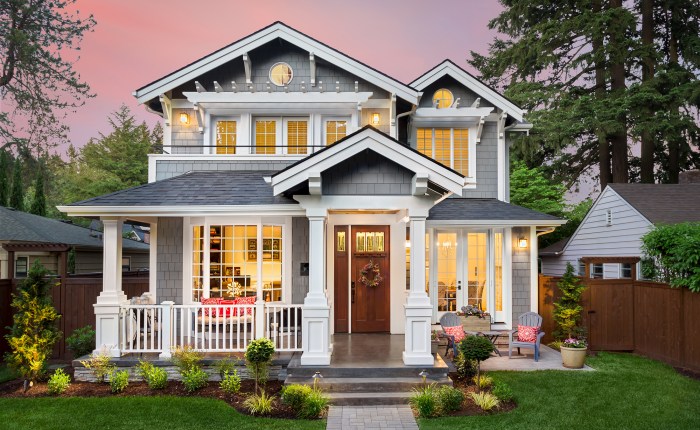
The entrance to a home sets the tone for the entire experience. A welcoming entrance creates a positive first impression, influencing the mood and comfort level of guests and residents alike. Careful consideration of visual, auditory, and olfactory elements is crucial in achieving this effect. The design should communicate warmth, hospitality, and a sense of calm, setting the stage for a pleasant interaction.
A welcoming entrance appeals to multiple senses. Visually, it should be clean, uncluttered, and inviting. Sounds should be minimal, perhaps a gentle chime or the soft murmur of a water feature. Subtle, pleasant smells, such as fresh flowers or a hint of baking, can create a warm and inviting atmosphere. The interplay of these sensory details contributes to the overall impression of welcome.
Ideal Entrance Design Elements
Several design elements contribute to a positive first impression. These elements work together to create a cohesive and welcoming environment. Strategic use of lighting, color palettes, and landscaping can significantly enhance the overall impact. Consider incorporating these design elements for an optimal welcome.
- Lighting: Soft, warm lighting, such as recessed lighting or strategically placed wall sconces, creates a welcoming ambiance. Avoid harsh overhead lighting, which can feel sterile and uninviting.
- Color Palette: Neutral and calming colors, such as soft blues, greens, or creams, promote a sense of peace and tranquility. These colors create a relaxing atmosphere, preparing visitors for a comfortable experience within the home.
- Landscaping: Well-maintained landscaping, including neatly trimmed shrubs and flowers, creates a visually appealing entrance. A thoughtfully designed garden or pathway can add a touch of elegance and sophistication.
- Entryway Decor: A tasteful piece of art, a mirror, or a stylish console table can add personality and visual interest. However, avoid overcrowding the space, as this can create a cluttered and unwelcoming feeling.
Welcome Mat Design
The welcome mat serves as a physical and symbolic greeting. Its design significantly impacts the first impression. Careful consideration of material, size, style, and message is crucial in conveying warmth and hospitality.
For a welcoming mat, consider a coir mat (durable and weather-resistant) measuring approximately 30″ x 18″. A simple, elegant design with a phrase like “Welcome Home” or “Welcome Friends” in a classic font would be appropriate. Alternatively, a patterned mat with subtle colors could also be effective. Avoid overly bright or busy designs, which can appear overwhelming.
The choice of material and design should complement the overall aesthetic of the entrance.
Different mat designs convey different messages. A simple, understated mat projects a sense of quiet elegance. A brightly colored mat with a whimsical design can create a more playful and informal atmosphere. A mat with a personalized message adds a unique and welcoming touch. The impact of the mat’s design should align with the overall style and personality of the home.
Entrance Lighting Schemes
Lighting significantly influences the mood and atmosphere of an entrance way. Three distinct lighting schemes, each with its own advantages and disadvantages, can be employed to create different feelings.
- Warm White Recessed Lighting: This scheme utilizes recessed lights with warm white bulbs (around 2700K) for even, ambient illumination. Pros: creates a warm and inviting atmosphere, easy to install and maintain. Cons: Can be somewhat monotonous if not complemented with other lighting sources.
- Layered Lighting with Accent Spots: This combines recessed warm white lighting with accent spotlights highlighting artwork or architectural features. Pros: adds depth and visual interest, enhances specific elements. Cons: Requires more planning and installation, can be more expensive.
- Ambient Lighting with a Statement Fixture: This approach features soft ambient lighting supplemented by a dramatic statement fixture, such as a chandelier or a unique pendant light. Pros: creates a focal point and a strong visual statement, adds a touch of elegance. Cons: Can be expensive and may not suit all styles.
Living Room Ambiance
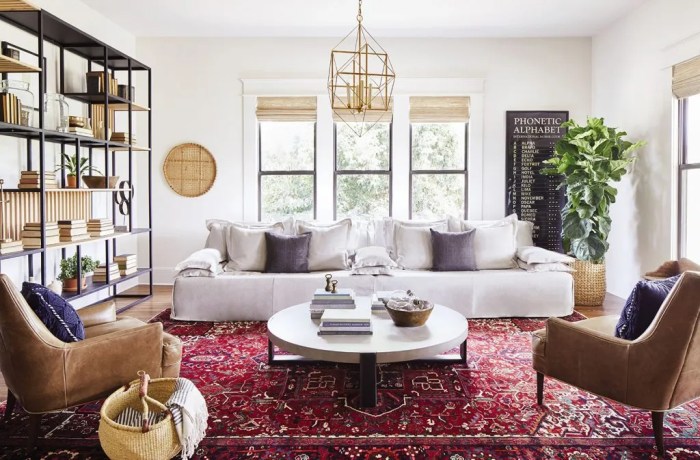
Creating a welcoming living room involves a thoughtful consideration of color palettes, textures, furniture arrangement, and the strategic use of textiles. These elements work in concert to establish a mood and influence the overall feeling of comfort and hospitality within the space. A well-designed living room should effortlessly encourage relaxation, conversation, and a sense of belonging.
Mood Board: A Welcoming Living Room
Imagine a mood board featuring a calming, yet vibrant color palette. The base is a warm, neutral beige, reminiscent of natural linen. Accent walls are painted a soft, muted sage green, evoking feelings of tranquility and connection with nature. Textures are key: a plush, oatmeal-colored rug anchors the space, providing a tactile warmth. This is complemented by the velvety texture of a deep teal sofa, which adds a touch of sophistication and visual interest.
Scatter cushions in various shades of blush pink, terracotta, and mustard yellow introduce pops of color and a playful yet sophisticated feel. A woven jute basket adds a natural element, while a polished wooden coffee table brings a sense of grounded elegance. The overall feeling is one of relaxed sophistication – a space that is both inviting and stylish.
The colors evoke feelings of calm and warmth, while the textures create a sense of comfort and luxury.
Furniture Placement for Optimal Comfort and Conversation Flow
Furniture arrangement significantly impacts a living room’s energy and functionality. A traditional arrangement, with a sofa facing a fireplace or television, creates a focused, relaxing atmosphere, ideal for unwinding after a long day. However, this arrangement might not be optimal for encouraging conversation. To foster interaction, consider arranging furniture in a conversational grouping. This could involve positioning two sofas facing each other, with a coffee table in between, creating a natural focal point for interaction.
Adding armchairs strategically allows for more seating options and breaks up the visual mass. The energy in this arrangement is dynamic and sociable. Alternatively, an L-shaped sofa arrangement can create a cozy, intimate corner perfect for reading or quiet conversation. This arrangement promotes a more relaxed, less formal atmosphere. The choice depends on the desired mood and the primary function of the living room.
Textiles: Enhancing the Welcoming Feel
Throws, cushions, and rugs play a vital role in creating a welcoming living room atmosphere. Their textures and colors contribute significantly to the overall comfort and aesthetic appeal. A chunky knit throw draped over the sofa immediately adds a sense of warmth and coziness. Soft, plush cushions in varying textures – velvet, linen, faux fur – provide both visual interest and tactile comfort.
The color palette of these textiles should complement the overall room scheme, adding depth and visual interest without overwhelming the space. For example, a neutral-toned rug can anchor the space, while brightly colored cushions can add pops of personality. The textures and colors work together to create a layered, inviting feel. Consider the use of natural fibers like wool, cotton, and jute for a more organic and welcoming feel, while luxurious materials like silk or velvet can add a touch of opulence.
The strategic use of textiles allows for personalization and the creation of a unique and inviting space.
Scent & Sound
The senses of smell and sound play a crucial, often underestimated, role in establishing a welcoming atmosphere within a home. A carefully curated sensory experience can significantly enhance the feeling of comfort, relaxation, and overall hospitality, transforming a house into a true home. The interplay of pleasant aromas and soothing soundscapes creates a holistic ambiance that appeals to our subconscious, fostering a sense of well-being and ease for both residents and guests.
The Influence of Scent on Welcoming Atmospheres
Different scents evoke diverse emotional responses, directly impacting the perceived ambiance of a space. Pleasant aromas can create feelings of warmth, comfort, and relaxation, while unpleasant odors can have the opposite effect, fostering feelings of unease and discomfort. The strategic use of scent is a powerful tool in home design, subtly shaping the emotional experience of those who enter.
Examples of Pleasant and Welcoming Aromas and Their Incorporation
Aromas associated with nature, such as lavender, vanilla, and citrus, are generally perceived as calming and uplifting. Lavender, known for its relaxing properties, can be incorporated through lavender-scented candles, essential oil diffusers, or even dried lavender sachets placed in drawers or closets. Vanilla, often associated with warmth and comfort, can be introduced through vanilla-scented candles or room sprays.
Citrus scents, such as lemon and orange, offer a refreshing and invigorating effect, perfect for brightening a space. These scents can be introduced through essential oil diffusers, simmering pots of water with citrus peels, or even fresh citrus fruits strategically placed around the home. For a more subtle approach, consider using scented candles or reed diffusers, which provide a consistent, yet not overpowering, fragrance.
The Impact of Background Music on a Welcoming Atmosphere
Background music significantly shapes the mood and atmosphere of a home. The right music can set a calming, energetic, or festive tone, influencing the overall experience for guests and residents alike. The genre and tempo of the music should be carefully considered, depending on the time of day and the intended atmosphere.
Suitable Music Genres for Different Times and Occasions
For a relaxing evening at home, genres like classical music, ambient electronica, or lo-fi hip hop are excellent choices. Classical music’s calming melodies can promote relaxation and reduce stress. Ambient electronica, with its soft textures and atmospheric soundscapes, creates a peaceful and meditative atmosphere. Lo-fi hip hop, with its mellow beats and nostalgic vibes, offers a relaxed and introspective listening experience.
During daytime gatherings, upbeat jazz, acoustic pop, or world music can create a lively and welcoming ambiance. For festive occasions, pop music, or other genre-specific playlists tailored to the event, can enhance the celebratory mood. It’s crucial to adjust the volume to ensure the music complements the conversation and doesn’t overpower it.
A Relaxing Soundscape Playlist for a Welcoming Environment
To create a calming and welcoming environment, a thoughtfully curated playlist incorporating nature sounds and ambient music is highly effective.
The following playlist aims to promote relaxation and reduce stress through a blend of natural sounds and ambient textures:
- Gentle Rain on Leaves (5 minutes): The soft patter of rain creates a soothing and meditative atmosphere, mimicking the sounds of a gentle storm.
- Ocean Waves (10 minutes): The rhythmic crashing of waves promotes relaxation and induces a sense of tranquility, reminiscent of a peaceful beach setting.
- Ambient Piano (7 minutes): Soft piano melodies create a calming and introspective soundscape, ideal for background listening while relaxing or reading.
- Forest Sounds (8 minutes): The sounds of birds chirping, leaves rustling, and a gentle stream flowing create a sense of immersion in nature, promoting relaxation and reducing stress.
- Ambient Synth Textures (10 minutes): Subtle and ethereal synth soundscapes provide a calming and spacious atmosphere, enhancing the overall feeling of peace and tranquility.
This playlist is designed to transition seamlessly between different sounds, creating a continuous and relaxing listening experience. The duration of each track is carefully chosen to avoid abrupt changes and maintain a consistent mood throughout the listening session. The combination of nature sounds and ambient music creates a holistic and immersive experience, fostering a sense of peace and tranquility within the home.
Lighting & Temperature
Lighting and temperature are crucial elements in establishing a welcoming home environment. The right balance of both contributes significantly to a space’s overall mood and comfort level, impacting how relaxed and at ease individuals feel within their home. A poorly lit or improperly heated space can feel stark and uninviting, while a thoughtfully designed environment promotes a sense of warmth and belonging.
Types of Lighting and Their Impact on Atmosphere
Effective lighting design utilizes a layering technique incorporating ambient, task, and accent lighting to create a balanced and inviting atmosphere. Ambient lighting provides overall illumination, setting the general mood of a room. Task lighting focuses light on specific areas for activities like reading or cooking. Accent lighting highlights architectural features or artwork, adding visual interest and depth. A successful balance involves using soft, warm ambient lighting (e.g., dimmable overhead fixtures or strategically placed floor lamps) as a base, supplemented by task lighting (e.g., desk lamps, pendants above kitchen islands) for functionality, and accent lighting (e.g., track lighting highlighting artwork or uplighting on plants) to add character.
Overly bright or harsh lighting can feel cold and sterile, while insufficient lighting creates a gloomy and unwelcoming atmosphere. The ideal balance is achieved through careful consideration of the room’s purpose and desired ambiance.
Importance of Comfortable Temperature and Achieving it Efficiently
Maintaining a comfortable temperature is essential for creating a welcoming home. A space that is too hot or too cold can significantly impact comfort and well-being, making it difficult to relax and enjoy the space. The ideal temperature range for most people is generally considered to be between 68°F and 72°F (20°C and 22°C), although personal preferences vary.
Achieving this efficiently involves using energy-efficient heating and cooling systems, such as programmable thermostats to optimize energy usage and maintaining consistent temperatures. Proper insulation, sealing drafts, and using window coverings to regulate sunlight can also significantly improve energy efficiency and temperature control, reducing energy bills while contributing to a more comfortable living environment. Consider the use of thermal curtains or blinds in colder climates to help retain heat, and fans to improve air circulation and reduce the reliance on air conditioning.
Bedroom Lighting Plan for Relaxation and Welcome
This bedroom lighting plan prioritizes relaxation and a welcoming atmosphere. The primary ambient lighting source is a dimmable overhead fixture with a warm-toned LED bulb (around 2700K color temperature), providing soft, even illumination throughout the room. Two bedside table lamps, with adjustable brightness and warm-toned bulbs, offer task lighting for reading and create a cozy focal point. A small, discreet accent light is placed behind the headboard, providing a subtle uplight that adds a touch of warmth and visual interest without being overly bright.
This combination of soft ambient light, functional task lighting, and subtle accent lighting creates a serene and welcoming atmosphere conducive to relaxation and sleep. Avoiding harsh overhead lighting and opting for warmer-toned bulbs contributes significantly to this calming effect.
Personal Touches & Decor
Creating a welcoming home extends beyond the basics of scent and lighting; it necessitates the integration of personal elements that reflect the homeowner’s personality and experiences. These personal touches transform a house into a home, imbuing it with a unique character and warmth that invites others to relax and feel comfortable. The strategic use of personal decorative elements fosters a sense of belonging and creates a space that truly reflects the inhabitant’s identity.Personal decorative elements significantly impact the overall ambiance of a home.
They serve as visual representations of memories, interests, and values, adding layers of depth and meaning to the living space. This intentional incorporation of personal items moves beyond mere aesthetics; it contributes to a feeling of comfort, familiarity, and emotional connection, thereby fostering a welcoming atmosphere. The selection and placement of these items should be considered carefully, aiming for a balance between personal expression and maintaining a cohesive and inviting aesthetic.
Five Personal Decorative Elements Contributing to a Welcoming Atmosphere
Five key decorative elements consistently contribute to a welcoming home environment: family photographs, travel souvenirs, handcrafted items, books, and cherished artwork. Family photographs evoke feelings of love and connection, instantly personalizing the space. Travel souvenirs, such as intricately carved masks or vibrant textiles, add a touch of global flair and tell stories of adventures. Handcrafted items, whether knitted blankets or ceramic bowls, demonstrate creativity and add a touch of warmth.
Books, stacked on shelves or displayed casually, showcase interests and intellectual curiosity. Finally, cherished artwork, whether paintings, sculptures, or prints, adds personality and visual interest, reflecting the homeowner’s aesthetic preferences. These elements, when thoughtfully arranged, create a layered and inviting atmosphere.
Incorporating Personal Photos and Mementos
Personal photos and mementos are powerful tools for creating a welcoming home. They transform ordinary spaces into meaningful environments that tell the story of the homeowner’s life and relationships. Effective display methods are crucial to showcasing these items without overwhelming the space. For instance, a curated collection of framed family photos can be arranged on a mantelpiece or along a hallway, creating a visual narrative.
Smaller mementos, like seashells from a favorite beach trip or pressed flowers from a significant event, can be displayed in shadow boxes or glass-topped coffee tables. Alternatively, a collection of postcards from travels can be arranged on a corkboard, creating a dynamic and visually appealing display. The key is to curate the selection and choose display methods that complement the overall style of the home.
Designing a Welcoming Gallery Wall
A gallery wall offers a dynamic and engaging way to showcase personal items and artwork, contributing significantly to a welcoming atmosphere. For example, consider a gallery wall featuring a mix of framed family photos, travel postcards from memorable trips (perhaps from a backpacking trip across Europe or a relaxing beach vacation in the Caribbean), and pieces of artwork created by family members or local artists.
The arrangement should be visually balanced, but not overly symmetrical. A mix of frame sizes and styles adds visual interest, while a consistent color palette can create a sense of cohesion. The arrangement might start with a large central piece, such as a family portrait, and then build outward with smaller pieces, creating a visually appealing and welcoming focal point.
Adding a few small, personal items like pressed flowers or miniature sculptures interspersed among the larger pieces can enhance the overall narrative and create a warm and inviting atmosphere. The gallery wall should tell a story, reflecting the homeowner’s personality and experiences in a visually compelling manner.
Practical Considerations
Creating a welcoming home isn’t solely about aesthetics; practical considerations play a crucial role in ensuring a consistently pleasant and inviting atmosphere. Maintaining a clean and organized space significantly impacts the overall feeling of welcome, contributing to a sense of calm and ease for both residents and guests. Effective decluttering and proactive preparation before guests arrive further enhance this welcoming atmosphere.
A clean and organized home fosters a sense of tranquility and allows guests to relax and feel comfortable. Clutter, on the other hand, can create a feeling of stress and overwhelm, hindering the welcoming ambiance. Therefore, implementing practical strategies for maintaining cleanliness and organization is paramount.
Maintaining a Clean and Tidy Home
Prioritizing specific areas significantly impacts the welcoming atmosphere. Focusing on high-traffic zones and commonly viewed spaces ensures a consistently positive first impression. Regular maintenance is key to preventing a build-up of clutter and dirt.
- Entryway: Keep the entryway clear of coats, shoes, and bags. Regular sweeping or vacuuming removes dirt and debris. A small, functional storage unit can help maintain organization.
- Living Room: Regular dusting, vacuuming, and tidying of surfaces are essential. Straightening cushions and blankets creates a visually appealing space. Consider designating a specific area for storage of items that tend to accumulate.
- Kitchen: Wipe down counters and sinks after use. Keep dishes washed and put away. A clean kitchen immediately conveys a sense of order and care.
- Bathroom: Regular cleaning of toilets, sinks, and showers is crucial. Ensure adequate supplies of towels and toiletries are readily available.
Decluttering and Organizing Methods
Effective decluttering and organization techniques maximize space and enhance the welcoming potential of a home. Two popular methods are the KonMari method and the minimalist approach. Both focus on intentionality and reducing unnecessary items.
- KonMari Method: This method involves keeping only items that “spark joy.” Items are categorized (clothing, books, papers, etc.), and only those that evoke positive feelings are kept. The remaining items are thanked and discarded or donated.
- Minimalist Approach: This method focuses on owning only essential items. It encourages a conscious evaluation of possessions, removing anything unnecessary or redundant. This approach simplifies the space and reduces the feeling of being overwhelmed by clutter.
Preparing for Guests
Proactive preparation before guests arrive creates a welcoming and comfortable environment. A checklist ensures nothing is overlooked, allowing the host to focus on enjoying the company of their guests.
- Clean High-Traffic Areas: Thoroughly clean the entryway, living room, bathroom, and kitchen.
- Declutter Visible Surfaces: Remove any unnecessary items from counters, tables, and shelves.
- Prepare Guest Accommodations: Ensure guest bedrooms are clean, tidy, and have fresh linens.
- Stock Guest Amenities: Provide fresh towels, toiletries, and any other necessary items.
- Set the Mood: Play calming music, light candles, and adjust the lighting to create a relaxing atmosphere.
- Prepare Refreshments: Have drinks and snacks readily available for guests.
Ultimately, creating a welcoming home is a journey of personal expression and thoughtful design. By carefully considering the sensory details—sight, sound, smell, touch, and even temperature—and infusing your space with personal mementos and carefully chosen décor, you can cultivate an environment that radiates warmth and invites relaxation. Remember that a welcoming home is not merely a visually appealing space; it’s a sanctuary that fosters connection, comfort, and a sense of belonging for both yourself and your guests.
Embrace the process, experiment with different elements, and enjoy the journey of creating a home that truly reflects your unique personality and invites others to feel at ease within its embrace.
Query Resolution
What are some low-cost ways to make my home feel more welcoming?
Simple changes like adding fresh flowers, rearranging furniture for better flow, or playing calming background music can significantly improve the welcoming atmosphere without breaking the bank. Decluttering and incorporating soft lighting are also budget-friendly options.
How can I make my home feel welcoming for people with different sensitivities?
Consider using hypoallergenic materials, minimizing strong scents (opt for subtle, natural aromas instead), and providing options for adjusting lighting and temperature. Communicating with guests about any sensitivities beforehand can also ensure everyone feels comfortable.
How do I balance a welcoming atmosphere with maintaining a clean and organized home?
Regular decluttering and a consistent cleaning schedule are essential. Focus on high-traffic areas and regularly tidy up to prevent clutter from overwhelming the space. A clean and organized home naturally feels more welcoming.
What if my home is small? Can I still make it feel welcoming?
Absolutely! Maximize space by using multifunctional furniture, light and airy décor, and strategic storage solutions. Prioritize decluttering and focus on creating a sense of calm and order to make the most of the available space.
How can I make my home feel welcoming to pets?
Create designated pet areas with comfortable bedding and toys. Ensure there are safe spaces for them to retreat to. Regular grooming and pet-friendly cleaning practices will also contribute to a welcoming environment for both pets and people.
Leave a Reply