Industrial style wall decor, a testament to raw aesthetics and repurposed materials, has captivated interior design enthusiasts. This style transcends mere decoration; it’s a narrative woven from reclaimed wood, exposed metal, and the enduring charm of factory-inspired elements. From the gritty textures of rusted metal to the smooth coolness of concrete, the industrial aesthetic offers a unique blend of vintage appeal and modern functionality, transforming any space into a haven of urban chic.
This design guide delves into the core principles of industrial wall decor, exploring its defining characteristics, popular elements, and practical applications. We’ll navigate the process of creating your own industrial masterpieces, from repurposing old pallets into functional shelves to crafting intricate metal sculptures. We’ll also examine how this versatile style adapts to various living spaces, showcasing its adaptability in living rooms, home offices, bedrooms, and kitchens.
Defining Industrial Style Wall Decor
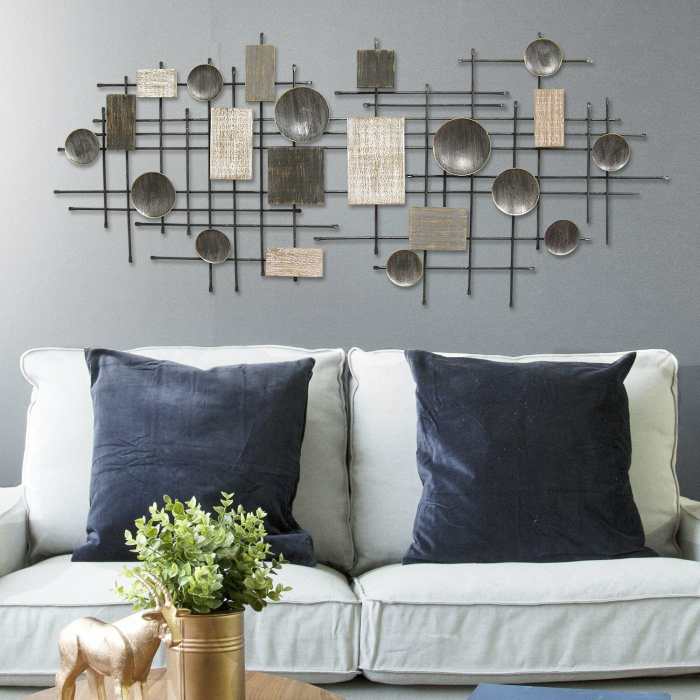
Industrial style wall decor draws inspiration from the aesthetic of factories, warehouses, and other industrial spaces. Its hallmark is a raw, utilitarian beauty, celebrating the inherent textures and materials of the structures themselves, rather than concealing them. This style emphasizes functionality and a sense of history, often incorporating repurposed elements to create a unique and characterful space.
The defining characteristics of industrial style wall decor stem from its origins in repurposed industrial spaces. This inherent history is reflected in the materials, colors, and overall design philosophy. The style avoids overly polished or refined aesthetics, instead embracing the imperfections and textures that tell a story of age and use.
Materials Used in Industrial Wall Decor
The choice of materials is crucial in achieving the authentic industrial look. Materials are selected for their durability, functionality, and inherent aesthetic qualities, often reflecting the raw materials of industrial settings. The focus is on materials that convey a sense of strength and longevity.
Common materials include exposed brick, a hallmark of industrial architecture, offering a rugged texture and a warm, earthy tone. Metal, particularly steel, iron, and wrought iron, is frequently used in various forms—from pipes and gears to sheet metal panels and decorative accents. Wood, often reclaimed or with a distressed finish, provides a contrasting element of warmth and texture against the coolness of metal and brick.
Concrete, another material deeply rooted in industrial construction, can also feature prominently, either as a wall surface or in decorative elements.
Color Palettes in Industrial Style Wall Decor
The color palette of industrial style wall decor reflects the muted tones found in factories and warehouses. The emphasis is on a neutral and earthy base, allowing the textures of the materials to take center stage.
Common colors include various shades of gray, from light charcoal to deep slate. These are often complemented by browns, inspired by wood and rusted metal. Black is frequently used as an accent color, highlighting metalwork or providing a strong contrast against lighter backgrounds. Occasionally, pops of brighter colors like deep reds or mustard yellows can be incorporated, but they are typically used sparingly to avoid disrupting the overall sense of understated elegance.
Industrial Style Mood Boards: Three Variations
The industrial style offers considerable flexibility, allowing for diverse interpretations depending on the desired atmosphere. Three distinct mood boards illustrate this versatility.
Mood Board 1: Rustic Industrial: This mood board emphasizes the warmth and texture of reclaimed wood and exposed brick. The color palette centers around warm grays, browns, and hints of deep red. Imagine a wall featuring reclaimed wood planks, accented by exposed brick, with metal sconces providing warm, ambient lighting. A large, rustic metal clock adds a focal point, further enhancing the sense of aged history and functionality.
Mood Board 2: Modern Industrial: This variation embraces cleaner lines and a more minimalist approach. The color scheme is predominantly composed of cool grays and blacks, with metal playing a dominant role. Picture a wall clad in sleek, dark metal panels, perhaps with a grid pattern, punctuated by strategically placed industrial-style shelving units. Minimalist metal lighting fixtures provide functional illumination, enhancing the sleek, contemporary feel.
Mood Board 3: Urban Industrial: This mood board blends the industrial aesthetic with urban elements. The color palette incorporates darker grays, blacks, and touches of deep blue. Envision a wall featuring a combination of exposed brick, metal accents, and perhaps even a repurposed vintage sign or map. The overall effect is a sophisticated yet gritty urban vibe, reflecting the energy and history of a bustling city.
Popular Elements of Industrial Wall Decor
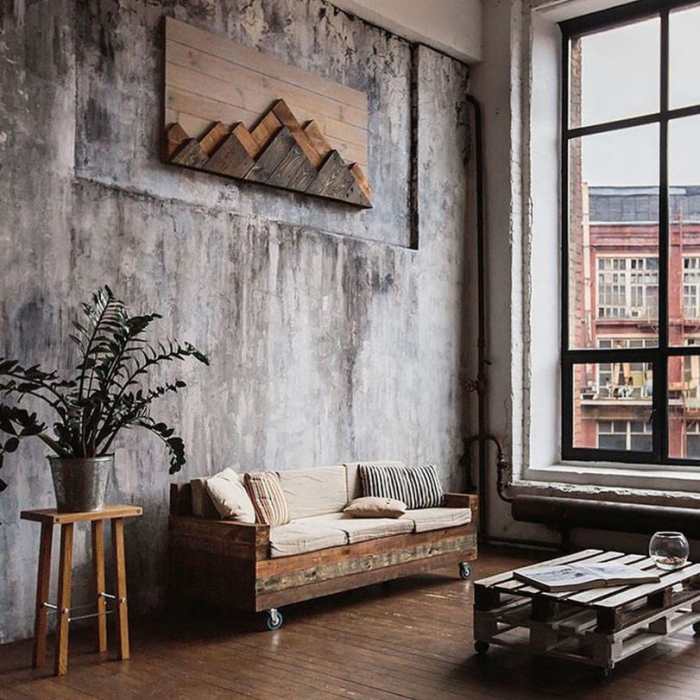
The aesthetic of industrial-style wall decor stems from a fascination with the raw, functional beauty of factories and warehouses. This style celebrates exposed materials, metallic accents, and a sense of history, creating a space that feels both sophisticated and lived-in. Understanding the key elements allows for the thoughtful curation of a truly authentic industrial aesthetic.
The inherent appeal of industrial design lies in its ability to blend functionality with a unique visual character. The repurposing of materials and the embrace of imperfection are central to its ethos. This approach contrasts sharply with more sterile, minimalist styles, offering a richer, more textured visual experience.
Reclaimed Materials in Industrial Wall Decor
Reclaimed wood, metal, and even brick are fundamental to the industrial aesthetic. These materials carry the weight of history, their imperfections telling stories of past uses. The incorporation of such elements instantly imbues a space with character and authenticity. For instance, a reclaimed wood pallet, stripped and refinished, can become a striking wall shelf, showcasing the unique grain and texture of the wood.
Similarly, old metal signs, once directing factory workers, can be repurposed as artistic wall hangings, their faded paint adding to their vintage charm. The use of reclaimed brick, perhaps from a demolished building, can create a striking feature wall, echoing the texture and ruggedness of industrial architecture.
Metallic Accents in Industrial Wall Decor
Metal plays a starring role in industrial wall decor. The use of metallic accents, whether in the form of lighting fixtures, wall sconces, or decorative elements, is crucial in establishing the aesthetic. The raw, unpolished look of steel, iron, or copper complements the rough textures of other materials. For example, a steel pipe shelving unit, perhaps with exposed rivets and welds, can serve both a functional and decorative purpose.
Alternatively, a collection of vintage metal containers, perhaps repurposed as planters or storage units, can add a touch of industrial chic. The reflective properties of metals also contribute to the overall ambience, adding depth and visual interest to the space.
Popular Wall Decor Items Categorized by Material
The versatility of industrial design allows for a wide array of materials to be incorporated into wall decor. The following list exemplifies the common materials and their typical applications:
Understanding the material properties and their aesthetic contribution is key to creating a cohesive and impactful industrial-style interior. The choice of material significantly impacts the overall feel and visual weight of the design.
| Material | Examples of Wall Decor Items |
|---|---|
| Reclaimed Wood | Shelves, framed artwork, wall panels, pallet art |
| Metal (Steel, Iron, Copper) | Signs, pipes, gears, sconces, lighting fixtures, decorative containers |
| Brick | Feature walls, exposed brick accents |
| Concrete | Concrete panels, textured wall finishes |
| Glass | Factory-style windows, industrial-style mirrors |
Creating Industrial Style Wall Decor
The allure of industrial design lies in its raw, functional aesthetic, often incorporating repurposed materials and a celebration of the manufacturing process. Creating your own industrial wall decor allows for unparalleled personalization and the satisfaction of transforming discarded items into unique works of art. This section details the processes involved in crafting several popular industrial-style wall pieces.
Metal Wall Sculpture Construction
Constructing a metal wall sculpture involves several steps, beginning with design conceptualization. The design should consider the available materials and the desired final aesthetic. For instance, a simple geometric design using readily available scrap metal is a great starting point. Next, gather the necessary materials: metal sheets or scraps of varying thicknesses (consider using mild steel or aluminum for ease of manipulation), cutting tools (such as a metal shear or angle grinder with a cutting disc), a welding machine (or alternative joining method like rivets or strong adhesive, depending on skill and design), and finishing materials (primer, paint, or a clear coat sealant).The fabrication process involves cutting the metal pieces to the desired shapes and sizes, precisely following the design blueprint.
Accurate measurements are crucial to ensure the sculpture’s structural integrity. Next, the individual components are joined using the chosen method. Welding offers a strong, permanent bond, but requires appropriate safety precautions and skill. Alternatively, riveting creates a visually interesting effect, while strong adhesives provide a less permanent, simpler joining method. Finally, the completed sculpture is primed to prevent rust and then painted or sealed to achieve the desired finish.
A distressed effect can be achieved by applying paint unevenly or using a wire brush to expose the underlying metal.
Repurposing Old Pallets into Wall Shelves
Old wooden pallets, often discarded as waste, offer a readily available and cost-effective material for crafting industrial-style wall shelves. The process begins with selecting pallets in good condition, free from significant damage or rot. Thorough cleaning is essential to remove dirt, debris, and any potential pests. Sanding the wood surfaces smooths them, enhancing both aesthetics and safety.
The next step involves disassembling the pallet, carefully separating the planks. Any damaged or unusable planks should be discarded. The planks are then cut to the desired lengths and widths for the shelves. Precise measurements are critical for creating a uniform and aesthetically pleasing shelf unit. The cut ends should be sanded smooth to prevent splintering.The shelves can be arranged in a variety of configurations, either vertically or horizontally, depending on the available wall space and personal preference.
A simple bracket system using metal brackets or even repurposed metal scraps can be used to attach the shelves to the wall. The chosen attachment method should be robust enough to support the weight of the intended items. A final protective coat of varnish or sealant is recommended to enhance durability and protect the wood from moisture damage.
The final product is a robust, visually appealing set of shelves that perfectly embodies the industrial aesthetic.
Distressed Wood Effect on a Wall Sign
Creating a distressed wood effect on a wall sign involves manipulating the wood’s surface to give it an aged, weathered appearance. Begin by choosing a suitable wood type, such as reclaimed wood or pine, and cutting it to the desired sign dimensions. The surface should be sanded smooth to provide a uniform base for the distressing process. The next step involves applying a base coat of paint; a darker color works well to enhance the distressed effect.
Once dry, apply a lighter contrasting color as a topcoat. While the topcoat is still slightly wet, use sandpaper (medium grit) to partially remove the topcoat, revealing the underlying darker color. This process creates a worn, uneven texture. Focus on the edges and corners to create a more realistic distressed look. To further enhance the effect, you can use a wire brush to scratch the surface, creating subtle grooves and texture.
Alternatively, a dry-brushing technique, applying paint with a nearly dry brush, can add subtle highlights and variations in color. Once satisfied with the distressed effect, apply a clear sealant to protect the finish and prevent the paint from chipping or fading. The final result is a wall sign that appears authentically aged and weathered, reflecting the character of industrial design.
DIY vs. Pre-Made Industrial Wall Decor
| Feature | DIY Method | Pre-Made Decor |
|---|---|---|
| Cost | Potentially lower, depending on materials | Generally higher |
| Uniqueness | Highly unique and personalized | Less unique, mass-produced |
| Time Investment | Requires significant time and effort | Immediate gratification |
| Skill Level | Varies depending on project complexity | No skill required |
Industrial Wall Decor in Different Spaces
The adaptability of industrial style lies in its ability to seamlessly integrate into diverse living spaces, transforming their aesthetic and functionality. The raw materials and utilitarian designs, while inherently suited to certain environments, can be carefully curated and softened to complement others. This section explores the nuanced application of industrial wall decor across different room types, showcasing its versatility and highlighting design considerations.
Industrial Wall Decor in Living Rooms versus Home Offices
The application of industrial wall decor differs significantly between living rooms and home offices, reflecting the contrasting functional needs and desired atmospheres of these spaces. In a living room, the focus is on creating a welcoming and relaxed environment. Here, industrial elements might be softened with warmer textures like reclaimed wood shelving units featuring exposed metal brackets, or a gallery wall displaying black and white photography in simple metal frames.
The use of color plays a key role; incorporating muted greens or warm greys can temper the starkness of metal and concrete finishes. Conversely, a home office demands a more focused and efficient atmosphere. Industrial design in this context might emphasize functionality with sleek metal shelving units for storage, a large reclaimed wood desk, and a single, impactful piece of wall art, such as a large-scale blueprint or a vintage factory sign.
The color palette leans towards neutral tones to promote concentration, with pops of color carefully considered and limited. The contrast lies in the balance between aesthetic appeal and practical functionality; the living room prioritizes comfort, while the home office emphasizes productivity.
Visual Representation of Industrial Wall Decor
The visual impact of industrial-style wall decor hinges on a carefully orchestrated interplay of light, texture, and color, evoking a sense of raw, functional beauty. The aesthetic draws inspiration from the architecture and materials of factories and warehouses, translating these elements into a sophisticated and often surprisingly warm domestic setting. Analyzing specific examples allows for a deeper understanding of this style’s visual power.
Image Descriptions of Industrial Wall Decor
Three distinct images showcase the versatility of industrial wall decor. First, imagine a reclaimed wood wall, its surface deeply textured with knots and grain variations, painted a muted grey. Against this backdrop, a series of vintage metal signs, their surfaces exhibiting signs of wear and rust, are strategically arranged. Warm, incandescent lighting from a filament bulb pendant casts long shadows, accentuating the textures and creating a sense of depth.
The color palette is predominantly neutral, with the grey wood balanced by the rusty browns and faded blues of the signs. The overall effect is one of rugged elegance, hinting at a history of use and repurposing.Secondly, picture a scene featuring a smooth, polished concrete wall, its grey surface reflecting the light from strategically placed spotlights. Here, the focus shifts to minimalist metal shelving units, geometrically precise and unadorned, displaying a collection of glass apothecary jars and industrial-style lamps.
The cool, crisp light highlights the clean lines of the metal and the subtle variations in the concrete’s texture. The color palette is monochromatic, emphasizing the interplay of light and shadow. This image conveys a sense of modern industrial chic, highlighting clean lines and functional design.The third image depicts a brick wall, its rich red tones softened by age and exposure.
Against this backdrop, a large, distressed metal clock with exposed gears and a roman numeral face commands attention. Soft, diffused lighting from recessed fixtures subtly illuminates the scene, avoiding harsh shadows. The color palette combines the warm earth tones of the brick with the cool grey of the metal clock, creating a visually appealing contrast. This image balances rustic charm with a sense of precision and functionality.
Visual Impact of a Large Metal Clock on a Brick Wall
A large metal clock, its face weathered and its gears partially exposed, affixed to a brick wall creates a powerful visual statement. The contrast between the rough texture of the brick, its uneven surface a testament to time and wear, and the smooth, cool metal of the clock creates a dynamic tension. The clock itself becomes a focal point, a symbol of time’s passage set against a backdrop of enduring strength.
The interplay of light and shadow on the clock’s face and the brickwork adds further depth and visual interest, transforming a simple timekeeping device into a piece of art. The size of the clock, its imposing presence, further emphasizes its role as a dominant element in the overall design. This juxtaposition of materials and textures, combined with the strategic use of lighting, creates a captivating and memorable visual experience.
Detailed Descriptions of Industrial Wall Decor Textures
The textures found in industrial wall decor are integral to its aesthetic appeal. Rusted metal, for instance, displays a complex surface, characterized by pitting, flaking, and uneven coloration. The variations in color, from deep oranges and reds to muted browns and blacks, reflect the oxidation process, a natural consequence of exposure to the elements. This texture is tactile, hinting at a history of use and exposure to the environment, embodying the rugged beauty of industrial spaces.Smooth concrete, in contrast, offers a different tactile experience.
While it can vary in color from light grey to almost black, its surface is typically uniform, with a subtle sheen that reflects light. The lack of significant texture emphasizes the clean lines of the surrounding elements, creating a minimalist and modern aesthetic. The smooth surface contrasts beautifully with rougher textures, such as exposed brick or wood.Rough wood, often reclaimed from old structures, possesses a unique texture characterized by knots, grain patterns, and variations in color.
The surface is uneven, with a tactile quality that speaks to its history. The wood’s color can range from light browns and golden hues to deep, rich browns and almost black tones depending on the type of wood and its age. This texture adds warmth and rustic charm to the industrial aesthetic, balancing the cool tones of metal and concrete.
Ultimately, industrial style wall decor is more than just a trend; it’s a design philosophy that celebrates history, craftsmanship, and the beauty of imperfection. By understanding its fundamental elements and applying creative ingenuity, you can effortlessly infuse your living space with the unique character and raw sophistication of this enduring style. Whether you opt for a bold statement piece or a curated collection of smaller accents, the possibilities are as limitless as your imagination.
The journey into industrial design is a rewarding one, filled with the satisfaction of transforming raw materials into stunning works of art that reflect your personal style and enhance your home’s ambiance.
FAQ Summary
What are the best lighting choices for industrial wall decor?
Exposed filament bulbs, Edison-style lamps, and metallic pendant lights complement the industrial aesthetic beautifully. Track lighting is also a practical and stylish option.
How can I incorporate industrial style into a small space without making it feel cramped?
Opt for lighter color palettes, strategically placed mirrors to maximize light and create an illusion of space, and smaller-scale industrial elements to avoid overwhelming the room.
Are there any safety considerations when working with reclaimed materials for DIY projects?
Always wear appropriate safety gear, including gloves and eye protection. Thoroughly inspect reclaimed wood for splinters or nails before use. When working with metal, take precautions against sharp edges and potential rust.
How do I clean industrial style wall decor?
Cleaning methods vary depending on the material. Metal can be cleaned with a damp cloth and mild soap. Wood should be dusted regularly and cleaned with a wood-specific cleaner. For concrete, a damp cloth is usually sufficient.
Where can I find reclaimed materials for industrial DIY projects?
Check local salvage yards, antique stores, flea markets, and even construction sites (with permission). Online marketplaces can also be a good source.
Leave a Reply