The pursuit of luxury in home decor transcends mere expense; it’s an art form blending aesthetics, tactile experience, and thoughtful design. This journey explores the science of creating opulent spaces, delving into the psychological impact of color palettes, the physics of light, and the ergonomic principles of furniture placement. We will unravel the secrets to transforming a house into a haven of refined elegance, a sanctuary where comfort and sophistication intertwine.
From the subtle sheen of silk to the cool smoothness of marble, each material choice contributes to a symphony of sensory experiences. Understanding the nuances of texture, color, and light allows for the creation of environments that not only look luxurious but also evoke specific emotions and enhance well-being. This exploration will equip you with the knowledge to curate a space that truly reflects your unique personality and aspirations.
Defining Luxury in Home Decor
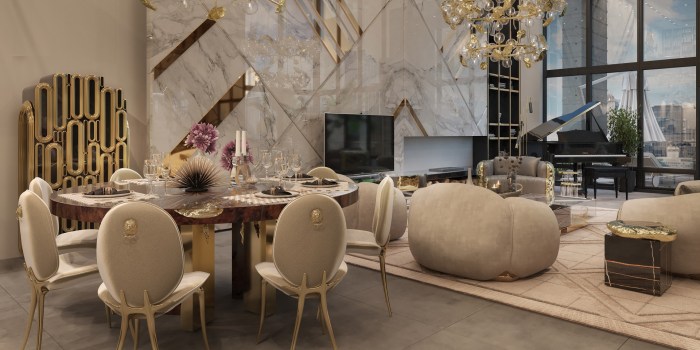
Luxury in home decor transcends mere expense; it’s an experience crafted through meticulous attention to detail, the thoughtful selection of materials, and the creation of an atmosphere that evokes a sense of refined elegance and unparalleled comfort. It’s about investing in quality, not just quantity, and understanding the subtle interplay between form and function to achieve a harmonious and sophisticated living space.
The perception of luxury is subjective, influenced by individual tastes and cultural contexts. However, certain materials and design principles consistently contribute to the creation of a luxurious ambiance. The tactile and visual qualities of these materials play a crucial role in shaping the overall sensory experience.
Luxury Materials in Home Decor
Several materials are frequently associated with high-end interior design, owing to their inherent qualities and the craftsmanship involved in their application. These materials often possess a unique combination of visual appeal and tactile comfort, contributing to a sense of opulence and exclusivity.
| Material | Tactile Qualities | Visual Appeal | Example Application |
|---|---|---|---|
| Silk | Smooth, lustrous, and incredibly soft; drapes beautifully. | Rich sheen with a subtle luminosity; comes in a vast array of colors and patterns. | Draperies, bedding, upholstery |
| Cashmere | Exquisitely soft, lightweight, and warm; feels luxurious against the skin. | Subtle sheen; often in neutral tones, but can be dyed vibrant colors. | Throws, blankets, scarves |
| Marble | Cool, smooth, and heavy; possesses a unique veining pattern. | Dramatic veining and color variations; conveys a sense of timeless elegance. | Countertops, flooring, fireplace surrounds |
| Leather | Durable, supple, and develops a unique patina over time; varies in texture depending on the tanning process. | Rich, warm tones; conveys a sense of sophistication and timelessness. | Upholstery, accessories |
Expensive vs. Luxurious in Home Decor
While expensive items can certainly contribute to a luxurious aesthetic, the two concepts are not interchangeable. Expensive decor might involve purchasing mass-produced items at a high price point, lacking the unique craftsmanship, quality materials, or thoughtful design that defines true luxury. Luxury, in contrast, focuses on the inherent quality and enduring value of the pieces selected, reflecting a discerning eye and an appreciation for lasting style.
A hand-knotted rug made from high-quality wool, for example, is luxurious, while a mass-produced imitation may be expensive but lacks the same inherent quality and artistry.
Minimalism and Luxury: The “Less is More” Principle
Contrary to popular belief, luxury doesn’t necessitate a cluttered or overly ornate space. In fact, minimalism often plays a crucial role in enhancing the luxurious feel of a home. By carefully curating a selection of high-quality pieces, each with its own unique story and character, a sense of spaciousness and understated elegance is achieved. Over-decoration can detract from the beauty of individual items and the overall harmony of the space.
For example, a single, exquisitely crafted sculpture might command more attention and appreciation than a collection of less-impressive pieces. Similarly, a sparsely furnished living room with a statement piece of furniture, such as a handcrafted sofa upholstered in high-quality leather, will project more luxury than a room crammed with mass-produced furniture. The focus shifts from quantity to quality, allowing each element to breathe and shine.
Color Palettes and Mood Setting
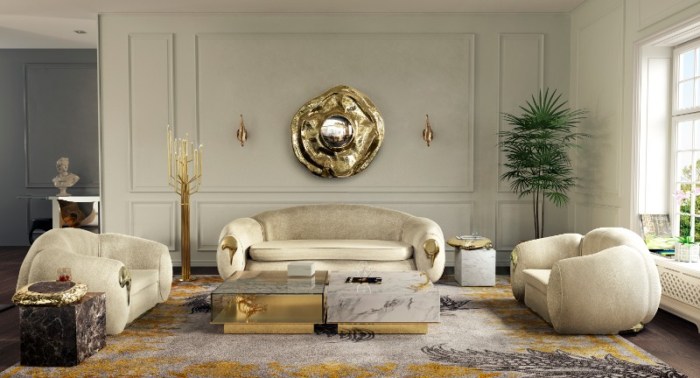
The interplay of color and light is fundamental to achieving a luxurious ambiance. Color psychology, a field exploring the effects of color on human behavior and emotion, provides a scientific basis for crafting interior spaces that evoke specific feelings. By carefully selecting color palettes and strategically deploying lighting, designers can manipulate the atmosphere of a room, creating spaces that are simultaneously calming, stimulating, and sophisticated.
Understanding the nuanced impact of color and light allows for the precise crafting of luxury environments.
Luxury Color Palettes for Different Rooms
The following palettes demonstrate how distinct color combinations can be used to create different moods in various rooms. The hex codes provided offer precise color specifications for implementation. Note that perceived color can be influenced by lighting conditions and surrounding colors.
- Living Room: Warm and Inviting
- Base Color: #F2E9E4 (Warm Ivory)
-Evokes feelings of comfort, spaciousness, and elegance. It acts as a neutral backdrop that enhances other colors. - Accent Color 1: #A0522D (Sienna)
-Adds warmth and richness, suggesting earthiness and sophistication. Its deep tone grounds the lighter ivory. - Accent Color 2: #8B4513 (Saddle Brown)
-Introduces a touch of masculinity and depth, balancing the warmth of sienna without overwhelming the space. This darker accent creates visual interest and contrast.
- Base Color: #F2E9E4 (Warm Ivory)
- Bedroom: Serene and Relaxing
- Base Color: #D3D3D3 (Light Grey)
-Creates a sense of calm and neutrality, promoting relaxation and sleep. Its subtle coolness is calming and not overpowering. - Accent Color 1: #696969 (Dim Grey)
-Adds a touch of sophistication and depth without being too dark. The contrast between the light and dim grey is subtle and elegant. - Accent Color 2: #AFEEEE (Pale Turquoise)
-Introduces a hint of tranquility and freshness, reminiscent of a calm ocean. This pale color adds a touch of visual interest without disrupting the calming atmosphere.
- Base Color: #D3D3D3 (Light Grey)
- Bathroom: Clean and Luxurious
- Base Color: #FAF0E6 (Linen)
-Provides a clean, bright, and spacious feel. The slightly off-white color is warm and inviting, yet crisp and clean. - Accent Color 1: #ADD8E6 (Light Blue)
-Evokes feelings of cleanliness, serenity, and spaciousness. It is a calming color that complements the linen base. - Accent Color 2: #800080 (Purple)
-Adds a touch of luxury and sophistication. Used sparingly, purple adds a touch of royalty and elegance without being overwhelming.
- Base Color: #FAF0E6 (Linen)
Lighting and the Perception of Luxury
Lighting is crucial in amplifying the luxurious feel of a home. Different types of lighting serve distinct purposes, and their skillful integration is paramount.
- Ambient Lighting: Provides overall illumination, setting the mood. In luxury settings, this might involve recessed lighting with dimmers for adjustable brightness, or sophisticated chandeliers that serve as both functional and decorative elements. The goal is to create a soft, even glow that enhances the overall atmosphere.
- Task Lighting: Provides focused light for specific activities, such as reading or applying makeup. In a luxury context, this might involve elegant table lamps with adjustable arms, or discreetly integrated under-cabinet lighting in kitchens. The light should be functional and stylish.
- Accent Lighting: Highlights architectural features, artwork, or decorative objects. This could include track lighting to showcase paintings, or strategically placed spotlights to draw attention to unique design elements. The aim is to create visual interest and showcase luxury details.
Creating a Calming and Sophisticated Atmosphere
Combining carefully selected color palettes with strategic lighting creates a luxurious and tranquil atmosphere. For instance, a living room with warm ivory walls, accented by sienna and saddle brown, benefits from warm-toned ambient lighting (e.g., incandescent or halogen bulbs) supplemented by task lighting (e.g., a stylish floor lamp) for reading. In a bedroom, cool-toned ambient lighting combined with a serene color palette can create a relaxing space conducive to sleep.
The use of dimmers allows for adjusting the intensity of the light to suit different moods and times of day. In bathrooms, brighter lighting is essential for functionality, but warm-toned accent lighting can enhance the luxurious feel.
Furniture Selection and Placement
The strategic selection and placement of furniture are paramount in achieving a truly luxurious living room. Beyond mere aesthetics, the arrangement dictates the flow of energy, the functionality of the space, and the overall feeling of comfort and opulence. Careful consideration of scale, proportion, and style creates a harmonious and visually stunning environment.
Creating a luxurious atmosphere involves understanding the interplay between furniture pieces, their individual characteristics, and their collective impact on the room’s ambiance. The following table Artikels five essential furniture pieces for a luxurious living room, detailing their style, material, and ideal placement.
Essential Luxury Living Room Furniture
| Furniture Piece | Style | Material | Functionality & Placement |
|---|---|---|---|
| Sectional Sofa | Modern or Traditional, depending on overall design | High-quality leather or velvet | Provides ample seating; ideally positioned to face the fireplace or focal point, allowing for comfortable conversation and relaxation. Consider a large sectional for expansive rooms, a smaller one for cozier spaces. |
| Statement Armchair | Art Deco or Mid-Century Modern, offering a visual contrast to the sofa | Luxurious fabric (e.g., silk, linen) or richly toned wood | Provides additional seating and a visually interesting element; placed near a window for natural light or beside a coffee table for easy access. |
| Coffee Table | Matching or complementary style to sofa and armchair | Marble, polished wood, or glass | Serves as a central hub for drinks, books, and decorative objects; positioned within easy reach of the seating area. Size should be proportionate to the sofa and the room’s dimensions. |
| Console Table | Elegant and refined style, reflecting the overall aesthetic | Wood with inlaid details or metallic accents | Provides a surface for displaying artwork, lamps, or decorative items; typically placed behind the sofa or against a wall, creating a visually appealing focal point. |
| Area Rug | Style should complement the furniture | High-pile wool, silk, or a luxurious blend | Anchors the seating area and adds warmth and texture; should be large enough to accommodate most of the furniture in the seating group, with some furniture legs resting on it. |
Scale and Proportion in Luxury Furniture Arrangement
The principle of scale and proportion dictates the harmonious relationship between furniture pieces and the overall space. In luxury design, this translates to selecting furniture that is appropriately sized for the room, avoiding overcrowding or creating a sense of emptiness. For instance, a diminutive sofa in a vast living room would appear lost, while an oversized one in a small room would feel overwhelming.
Maintaining a balanced ratio between furniture pieces and the room’s dimensions creates a sense of elegance and sophistication. Careful consideration of negative space—the empty areas around furniture—is equally crucial in achieving a visually pleasing and uncluttered arrangement. For example, a large room with minimal furniture can feel spacious and luxurious, while a small room with too much furniture can feel cramped.
Comparison of Furniture Styles in Luxury Homes
Different furniture styles contribute distinct aesthetics to a luxury home. Modern furniture, characterized by clean lines, minimalist designs, and the use of innovative materials like polished steel and glass, evokes a sense of sophistication and contemporary elegance. Think of a sleek, low-profile sofa with chrome legs and a glass coffee table. Traditional furniture, conversely, embraces ornate details, rich fabrics, and classic silhouettes.
Examples include intricately carved wooden chairs, plush velvet sofas, and antique sideboards. Mid-century modern furniture, a blend of both, combines clean lines with organic forms and incorporates materials like teak and walnut, creating a timeless and refined ambiance. Consider a pair of Eames Lounge Chairs or a credenza with tapered legs. The choice of style depends on the overall design vision for the home and the desired atmosphere.
Incorporating Textures and Patterns
The interplay of textures and patterns is crucial in achieving a luxurious aesthetic. More than just visual appeal, these elements engage our senses, creating a multi-sensory experience that defines true opulence. The strategic combination of textures adds depth and complexity, while carefully chosen patterns introduce visual interest and sophistication. Understanding the interplay of these elements allows for the creation of spaces that are both visually stunning and profoundly comfortable.
The selection of textures and patterns should be guided by a holistic design approach, considering the overall color palette and mood. A cohesive design will seamlessly integrate these elements, resulting in a harmonious and luxurious atmosphere.
Luxury Textures: Tactile and Visual Qualities
Three distinct textures—velvet, linen, and leather—consistently evoke a sense of luxury. Their unique properties contribute to a sophisticated and comfortable environment. The following details highlight their sensory appeal.
- Velvet: Velvet’s visual appeal stems from its deep pile, which creates a rich, lustrous sheen that catches and reflects light. This creates a sense of depth and opulence. Tactilely, velvet is incredibly soft and smooth, offering a luxurious feeling against the skin. Its inherent softness contributes to a sense of comfort and indulgence. The density of the pile also contributes to its sound-absorbing qualities, further enhancing the feeling of quiet luxury.
- Linen: Linen, a natural fiber, possesses a unique texture that is both refined and rustic. Its slightly irregular surface creates a subtle visual interest, with a slight sheen that varies with the weave and light. Tactilely, linen is known for its crispness and strength, yet it also offers a comfortable drape. The natural irregularities of the fiber provide a pleasing texture to the touch, contributing to a sense of relaxed sophistication.
- Leather: Leather’s luxury is rooted in its natural origin and its rich history. Its visual appeal comes from its unique grain and subtle variations in tone and texture. These natural variations are celebrated rather than concealed, adding character and authenticity. Tactilely, leather is known for its smooth, supple feel, its inherent warmth, and its lasting durability. The richness of its texture and the sense of heritage it evokes contribute significantly to its luxurious appeal.
Luxury Pattern Design: Motif and Color Palette
A sophisticated pattern for luxury wallpaper or upholstery could be inspired by Art Deco geometry. This style is known for its elegance and sophistication, utilizing geometric shapes and repeating motifs. The design could incorporate stylized floral elements within a geometric framework, offering a balance between organic and structured forms.
The color palette should complement the overall room design. A sophisticated choice would be a combination of deep emerald green, champagne gold, and ivory. The emerald green provides a grounding richness, the gold adds a touch of opulence, and the ivory creates a sense of lightness and airiness. These colors work together to create a visually striking yet harmonious pattern.
Combining Textures and Patterns: Achieving Visual Harmony
Successfully combining different textures and patterns requires a careful balance. The key is to create visual interest without overwhelming the space. One effective strategy is to use a dominant texture, such as velvet upholstery on a sofa, and then introduce other textures in smaller accents, such as linen cushions or a leather ottoman. This creates a hierarchy of textures, preventing visual chaos.
Similarly, patterns should be carefully considered. A large-scale pattern on a wallpaper can be balanced with smaller-scale patterns on textiles, or solid-colored pieces. The scale and complexity of patterns should be varied to prevent monotony, but not to the point of creating a clashing effect. Consider using a repeating motif across different items, such as a subtle floral pattern in both the wallpaper and the curtains, to create a sense of cohesion.
The overall aim is to create a layered and sophisticated look that feels both luxurious and comfortable.
Accessorizing for Luxury
Accessorizing is the final, crucial step in creating a truly luxurious home. It’s where personality shines through, transforming a beautifully designed space into a reflection of its inhabitants’ unique tastes and refined sensibilities. The right accessories, carefully chosen and strategically placed, can elevate the entire aesthetic, creating a sense of depth, richness, and sophisticated comfort. Over-accessorizing, however, can lead to visual clutter, undermining the very luxury it aims to achieve.
A curated approach, focusing on quality over quantity, is paramount.The strategic placement of luxury accessories is as important as their selection. Consider the architectural features of the room, the existing furniture layout, and the overall color scheme. Accessories should complement, not compete, with the existing design. The principles of visual weight and balance should guide the placement, ensuring a harmonious and aesthetically pleasing result.
Luxury Accessory Selection and Placement
The impact of carefully chosen accessories cannot be overstated. Five examples that consistently elevate the ambiance of a room are:
- Statement Artwork: A large-scale piece, such as an original painting or a limited-edition print from a renowned artist, serves as a focal point. Its placement should be on a prominent wall, free from competing visual elements, allowing it to command attention and set the tone for the entire room. Consider lighting the artwork strategically to highlight its texture and color.
- Sculptural Pieces: A carefully chosen sculpture, whether abstract or representational, adds a three-dimensional element of sophistication. Place it on a pedestal, a side table, or a mantelpiece, ensuring it’s well-lit and visible from various angles. The scale of the sculpture should be proportionate to the room’s size to avoid overwhelming the space.
- Ornate Vases: High-quality vases, particularly those made from materials like hand-blown glass, porcelain, or ceramic, add elegance and refinement. They can be used to display fresh flowers or simply stand alone as decorative objects. Place them on side tables, mantels, or shelves, ensuring they are visible but not crowded.
- Antique or Vintage Clocks: A well-preserved antique or vintage clock, particularly one with intricate detailing or a unique design, adds a sense of history and timeless elegance. It should be placed in a location where it can be easily seen and appreciated, perhaps on a bookshelf or a side table. Its functionality complements its aesthetic appeal.
- High-End Textiles: Luxurious throws, cushions, or rugs in rich fabrics such as cashmere, silk, or velvet add tactile interest and visual warmth. These should be strategically placed to enhance the comfort and aesthetic appeal of seating areas, creating inviting and visually appealing spaces. The texture and color should complement the existing color scheme and furniture.
Incorporating Natural Elements for Luxury
Natural elements, when thoughtfully integrated, contribute significantly to creating a luxurious and inviting atmosphere. The biophilic design principle, which emphasizes the connection between humans and nature, suggests that incorporating natural elements can reduce stress and improve well-being.Examples of this approach include strategically placed potted plants, such as large-leafed Monsteras or elegant orchids, adding a touch of vibrant life and improving air quality.
The placement should be mindful of light requirements; orchids, for instance, prefer indirect sunlight. Fresh flowers in elegant vases introduce color and fragrance, while natural wood elements, such as a beautifully grained coffee table or a reclaimed-wood bookshelf, introduce warmth and texture. The use of natural materials like stone or marble in flooring or countertops further enhances this effect, creating a sense of calm and sophistication.
Curating a Cohesive and Sophisticated Accessory Collection
A successful luxury interior isn’t about accumulating accessories; it’s about curating a collection that reflects personal style while maintaining a cohesive and sophisticated look. This involves adhering to a consistent color palette, a unifying theme, or a particular style, be it minimalist, maximalist, or eclectic. The key is to avoid visual clutter and ensure every piece adds to the overall narrative of the space.
Mixing high-end pieces with carefully selected vintage or antique finds can add character and depth, while adhering to a unifying principle ensures a sense of order and sophistication. Regularly evaluating the collection and removing items that no longer serve the overall aesthetic helps maintain a clean, refined look.
Lighting Design for Luxury Ambiance
The art of luxury interior design hinges significantly on the strategic manipulation of light. Light is not merely functional; it’s a powerful tool that sculpts space, enhances textures, and evokes specific moods, directly impacting the overall perception of luxury. Understanding how different light sources interact with a space and how to control their intensity is paramount in achieving a truly opulent atmosphere.
This involves carefully selecting fixtures, employing sophisticated control systems, and strategically positioning light sources to highlight key architectural and artistic elements.
Different lighting fixtures possess unique qualities that contribute to the overall ambiance. The choice of fixture should align with the desired aesthetic and functional needs of the space. Incorrect lighting choices can drastically reduce the perceived luxury of a room, even if other elements are impeccably designed.
Impact of Different Lighting Fixtures on Ambiance
The interplay of light and shadow is a crucial aspect of creating a luxurious atmosphere. Each type of lighting fixture offers a distinct contribution to this interplay. The following points illustrate how various fixtures can impact the overall feel of a room.
- Chandeliers: These statement pieces instantly elevate a space, adding a sense of grandeur and opulence. The cascading light from a crystal chandelier, for instance, creates a dramatic, sparkling effect, ideal for formal dining rooms or grand entryways. The sheer size and intricacy of the fixture itself contribute to the perception of luxury. The refractive properties of crystal amplify the light source, creating a dazzling display of light and shadow.
- Sconces: Wall-mounted sconces provide soft, ambient lighting, ideal for creating a warm and inviting atmosphere. They can be used to highlight architectural details, such as molding or built-in shelving, or to flank a fireplace or mirror, enhancing the focal point. The placement of sconces allows for a more intimate and diffused light, perfect for creating a cozy atmosphere in a living room or bedroom.
- Pendant Lights: Pendant lights offer a versatile lighting solution, ranging from minimalist designs to elaborate statement pieces. They can be used to define zones within a larger space, such as a kitchen island or dining table. Their adjustable height allows for customized illumination, and their variety of styles caters to diverse design aesthetics, contributing to the overall luxury and sophistication of the space.
A well-chosen pendant light can act as a stunning focal point, drawing the eye and adding a touch of elegance.
Utilizing Dimmers and Smart Lighting Systems
Advanced lighting control systems significantly enhance the luxurious experience. The ability to adjust the intensity and warmth of light allows for personalized ambiance customization, transforming the mood of a room effortlessly. This level of control moves beyond simple on/off functionality to a more nuanced and sophisticated approach to lighting design.
Dimmers allow for seamless transitions between bright, functional lighting and softer, more intimate illumination. This subtle control over light intensity dramatically impacts the atmosphere. Smart lighting systems offer even greater capabilities, allowing for automated scenes, color temperature adjustments, and remote control via smartphone or voice assistants. For example, a pre-programmed “dinner party” scene could automatically dim the lights to a warm, inviting level, while a “movie night” scene might further reduce the brightness and adjust the color temperature to a warmer hue.
This technology contributes to a seamless and luxurious living experience, seamlessly integrating technology into the design.
Strategic Lighting Placement to Highlight Features
The strategic placement of lighting is crucial for showcasing architectural features and artwork. Poorly placed lighting can obscure details and diminish the impact of even the most exquisite design elements. Conversely, thoughtfully placed light sources can dramatically enhance the aesthetic appeal of a space, highlighting its unique characteristics.
Architectural features, such as coffered ceilings, crown molding, or intricate fireplaces, benefit from accent lighting. Recessed lighting or strategically placed track lighting can highlight these details, adding depth and dimension to the space. Artwork should be illuminated with dedicated lighting to prevent glare and showcase the colors and textures effectively. Picture lights or adjustable spotlights are ideal for this purpose.
The intensity and direction of the light should be carefully considered to avoid washing out colors or creating harsh shadows. For example, a strategically placed spotlight can highlight a textured wall, revealing the subtle nuances of its material, while a softly diffused light source can enhance the richness of a piece of artwork, drawing the eye to its details.
Creating a Luxurious Bathroom
Transforming a bathroom into a sanctuary of luxury involves a meticulous approach, blending aesthetics, functionality, and the science of relaxation. The design must cater to both the visual and sensory experiences, creating a space that rejuvenates and revitalizes. This requires careful consideration of layout, material selection, and the integration of spa-like elements.
Luxurious Bathroom Design Specifications
A truly luxurious bathroom transcends mere functionality; it becomes a personal retreat. Consider a layout that prioritizes spaciousness and flow. Imagine a large, open space with natural light flooding in from a large window.
The design incorporates a freestanding soaking tub crafted from Calacatta Gold marble, positioned to maximize natural light and offer views of the surrounding landscape (imagine a lush garden or tranquil cityscape). Adjacent to the tub, a walk-in shower features large-format porcelain tiles in a soft grey, creating a sense of calm and sophistication. The shower includes a rainfall showerhead and body jets for a truly immersive experience. High-quality chrome fixtures, with their inherent reflective properties, enhance the sense of spaciousness and elegance. A double vanity, also constructed from Calacatta Gold marble, provides ample counter space, complemented by undermount sinks and sleek, minimalist faucets. Integrated storage solutions maintain visual cleanliness. Finally, heated flooring provides a comforting warmth underfoot, further enhancing the spa-like atmosphere.
The Importance of Spa-like Elements in Luxury Bathroom Design
Incorporating spa-like elements is paramount in creating a luxurious bathroom experience. The science of relaxation involves manipulating sensory inputs to induce a state of calm. Warmth, as provided by underfloor heating and heated towel racks, promotes vasodilation, reducing muscle tension. The soft, diffused light minimizes visual stimulation, reducing stress hormones. Aromatherapy, through the use of essential oil diffusers, can further enhance relaxation by stimulating olfactory receptors linked to the limbic system, the emotional center of the brain.
The sound of gently running water, a feature often found in luxurious showers and tubs, has a calming effect, masking external noise and promoting meditative states. Finally, the tactile experience of soft towels and luxurious materials adds to the overall sensory experience.
Creating a Relaxing and Rejuvenating Atmosphere
Achieving a truly relaxing atmosphere requires attention to detail. Soft, indirect lighting, perhaps through recessed lighting and strategically placed sconces, is crucial. The use of natural materials like marble and wood introduces a sense of warmth and grounding. The selection of calming color palettes, such as muted greens, blues, or greys, further contributes to the serene ambiance.
Plants, particularly those known for their air-purifying qualities such as snake plants or spider plants, not only add visual interest but also improve air quality, contributing to a healthier and more relaxing environment. Finally, the incorporation of a high-quality sound system allows for the playing of calming music or nature sounds, further enhancing the spa-like atmosphere. The aim is to create a holistic sensory experience that promotes relaxation and rejuvenation.
Conclusive Thoughts
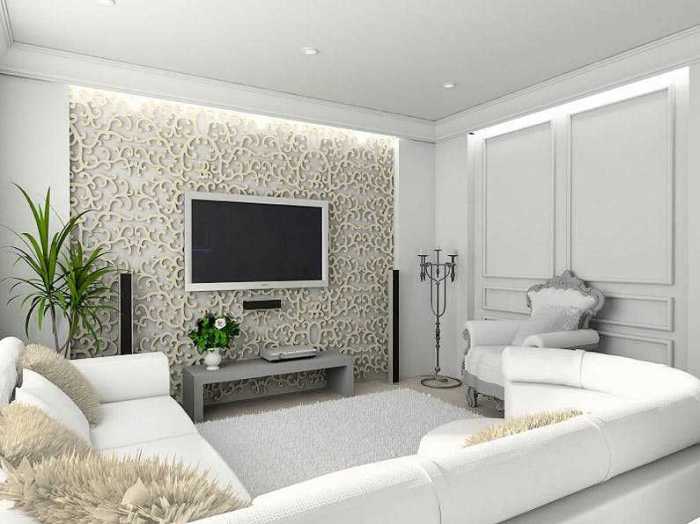
Creating a luxurious home is not simply about accumulating expensive items; it’s about curating an environment that resonates with your soul. By understanding the principles of design, material science, and the psychology of color and light, you can transform your living space into a sanctuary of refined elegance and comfort. Remember, the true essence of luxury lies in the thoughtful details, the harmonious blend of textures and patterns, and the creation of an atmosphere that nurtures and inspires.
The journey to a luxurious home is a process of mindful creation, a testament to your personal style and appreciation for the finer things in life.
FAQ Overview
What are some sustainable luxury materials I can use?
Sustainable luxury often involves using reclaimed wood, ethically sourced stone (like sustainably quarried marble), organic textiles (like linen or hemp), and recycled metals. These materials offer both environmental responsibility and high-end aesthetics.
How can I incorporate technology into my luxury home decor?
Smart lighting systems, automated window treatments, and integrated sound systems seamlessly blend technology with luxury. These technologies offer convenience and enhance the overall ambiance, creating a sophisticated and comfortable living experience.
How do I balance luxury with functionality?
Luxury doesn’t mean sacrificing functionality. Choose furniture and accessories that are both beautiful and practical. For example, a luxurious sofa should be comfortable and durable enough for everyday use. Prioritize quality over quantity, ensuring each piece serves a purpose while enhancing the aesthetic.
What are some affordable ways to achieve a luxurious look?
Focus on key elements: Invest in high-quality textiles for throws and cushions, use statement lighting fixtures, and incorporate natural elements like plants and flowers. Strategic use of mirrors can also create the illusion of space and amplify light, enhancing the overall luxurious feel without breaking the bank.
How important is professional help in luxury home design?
While DIY is possible, professional interior designers bring expertise in space planning, material selection, and achieving a cohesive design. Their experience can save time, money, and ensure a truly luxurious and well-executed result, especially for complex projects.
Leave a Reply