Modern minimalist home decor transcends mere aesthetics; it’s a philosophy of intentional living, reflected in clean lines, uncluttered spaces, and a curated selection of functional pieces. This approach, rooted in the principles of less-is-more, prioritizes quality over quantity, emphasizing the inherent beauty of simplicity and the power of negative space. We delve into the core tenets of this design style, exploring its nuances, from carefully chosen color palettes and materials to the strategic placement of furniture and lighting, ultimately revealing how to craft a home that is both visually stunning and remarkably serene.
The journey into modern minimalist design begins with understanding its fundamental principles. Unlike minimalist design which solely focuses on reduction, modern minimalism integrates sleek lines, sophisticated materials, and a touch of contemporary flair. This results in a space that feels both uncluttered and elegantly styled, a testament to the power of mindful curation. We’ll explore how to balance functionality with aesthetic appeal, transforming your living space into a sanctuary of calm and sophistication.
Defining Modern Minimalist Home Decor
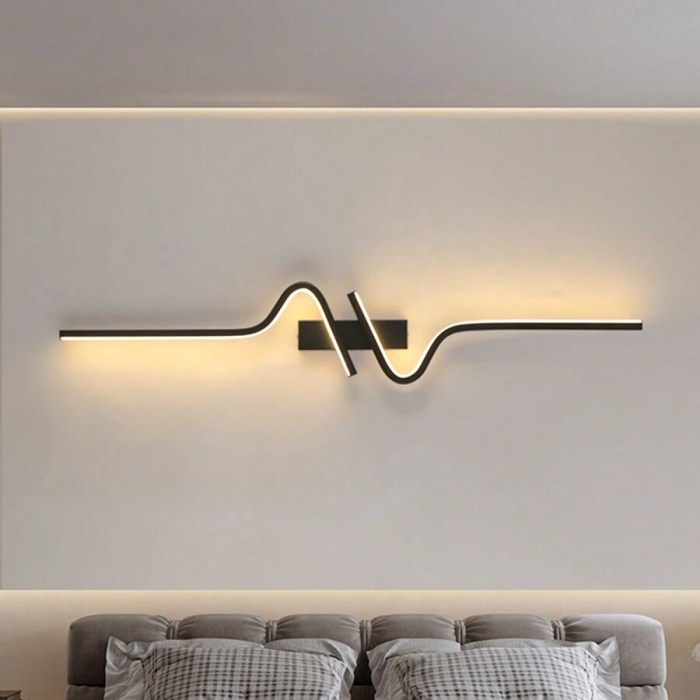
Modern minimalist home decor represents a design philosophy prioritizing functionality, simplicity, and clean lines. It’s a style that intentionally removes clutter and ornamentation, focusing instead on the inherent beauty of essential forms and high-quality materials. While often used interchangeably, modern and minimalist styles possess distinct characteristics, leading to a unique aesthetic blend in modern minimalist design.
Core Principles of Modern Minimalist Home Decor
The core principles of modern minimalist home decor revolve around intentional reduction. This involves carefully curating possessions, opting for multi-functional furniture, and employing a restrained color palette. The emphasis is on creating a sense of spaciousness and calm, free from visual distractions. This approach aligns with the broader minimalist philosophy of focusing on experiences rather than material possessions, a concept supported by research in positive psychology which shows that decluttering can reduce stress and improve mental well-being.
Furthermore, the use of natural light and strategic placement of key design elements maximizes the perceived space, contributing to a feeling of openness and serenity.
Key Differences Between Modern and Minimalist Styles
While both styles value clean lines and functionality, they differ in their origins and emphasis. Modern design, originating in the early 20th century, celebrates innovation and industrial aesthetics, often incorporating sleek metal and geometric shapes. Minimalism, on the other hand, emerged later as a reaction against excessive ornamentation, focusing on simplicity and essential forms. Modern design might embrace bolder colors and more complex forms, whereas minimalism prioritizes a neutral palette and extreme simplicity.
A modern home might feature a bold statement piece of furniture, while a minimalist space would likely prioritize functionality and seamless integration of elements.
Iconic Modern Minimalist Design Elements
Iconic elements in modern minimalist design often include: sleek, low-profile furniture with clean lines; neutral color palettes featuring shades of white, gray, and beige; the use of natural materials such as wood, stone, and concrete; a focus on natural light maximized through large windows and strategically placed mirrors; and a limited number of carefully selected accessories and artwork, often featuring abstract or geometric designs.
The overall effect is one of sophisticated simplicity and understated elegance. Consider, for example, the iconic Eames chair, a testament to the marriage of form and function that epitomizes modern design principles, and its often-seen integration into minimalist interiors.
Comparison of Modern Minimalist Decor with Other Styles
The following table compares modern minimalist decor with other popular styles, highlighting key differences in color palette, materials, and defining features.
| Style | Color Palette | Materials | Key Features |
|---|---|---|---|
| Modern Minimalist | Neutral (white, gray, beige), accented with pops of color | Wood, concrete, metal, glass | Clean lines, functionality, open space, minimal ornamentation |
| Scandinavian | Neutral (white, beige, light gray), accented with pastels | Wood, natural textiles, sheepskin | Functionality, natural light, cozy atmosphere, simple forms |
| Mid-Century Modern | Warm neutrals (browns, yellows, oranges), accented with jewel tones | Wood, metal, upholstery | Organic forms, tapered legs, bold geometric patterns |
Color Palettes and Material Choices
Modern minimalist design prioritizes simplicity and functionality, achieved not only through form but also through a carefully curated selection of colors and materials. The psychology of color and the tactile qualities of materials play a significant role in creating the desired atmosphere of calm and sophistication. This section will explore the typical color palettes and material choices that define modern minimalist aesthetics.
Neutral Color Palettes and Their Impact
Neutral colors form the bedrock of modern minimalist design. The prevalence of whites, grays, beiges, and blacks stems from their ability to create a sense of spaciousness and serenity. These hues recede visually, allowing architectural features and carefully chosen statement pieces to take center stage. Neutrals also provide a versatile backdrop, easily adaptable to shifts in personal style or seasonal decor.
The impact is a calming, uncluttered environment that promotes relaxation and focus. For instance, a predominantly white room will feel airy and bright, reflecting light to maximize the sense of space, while a gray palette can offer a more sophisticated and subdued atmosphere. The subtle variations within these neutral shades allow for depth and visual interest without overwhelming the minimalist aesthetic.
Material Selection in Modern Minimalist Design
The choice of materials in modern minimalist design is equally crucial. Natural materials such as wood, stone, and concrete are frequently favored for their inherent texture and understated elegance. Wood, particularly light-colored woods like oak or ash, introduces warmth and a sense of naturalness. Stone, such as marble or slate, brings a touch of luxury and sophistication.
Concrete, often used in flooring or accent walls, offers a clean, industrial aesthetic. Metals, such as brushed steel or brass, are used sparingly but effectively to add subtle accents and visual interest. The overall effect is a harmonious blend of textures and materials that contributes to the clean, uncluttered look of modern minimalism. The use of sustainable and ethically sourced materials is also becoming increasingly important within this design philosophy, reflecting a growing awareness of environmental responsibility.
Example Color Palettes for Modern Minimalist Spaces
The following palettes demonstrate the versatility of minimalist design, adaptable to different rooms and moods.
- Living Room: A base of warm white (#F8F6F4) is complemented by soft gray (#D3D3D3) for walls and accents. Touches of natural wood tones add warmth, and black (#1A1A1A) is used sparingly in furniture legs or light fixtures. This palette creates a welcoming and relaxed atmosphere.
- Bedroom: A serene palette of light gray (#A9A9A9) on the walls creates a calming backdrop. Subtle beige (#F5F5DC) accents are introduced through bedding or textiles. A darker gray (#808080) is used in smaller doses, perhaps on a bedside table or a piece of artwork, adding depth without disrupting the overall peacefulness.
- Kitchen: A crisp white (#FFFFFF) is the dominant color, creating a sense of cleanliness and spaciousness. Light wood (#E0FFFF) cabinetry adds warmth, while brushed steel (#C0C0C0) appliances and fixtures maintain a modern feel. A small amount of black (#000000) can be used for countertops or backsplash tiles, adding a touch of sophistication.
Furniture and Furnings
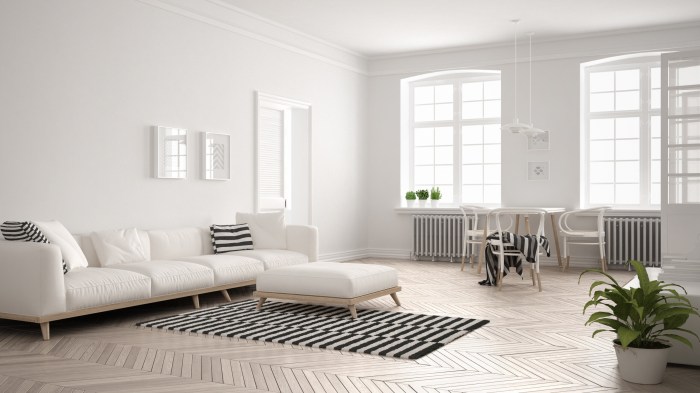
The selection of furniture is paramount in achieving a modern minimalist aesthetic. Functionality and clean lines are key principles, guided by the need to maximize space and minimize visual clutter. The pieces chosen should not only serve a purpose but also contribute to the overall sense of calm and order that defines this style. Understanding the principles of spatial design and material selection is crucial for creating a home that is both beautiful and practical.The core philosophy of modern minimalist furniture design emphasizes functionality over ornamentation.
This translates to pieces with simple, geometric shapes, often featuring clean lines and a lack of unnecessary embellishments. Materials are typically chosen for their durability, sustainability, and inherent beauty, with a focus on natural textures and neutral colors. This approach minimizes visual distractions, allowing the inherent elegance of the design to shine through.
Essential Furniture Pieces for a Modern Minimalist Home
A modern minimalist home prioritizes essential furniture, avoiding unnecessary items. Each piece must serve a clear purpose and contribute to the overall sense of spaciousness and serenity. Overcrowding is strictly avoided, allowing for ease of movement and a sense of openness. The selection process should be deliberate and thoughtful, focusing on quality over quantity.
Examples of Minimalist Furniture Designs
Consider a low-profile sofa with clean lines and neutral upholstery, such as a light grey linen fabric. Its simple design lacks unnecessary detailing, creating a sense of calm and spaciousness. Another example would be a dining table made from light oak wood with a simple, rectangular shape and tapered legs. The natural wood grain adds warmth without overwhelming the space.
A minimalist shelving unit, crafted from powder-coated steel with simple geometric shelves, offers practical storage without visual clutter. Its simple, almost industrial design complements a modern aesthetic.
Choosing Furniture to Maximize Space and Minimize Clutter
Furniture selection in a minimalist home directly impacts spatial perception. Choosing pieces with clean lines and neutral colors creates a sense of openness and avoids visual clutter. Multi-functional furniture, such as a sofa bed or a coffee table with built-in storage, is a valuable asset. Selecting furniture with legs, rather than bulky bases, helps to visually lighten the space, creating an illusion of greater size.
Prioritizing pieces with ample storage capabilities is also crucial in maintaining a clutter-free environment.
Furniture for a Small Modern Minimalist Apartment: Multi-Functional Pieces
In a small apartment, maximizing space and functionality is paramount. The following multi-functional furniture pieces can help achieve this goal:
- A sofa bed: Provides both seating and sleeping space, ideal for guests or smaller living areas.
- A coffee table with storage: Offers a surface for drinks and snacks while concealing items within its drawers or shelves.
- A wall-mounted desk: Saves floor space and provides a workspace when needed, easily folded away when not in use.
- Modular shelving: Allows for customizable storage solutions, adapting to changing needs and maximizing vertical space.
- Storage ottomans: Provide extra seating while doubling as storage for blankets, books, or other items.
Lighting and Decor Accessories
The interplay of light and carefully chosen accessories is paramount in achieving the serene, functional aesthetic of modern minimalist design. Light, in particular, transcends mere illumination; it sculpts space, defines textures, and dramatically influences mood, shaping the overall sensory experience within a minimalist environment. The strategic use of lighting and accessories, therefore, isn’t an afterthought but an integral part of the design process itself.
The Significance of Lighting in Modern Minimalist Design
In minimalist interiors, where clean lines and uncluttered spaces reign supreme, lighting takes center stage. It becomes a powerful design element, capable of both highlighting architectural features and subtly shaping the ambiance. The absence of excessive ornamentation necessitates that lighting be both functional and aesthetically pleasing, contributing significantly to the overall atmosphere. Poor lighting can easily negate the carefully curated simplicity of the design, resulting in a space that feels stark or uninviting.
Conversely, well-planned lighting can transform a minimalist space into a haven of calm and sophistication. The principles of light and shadow are manipulated to create depth and visual interest, preventing the space from feeling flat or monotonous. Natural light, when possible, is maximized to create a sense of spaciousness and connection with the outdoors.
Examples of Minimalist Lighting Fixtures
Linear pendant lights, characterized by their sleek, streamlined forms and often featuring a single, continuous light source, are a staple of minimalist design. These fixtures provide ample illumination without visual clutter. Recessed lighting, subtly integrated into the ceiling, offers a clean, unobtrusive approach to illumination, enhancing the feeling of spaciousness. Furthermore, minimalist floor lamps with slender bases and adjustable arms allow for targeted lighting, while table lamps with simple geometric forms can provide focused task lighting or ambient illumination.
The use of LED technology, which offers energy efficiency and long lifespan, is often preferred due to its compatibility with the minimalist ethos of functionality and sustainability.
Minimalist Decor Accessories: Adding Personality Without Clutter
The key to incorporating decor accessories in a minimalist setting lies in careful selection and restraint. Over-accessorizing can easily undermine the clean aesthetic. Instead, focus on a few carefully chosen pieces that possess inherent beauty and functionality. A single, striking piece of sculpture, a carefully arranged collection of monochrome ceramics, or a textured throw blanket in a neutral tone can all add personality without disrupting the overall sense of order.
The emphasis is on quality over quantity, selecting items that possess intrinsic value and contribute to the overall design narrative. Natural materials like wood, stone, and linen are frequently favored, adding warmth and texture without visual heaviness.
Mood Board: A Modern Minimalist Bathroom
Imagine a bathroom bathed in soft, warm light. The primary light source is a recessed LED panel in the ceiling, providing even illumination. A sleek, minimalist vanity light, with a linear design and brushed nickel finish, flanks a mirrored medicine cabinet. The mirror itself is framed by a thin, almost invisible border. The walls are clad in large, matte white tiles, creating a smooth, uninterrupted surface.
The floor is covered in large-format porcelain tiles in a light gray, offering a subtle textural contrast to the walls. A single, sculptural free-standing bathtub, crafted from white matte porcelain, dominates the space. The texture of the matte porcelain is subtly highlighted by the gentle, diffused light. A single, large, fluffy, off-white bath towel is draped artfully over a minimalist towel rack made from dark wood.
The overall color palette is restrained, consisting primarily of whites, grays, and the subtle warmth of the wood. The forms are clean and geometric, the textures smooth and soft, creating a serene and calming atmosphere. The carefully chosen lighting accentuates the smooth surfaces and subtle textural variations, contributing to a space that feels both luxurious and effortlessly understated.
Space Optimization and Functionality
Modern minimalist design prioritizes functionality and efficient space utilization. By strategically employing built-in storage, thoughtful furniture selection, and clever spatial arrangements, even the smallest homes can feel open and airy. This approach leverages principles of Gestalt psychology, emphasizing simplicity and clarity to reduce cognitive overload and promote a sense of calm. The efficient use of space directly correlates with reduced stress and improved well-being, as evidenced by studies linking clutter to increased anxiety levels.
Maximizing space in a minimalist home hinges on a holistic approach that considers both the physical arrangement of furniture and the strategic incorporation of storage solutions. This involves careful planning and the selection of multi-functional pieces. For example, a sofa bed combines seating and sleeping functionality, while ottomans with built-in storage provide seating and extra space for blankets and pillows.
The application of these principles relies on understanding spatial perception and the principles of visual weight distribution, effectively creating an illusion of more space than physically exists.
Built-in Storage Solutions for Clutter Minimization
Effective built-in storage is paramount in a minimalist home. Custom-designed units seamlessly integrate into the architecture, eliminating the visual clutter of freestanding furniture. This approach significantly reduces the visual noise associated with visible storage, contributing to the overall sense of calm and order. The use of hidden storage, such as drawers within window seats or shelving integrated into walls, is particularly effective.
The psychology behind this is the reduction of visual distractions, allowing the eye to rest on fewer elements and thus perceiving a more spacious environment.
Creating a Sense of Spaciousness in Smaller Rooms
Several techniques can create the illusion of greater space in smaller rooms. The strategic use of mirrors, particularly large, strategically placed ones, can significantly enhance the perception of space. Mirrors reflect light and visually expand the room’s dimensions, a principle well-understood in architectural design. Light-colored walls and floors also contribute to a sense of spaciousness, as darker colors absorb light, making rooms feel smaller.
This is due to the way light interacts with different surfaces and how our brains interpret these light patterns. Furthermore, the use of vertical lines in design elements can draw the eye upward, creating a sense of height and openness.
Small Modern Minimalist Living Room Floor Plan
The following floor plan illustrates the principles discussed above, designed for a small living room maximizing natural light and incorporating built-in storage:
- Layout: A rectangular room with a large window on one wall, providing ample natural light.
- Built-in Storage: A long, low built-in unit runs along one wall, incorporating drawers, shelves, and a concealed TV cabinet. This unit acts as a room divider, subtly separating the seating area from a potential dining or workspace.
- Seating Area: A comfortable sofa and a pair of armchairs are positioned to face the window, maximizing natural light and the view. A small, low coffee table sits in front of the sofa.
- Lighting: Recessed lighting is used to provide even illumination, supplemented by a floor lamp in a corner for ambient lighting. Natural light is maximized through sheer curtains that allow light to filter through while maintaining privacy.
- Color Palette: A neutral color palette, such as light gray walls, white trim, and beige flooring, is employed to enhance the sense of spaciousness.
- Materials: Natural materials, such as wood and linen, are used to add warmth and texture without overwhelming the space.
Incorporating Natural Elements
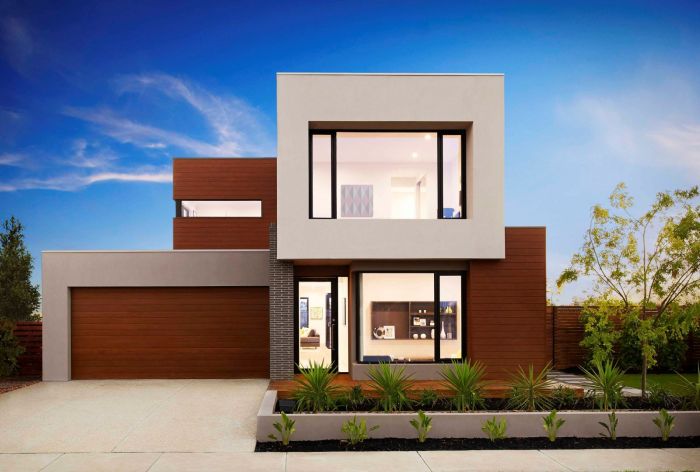
Modern minimalist design, characterized by its clean lines and uncluttered spaces, paradoxically benefits greatly from the strategic incorporation of natural elements. These elements, far from disrupting the minimalist aesthetic, actually enhance it, adding depth, texture, and a vital connection to the outside world, improving both the visual appeal and the overall well-being of the inhabitants. The careful introduction of nature fosters a sense of calm and serenity, counteracting the potential sterility of a purely minimalist approach.The integration of natural elements in modern minimalist interiors is not merely decorative; it’s a scientifically informed design choice.
Studies have shown a direct correlation between exposure to natural light and improved mood, reduced stress levels, and increased productivity. Similarly, the presence of plants has been linked to improved air quality and a reduction in symptoms associated with sick building syndrome. The use of natural materials, such as wood and stone, introduces tactile warmth and visual interest, adding another layer of sophistication to the minimalist scheme.
Plants and Natural Materials in Modern Minimalist Interiors
The incorporation of plants and natural materials requires a considered approach, ensuring they complement rather than clash with the overall design. Overly lush or vibrant plants can overwhelm a minimalist space, while poorly chosen materials can detract from the clean aesthetic. Therefore, selection is key. For instance, a single, large, sculptural plant like a fiddle-leaf fig in a simple, sleek pot can make a powerful statement in a living room, its vertical lines echoing the architectural elements of the space.
Similarly, a small grouping of succulents in minimalist ceramic pots can add a touch of life to a desk or bedside table. Natural materials such as sustainably sourced wood, used sparingly in furniture pieces or shelving, introduce warmth and texture without compromising the minimalist principle of simplicity. Stone, in the form of a carefully chosen coffee table or accent pieces, adds a touch of earthy elegance.
The key is to choose pieces that are both visually appealing and functional, reflecting the minimalist ethos of “form follows function”.
The Benefits of Natural Light and its Impact on Mood and Ambiance
Natural light is arguably the most impactful natural element in interior design. Its transformative power on a space is undeniable. Studies consistently demonstrate that exposure to natural light improves circadian rhythms, regulates sleep patterns, and elevates mood. The quality of light changes throughout the day, creating dynamic shifts in ambiance. A room bathed in the soft, warm light of sunrise feels vastly different from the same room illuminated by the bright, crisp light of midday.
Maximizing natural light in a minimalist home involves strategic window placement, the use of sheer curtains or blinds to diffuse harsh sunlight, and the selection of light-colored walls and flooring to reflect rather than absorb light. This careful manipulation of light creates a sense of spaciousness and airy openness, vital to the success of a minimalist design.
Three Ways to Incorporate Natural Elements into a Modern Minimalist Bedroom
The bedroom, a space dedicated to rest and relaxation, particularly benefits from the calming influence of natural elements.
- Bamboo Headboard and Natural Fiber Rug: A headboard crafted from sustainably sourced bamboo introduces a natural texture and warm tone, complementing the clean lines of a minimalist bed frame. A natural fiber rug, such as jute or sisal, adds warmth underfoot and a subtle textural contrast to the sleek flooring. The combination creates a serene and inviting atmosphere conducive to sleep.
- Floating Shelves with Succulents and a Single, Large Window: Strategically placed floating shelves, made from light-colored wood, can display a small collection of succulents or other low-maintenance plants. These add pops of green without cluttering the space. A large window, ideally facing east for morning sunlight, maximizes natural light exposure, creating a bright and airy feel that promotes wakefulness in the morning and a sense of calm in the evening.
- Stone Accent Table and Diffused Lighting: A small, minimalist side table made from stone, such as marble or slate, provides a sophisticated and textural element. Its cool, smooth surface contrasts beautifully with warmer materials elsewhere in the room. Combining this with diffused lighting, perhaps through a sheer curtain filtering sunlight or a soft, warm-toned bedside lamp, creates a relaxing and calming ambiance, ideal for promoting restful sleep.
Outcome Summary
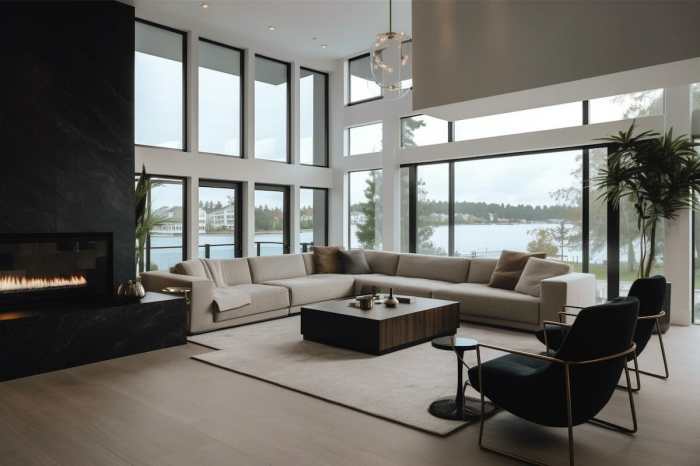
Creating a modern minimalist home is not merely about stripping away possessions; it’s about thoughtfully curating a space that reflects your personality and enhances your well-being. By understanding the principles of space optimization, the strategic use of color and materials, and the importance of incorporating natural elements, you can transform your home into a haven of tranquility and style.
This design philosophy, characterized by its intentional simplicity and emphasis on functionality, offers a refreshing alternative to cluttered interiors, promoting a sense of calm and mindful living. The journey towards a modern minimalist aesthetic is a process of mindful selection, resulting in a space that is both beautiful and deeply personal.
Question & Answer Hub
What is the difference between minimalist and modern minimalist decor?
Minimalist design emphasizes removing excess, focusing on functionality. Modern minimalist decor builds upon this by incorporating contemporary elements like sleek lines, sophisticated materials, and a more curated aesthetic, resulting in a space that is both functional and stylish.
Can modern minimalist decor work in small spaces?
Absolutely! Modern minimalism excels in small spaces. Its focus on functionality and space optimization, using multi-functional furniture and built-in storage, maximizes the feeling of spaciousness.
How can I add personality to a modern minimalist space?
While minimalism prioritizes simplicity, personality can be infused through carefully chosen accessories, artwork, and textures. A single statement piece or a collection of thoughtfully selected items can add character without cluttering the space.
What are some budget-friendly ways to achieve a modern minimalist look?
Repurposing existing furniture, using affordable materials like natural wood and paint, and focusing on DIY projects can help achieve a modern minimalist aesthetic without breaking the bank. Prioritizing quality over quantity in your purchases is also key.
How much natural light is ideal for a modern minimalist space?
Maximizing natural light is crucial. It enhances the sense of spaciousness and creates a brighter, more inviting atmosphere. Strategically placed mirrors can also help to amplify natural light sources.
Leave a Reply