Natural tropical architecture, a harmonious blend of ingenuity and environmental sensitivity, offers a compelling narrative of human adaptation to challenging climates. For centuries, cultures flourishing in tropical regions have developed sophisticated building techniques that leverage natural resources and minimize environmental impact. This approach, deeply rooted in traditional practices and now enhanced by modern sustainable technologies, provides a compelling alternative to energy-intensive construction methods.
The story unfolds through the exploration of sustainable materials, climate-responsive design, and a deep integration with the surrounding ecosystem, revealing a rich tapestry of architectural innovation.
This exploration delves into the core principles of natural tropical architecture, examining its historical evolution, comparing it with other architectural styles, and showcasing iconic examples. We will dissect the sustainable materials employed—from bamboo and thatch to responsibly sourced timber—and analyze the traditional and contemporary construction techniques that bring these structures to life. Furthermore, we will investigate how these designs mitigate the effects of tropical climates, optimize natural ventilation, and manage water resources effectively.
The integration with the natural environment, biophilic design principles, and modern interpretations will also be meticulously examined.
Defining Natural Tropical Architecture
Natural tropical architecture represents a design philosophy deeply intertwined with the unique environmental conditions of tropical climates. It prioritizes passive strategies to mitigate the intense heat, humidity, and rainfall characteristic of these regions, minimizing energy consumption and maximizing occupant comfort. This approach contrasts sharply with styles developed in temperate climates, emphasizing a symbiotic relationship between building and environment rather than dominance over it.
The core principles of natural tropical architecture revolve around harnessing natural resources and minimizing environmental impact. This involves strategic building orientation to maximize natural ventilation and minimize solar heat gain, the use of locally sourced, sustainable materials with high thermal mass, and the incorporation of abundant natural light and shade. The goal is to create a comfortable and energy-efficient built environment that harmonizes with the surrounding ecosystem, minimizing the need for artificial climate control.
Historical Influences on Natural Tropical Architecture
The development of natural tropical architecture is deeply rooted in indigenous building traditions across various tropical regions. For centuries, communities in Southeast Asia, the Caribbean, and South America, among others, have developed sophisticated techniques for constructing dwellings that effectively manage the challenges of their climate. These traditional methods often employed readily available materials such as bamboo, timber, thatch, and earth, and incorporated ingenious design elements like raised floors for ventilation, overhanging roofs for shade, and open layouts for air circulation.
These time-tested practices formed the foundation upon which modern natural tropical architecture is built. The influence of colonial architecture is also notable, though often with a less harmonious integration of the environment.
Comparison with Other Architectural Styles
Natural tropical architecture stands in contrast to many other architectural styles, particularly those developed in temperate or colder climates. Unlike the often-massive and energy-intensive buildings of modern Western architecture, natural tropical architecture prioritizes lightness, openness, and a close connection to the outdoors. Compared to styles emphasizing ornamentation and elaborate detailing, such as Baroque or Victorian architecture, natural tropical architecture often features a simpler aesthetic, reflecting a focus on functionality and environmental responsiveness.
The emphasis on passive design strategies differentiates it from modern styles that rely heavily on mechanical systems for climate control.
Examples of Iconic Buildings Embodying Natural Tropical Architecture
While many examples exist globally, the design of the Guggenheim Museum Bilbao, though not strictly “tropical” in location, incorporates some principles of natural tropical architecture in its design, such as maximizing natural light and using materials to regulate temperature. The use of large overhangs to shade the building and the integration of the building with its surroundings demonstrate a sensitivity to the environment that echoes the goals of natural tropical architecture, even if the climatic context differs.
Many traditional vernacular buildings in regions like Bali, Indonesia, showcase the principles exceptionally well. These structures often feature raised platforms, extensive use of natural materials like bamboo and thatch, and open-air layouts, demonstrating the effectiveness of passive design strategies for comfort and energy efficiency in tropical climates. The specific design details would vary greatly depending on the location and the specific materials available.
These examples highlight the versatility and adaptability of natural tropical architecture principles.
Materials and Construction Techniques
Natural tropical architecture leverages the abundance of readily available, sustainable materials found in tropical climates. The selection and implementation of these materials directly impact the building’s environmental footprint, longevity, and aesthetic integration with the surrounding landscape. Understanding the properties and appropriate construction techniques is crucial for creating resilient and harmonious structures.
The sustainable building materials commonly employed in natural tropical architecture showcase the ingenuity of adapting to the environment. Bamboo, with its exceptional strength-to-weight ratio and rapid growth, forms a foundational element in many structures. Thatch, derived from grasses and palms, provides excellent insulation and natural ventilation. Various timbers, chosen for their durability and resistance to decay, contribute to the structural integrity of walls and roofs.
Other locally sourced materials such as clay, earth, and even recycled materials play significant roles in creating a holistic and environmentally conscious design.
Traditional and Modern Construction Techniques
Traditional construction methods often involve intricate weaving techniques for bamboo, precise thatching methods ensuring water resistance and ventilation, and skillful joinery for timber framing. These techniques, passed down through generations, reflect a deep understanding of material properties and climatic conditions. Modern construction techniques often incorporate these traditional methods while integrating contemporary engineering principles and sustainable materials. For instance, modern designs may utilize engineered bamboo products, offering enhanced strength and durability, while retaining the ecological benefits of bamboo.
Similarly, advancements in thatching techniques incorporate new materials while maintaining the traditional aesthetics and functional benefits. The fusion of traditional craftsmanship and modern engineering ensures structures are both aesthetically pleasing and structurally sound.
Hypothetical Structure Design: A Locally Sourced Bamboo and Thatch Pavilion
Imagine a pavilion situated amidst a lush tropical landscape. The structure’s foundation consists of a simple, raised platform constructed from locally sourced timber treated with natural preservatives. The main framework is built from robust bamboo poles, carefully selected for their straightness and diameter. Traditional lashing techniques, using strong natural fibers, secure the bamboo poles, creating a strong and flexible framework.
The walls are constructed from woven bamboo panels, offering shade and natural ventilation. The roof, a masterpiece of thatching, uses locally harvested palm leaves, meticulously layered to ensure waterproofing and insulation. The entire construction process prioritizes minimizing waste and maximizing the use of locally sourced, sustainable materials. The pavilion’s design allows for natural light and ventilation, reducing the need for artificial cooling, further enhancing its sustainability.
Material Properties Comparison
| Material | Strength | Durability | Sustainability |
|---|---|---|---|
| Bamboo | High (comparable to steel in some instances) | Moderate (dependent on treatment and species) | Excellent (rapid growth, renewable) |
| Thatch (palm leaves) | Low (structural support needed) | Moderate (dependent on climate and maintenance) | Excellent (renewable, biodegradable) |
| Timber (hardwoods) | High (varies greatly depending on species) | High (with proper treatment) | Good (sustainable forestry practices crucial) |
| Clay | Moderate (dependent on mixture and construction) | High (when properly constructed and protected) | Excellent (abundant, naturally occurring) |
Climate Response and Design Strategies
Tropical climates present unique challenges for building design, characterized by high temperatures, humidity, and intense rainfall. Successfully mitigating these factors is crucial for creating comfortable and sustainable living spaces. Natural tropical architecture leverages passive design strategies and innovative technologies to achieve this, minimizing energy consumption and maximizing occupant well-being.Passive design strategies are paramount in addressing the thermal challenges of tropical climates.
These techniques harness natural forces to regulate indoor temperatures and air quality, reducing reliance on energy-intensive mechanical systems.
Passive Ventilation and Cooling
Effective natural ventilation is central to mitigating heat and humidity. The design of buildings must facilitate the movement of air through the structure, creating a natural cooling effect. This is achieved through various techniques, including strategically placed openings, high ceilings, and the use of wind catchers or similar devices to draw in cooler air. For example, the traditional Malay house, with its raised floor and extensive use of louvers and open verandas, exemplifies this approach.
The positioning of openings to capitalize on prevailing breezes is also critical; careful consideration of wind direction and building orientation ensures optimal airflow. Imagine a building with strategically placed high and low-level openings on opposite sides. The warm, humid air rises, exiting through the high-level openings, while cooler air is drawn in through the lower openings, creating a natural stack effect.
This continuous flow of air replaces stagnant, warm air with fresh, cooler air, reducing the need for air conditioning.
Rainwater Harvesting and Wastewater Management
Tropical regions experience high rainfall, presenting an opportunity for sustainable water management. Rainwater harvesting systems collect rainwater from rooftops and other surfaces, storing it for later use in non-potable applications such as irrigation or toilet flushing. This reduces reliance on municipal water supplies and minimizes environmental impact. Innovative techniques such as bioswales and constructed wetlands can be incorporated into the design to filter and treat wastewater, reducing the load on sewage systems.
For instance, a building might utilize a series of interconnected underground cisterns to store harvested rainwater, filtering it through layers of gravel and sand before use. Greywater recycling systems, treating wastewater from showers and sinks, can also supplement rainwater harvesting, providing a sustainable and efficient approach to water management.
Innovative Techniques for Climate Control
Beyond passive ventilation, several innovative techniques enhance climate control in tropical architecture. The use of thermal mass materials, such as rammed earth or concrete, can help regulate indoor temperatures by absorbing heat during the day and releasing it slowly at night. Furthermore, the strategic placement of vegetation, such as shading trees or green walls, can significantly reduce solar heat gain and improve air quality.
Consider a building incorporating a green wall on its western façade, intercepting direct sunlight and providing natural insulation. The evapotranspiration from the plants further contributes to a cooling effect. This approach not only regulates temperature but also enhances the aesthetic appeal and biodiversity around the building. Similarly, the integration of water features, such as ponds or fountains, can create a microclimate that is cooler and more humid, contributing to occupant comfort.
Integration with the Natural Environment
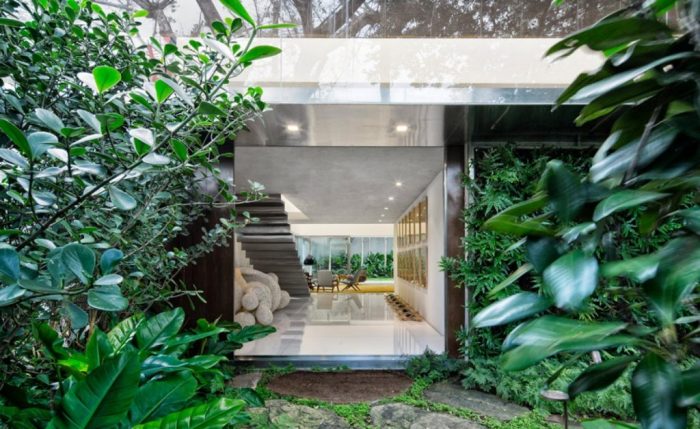
Natural tropical architecture transcends mere building; it’s a harmonious integration with the surrounding ecosystem, a symbiotic relationship where the structure enhances, rather than detracts from, its environment. This approach minimizes ecological disruption during construction and operation, fostering a sustainable and resilient built environment. The principles of biophilic design are central to this philosophy, bringing the outdoors in and blurring the lines between the built and natural worlds.The seamless blending of natural tropical architecture with its surroundings is achieved through a multitude of strategies.
Careful site selection minimizes habitat destruction, prioritizing areas with existing vegetation and avoiding sensitive ecosystems. Building orientation and placement are crucial, maximizing natural ventilation and shading while minimizing impact on existing flora and fauna. Materials are sourced locally whenever possible, reducing transportation emissions and supporting local economies. Furthermore, designs often incorporate existing trees and natural features into the building’s structure, creating a truly integrated design.
Minimizing Environmental Impact During Construction and Operation
Construction practices in natural tropical architecture prioritize minimal environmental impact. This involves utilizing sustainable building materials like bamboo, timber from sustainably managed forests, and locally sourced stone. Waste management is meticulously planned, with strategies for recycling and composting construction debris. Water-efficient fixtures and rainwater harvesting systems reduce reliance on municipal water supplies, conserving this precious resource. Energy-efficient design, incorporating passive cooling techniques and renewable energy sources like solar power, minimizes the building’s carbon footprint.
For example, the use of locally-sourced rammed earth walls provides excellent thermal mass, reducing the need for air conditioning. Similarly, strategically placed overhangs and louvers provide natural shading, minimizing the energy consumption required for cooling.
Biophilic Design Principles in Natural Tropical Architecture
Biophilic design, which emphasizes the inherent human connection to nature, is deeply ingrained in natural tropical architecture. This is evident in the extensive use of natural light and ventilation, creating an indoor environment that feels connected to the outdoors. The incorporation of natural materials like wood and stone creates a sense of warmth and tactility. Indoor plants, water features, and views of natural landscapes further enhance the connection to the environment.
For instance, a building might feature a central courtyard filled with native plants, providing a tranquil space for relaxation and connecting occupants to the surrounding biodiversity. Open-air spaces, integrated seamlessly with the surrounding vegetation, blur the boundaries between indoor and outdoor living.
Landscape Plan Complementing a Natural Tropical Building
A landscape plan for a natural tropical building should seamlessly integrate with the architecture, enhancing its aesthetic appeal and ecological function. The selection of native plants is crucial, as they are adapted to the local climate and require less maintenance and water. These plants also support local biodiversity, attracting pollinators and other beneficial organisms. Water features, such as ponds or small waterfalls, can provide cooling and aesthetic value, while also supporting aquatic life.
For example, a building nestled amongst lush vegetation might incorporate a pond with native aquatic plants, attracting local bird species. Paths should be constructed using permeable materials, allowing rainwater to infiltrate the ground and reducing runoff. The overall goal is to create a landscape that is both beautiful and ecologically sound, enhancing the building’s integration with its natural surroundings.
The inclusion of a variety of plant heights and textures creates visual interest and provides habitat for different species. Consideration should be given to incorporating drought-tolerant species, minimizing the need for irrigation.
Modern Interpretations and Innovations
The evolution of natural tropical architecture reflects a growing awareness of environmental sustainability and a deeper understanding of climate-responsive design. Contemporary approaches move beyond simply mimicking traditional forms, embracing innovative materials and technologies to create buildings that are both aesthetically pleasing and environmentally responsible. This shift involves a sophisticated integration of passive design strategies with active sustainable technologies, resulting in structures that minimize their ecological footprint while maximizing occupant comfort.Modern interpretations often retain the core principles of natural tropical architecture—ventilation, shading, and the use of local materials—but reinterpret them through a lens of technological advancement.
This allows for greater precision in climate control, energy efficiency, and the creation of spaces that seamlessly blend indoor and outdoor living. The challenge lies in balancing the aesthetic appeal of traditional designs with the demands of modern functionality and sustainability.
Sustainable Technologies in Modern Tropical Architecture
Modern buildings are increasingly incorporating a range of sustainable technologies to enhance their environmental performance. These technologies go beyond passive design strategies, actively contributing to energy efficiency and reduced environmental impact. For example, the use of photovoltaic (PV) panels integrated into roofing systems generates renewable energy, reducing reliance on fossil fuels. Furthermore, rainwater harvesting systems collect and store rainwater for non-potable uses, such as irrigation and toilet flushing, conserving precious water resources.
Geothermal energy systems utilize the stable temperature of the earth to provide efficient heating and cooling, further minimizing energy consumption. These technologies are often coupled with advanced building management systems (BMS) that optimize energy use based on real-time data and occupancy patterns.
Material Choices and Construction Techniques: A Comparison
Traditional natural tropical architecture relied heavily on locally sourced, readily available materials such as bamboo, timber, thatch, and rammed earth. Construction techniques were often labor-intensive, employing traditional craftsmanship passed down through generations. Modern interpretations often retain the use of sustainable materials like bamboo and timber, but supplement them with engineered timber products, offering greater strength and durability. Furthermore, innovative materials like recycled plastic lumber and sustainably harvested timber are gaining popularity.
Construction techniques have also evolved, incorporating prefabrication and modular design to streamline the building process, reduce waste, and improve quality control. While traditional methods emphasized craftsmanship, modern approaches leverage technological advancements in manufacturing and construction to enhance efficiency and precision. This combination of traditional principles and modern techniques allows for the creation of buildings that are both environmentally sound and aesthetically pleasing.
Challenges and Opportunities
The widespread adoption of natural tropical architecture faces several challenges. One significant hurdle is the high initial cost associated with some sustainable materials and technologies. Furthermore, a lack of skilled labor proficient in both traditional and modern techniques can impede construction. The availability of locally sourced, sustainably harvested materials also needs careful consideration to ensure responsible sourcing practices.
However, opportunities abound. Growing awareness of climate change and the increasing demand for sustainable buildings are driving innovation and creating a market for eco-friendly architectural solutions. Government incentives and policies promoting sustainable building practices can further encourage the adoption of natural tropical architecture. Research and development efforts focused on improving the performance and affordability of sustainable materials and technologies are crucial for realizing the full potential of this architectural approach.
The integration of traditional knowledge with modern technological advancements will be vital in navigating these challenges and realizing the opportunities that lie ahead.
Case Studies of Successful Projects
The following case studies illustrate the successful application of natural tropical architecture principles, showcasing innovative design solutions and their positive environmental and social impacts. Each project highlights a unique approach to integrating local materials, responding to climatic conditions, and fostering community engagement. These examples serve as blueprints for future sustainable building practices in tropical regions.
The Alila Villas Uluwatu, Bali, Indonesia
This luxury resort exemplifies the seamless integration of architecture with the dramatic cliffside landscape of Uluwatu. The design prioritizes minimizing environmental impact while maximizing breathtaking ocean views.
The resort’s design features extensive use of locally sourced materials such as volcanic rock and sustainably harvested timber. Open-air designs and strategically placed ventilation systems create a naturally cool environment, reducing reliance on air conditioning. The resort also incorporates rainwater harvesting systems and utilizes greywater recycling for irrigation. The resort’s commitment to employing local workers and supporting local businesses further contributes to its positive community impact.
- Key Features: Cliffside location, open-air design, locally sourced materials (volcanic rock, timber), integration with surrounding landscape.
- Sustainable Practices: Rainwater harvesting, greywater recycling, minimal air conditioning use, locally sourced materials, energy-efficient lighting.
- Challenges Overcome: Difficult terrain, integration with existing ecosystem, balancing luxury with sustainability.
- Positive Impacts: Job creation for local community, promotion of sustainable tourism, preservation of natural environment.
The Soneva Fushi Resort, Maldives
Soneva Fushi, situated on a private island in the Maldives, showcases a remarkable commitment to ecological responsibility. The resort’s design is characterized by its minimal environmental footprint and luxurious integration with the natural surroundings.
The resort utilizes renewable energy sources, such as solar power, and implements waste management systems designed to minimize waste production. The architecture emphasizes natural ventilation and shading to reduce energy consumption for cooling. Materials are sourced locally wherever possible, supporting the island’s economy and reducing transportation emissions. The resort actively engages in conservation efforts, protecting the surrounding coral reefs and marine life.
- Key Features: Overwater bungalows, solar power, natural ventilation, locally sourced materials, waste management system.
- Sustainable Practices: Renewable energy, waste reduction and recycling, water conservation, coral reef protection.
- Challenges Overcome: Island location logistical challenges, limited resources, preserving delicate ecosystem.
- Positive Impacts: Environmental conservation, community development, promotion of sustainable tourism.
The Learning Center, Costa Rica
This educational facility, located in a rainforest region of Costa Rica, is a prime example of bioclimatic design. The building’s design takes advantage of the natural environment to create a comfortable and energy-efficient learning space.
The building is designed to maximize natural light and ventilation, minimizing the need for artificial lighting and air conditioning. The structure utilizes rammed earth walls and a green roof, providing excellent thermal insulation and promoting biodiversity. The integration of local plants and materials, such as bamboo, creates a visually appealing and environmentally friendly structure. The project has been instrumental in educating local communities about sustainable building practices.
- Key Features: Rammed earth walls, green roof, natural ventilation, natural light, locally sourced bamboo.
- Sustainable Practices: Passive cooling, minimal energy consumption, biodiversity promotion, local material sourcing.
- Challenges Overcome: Working with local materials, integrating the building into the rainforest environment, educating the community about sustainable building techniques.
- Positive Impacts: Educational outreach, environmental awareness, demonstration of sustainable building practices.
Conclusion
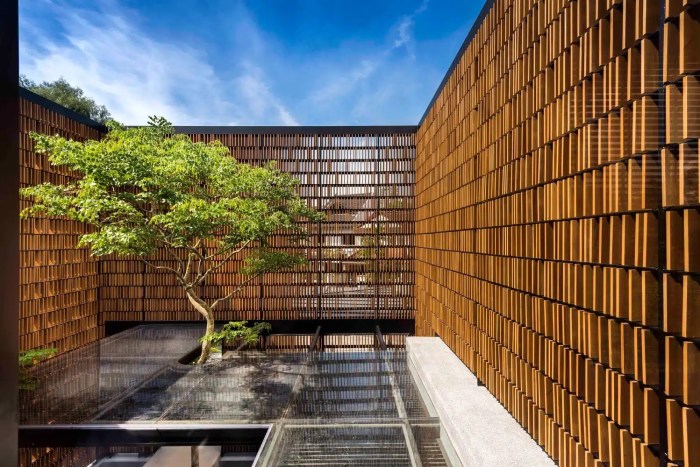
Natural tropical architecture stands as a testament to humanity’s capacity for ingenious and sustainable design. By embracing locally sourced materials, harnessing the power of passive design strategies, and integrating seamlessly with the natural environment, this architectural style offers a powerful pathway towards a more sustainable future. The exploration of successful projects highlights the positive environmental and social impacts achievable through this approach, inspiring further innovation and adoption of these principles globally.
As we move forward, continued research and development in sustainable technologies will undoubtedly further enhance the potential of natural tropical architecture, ensuring its relevance and efficacy for generations to come. The legacy of this style lies not only in its aesthetic appeal but also in its enduring contribution to environmental stewardship and community well-being.
Quick FAQs
What are the limitations of natural tropical architecture?
While highly sustainable, natural materials can have limitations in terms of durability and resistance to certain pests or weather events. The lifespan might be shorter compared to concrete or steel structures, requiring more frequent maintenance or replacement of certain components.
How does natural tropical architecture address seismic activity common in tropical regions?
Traditional techniques often incorporate flexible materials and construction methods that allow for some movement during earthquakes, minimizing structural damage. Modern interpretations integrate these principles with engineering advancements for enhanced seismic resistance.
What is the cost comparison between natural tropical architecture and conventional construction?
Initial costs can vary. While some locally sourced materials may be inexpensive, specialized labor or imported components can increase the overall price. However, long-term cost savings due to reduced energy consumption and maintenance can offset initial investment.
Are there any fire safety concerns with natural materials?
Fire safety is addressed through careful material selection, appropriate treatments (e.g., fire-retardant coatings), and strategic building design that incorporates firebreaks and escape routes.
Leave a Reply