Blog

  • How to Mix and Match Home Decor Styles for a Unique Look

    How to Mix and Match Home Decor Styles for a Unique Look

    Blending disparate home decor styles can transform a house into a uniquely expressive home. This exploration delves into the art of eclectic interior design, guiding readers through the principles of design, the identification of core styles, and practical techniques for successful mixing and matching. We’ll examine how to create a cohesive space by navigating common pitfalls, selecting dominant styles, and strategically using accent pieces.

    The process will be illustrated through mood boards, room-specific examples, and a focus on the unifying power of accessories and textiles. Ultimately, this guide empowers readers to craft a personalized and aesthetically pleasing living space reflecting their individual tastes.

    The journey begins with understanding fundamental design principles – balance, rhythm, emphasis, proportion, harmony, and unity – and how they apply when combining diverse styles. We then explore five distinct decor styles: Modern, Farmhouse, Bohemian, Industrial, and Mid-Century Modern, comparing their color palettes, materials, and furniture silhouettes. Mastering techniques for blending these styles involves thoughtful consideration of color palettes, the strategic use of dominant and accent styles, and the careful selection of textiles and accessories.

    We’ll also address common mistakes to avoid and provide step-by-step guidance for applying these principles to different rooms in your home.

    Understanding Design Principles

    Successfully mixing and matching home decor styles hinges on a solid understanding of fundamental design principles. These principles, when applied thoughtfully, create a cohesive and visually appealing space, even when diverse styles are combined. Ignoring these principles can lead to a chaotic and uninviting interior. Mastering them allows for intentional eclecticism, transforming a collection of disparate elements into a unified and stylish whole.

    The basic principles of design act as a framework for creating visually pleasing and functional spaces. They guide the arrangement and selection of furniture, colors, textures, and accessories, ensuring that the overall effect is harmonious and balanced. Understanding these principles is crucial for achieving a unique and stylish look when blending different decor styles.

    Balance

    Balance refers to the visual weight distribution within a space. Symmetrical balance creates a formal and traditional feel, achieved by mirroring elements on either side of a central point. Asymmetrical balance, common in eclectic designs, uses different elements of varying visual weight to create equilibrium. For instance, a large, bold piece of artwork on one wall might be balanced by a grouping of smaller, lighter accessories on the opposite wall.

    In a room blending mid-century modern and bohemian styles, a symmetrical arrangement of two identical mid-century modern armchairs could be balanced by an asymmetrical arrangement of a large woven rug and several smaller bohemian throw pillows.

    Rhythm

    Rhythm involves the repetition or progression of elements to create a sense of movement and visual interest. This could be achieved through repeating patterns, colors, or shapes. In an eclectic space, rhythm might be established by repeating a specific color family throughout the room, even if the patterns and textures vary greatly. For example, a room combining industrial and farmhouse styles could use varying shades of grey and beige in the furniture, textiles, and wall paint, creating a visual rhythm that unites the disparate elements.

    Emphasis

    Emphasis, or focal point, draws the eye to a specific area within the room. This could be a striking piece of art, an architectural feature, or a uniquely designed piece of furniture. In an eclectic interior, the emphasis might be a vibrant piece of globally-inspired art that contrasts with more neutral elements, acting as a visual anchor for the room’s diverse style.

    This focal point can help unify the different elements by providing a central point of visual interest.

    Proportion

    Proportion refers to the size relationships between different elements within a space. Proper proportion ensures that no single element overwhelms the others, creating a sense of visual harmony. When mixing and matching styles, careful consideration of proportion is crucial. A large, oversized sofa in a small room, for instance, can disrupt the balance and make the space feel cramped, regardless of the style of the sofa.

    Maintaining appropriate proportions is key to preventing a cluttered or overwhelming feel, even in a room with many diverse elements.

    Harmony

    Harmony refers to the pleasing combination of elements that create a sense of unity and visual coherence. It’s about creating a sense of visual agreement between the different components of a room. When mixing styles, harmony can be achieved by using a common color palette, repeating textures, or selecting pieces that share similar lines or forms. For example, a room that blends rustic and modern styles could use a neutral color palette with natural materials such as wood and stone to create a sense of harmony between the two styles.

    Unity

    Unity is the overall sense of cohesion and completeness in a space. It’s the feeling that all the elements work together to create a unified whole, despite their individual differences. In an eclectic interior, unity is achieved by carefully selecting pieces that share a common thread, whether it’s a color palette, a texture, a style element, or a common theme.

    A consistent element, such as a recurring geometric pattern or a specific type of material, can act as a unifying factor in a room combining various styles, tying the different elements together.

    Identifying Core Styles
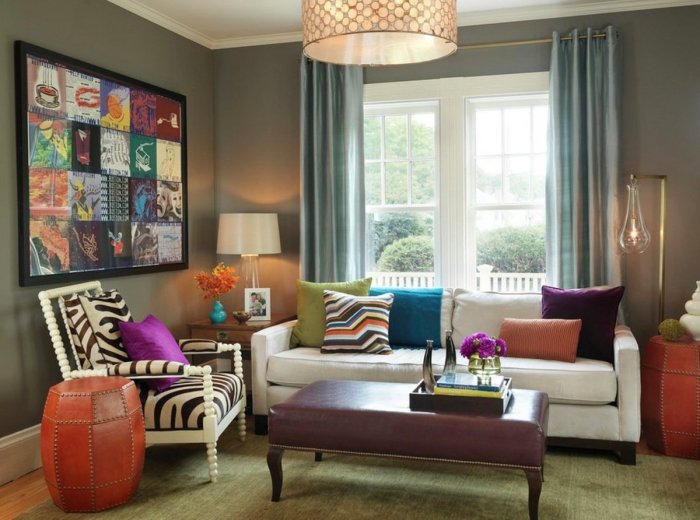
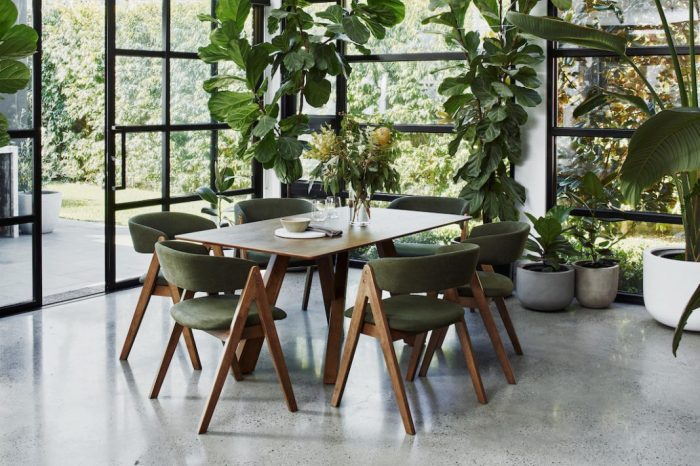
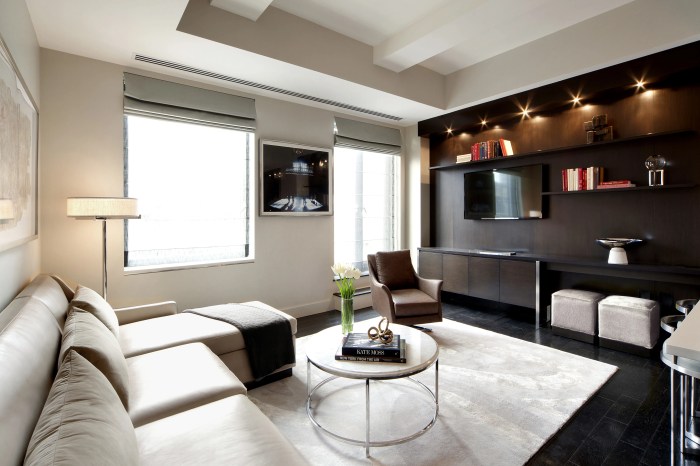
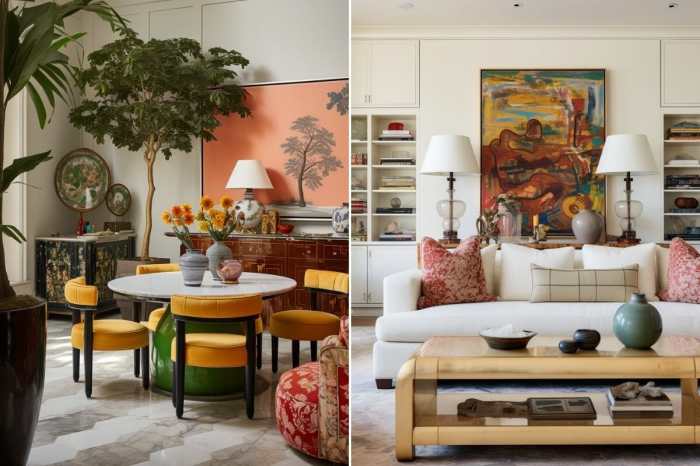
    Mix digest architecturaldigest menswear sala muebles decoración

    Understanding distinct home decor styles is crucial for successful mixing and matching. A foundational knowledge of individual styles allows for informed choices, preventing clashes and fostering a cohesive, personalized aesthetic. This section details five prominent styles, comparing their characteristics to facilitate informed style blending.

    Five Distinct Home Decor Styles

    Five distinct home decor styles—Modern, Farmhouse, Bohemian, Industrial, and Mid-Century Modern—offer diverse aesthetic approaches. Each possesses unique characteristics in color palettes, materials, and furniture shapes, providing a broad spectrum of design choices. Understanding these differences allows for creative combinations and a truly unique living space.

    Style Comparison: Modern, Farmhouse, Bohemian, Industrial, and Mid-Century Modern

    The following table compares the five styles across key characteristics. Note that these are general guidelines; individual interpretations and blends exist within each style.

    Style Color Palette Typical Materials Furniture Silhouettes
    Modern Neutral base (white, gray, black) with pops of bold color; often monochromatic Glass, steel, chrome, concrete, clean lines, and minimal ornamentation Clean lines, simple shapes, geometric forms; often low-profile and functional
    Farmhouse Warm neutrals (cream, beige, white) with accents of natural wood tones and muted blues or greens Wood, natural fibers (linen, cotton), metal (often distressed or aged), stone Rustic, often distressed wood; comfortable and functional; mix of vintage and new pieces
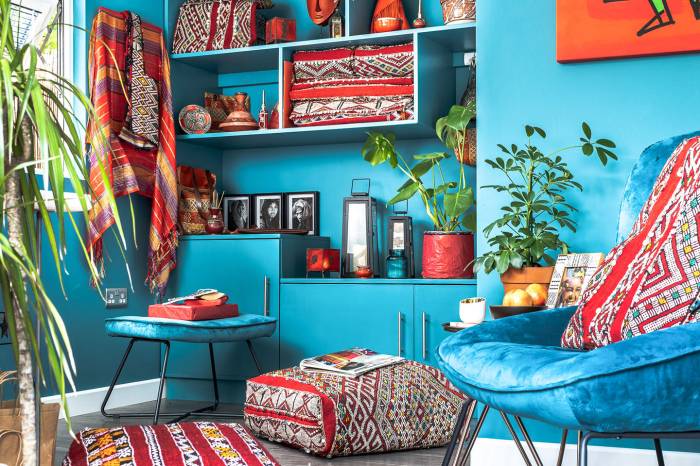
    Bohemian Rich, earthy tones (terracotta, mustard yellow, deep blues) combined with vibrant patterns and jewel tones Natural fibers (wool, jute, cotton), textiles (tapestries, rugs), wood, metal, eclectic mix of materials Low seating, eclectic mix of textures and styles; layered textiles and cushions; global influences
    Industrial Neutral tones (gray, black, brown) with metallic accents; often raw and unfinished Metal (steel, iron, copper), concrete, exposed brick, wood (often reclaimed or distressed) Simple, functional designs; often made from raw materials; metallic accents; open shelving
    Mid-Century Modern Warm neutrals (browns, creams, yellows) accented with pops of teal, mustard, or burnt orange Wood (teak, walnut), upholstery (leather, velvet), metal (often brass or chrome), glass Clean lines, tapered legs, organic shapes; often low-slung seating; emphasis on functionality and form

    Mixing and Matching Techniques

    Successfully blending disparate interior design styles requires a strategic approach that goes beyond simply placing items from different aesthetics together. It involves understanding the underlying principles of each style and employing techniques that create a cohesive and visually appealing result. This section will explore effective strategies for combining styles, emphasizing the crucial role of color palettes and providing illustrative examples.

    Strategies for Combining Decor Styles

    Successful style blending hinges on identifying common threads and using them as a unifying element. For instance, two seemingly opposing styles, such as minimalist and bohemian, can be harmoniously combined by focusing on a shared characteristic, like a neutral color palette. The minimalist approach’s emphasis on clean lines and uncluttered spaces can be balanced by the bohemian style’s use of textures and natural materials.

    This balance is achieved not by compromising the essence of each style, but by carefully selecting pieces that reflect the common ground. Another approach is to use one style as the dominant theme, with accents from the secondary style strategically placed to add visual interest and prevent monotony. A modern living room, for example, could incorporate farmhouse-style wooden elements as accents, creating a sophisticated yet warm atmosphere.

    The key is to maintain a sense of proportion and avoid overwhelming the space with too many disparate elements.

    The Importance of a Cohesive Color Palette

    A unified color palette acts as the glue that binds different design styles together. When mixing styles, selecting a cohesive palette is paramount. This doesn’t mean restricting oneself to a single color family; rather, it involves creating a harmonious relationship between colors chosen from different styles. For instance, a combination of a muted, earthy palette (characteristic of farmhouse style) with bold accents of jewel tones (often seen in bohemian style) can create a vibrant yet grounded aesthetic.

    The color palette should complement the textures and materials used, ensuring a visual flow that connects different elements. Without a thoughtful color palette, a space might feel disjointed and visually jarring, despite the individual elements being aesthetically pleasing in isolation.

    Mood Board Examples: Blending Contrasting Styles

    The following descriptions illustrate three mood boards showcasing successful combinations of contrasting styles. These examples demonstrate how careful selection of colors, textures, and key elements can create a cohesive and visually appealing interior.

    Mood Board 1: Modern and Farmhouse

    This mood board blends the clean lines and minimalist aesthetic of modern design with the rustic charm of farmhouse style. The color palette centers around neutral tones like creamy whites, soft grays, and warm beiges. Textures are key: smooth surfaces of modern furniture are balanced by the rough texture of reclaimed wood, woven baskets, and linen textiles. Key elements include a sleek modern sofa, a rustic wooden coffee table, and a gallery wall featuring both abstract modern art and framed botanical prints.

    The overall aesthetic is sophisticated yet inviting, achieving a balance between contemporary sleekness and cozy rusticity.

    Mood Board 2: Bohemian and Industrial

    This mood board juxtaposes the free-spirited, eclectic nature of bohemian style with the raw, functional elements of industrial design. The color palette incorporates earthy tones like terracotta, deep blues, and muted greens, punctuated by metallic accents like brass and copper. Textures are diverse, featuring the soft textures of woven rugs and tapestries alongside the rough surfaces of exposed brick and metal piping.

    Key elements include a vintage industrial metal shelving unit, a plush bohemian rug, and eclectic artwork featuring mixed media and bold patterns. The overall aesthetic is layered and texturally rich, showcasing a harmonious blend of relaxed bohemian charm and edgy industrial grit.

    Mood Board 3: Mid-Century Modern and Minimalist

    This mood board combines the clean lines and organic forms of Mid-Century Modern design with the simplicity and functionality of minimalist style. The color palette is predominantly neutral, featuring shades of beige, gray, and black, accented with pops of warm mustard yellow or deep teal. Textures are kept relatively simple, with smooth surfaces of wood and leather balanced by the subtle texture of natural fiber rugs.

    Key elements include a classic Mid-Century Modern armchair, a minimalist coffee table with clean lines, and carefully curated accessories that avoid clutter. The overall aesthetic is sophisticated, refined, and uncluttered, demonstrating the potential for a harmonious blend of these two styles.

    Creating a Cohesive Space
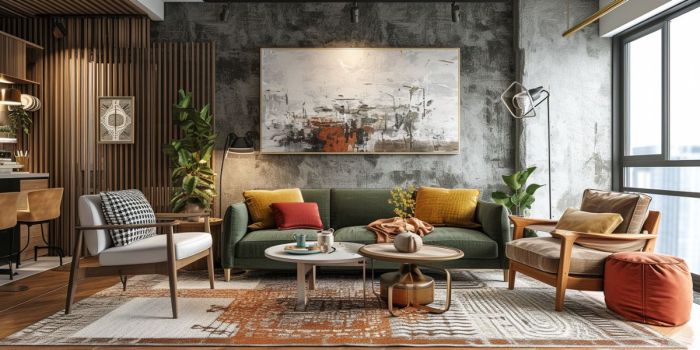
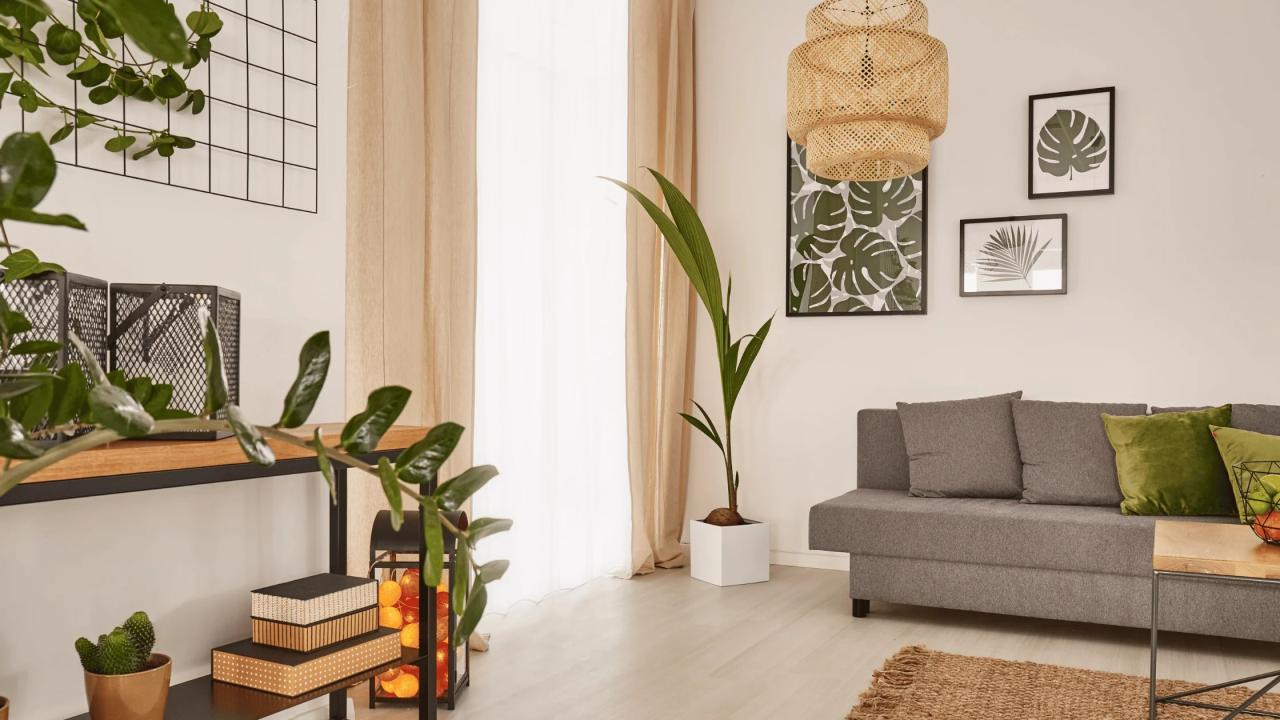
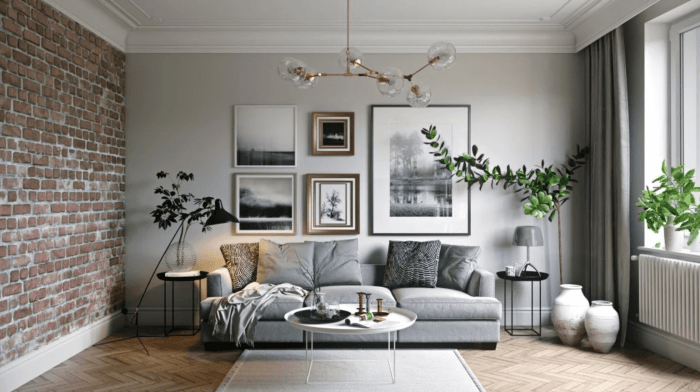
    Mix thisisourbliss match decor styles style javascript turn

    Mixing and matching decor styles can result in a vibrant and unique home, but without careful planning, it can easily descend into chaos. Successfully blending styles requires a keen eye for balance and an understanding of how different elements interact. This section will explore common pitfalls to avoid and provide practical strategies for creating a cohesive and stylish space.Successfully integrating diverse design styles hinges on avoiding common mistakes that can disrupt visual harmony.

    Overlooking these pitfalls can lead to a space that feels cluttered, disjointed, and ultimately, unwelcoming.

    Common Pitfalls in Mixing Decor Styles

    Overwhelming a space with too many disparate styles is a frequent mistake. Attempting to incorporate every style a homeowner enjoys can lead to a visually jarring effect. For example, combining ornate Victorian furniture with stark minimalist decor creates a clash that lacks a unifying theme. Another common error is neglecting scale and proportion. Mixing large, bold pieces with delicate, smaller items without considering the overall balance can create an uneven and visually unbalanced space.

    Finally, inconsistent color palettes can also undermine a cohesive look. Using wildly different color schemes without a connecting thread will prevent the room from feeling unified. A well-defined color palette, even if varied in tone, creates a sense of continuity.

    Selecting a Dominant Style and Using Accent Pieces

    The key to successfully mixing styles lies in establishing a dominant style that forms the foundation of the room’s design. This dominant style sets the overall tone and provides a cohesive framework. For example, a mid-century modern living room might serve as the foundation, with its clean lines and functional furniture. Then, accent pieces from other styles can be carefully introduced to add personality and visual interest.

    A bohemian rug, for instance, could add texture and warmth, while a few antique brass accents could introduce a touch of vintage charm. The dominant style provides the structure, while the accent pieces offer playful contrasts. It’s crucial to ensure the accent pieces complement, rather than compete with, the dominant style.

    A Step-by-Step Guide to Incorporating Different Styles

    A structured approach is vital when blending multiple design styles within a single room. Following a methodical process ensures a cohesive outcome.

    • Define the Dominant Style: Begin by selecting a primary design style that will form the base of your room’s aesthetic. This could be anything from minimalist to traditional, farmhouse to industrial.
    • Choose a Color Palette: Select a color palette that complements the dominant style. This palette should serve as a unifying element throughout the room, even as you incorporate other styles.
    • Select Key Furniture Pieces: Choose major furniture items that adhere to the dominant style. These pieces will anchor the space and provide a strong visual foundation.
    • Incorporate Accent Pieces: Introduce accent pieces from other styles. These items should be carefully chosen to complement the dominant style and add visual interest without overwhelming the space. Consider textures, patterns, and colors when making these selections.
    • Pay Attention to Scale and Proportion: Ensure that the size and scale of furniture and accessories are proportionate to the room and to each other. Avoid overcrowding the space with too many large or small items.
    • Layer Textures and Patterns: Introduce different textures and patterns to add visual depth and interest. However, maintain a balance to avoid a chaotic appearance. A cohesive pattern, even in diverse textures, can tie the space together.
    • Refine and Adjust: Step back and assess the overall look. Make adjustments as needed to achieve a balanced and harmonious space. This might involve rearranging furniture, swapping out accessories, or making minor color adjustments.

    Room-Specific Applications

    Successfully mixing and matching home decor styles requires a nuanced approach tailored to each room’s function and atmosphere. The following examples illustrate how diverse stylistic elements can be harmoniously integrated in living rooms, bedrooms, and kitchens, creating unique and personalized spaces. Consider the room’s primary purpose and the desired mood when selecting and combining styles.

    Living Room Style Integration

    The living room, often the heart of the home, benefits from a balance between comfort and visual appeal. A successful blend of styles might incorporate the relaxed informality of bohemian design with the clean lines of mid-century modern. This combination can create a space that is both stylish and inviting. The key is to establish a common thread, such as a neutral color palette, to unify the disparate elements.

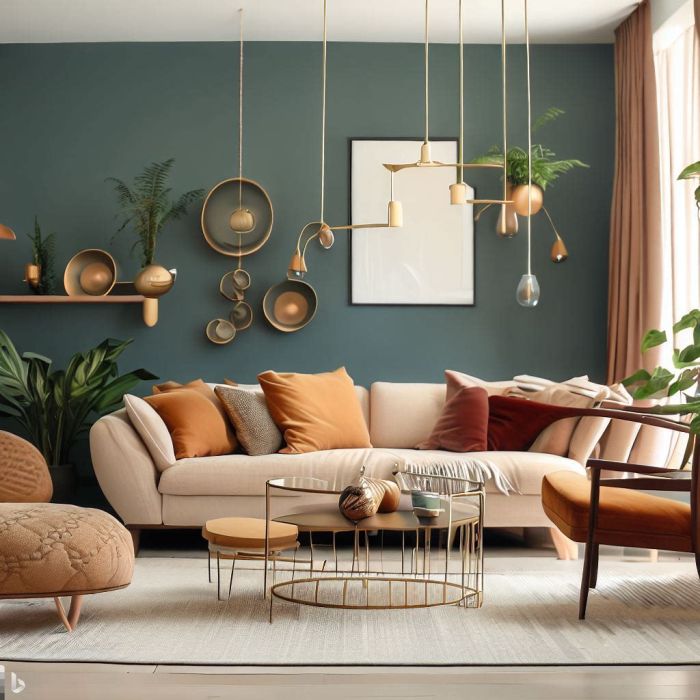
    For instance, a neutral beige sofa could serve as an anchor, complemented by bohemian patterned throw pillows and a mid-century modern coffee table. The use of natural materials like wood and jute further enhances the cohesion.

    • A neutral-toned sofa (mid-century modern) serves as a foundational piece.
    • Bohemian patterned throw pillows and blankets add texture and color.
    • A mid-century modern coffee table provides a clean, geometric counterpoint.
    • Jute rug grounds the space and introduces natural texture.
    • Woven wall hangings (bohemian) add visual interest without overwhelming the space.

    Bedroom Style Harmony

    The bedroom should prioritize tranquility and relaxation. Mixing styles here might involve combining the romantic elegance of French country with the minimalist simplicity of Scandinavian design. The result is a space that feels both sophisticated and calming. A muted color palette, predominantly whites, creams, and soft pastels, would create a unified base. The incorporation of natural light and textures is crucial for maintaining a sense of serenity.

    • A simple, white platform bed (Scandinavian) forms the central element.
    • Delicate floral bedding (French country) introduces a touch of romance.
    • A light-colored, woven rug (Scandinavian) provides warmth and texture.
    • A vintage-inspired nightstand (French country) adds character and storage.
    • Simple, unadorned curtains (Scandinavian) allow ample natural light.

    Kitchen Style Fusion

    The kitchen, a space for both functionality and aesthetic appeal, can benefit from a blend of styles that prioritize both practicality and visual interest. Combining the rustic charm of farmhouse design with the sleek modernity of industrial style can create a dynamic and inviting kitchen. The key here is to balance the warmth of the farmhouse aesthetic with the clean lines of the industrial style.

    A consistent color scheme, perhaps incorporating muted greens and grays, can unify the overall look.

    • Simple shaker-style cabinets (farmhouse) provide ample storage.
    • Open shelving (industrial) displays cookware and adds visual interest.
    • A metal island (industrial) offers a practical workspace.
    • Rustic wooden countertops (farmhouse) add warmth and texture.
    • Vintage-inspired pendant lights (farmhouse) provide soft, ambient lighting.

    The Role of Accessories and Textiles

    Accessories and textiles play a crucial role in unifying disparate design styles within a home, acting as the connective tissue that binds seemingly contrasting elements together. They provide opportunities to introduce pops of color, texture, and pattern, subtly bridging the gaps between different aesthetic approaches and creating a cohesive, layered look that feels both eclectic and intentional. Careful selection and placement of these elements are essential to achieving a harmonious blend rather than a chaotic clash.The strategic use of rugs, throw pillows, and artwork, in particular, can significantly impact the overall aesthetic.

    These items offer flexibility and allow for easy updates and changes, making them ideal tools for experimenting with style combinations and refining the overall design scheme over time. Lighting fixtures, too, serve as significant design elements that contribute to the overall ambiance and should be carefully considered when mixing styles to ensure a unified and visually appealing result.

    Rugs, Throw Pillows, and Artwork in Style Integration

    Rugs function as anchors, defining zones within a room and providing a foundational layer of texture and pattern. A large, neutral-toned rug can serve as a unifying element, grounding bolder furniture pieces from different styles. For example, a mid-century modern sofa might sit comfortably alongside a bohemian armchair on a simple jute rug, the natural fiber providing a neutral backdrop that complements both styles.

    Conversely, a patterned rug with strong geometric shapes can introduce a unifying theme, linking disparate elements through a shared visual motif. Throw pillows offer a similar function, introducing pops of color, texture, and pattern to soften hard lines and add visual interest. Mixing patterns and textures—such as a velvet pillow with a geometric print alongside a linen pillow in a solid color—can create a visually engaging and sophisticated look.

    Artwork provides another layer of stylistic integration. A collection of diverse pieces—a modern abstract painting alongside a vintage botanical print—can be united by a shared color palette or framing style, creating a cohesive gallery wall that reflects the eclectic nature of the overall design.

    The Impact of Lighting Fixtures on Mixed-Style Decor

    Lighting fixtures are more than just functional elements; they are significant design features that contribute substantially to the overall ambiance and style of a room. When mixing styles, lighting fixtures can either unify or clash with the existing décor, depending on their selection. A modern minimalist chandelier can add a touch of sleek sophistication to a room featuring both traditional and bohemian elements, providing a counterpoint to the more ornate or rustic features.

    Conversely, a rustic farmhouse pendant light could soften the stark lines of a mid-century modern space, adding warmth and character. The key is to choose fixtures that complement the overall color palette and textures of the room while maintaining a sense of visual harmony. A well-chosen lighting fixture can act as a bridge between different styles, subtly connecting them through shared design principles like form, material, or color.

    Hypothetical Living Room Design: Blending Three Styles

    This hypothetical living room incorporates elements of mid-century modern, bohemian, and industrial styles. The foundation is a mid-century modern sofa with clean lines and tapered legs, upholstered in a neutral beige fabric. An industrial-style coffee table made of reclaimed wood and metal provides a contrasting texture and material. A bohemian armchair in a vibrant patterned fabric adds a touch of color and personality.

    A large, jute rug anchors the seating area, providing a neutral base that complements all three styles. Throw pillows in various textures and patterns—velvet, linen, and woven—introduce pops of color and visual interest, while maintaining a cohesive palette of earth tones and jewel tones. Artwork includes a mid-century modern abstract print, a black and white photography print, and a woven tapestry, all unified by a shared color palette and simple black frames.

    The lighting fixture is a modern industrial pendant light with exposed bulbs, adding a touch of raw industrial aesthetic while maintaining a sense of sleekness that complements the mid-century modern elements. This careful selection of accessories and textiles creates a cohesive and visually appealing space that blends three distinct styles seamlessly.

    Successfully mixing and matching home decor styles requires a balance of understanding fundamental design principles and embracing creative experimentation. By carefully selecting dominant and accent styles, employing cohesive color palettes, and strategically utilizing textiles and accessories, you can create a truly unique and personalized living space. This process is not merely about combining disparate elements; it’s about crafting a narrative that reflects your personality and lifestyle.

    Remember to avoid common pitfalls such as overwhelming the space with too many styles and to focus on creating a unified aesthetic through careful planning and attention to detail. The result will be a home that is both beautiful and uniquely you.

    General Inquiries

    What if I only want to mix two styles?

    Focus on identifying a dominant style and using the second as an accent. Prioritize a cohesive color palette to unify the two.

    How can I avoid making my space look cluttered when mixing styles?

    Maintain a consistent color scheme and limit the number of patterns. Use a dominant style to anchor the space and use accent pieces sparingly.

    Where can I find inspiration for mixing and matching styles?

    Explore interior design magazines, websites, and social media platforms like Pinterest and Instagram. Visit showrooms and home decor stores to see styles in person.

    What is the role of lighting in a space with mixed styles?

    Lighting helps to unify the space. Choose fixtures that complement the overall color palette and style, avoiding stark contrasts that can disrupt the cohesion.

    How do I know which style is right for me?

    Consider your personal preferences, lifestyle, and the overall feel you want to create in your home. Browse different styles and identify elements that resonate with you.
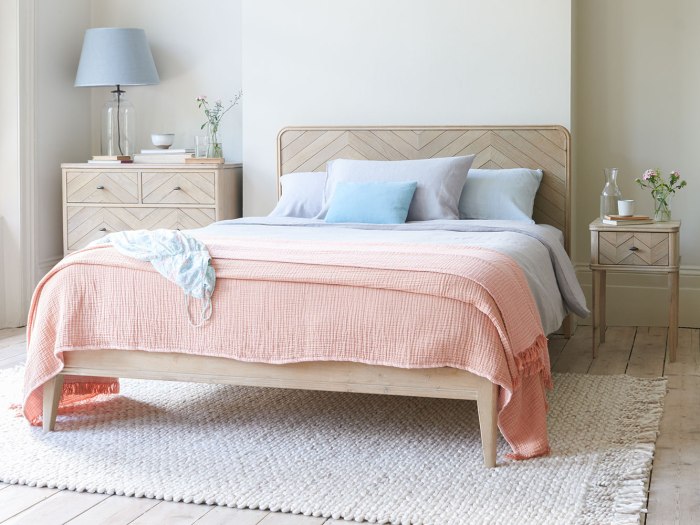
  • How to Incorporate Sustainable Decor into Your Home

    How to Incorporate Sustainable Decor into Your Home

    Sustainable home decor transcends mere aesthetics; it represents a conscious choice to minimize environmental impact and foster ethical consumption. This guide explores the multifaceted aspects of creating a beautiful and responsible living space, encompassing material sourcing, waste reduction, and design strategies that prioritize both style and sustainability. We will delve into practical methods for upcycling, repurposing, and selecting eco-friendly materials, ultimately demonstrating how to cultivate a home that reflects both personal style and environmental responsibility.

    From understanding the lifecycle assessment of various materials to implementing energy-efficient lighting solutions, we provide a comprehensive framework for transforming your home into a haven that is both stylish and environmentally conscious. The journey towards sustainable living begins with informed choices, and this guide equips you with the knowledge and tools to make those choices confidently and effectively.

    Defining Sustainable Decor

    Popsugar

    Sustainable decor represents a holistic approach to interior design that prioritizes environmental responsibility, social equity, and economic viability throughout the product lifecycle. It moves beyond mere aesthetics, considering the impact of materials, manufacturing processes, and disposal methods on the planet and its people. This approach aims to create spaces that are both beautiful and ethically sound.Sustainable decor incorporates several key principles that guide its implementation.

    These principles work in concert to minimize the negative environmental impact and maximize the positive social and economic benefits associated with creating and maintaining a home’s interior.

    Key Principles of Sustainable Interior Design

    The core principles of sustainable interior design are interconnected and mutually reinforcing. They guide the selection of materials, the design process, and the overall lifespan of the décor. Ignoring one principle often compromises the effectiveness of the others. For example, using recycled materials (environmental) may be unsustainable if the recycling process is energy-intensive (environmental) or exploits workers (social).

    • Minimizing Environmental Impact: This involves selecting materials with low embodied energy (the energy used to produce and transport them), prioritizing recycled and reclaimed materials, and choosing products with minimal packaging. Examples include using bamboo flooring instead of hardwood, opting for organic cotton textiles, and selecting furniture made from sustainably harvested wood.
    • Promoting Social Equity: This focuses on ensuring fair labor practices throughout the supply chain, supporting local artisans and businesses, and avoiding products associated with exploitative practices. This could involve choosing furniture made by companies with transparent ethical sourcing policies or purchasing handcrafted items directly from local craftspeople.
    • Enhancing Economic Viability: This considers the long-term cost-effectiveness of design choices, promoting durability, repairability, and adaptability. Choosing high-quality, durable materials that can be easily repaired or repurposed reduces the need for frequent replacements, ultimately saving money and resources in the long run. Investing in well-made, classic pieces rather than trendy, disposable items is a key aspect of this principle.

    • Reducing Waste: This involves minimizing waste at every stage, from design and production to disposal. This includes choosing products with minimal packaging, utilizing repurposed materials, and ensuring that items can be easily recycled or composted at the end of their life. Strategies such as upcycling furniture or creatively reusing existing items fall under this principle.

    Sustainable Decor versus Conventional Interior Design

    Conventional interior design often prioritizes aesthetics and trends above environmental and social considerations. While beauty is still a significant factor in sustainable decor, the approach differs substantially in its consideration of the broader impact.

    Feature Sustainable Decor Conventional Interior Design
    Material Selection Prioritizes recycled, reclaimed, sustainably sourced, and low-impact materials; avoids toxic chemicals. Often uses materials with high embodied energy and potentially harmful chemicals; may prioritize aesthetics over material origin.
    Manufacturing Processes Emphasizes ethical and environmentally responsible manufacturing practices; supports fair labor standards. May overlook labor practices and environmental impact of manufacturing; focuses on cost-effectiveness and speed of production.
    Product Lifespan Focuses on durability, repairability, and adaptability; promotes longevity and reduces waste. Often prioritizes disposability and trends; encourages frequent replacements.
    Disposal Emphasizes recycling, composting, and responsible disposal methods; minimizes landfill waste. May not consider end-of-life disposal; contributes to landfill waste.

    Sourcing Sustainable Materials

    Sustainable home decor relies heavily on the responsible sourcing of materials. The environmental impact of a product extends far beyond its use; it begins with the extraction and processing of raw materials. Choosing materials with a low environmental footprint and ensuring ethical sourcing practices are crucial for truly sustainable design. This section explores various eco-friendly materials and the importance of responsible supply chains.

    Eco-Friendly Materials in Sustainable Home Decor

    The selection of materials significantly influences the environmental impact of home decor. The following table details common sustainable options, their sources, advantages, and limitations.

    Material Source Pros Cons
    Bamboo Rapidly renewable grass Durable, versatile, aesthetically pleasing, requires less water and pesticides than hardwood Can be susceptible to moisture damage if not properly treated, may require specific finishing techniques
    Recycled Wood Reclaimed from demolition, construction waste, or repurposed furniture Reduces landfill waste, unique character, often more affordable than new wood Availability can be limited, may require significant restoration, potential for inconsistencies in quality
    Cork Bark of the cork oak tree Renewable, sustainable harvesting methods, naturally insulating, lightweight Can be more expensive than other materials, limited color and pattern options
    Recycled Glass Recycled glass bottles and containers Reduces landfill waste, durable, aesthetically versatile (e.g., tiles, countertops) Can be brittle, may require careful handling during installation
    Organic Cotton Grown without synthetic pesticides or fertilizers Soft, breathable, biodegradable, reduced environmental impact compared to conventionally grown cotton Can be more expensive, may require more careful washing and maintenance
    Hemp Hemp plant Durable, strong, requires minimal water and pesticides, biodegradable Can be challenging to work with, limited color options, potential for inconsistent quality depending on processing
    Seagrass Seagrass plant Renewable, durable, naturally resists pests and mold, biodegradable Susceptible to moisture damage if not properly treated, limited color and pattern options

    Lifecycle Assessment of Sustainable Materials

    A lifecycle assessment (LCA) analyzes the environmental impacts of a product throughout its entire life, from raw material extraction to disposal. For example, bamboo, while a rapidly renewable resource, still requires processing and transportation, contributing to its carbon footprint. Recycled materials generally have a lower environmental impact than virgin materials because they reduce the need for new resource extraction and energy consumption.

    However, the energy required for recycling and transportation must also be considered. The LCA of organic cotton highlights the reduced pesticide and fertilizer use compared to conventional cotton, leading to less water pollution and soil degradation. However, the higher cost and potentially lower yields can influence the overall environmental impact. A thorough LCA is crucial for comparing the true sustainability of different materials.

    Responsible and Ethical Sourcing

    Sourcing materials from responsible and ethical suppliers is paramount. This involves verifying that suppliers adhere to fair labor practices, environmental regulations, and sustainable harvesting methods. Certifications like the Forest Stewardship Council (FSC) for wood and Global Organic Textile Standard (GOTS) for organic textiles provide assurance of responsible sourcing. Transparency in the supply chain is essential, allowing consumers to trace the origin of materials and understand their environmental impact.

    Supporting local artisans and businesses can also promote sustainable practices and contribute to the local economy. For example, purchasing reclaimed wood from a local supplier ensures the wood is sourced responsibly and reduces transportation emissions. Choosing suppliers committed to ethical labor practices helps to prevent exploitation and ensure fair wages for workers involved in the production process.

    Upcycling and Repurposing

    Upcycling and repurposing existing materials are cornerstones of sustainable decor. By giving new life to discarded or unwanted items, we significantly reduce waste and lessen the demand for newly manufactured products, thereby minimizing the environmental impact associated with resource extraction and production. This section explores practical applications of upcycling and repurposing in home decor.

    Upcycling and repurposing offer creative and cost-effective ways to personalize your home while adhering to sustainable principles. Transforming old items into functional and aesthetically pleasing decor not only reduces waste but also adds unique character to your living space. The following examples illustrate the versatility of this approach.

    Examples of Upcycled and Repurposed Furniture and Decor Items

    Numerous everyday items can be transformed into unique decor pieces. The key lies in recognizing the potential of seemingly discarded objects and applying a little creativity and effort.

    • Old pallets transformed into shelving units or headboards: Discarded wooden pallets, after thorough cleaning and sanding, can be easily disassembled and reassembled into stylish and functional shelving units or even rustic headboards. A coat of paint or varnish can further enhance their aesthetic appeal.
    • Repurposed glass jars as vases or storage containers: Empty glass jars, commonly found in kitchens, can be cleaned and decorated to serve as elegant vases for flowers or as charming storage containers for small items like cotton balls or utensils. Simple paint, ribbons, or twine can transform their appearance.
    • Old ladders repurposed as bookshelves or plant stands: Old wooden ladders, if sturdy, can be cleaned, sanded, and repainted to create unique bookshelves or plant stands. The rustic look complements many interior design styles.
    • Upcycled clothing transformed into rugs or wall hangings: Old t-shirts or other fabric scraps can be cut into strips and braided or crocheted to create unique rugs or wall hangings. This is a great way to reduce textile waste and add a personal touch to your home.
    • Wine crates repurposed as storage or shelving: Empty wine crates, often discarded, can be cleaned and used as rustic storage solutions for books, blankets, or other items. They can also be painted or stained to match your décor.

    Step-by-Step Guide for Upcycling an Old Chair

    This guide details the process of transforming an old wooden chair into a modern, stylish piece.

    1. Assessment and Preparation: Begin by thoroughly inspecting the chair for damage. Repair any loose joints or broken pieces using wood glue and clamps. Sand the entire chair to remove any loose paint or varnish, ensuring a smooth surface for the new finish.
    2. Cleaning: Clean the chair with a damp cloth to remove dust and debris. Allow it to dry completely before proceeding.
    3. Priming (Optional): Apply a primer coat to ensure better paint adhesion and prevent the old finish from bleeding through. Allow the primer to dry completely.
    4. Painting or Staining: Choose a paint or stain that complements your existing décor. Apply multiple thin coats, allowing each coat to dry before applying the next. For a distressed look, sand lightly between coats.
    5. Sealing (Optional): Apply a sealant to protect the finish and enhance its durability. This step is particularly important if the chair will be placed in a high-traffic area.
    6. Finishing Touches: Add any desired finishing touches, such as new upholstery for the seat or decorative knobs. This step allows for personalization and adds a unique touch.

    Repurposing Common Household Items into Unique Decor

    Many everyday items can be easily transformed into attractive and functional decor elements with minimal effort.

    • Mason jars as candle holders: Clean mason jars can be filled with sand or pebbles and used as rustic candle holders. Adding decorative elements like twine or lace enhances their charm.
    • Tin cans as planters: Clean and decorated tin cans can be used as miniature planters for herbs or succulents. Painting or wrapping them with fabric adds a personalized touch.
    • Old picture frames as wall art: Old picture frames can be repurposed as wall art by painting them, adding fabric, or using them to display pressed flowers or other small decorative items.
    • Bottle caps as coasters: Clean bottle caps can be arranged and glued together to create unique coasters. They can be painted or left in their original metallic finish.

    Reducing Waste and Consumption

    Sustainable home decor extends beyond simply choosing eco-friendly materials; it necessitates a mindful approach to consumption and waste reduction throughout the entire process. By minimizing waste and opting for durable pieces, we contribute significantly to a more sustainable lifestyle and lessen the environmental impact of our decorating choices. This section will explore practical strategies to achieve this.

    Minimizing waste in home decor involves a conscious effort at every stage, from initial planning to eventual disposal. By adopting a proactive approach, we can significantly reduce our environmental footprint and contribute to a more circular economy.

    Strategies for Minimizing Waste During the Home Decor Process

    Implementing effective waste reduction strategies during the home decor process requires a multi-pronged approach. Careful planning, responsible sourcing, and creative repurposing are key elements in minimizing waste generation and maximizing resource utilization.

    • Plan carefully before purchasing: Create a detailed design plan to avoid impulse buys and ensure you only acquire what you truly need. This prevents accumulating unnecessary items that end up in landfills.
    • Buy only what you need: Resist the urge to overbuy or purchase items solely based on trends. Focus on quality over quantity and prioritize items that serve a practical purpose and align with your existing decor style.
    • Source materials responsibly: Opt for recycled or reclaimed materials whenever possible. Support businesses committed to sustainable practices and responsible sourcing.
    • Properly dispose of waste: Recycle or compost materials whenever feasible. Familiarize yourself with your local recycling guidelines and dispose of hazardous waste appropriately.
    • Donate or sell unwanted items: Instead of discarding items you no longer need, consider donating them to charity or selling them online. This extends the lifespan of the items and reduces the demand for new products.

    Choosing Durable and Long-Lasting Decor Items

    Investing in durable and long-lasting decor items significantly reduces the need for frequent replacements, thereby minimizing waste and contributing to a more sustainable home environment. Consider factors such as material quality, construction, and design when making purchasing decisions. This approach reduces the overall environmental impact associated with manufacturing and transportation.

    • Prioritize quality over quantity: A well-made, durable piece will last longer than several cheaper alternatives, reducing the need for frequent replacements and minimizing waste.
    • Choose natural, durable materials: Opt for materials like solid wood, sustainably harvested bamboo, or durable fabrics like linen or organic cotton. These materials are often more resistant to wear and tear than synthetic alternatives.
    • Consider timeless designs: Avoid trendy items that may quickly become outdated. Choose classic designs that will remain stylish for years to come, extending the lifespan of your decor.
    • Invest in repairable items: Select items that can be easily repaired or restored if damaged, rather than being immediately discarded.
    • Look for warranties and guarantees: A warranty or guarantee indicates the manufacturer’s confidence in the product’s durability and provides recourse if issues arise.

    Mindful Consumption and Sustainable Home Decor

    Mindful consumption plays a crucial role in creating a sustainable home decor aesthetic. It involves a conscious decision-making process that considers the environmental and social impact of our purchasing choices. This goes beyond simply choosing eco-friendly products; it’s about making informed decisions that align with our values and reduce our overall environmental footprint.

    For example, instead of impulsively buying new throw pillows every season, consider repurposing existing fabrics or investing in high-quality, durable pillows that can withstand the test of time. Similarly, before purchasing new furniture, consider refinishing or reupholstering existing pieces to extend their lifespan and avoid contributing to furniture waste. This mindful approach reduces demand for new products, lessening the environmental burden associated with manufacturing and transportation.

    Incorporating Natural Light and Ventilation

    Maximizing natural light and ventilation significantly contributes to a sustainable and healthy home environment. Beyond reducing reliance on artificial lighting and climate control systems, these design elements offer considerable benefits for occupant well-being and energy efficiency. This section explores strategies for effectively incorporating natural light and ventilation into various room types, highlighting sustainable materials and techniques.Natural light and ventilation offer numerous advantages.

    Firstly, they drastically reduce energy consumption associated with artificial lighting and mechanical ventilation. Studies consistently demonstrate a substantial decrease in electricity bills for homes optimized for natural light and airflow. Secondly, these features positively impact occupant health and well-being. Natural light regulates circadian rhythms, improving sleep quality and mood, while adequate ventilation reduces indoor air pollutants, minimizing the risk of respiratory problems and allergies.

    Finally, maximizing natural light and ventilation can enhance the aesthetic appeal of a space, creating a brighter, more inviting atmosphere.

    Natural Light Strategies for Different Room Types

    Effective natural light incorporation depends on room orientation, size, and function. South-facing rooms generally receive the most sunlight, which can be maximized with large windows and strategically placed mirrors to reflect light into darker corners. In north-facing rooms, maximizing window size and using light-colored, reflective surfaces on walls and floors can compensate for limited direct sunlight. For bedrooms, prioritizing east-facing windows allows for gentle morning light, while west-facing windows in living areas can provide warm afternoon sun.

    Bathrooms and kitchens, often smaller spaces, benefit from strategically placed skylights or strategically placed windows to enhance brightness without compromising privacy. For example, a small bathroom could utilize a frosted glass skylight to maximize light while maintaining privacy.

    Ventilation Strategies for Different Room Types

    Ventilation strategies must consider the climate and the room’s function. In warmer climates, cross-ventilation, achieved through strategically placed windows or vents on opposite walls, is crucial for effective cooling. In colder climates, careful placement of windows and the use of operable windows with weather stripping to minimize heat loss are essential. Bedrooms should prioritize quiet, gentle ventilation, perhaps achieved through strategically placed vents or small windows.

    Kitchens and bathrooms require more robust ventilation to remove moisture and odors, potentially using exhaust fans supplemented by strategically placed windows. Living areas can benefit from both cross-ventilation and ceiling fans to circulate air efficiently. For instance, a living room could utilize strategically placed windows on opposite walls for cross-ventilation, supplemented by a ceiling fan made from sustainable bamboo for efficient air circulation.

    Sustainable Materials and Techniques for Improving Natural Light and Ventilation

    Numerous sustainable materials and techniques enhance natural light and ventilation. Using reclaimed wood for window frames reduces waste and adds character. Employing low-E glass in windows minimizes heat loss in winter and heat gain in summer, enhancing energy efficiency. Installing operable skylights constructed from recycled materials provides natural light and ventilation while reducing reliance on electric lighting and air conditioning.

    Employing light-colored, sustainably sourced paints on walls and ceilings increases reflectivity, maximizing the impact of natural light. For example, using a lime-wash paint, made from natural ingredients, on walls increases light reflection while providing a breathable finish. The incorporation of strategically placed strategically placed indoor plants can also improve air quality and reduce the need for artificial air fresheners.

    Finally, using sustainably sourced bamboo for window shades or blinds provides natural light control while minimizing environmental impact.

    Choosing Sustainable Paint and Finishes

    Decorate

    Selecting environmentally friendly paints and finishes is a crucial step in creating a sustainable home. These choices not only reduce the environmental impact of your home renovation but also contribute to a healthier indoor environment for you and your family. The impact extends beyond the immediate application, encompassing the entire lifecycle of the product, from manufacturing to disposal.

    Eco-friendly paints and finishes offer a range of options, each with varying compositions, environmental impacts, and performance characteristics. Understanding these differences allows for informed decision-making, ensuring the chosen product aligns with both sustainability goals and practical needs.

    Low-VOC Paint Composition and Environmental Impact

    Low-VOC (volatile organic compound) paints are formulated to minimize the release of harmful chemicals into the air. Traditional paints often contain high levels of VOCs, which contribute to air pollution and can cause respiratory problems and other health issues. In contrast, low-VOC paints utilize water-based binders and lower amounts of solvents, significantly reducing their environmental impact. Several types of low-VOC paints exist, including those made from natural plant-based oils and resins, further minimizing the use of synthetic chemicals.

    The reduction in VOCs also translates to a healthier indoor environment, particularly important for sensitive individuals like children and the elderly. Examples of low-VOC paints include those certified by Green Seal or other reputable environmental organizations.

    Selecting Low-VOC Paints for a Healthier Home

    Choosing low-VOC paints involves careful consideration of several factors. The first is the VOC level itself, typically expressed in grams per liter (g/L). Lower values indicate less emission of harmful chemicals. Look for paints explicitly labeled as “low-VOC,” “zero-VOC,” or those meeting specific environmental certifications. Secondly, consider the paint’s durability and performance.

    While some low-VOC paints might require more coats for optimal coverage, many now offer comparable durability to their conventional counterparts. Finally, consider the paint’s cost, which can vary depending on the brand and type. While some eco-friendly options may be slightly more expensive, the long-term health and environmental benefits often outweigh the initial cost difference. For example, investing in a high-quality, low-VOC paint may reduce the need for frequent repainting, ultimately saving money in the long run.

    Comparison of Eco-Friendly Paint Types

    The following table compares different types of eco-friendly paints, highlighting their VOC levels, durability, and cost. Note that these values are general and can vary depending on the specific brand and formulation.

    Paint Type VOC Level (g/L) Durability Cost (Relative)
    Water-based acrylic Low (typically <50 g/L) Good Medium
    Milk paint Very Low Moderate High
    Plant-based oil paint Low to Moderate Excellent High
    Limewash Very Low Moderate Medium

    Sustainable Lighting Solutions

    Sustainable lighting choices significantly impact a home’s environmental footprint and energy bills. By opting for energy-efficient alternatives, homeowners can reduce their carbon emissions and save money over the long term. This section explores the benefits of various sustainable lighting solutions and offers guidance on selecting appropriate options for different areas of the house.

    Energy-Efficient Lighting Options and Their Benefits

    Energy-efficient lighting options, such as LED bulbs and solar-powered lights, offer substantial environmental and economic advantages compared to traditional incandescent bulbs. LEDs, for instance, consume significantly less energy while producing comparable or even brighter light. Solar-powered lights harness renewable energy, minimizing reliance on the electrical grid and reducing greenhouse gas emissions. The longevity of these options also reduces waste associated with frequent bulb replacements.

    Impact of Lighting Choices on Energy Consumption and Environmental Sustainability

    Different lighting choices exert varying impacts on energy consumption and environmental sustainability. Incandescent bulbs, for example, are highly inefficient, converting only a small percentage of energy into light, with the rest released as heat. This inefficiency leads to higher electricity consumption and greater reliance on fossil fuels for power generation, contributing to increased greenhouse gas emissions. In contrast, LED bulbs boast significantly higher energy efficiency, translating to lower energy bills and a reduced carbon footprint.

    Similarly, solar-powered lighting solutions completely eliminate reliance on grid electricity for operation, promoting energy independence and environmental protection. The life cycle assessment of each lighting type, encompassing manufacturing, use, and disposal, should also be considered for a complete picture of its environmental impact.

    Energy-Efficient Lighting Options for Various Rooms

    The selection of appropriate lighting should consider the room’s function and ambiance. A well-lit kitchen requires different lighting solutions compared to a relaxing bedroom.

    • Living Room: LED track lighting for adjustable illumination, combined with energy-efficient dimmable downlights for ambient lighting, and a statement LED floor lamp for task or accent lighting. This combination provides flexibility and energy efficiency.
    • Kitchen: LED under-cabinet lighting for task illumination, energy-efficient pendant lights above the island or dining area, and LED strip lights for accentuating features. This setup provides effective task lighting while enhancing the kitchen’s aesthetics.
    • Bedroom: Dimmable LED bedside lamps for reading, a low-wattage LED ceiling light for ambient lighting, and potentially solar-powered nightlights for added convenience and sustainability. This creates a calming and energy-efficient atmosphere.
    • Bathroom: LED-integrated mirrors with adjustable brightness, energy-efficient recessed LED lighting, and potentially a motion-sensor activated LED light for the vanity area. This ensures sufficient lighting while conserving energy.
    • Outdoor Spaces: Solar-powered pathway lights, LED security lights with motion sensors, and solar-powered garden spotlights. These minimize energy consumption and provide safe and aesthetically pleasing outdoor illumination.

    Creating a Sustainable Decor Plan

    How to Incorporate Sustainable Decor into Your Home

    Developing a sustainable decor plan involves a strategic approach to transforming your home’s aesthetic while minimizing environmental impact. This process requires careful consideration of your budget, existing decor, and long-term goals. A well-structured plan ensures a cohesive and environmentally responsible outcome.

    A successful sustainable decor plan integrates aesthetic appeal with environmental consciousness. Ignoring design aesthetics in favor of solely sustainable materials can result in a visually unappealing space. Conversely, prioritizing aesthetics without considering sustainability undermines the core purpose. The ideal approach balances both, creating a beautiful and environmentally responsible home.

    Step-by-Step Sustainable Decor Plan

    Implementing sustainable decor requires a phased approach. The following plan Artikels key steps, adaptable to various budget levels. Prioritization is key; focusing on high-impact areas first maximizes results.

    1. Assessment and Goal Setting: Begin by assessing your current home decor. Identify areas needing improvement, focusing on functionality and aesthetics. Define your budget – low, medium, or high – to guide material choices and project scope. Set realistic goals, prioritizing areas with the greatest impact (e.g., replacing high-energy consumption lighting before addressing smaller decorative elements).
    2. Prioritization and Planning: Prioritize areas for change based on impact and budget. For instance, a low-budget plan might focus on upcycling existing furniture and textiles, while a higher budget might allow for sourcing new, sustainable materials. Create a timeline for completing each project to avoid feeling overwhelmed.
    3. Material Sourcing and Selection: Research and source sustainable materials. Consider reclaimed wood, recycled fabrics, organic cotton, bamboo, and sustainably harvested timber. For low budgets, explore thrift stores, online marketplaces, and community swap meets. Medium budgets might allow for purchasing certified sustainable materials from ethical suppliers. High budgets can accommodate bespoke, handcrafted items from local artisans using sustainably sourced materials.

    4. Implementation and Upcycling: Begin implementing your plan. Upcycle existing furniture and decor items. Repurpose old jars as storage containers or use old textiles to create new cushions. This phase involves creative problem-solving and maximizing the life of existing items. For low budgets, creativity and resourcefulness are key.

      Medium and high budgets allow for greater investment in professional upcycling services or purchasing sustainably produced new items.

    5. Monitoring and Adjustment: Regularly monitor your progress and make adjustments as needed. This iterative process allows for adapting to unexpected challenges or changes in priorities. Review your initial goals and assess whether they are still aligned with your evolving needs and budget.

    Budget Considerations

    Budget significantly influences material choices and project scope. A low budget necessitates creative reuse and upcycling. Medium budgets allow for a blend of upcycling and purchasing some new, sustainable materials. High budgets afford greater flexibility, potentially including professional design services and premium, sustainably sourced materials.

    Budget Level Material Sourcing Project Examples
    Low Thrift stores, upcycling existing items, free or low-cost resources Repurposing old jars as storage, repainting existing furniture, creating textiles from old clothes
    Medium Combination of upcycling and purchasing certified sustainable materials Buying organic cotton bedding, sourcing reclaimed wood for shelves, commissioning a local artisan to upcycle a piece of furniture
    High Purchasing high-quality, sustainably sourced materials from ethical suppliers, potentially commissioning bespoke pieces Investing in sustainably harvested timber flooring, commissioning custom-made furniture from sustainable wood, using certified organic paints

    Integrating Design Aesthetics

    Sustainable decor shouldn’t compromise aesthetics. The overall design style should guide material and color choices. For example, a minimalist aesthetic might incorporate natural materials like bamboo and unbleached cotton, while a bohemian style could utilize recycled textiles and reclaimed wood. Consistency in design elements, regardless of the sustainability aspect, ensures a cohesive and visually pleasing space.

    A successful sustainable decor plan seamlessly integrates environmental responsibility with personal style, creating a home that is both beautiful and environmentally conscious.

    Illustrative Examples of Sustainable Decor

    How to Incorporate Sustainable Decor into Your Home

    Sustainable decor transcends mere aesthetics; it’s a holistic approach to interior design that minimizes environmental impact while creating beautiful and functional spaces. The following examples showcase how sustainable principles can be applied to diverse room designs, highlighting the positive environmental consequences of conscious choices.

    Living Room Design: Emphasizing Natural Materials and Minimalism

    This living room design prioritizes natural materials and a minimalist aesthetic to reduce environmental impact. The flooring is composed of reclaimed hardwood, sourced from a local demolition project, significantly reducing the demand for newly harvested timber. The walls are painted with low-VOC (volatile organic compound) paint in a soft, neutral tone, minimizing indoor air pollution. Furniture is limited to essential pieces: a comfortable, sustainably sourced sofa made from organic cotton and sustainably harvested wood, a few locally crafted wooden side tables, and a jute rug.

    Decorative elements are minimal, focusing on a few carefully selected pieces such as a ceramic vase holding locally grown flowers and a collection of vintage books. The overall aesthetic is calming and uncluttered, reflecting the principles of mindful consumption. The use of reclaimed wood reduces deforestation, while low-VOC paint improves indoor air quality, benefiting both the environment and the occupants’ health.

    The minimalist approach minimizes resource consumption and waste generation.

    Bedroom Design: Promoting Biodegradability and Local Sourcing

    This bedroom emphasizes biodegradability and local sourcing. The bed frame is crafted from sustainably harvested bamboo, a rapidly renewable resource known for its strength and durability. The mattress is made from natural latex and organic cotton, ensuring minimal chemical exposure and a reduced carbon footprint compared to synthetic alternatives. Bedding is made from organic linen, a durable and biodegradable fabric.

    The walls are adorned with artwork created by a local artist using eco-friendly inks and materials. The lighting is provided by energy-efficient LED bulbs housed in simple, locally sourced wooden lamps. The overall color palette is muted and natural, using earth tones that create a sense of calm and tranquility. The choice of bamboo for the bed frame reduces reliance on slow-growing hardwoods, while the organic cotton and linen bedding minimize the use of pesticides and harmful chemicals.

    Supporting local artists reduces transportation emissions and fosters community engagement.

    Kitchen Design: Recycling and Upcycling

    This kitchen showcases the power of recycling and upcycling. The countertops are made from recycled glass, reducing landfill waste and utilizing a readily available material. Cabinets are constructed from reclaimed wood, salvaged from old buildings, thereby preventing unnecessary deforestation. Instead of new appliances, energy-efficient models are chosen, reducing energy consumption. Old jars and containers are repurposed as storage solutions, minimizing the need for new packaging.

    Decorative elements are primarily upcycled items, such as vintage teacups used as planters and old wooden crates transformed into shelves. The overall aesthetic is rustic and charming, reflecting the creative use of recycled and repurposed materials. The use of recycled glass countertops and reclaimed wood cabinets significantly reduces the environmental impact of new material production. Repurposing existing items minimizes waste and reduces the demand for new resources.

    Energy-efficient appliances further reduce the kitchen’s environmental footprint.

    Creating a sustainably decorated home is not merely a trend; it’s a commitment to a healthier planet and a more mindful lifestyle. By consciously choosing eco-friendly materials, reducing waste, and prioritizing natural light and ventilation, we can significantly lessen our environmental footprint. This guide has provided a practical roadmap, outlining actionable steps for integrating sustainable principles into your interior design.

    Remember, every sustainable choice, no matter how small, contributes to a larger, positive impact, creating a space that is both beautiful and responsible.

    Expert Answers

    What are some common misconceptions about sustainable decor?

    A common misconception is that sustainable decor is expensive or less stylish. While some eco-friendly materials may have a higher upfront cost, the long-term benefits (durability, reduced replacements) often outweigh the initial investment. Furthermore, sustainable design can be just as stylish and aesthetically pleasing as conventional design.

    How can I incorporate sustainable decor on a budget?

    Prioritize upcycling and repurposing existing items. Shop secondhand for furniture and decor. Focus on making smaller, incremental changes rather than a complete overhaul. Choose durable, long-lasting items to reduce the need for frequent replacements.

    Where can I find certified sustainable materials?

    Look for certifications like Forest Stewardship Council (FSC) for wood products, Global Organic Textile Standard (GOTS) for textiles, and Cradle to Cradle Certified™ for various materials. Many online retailers and local stores also specialize in sustainable home goods.

    How do I dispose of old, unsustainable decor items responsibly?

    Prioritize donating or selling usable items. Check with your local waste management facilities for proper disposal of non-recyclable items. Many municipalities offer separate collection programs for hazardous waste, including certain paints and finishes.

    Is it difficult to maintain a sustainable home decor style over time?

    Maintaining a sustainable decor style requires ongoing mindful choices. However, by focusing on durable, versatile pieces and adopting a less consumerist approach, it becomes easier to maintain a sustainable home decor style long-term. Regularly assess your needs and avoid impulsive purchases.

  • Simple Ways to Add a Personal Touch to Your Home Decor

    Simple Ways to Add a Personal Touch to Your Home Decor

    Transforming a house into a home involves more than just aesthetics; it’s about infusing personality and creating a space that reflects individual experiences and passions. This exploration delves into simple yet impactful methods for adding a personal touch to your home décor, moving beyond generic designs to cultivate a truly unique and welcoming environment. We’ll examine how strategic use of personal items, textiles, and DIY projects can create a space that feels authentically yours.

    From creatively displaying cherished photographs and artwork to incorporating handmade textiles and curated collections, this guide offers practical strategies and inspirational ideas. We’ll consider the psychological impact of color and texture, exploring how these elements contribute to the overall mood and atmosphere of a room. Furthermore, we will delve into the art of upcycling and repurposing, transforming everyday objects into unique decorative pieces that tell a story.

    The goal is to empower readers to personalize their living spaces, creating environments that are both visually appealing and deeply meaningful.

    Incorporating Personal Photos and Artwork

    Personal photos and artwork offer a unique opportunity to infuse your home decor with personality and warmth. Strategically incorporating these elements can transform a house into a home, reflecting your family’s history, passions, and memories. However, careful consideration of placement and presentation is crucial to avoid a cluttered or overwhelming aesthetic.

    Creative Display of Family Photos

    Displaying family photos without creating visual clutter requires a thoughtful approach. Overcrowding can diminish the impact of individual images and detract from the overall decor. Consider grouping photos by theme, time period, or location to create cohesive displays. Utilizing varying frame sizes and styles can add visual interest while maintaining a sense of order. For example, a gallery wall featuring a mix of black and white photos in simple, minimalist frames can create a sophisticated and timeless look.

    Conversely, a collection of vibrant, colorful photos in ornate frames might suit a more eclectic style.

    Framing Style Impact on Home Decor Example
    Simple, minimalist frames (e.g., thin black or white frames) Clean, modern, versatile; allows photos to be the focal point. A collection of black and white family portraits in thin black frames arranged on a white wall.
    Ornate, decorative frames (e.g., gilded frames, ornate wood frames) Adds a touch of elegance or vintage charm; suitable for formal settings or eclectic styles. A grouping of antique family photos in ornate gold frames displayed on a dark wood mantelpiece.
    Collage frames (multiple openings in a single frame) Great for showcasing multiple smaller photos; allows for creative arrangement. A large collage frame displaying various snapshots from a family vacation, arranged in a visually pleasing manner.
    No frames (using clips, washi tape, or photo string) Casual, bohemian feel; best suited for informal settings or casual spaces. A collection of candid photos clipped to a rope hung against a textured wall.

    Incorporating Personal Artwork

    Personal artwork, encompassing paintings, drawings, and even children’s creations, adds a layer of individuality to your home’s aesthetic. Consider the style and color palette of your artwork in relation to your existing decor. A vibrant abstract painting might serve as a focal point in a neutral-toned living room, while a series of delicate watercolor paintings could complement a more romantic or feminine style.

    Children’s artwork can be displayed creatively using magnetic boards, corkboards, or even framing them in simple, inexpensive frames. Consider rotating displays to showcase different pieces and keep the look fresh. For larger pieces, strategically placing them above furniture or as a centerpiece on a wall can create a stunning visual impact.

    Digital Photo Frames for Modern Memory Display

    Digital photo frames offer a contemporary way to showcase memories. They allow for the easy rotation of a large number of photos, creating a dynamic and engaging display. Furthermore, the ability to create themed slideshows provides opportunities for storytelling and celebrating special occasions.

    Example Digital Photo Frame Slideshow

    A digital photo frame slideshow could begin with a montage of family vacation photos, transitioning to a selection of childhood photos of family members, followed by images from significant family events such as weddings or graduations. The slideshow could conclude with recent family photos, creating a visual narrative that spans generations and highlights important life moments. The slideshow could incorporate background music or a gentle transition effect to enhance the viewing experience.

    The selection of photos could be updated regularly, ensuring the display remains fresh and relevant.

    Using Textiles and Fabrics to Reflect Personality

    Textiles and fabrics offer a powerful and versatile way to personalize a home’s interior design. Their inherent textural qualities, coupled with the vast array of colors and patterns available, provide a rich medium for expressing individual style and creating a welcoming atmosphere. Strategic use of textiles can transform a space from sterile to inviting, reflecting the homeowner’s personality and taste.

    Textile Selection for Different Rooms

    The choice of fabric significantly impacts the overall feel and functionality of a room. Factors to consider include durability, maintenance requirements, and the desired aesthetic. Different fabrics possess unique characteristics that make them suitable for specific areas of the home.

    • Living Room: Durable and comfortable fabrics like linen, velvet, or wool are ideal for sofas and armchairs. These materials offer both aesthetic appeal and the ability to withstand regular use. Lighter fabrics such as cotton or silk can be used for accent pieces like cushions or throws.
    • Bedroom: Soft, breathable fabrics like cotton percale, linen, or silk are preferable for bedding. These materials promote comfort and sleep quality. For heavier drapes, velvet or heavier linen can add a sense of luxury and privacy.
    • Dining Room: Durable, stain-resistant fabrics are essential for dining chairs and tablecloths. Options include polyester blends, linen blends treated with stain-resistant finishes, or durable upholstery fabrics.
    • Bathroom: Water-resistant and quick-drying fabrics like cotton, polyester, or microfiber are best suited for bathroom rugs and shower curtains. Avoid fabrics that absorb moisture and are prone to mildew.

    The Impact of Color and Pattern in Textiles

    Color and pattern play a crucial role in setting the mood and ambiance of a room. Bold patterns, such as large florals or geometric designs, create a vibrant and energetic atmosphere. They can be a focal point, drawing the eye and adding visual interest. Conversely, subtle textures and muted colors, like solid-colored linens or subtly patterned tweeds, promote a sense of calm and serenity.

    They provide a more understated elegance, allowing other design elements to take center stage. The balance between bold statements and subtle textures is key to achieving a harmonious and personalized aesthetic.

    Incorporating Handmade or Vintage Textiles

    Handmade or vintage textiles offer a unique and irreplaceable character to a space. These pieces often possess a rich history and unique craftsmanship that cannot be replicated. A hand-knitted throw blanket, a vintage tapestry, or a collection of antique cushions adds depth and authenticity to a room’s décor. These items can be used as focal points or subtly incorporated into the overall design scheme, adding layers of texture and visual interest.

    Their imperfections and unique characteristics tell a story, contributing to a more personal and expressive design narrative.

    Living Room Arrangement Featuring Unique Textiles

    Imagine a living room with a mid-century modern aesthetic. A plush velvet sofa in a deep teal anchors the space. Layered on top is a hand-knitted throw blanket in a chunky, cream-colored wool, adding texture and warmth. Several cushions in various patterns and textures—a vintage kilim pillow with geometric patterns, a linen cushion in a muted olive green, and a silk cushion with a subtle floral print—are scattered on the sofa and armchairs.

    A large, hand-woven jute rug in a natural beige grounds the seating area, tying the colors and textures together. This arrangement showcases the versatility of textiles, creating a space that is both stylish and comfortable, reflecting a personality that appreciates both modern design and handcrafted details. The combination of colors and textures creates a visually rich yet harmonious space, demonstrating the power of textiles in personalized interior design.

    Personalizing with Books and Collections

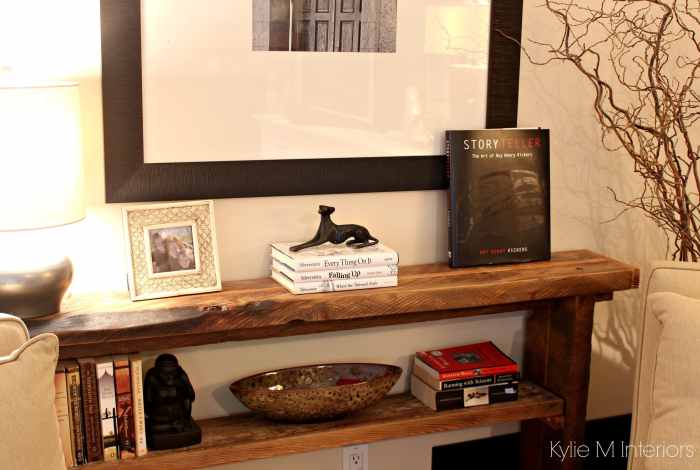
    Decor books edge room table live console accessories living personalize sofa shown ideas house share

    Integrating personal books and collections into your home décor can transform a space from generic to uniquely yours. Strategically displaying these items not only showcases your interests but also adds visual depth and character. Careful consideration of arrangement and presentation is key to achieving a polished, rather than cluttered, aesthetic.

    Aesthetic Book Display Techniques

    Beyond simple stacking, books offer a versatile medium for interior design. Varying book sizes and heights creates visual rhythm and texture on shelves. Place larger, hardback books at the bottom for stability, interspersed with smaller paperbacks and slim volumes. Consider color-coding for a modern, minimalist feel, or arrange by genre or author for a more eclectic look. Leaning books against the wall, or creating small stacks on tables or sideboards, adds a casual, lived-in feel.

    Consider using bookends to support taller stacks and prevent toppling, adding both functionality and visual interest. For a truly unique approach, use books as a base for small decorative items, such as a vase or a framed photograph.

    Incorporating Personal Collections

    Personal collections, when thoughtfully displayed, become captivating conversation starters and reflections of individual passions. Avoid overcrowding; instead, curate a selection that highlights the most interesting or representative pieces. Utilize shadow boxes or display cases for smaller, fragile items like stamps or coins, keeping them protected and visually organized. For larger collections, consider grouping similar items together to create thematic clusters.

    For example, a collection of vintage toys could be arranged chronologically or by brand. The key is to find a balance between showcasing the collection and preventing it from overwhelming the space.

    Display Plan for Vintage Postcards

    A collection of vintage postcards can be transformed into a visually appealing feature. Begin by selecting postcards with appealing imagery and condition. Framing is crucial; consider using simple, uniform frames in a consistent color to avoid visual clutter. Arrange the framed postcards in a grid pattern on a wall, or create a gallery wall incorporating other artwork or photographs.

    Alternatively, arrange them on a shelf, leaning against a backdrop of textured fabric or wallpaper to enhance the visual appeal. Lighting is key; soft, diffused light will prevent glare and highlight the details of the postcards. Consider using LED strip lighting behind the display for a subtle, dramatic effect.

    Creating a Focal Point with Collections

    A curated collection can serve as a stunning focal point, drawing the eye and adding personality to a room. For instance, a collection of pottery could be displayed on open shelving, arranged by size, color, or style. A collection of vintage travel souvenirs—maps, postcards, small trinkets—could be arranged on a mantelpiece or console table, creating a visually engaging narrative of past journeys.

    To enhance the display, consider the background. A neutral-colored wall or shelf will allow the collection to stand out. Subtle backlighting can add depth and drama. Spotlighting key pieces with small, adjustable lamps can further highlight details and textures. The use of appropriate lighting, background, and careful arrangement transforms a simple collection into a captivating centerpiece.

    Adding Personal Touches Through DIY Projects

    DIY projects offer a unique avenue for injecting personality into your home decor. By engaging in creative endeavors, you can transform ordinary spaces into personalized havens reflecting your individual style and tastes. The beauty of DIY lies in its accessibility; even simple projects can yield significant aesthetic improvements and a strong sense of accomplishment.

    Creating a Personalized Wall Hanging Using Repurposed Materials

    Repurposing materials provides an eco-friendly and cost-effective method for crafting unique wall hangings. This process allows for significant creative freedom, transforming discarded items into personalized works of art. Consider using old fabrics, buttons, or even broken jewelry to create a visually stunning and meaningful piece.

    One example involves creating a wall hanging from recycled denim. Cut strips of various widths from old jeans or denim jackets. Weave these strips together using a simple over-under technique, creating a textured tapestry. Once the desired size is reached, secure the edges and add decorative elements like beads, buttons, or small pieces of fabric. The resulting wall hanging will be unique and reflective of your personal style.

    Alternatively, consider using old picture frames. Remove the glass and backing, and then decorate the frame itself using paint, decoupage, or other embellishments. Attach twine or ribbon to the top, and use the frame as the base for a hanging display. Add photos, small artwork, or dried flowers to create a personalized display. This project provides a simple and cost-effective means of personalizing your home décor.

    Upcycling Existing Items to Create Unique Home Decor Pieces

    Upcycling transforms discarded or unwanted items into valuable and aesthetically pleasing home decor. This process not only adds a personal touch to your living space but also promotes sustainability by reducing waste. Numerous household items can be repurposed with minimal effort and cost.

    Repurposed Jar Candle Holder

    This project transforms empty glass jars into elegant candle holders.

    Materials: Clean glass jar (various sizes), sandpaper (fine grit), paint (acrylic or spray paint), sealant (optional), tea light or small candle.

    Steps:

    1. Clean the jar thoroughly and remove any labels. Sand the surface lightly to improve paint adhesion.
    2. Apply a base coat of paint to the jar. Allow it to dry completely before applying additional coats if desired.
    3. Once the paint is dry, add decorative elements such as stencils, glitter, or decoupage. Let it dry completely.
    4. (Optional) Apply a sealant to protect the paint and add durability.
    5. Place a tea light or small candle inside the jar. Always use caution when handling candles and ensure they are placed on a heat-resistant surface.

    Personalizing Everyday Items Using Paint, Stencils, or Other Decorative Techniques

    Personalizing commonplace items such as picture frames and vases adds a unique character to your home environment. Simple techniques like painting, stencilling, or decoupage can significantly transform the appearance of these items. This allows for the incorporation of your individual style and preferences into your daily surroundings.

    Decorating Plain Terracotta Pots with Unique Patterns

    Terracotta pots, readily available and affordable, serve as an excellent canvas for creative expression.

    Materials: Plain terracotta pots, acrylic paints, paintbrushes, stencils (optional), sealant (optional).

    Steps:

    1. Clean the terracotta pots thoroughly and allow them to dry completely.
    2. Choose your desired paint colors and patterns. If using stencils, secure them firmly to the pot.
    3. Apply the paint evenly, using multiple thin coats for better coverage and to prevent drips. Allow each coat to dry completely before applying the next.
    4. (Optional) Once the paint is dry, apply a sealant to protect the design and make it more water-resistant.
    5. Allow the sealant to dry completely before planting your flowers or other greenery.

    Incorporating Travel Souvenirs and Mementos

    Fresh wishlist

    Travel souvenirs and mementos offer a unique opportunity to personalize your home décor, transforming your living space into a visual diary of your adventures. These items, imbued with personal memories and cultural significance, can add character and depth to any room, fostering a sense of wanderlust and inspiring conversation. Careful consideration of display methods, however, is crucial to avoid overwhelming the space and maintaining a cohesive aesthetic.

    Integrating travel memories into your home décor requires a balanced approach. Overly cluttered displays can detract from the overall ambiance, while a carefully curated selection can enhance it significantly. The key is to thoughtfully select items that resonate with you and complement your existing décor style. This approach ensures that your travel memories enhance, rather than disrupt, your home’s aesthetic.

    Displaying Travel Souvenirs Using a World Map

    A world map serves as an engaging and practical backdrop for showcasing travel souvenirs. A large, framed world map can be mounted on a wall, providing a visual context for your collected items. Smaller items, such as postcards, ticket stubs, and small trinkets, can be pinned directly onto the map, marking the locations of your travels. Larger souvenirs, like masks or sculptures, can be strategically placed around the map, creating a visually rich and informative display.

    This method not only organizes your souvenirs but also transforms a static map into a dynamic representation of your travel experiences. For example, a vintage-style world map could be complemented by antique postcards and small ceramic figurines from various countries, creating a nostalgic and sophisticated display.

    Methods for Displaying Travel Photos

    Several methods exist for showcasing travel photos, each offering a unique aesthetic and level of engagement. Photo albums provide a structured way to organize and preserve your photos chronologically, allowing for detailed captions and reminiscing. Scrapbooks offer a more creative and personalized approach, allowing for the incorporation of additional mementos, such as ticket stubs or pressed flowers, alongside your photographs.

    Framed prints, on the other hand, offer a more polished and professional look, ideal for showcasing your favorite images as focal points in your décor. The choice of method depends on personal preference and the desired aesthetic. A family might opt for a large-format scrapbook to collaboratively document their adventures, while an individual traveler might prefer a series of framed prints showcasing their most stunning photographs.

    Utilizing Maps, Globes, and Travel-Themed Items

    Maps, globes, and other travel-themed items serve as excellent conversation starters and add a personal touch to your home décor. A vintage globe can act as a decorative centerpiece, while a collection of antique maps can be framed and displayed as wall art. Travel-themed accessories, such as decorative suitcases, vintage postcards, or even a small model airplane, can be incorporated into existing displays to add a touch of wanderlust.

    These items not only reflect personal travel experiences but also contribute to a unique and inviting atmosphere. For instance, a living room corner could feature a large antique map of the world, a globe, and several framed travel photographs, complemented by a small collection of travel-themed books.

    Designing a Travel-Themed Corner in a Living Room

    A designated travel-themed corner in the living room provides a focused space to showcase travel memories. This corner could feature a comfortable armchair, a small side table, and a collection of travel-related items. A world map could serve as a backdrop, with smaller souvenirs displayed on the table or shelves. Framed photographs and travel-related books could be arranged on the side table, creating a cozy and inviting space to relax and reflect on past adventures.

    The style and aesthetic of this corner should be consistent with the overall décor of the living room, ensuring a harmonious and cohesive design. For example, a bohemian-style living room could feature a Moroccan-themed corner with vibrant textiles, handcrafted souvenirs, and a collection of travel journals.

    Ultimately, adding a personal touch to your home décor is a journey of self-expression and creative exploration. By thoughtfully incorporating personal items, textiles, and DIY projects, you can transform your living space into a reflection of your unique identity and experiences. Remember, the most impactful designs are those that tell a story, evoke emotion, and create a sense of belonging.

    Embrace the process, experiment with different styles, and most importantly, have fun creating a home that truly feels like yours.

    Answers to Common Questions

    What are some affordable ways to add a personal touch?

    Repurposing existing items, using thrifted or vintage finds, and creating DIY projects are budget-friendly options. Framing personal photos or creating a gallery wall with inexpensive frames is also a cost-effective way to personalize your space.

    How can I avoid making my home look cluttered when displaying personal items?

    Curate your collections, focusing on quality over quantity. Use strategic grouping and varying heights to create visual interest. Employ consistent color palettes and framing styles to maintain a cohesive look. Consider using shadow boxes or display cases to keep smaller items organized.

    How do I choose a color palette that reflects my personality?

    Consider your favorite colors and how they make you feel. Think about the overall mood you want to create (calm, energetic, etc.). Explore color psychology resources for guidance. Start with a few key colors and build from there, incorporating them through textiles, artwork, and accessories.

    What if I don’t have a lot of personal items to display?

    Focus on creating a few impactful displays rather than trying to fill every space. A single, well-curated collection or a striking piece of artwork can make a significant difference. Consider incorporating nature elements like plants or flowers to add life and personality.

    How can I incorporate my hobbies into my home décor?

    Display tools or equipment related to your hobbies in a decorative way. Showcase finished projects or creations. Use themed artwork or textiles to reflect your interests. For example, a knitter could display finished projects on shelves or incorporate yarn colors into their color scheme.

  • Modern Home Decor Ideas to Refresh Your Space

    Modern Home Decor Ideas to Refresh Your Space

    Transforming a house into a home involves more than just bricks and mortar; it’s about cultivating a space that reflects personal style and enhances well-being. Modern home decor offers a versatile approach, blending functionality with aesthetic appeal. This exploration delves into the principles of modern design, showcasing how clean lines, minimalist aesthetics, and thoughtful material choices can revitalize any living space, from the living room to the bathroom.

    We will examine various modern design styles, practical tips for furniture selection, and innovative ways to incorporate technology and art to create a truly personalized and refreshing environment.

    This guide provides a comprehensive overview of modern home decor trends, offering practical advice and inspirational ideas for homeowners seeking to update their living spaces. We’ll explore diverse design aesthetics, including minimalist, mid-century modern, and Scandinavian styles, highlighting their key characteristics and demonstrating how to integrate them seamlessly into different rooms. The focus will be on creating functional, stylish, and comfortable environments that reflect individual preferences and enhance the overall living experience.

    Introduction

    Modern home decor encompasses a broad range of styles prioritizing clean lines, functionality, and a sense of spaciousness. It eschews overly ornate details and instead emphasizes simplicity and the integration of form and function. The core philosophy centers on creating a living environment that is both aesthetically pleasing and practical, reflecting the homeowner’s personality and lifestyle. This approach contrasts sharply with more traditional styles that often prioritize elaborate ornamentation and historical references.Modern design principles are characterized by a commitment to minimalism, functionality, and the use of natural light.

    This translates into open floor plans, a focus on natural materials, and a restrained use of color. The overall effect is intended to create a feeling of calm and order, a sanctuary from the often chaotic demands of modern life.

    Defining Modern Design Aesthetics

    Several distinct aesthetics fall under the umbrella of modern home decor. Each possesses unique characteristics while adhering to the overarching principles of minimalism and functionality. Understanding these nuances allows for a more informed and personalized approach to decorating.

    Minimalist Design

    Minimalist design prioritizes simplicity and functionality above all else. It features clean lines, a limited color palette (often neutrals like white, gray, and beige), and a focus on essential furniture pieces. Clutter is avoided, and every item serves a purpose. A minimalist living room, for instance, might feature a simple sofa, a low coffee table, and perhaps a single piece of artwork, all against a backdrop of neutral-colored walls.

    The emphasis is on creating a sense of spaciousness and calm.

    Mid-Century Modern Design

    Mid-century modern design, popularized in the mid-20th century, is characterized by its clean lines, organic shapes, and use of natural materials such as wood and leather. Furniture pieces often feature tapered legs and simple silhouettes. Color palettes typically include warm earth tones and pops of bright color. A mid-century modern living room might include a low-slung sofa with tapered legs, an Eames chair, and a credenza made of teak wood.

    The style evokes a sense of sophistication and timeless elegance.

    Scandinavian Design

    Scandinavian design emphasizes functionality, simplicity, and natural light. It often incorporates natural materials like wood and wool, and features a light and airy color palette. The style prioritizes comfort and practicality, creating a cozy and inviting atmosphere. A Scandinavian bedroom might include light-colored wooden furniture, a plush wool rug, and simple textiles. The overall effect is one of warmth and understated elegance.

    Natural light plays a crucial role, maximizing the feeling of spaciousness.

    Principles of Modern Design

    The core principles of modern design are intertwined and mutually reinforcing. Clean lines, functionality, and neutral color palettes work together to create a cohesive and aesthetically pleasing space.

    Clean Lines and Simple Forms

    Modern design favors clean lines and simple forms over ornate details. Furniture and architectural elements are often characterized by their geometric shapes and lack of embellishment. This creates a sense of order and visual clarity, enhancing the feeling of spaciousness. For example, a modern kitchen might feature sleek, minimalist cabinetry with integrated handles, creating a streamlined and uncluttered appearance.

    Functionality and Practicality

    Every element in a modern space should serve a purpose. Furniture is chosen for its practicality and ease of use, and storage solutions are carefully considered to minimize clutter. The emphasis is on creating a functional and efficient living environment. A modern bathroom, for instance, would prioritize efficient storage and easily accessible fixtures, ensuring both practicality and aesthetic appeal.

    Neutral Color Palettes

    Neutral color palettes are a hallmark of modern design. Whites, grays, beiges, and other neutral shades create a sense of calm and spaciousness. Pops of color can be strategically incorporated to add personality and visual interest, but they are generally used sparingly. A modern bedroom, for instance, might feature a neutral-colored wall, complemented by a few strategically placed accent pillows in a bolder hue.

    Refreshing Your Living Room with Modern Touches

    Contemporary

    Transforming your living room into a modern oasis involves thoughtful consideration of layout, furniture, color palettes, and lighting. A successful renovation balances functionality with aesthetic appeal, creating a space that is both stylish and comfortable for relaxation and entertaining. This section explores key elements to achieve a contemporary living room design.

    Modern Living Room Layout: Optimizing Natural Light and Open Space

    Maximizing natural light is crucial in creating a bright and airy modern living room. Strategic placement of furniture should avoid obstructing windows, allowing sunlight to flood the space. An open floor plan, if possible, enhances the feeling of spaciousness. Consider using area rugs to define different zones within the room, such as a seating area and a conversation area, while maintaining a sense of flow.

    Mirrors strategically placed can also amplify natural light and create the illusion of a larger room. For smaller living rooms, minimalist furniture choices and light-colored walls are particularly effective in maximizing the feeling of space.

    Modern Furniture Selection: Enhancing Comfort and Style

    Modern furniture emphasizes clean lines, simple silhouettes, and high-quality materials. Sofas with low profiles and sleek designs, perhaps in neutral fabrics like linen or a light-colored microfiber, offer both comfort and visual appeal. Armchairs with sculptural forms or minimalist designs can add visual interest. Coffee tables with simple geometric shapes, glass tops, or minimalist metal bases complement the overall aesthetic.

    Consider incorporating modular furniture pieces that can be reconfigured to suit different needs and layouts. The choice of materials should reflect a preference for natural materials such as wood, stone, or metal, combined with comfortable and durable upholstery.

    Modern Living Room Color Scheme: A Neutral Base with Accent Colors

    A mood board illustrating a modern living room color scheme might feature a neutral base of warm greige or off-white walls. Accent colors could include deep teal for throw pillows and a statement rug, muted mustard yellow in artwork, or a subtle blush pink in decorative accessories. This palette offers a sophisticated and calming atmosphere. The use of texture plays a vital role; incorporating natural materials like a jute rug or a linen sofa adds depth and visual interest to the neutral base.

    The accent colors are used sparingly, creating focal points and preventing the room from feeling overwhelming. The overall effect is one of understated elegance and tranquility.

    Modern Lighting Options for the Living Room

    Appropriate lighting is essential to create the desired ambiance in a modern living room. Different types of lighting can be used to highlight architectural features, create focal points, and provide ambient illumination.

    Lighting Type Features Benefits Example
    Floor Lamps Adjustable height and direction, various styles and materials Provides task lighting, adds visual interest, flexible placement A slender arc lamp with a linen shade
    Pendant Lights Suspended from the ceiling, available in various shapes and sizes Creates a focal point, adds architectural interest, provides ambient lighting A trio of minimalist geometric pendant lights over a dining area within an open-plan living room.
    Recessed Lighting Integrated into the ceiling, provides even illumination Energy-efficient, unobtrusive, ideal for general illumination A grid of recessed spotlights highlighting artwork or architectural details.

    Transforming Your Bedroom into a Modern Sanctuary

    Creating a modern bedroom involves a thoughtful blend of minimalist design, functional furniture, and the incorporation of technology to enhance comfort and convenience. This approach prioritizes clean lines, neutral palettes, and the strategic use of texture to cultivate a serene and restorative space.

    Modern Bedding Selection: Textures and Colors

    The selection of bedding significantly impacts the overall aesthetic and feel of the bedroom. Modern bedding often prioritizes natural materials and a restrained color palette. Think crisp white linen sheets for a luxurious and airy feel, complemented by a duvet cover in a soft, neutral tone like greige or a muted blue. The texture contrast between the smooth linen sheets and a slightly heavier, textured duvet cover adds visual interest.

    Incorporating a few carefully chosen throw pillows introduces pops of color or pattern. For example, a set of velvet pillows in a deep teal or charcoal grey would add a touch of sophistication and visual weight against the lighter bedding. The key is to maintain balance; avoid overwhelming the space with too many colors or textures.

    Minimalist Bedroom Layout for Space Maximization

    A minimalist approach to bedroom layout focuses on functionality and efficient space utilization. This often involves choosing multi-functional furniture and strategically placing items to avoid clutter. A platform bed, for instance, eliminates the need for a bulky box spring, freeing up floor space. Built-in wardrobes or cleverly designed storage solutions, such as under-bed drawers or ottomans with storage, maximize vertical space.

    Keeping the color palette light and airy further enhances the sense of spaciousness. A well-placed mirror can also visually expand the room’s dimensions. For a small bedroom (e.g., 10×10 feet), a floating nightstand on one side of the bed could be combined with a wall-mounted shelf above it to create a functional and space-saving unit.

    Modern Bedroom Furniture and Functionalities

    Modern bedroom furniture is characterized by clean lines, simple designs, and a focus on functionality. A platform bed with integrated drawers provides ample storage while maintaining a sleek profile. A minimalist dresser with sleek metal handles and ample drawer space offers both storage and visual appeal. Nightstands often feature integrated USB charging ports for easy access to electronic devices.

    Materials like light oak or walnut wood, combined with metal accents, create a contemporary and sophisticated look. For example, a floating nightstand made of light oak with a single drawer and a built-in USB port could complement a platform bed made of the same wood, maintaining a cohesive aesthetic while maximizing functionality.

    Incorporating Smart Home Technology

    Smart home technology enhances both the comfort and convenience of a modern bedroom. Smart lighting allows for customized lighting schemes to suit different moods and activities. Dimmable LED lights can create a relaxing atmosphere for sleep, while brighter settings are ideal for reading or getting ready in the morning. Smart blinds automatically adjust to optimize natural light and privacy throughout the day, enhancing energy efficiency.

    A smart thermostat allows for precise temperature control, ensuring optimal sleeping conditions. For instance, a smart lighting system could be programmed to gradually dim the lights in the evening, signaling the body’s natural sleep cycle, while smart blinds could close automatically at sunset, providing privacy and reducing light pollution.

    Modern Kitchen Design

    Modern living room ideas decorating luxury rooms decor house inspired rich interior decoration tumblr penthouse lifestyle life live amazing flickr

    The modern kitchen transcends mere functionality; it’s a statement of personal style and a hub of daily life. A well-designed modern kitchen seamlessly integrates aesthetics and practicality, creating a space that is both beautiful and efficient. This involves careful consideration of appliances, materials, storage solutions, and layout to maximize both form and function.Modern kitchen design prioritizes clean lines, minimalist aesthetics, and the incorporation of high-quality, durable materials.

    The emphasis is on creating a space that feels open, airy, and inviting, while also being highly functional and easy to maintain. This section will explore key elements contributing to a successful modern kitchen design.

    Appliance Integration in Modern Kitchens

    The selection and integration of modern appliances are crucial in achieving a streamlined and efficient kitchen design. High-end appliances, often featuring smart technology and energy-efficient designs, are frequently incorporated. Refrigerators with integrated panels seamlessly blend into cabinetry, maintaining a cohesive aesthetic. Built-in ovens and microwaves maintain a clean, uncluttered look, while dishwashers with quiet operation and advanced features contribute to a peaceful and functional workspace.

    The placement of these appliances should be carefully planned to optimize workflow and accessibility. For example, a common layout places the refrigerator, sink, and dishwasher in a triangular configuration, minimizing movement between tasks.

    Modern Kitchen Materials and Maintenance

    The choice of materials significantly impacts both the aesthetic and the practicality of a modern kitchen. Countertops are a focal point, with materials like quartz, granite, and engineered stone offering durability and easy maintenance. Quartz, for instance, is non-porous and resistant to staining, making it an ideal choice for busy households. Cabinetry often features sleek, minimalist designs, frequently constructed from materials like lacquered wood or high-pressure laminate for easy cleaning and longevity.

    Backsplashes, often made of materials like glass tile, ceramic tile, or even stainless steel, add a touch of personality while protecting the wall from splashes and stains. Regular cleaning with appropriate cleaning agents is key to maintaining the longevity and aesthetic appeal of these materials. For example, granite countertops should be sealed periodically to prevent staining, while lacquered wood cabinets benefit from gentle cleaning with a damp cloth.

    Modern Kitchen Storage Solutions

    Effective storage is paramount in a modern kitchen, maximizing space and minimizing clutter. Well-planned storage solutions are crucial for maintaining a clean and organized space.

    • Pull-out drawers and pantry systems maximize accessibility and visibility of stored items.
    • Corner cabinets with rotating shelves eliminate wasted space in awkward corners.
    • Vertical storage solutions, such as tall, narrow cabinets, utilize vertical space effectively.
    • Integrated appliances, such as built-in refrigerators and dishwashers, free up valuable counter space.
    • Under-cabinet lighting enhances visibility and creates a more inviting atmosphere.

    Modern Kitchen Island or Peninsula Layout

    A kitchen island or peninsula is a defining feature of many modern kitchen designs. It provides additional counter space, storage, and seating, transforming the kitchen into a more social and functional space. A large island can incorporate a built-in cooktop, sink, or even a small bar area, creating a central hub for cooking and entertaining. A peninsula, which is attached to a wall, offers a similar functionality but occupies less floor space.

    The placement and size of the island or peninsula should be carefully considered to ensure adequate traffic flow and accessibility to other kitchen areas. For example, an island placed centrally in a large kitchen might incorporate a breakfast bar, while a smaller peninsula in a more compact space could serve primarily as extra counter space and storage.

    Incorporating Modern Art and Accessories

    Modern Home Decor Ideas to Refresh Your Space

    Modern art and carefully selected accessories are crucial elements in achieving a truly refreshed and stylish modern home. They add personality, depth, and visual interest, transforming a space from merely functional to aesthetically pleasing and personally expressive. The strategic incorporation of art and accessories allows homeowners to showcase their individual style and create a unique atmosphere.

    Types of Modern Art for Home Decor

    Modern art encompasses a broad spectrum of styles and mediums. Suitable pieces for home decor range from minimalist abstract paintings to bold sculptural installations, depending on the overall aesthetic and available space. Abstract expressionism, with its emphasis on emotion and gesture, offers vibrant canvases that can become focal points. Minimalist art, characterized by its simplicity and clean lines, complements modern interiors seamlessly.

    Geometric prints, often featuring bold colors and patterns, can add a dynamic touch. Sculptures, whether small tabletop pieces or larger statement installations, introduce three-dimensionality and texture. Finally, photographic prints, especially those with a contemporary feel, can provide a more accessible and versatile entry point into the world of modern art. Careful consideration should be given to scale and color palette to ensure harmony with the existing decor.

    The Impact of Plants and Greenery

    Incorporating plants and greenery significantly enhances the aesthetic and ambiance of a modern home. Plants introduce natural elements, softening hard lines and creating a sense of calm and tranquility. Their varying textures and shades of green provide visual interest, complementing the clean lines of modern furniture and architecture. Larger plants, such as potted palms or fiddle-leaf figs, can act as statement pieces, while smaller succulents and air plants add pops of green to shelves and countertops.

    The strategic placement of plants can also improve air quality and create a more biophilic design, connecting the indoors with the outdoors. The choice of plants should be informed by the amount of natural light available in the space and the homeowner’s ability to care for them.

    Using Modern Decorative Accessories

    Modern decorative accessories play a vital role in personalizing a space and adding stylistic touches. Vases, in various shapes, sizes, and materials (glass, ceramic, metal), can display fresh flowers or dried arrangements, introducing color and texture. Throws and cushions, in luxurious fabrics like velvet or linen, add comfort and visual warmth. The strategic use of color and pattern in these accessories allows homeowners to inject personality and create focal points.

    For instance, a brightly colored throw on a neutral sofa can add a pop of unexpected color, while textured cushions can introduce tactile interest. Other accessories, such as decorative bowls, trays, and candles, can further enhance the overall aesthetic, creating a layered and sophisticated look. The key is to select accessories that complement the existing color palette and style of the room, avoiding an overly cluttered or chaotic appearance.

    Mood Board: Textures and Patterns in Modern Home Decor

    Imagine a mood board showcasing the interplay of textures and patterns in a modern living room. The backdrop is a creamy, off-white wall, providing a neutral canvas. A large, abstract painting in muted earth tones, featuring subtle textural brushstrokes, dominates one section. Opposite it, a sleek, low-slung sofa upholstered in a boucle fabric (a textured loop yarn) offers a tactile counterpoint.

    On the sofa, several cushions are arranged – one in a geometric patterned linen, another in a solid velvet, and a third in a chunky knit wool. A low, glass-topped coffee table displays a ceramic vase filled with dried pampas grass, introducing a natural element and contrasting texture. A woven rug with a subtle geometric pattern anchors the seating area, tying the textures and patterns together.

    The overall effect is one of understated elegance, showcasing the power of carefully selected textures and patterns to create a sophisticated and inviting space. The color palette remains relatively neutral, allowing the textures to take center stage.

    Modern Bathroom Makeover

    Transforming your bathroom into a modern oasis of relaxation requires careful consideration of layout, fixtures, lighting, and materials. A well-designed modern bathroom prioritizes both functionality and aesthetic appeal, creating a spa-like atmosphere for rejuvenation and daily self-care. This section will explore key elements to achieve this transformation.

    Modern Bathroom Layout Design

    A functional and relaxing modern bathroom layout often incorporates a minimalist approach. Open space is maximized, clutter is minimized, and a clear flow of movement is established. Consider a layout that separates wet and dry areas, perhaps with a glass enclosure for the shower to prevent water splatter. A strategically placed vanity with ample storage can contribute to a clean and organized aesthetic.

    For smaller bathrooms, clever use of mirrors and light colors can create an illusion of spaciousness. Large bathrooms might benefit from a luxurious free-standing bathtub as a focal point, positioned to maximize natural light or offer a view. The placement of the toilet should be considered for privacy and easy access.

    Modern Bathroom Fixtures: Style and Efficiency

    Modern bathroom fixtures are characterized by clean lines, sleek designs, and often incorporate innovative technologies for improved efficiency. Wall-mounted sinks, for instance, offer a contemporary look and maximize floor space, while vessel sinks can add a touch of unique style. Low-flow toilets and showerheads are essential for water conservation and contribute to sustainability. The selection of faucets should complement the overall design, with options ranging from minimalist lever handles to more elaborate designs with sensor technology for touchless operation.

    Choosing fixtures with durable, easy-to-clean surfaces is crucial for maintaining a pristine bathroom environment. Examples of such materials include porcelain, ceramic, and stainless steel.

    Modern Bathroom Lighting and Mirrors

    Lighting plays a crucial role in setting the mood and enhancing the functionality of a modern bathroom. A combination of ambient, task, and accent lighting is ideal. Recessed lighting provides even illumination, while vanity lights with adjustable brightness offer optimal lighting for makeup application or grooming. A statement chandelier or pendant light can add a touch of luxury.

    Mirrors are essential for both functionality and aesthetics. Large, frameless mirrors create a sense of spaciousness and reflect light, brightening the room. Integrated lighting within the mirror frame can provide additional task lighting, while a stylishly framed mirror can serve as a decorative element.

    Modern Bathroom Materials: Selection and Maintenance

    The selection of materials significantly impacts the overall aesthetic and longevity of the bathroom. Large-format tiles, such as porcelain or ceramic, are popular choices for their durability, water resistance, and ease of cleaning. Natural stone, such as marble or granite, can add a touch of luxury but requires more maintenance. Modern countertops are often made of quartz or solid surface materials, which are highly durable and resistant to stains and scratches.

    Vanity cabinets can be made of wood, laminate, or other durable materials, with choices ranging from sleek, minimalist designs to more ornate styles. Regular cleaning with appropriate cleaning agents is crucial to maintain the appearance and longevity of chosen materials. For instance, natural stone requires specific sealants and cleaning products to prevent damage.

    Ultimately, refreshing your home with modern decor is a journey of self-expression and functional improvement. By understanding the principles of modern design and applying them creatively to your space, you can cultivate a living environment that is both aesthetically pleasing and deeply personal. Whether you embrace minimalist simplicity, the warmth of mid-century modern, or the airy feel of Scandinavian design, the key lies in selecting elements that resonate with your individual style and enhance your daily life.

    This guide has provided a foundation for this process, offering inspiration and practical advice to guide you in creating a modern home that reflects your unique personality and enhances your overall well-being.

    Questions and Answers

    What are some affordable ways to incorporate modern decor?

    Affordable options include repainting walls in neutral colors, adding inexpensive throw pillows and blankets, updating light fixtures with affordable modern designs, and incorporating DIY projects like repurposing old furniture or creating your own artwork.

    How can I balance modern style with personal belongings?

    Curate your personal items, displaying only meaningful pieces. Use modern storage solutions like sleek shelving or baskets to keep belongings organized and visually appealing. Consider incorporating personal items as accent pieces within a minimalist framework.

    How do I choose the right lighting for a modern space?

    Consider layered lighting: ambient (overall illumination), task (focused light for specific activities), and accent (highlighting features). Modern styles often incorporate sleek pendant lights, recessed lighting, and minimalist floor lamps.

    What are some common mistakes to avoid when decorating in a modern style?

    Overcrowding the space, neglecting functionality in favor of aesthetics, and ignoring natural light are common pitfalls. Avoid overly trendy pieces that might quickly become dated and stick to a cohesive color palette.

  • Top Trends in Home Decoration for 2024

    Top Trends in Home Decoration for 2024

    The year 2024 ushers in a captivating evolution of home design, blending sustainability with technological advancements and bold aesthetic choices. This exploration delves into the key trends shaping interior spaces, from the resurgence of biophilic design incorporating natural elements to the contrasting appeals of warm minimalism and maximalism. We’ll examine the increasing integration of smart home technology, enhancing both functionality and energy efficiency, and the impactful use of vibrant color palettes and dynamic patterns.

    This analysis offers a comprehensive overview of the dominant forces shaping home decoration in the coming year.

    Understanding these trends allows homeowners and designers alike to create spaces that are not only aesthetically pleasing but also reflect a conscious consideration for the environment and a desire for enhanced comfort and functionality. By embracing sustainable materials, integrating technology seamlessly, and choosing color palettes that evoke specific moods, individuals can transform their living spaces into personalized sanctuaries reflecting their unique style and priorities.

    Sustainable and Eco-Friendly Design

    Top Trends in Home Decoration for 2024

    The increasing awareness of environmental issues is significantly impacting home decoration trends in 2024. Consumers are actively seeking sustainable and eco-friendly options, driving a shift towards materials and practices that minimize environmental impact while enhancing the aesthetic appeal of their homes. This trend reflects a growing desire for responsible consumption and a commitment to creating healthier living spaces.

    Sustainable Materials in Home Decoration

    The popularity of sustainable materials in home decoration is rapidly increasing. Consumers are increasingly drawn to products made from recycled, reclaimed, and rapidly renewable resources. This preference stems from a growing understanding of the environmental consequences associated with conventional materials and manufacturing processes. The demand for transparency in sourcing and production methods further fuels this trend, with consumers actively seeking out brands committed to ethical and environmentally responsible practices.

    This shift is evident across various aspects of home design, from flooring and furniture to paint and textiles.

    Eco-Friendly Paint Options and Their Benefits

    Several eco-friendly paint options are gaining traction, offering benefits beyond their environmental credentials. Low-VOC (Volatile Organic Compound) paints significantly reduce indoor air pollution, improving the health and well-being of occupants. These paints release fewer harmful chemicals into the air compared to traditional paints, making them particularly suitable for homes with children, pets, or individuals with respiratory sensitivities. Additionally, paints made from natural pigments and plant-based binders offer a more sustainable alternative, minimizing the use of petroleum-based ingredients.

    Examples include paints utilizing ingredients like milk casein or clay, which are both renewable and biodegradable. The aesthetic qualities of these eco-friendly paints are also comparable to, and in some cases surpass, conventional options, offering a wide array of colors and finishes.

    Reclaimed Wood and Repurposed Furniture in Modern Interiors

    The use of reclaimed wood and repurposed furniture is a prominent feature of modern sustainable interiors. Reclaimed wood, salvaged from demolished buildings or old structures, offers unique character and texture, adding a rustic charm to contemporary spaces. Repurposing existing furniture items, rather than purchasing new ones, reduces waste and minimizes the demand for new resources. This approach aligns with the principles of circular economy, promoting the reuse and reimagining of existing materials.

    The aesthetic appeal of reclaimed wood and repurposed furniture is highly valued, creating unique and personalized spaces that reflect a commitment to sustainability. Furthermore, the inherent stories embedded within these materials add depth and character to the home’s design.

    Impact of Sustainable Choices on Home Design Aesthetics

    Sustainable choices are not merely environmentally responsible; they also significantly impact the overall aesthetics of home design. The use of natural materials, such as bamboo, cork, and reclaimed wood, introduces warmth, texture, and a sense of authenticity to interior spaces. The incorporation of natural light and ventilation, often a feature of sustainable design, enhances the feeling of spaciousness and well-being.

    The overall effect is a design that is both aesthetically pleasing and environmentally conscious, creating a harmonious balance between form and function. This trend moves away from purely stylistic trends towards a more holistic approach that prioritizes both beauty and environmental responsibility.

    Environmental Impact of Different Flooring Materials

    The following table compares the environmental impact of various flooring materials, considering factors like resource depletion, manufacturing emissions, and recyclability. The values are relative comparisons and can vary based on specific manufacturing processes and sourcing practices.

    Flooring Material Resource Depletion Manufacturing Emissions Recyclability
    Hardwood Medium-High (depending on sourcing) Medium Low (depending on type and refinishing)
    Bamboo Low (rapidly renewable) Low-Medium Low
    Recycled Materials (e.g., rubber, plastic) Low Low-Medium Medium-High (depending on the material)
    Carpet (synthetic) High High Low

    Biophilic Design and Natural Elements

    Top Trends in Home Decoration for 2024

    Biophilic design, a concept rooted in our innate connection to nature, is rapidly gaining traction in 2024 home decor trends. It emphasizes incorporating natural elements into interior spaces to promote well-being and create a harmonious living environment. This approach moves beyond simply adding a few plants; it’s about strategically integrating natural materials and light to foster a deeper connection with the outdoors.The integration of natural elements like plants, wood, and stone significantly impacts the aesthetic and atmosphere of a home.

    Natural materials offer a tactile richness and visual warmth absent in purely synthetic environments. Wood, for instance, can be used in flooring, furniture, and wall paneling, introducing organic textures and patterns. Stone, whether incorporated as a fireplace surround, countertop, or accent wall, provides a sense of solidity and permanence. Plants, of course, introduce life, color, and a sense of renewal, purifying the air and adding visual interest.

    Maximizing Natural Light in Modern Home Designs

    Maximizing natural light is a cornerstone of biophilic design. Large windows, skylights, and strategically placed glass doors allow abundant sunlight to flood interior spaces, reducing the need for artificial lighting and improving mood and energy levels. Modern architectural designs often feature open-plan layouts that enhance natural light penetration throughout the home. Light shelves, which are narrow shelves positioned above windows, can reflect light deeper into the room.

    The use of light-colored paints and flooring materials further amplifies the effect of natural light, creating a brighter and more spacious feel. For example, a contemporary home might feature floor-to-ceiling windows in the living area, allowing uninterrupted views and maximum sunlight penetration. A well-designed atrium within a home could also bring natural light to interior spaces that might otherwise be dark.

    Psychological Benefits of Biophilic Design

    Numerous studies have demonstrated the positive psychological effects of incorporating biophilic design principles. Exposure to natural light and elements has been shown to reduce stress, improve concentration, and boost creativity. The presence of plants can lower blood pressure and heart rate, while natural materials promote a sense of calm and well-being. The overall effect is a more relaxing and restorative home environment, conducive to better mental and physical health.

    For example, a study published in the Journal of Environmental Psychology found that hospital patients with views of nature experienced faster recovery times compared to those with views of brick walls.

    Plants Suitable for Indoor Spaces with Low Light Conditions

    Choosing appropriate plants is crucial for successful biophilic design, especially in areas with limited natural light. The following plants thrive in low-light conditions:

    • Snake Plant (Sansevieria trifasciata): Known for its air-purifying qualities and tolerance of neglect.
    • ZZ Plant (Zamioculcas zamiifolia): Extremely drought-tolerant and adaptable to low-light environments.
    • Cast Iron Plant (Aspidistra elatior): Lives up to its name, tolerating low light, infrequent watering, and temperature fluctuations.
    • Peace Lily (Spathiphyllum): A beautiful flowering plant that can thrive in low-light conditions, though it prefers some indirect light.
    • Pothos (Epipremnum aureum): A versatile vine that can be grown in hanging baskets or trained to climb, tolerating low-light conditions.

    Living Room Design Incorporating Biophilic Elements

    Imagine a living room designed with biophilic principles in mind. The floor is composed of wide, light-colored oak planks, providing a warm and inviting base. A large, south-facing window allows ample natural light to stream in, illuminating a comfortable seating area arranged around a low, stone fireplace. The fireplace surround is made of reclaimed river stone, adding a natural texture and visual interest.

    A large, woven rug made from natural fibers anchors the seating area, adding warmth and comfort underfoot. Several strategically placed snake plants and ZZ plants add pops of green, purifying the air and softening the overall aesthetic. Wooden shelving units, crafted from sustainably sourced wood, display books and personal items, while a large, potted peace lily sits in a corner, adding a touch of elegance.

    The overall effect is a calm, inviting, and aesthetically pleasing space that fosters a sense of connection with the natural world.

    Warm Minimalism and Maximalism Trends

    Top Trends in Home Decoration for 2024

    The year 2024 witnesses a fascinating dichotomy in home decor trends: the serene embrace of warm minimalism and the exuberant expression of maximalism. Both styles offer unique approaches to creating a comfortable and aesthetically pleasing living space, but their philosophies and aesthetic expressions differ significantly. Understanding these differences allows homeowners to choose the approach that best reflects their personal style and lifestyle.

    A Comparison of Warm Minimalism and Maximalism Aesthetics

    Warm minimalism and maximalism represent opposing ends of the design spectrum. Warm minimalism prioritizes simplicity, functionality, and a sense of calm, achieved through a carefully curated selection of items and a neutral color palette punctuated by warm, earthy tones. Maximalism, conversely, embraces abundance, layering, and a vibrant mix of patterns, textures, and colors, creating a rich and stimulating environment.

    While minimalism aims for a sense of spaciousness and tranquility, maximalism revels in visual complexity and personality. The core difference lies in the approach to decorating: subtraction versus addition.

    Key Characteristics of Warm Minimalism

    Warm minimalism emphasizes clean lines, uncluttered spaces, and a focus on quality over quantity. Key characteristics include a limited color palette, typically featuring neutral shades like beige, cream, and gray, accented with warm tones such as terracotta or blush pink. Natural materials like wood, linen, and wool are favored, contributing to a sense of warmth and tactility. Furniture is often simple and functional, with a focus on clean silhouettes and minimal ornamentation.

    The overall effect is one of understated elegance and refined simplicity.

    Key Characteristics of Maximalism

    Maximalism, in contrast, celebrates eclecticism and personality. It’s characterized by a vibrant mix of colors, patterns, and textures, often layering different styles and eras. No single element dominates; instead, a sense of visual richness is created through the accumulation of diverse objects and decorative elements. Furniture can be diverse in style, from antique pieces to modern designs, creating a layered and visually interesting space.

    The goal is not necessarily order, but rather a sense of exuberant energy and personal expression.

    Color Palettes in Warm Minimalism and Maximalism

    Warm minimalism typically employs a muted palette of creams, beiges, greys, and off-whites, often incorporating warm accents of terracotta, blush pink, or muted mustard yellow. These colors create a sense of calm and sophistication. Maximalism, on the other hand, embraces a wider spectrum of colors, often combining bold hues with softer pastels. Think jewel tones like emerald green and sapphire blue paired with vibrant oranges and pinks, or a mix of rich, saturated colors like deep reds and purples alongside lighter shades for balance.

    The key is the unexpected combination and layering of colors.

    The Role of Texture in Warm Minimalism and Maximalist Designs

    Texture plays a crucial role in both styles, albeit in different ways. In warm minimalism, texture provides subtle interest against the backdrop of a neutral color palette. Natural materials like linen, wool, and wood are used to create a sense of warmth and tactility without overwhelming the space. The textures are often simple and understated, contributing to the overall sense of calm.

    In maximalism, texture is used to add depth and visual interest to the already layered aesthetic. A variety of textures—from plush velvet to rough-hewn wood, from smooth marble to intricately woven textiles—are combined to create a rich and stimulating sensory experience. The layering of textures is a key element in achieving the maximalist look.

    Warm Minimalism Mood Board Description

    Imagine a sun-drenched room with walls painted in a warm, creamy white. The floor is covered in light oak planks, their natural grain visible. A simple linen sofa in a light beige sits against the wall, complemented by a sheepskin throw draped over one arm. A low, wooden coffee table holds a single, sculptural ceramic vase filled with dried pampas grass.

    The overall feel is one of understated elegance, with a focus on natural materials and a calming color palette. Textures are soft and natural, creating a sense of warmth and comfort.

    Maximalism Mood Board Description

    Picture a room bursting with color and pattern. Rich velvet curtains in a deep emerald green hang in front of a window, framing a view of a bustling city. A patterned rug in vibrant blues and oranges covers the floor, layered with a smaller, antique kilim rug. The walls are adorned with a gallery of framed artwork, each piece with a different style and subject matter.

    A mix of furniture styles—a vintage armchair upholstered in a bold floral print, a modern glass-topped coffee table, and an antique wooden chest—creates a layered and visually exciting space. The overall feel is one of exuberant energy and eclectic style. The textures are diverse and stimulating, creating a rich sensory experience.

    Technology Integration in Smart Homes

    The integration of smart home technology is rapidly transforming interior design, moving beyond mere convenience to become a core element of aesthetic and functional considerations. Homes are evolving into interconnected ecosystems where technology seamlessly blends with the living environment, enhancing comfort, security, and sustainability. This trend prioritizes intuitive interfaces and elegant design, ensuring that technology remains unobtrusive while maximizing its benefits.Smart lighting systems significantly enhance both the ambiance and functionality of a living space.

    They offer far more than simple on/off switches.

    Smart Lighting Systems Enhance Ambiance and Functionality

    Smart lighting systems allow for precise control over light intensity, color temperature, and even scheduling. This level of control enables homeowners to create specific moods – from the warm, inviting glow of a candlelit dinner to the bright, focused light ideal for working from home. For example, Philips Hue offers a wide range of customizable options, allowing users to create personalized lighting scenes linked to specific times or activities.

    Furthermore, smart lighting can be integrated with other smart home devices, responding to occupancy sensors or even voice commands, optimizing energy consumption and enhancing security by simulating occupancy when the home is empty. The ability to remotely control lighting adds another layer of convenience, allowing adjustments from anywhere with an internet connection.

    Smart Home Assistants Control Appliances and Home Entertainment

    Smart home assistants, such as Amazon Alexa or Google Home, act as central hubs for controlling a wide array of home appliances and entertainment systems. These assistants respond to voice commands, enabling hands-free operation of devices like thermostats, speakers, televisions, and even robotic vacuum cleaners. This level of integration simplifies daily routines and provides a more intuitive and personalized home experience.

    For instance, a user could ask their assistant to adjust the thermostat, play music, dim the lights, and lock the doors, all with a single voice command. This integration streamlines daily tasks and creates a more seamless living experience.

    Technology Improves Energy Efficiency and Security

    Smart home technology significantly contributes to improved energy efficiency and enhanced home security. Smart thermostats, for example, learn user preferences and adjust temperatures accordingly, optimizing energy consumption and reducing utility bills. Smart security systems, featuring features like motion sensors, video surveillance, and remote access capabilities, provide an additional layer of protection against intruders. These systems often integrate with other smart devices, allowing for automated responses to potential threats, such as triggering alarms or notifying emergency services.

    Companies like Nest offer integrated security and energy management systems, demonstrating the convergence of these functionalities. For example, a smart thermostat can automatically lower the temperature when the house is unoccupied, saving energy, while smart locks can be remotely controlled and monitored, providing enhanced security.

    Smart Home Layout Emphasizing Seamless Integration

    Imagine a modern, open-plan home where technology is subtly integrated into the design. The living area features recessed lighting controlled by a smart system, capable of adjusting color temperature and intensity to suit the time of day or activity. A voice-activated smart assistant resides unobtrusively on a shelf, seamlessly blending with the décor. The kitchen boasts smart appliances, including a refrigerator that tracks inventory and suggests recipes, and a smart oven that preheats automatically based on scheduled meal times.

    The bedrooms are equipped with smart lighting and temperature control, ensuring personalized comfort. The entire home is protected by a smart security system, monitored remotely through a user-friendly app. This design prioritizes clean lines, minimalist aesthetics, and the invisible integration of technology, ensuring a harmonious blend of form and function.

    Bold Colors and Patterns

    Top Trends in Home Decoration for 2024

    The year 2024 sees a vibrant shift in home décor, embracing bold color palettes and dynamic patterns to create spaces that are both expressive and inviting. This move away from muted tones reflects a growing desire for personalization and self-expression within the home environment. The strategic use of color and pattern is not merely aesthetic; it profoundly impacts the mood and functionality of a space.

    Popular Bold Color Palettes for 2024

    Predictions for 2024 point towards a resurgence of jewel tones, rich earth hues, and vibrant accents. Deep blues, emeralds, and rubies are expected to be popular choices, offering a sense of luxury and sophistication. Earthy tones like terracotta, ochre, and burnt orange will provide a grounding contrast, while pops of bright yellow, fuchsia, or turquoise will inject energy and personality.

    These palettes are versatile, allowing for both maximalist and minimalist applications depending on the desired level of visual stimulation. For example, a living room might feature deep teal walls accented with burnt orange furniture and pops of yellow in throw pillows, creating a balanced and visually appealing space.

    Geometric Patterns and Textures in Contemporary Designs

    Geometric patterns are a key element in achieving a contemporary aesthetic. Think bold stripes, graphic chevrons, intricate mosaics, and Art Deco-inspired designs. These patterns can be incorporated through various mediums, including wallpaper, textiles, flooring, and even through architectural details. The interplay of different textures further enhances the visual impact. For instance, a smooth, lacquered surface paired with a roughly woven textile creates a dynamic contrast, adding depth and visual interest.

    The use of textured materials like velvet, linen, and jute can also significantly contribute to the overall feel of the space, adding tactile elements that enhance the sensory experience.

    Impact of Color Psychology on Home Atmosphere

    Color psychology plays a crucial role in shaping the mood and atmosphere of a home. Warm colors like reds and oranges are known to stimulate energy and appetite, making them suitable for kitchens and dining areas. Cool colors such as blues and greens promote relaxation and tranquility, ideal for bedrooms and bathrooms. The strategic use of color can also influence productivity and focus, with certain shades proving more conducive to concentration than others.

    For instance, a study might benefit from a calming blue or a subtly energizing green, while a home office might utilize a combination of warmer and cooler tones to balance focus and relaxation.

    Bedroom Design Featuring Bold Colors and Patterned Textiles

    Imagine a bedroom with walls painted a deep emerald green, creating a sense of luxurious calm. The bed is draped in rich velvet bedding featuring a large-scale geometric pattern in shades of gold and deep teal. A patterned rug in a complementary design anchors the space, while a statement armchair upholstered in a textured linen with a subtle geometric print adds visual interest.

    Touches of brass and gold accents complete the look, enhancing the overall richness and sophistication. The overall effect is one of opulent comfort and serene elegance.

    Kitchen Design Incorporating a Vibrant Color Palette and Patterned Backsplash

    Envision a kitchen with vibrant terracotta cabinets paired with a patterned backsplash featuring a mosaic of turquoise, yellow, and white tiles. The countertops are a contrasting, sleek white, providing a clean and modern counterpoint to the bold colors. Open shelving displays colorful ceramic dishes and cookware, further enhancing the vibrancy of the space. The overall effect is a lively and energetic kitchen that is both functional and visually striking.

    The patterned backsplash becomes a focal point, adding a dynamic and artistic element to the heart of the home.

    In conclusion, the top home decoration trends for 2024 showcase a dynamic interplay between sustainability, technology, and bold aesthetics. The year promises a diverse range of styles, allowing homeowners to create personalized spaces that reflect their individual preferences. Whether embracing the calming embrace of biophilic design, the sophisticated simplicity of warm minimalism, or the vibrant energy of maximalism, the focus remains on creating functional, beautiful, and environmentally conscious homes.

    The integration of smart technology further enhances these spaces, offering convenience and efficiency without compromising style.

    FAQ Resource

    What are some examples of sustainable paint options?

    Low-VOC (volatile organic compound) paints, plant-based paints, and paints made from recycled materials are all increasingly popular sustainable choices.

    How can I maximize natural light in my home?

    Use sheer curtains or blinds to allow maximum light penetration, strategically place mirrors to reflect light, and opt for light-colored walls and flooring to enhance brightness.

    What are the key differences between warm minimalism and maximalism?

    Warm minimalism prioritizes simplicity and functionality with a neutral color palette and minimal clutter, while maximalism embraces rich textures, vibrant colors, and a layered, eclectic aesthetic.

    What are the benefits of smart lighting systems?

    Smart lighting systems offer customizable ambiance, energy efficiency through automated controls, and improved security features through integrated alarm systems.

    How can I incorporate bold colors without overwhelming a space?

    Use bold colors as accent walls, incorporate them through textiles like throw pillows and rugs, or use them in smaller details like artwork or accessories.

  • Waktu Yang Tepat Memiliki Kartu Kredit Untuk Bisnis

    Waktu Yang Tepat Memiliki Kartu Kredit Untuk Bisnis

    Memiliki kartu kredit untuk bisnis bisa menjadi alat finansial yang sangat bermanfaat. Namun, seperti halnya alat lainnya, penggunaannya harus bijak dan tepat waktu. Pertanyaan yang sering muncul adalah, kapan waktu yang tepat untuk memiliki kartu kredit untuk bisnis?

    Kapan Waktu yang Tepat?

    Meningkatkan Limit Kartu Kredit bagi Bisnis, Kapan Waktu Terbaiknya?
    Meningkatkan Limit Kartu Kredit bagi Bisnis, Kapan Waktu Terbaiknya?

    Image Source: paper.id

    Tidak ada jawaban pasti untuk pertanyaan ini, karena waktu yang tepat bisa berbeda-beda tergantung pada situasi dan kebutuhan bisnis Anda. Namun, berikut adalah beberapa faktor yang perlu dipertimbangkan:

    1. Tahap Pertumbuhan Bisnis

    Jika bisnis Anda masih dalam tahap awal, mungkin belum perlu memiliki kartu kredit. Namun, jika bisnis Anda sudah mulai berkembang dan membutuhkan modal tambahan untuk investasi, seperti membeli peralatan atau menyewa tempat, kartu kredit bisa menjadi solusi yang baik.

    2. Kebutuhan Keuangan

    Waktu yang Tepat Memiliki Kartu Kredit untuk Bisnis - Jubelio
    Waktu yang Tepat Memiliki Kartu Kredit untuk Bisnis – Jubelio

    Image Source: jubelio.com

    Jika bisnis Anda sering mengalami kekurangan dana sementara, kartu kredit bisa membantu mengatasi masalah ini. Namun, pastikan Anda mampu mengelola keuangan dengan baik dan membayar tagihan tepat waktu untuk menghindari bunga tinggi.

    3. Risiko Keuangan

    Sebelum memutuskan untuk memiliki kartu kredit, pertimbangkan risiko keuangan yang mungkin timbul. Jika Anda tidak mampu mengelola keuangan dengan baik, kartu kredit bisa menjadi beban, bukan manfaat.

    10 Tips Memilih dan Menggunakan Kartu Kredit Bisnis

    Berikut adalah 10 tips untuk memilih dan menggunakan kartu kredit bisnis dengan bijak:

    1. Pilih kartu kredit yang sesuai dengan kebutuhan bisnis Anda.
    2. Perhatikan suku bunga dan biaya-biaya lainnya.
    3. Tetapkan limit kredit yang sesuai dengan kemampuan finansial bisnis Anda.
    4. Buat anggaran untuk penggunaan kartu kredit.
    5. Bayar tagihan tepat waktu untuk menghindari bunga tinggi.
    6. Manfaatkan program rewards yang ditawarkan oleh kartu kredit.
    7. Pantau penggunaan kartu kredit secara teratur.
    8. Jangan gunakan kartu kredit untuk kebutuhan pribadi.
    9. Lindungi informasi kartu kredit Anda.
    10. Gunakan kartu kredit dengan bijak dan bertanggung jawab.

    Apa yang Perlu Diketahui Tentang Kartu Kredit Bisnis?

    Sebelum memutuskan untuk memiliki kartu kredit bisnis, pastikan Anda memahami hal-hal berikut:

    Suku bunga: Suku bunga adalah biaya yang dikenakan oleh bank atas penggunaan kredit.

  • Biaya tahunan: Biaya tahunan adalah biaya yang dikenakan oleh bank setiap tahun untuk memiliki kartu kredit.
  • Limit kredit: Limit kredit adalah jumlah maksimum yang dapat Anda gunakan dengan kartu kredit.
  • Program rewards: Program rewards adalah program yang memberikan hadiah atau poin kepada pengguna kartu kredit.

  • Solusi untuk Masalah Keuangan Bisnis

    Jika Anda mengalami masalah keuangan bisnis, kartu kredit bisa menjadi solusi sementara. Namun, pastikan Anda menggunakannya dengan bijak dan bertanggung jawab. Jangan gunakan kartu kredit untuk menutupi pengeluaran yang tidak perlu.

    Informasi Detail tentang Kartu Kredit Bisnis

    Untuk informasi lebih detail tentang kartu kredit bisnis, Anda dapat menghubungi bank atau lembaga keuangan terkait. Mereka dapat memberikan informasi mengenai jenis kartu kredit yang tersedia, suku bunga, biaya-biaya lainnya, dan persyaratan pengajuan.

    Deskripsi Mendalam tentang Manfaat Kartu Kredit Bisnis

    Kartu kredit bisnis dapat memberikan berbagai manfaat, seperti:

    Kemudahan transaksi: Anda dapat melakukan transaksi dengan mudah dan cepat.

  • Modal tambahan: Kartu kredit dapat memberikan modal tambahan untuk investasi bisnis.
  • Program rewards: Anda dapat memperoleh hadiah atau poin dari program rewards.
  • Perlindungan terhadap penipuan: Beberapa kartu kredit menawarkan perlindungan terhadap penipuan.

  • Kesimpulan

    Memiliki kartu kredit bisnis bisa menjadi alat finansial yang sangat bermanfaat, tetapi penggunaannya harus bijak dan tepat waktu. Pilih kartu kredit yang sesuai dengan kebutuhan bisnis Anda, perhatikan suku bunga dan biaya-biaya lainnya, dan gunakan kartu kredit dengan bertanggung jawab. Dengan menggunakan kartu kredit dengan bijak, Anda dapat meningkatkan efisiensi bisnis Anda.

    FAQs

    1. Apa itu kartu kredit bisnis?
    Kartu kredit bisnis adalah kartu kredit yang dikeluarkan oleh bank atau lembaga keuangan untuk digunakan oleh bisnis.
    2. Bagaimana cara mengajukan kartu kredit bisnis?
    Anda dapat mengajukan kartu kredit bisnis dengan mengunjungi bank atau lembaga keuangan terkait dan mengisi formulir aplikasi.
    3. Apa saja syarat untuk mendapatkan kartu kredit bisnis?
    Syarat untuk mendapatkan kartu kredit bisnis bervariasi tergantung pada bank atau lembaga keuangan. Namun, umumnya, Anda perlu memiliki bisnis yang sudah berjalan dan memiliki laporan keuangan yang baik.
    4. Bagaimana cara membayar tagihan kartu kredit bisnis?
    Anda dapat membayar tagihan kartu kredit bisnis melalui berbagai cara, seperti transfer bank, pembayaran online, atau pembayaran di cabang bank.
    5. Apa yang harus dilakukan jika kartu kredit bisnis hilang atau dicuri?
    Jika kartu kredit bisnis Anda hilang atau dicuri, segera hubungi bank atau lembaga keuangan terkait untuk memblokir kartu tersebut.
    6. Bagaimana cara meningkatkan limit kredit kartu kredit bisnis?
    Anda dapat meningkatkan limit kredit kartu kredit bisnis dengan mengajukan permohonan kepada bank atau lembaga keuangan terkait.
    7. Apa yang harus dilakukan jika mengalami kesulitan membayar tagihan kartu kredit bisnis?
    Jika Anda mengalami kesulitan membayar tagihan kartu kredit bisnis, segera hubungi bank atau lembaga keuangan terkait untuk mencari solusi, seperti penjadwalan ulang pembayaran atau konsolidasi utang.

    waktu yang tepat memiliki kartu kredit untuk bisnis

  • Menu Digital Dengan Scan Qr Order Solusi Terbaik Untuk Bisnis Makanan Anda

    Menu Digital Dengan Scan Qr Order Solusi Terbaik Untuk Bisnis Makanan Anda

    Apa itu Menu Digital dengan Scan QR Order?

    Menu digital dengan scan QR order adalah sebuah inovasi terbaru dalam industri kuliner. Dengan menggunakan teknologi QR code, restoran atau kafe dapat memberikan pengalaman makan yang lebih higienis, efisien, dan modern kepada pelanggan. Cara kerjanya cukup sederhana: pelanggan hanya perlu memindai kode QR yang tersedia di meja atau di pintu masuk, lalu mereka akan diarahkan ke menu digital yang dapat diakses melalui smartphone.

    Apa yang Dimaksud dengan Menu Digital?

    InterActive MyOrder QR Code - Self Order QR Code, Order makanan
    InterActive MyOrder QR Code – Self Order QR Code, Order makanan

    Image Source: interactive.co.id

    Menu digital adalah versi digital dari menu fisik tradisional. Ini bisa berupa aplikasi mobile, website, atau platform khusus yang menampilkan daftar makanan dan minuman yang tersedia. Menu digital menawarkan fleksibilitas yang lebih besar, karena dapat dengan mudah diperbarui dan disesuaikan sesuai dengan kebutuhan bisnis.

    Mengapa Menggunakan Menu Digital dengan Scan QR Order?

    Ada beberapa alasan mengapa menggunakan menu digital dengan scan QR order adalah solusi terbaik untuk bisnis makanan Anda:

    InterActive MyOrder QR Code - Self Order QR Code, Order makanan
    InterActive MyOrder QR Code – Self Order QR Code, Order makanan

    Image Source: interactive.co.id

    Higienis: Mengurangi risiko penularan penyakit melalui kontak fisik dengan menu fisik.
    Efisien: Mempercepat proses pemesanan dan pembayaran.
    Modern: Memberikan kesan modern dan inovatif kepada pelanggan.
    Fleksibel: Dapat dengan mudah diperbarui dan disesuaikan dengan penawaran terbaru.
    Personalizable: Dapat disesuaikan dengan preferensi pelanggan, seperti bahasa dan mata uang.
    Data-Driven: Memungkinkan Anda untuk mengumpulkan data pelanggan dan menganalisis perilaku mereka.
    Cost-Effective: Mengurangi biaya percetakan menu fisik.
    Eco-Friendly: Mengurangi penggunaan kertas.
    Contactless: Meminimalkan kontak fisik antara pelanggan dan staf.
    Enhanced Customer Experience: Memberikan pengalaman makan yang lebih nyaman dan menyenangkan.

    10 Tips untuk Implementasi Menu Digital dengan Scan QR Order

    Menu Digital dengan Scan QR Order: Solusi Terbaik untuk Bisnis
    Menu Digital dengan Scan QR Order: Solusi Terbaik untuk Bisnis

    Image Source: jubelio.com

    Berikut adalah 10 tips untuk sukses mengimplementasikan menu digital dengan scan QR order:

    1. Pilih Platform yang Tepat: Pilih platform menu digital yang sesuai dengan kebutuhan dan anggaran bisnis Anda.
    2. Desain Menu yang Menarik: Buat desain menu yang menarik, mudah dinavigasi, dan responsif di berbagai perangkat.
    3. Optimalkan untuk Mobile: Pastikan menu digital Anda dapat diakses dengan mudah melalui smartphone.
    4. Tawarkan Fitur Tambahan: Pertimbangkan untuk menambahkan fitur tambahan seperti pemesanan meja, pembayaran online, dan program loyalitas.
    5. Promosikan Menu Digital: Informasikan kepada pelanggan tentang menu digital melalui media sosial, email, dan signage di restoran.
    6. Latih Staf: Latih staf Anda untuk membantu pelanggan dalam menggunakan menu digital.
    7. Sediakan Wi-Fi Gratis: Pastikan pelanggan memiliki akses internet yang stabil untuk menggunakan menu digital.
    8. Monitor dan Analisis Data: Gunakan data yang dikumpulkan untuk mengoptimalkan menu dan layanan Anda.
    9. Perbarui Menu Secara Rutin: Pastikan menu digital selalu up-to-date dengan penawaran terbaru.
    10. Beradaptasi dengan Perubahan: Tetap mengikuti perkembangan teknologi dan tren terbaru dalam industri kuliner.

    Detail Informasi tentang Menu Digital dengan Scan QR Order

    Menu digital dengan scan QR order dapat diimplementasikan melalui berbagai cara, seperti:

    Aplikasi Mobile: Buat aplikasi mobile khusus untuk restoran Anda.

  • Website: Gunakan website restoran Anda untuk menampilkan menu digital.
  • Platform Menu Digital Khusus: Manfaatkan platform khusus yang dirancang untuk industri kuliner.

  • Beberapa fitur penting yang dapat ditambahkan ke menu digital Anda adalah:

    Pemesanan Online: Memungkinkan pelanggan untuk memesan makanan secara online.

  • Pembayaran Online: Memudahkan proses pembayaran.
  • Program Loyalitas: Menarik pelanggan dengan program rewards dan diskon.
  • Menu Personalizable: Memungkinkan pelanggan untuk menyesuaikan menu sesuai dengan preferensi mereka.
  • Integrasi dengan Sistem POS: Mengotomatiskan proses pemesanan dan pembayaran.

  • Kesimpulan

    Menu digital dengan scan QR order adalah solusi yang efektif untuk meningkatkan efisiensi, higienitas, dan pengalaman pelanggan di restoran atau kafe Anda. Dengan mengikuti tips dan informasi yang telah dijelaskan, Anda dapat dengan sukses mengimplementasikan menu digital dan meraih keuntungan bisnis yang signifikan.

    FAQs

    1. Apa itu QR code?
    QR code adalah kode batang dua dimensi yang dapat menyimpan berbagai jenis informasi, seperti URL, teks, atau data kontak.
    2. Bagaimana cara membuat menu digital?
    Anda dapat membuat menu digital sendiri menggunakan platform desain seperti Canva atau Adobe XD, atau menggunakan platform khusus seperti MenuDrive atau Toasttab.
    3. Apakah menu digital mahal untuk diimplementasikan?
    Biaya implementasi menu digital dapat bervariasi tergantung pada platform yang dipilih dan fitur tambahan yang diinginkan. Namun, dalam jangka panjang, menu digital dapat menghemat biaya operasional.
    4. Bagaimana cara memastikan keamanan data pelanggan?
    Pastikan platform menu digital yang Anda pilih memiliki fitur keamanan yang kuat untuk melindungi data pelanggan.
    5. Bagaimana cara meningkatkan visibilitas menu digital di mesin pencari?
    Optimalkan menu digital Anda dengan menggunakan kata kunci yang relevan, deskripsi yang menarik, dan tautan balik dari website lain.
    6. Bagaimana cara mengatasi masalah teknis yang mungkin timbul?
    Sediakan dukungan teknis yang baik untuk membantu pelanggan dan staf mengatasi masalah yang mungkin timbul.
    7. Bagaimana cara mengukur keberhasilan implementasi menu digital?
    Pantau metrik seperti jumlah pemesanan online, rata-rata transaksi, dan tingkat kepuasan pelanggan untuk mengukur keberhasilan.

    menu digital dengan scan qr order solusi terbaik untuk bisnis makanan anda

  • Barcode Definisi Peran Dan Beragam Jenisnya Untuk Berbagai Jenis Usaha

    Barcode Definisi Peran Dan Beragam Jenisnya Untuk Berbagai Jenis Usaha

    Barcode, atau kode batang, adalah serangkaian garis paralel dengan berbagai ketebalan yang disusun secara khusus. Kode ini dapat dibaca oleh mesin khusus yang disebut scanner barcode. Barcode digunakan untuk mengidentifikasi dan melacak produk, serta mengotomatisasi berbagai proses bisnis.

    Peran Barcode dalam Berbagai Jenis Usaha

    Barcode: Definisi, Peran, dan Beragam Jenisnya Untuk Berbagai
    Barcode: Definisi, Peran, dan Beragam Jenisnya Untuk Berbagai

    Image Source: jubelio.com

    Barcode memainkan peran penting dalam berbagai jenis usaha, termasuk:

    Barcode: Definisi, Peran, dan Beragam Jenisnya Untuk Berbagai
    Barcode: Definisi, Peran, dan Beragam Jenisnya Untuk Berbagai

    Image Source: jubelio.com

    barcode definisi peran dan beragam jenisnya untuk berbagai jenis usaha

    Barcode: Definisi, Peran, dan Beragam Jenisnya Untuk Berbagai
    Barcode: Definisi, Peran, dan Beragam Jenisnya Untuk Berbagai

    Image Source: jubelio.com

  • Apa Itu Bisnis Franchise

    Apa Itu Bisnis Franchise

    Pernahkah kamu melihat gerai-gerai terkenal seperti McDonald’s, KFC, atau Starbucks yang tersebar di berbagai kota? Mereka adalah contoh bisnis franchise. Tapi, apa sebenarnya bisnis franchise itu? Mari kita bahas.

    Apa itu Bisnis Franchise?

    Bisnis Franchise Adalah? Pengertian, Keuntungan Dan Kekurangannya
    Bisnis Franchise Adalah? Pengertian, Keuntungan Dan Kekurangannya

    Image Source: codingstudio.id

    Bisnis franchise adalah suatu bentuk kemitraan bisnis di mana pemilik merek dagang (franchisor) memberikan izin kepada pihak lain (franchisee) untuk menggunakan merek dagang, logo, sistem bisnis, dan produk atau layanannya. Dengan kata lain, franchisee membayar biaya tertentu kepada franchisor untuk menjalankan bisnis dengan nama dan sistem yang telah terbukti sukses.

    10 Tips Memilih Bisnis Franchise yang Tepat

    Sebelum memutuskan untuk terjun ke dunia bisnis franchise, pertimbangkan tips berikut ini:

    Apa Itu Bisnis Franchise – Berita dan Informasi
    Apa Itu Bisnis Franchise – Berita dan Informasi

    Image Source: i0.wp.com

    1. Pilih Industri yang Anda Pahami: Pilih industri yang Anda minati dan pahami. Ini akan memudahkan Anda untuk menjalankan bisnis dengan lebih efektif.
    2. Pertimbangkan Biaya Awal: Pastikan Anda memiliki cukup modal untuk membayar biaya franchise, biaya operasional awal, dan biaya lainnya.
    3. Evaluasi Dukungan dari Franchisor: Cari franchisor yang menyediakan dukungan penuh, seperti pelatihan, pemasaran, dan bantuan operasional.
    4. Periksa Reputasi Franchisor: Lakukan riset tentang reputasi franchisor, termasuk kinerja bisnis mereka dan kepuasan franchisee lainnya.
    5. Tentukan Lokasi yang Strategis: Pilih lokasi yang strategis dengan lalu lintas tinggi dan potensi pasar yang besar.
    6. Perhatikan Persyaratan Kontrak: Baca dengan cermat kontrak franchise untuk memahami hak dan kewajiban Anda.
    7. Lakukan Due Diligence: Lakukan penelitian mendalam tentang bisnis franchise yang Anda minati, termasuk model bisnis, keuangan, dan risiko.
    8. Pertimbangkan Komitmen Waktu dan Tenaga: Pastikan Anda siap untuk mencurahkan waktu dan tenaga untuk menjalankan bisnis franchise.
    9. Cari Mentor atau Konsultan: Dapatkan nasihat dari mentor atau konsultan bisnis yang berpengalaman untuk membantu Anda dalam proses franchise.
    10. Jangan Terburu-buru: Ambil waktu untuk mempertimbangkan semua faktor sebelum membuat keputusan.

    Apa yang Dimaksud dengan Bisnis Franchise?

    Bisnis franchise adalah model bisnis di mana pemilik merek dagang (franchisor) memberikan hak kepada pihak lain (franchisee) untuk menggunakan merek dagang, logo, dan sistem bisnisnya untuk menjalankan bisnis serupa. Franchisor biasanya menyediakan pelatihan, dukungan, dan sumber daya lainnya kepada franchisee.

    Apa yang Dikenal tentang Bisnis Franchise?

    Keuntungan Bisnis Franchise:

  • Merek Terkenal: Menggunakan merek yang sudah dikenal dapat menarik lebih banyak pelanggan.
  • Sistem Bisnis yang Teruji: Mendapatkan sistem bisnis yang telah terbukti sukses.
  • Dukungan dari Franchisor: Mendapatkan bantuan dalam pelatihan, pemasaran, dan operasional.
  • Peluang Bisnis yang Lebih Besar: Membuka lebih banyak gerai dengan lebih cepat.
  • Kerugian Bisnis Franchise:
  • Biaya Awal yang Tinggi: Membayar biaya franchise, biaya operasional, dan biaya lainnya.
  • Ketergantungan pada Franchisor: Terikat oleh aturan dan kebijakan franchisor.
  • Royalti Berkala: Membayar royalti kepada franchisor secara berkala.
  • Persaingan dengan Franchisor Lain: Bersaing dengan franchisee lain yang menjual produk atau layanan serupa.

  • Solusi dalam Bisnis Franchise

    Untuk mengatasi tantangan dalam bisnis franchise, pertimbangkan solusi berikut:

    Memilih Franchisor yang Tepat: Pilih franchisor yang memiliki reputasi baik dan menyediakan dukungan yang memadai.

  • Mengelola Keuangan dengan Cermat: Buat rencana keuangan yang solid dan mengelola keuangan dengan disiplin.
  • Membangun Hubungan Baik dengan Franchisor: Jalin komunikasi yang baik dengan franchisor untuk menyelesaikan masalah dan mendapatkan dukungan.
  • Fokus pada Pelayanan Pelanggan: Prioritaskan kepuasan pelanggan untuk membangun loyalitas merek.
  • Berinovasi dalam Bisnis: Cari cara untuk membedakan diri dari franchisee lain dengan menawarkan produk atau layanan unik.

  • Detail Informasi tentang Bisnis Franchise

    Berikut adalah beberapa detail informasi tentang bisnis franchise:

    Jenis-Jenis Franchise:

  • Franchise Produk: Franchisee menjual produk dari franchisor, seperti makanan, pakaian, atau elektronik.
  • Franchise Bisnis: Franchisee menjalankan bisnis dengan menggunakan sistem bisnis, merek, dan logo franchisor, seperti restoran cepat saji atau jasa kebersihan.
  • Biaya-Biaya dalam Bisnis Franchise:
  • Biaya Franchise: Biaya awal yang dibayarkan kepada franchisor untuk mendapatkan hak franchise.
  • Royalti: Persentase dari pendapatan yang dibayarkan secara berkala kepada franchisor.
  • Biaya Pemasaran: Biaya untuk mendukung kegiatan pemasaran dan promosi.
  • Biaya Operasional: Biaya untuk menjalankan bisnis sehari-hari, seperti sewa, gaji karyawan, dan utilitas.

  • Deskripsi Mendalam tentang Bisnis Franchise

    Bisnis franchise adalah salah satu pilihan menarik bagi mereka yang ingin memulai bisnis dengan risiko yang lebih rendah. Dengan menggunakan merek yang sudah dikenal dan sistem bisnis yang teruji, franchisee dapat meningkatkan peluang sukses bisnis mereka. Namun, penting untuk memilih franchisor yang tepat, mengelola keuangan dengan baik, dan memberikan pelayanan pelanggan yang berkualitas. Dengan pendekatan yang tepat, bisnis franchise dapat menjadi sumber pendapatan yang stabil dan menguntungkan.

    Kesimpulan

    Bisnis franchise menawarkan peluang untuk memulai bisnis dengan dukungan dari merek yang sudah dikenal dan sistem bisnis yang teruji. Namun, penting untuk melakukan riset yang menyeluruh, memilih franchisor yang tepat, dan mengelola bisnis dengan baik. Dengan pendekatan yang tepat, bisnis franchise dapat menjadi pilihan yang menguntungkan.

    FAQs

    1. Apa keuntungan utama dari bisnis franchise?
    Keuntungan utama dari bisnis franchise adalah menggunakan merek yang sudah dikenal, mendapatkan sistem bisnis yang teruji, dan mendapatkan dukungan dari franchisor.
    2. Apa kerugian utama dari bisnis franchise?
    Kerugian utama dari bisnis franchise adalah biaya awal yang tinggi, ketergantungan pada franchisor, royalti berkala, dan persaingan dengan franchisee lain.
    3. Bagaimana cara memilih franchisor yang tepat?
    Pilih franchisor yang memiliki reputasi baik, menyediakan dukungan yang memadai, dan memiliki sistem bisnis yang kuat.
    4. Apa yang harus dilakukan untuk sukses dalam bisnis franchise?
    Untuk sukses dalam bisnis franchise, penting untuk mengelola keuangan dengan baik, memberikan pelayanan pelanggan yang berkualitas, dan berinovasi dalam bisnis.
    5. Apakah bisnis franchise cocok untuk semua orang?
    Bisnis franchise tidak cocok untuk semua orang. Penting untuk mempertimbangkan minat, keterampilan, dan kemampuan finansial sebelum memutuskan untuk menjadi franchisee.
    6. Bagaimana cara mengatasi masalah dengan franchisor?
    Jika terjadi masalah dengan franchisor, penting untuk berkomunikasi secara terbuka dan jujur. Cobalah untuk menyelesaikan masalah melalui negosiasi atau dengan bantuan mediator.
    7. Bagaimana cara meningkatkan penjualan dalam bisnis franchise?
    Untuk meningkatkan penjualan, fokus pada pelayanan pelanggan yang baik, menjalankan promosi yang efektif, dan memanfaatkan teknologi untuk meningkatkan efisiensi.

    apa itu bisnis franchise

  • Top 4 Marketplace Favorit Seller Online Dari Tahun Ke Tahun Update 2023

    Top 4 Marketplace Favorit Seller Online Dari Tahun Ke Tahun Update 2023

    Mengapa Memilih Seller Terpercaya di Marketplace?

    Dalam era digital yang semakin maju, belanja online telah menjadi bagian tak terpisahkan dari kehidupan kita. Salah satu platform yang paling populer untuk berbelanja online adalah marketplace. Namun, dengan banyaknya seller yang bermunculan, penting untuk memilih seller yang terpercaya. Seller terpercaya tidak hanya menawarkan produk berkualitas, tetapi juga memberikan pelayanan yang baik dan dapat diandalkan.

    Kriteria Seller Terpercaya

    E-Commerce dengan Pengunjung Terbanyak Kuartal I
    E-Commerce dengan Pengunjung Terbanyak Kuartal I

    Image Source: katadata.co.id

    Sebelum memilih seller, perhatikan beberapa kriteria berikut:

    Rating dan Ulasan: Semakin tinggi rating dan positif ulasannya, semakin baik reputasi seller tersebut.
    Lama Berjualan: Seller yang telah lama berjualan cenderung lebih berpengalaman dan terpercaya.
    Responsif: Seller yang responsif akan menjawab pertanyaan dan menyelesaikan masalah dengan cepat.
    Produk Berkualitas: Pastikan produk yang ditawarkan memiliki kualitas yang baik dan sesuai dengan deskripsinya.
    Harga Kompetitif: Harga yang kompetitif akan membuat Anda lebih hemat.
    Promo dan Diskon: Manfaatkan promo dan diskon yang ditawarkan oleh seller.
    Layanan Pelanggan yang Baik: Seller yang memiliki layanan pelanggan yang baik akan membantu Anda jika terjadi masalah.
    Kemudahan Transaksi: Pastikan proses transaksi mudah dan aman.
    Pengiriman Cepat: Pengiriman yang cepat akan membuat Anda lebih puas.
    Pengembalian Mudah: Jika tidak puas dengan produk, proses pengembalian harus mudah.

    Survei: Marketplace Pilihan Seller Sambut Ramadan  yang Beri
    Survei: Marketplace Pilihan Seller Sambut Ramadan yang Beri

    Image Source: akamaized.net

    Top 4 Marketplace Favorit Seller Online Update 2023

    Berdasarkan kriteria di atas, berikut adalah top 4 marketplace favorit seller online yang telah terbukti kualitas dan pelayanannya:

    1. Seller A

    Survei IPSOS  : Shopee Live, Fitur Live Streaming E-commerce
    Survei IPSOS : Shopee Live, Fitur Live Streaming E-commerce

    Image Source: rm.id

    Seller A telah menjadi salah satu seller terpopuler di marketplace selama bertahun-tahun. Mereka dikenal dengan produk-produk berkualitas tinggi, harga yang kompetitif, dan layanan pelanggan yang sangat baik. Seller A juga sering memberikan promo dan diskon menarik, sehingga banyak pembeli yang setia kepadanya.

    2. Seller B

    Seller B merupakan seller yang sangat responsif dan ramah. Mereka selalu siap menjawab pertanyaan dan menyelesaikan masalah dengan cepat. Produk-produk yang ditawarkan oleh Seller B juga sangat beragam, sehingga dapat memenuhi kebutuhan berbagai kalangan. Selain itu, Seller B juga menawarkan pengiriman yang cepat dan mudah.

    3. Seller C

    Seller C adalah seller yang sangat memperhatikan kualitas produk. Mereka hanya menjual produk-produk terbaik dan selalu memastikan bahwa produk yang dikirimkan dalam kondisi yang baik. Selain itu, Seller C juga menawarkan harga yang kompetitif dan sering memberikan diskon khusus untuk pelanggan setia.

    4. Seller D

    Seller D dikenal dengan layanan pelanggan yang sangat baik. Mereka selalu berusaha untuk memberikan pengalaman belanja yang menyenangkan bagi pelanggannya. Selain itu, Seller D juga menawarkan berbagai macam produk dengan harga yang terjangkau. Mereka juga sering mengadakan promo dan diskon, sehingga banyak pembeli yang tertarik untuk berbelanja di tokonya.

    Tips Memilih Seller Terpercaya di Marketplace

    Berikut adalah beberapa tips untuk memilih seller terpercaya di marketplace:

    1. Periksa Rating dan Ulasan: Selalu periksa rating dan ulasan dari seller sebelum membeli produk.
    2. Tanyakan Pertanyaan: Jangan ragu untuk bertanya kepada seller tentang produk yang ingin Anda beli.
    3. Perhatikan Detail Produk: Pastikan detail produk yang tertera sesuai dengan kenyataan.
    4. Periksa Kebijakan Pengembalian: Pastikan kebijakan pengembalian mudah dan jelas.
    5. Perhatikan Waktu Pengiriman: Pastikan waktu pengiriman sesuai dengan yang dijanjikan.
    6. Perhatikan Biaya Pengiriman: Pastikan biaya pengiriman terjangkau.
    7. Perhatikan Metode Pembayaran: Pastikan metode pembayaran aman dan mudah.
    8. Perhatikan Garansi Produk: Pastikan produk memiliki garansi resmi.
    9. Perhatikan Promo dan Diskon: Manfaatkan promo dan diskon yang ditawarkan oleh seller.
    10. Perhatikan Testimoni Pelanggan: Baca testimoni pelanggan untuk mengetahui pengalaman mereka dengan seller.

    Kesimpulan

    Memilih seller yang terpercaya di marketplace sangat penting untuk memastikan pengalaman belanja online yang menyenangkan. Dengan memperhatikan kriteria dan tips di atas, Anda dapat dengan mudah menemukan seller yang dapat diandalkan dan memberikan produk serta layanan berkualitas. Jangan ragu untuk melakukan riset sebelum membeli produk, dan selalu pastikan untuk membaca ulasan dan rating dari seller tersebut.

    FAQs

    1. Bagaimana cara mengetahui apakah seller terpercaya?
    – Periksa rating dan ulasan, lama berjualan, responsivitas, kualitas produk, harga, promo, layanan pelanggan, kemudahan transaksi, pengiriman cepat, dan kemudahan pengembalian.
    2. Apa yang harus dilakukan jika menerima produk yang rusak?
    – Segera hubungi seller dan minta untuk melakukan pengembalian atau pergantian produk.
    3. Bagaimana cara membayar produk di marketplace?
    – Biasanya, marketplace menyediakan berbagai metode pembayaran seperti transfer bank, kartu kredit, atau dompet digital.
    4. Bagaimana cara melacak pesanan di marketplace?
    – Anda dapat melacak pesanan melalui nomor resi yang diberikan oleh seller.
    5. Apa yang harus dilakukan jika tidak menerima produk yang dipesan?
    – Segera hubungi seller dan minta untuk melakukan pengembalian dana atau pengiriman ulang.
    6. Bagaimana cara memberikan ulasan untuk seller?
    – Setelah menerima produk, Anda dapat memberikan ulasan melalui akun marketplace Anda.
    7. Bagaimana cara menghubungi seller jika ada masalah?
    – Anda dapat menghubungi seller melalui fitur chat atau email yang disediakan oleh marketplace.

    top 4 marketplace favorit seller online dari tahun ke tahun update 2023