Blog

  • Tips for Decorating a Classic Bedroom

    Tips for Decorating a Classic Bedroom

    Transforming a bedroom into a haven of classic elegance requires a nuanced understanding of color, texture, and form. This isn’t simply about choosing antique furniture; it’s about curating an atmosphere that speaks to timeless design principles while reflecting your personal style. From carefully selected color palettes that evoke serenity to the strategic placement of lighting to enhance architectural details, each design choice contributes to the overall ambiance.

    We’ll explore the key elements – from furniture selection and textile choices to the subtle art of accessorizing – to guide you in creating a classic bedroom that is both beautiful and deeply personal.

    This exploration delves into the science of color psychology, demonstrating how specific hues impact mood and ambiance. We will examine the principles of scale and proportion in furniture arrangement, ensuring a harmonious balance within the space. The role of textiles in creating texture and warmth will be highlighted, along with practical advice on incorporating personal touches while maintaining a cohesive classic aesthetic.

    Different interpretations of the classic style – minimalist, traditional, and modern – will be analyzed, providing a versatile framework for adapting these principles to various room sizes and layouts.

    Color Palettes for a Classic Bedroom
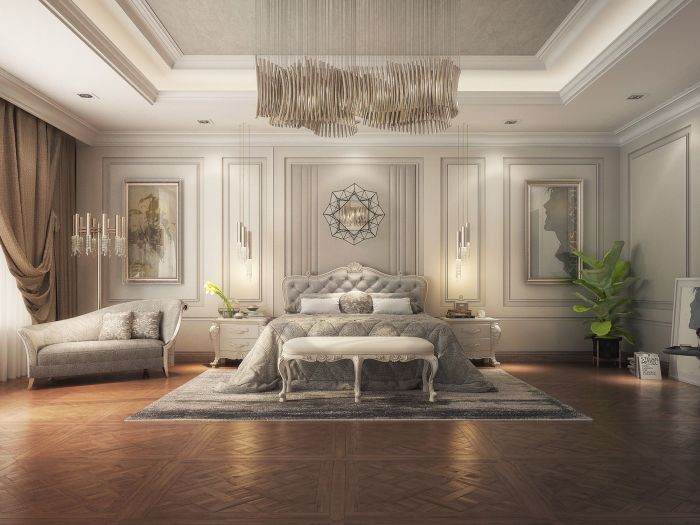
    Tips for decorating a classic bedroom

    Creating a classic bedroom atmosphere relies heavily on thoughtful color selection. Color psychology demonstrates a strong link between hues and emotional responses, influencing the overall mood and ambiance of a space. The right palette can promote relaxation, enhance feelings of serenity, or even boost energy levels subtly, depending on the chosen shades and their interplay. Understanding this relationship is crucial in achieving the desired classic aesthetic.

    Classic Blue and White Palette

    This palette evokes a sense of timeless elegance and tranquility. The deep blue, reminiscent of twilight skies, promotes relaxation and calmness. The inclusion of crisp white acts as a neutral balancer, preventing the blue from feeling overwhelming. White also increases the perceived size and brightness of the room, a beneficial aspect in smaller bedrooms. The contrast between the cool blue and the bright white creates visual interest without sacrificing the overall sense of serenity.

    Different shades of blue can be incorporated, ranging from a soft powder blue to a more intense navy, to add depth and complexity. The addition of subtle grey tones can further enhance this effect.

    Warm Neutral Palette with Accent

    This palette utilizes the calming effects of warm neutrals – creams, beiges, and soft browns – to create a cozy and inviting atmosphere. These colors are inherently soothing and readily adaptable to different lighting conditions. The addition of a single, carefully chosen accent color, such as a muted blush pink or a deep forest green, introduces a touch of personality and visual interest without disrupting the overall classic feel.

    The warm undertones create a sense of intimacy and comfort, ideal for a relaxing sleep environment. The scientific principle of color temperature plays a key role here; warmer tones generally evoke feelings of security and warmth.

    Muted Jewel Tone Palette

    This palette introduces a touch of sophisticated luxury through the use of muted jewel tones such as emerald green, sapphire blue, and amethyst purple. These colors, when desaturated, retain their richness and depth without being overly vibrant or distracting. The muted quality ensures the palette remains sophisticated and calming, rather than overwhelming. This approach is perfect for those seeking a classic bedroom with a hint of regal elegance.

    The strategic placement of these jewel tones, perhaps as accent walls or through textiles, prevents the space from feeling cluttered. The darker hues may require careful consideration of lighting to avoid creating a gloomy atmosphere.

    Color Name Hex Code Paint Brand Suggestion Mood/Ambiance
    Classic Blue #002D62 Benjamin Moore Tranquil, Serene, Elegant
    White #FFFFFF Sherwin-Williams Bright, Airy, Spacious
    Cream #FAEBD7 Farrow & Ball Warm, Cozy, Inviting
    Blush Pink #F08080 Pantone Soft, Romantic, Gentle
    Muted Emerald Green #508050 Behr Sophisticated, Luxurious, Calming
    Muted Sapphire Blue #4169E1 Dulux Rich, Elegant, Serene

    Lighting’s Impact on Color Perception

    Different lighting conditions significantly alter the perceived color in each palette. Warm incandescent lighting will enhance the warmth of the neutral palette, making the creams and beiges appear richer and more inviting. However, it may slightly dull the jewel tones, reducing their vibrancy. Conversely, cool fluorescent lighting will make the blue and white palette appear crisper and cleaner, but may wash out the warmth of the neutral palette and make the jewel tones appear colder.

    Natural daylight will generally provide the most accurate representation of the colors, but its intensity and color temperature can vary throughout the day, influencing the overall appearance of the room. Therefore, careful consideration of both the chosen color palette and the primary lighting sources is essential in achieving the desired aesthetic.

    Classic Bedroom Furniture Selection

    The creation of a truly classic bedroom hinges on a careful selection of furniture. The pieces chosen not only furnish the space but also contribute significantly to the overall aesthetic and functionality. Understanding the principles of scale, proportion, and classic design styles is crucial in achieving a harmonious and timeless bedroom environment.

    The furniture pieces you select should not only serve a purpose but also reflect the chosen design style. Overcrowding or under-furnishing can disrupt the balance of the room, impacting both its visual appeal and practicality. Careful consideration of each piece’s size and placement is paramount to creating a cohesive and inviting atmosphere.

    Essential Classic Bedroom Furniture

    A classic bedroom typically includes a core set of furniture pieces, each with its own specific function and contribution to the overall design. The following list details these essential elements and their stylistic considerations.

    • Bed: The focal point of any bedroom, the bed should be chosen based on the room’s size and the desired aesthetic. A four-poster bed, for example, adds grandeur, while a sleigh bed offers a more elegant, streamlined look. The bed frame material (wood, wrought iron, etc.) should complement the overall color palette and style.
    • Nightstands: Flanking the bed, nightstands provide convenient surfaces for lamps, books, and other personal items. Their design should mirror the bed’s style or offer a subtle contrast for visual interest. Materials should be consistent with the overall bedroom theme.
    • Dresser or Armoire: Providing ample storage for clothing and accessories, a dresser or armoire is a crucial element. A large dresser might be preferable in a spacious room, while an armoire could be a more space-saving option in a smaller room. The style should complement the bed and nightstands.
    • Mirror: A full-length mirror, either freestanding or integrated into the dresser, is both functional and aesthetically pleasing. It can visually expand the space and enhance the room’s elegance. The frame should complement the other furniture pieces.
    • Chair or Seating: A comfortable chair or chaise lounge provides a relaxing spot for reading or dressing. The style should align with the overall design, perhaps offering a slightly different texture or material to create visual contrast.

    Scale and Proportion in Classic Bedroom Design

    The successful integration of furniture within a classic bedroom depends heavily on the principles of scale and proportion. The size of each piece should be appropriate for the room’s dimensions, avoiding overcrowding or creating a sense of emptiness. Proportion refers to the harmonious relationship between the sizes of different furniture pieces. A large bed in a small room, for example, will feel overwhelming, while a tiny bed in a large room will appear lost.

    The golden ratio (approximately 1:1.618) is often cited as an ideal proportion in design, though this is a guideline, not a rigid rule. Careful planning and visualization, perhaps through sketching or using room planning software, are essential for achieving a balanced layout.

    Classic Furniture Styles

    Several classic furniture styles offer distinct characteristics and can significantly influence the overall ambiance of a bedroom. Understanding these styles allows for a more informed selection of pieces that accurately reflect the desired aesthetic.

    Feature Victorian Georgian French Provincial
    Overall Style Ornate, detailed, often dark and heavy Elegant, symmetrical, refined Rustic charm, slightly worn, often light and airy
    Key Characteristics Intricate carvings, dark wood, plush upholstery, curved lines Straight lines, balanced proportions, light-colored wood, simple elegance Distressed finishes, light-colored wood, painted accents, curved legs
    Suitable Materials Dark mahogany, walnut, cherry wood; velvet, damask upholstery Mahogany, cherry, pine; linen, cotton upholstery Pine, oak, painted finishes; linen, cotton, toile upholstery

    Textiles and Fabrics in a Classic Bedroom

    Classical bedrooms 42mm unveiled

    The selection of textiles plays a pivotal role in establishing the ambiance of a classic bedroom. More than mere decoration, fabrics contribute significantly to the room’s tactile experience, influencing the overall mood and reflecting the design aesthetic. The careful choice of bed linens, curtains, and rugs can transform a space, creating a haven of comfort and elegance. Understanding the interplay of texture, pattern, and color is crucial in achieving a truly classic and cohesive design.

    Fabric Selection for a Classic Bedroom

    The choice of fabrics directly impacts the sensory experience within the bedroom. Natural fibers such as linen, cotton, and silk offer breathability and a luxurious feel, aligning with the timeless elegance associated with classic design. Linen, with its characteristic slub texture and slight wrinkle, adds a relaxed yet sophisticated touch. Cotton provides comfort and durability, while silk offers an unparalleled sense of opulence.

    Synthetic fabrics, while potentially more affordable and easy to maintain, often lack the inherent quality and visual richness of natural fibers, potentially detracting from the classic aesthetic. The weight of the fabric is also a significant consideration; heavier fabrics create a sense of warmth and formality, while lighter fabrics promote a feeling of airiness and lightness.

    Texture and Pattern Considerations for Classic Bedroom Textiles

    Texture contributes significantly to the overall feel of a classic bedroom. Smooth, crisp linen sheets paired with a plush, velvety rug can create a pleasing contrast, enhancing the sensory experience. Subtle patterns, such as stripes, damask, or small florals, are hallmarks of classic design. Large, bold patterns can feel overwhelming in a bedroom, disrupting the calm atmosphere often sought after in this space.

    The scale of patterns should be considered in relation to the room’s size; smaller patterns work well in smaller rooms, while larger patterns can be incorporated into larger spaces. The principle of visual weight should also be considered; dark colors and heavy textures visually weigh more than lighter colors and finer textures. In a smaller bedroom, lighter colors and textures would be preferable to avoid a feeling of confinement.

    A Classic Bedroom Textile Design Scheme

    For a classic bedroom, consider a design scheme that harmoniously blends texture and color. Imagine a bedroom with walls painted in a soft, warm gray. The bed features crisp, white linen sheets, layered with a lighter weight cotton duvet cover in a subtle, pale blue stripe. The stripe provides a touch of visual interest without being overly distracting.

    Floor-length, ivory linen curtains, with their natural texture and slightly uneven weave, frame the window, filtering the light while maintaining a sense of airy elegance. Finally, a plush, wool rug in a deep teal, with a subtle, woven pattern, anchors the space, adding warmth and depth. The combination of the cool gray walls, crisp white linen, pale blue stripes, ivory curtains, and deep teal rug creates a balanced and sophisticated aesthetic.

    The natural fibers used in this scheme promote a feeling of comfort and luxury, while the carefully chosen colors and patterns create a tranquil and elegant atmosphere conducive to relaxation and sleep. The interplay of textures, from the smooth linen to the plush wool, adds a further layer of sensory richness.

    Lighting and Ambiance in a Classic Bedroom

    Bedroom ideas traditional design room blue bedrooms orange interior decoration elegant walls designs source visit

    The successful creation of a classic bedroom hinges not only on the careful selection of furniture and textiles but also on the strategic implementation of lighting. Lighting is more than mere illumination; it profoundly impacts the mood, functionality, and perceived spaciousness of a room. A well-lit classic bedroom feels both inviting and luxurious, enhancing the overall aesthetic and providing the perfect atmosphere for relaxation and restful sleep.

    The interplay of different lighting types is crucial in achieving this balance.

    Three Lighting Schemes for a Classic Bedroom

    Three distinct lighting schemes – ambient, task, and accent – work synergistically to create the ideal lighting environment in a classic bedroom. Ambient lighting provides overall illumination, setting the foundational mood. Task lighting focuses on specific areas requiring brighter light for activities such as reading or dressing. Accent lighting highlights architectural details or decorative elements, adding depth and visual interest.

    The effective combination of these schemes prevents harsh shadows and ensures a balanced, comfortable light level throughout the space. Each scheme contributes uniquely to the overall ambiance, transforming a simple room into a sophisticated and restful sanctuary.

    Incorporating Different Lighting Types for a Warm and Inviting Atmosphere

    A well-planned lighting design is crucial for achieving the desired warm and inviting atmosphere in a classic bedroom. Consider the following plan for incorporating various lighting types:

    • Ambient Lighting: A central ceiling fixture, perhaps a crystal chandelier or a sophisticated flush mount, provides the base layer of illumination. The light source should be warm-toned (around 2700K color temperature) to create a cozy feel, avoiding the starkness of cooler tones. The fixture should be scaled appropriately to the room’s size, neither overpowering nor underwhelming the space.
    • Task Lighting: Table lamps flanking the bed offer ample light for reading in bed. These lamps should be aesthetically consistent with the overall bedroom style, perhaps featuring classic shapes or elegant materials. Floor lamps positioned near a seating area provide focused light for activities like knitting or enjoying a book. Adjustable lamps allow for personalized light levels, catering to individual preferences.

    • Accent Lighting: Recessed lighting or strategically placed wall sconces can subtly highlight architectural features such as crown molding or built-in shelving. Small, discreet LED lights inside closets or drawers provide practical illumination without disrupting the overall ambiance. Consider using dimmers on all light sources to allow for flexible control over brightness and mood.

    Enhancing Architectural Features with Lighting

    Lighting can dramatically enhance the architectural details of a classic bedroom, adding depth and character to the space. For instance, strategically placed uplights can highlight the height of a coffered ceiling, drawing the eye upward and creating a sense of grandeur. Similarly, wall sconces can accentuate the lines of a fireplace mantel or the elegance of built-in cabinetry.

    By carefully directing light onto these features, the architectural details become focal points, contributing to the overall luxurious feel of the room. The use of indirect lighting, such as light bouncing off ceilings or walls, can also soften harsh shadows and create a more diffused, inviting glow, further emphasizing the room’s architectural character. The interplay of light and shadow, carefully orchestrated, can transform a simple room into a visually stunning space.

    Accessorizing a Classic Bedroom

    The final touch in creating a truly classic bedroom lies in the thoughtful selection and arrangement of accessories. These elements, while seemingly minor, possess the power to imbue the space with personality and warmth, reflecting the homeowner’s unique style while remaining true to the overall aesthetic. Careful consideration of scale, color, and placement is crucial to avoid disrupting the carefully cultivated sense of balance and harmony.Accessories in a classic bedroom should enhance, not overwhelm, the existing design.

    They serve as the punctuation marks in a well-written sentence, adding emphasis and detail without detracting from the overall narrative. The strategic incorporation of personal touches, handled with sensitivity to the overarching style, elevates the room from merely elegant to truly personal and lived-in.

    Suitable Accessories for a Classic Bedroom

    The selection of accessories should complement the existing color palette and furniture. Overly modern or brightly colored pieces can clash with the refined elegance of a classic style. The goal is to add character subtly, rather than introduce a jarring contrast.

    • Antique or Vintage Mirrors: A beautifully framed antique mirror, perhaps with a gilded or ornate frame, can add a touch of old-world charm and visually expand the space. The reflection of light also enhances the room’s ambiance.
    • Ornate Picture Frames: Displaying cherished family photographs or artwork in ornate frames – perhaps gilded, silver-plated, or made of dark wood – adds a personal touch while maintaining the classic style. The frames themselves should be considered as decorative elements, complementing the room’s overall aesthetic.
    • Elegant Table Lamps: Table lamps with classic bases, such as those made of ceramic, porcelain, or metal with elegant designs, provide both functional lighting and decorative flair. The shades should be chosen to complement the room’s color scheme and overall texture.
    • Books and Decorative Trays: Stacked books, especially those with beautifully designed covers, can add visual interest to a bedside table or dresser. Decorative trays can help organize smaller items, keeping the space looking neat and intentional.
    • Fresh Flowers or Greenery: A simple vase of fresh flowers or a carefully chosen potted plant introduces a touch of nature and softens the formality of the classic style. The choice of flowers or plants should align with the overall color scheme and the season.

    Incorporating Personal Touches and Family Heirlooms

    Family heirlooms and personal mementos offer a unique opportunity to personalize a classic bedroom while maintaining its inherent style. The key lies in careful curation and thoughtful presentation. Items should be displayed in a manner that complements the overall aesthetic rather than detracting from it. For example, a grandmother’s antique sewing box could be repurposed as a decorative storage unit, while a collection of vintage postcards could be framed and displayed in a gallery wall arrangement.

    The goal is to integrate these items seamlessly, ensuring they enhance rather than disrupt the classic style.

    Arranging Accessories to Avoid Clutter and Maintain Visual Balance

    The arrangement of accessories is as crucial as their selection. Overcrowding creates visual clutter and detracts from the room’s elegance. A well-balanced arrangement, on the other hand, enhances the room’s appeal. The principle of visual weight should be considered; larger, heavier items should be balanced with smaller, lighter ones. Symmetry and asymmetry can both be effective, depending on the overall design.For example, consider a bedside table arrangement: A classic ceramic table lamp could be placed on one side, balanced by a small stack of books and a decorative tray holding a small, framed photograph on the other.

    A small, antique vase of flowers could be placed in the center, adding a touch of verticality and color. This arrangement provides visual interest without creating clutter, maintaining the balance and elegance of the classic style. The colors and textures should be carefully considered to create a harmonious and visually appealing display.

    Classic Bedroom Style Variations

    The classic bedroom style, while rooted in timeless elegance, offers considerable flexibility in interpretation. Understanding the nuances between different approaches allows for personalized expression within the overarching aesthetic. Three prominent variations – minimalist classic, traditional classic, and modern classic – demonstrate this range, each emphasizing different aspects of simplicity, heritage, and contemporary design.

    Minimalist Classic Bedroom Style

    This variation prioritizes clean lines, uncluttered spaces, and a restrained color palette. The focus is on quality over quantity, with each piece of furniture and accessory carefully chosen for its functionality and aesthetic contribution. The overall effect is one of sophisticated simplicity and tranquility.

    Design Element Specific Example
    Furniture A low-profile platform bed with a simple headboard, a minimalist nightstand with drawers, a streamlined dresser with clean lines. Avoid ornate carvings or excessive detailing.
    Colors Neutral tones such as cream, beige, or soft gray form the base. A single accent color, perhaps a muted blue or green, can be introduced through textiles or artwork.
    Fabrics Natural materials like linen and cotton in solid colors or subtle patterns. Avoid busy prints or textures.
    Accessories A few carefully chosen pieces, such as a simple vase with a single flower, a framed print, or a stylish lamp. Avoid clutter and overcrowding.

    Adapting this style to different room sizes involves scaling the furniture appropriately. In smaller rooms, prioritize multi-functional pieces and maintain a sense of openness by avoiding bulky furniture. Larger rooms allow for more expansive furniture arrangements while still maintaining the minimalist aesthetic through careful placement and selection.

    Traditional Classic Bedroom Style

    This interpretation embraces the rich history and craftsmanship of classic design. It features ornate details, luxurious fabrics, and a more layered aesthetic. The overall feeling is one of opulent comfort and timeless elegance.

    Design Element Specific Example
    Furniture A four-poster bed with detailed carvings, a large antique dresser with intricate hardware, a vanity with a mirrored top. Materials such as mahogany or cherry wood are common.
    Colors Rich, warm tones such as deep blues, greens, or reds, often paired with cream or beige. Gold accents can add to the luxurious feel.
    Fabrics Velvet, damask, silk, or brocade in rich colors and patterns. Layers of textiles, such as a plush rug, decorative throws, and luxurious bedding, enhance the opulent feel.
    Accessories Ornate mirrors, antique lamps, framed family portraits, and decorative objects contribute to the layered aesthetic.

    Adapting this style to smaller spaces requires careful consideration of scale. Opt for smaller-scaled furniture pieces that retain the traditional design elements. Strategic use of mirrors can create the illusion of more space. In larger rooms, the scale and grandeur of traditional furniture can be fully embraced.

    Modern Classic Bedroom Style

    This style blends the elegance of classic design with the clean lines and simplicity of modern aesthetics. It features a balance of traditional elements and contemporary touches, resulting in a sophisticated and updated look.

    Design Element Specific Example
    Furniture A platform bed with a simple, upholstered headboard, a sleek nightstand with integrated lighting, a modern dresser with clean lines and minimalist hardware. Materials might include wood, metal, or lacquered finishes.
    Colors A neutral base with pops of color from artwork or textiles. Think muted grays, whites, or creams paired with a vibrant jewel tone or a bold accent color.
    Fabrics A mix of natural and synthetic materials, such as linen, cotton, or velvet. Patterns can range from subtle stripes or checks to geometric designs.
    Accessories Modern art prints, sculptural lamps, and minimalist decorative objects create a balanced aesthetic.

    Adapting this style to various room sizes is relatively straightforward. The clean lines and streamlined furniture of the modern classic style lend themselves well to both small and large spaces. In smaller rooms, the focus remains on maintaining a sense of openness, while larger rooms can accommodate more expansive furniture arrangements.

    Final Thoughts
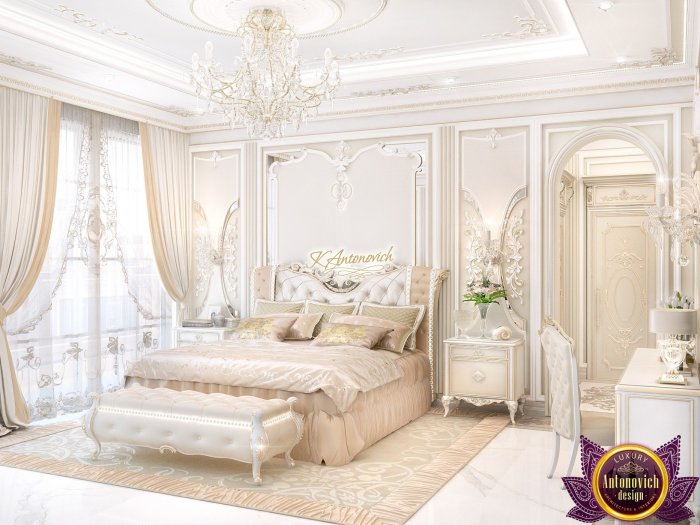
    Tips for decorating a classic bedroom

    Creating a classic bedroom is a journey of thoughtful curation, blending timeless elegance with individual expression. By understanding the interplay of color palettes, furniture styles, textiles, and lighting, you can craft a space that transcends fleeting trends. Remember, the key lies in achieving a harmonious balance – a space where every element contributes to a serene and inviting atmosphere, reflecting your unique personality and creating a sanctuary for rest and rejuvenation.

    The subtle details, from the carefully chosen fabrics to the thoughtfully arranged accessories, weave together to create a truly classic and enduring design.

    FAQ Explained

    What are some budget-friendly ways to achieve a classic bedroom look?

    Repurposing existing furniture with a fresh coat of paint or new hardware can significantly update the look. Thrift stores and antique shops offer affordable options for classic-style pieces. Prioritizing high-quality textiles in neutral colors allows for versatility and cost-effectiveness, as these elements can be easily incorporated into future design updates.

    How can I incorporate modern elements into a classic bedroom without compromising the style?

    Introduce modern elements subtly through accessories, such as sleek lamps or geometric patterned rugs. A contemporary piece of art can add a touch of modernity while maintaining the overall classic feel. The key is to balance the modern additions with traditional elements to create a cohesive and harmonious look.

    What if my classic bedroom has limited natural light?

    Opt for lighter color palettes to maximize the available light. Incorporate multiple light sources, including ambient, task, and accent lighting, to create depth and warmth. Strategically placed mirrors can help reflect and amplify existing light sources.

    How do I choose the right size rug for my classic bedroom?

    The rug should be large enough to anchor the bed and nightstands, extending at least 18-24 inches beyond each side of the bed. If space allows, consider a larger rug that extends further into the room to create a more expansive feel.
  • Luxury Curtains for Classic Bedrooms A Guide

    Luxury Curtains for Classic Bedrooms A Guide

    Transforming a classic bedroom into a haven of elegance begins with the right window treatments. Luxury curtains aren’t merely fabric; they are the culmination of artistry, craftsmanship, and scientific understanding of textile properties. This exploration delves into the multifaceted world of luxury curtains, examining fabric choices, design aesthetics, and practical considerations to create a space that exudes timeless sophistication.

    We’ll explore the nuances of various classic styles, from the opulent Victorian to the refined French Provincial, and discover how the precise selection of fabrics, colors, and hardware can elevate a bedroom from ordinary to extraordinary. The journey will involve a detailed look at the physics of drape, the chemistry of stain resistance, and the artistry of design, all contributing to the creation of truly luxurious curtains.

    From the weight and texture of silks and velvets to the subtle interplay of light and shadow, each element plays a crucial role in achieving the desired ambiance. We’ll investigate the technical aspects of curtain construction, including thread count, weave structures, and the impact of lining choices on both aesthetics and functionality. The process of measuring, hanging, and maintaining these exquisite textiles will also be addressed, ensuring that the beauty and longevity of your investment are preserved.

    This guide aims to provide a comprehensive understanding of the science and art behind creating a truly luxurious and classic bedroom.

    Defining “Luxury” in Classic Bedroom Curtains

    Luxury in classic bedroom curtains transcends mere aesthetics; it’s a confluence of material quality, craftsmanship, and design that elevates the entire room’s ambiance. It signifies an investment in enduring elegance and comfort, creating a sanctuary that reflects refined taste and sophistication. This luxury is expressed through a careful selection of fabrics, styles, and color palettes, all working in harmony to achieve a timeless and opulent feel.

    The definition of luxury in this context is multifaceted. It involves the selection of premium materials, the meticulous attention to detail in construction, and the overall impact on the room’s atmosphere. A truly luxurious curtain isn’t simply decorative; it contributes significantly to the overall feeling of comfort, privacy, and refined style.

    Luxurious Fabrics for Classic Bedrooms

    The foundation of luxurious curtains lies in the fabric. High-quality materials contribute to both the visual appeal and the tactile experience. Fibers like silk, velvet, and linen, known for their drape, luster, and durability, are frequently chosen. Silk, renowned for its lustrous sheen and delicate drape, imparts a sense of opulence. Velvet, with its plush texture and rich depth of color, adds a touch of regal elegance.

    Linen, a natural fiber, offers a more relaxed yet still luxurious feel, especially in its heavier weights. Other luxurious options include damask (a richly textured woven fabric), brocade (featuring raised patterns), and high-thread-count cotton sateen for a smoother, more lustrous finish than standard cotton. The choice depends on the desired level of formality and the overall aesthetic of the bedroom.

    Comparison of Luxury Curtain Styles

    Several curtain styles contribute to a luxurious classic bedroom aesthetic. Drapes, characterized by their full, flowing panels, often feature elaborate headings like pinch pleats or grommets, enhancing their visual impact. Panels, while simpler in design, can still exude luxury through the choice of fabric and the precise tailoring. Swags and tails, a more formal style, create a dramatic and opulent look, often incorporating decorative tiebacks and intricate detailing.

    The selection depends on the architectural features of the room and the desired level of formality. For instance, floor-length drapes in a heavy velvet might suit a large, high-ceilinged room, while tailored panels in a lighter linen could be more appropriate for a smaller, more intimate space.

    Color and Pattern Choices for a Luxurious Classic Look

    Color and pattern play a crucial role in establishing the luxurious classic feel. Neutral tones like ivory, cream, taupe, and soft greys form a timeless backdrop, allowing the texture and quality of the fabric to take center stage. Subtle patterns, such as damask, paisley, or stripes in muted tones, add sophistication without overwhelming the space. Rich jewel tones, like deep emerald green, sapphire blue, or ruby red, can be incorporated as accent colors through cushions, throws, or even a patterned border on the curtains, adding depth and visual interest.

    However, it’s important to maintain a sense of balance; overly bold patterns or clashing colors can detract from the overall feeling of luxury and sophistication. A well-considered palette contributes significantly to the serene and elegant atmosphere of a classic bedroom.

    Classic Bedroom Styles and Curtain Choices

    Curtains traditional curtain luxury design high classic end french sheers swag

    The selection of curtains significantly impacts the overall aesthetic and ambiance of a classic bedroom. The style of the curtains should complement the existing architectural details and the overall design philosophy of the room, creating a cohesive and luxurious environment. Understanding the nuances of different classic styles is crucial for making informed decisions about fabric, texture, and design.

    Victorian Bedroom Style and Curtain Choices

    Victorian bedrooms, characterized by ornate details, rich textures, and a sense of opulence, benefit from equally lavish curtain treatments. Heavily draped curtains with elaborate valances and tiebacks are particularly suitable. The weight and texture of the fabric are essential; heavy damasks, velvets, or brocades in deep jewel tones or rich floral patterns create the desired atmosphere. These fabrics possess a substantial weight, providing excellent light control and insulation, crucial aspects for maintaining a comfortable bedroom environment.

    The inherent drape of these materials adds to the sense of grandeur and elegance. Color palettes often include deep reds, emerald greens, sapphire blues, and golds, complemented by muted creams and ivories. Imagine deep crimson velvet curtains, richly embroidered with gold thread, framing a four-poster bed with carved mahogany.

    Georgian Bedroom Style and Curtain Choices

    Georgian design emphasizes symmetry, simplicity, and elegance. Curtains in this style should reflect this restrained sophistication. Simple, tailored drapes with minimal embellishment are ideal, often featuring clean lines and elegant folds. Linen, silk, or high-quality cotton in subtle patterns or solid colors are appropriate fabric choices. These fabrics are known for their smooth texture and natural drape, enhancing the clean lines of the design.

    The weight should be moderate, allowing for a graceful fall without appearing heavy. A Georgian bedroom might feature pale cream linen curtains, delicately trimmed with a subtle braid, perfectly complementing the light and airy feel of the room. Color palettes tend towards softer hues, including creams, pale blues, greens, and subtle pinks.

    French Provincial Bedroom Style and Curtain Choices

    French Provincial style embraces rustic charm and romantic elegance. Curtains for this style should evoke a sense of relaxed sophistication. Lightweight fabrics such as chintz, toile, or linen in floral or stripe patterns are excellent choices. These fabrics create a light and airy feel, letting in ample natural light while still providing privacy. The weight should be relatively light, allowing for a soft and flowing drape.

    Ruffles, delicate trim, or subtle embroidery can add a touch of romance. Imagine sheer white cotton curtains adorned with delicate blue floral embroidery, draping gracefully over a wrought iron bed frame in a sun-drenched room. Color palettes often incorporate soft pastels, such as lavender, pale yellow, and soft rose, complemented by natural wood tones.

    Fabric Selection and Quality for Luxury Curtains

    The choice of fabric significantly impacts the overall aesthetic and functionality of luxury curtains in a classic bedroom. More than mere decoration, the fabric dictates the drape, light control, durability, and tactile experience, ultimately contributing to the room’s ambiance and the homeowner’s comfort. Understanding the properties of different luxury fabrics is crucial for achieving the desired level of opulence and practicality.Fabric Selection Influences on Luxury Curtains

    Silk: Opulence and Delicate Drape

    Silk, a natural protein fiber produced by silkworms, embodies luxury. Its lustrous sheen and smooth texture create an undeniably opulent atmosphere. The drape of silk is exceptionally fluid and graceful, cascading in elegant folds. However, silk’s delicate nature presents challenges. It is susceptible to damage from sunlight, requiring careful consideration of placement and potential UV protection treatments.

    Cleaning silk curtains is also a specialized process, often requiring professional dry cleaning. The tactile experience of silk is unparalleled; its smoothness against the skin is cool and luxurious, offering a sensory delight.

    Velvet: Rich Texture and Light Blocking

    Velvet, a woven fabric with a dense pile, offers a plush and luxurious feel. Its rich texture adds depth and warmth to a room, creating a sense of intimacy and comfort. Velvet’s dense weave excels at light blocking, making it ideal for bedrooms requiring darkness for sleep. However, velvet can be more challenging to maintain than other fabrics; it’s prone to crushing and requires careful cleaning to avoid damaging the pile.

    The sensory experience is one of deep softness and warmth; the velvety texture is almost comforting, a tactile hug against the cold.

    Linen: Natural Elegance and Durability

    Linen, a natural fiber derived from the flax plant, offers a sophisticated and understated elegance. Its durability is superior to silk, withstanding regular use and cleaning more effectively. Linen’s drape is less dramatic than silk but possesses a unique, slightly wrinkled texture that adds character and charm. Linen curtains offer moderate light-blocking properties, allowing for a soft diffusion of light.

    The tactile experience of linen is one of natural texture and strength; it’s a cool, slightly rough fabric that evokes a feeling of relaxed sophistication.

    Fabric Properties Comparison

    The following table summarizes the key properties of these fabrics:

    Fabric Durability Drape Light Blocking
    Silk Low Excellent Low
    Velvet Moderate Good Excellent
    Linen High Good Moderate

    Thread Count and Weave: Indicators of Quality

    Thread count, representing the number of threads per square inch, directly correlates with fabric density and durability. A higher thread count generally indicates a finer, more durable fabric. The weave, the pattern in which threads are interlaced, also affects the fabric’s properties. A tighter weave results in a denser fabric with improved durability and light-blocking capabilities. For example, a tightly woven linen will drape differently and block more light than a loosely woven linen.

    Understanding these factors allows for a more informed selection of high-quality luxury fabrics.

    Hardware and Installation for Luxury Curtains

    Curtains curtain luxurious livingroom drapes インテリア リビング クラシック astonishing デザイン dwelling favor valance 豪邸 weheartit sheer

    The transformative power of luxurious curtains extends beyond the fabric itself; the hardware and installation process play a crucial role in achieving a truly opulent aesthetic. Choosing the right components and employing precise installation techniques elevates the entire window treatment, enhancing both the visual appeal and the longevity of the curtains. Careful consideration of hardware style, material, and installation method is paramount in achieving a flawless, luxurious finish.

    Luxury curtain hardware transcends mere functionality; it becomes an integral part of the overall design scheme. The selection of rods, finials, and rings should complement the style of the curtains and the bedroom’s décor, creating a cohesive and visually stunning effect. The weight and drape of the fabric, as well as the size of the window, should also inform these choices.

    For instance, heavier fabrics might necessitate sturdier rods and rings to support their weight and ensure smooth operation.

    Luxury Curtain Hardware Examples

    Luxury curtain hardware options offer a wide array of styles and materials to complement diverse design aesthetics. Rods can range from simple, elegant designs in polished brass or nickel to more ornate pieces crafted from wrought iron or even richly finished wood. Finials, the decorative end caps of the rods, add a touch of personality. Examples include sculpted acanthus leaves, classic ball finials, or more contemporary designs featuring geometric shapes or crystal accents.

    Rings, often made of metal or wood, should complement the rods and finials, maintaining visual harmony. For instance, heavy velvet curtains might be paired with substantial brass rods and ornate finials, while sheer linen curtains could benefit from simpler, more delicate hardware in a brushed nickel finish.

    Measuring Windows for Custom Curtains

    Accurate measurements are fundamental to achieving a perfect fit and luxurious drape. The process involves several key steps. First, measure the width of the window frame at the top, middle, and bottom, recording the narrowest measurement. Next, determine the desired length, measuring from the rod placement point (consider the desired fullness and drape) to the floor or desired termination point.

    For a luxurious look, often curtains extend several inches beyond the window frame on either side and pool slightly on the floor. Finally, measure the depth of the window recess to determine the appropriate rod length. These precise measurements are crucial for the custom creation of curtains that hang flawlessly and enhance the room’s elegance. Failing to accurately measure can lead to ill-fitting curtains, negating the luxurious effect.

    Hanging Curtains for a Luxurious Look

    The installation process significantly impacts the final aesthetic. For a luxurious effect, ensure the rod is mounted at the correct height. Generally, placing the rod several inches above the window frame creates a more dramatic and spacious feel. Evenly spaced rings, appropriate for the curtain weight and fabric type, facilitate smooth gliding and prevent bunching. The curtains should hang evenly and without wrinkles, showcasing the luxurious fabric to its full potential.

    To achieve a professional look, it is often recommended to seek the services of a professional installer, especially for heavier or more complex curtain designs. Professional installation ensures that the curtains hang flawlessly, enhancing the luxurious effect.

    Comparison of Curtain Heading Styles

    Different heading styles dramatically influence the overall look of the curtains. Grommet-top curtains offer a clean, contemporary aesthetic with a smooth, cascading drape. Pleated headings, whether pinch pleats or box pleats, create a more formal and traditional appearance, adding texture and volume. Pinch pleats are characterized by tightly gathered fabric folds, while box pleats feature larger, more structured folds.

    The choice depends on the desired style and the weight of the fabric. Heavier fabrics often benefit from the structured look of pleats, while lighter fabrics might look best with the simpler elegance of grommets. The selection should harmonize with the overall design scheme of the classic bedroom, reinforcing the desired aesthetic.

    Luxury Curtain Design and Aesthetics

    The aesthetic impact of luxury curtains in a classic bedroom transcends mere functionality; they are integral to the overall design narrative, contributing significantly to the room’s mood, elegance, and perceived value. The interplay of design, fabric, and embellishments creates a visual symphony that resonates with the classic style, enhancing the space’s inherent charm and sophistication.

    The selection of curtain design, lining, and embellishments is a crucial step in achieving a luxurious and cohesive bedroom aesthetic. Understanding the principles of visual weight, texture, and color harmony is paramount in creating a truly opulent space. The following examples illustrate the versatility and impact of different design choices.

    Luxury Curtain Design Examples for Classic Bedrooms

    Three distinct luxury curtain designs, each suited to a different classic bedroom style, are presented below. These designs showcase the power of thoughtful choices in fabric, drape, and embellishment to create diverse yet equally luxurious effects.

    First, consider a design featuring floor-length, heavy velvet curtains in a deep jewel tone, such as emerald green or sapphire blue. These curtains would possess a rich, plush texture, falling in heavy, graceful folds. The inherent sheen of the velvet would catch and reflect light, adding depth and drama to the room. The deep color would create a sense of intimacy and warmth, perfectly complementing a traditional, richly furnished bedroom.

    Imagine the curtains drawn back to reveal a bay window, their opulent folds casting soft shadows on the polished wood floor.

    Secondly, a more delicate approach might involve sheer linen curtains in a soft ivory or cream color, layered with heavier silk panels in a complementary pastel shade, such as blush pink or pale celadon. The sheer linen would allow ample natural light to filter through, creating a bright and airy atmosphere, while the silk panels would add a touch of luxurious weight and visual interest.

    This design is ideal for a brighter, more feminine classic bedroom, perhaps one with whitewashed walls and delicate floral patterns.

    Finally, a bolder design could feature dramatic, floor-to-ceiling curtains in a bold geometric print, perhaps a damask or toile pattern, crafted from a luxurious fabric like brocade or jacquard. The strong pattern would add a focal point to the room, while the rich texture of the fabric would contribute to a sense of opulence. This design is best suited for a classic bedroom with a more contemporary edge, allowing the curtains to serve as a statement piece within a carefully curated design scheme.

    The Enhancing Effects of Lining Options

    Lining significantly impacts both the aesthetic appeal and practical functionality of luxury curtains. Different lining types offer varied benefits, contributing to the overall luxury feel.

    A blackout lining, for example, not only blocks out light for improved sleep but also adds body and weight to the curtains, enhancing their luxurious drape and minimizing transparency. This is particularly useful in bedrooms where light control is crucial. Conversely, a thermal lining provides insulation, reducing energy costs and maintaining a more consistent room temperature. A delicate silk lining can subtly enhance the sheen and drape of the main fabric, adding a luxurious touch without altering the overall aesthetic significantly.

    The Impact of Trim and Embellishments

    Trims and embellishments such as tassels, braid, and fringe add the final touch of luxury to curtains, often elevating them from functional window coverings to exquisite design elements.

    Tassels, for instance, can be strategically placed at the corners or along the edges of curtains, adding a touch of playful elegance. Braid, with its intricate patterns and textures, can provide a sophisticated border, enhancing the overall visual appeal. Fringe, particularly in silk or other luxurious materials, can create a sense of movement and fluidity, adding a touch of drama and visual interest.

    The choice of trim should complement the overall style and color scheme of the curtains and the bedroom, ensuring a cohesive and harmonious aesthetic.

    Incorporating Luxury Curtains into Room Design Schemes

    Luxury curtains should be integrated seamlessly into the overall design scheme of the classic bedroom, acting as a unifying element rather than a discordant note.

    For instance, in a bedroom with a predominantly neutral color palette, curtains in a rich jewel tone can provide a striking focal point, adding depth and visual interest. Conversely, in a room with bold patterns or vibrant colors, curtains in a more subdued tone can help to create a sense of balance and harmony. The fabric choice should also be considered in relation to other textiles in the room, such as bedding, rugs, and upholstery, ensuring a cohesive and luxurious overall feel.

    Careful consideration of these factors ensures that the luxury curtains not only enhance the visual appeal of the bedroom but also contribute to its overall comfort and functionality.

    Maintaining and Caring for Luxury Curtains

    Preserving the luxurious appearance and longevity of your classic bedroom curtains requires a dedicated approach to cleaning and maintenance. The specific care instructions will vary depending on the fabric composition, but a consistent regimen will significantly extend their lifespan and maintain their aesthetic appeal. Understanding the properties of different luxury fabrics and employing appropriate cleaning techniques are crucial for achieving optimal results.

    Cleaning Different Luxury Fabrics

    Luxury curtains often utilize delicate and high-quality materials. Silk, velvet, linen, and damask each demand a unique cleaning approach. Improper cleaning can cause irreversible damage, such as shrinking, discoloration, or fiber damage. Therefore, always refer to the manufacturer’s care label for specific instructions before attempting any cleaning method. Generally, delicate fabrics like silk and velvet benefit from professional dry cleaning.

    Linen and heavier damasks may tolerate gentle hand washing or machine washing on a delicate cycle using cold water and a mild detergent, followed by air drying away from direct sunlight.

    Stain Prevention and Removal

    Preventing stains is the first line of defense in maintaining the pristine condition of luxury curtains. Regular dusting with a soft brush or vacuum cleaner with a soft brush attachment will remove loose dust and prevent the accumulation of dirt that can attract stains. Prompt attention to spills is crucial. Blot (do not rub) any spills immediately with a clean, absorbent cloth.

    For stubborn stains, consult a professional dry cleaner specializing in delicate fabrics. Avoid using harsh chemicals or abrasive cleaners, as these can damage the fibers and alter the color of the fabric. For example, a wine stain on silk should be treated immediately by blotting with a clean white cloth, then carefully applying a small amount of specialized fabric cleaner designed for silk before professional cleaning.

    Importance of Regular Maintenance

    Regular maintenance is not merely about cleaning; it’s about preserving the structural integrity and aesthetic appeal of your luxury curtains. Regular dusting prevents the accumulation of dust mites and allergens, improving indoor air quality. Periodic inspection for any signs of wear and tear, such as loose threads or damaged linings, allows for timely repairs, preventing further damage. Consistent care ensures the curtains retain their rich color, luxurious texture, and overall elegance, maximizing their lifespan and return on investment.

    Neglecting regular maintenance can lead to premature deterioration, necessitating costly replacements.

    Luxury Curtain Care Checklist

    A regular maintenance schedule is essential. The following checklist provides a practical guide:

    • Weekly: Dust curtains gently using a soft brush or vacuum cleaner with a soft brush attachment.
    • Monthly: Inspect curtains for any stains, damage, or loose threads. Address minor issues promptly.
    • Quarterly: Air out curtains by opening windows to allow for proper ventilation and prevent musty odors. Consider professional cleaning for heavily soiled curtains.
    • Annually: Undertake a thorough cleaning of curtains, either by professional dry cleaning or carefully following manufacturer’s instructions for hand or machine washing. Inspect hardware and adjust or replace as needed.

    Ultimate Conclusion

    Ultimately, the creation of luxurious curtains for a classic bedroom is a synthesis of art and science. The careful consideration of fabric properties, design elements, and installation techniques culminates in a transformative effect on the overall aesthetic and ambiance of the space. By understanding the intricacies of fabric weight, drape, light-blocking capabilities, and the importance of proper maintenance, one can curate window treatments that not only enhance the beauty of the room but also endure for years to come.

    This guide serves as a roadmap for achieving that perfect balance, guiding you towards the creation of a truly exceptional and timeless bedroom sanctuary.

    FAQ Overview

    What is the best way to clean silk curtains?

    Professional dry cleaning is generally recommended for silk curtains to prevent damage. Avoid harsh chemicals or excessive moisture.

    How often should I clean my luxury curtains?

    The frequency depends on the fabric and environment, but generally, a light vacuuming or dusting every few months is recommended, with professional cleaning annually or as needed.

    Can I use steam cleaning on velvet curtains?

    Steam cleaning can potentially damage velvet. It’s best to spot clean or use a professional dry cleaning service.

    What are the benefits of lined curtains?

    Lined curtains offer improved insulation, light blocking, and enhanced drape, extending the lifespan of the curtains and improving their appearance.

    How do I prevent fading in my luxury curtains?

    Minimize direct sunlight exposure by using blinds or sheers in conjunction with your curtains. Consider UV-protective lining.

  • Organizing a clean and classic pantry A guide to efficient storage

    Organizing a clean and classic pantry A guide to efficient storage

    The pantry, often an overlooked space, holds the key to culinary efficiency and aesthetic satisfaction. A well-organized pantry isn’t merely about neatness; it’s about optimizing accessibility, minimizing food waste, and fostering a sense of calm amidst the daily culinary chaos. This journey into the art of pantry organization explores the scientific principles of efficient storage, drawing parallels between optimized lab organization and the domestic kitchen.

    We’ll delve into the strategic placement of items, the psychology of visual order, and the practical application of proven methods for maintaining a consistently clean and visually appealing space.

    From meticulously planned shelving layouts to the careful selection of storage containers—glass for its visual clarity, plastic for its durability, or metal for its longevity—we will dissect the optimal approach to pantry management. We will investigate the science of food preservation, demonstrating how proper rotation and storage techniques extend shelf life and minimize waste. The aesthetic aspects are not ignored; we will examine how lighting, color coordination, and decorative elements contribute to a visually harmonious and inspiring pantry environment.

    Planning Your Classic Pantry

    Organize neat pantry

    Creating a classic pantry involves thoughtful planning to maximize space and efficiency. This process blends ergonomic principles with an understanding of food storage best practices to ensure both organization and preservation. The goal is a functional space that promotes ease of access and reduces food waste.

    Pantry Floor Plan Design

    Effective pantry design begins with a well-thought-out floor plan. The arrangement of shelving and storage solutions directly impacts usability and accessibility. Consider the frequency of item usage when placing them. Frequently used items should be easily reachable, while less frequently used items can be stored higher or in less accessible areas. The following table illustrates a sample four-column pantry layout:

    Column 1 Column 2 Column 3 Column 4
    Tall shelving for canned goods and jars Pull-out drawers for spices and smaller items Adjustable shelving for varying sized containers Basket storage for fruits and vegetables
    Rotating shelves for less frequently used items Narrow shelves for oils and vinegars Labelled containers for dry goods Designated area for baking supplies

    This layout is adaptable to different pantry sizes and can be modified to accommodate individual needs. For instance, a smaller pantry might combine columns, while a larger pantry could expand on this design. The key is to maintain a logical flow and easy access to frequently used items.

    Pantry Organization Shopping List

    Before embarking on the organization process, a comprehensive shopping list of containers and organizers is essential. The correct containers are vital for maintaining a clean and organized pantry. Choosing appropriate containers will prevent spoilage and improve visibility of your stored items.

    The following list provides a starting point, and quantities will depend on the size of your pantry and your individual needs:

    • Airtight containers (various sizes) – Essential for preserving the freshness and quality of dry goods, reducing the risk of pest infestations.
    • Clear canisters (for spices, sugar, flour) – Allow for easy identification of contents, reducing the need for labels.
    • Stackable bins (for snacks, baking supplies) – Maximize vertical space and maintain organization.
    • Pull-out drawers (for spices and smaller items) – Improve accessibility and prevent items from getting lost in the back.
    • Wire baskets (for fruits and vegetables) – Provide ventilation and prevent spoilage.
    • Labeling system (labels and a marker) – Maintain order and easily identify contents.

    Decluttering Your Existing Pantry

    Decluttering is the crucial first step in creating a clean and classic pantry. This systematic approach minimizes wasted space and ensures only necessary items remain. Before organizing, a thorough decluttering process is essential to prevent the reorganization of unnecessary items.

    1. Empty the Pantry: Remove all items from the pantry shelves. This provides a clear view of the space and allows for a thorough cleaning.
    2. Sort and Categorize: Sort items into categories (e.g., canned goods, baking supplies, snacks). This helps to identify duplicates and expired items.
    3. Check for Expiry Dates: Discard any expired or outdated items. This prevents food waste and maintains food safety.
    4. Identify Duplicates: Consolidate similar items to reduce clutter and improve efficiency. Consider using only one container for similar items.
    5. Clean the Pantry: Thoroughly clean the shelves and walls of the pantry to remove any crumbs, spills, or debris.

    Choosing Storage Solutions

    The transformation of a pantry from chaotic storage to a classic, organized space hinges significantly on the selection of appropriate storage solutions. The right containers not only enhance the aesthetic appeal but also impact the longevity and accessibility of your food items. Careful consideration of material, size, and design is crucial for maximizing space and minimizing waste.

    Pantry Storage Container Comparison

    The choice between glass, plastic, and metal containers involves a trade-off between aesthetics, practicality, and cost. Each material offers distinct advantages and disadvantages that should be weighed against the specific needs of your pantry and personal preferences.

    • Glass containers: These offer excellent visibility, allowing for easy identification of contents. They are generally considered aesthetically pleasing and impart a sense of elegance to the pantry. However, glass is breakable and heavier than plastic, potentially posing safety and storage challenges. They are also more expensive than plastic alternatives.
    • Plastic containers: Plastic containers are lightweight, durable, and shatterproof, making them a practical choice for families with children or those concerned about breakage. A wide variety of sizes and shapes are readily available. However, some plastics can leach chemicals into food, particularly when exposed to heat, and they may not be as aesthetically pleasing as glass. The use of BPA-free plastics is recommended.

    • Metal containers: Metal containers, such as tin or stainless steel, are durable and airtight, offering excellent protection against moisture and pests. They can also contribute to a rustic or industrial aesthetic. However, they are heavier than plastic and can dent or rust over time. They are also less transparent than glass.

    Creative Space Maximization Strategies

    Small pantries often present significant storage challenges. However, clever use of vertical space and innovative storage solutions can dramatically increase capacity. The following table illustrates some practical examples:

    Solution Description Advantages Considerations
    Pull-out shelves Narrow shelves that slide out, providing easy access to items stored in the back. Improved accessibility, maximizes shelf space. Requires installation, may be expensive.
    Stackable containers Containers designed to stack neatly on top of each other, maximizing vertical space. Space-saving, organized appearance. Requires careful selection of compatible sizes.
    Vertical dividers Dividers placed inside shelves to create separate compartments for smaller items. Improved organization, prevents items from toppling. Reduces overall shelf space available per compartment.
    Door-mounted organizers Hanging organizers attached to the inside of the pantry door. Utilizes often-wasted space, ideal for spices or small items. Limited capacity, requires careful weight distribution.

    Labeling Advantages and Disadvantages

    The use of labels in a classic pantry is a matter of practicality and personal preference. While labels significantly enhance organization and accessibility, certain drawbacks should be considered.

    • Advantages: Labels provide clear identification of contents, reducing the time spent searching for specific items. They also help maintain a neat and organized appearance. Proper labeling is crucial for tracking expiration dates and preventing food waste.
    • Disadvantages: Creating and applying labels requires additional time and effort. The aesthetic appeal of labels can be subjective, and poorly designed labels can detract from the overall appearance of the pantry. If not updated regularly, labels can become inaccurate and misleading.

    Organizing Food Items

    A well-organized pantry is not merely aesthetically pleasing; it’s a cornerstone of efficient food management, minimizing waste and maximizing the lifespan of your ingredients. Proper organization, coupled with strategic rotation, ensures that you utilize your food before it spoils, saving money and reducing food waste. This section details effective strategies for arranging pantry staples and implementing a FIFO (First-In, First-Out) system.

    Categorizing Pantry Staples

    Categorizing food items simplifies inventory management and expedites meal preparation. Grouping similar items together reduces search time and prevents overlooking forgotten ingredients. A logical categorization system promotes efficiency and reduces stress in the kitchen. The following is a suggested categorization scheme, although individual needs may vary.

    • Grains & Starches: Rice (white, brown, wild), pasta (various shapes and types), quinoa, oats, couscous, bread, flour (all-purpose, whole wheat, etc.).
    • Legumes & Beans: Dried beans (kidney, black, pinto, etc.), lentils (red, green, brown), chickpeas.
    • Canned Goods: Tomatoes (whole, diced, crushed), soups, vegetables, fruits, beans.
    • Snacks: Nuts, seeds, dried fruit, crackers, granola bars.
    • Spices & Seasonings: Herbs (dried and fresh), spices (ground and whole), salt, pepper, oils, vinegars.
    • Baking Supplies: Sugar (granulated, powdered, brown), baking powder, baking soda, chocolate chips, extracts.
    • Breakfast Items: Cereal, pancake mix, syrups, jams.

    Implementing a FIFO System for Food Rotation

    The FIFO (First-In, First-Out) method is a crucial aspect of pantry management. It ensures that older items are used before they expire, minimizing waste and maximizing freshness. This method is particularly important for perishable items with limited shelf lives, such as canned goods and packaged snacks. Visual cues, such as clearly visible expiration dates, greatly facilitate the FIFO process.

    • Placement Strategy: Place newer items behind older items. When reaching for an item, move the newer items to the front. This creates a natural rotation system.
    • Visual Example: Imagine a shelf with three cans of tomatoes. The oldest can is placed at the front, the newest at the back. Each time a can is used, the subsequent cans are moved forward.
    • Regular Inventory: Conduct a regular pantry inventory (weekly or bi-weekly) to check expiration dates and identify items nearing their expiration. This allows for timely consumption or alternative use (e.g., freezing).

    Utilizing Clear Containers for Dry Goods

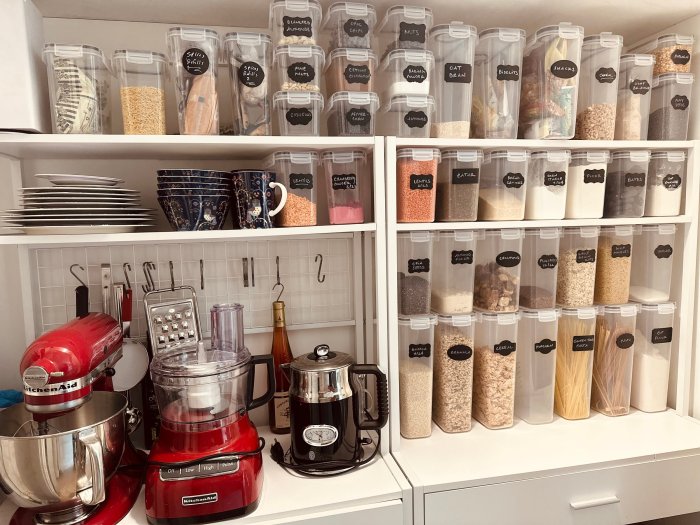
    Transparent containers offer significant advantages in pantry organization. They not only enhance the visual appeal of the pantry, creating a clean and classic aesthetic, but also improve inventory management. The ability to see the contents at a glance eliminates the need for extensive searching and prevents accidental duplication of purchases. Furthermore, clear containers protect dry goods from pests and moisture, extending their shelf life.

    • Improved Visibility: Easily identify contents without opening each container, saving time and reducing clutter.
    • Pest Prevention: Airtight containers prevent infestations from insects and rodents.
    • Moisture Control: Properly sealed containers maintain the dryness of ingredients, preventing clumping and spoilage.
    • Aesthetic Appeal: Uniform, clear containers create a visually appealing and organized pantry space, contributing to a clean and classic aesthetic.

    Maintaining a Clean Pantry

    Organizing a clean and classic pantry

    A clean pantry is not merely aesthetically pleasing; it’s crucial for food safety and preventing pest infestations. Regular cleaning prevents the buildup of crumbs, spills, and decaying food particles that attract insects and rodents. Furthermore, a clean pantry ensures the longevity and quality of your stored food items, preventing spoilage and reducing food waste. A proactive approach to pantry hygiene safeguards your health and minimizes the risk of contamination.Maintaining a pristine pantry involves a multi-faceted strategy encompassing regular cleaning, appropriate storage solutions, and pest prevention.

    The following sections detail a practical approach to achieving and maintaining a consistently clean and organized pantry environment.

    Weekly Pantry Cleaning Schedule

    A structured cleaning schedule is essential for preventing the accumulation of dirt and debris. This schedule should incorporate both light and deep cleaning tasks. Light cleaning, performed weekly, involves wiping down shelves and removing any spills or crumbs. Deep cleaning, performed monthly or quarterly depending on usage, involves a more thorough cleaning of all surfaces, including removing all items from shelves for a comprehensive wipe-down.

    • Monday: Wipe down shelves and remove any spills or crumbs. Check expiration dates on frequently used items.
    • Second Saturday of the month: Remove all items from shelves. Wipe down shelves and walls with a damp cloth and appropriate cleaning solution. Vacuum or sweep the floor.
    • Last Sunday of the quarter: Conduct a thorough inventory of all pantry items. Discard expired or unwanted items. Clean all containers and replace items neatly.

    Pantry Cleaning Supplies

    Choosing the right cleaning supplies is vital for effective and safe pantry cleaning. Avoid harsh chemicals that could contaminate food or leave lingering odors. Opt for eco-friendly and food-safe options whenever possible.

    • All-purpose cleaner: Choose a cleaner specifically designed for food contact surfaces, free of harsh chemicals and with a pleasant, non-lingering scent. Examples include solutions made with baking soda and water or commercially available food-safe cleaners.
    • Disinfectant wipes: These are convenient for quick cleanups of spills and sticky surfaces. Ensure they are also labeled as food-safe.
    • Microfiber cloths: Microfiber cloths are highly effective at removing dirt and grime without leaving lint behind. Use separate cloths for different areas to avoid cross-contamination.
    • Vacuum cleaner with a brush attachment: This is essential for removing crumbs and dust from hard-to-reach areas and the floor.

    Pest Prevention and Sanitary Practices

    Preventing pest infestations is paramount for maintaining a sanitary pantry. This requires a combination of proactive measures and diligent monitoring.

    • Regular inspection: Regularly check for signs of pests, such as droppings, webbing, or insect activity. Early detection is key to preventing larger infestations.
    • Proper storage: Store all food items in airtight containers to prevent pests from accessing them. This also helps maintain food freshness and prevent spoilage. For example, transferring flour, sugar, and grains into airtight containers helps significantly reduce the risk of infestation.
    • Cleanliness: Maintaining a clean pantry is the most effective pest prevention method. Regular cleaning removes food debris that attracts pests. Crumbs and spills should be addressed immediately.
    • Natural deterrents: Certain natural substances can deter pests. For instance, placing bay leaves or cloves in pantry shelves can help repel insects. However, remember these are deterrents, not guaranteed solutions; regular cleaning remains the most effective method.
    • Professional pest control (if necessary): If an infestation occurs despite preventative measures, it’s crucial to contact a professional pest control service for effective eradication. This ensures the infestation is dealt with properly and prevents further spread.

    Aesthetic Considerations

    Organizing a clean and classic pantry

    The visual appeal of a classic pantry significantly impacts the overall kitchen aesthetic and contributes to a more enjoyable cooking and storage experience. Careful consideration of lighting, color palettes, and decorative elements can transform a functional space into a visually stunning and organized area. The principles of visual psychology play a key role in achieving this transformation.Lighting plays a crucial role in highlighting the pantry’s contents and creating a welcoming atmosphere.

    Proper illumination not only improves visibility but also enhances the perception of spaciousness and cleanliness.

    Pantry Lighting for Visual Enhancement

    Strategic lighting enhances the visual appeal of a classic pantry. Ambient lighting provides general illumination, preventing dark corners and highlighting the overall organization. Task lighting, such as under-cabinet lights or LED strip lights, focuses illumination on specific areas, making it easier to locate items. Accent lighting, using spotlights or decorative fixtures, can draw attention to key features, such as beautifully arranged jars or antique canisters.

    For instance, installing soft, warm-toned LED strip lights under shelves creates a welcoming glow, while strategically placed spotlights highlight unique spice collections or vintage storage containers. The contrast between light and shadow adds depth and visual interest, making the pantry feel more inviting and less like a mere storage space. The choice of light color temperature (measured in Kelvin) also influences the mood; warmer tones (2700-3000K) create a cozy ambiance, while cooler tones (5000-6500K) offer a brighter, more modern feel.

    Color Coordination for Visual Harmony

    The use of a cohesive color palette creates a sense of order and visual harmony within the pantry. A well-chosen color scheme enhances the overall aesthetic and makes the space feel more organized and inviting. Avoid using too many contrasting colors, as this can create a cluttered and overwhelming effect. Sticking to a limited palette, with variations in shades and tones, creates a more refined and sophisticated look.

    • Monochromatic Palette: Utilizing various shades of a single color, such as different tones of beige or gray, creates a calm and sophisticated atmosphere. This approach works well for a classic, understated style.
    • Analogous Palette: Combining colors that are adjacent on the color wheel, such as blues and greens or yellows and oranges, produces a harmonious and naturally pleasing effect. This approach creates a feeling of tranquility and naturalness.
    • Neutral Palette: Employing neutrals like whites, creams, grays, and beiges provides a clean and timeless backdrop, allowing the pantry’s contents to take center stage. This is a classic and versatile option.

    Incorporating Decorative Elements for Classic Style

    Adding decorative elements can elevate a classic pantry from a purely functional space to a stylish and personalized area. These elements should complement the overall color scheme and maintain a sense of order and sophistication.Careful selection of containers and labels is paramount. Uniform, high-quality containers in a consistent material (such as glass, ceramic, or wood) create a polished look.

    Clearly labeled containers not only aid organization but also contribute to the overall aesthetic. Handwritten labels on elegant tags add a personal touch, while printed labels with a classic typeface maintain a consistent and refined look. Consider adding a few carefully chosen decorative items, such as a vintage scale, a small chalkboard for notes, or a collection of antique spice jars.

    These items should be chosen thoughtfully to avoid cluttering the space and should complement the overall classic style. For example, a small collection of vintage enamelware containers adds a touch of rustic charm, while a set of antique apothecary jars lends a sophisticated and elegant feel. The key is to use these elements sparingly, allowing them to enhance the overall aesthetic without overwhelming the space.

    Remember, less is often more when it comes to achieving a classic and refined look.

    Final Thoughts

    Transforming your pantry from a chaotic jumble into a clean, classic, and efficient space is a rewarding endeavor that yields significant benefits. By applying the principles of strategic organization, thoughtful storage solutions, and consistent maintenance, you’ll not only enhance the functionality of your kitchen but also cultivate a sense of order and serenity within your home. The principles of efficient space utilization, food preservation, and aesthetic harmony, learned throughout this process, extend far beyond the pantry, offering a blueprint for organizing any area of your home.

    The result is more than just a tidy pantry; it’s a testament to the power of organization and a source of daily inspiration.

    FAQ Overview

    What’s the best way to deal with pantry pests?

    Regular cleaning is key. Thoroughly inspect all incoming food items. Use airtight containers and store food in a cool, dry place. Consider using natural pest deterrents like bay leaves or cedar blocks.

    How often should I rotate my pantry staples?

    The FIFO (First In, First Out) method is ideal. Place newer items behind older ones, ensuring you use older items first. Check expiration dates regularly and discard anything past its prime.

    What are some affordable storage solutions?

    Repurpose clear plastic containers from other items, use inexpensive shelf dividers from dollar stores, or utilize stackable baskets to maximize vertical space.

    How do I choose the right size containers for my pantry?

    Measure your shelves and the items you’ll be storing. Choose containers that fit snugly but allow for easy access. Avoid overly large containers that leave excessive empty space.

    Can I use fabric bins in my pantry?

    Fabric bins can work, but they can be less ideal for items susceptible to moisture or pests. They are better suited for items like linens or baking supplies, not food items.

  • Stainless steel appliances in classic kitchens A design exploration

    Stainless steel appliances in classic kitchens A design exploration

    The juxtaposition of sleek, modern stainless steel appliances within the warm embrace of a classic kitchen presents a fascinating design challenge. This exploration delves into the aesthetic, functional, and economic considerations of integrating these seemingly disparate elements. We will examine how the reflective surfaces of stainless steel interact with various classic styles—from the rustic charm of farmhouse kitchens to the ornate elegance of Victorian designs—and explore the durability and longevity that stainless steel offers in a high-traffic culinary space.

    The narrative will further investigate the cost implications, maintenance requirements, and overall value proposition of choosing stainless steel for a classic kitchen renovation or build.

    This investigation will analyze the interplay between form and function, considering the practical advantages of stainless steel’s easy cleaning and resistance to wear alongside its potential to clash with traditional aesthetics. We will examine the different grades of stainless steel and their impact on durability, offering solutions for seamless integration and addressing potential design challenges. The goal is to provide a comprehensive understanding of the decision-making process involved in incorporating stainless steel appliances into a classic kitchen, enabling informed choices that balance style, practicality, and long-term value.

    The Aesthetics of Stainless Steel in Classic Kitchens

    The integration of stainless steel appliances into classic kitchen designs presents a fascinating interplay between modern functionality and traditional aesthetics. While seemingly disparate, the clean lines and reflective surfaces of stainless steel can surprisingly complement the warmth and character of classic styles, creating a visually compelling and harmonious space. The success hinges on careful consideration of the specific classic style, the overall color palette, and the integration of other materials.

    Stainless steel’s inherent neutrality allows for versatility across various classic kitchen styles. Its reflective quality interacts differently with various lighting schemes and surrounding materials, subtly altering its perceived tone and contributing to the overall ambiance.

    Stainless Steel in Various Classic Kitchen Styles

    The visual impact of stainless steel varies depending on the chosen classic style. In a farmhouse kitchen, characterized by its rustic charm and natural materials, stainless steel appliances provide a contemporary counterpoint to the warmth of exposed wood beams, aged countertops, and vintage-inspired cabinetry. The metallic sheen subtly reflects the natural light, enhancing the overall brightness of the space. Conversely, in a Victorian kitchen, with its ornate details and rich color palettes, stainless steel offers a sleek, modern contrast to the elaborate moldings, patterned tiles, and dark wood cabinetry.

    The clean lines of the appliances help to prevent the space from feeling overly cluttered. A Shaker kitchen, known for its simplicity and functionality, benefits from stainless steel’s minimalist aesthetic. The appliances seamlessly integrate with the clean lines of the cabinetry and the neutral color palette, creating a unified and harmonious design.

    Comparing Stainless Steel with Other Appliance Finishes

    The aesthetic appeal of stainless steel in classic kitchens is best understood by comparing it to other common finishes. White appliances, often associated with a more traditional or cottage-style aesthetic, offer a clean and bright look, but can sometimes appear less sophisticated or modern than stainless steel. Black appliances, on the other hand, lend a more dramatic and contemporary feel, which might clash with the softer, more delicate aspects of some classic styles.

    Brass appliances, increasingly popular in modern interpretations of classic design, bring a warm metallic tone and vintage appeal, but their inherent visual weight can be overwhelming in smaller spaces or kitchens with already busy designs. Stainless steel occupies a middle ground, offering a modern touch without sacrificing versatility or visual compatibility.

    A Mood Board Illustrating Classic Kitchen Designs with Stainless Steel

    Imagine a farmhouse kitchen mood board. The color palette is dominated by warm, earthy tones: creamy whites, soft grays, and muted greens. The materials include reclaimed wood beams, whitewashed brick, and a butcher block countertop. Soft, natural light streams in from large windows, illuminating the stainless steel appliances which subtly reflect the light, creating a sense of airy spaciousness.

    The overall mood is one of rustic elegance, where the stainless steel provides a functional and visually pleasing contrast to the surrounding materials.Now, envision a Victorian kitchen mood board. Deep jewel tones—emerald green, sapphire blue, and ruby red—form the foundation of the color palette, complemented by dark wood cabinetry and ornate brass hardware. The stainless steel appliances offer a sophisticated counterpoint to the richness of the surrounding colors and textures.

    The lighting is warm and ambient, highlighting the intricate details of the room, while the reflective surface of the stainless steel adds a touch of modern elegance. The overall effect is one of opulent grandeur, where the stainless steel serves to balance the visual weight of the Victorian elements.Finally, consider a Shaker kitchen mood board. The palette is simple and understated, relying on a combination of crisp whites, light grays, and natural wood tones.

    The materials are clean and unadorned, emphasizing functionality and simplicity. The stainless steel appliances blend seamlessly into the space, reflecting the soft natural light and enhancing the sense of order and calm. The lighting is functional and even, enhancing the clean lines of the design. The overall mood is one of serene tranquility, where the stainless steel’s minimalist aesthetic contributes to the overall sense of peace and harmony.

    Functionality and Durability of Stainless Steel Appliances

    The enduring appeal of stainless steel appliances in classic kitchens stems not only from their aesthetic qualities but also from their exceptional functionality and durability. These appliances are engineered to withstand the rigors of daily use in a high-traffic area, offering significant advantages in terms of cleaning, maintenance, and longevity compared to alternatives. Their resistance to corrosion, staining, and damage contributes to a longer lifespan, making them a worthwhile investment for homeowners.The inherent properties of stainless steel contribute to its superior performance in the kitchen environment.

    Its non-porous surface prevents the absorption of spills and food particles, making cleaning a relatively straightforward process. A simple wipe-down is often sufficient to maintain hygiene, unlike porous materials which can harbor bacteria and require more intensive cleaning methods. This ease of maintenance is particularly valuable in busy kitchens where time is often at a premium.

    Stainless Steel Grades and Their Impact on Durability

    The durability and resistance to scratches and fingerprints of stainless steel appliances are directly influenced by the grade of steel used in their manufacturing. Different grades contain varying percentages of chromium, nickel, and other alloying elements, impacting their properties. Higher-grade stainless steels, such as 304 and 316, possess enhanced corrosion resistance and are less prone to scratching and fingerprinting.

    For example, 316 stainless steel, often used in marine applications due to its superior resistance to chloride corrosion, also exhibits increased durability in a kitchen setting where exposure to moisture and cleaning agents is frequent. Lower-grade stainless steels might show more susceptibility to surface blemishes over time, requiring more diligent care. The selection of the appropriate grade is a crucial factor determining the appliance’s long-term performance and aesthetic appeal.

    Lifespan Comparison of Stainless Steel Appliances with Alternatives

    Stainless steel appliances generally boast a significantly longer lifespan compared to those made from other materials. While the exact lifespan depends on usage, maintenance, and the specific grade of steel, high-quality stainless steel appliances can easily last for 15-20 years or more with proper care. In contrast, appliances made from enamel-coated steel, for instance, are more susceptible to chipping and rusting, potentially requiring replacement within 10 years.

    Similarly, appliances made from other materials, like plastic or painted metal, are more prone to wear and tear and often exhibit shorter lifespans due to their susceptibility to discoloration, cracking, and degradation from heat and moisture. Expected maintenance needs vary significantly. Stainless steel requires minimal upkeep, typically involving regular cleaning with mild detergents and occasional polishing. Enamel-coated steel demands more careful handling to prevent chipping, and plastic appliances may require more frequent replacement of parts due to wear.

    The long-term cost-effectiveness of stainless steel becomes evident when considering the lower frequency of repairs and replacements compared to other materials.

    Integrating Stainless Steel into Classic Kitchen Design

    The inherent contrast between the sleek modernity of stainless steel and the timeless elegance of classic kitchen design presents a unique challenge and opportunity. Successfully integrating these two styles requires careful consideration of appliance placement, style selection, and overall design cohesion. The goal is not to force a jarring juxtaposition, but rather to create a harmonious blend where the stainless steel elements enhance, rather than detract from, the classic aesthetic.

    This section explores three distinct classic kitchen layouts incorporating stainless steel appliances, demonstrating effective integration techniques and addressing potential challenges. We will delve into practical solutions for achieving a cohesive and aesthetically pleasing result.

    Classic Kitchen Layouts Featuring Stainless Steel Appliances

    The following table Artikels three different classic kitchen designs, each incorporating stainless steel appliances in a manner that complements the overall style. Appliance dimensions are approximate and can vary depending on the manufacturer and model.

    Layout Appliance Placement Dimensions (approx.) Style
    Farmhouse Kitchen Range Freestanding against a large, farmhouse-style sink 30″ W x 30″ D x 48″ H Classic, possibly with a slightly more ornate trim
    Refrigerator Built-in, within a custom-designed cabinetry section 36″ W x 30″ D x 68″ H Panel-ready, matching the cabinetry finish
    Dishwasher Integrated, beneath the countertop 24″ W x 24″ D x 34″ H Panel-ready, matching the cabinetry finish
    Victorian Kitchen Range Freestanding, positioned centrally as a focal point 36″ W x 36″ D x 48″ H Professional style, with brushed stainless steel finish to soften the look
    Refrigerator Concealed behind custom cabinetry doors, maintaining a unified aesthetic 36″ W x 30″ D x 68″ H Panel-ready, matching the cabinetry finish
    Microwave Built-in above the range, minimizing visual impact 30″ W x 15″ D x 12″ H Matching stainless steel, sleek and unobtrusive
    Shaker Kitchen Range Integrated within cabinetry, creating a seamless look 30″ W x 30″ D x 48″ H Built-in, with a clean and simple design
    Refrigerator Freestanding, but carefully chosen to complement the cabinetry’s clean lines 36″ W x 30″ D x 68″ H Classic stainless steel with minimal branding or visible hardware
    Dishwasher Integrated beneath the countertop, maintaining the consistent aesthetic 24″ W x 24″ D x 34″ H Panel-ready, matching the cabinetry finish

    Seamless Integration Techniques

    Successfully integrating stainless steel into a classic kitchen often involves strategic choices in appliance selection and placement. One effective method is to utilize panel-ready appliances. These appliances are designed to be covered with custom panels that match the existing cabinetry, minimizing the visual impact of the stainless steel and creating a more unified look. Another strategy is to select appliances with a brushed stainless steel finish rather than a highly polished one.

    The brushed finish is less reflective and less likely to clash with the traditional elements of the kitchen.

    Furthermore, consider the placement of appliances. Strategically positioning them within custom cabinetry or alcoves can help to visually integrate them into the overall design. For example, a range hood can be designed to seamlessly blend with the surrounding cabinetry, minimizing the stark contrast of stainless steel against traditional materials. In a Victorian kitchen, a freestanding range might be chosen with a slightly more ornate trim to visually harmonize with other decorative elements.

    Addressing Potential Challenges

    One potential challenge is the visual contrast between the reflective surface of stainless steel and the typically matte finishes found in classic kitchens. This contrast can be mitigated by choosing appliances with a brushed or satin finish, which are less reflective and visually softer. Another challenge involves the potential for stainless steel to appear too modern and out of place in a traditional setting.

    Solutions include using panel-ready appliances, strategically integrating appliances within cabinetry, and selecting appliances with classic design elements.

    Finally, maintaining the overall aesthetic consistency is crucial. The selection of stainless steel accessories, such as faucets and pot fillers, should complement the appliances and maintain visual harmony with the overall kitchen design. Careful consideration of these factors ensures that the stainless steel elements enhance, rather than detract from, the timeless beauty of a classic kitchen.

    The Cost and Value Proposition of Stainless Steel Appliances

    The allure of stainless steel appliances in classic kitchens stems not only from their aesthetic appeal but also from a compelling value proposition that balances initial investment with long-term benefits. Understanding the cost spectrum and the return on investment is crucial for homeowners considering this upgrade. This section will analyze the price range of stainless steel appliances, detail the cost savings associated with their durability, and explore how this investment impacts a home’s overall value.The price of stainless steel appliances varies considerably depending on brand, model, features, and retailer.

    While seemingly a premium choice, the long-term cost-effectiveness often outweighs the higher initial outlay.

    Price Range of Stainless Steel Appliances

    Several factors influence the cost of stainless steel appliances. High-end brands like Sub-Zero and Wolf command significantly higher prices than mid-range brands such as KitchenAid or LG, and budget-friendly options from brands like GE or Frigidaire are also available. The specific model and its features (e.g., smart capabilities, advanced cooking technologies) also contribute to price variations. For example, a basic stainless steel refrigerator from a budget brand might cost between $800 and $1500, while a top-of-the-line model from a premium brand could exceed $6000.

    Similarly, a simple stainless steel dishwasher could range from $500 to $2000, and a professional-grade range could easily surpass $5000.

    • Budget-Friendly Brands (e.g., GE, Frigidaire): Refrigerators: $800 – $1500; Dishwashers: $500 – $1000; Ranges: $600 – $1200
    • Mid-Range Brands (e.g., KitchenAid, LG, Samsung): Refrigerators: $1200 – $3000; Dishwashers: $800 – $1800; Ranges: $1000 – $3000
    • High-End Brands (e.g., Sub-Zero, Wolf, Miele): Refrigerators: $3000 – $8000+; Dishwashers: $1500 – $4000+; Ranges: $3000 – $8000+

    Long-Term Cost Savings and Longevity

    The superior durability and longevity of stainless steel appliances translate to significant long-term cost savings. Unlike appliances with less resistant finishes, stainless steel is highly resistant to rust, scratches, and dents. This resilience minimizes the need for frequent repairs or replacements, reducing overall lifetime costs. For instance, a high-quality stainless steel refrigerator with a 15-20 year lifespan will cost less over its lifetime than a cheaper alternative that might need replacement after only 8-10 years, even if the initial purchase price is higher.

    Furthermore, the energy efficiency of many stainless steel models can lead to lower utility bills over time, further enhancing their cost-effectiveness.

    Impact on Home Value and Resale Potential

    Investing in high-quality stainless steel appliances significantly boosts a home’s overall value and improves its resale potential. Modern, well-maintained stainless steel appliances are highly desirable to potential buyers, making a home more competitive in the market. The perception of luxury and durability associated with stainless steel adds to the perceived value of the property. Real estate agents often highlight the presence of premium appliances like stainless steel models as a key selling point, potentially leading to a faster sale and a higher selling price.

    For example, a kitchen remodeled with stainless steel appliances might justify a higher asking price than a comparable kitchen with older, less desirable appliances. This increased value represents a substantial return on the initial investment.

    Maintaining the Appearance of Stainless Steel Appliances

    Stainless steel appliances in classic kitchens

    The enduring allure of stainless steel appliances in classic kitchens hinges not only on their initial aesthetic appeal and functionality but also on their sustained beauty. Proper maintenance is crucial for preserving the pristine shine and resisting the inevitable wear and tear of daily use. Neglect can lead to unsightly fingerprints, stubborn water spots, and even scratches, diminishing the overall kitchen aesthetic and potentially impacting the appliances’ lifespan.

    Understanding the science behind cleaning and protecting stainless steel surfaces is key to maintaining their luster and value.

    Stainless steel’s inherent resistance to corrosion stems from its chromium content, which forms a protective oxide layer upon exposure to air. However, this layer is not impervious to damage. Exposure to harsh chemicals, abrasive cleaners, and even fingerprints can compromise this layer, leading to dullness and discoloration. Therefore, a gentle yet effective cleaning regimen is paramount.

    Cleaning and Maintaining Stainless Steel Appliances

    The following steps Artikel a comprehensive approach to maintaining the pristine condition of your stainless steel appliances. Consistent application of these techniques will significantly extend their lifespan and retain their aesthetic appeal.

    Regular cleaning is the cornerstone of stainless steel appliance maintenance. A proactive approach prevents the build-up of grime and reduces the need for more aggressive cleaning methods.

    • Daily Wipe-Down: Use a soft, damp microfiber cloth to wipe down appliances after each use. This removes fingerprints, spills, and food residue before they have a chance to dry and become stubborn stains.
    • Weekly Deep Clean: Once a week, use a specialized stainless steel cleaner or a solution of warm water and a mild dish soap. Apply the solution with a soft cloth, working in the direction of the grain (usually visible as subtle lines on the surface). Rinse thoroughly with clean water and dry with a clean, soft microfiber cloth to prevent water spots.

    • Monthly Detailing: For a deeper clean, consider using a stainless steel polish once a month. These polishes contain compounds that enhance shine and remove minor scratches. Always follow the manufacturer’s instructions and test in an inconspicuous area first.
    • Stubborn Stain Removal: For baked-on food or difficult stains, apply a paste of baking soda and water to the affected area. Let it sit for a few minutes, then gently scrub with a soft sponge or cloth. Rinse and dry thoroughly.

    Cleaning Product Selection and Techniques

    The choice of cleaning products significantly impacts the longevity and appearance of stainless steel appliances. Harsh chemicals, abrasive cleaners, and steel wool can easily scratch the surface.

    Gentle cleaning agents are preferred to prevent damage to the protective oxide layer. The use of microfiber cloths ensures a streak-free finish and prevents scratching.

    • Avoid Abrasive Cleaners: Refrain from using abrasive cleaners, scouring pads, or steel wool, as these can permanently scratch the surface.
    • Specialized Stainless Steel Cleaners: Many commercially available cleaners are specifically formulated for stainless steel, often containing mild detergents and polishing agents. These are generally safe and effective.
    • DIY Solutions: A simple solution of warm water and mild dish soap is often sufficient for routine cleaning. White vinegar can be used to remove stubborn water spots, but should be diluted and rinsed thoroughly.
    • Proper Application Techniques: Always apply cleaning solutions in the direction of the grain to prevent streaks. Use a soft, non-abrasive cloth or sponge for cleaning.

    Preventing Damage During Daily Use

    Preventing damage is often easier than repairing it. Simple precautions can significantly extend the lifespan and maintain the pristine appearance of your stainless steel appliances.

    Daily habits and mindful use can dramatically reduce the likelihood of scratches and other damage. A proactive approach to maintenance pays dividends in the long run.

    • Use Protective Mats: Place protective mats or trivets under hot pots and pans to prevent heat damage and scratches.
    • Avoid Sharp Objects: Be careful not to use sharp objects or abrasive materials on the surface of the appliances.
    • Handle with Care: Avoid banging or slamming doors and drawers.
    • Clean Spills Immediately: Promptly clean up spills and splatters to prevent staining and etching.

    Ending Remarks

    Stainless steel appliances in classic kitchens

    Ultimately, the decision to incorporate stainless steel appliances into a classic kitchen is a nuanced one, requiring careful consideration of aesthetic preferences, functional needs, and budgetary constraints. While the initial investment might be higher compared to some alternative materials, the long-term durability and ease of maintenance of stainless steel often translate into significant cost savings over the appliance’s lifespan. By understanding the strengths and limitations of stainless steel, and by employing thoughtful design strategies, homeowners can successfully blend modern functionality with timeless charm, creating a kitchen that is both beautiful and enduring.

    The careful selection of appliance grade, appropriate cleaning techniques, and mindful integration into the overall design scheme are key to achieving a harmonious and aesthetically pleasing outcome.

    Common Queries

    What are the most common scratches on stainless steel appliances and how to prevent them?

    Abrasive cleaners and scouring pads are the main culprits. Use non-abrasive cleaners and microfiber cloths for cleaning. Protective films or coverings can minimize scratches during installation and use.

    How do I remove stubborn water stains from stainless steel?

    A mixture of white vinegar and water, applied with a soft cloth, is often effective. For persistent stains, a commercial stainless steel cleaner may be necessary. Always wipe in the direction of the grain to avoid streaking.

    Can I use bleach on stainless steel appliances?

    While diluted bleach can sometimes be used, it’s generally not recommended as it can dull the finish over time. It’s best to stick to specialized stainless steel cleaners or a mixture of water and vinegar.

    How often should I clean my stainless steel appliances?

    Regular wiping after each use is ideal to prevent buildup. A more thorough cleaning with a dedicated cleaner should be performed weekly or bi-weekly, depending on usage.

    What is the difference between brushed and polished stainless steel finishes?

    Brushed stainless steel has a matte, less reflective finish that hides fingerprints better. Polished stainless steel has a high-gloss shine but shows fingerprints more readily.

  • Small classic kitchen design ideas maximizing space and style

    Small classic kitchen design ideas maximizing space and style

    Transforming a small kitchen into a haven of classic charm requires a strategic blend of design principles and practical solutions. The inherent challenge of limited square footage necessitates creative space optimization, a careful selection of appliances and fixtures, and a keen eye for detail in material choices and finishes. This exploration delves into the art of crafting a functional and aesthetically pleasing small classic kitchen, balancing practicality with the enduring elegance of classic design elements.

    From maximizing vertical space with cleverly designed shelving to incorporating space-saving appliances without compromising style, this guide provides a comprehensive overview of design strategies. We’ll examine the impact of color palettes, lighting, and the strategic use of classic design elements like cabinetry styles and hardware on the overall perception of space and ambiance. The careful selection of materials, from countertops and backsplashes to flooring, plays a crucial role in creating a cohesive and timeless aesthetic.

    Space Optimization in Small Classic Kitchens

    Small classic kitchen design ideas

    Small classic kitchens, often charming but compact, present a unique design challenge: maximizing functionality within limited square footage. Successful optimization hinges on a strategic blend of layout planning, clever storage solutions, and the selection of space-saving appliances. This approach transforms a seemingly restrictive space into an efficient and aesthetically pleasing culinary haven. The principles of ergonomics and efficient workflow, fundamental to kitchen design, become even more crucial in smaller spaces.

    Classic Kitchen Layouts for Space Maximization

    Effective space utilization in small classic kitchens begins with thoughtful layout planning. A well-designed layout minimizes wasted movement and maximizes accessibility to essential appliances and storage. The following table illustrates three distinct configurations, each designed to optimize counter space and storage in a small kitchen:

    Layout Description Pros Cons
    Galley Kitchen Two parallel countertops with cabinets on either side, maximizing linear space. Efficient workflow, ample storage potential with wall-mounted cabinets. Limited counter space if not carefully planned, can feel cramped if not well-ventilated.
    L-Shaped Kitchen Countertops and cabinets arranged in an L-shape, creating a natural work triangle. Good workflow, allows for corner cabinets to maximize storage, can accommodate an island if space permits. May require careful planning to avoid dead space in corners, potentially less counter space compared to a galley layout if not designed optimally.
    Single-Wall Kitchen All appliances and cabinets are along a single wall. Ideal for very small spaces, simple to plan and execute. Limited counter space and storage, can be less efficient for workflow if not well-organized.

    Cabinet Organization Strategies

    Effective cabinet organization is paramount in a small classic kitchen. The right strategy can significantly increase storage capacity and improve accessibility.

    Three common strategies are detailed below, each with its own advantages and disadvantages:

    • Pull-out shelves and drawers: These maximize visibility and accessibility to items stored in the back of cabinets. This reduces the need to rummage through stacks of dishes or cookware.
      • Pros: Improved accessibility, increased storage capacity, prevents items from getting lost or damaged.
      • Cons: Can be more expensive than standard shelving, requires precise measurements for installation.
    • Vertical dividers and organizers: These create dedicated spaces for specific items (e.g., spices, lids, cutlery) within cabinets and drawers, maximizing vertical space and minimizing clutter.
      • Pros: Enhanced organization, improved visibility, efficient use of vertical space.
      • Cons: Requires careful planning to accommodate various item sizes, may not be suitable for all cabinet types.
    • Lazy Susans: Rotating shelves ideal for corner cabinets, making items easily accessible without having to reach deep into the cabinet.
      • Pros: Improved accessibility to corner cabinet contents, maximizes storage space in often-underutilized corners.
      • Cons: Can be more expensive than standard shelving, requires sufficient space for rotation.

    Utilizing Vertical Space in Small Classic Kitchens

    Vertical space is often underutilized in small kitchens. Maximizing it is crucial for increasing storage capacity without compromising floor space.

    Several strategies can be employed:

    • Tall cabinets reaching the ceiling: These provide significant additional storage compared to standard-height cabinets. The space above standard cabinets is often wasted.
    • Open shelving: Strategically placed open shelving can showcase decorative items while providing readily accessible storage for frequently used items. This can create a visual sense of spaciousness, as closed cabinets can make a small space feel smaller.
    • Wall-mounted racks and organizers: These can hold spices, utensils, and other small items, freeing up valuable counter and cabinet space. They are a space-saving alternative to bulky countertop organizers.

    Space-Saving Appliances for Small Classic Kitchens

    Choosing compact appliances is key to optimizing space in a small classic kitchen.

    Examples of such appliances include:

    • Slim-depth refrigerators: These maintain ample storage capacity while reducing their footprint.
    • Compact dishwashers: These offer efficient cleaning without taking up excessive floor space.
    • Under-counter microwaves: These free up valuable countertop space while maintaining functionality.
    • Multi-functional appliances: Appliances such as combination ovens (microwave/convection/grill) reduce the number of individual appliances needed.

    Classic Style Elements in Small Kitchens

    The inherent charm of classic kitchen design lies in its timeless elegance and enduring appeal. Successfully translating this aesthetic into a small space requires careful consideration of key elements and a nuanced understanding of how they interact to create a sense of both spaciousness and refined style. This section will explore the judicious application of classic design elements to maximize the impact and functionality of a small classic kitchen.

    Classic Design Elements in Small Kitchens

    The selection of appropriate design elements is crucial in achieving a cohesive and visually appealing classic kitchen, especially within a limited footprint. Careful consideration of scale and proportion ensures that the chosen features enhance rather than overwhelm the space. The following table illustrates five key elements and their application in a small kitchen context.

    Element Description Small Kitchen Application Example
    Cabinetry Style Traditional styles like shaker, raised panel, or beaded inset doors offer timeless appeal. Opt for lighter colored cabinetry to visually expand the space. Consider using glass-fronted upper cabinets to add visual lightness. Avoid overly ornate details which can appear heavy in a small room. Light-colored shaker cabinets with simple, understated hardware.
    Hardware Cabinet knobs and pulls contribute significantly to the overall aesthetic. Choose smaller, less bulky hardware to avoid overwhelming the cabinets and the space. Consider using consistent hardware throughout for a unified look. Simple, brushed nickel knobs or cup pulls.
    Backsplash The backsplash serves both a functional and aesthetic purpose. Use a light-colored or subtly patterned backsplash to avoid visually shrinking the space. Subtle subway tiles or a simple mosaic are excellent choices. Avoid dark or busy patterns. White or cream subway tiles with dark grout.
    Countertops The countertop material significantly impacts the kitchen’s visual appeal and durability. Light-colored countertops, such as white quartz or light-colored granite, help create a sense of spaciousness. Avoid dark or heavily veined materials. White quartz countertops.
    Lighting Adequate lighting is essential for both functionality and ambiance. Use a combination of ambient, task, and accent lighting. Recessed lighting provides general illumination, while under-cabinet lighting illuminates workspaces. Pendant lights can add a touch of classic style. Recessed lighting combined with a classic pendant light above the island or dining area.

    Color Palette Impact on Space Perception

    Color psychology plays a significant role in how we perceive the size and atmosphere of a room. In small classic kitchens, strategic color choices can either enhance or diminish the sense of spaciousness.Light color palettes, such as whites, creams, pastels, and light grays, are scientifically proven to reflect more light, making the space feel larger and brighter. This effect is based on the principle of light scattering and reflection.

    A kitchen designed with a light color scheme will appear more open and airy compared to one with dark colors. For example, a white kitchen with pale blue accents will feel significantly larger than a dark brown kitchen with black countertops.Conversely, dark color palettes can create a cozy and intimate atmosphere but can make a small kitchen feel smaller and more confined.

    However, strategically using dark colors on accent walls or cabinetry can add depth and sophistication without overwhelming the space. The use of dark colors should be balanced with ample lighting to mitigate the reduction in perceived space. For instance, dark navy blue cabinets paired with white countertops and plenty of lighting can create a stylish and surprisingly spacious feel.

    Incorporating Vintage or Antique Elements

    The integration of vintage or antique elements can imbue a small classic kitchen with unique character and charm. The key is to select pieces that complement the overall design without cluttering the space.Imagine a small classic kitchen featuring a repurposed antique farmhouse table as an island. Its worn wooden surface adds rustic charm, while its compact size is perfect for a small space.

    Above the island, a vintage pendant light made of wrought iron and glass casts a warm, inviting glow. Open shelving displays a collection of antique enamelware, adding pops of color and visual interest. A vintage enamel sink adds a touch of nostalgia and complements the rustic charm of the table. The careful selection and placement of these antique pieces enhance the overall aesthetic without sacrificing functionality or space.

    Natural Light and Lighting Fixtures

    Maximizing natural light and employing strategic lighting are essential for creating a spacious and inviting classic kitchen.Large windows, if possible, should be left unobstructed to allow maximum natural light penetration. Sheer curtains or blinds can be used to control the amount of light entering the room and to add a touch of elegance. The strategic placement of mirrors can also help reflect natural light deeper into the kitchen, creating a brighter and more open feel.

    This principle is based on the laws of reflection and refraction of light.In addition to natural light, a layered lighting scheme is crucial. Recessed lighting provides general illumination, while under-cabinet lighting illuminates workspaces, preventing shadows and enhancing visibility. Pendant lights above the island or dining area add a touch of classic elegance and provide focused task lighting.

    Warm-toned lighting enhances the cozy atmosphere of a classic kitchen, while strategically placed accent lighting can highlight specific features, such as a vintage backsplash or a unique countertop.

    Appliance and Fixture Selection for Small Classic Kitchens

    Optimizing appliance and fixture choices is paramount in small classic kitchens. The limited space necessitates careful consideration of size, functionality, and aesthetic integration to maintain both efficiency and the desired design style. The right appliances can significantly impact not only the kitchen’s workflow but also its overall energy consumption.

    Compact Refrigerator Comparison

    Choosing a compact refrigerator for a small classic kitchen involves weighing several factors. Three common types are: under-counter refrigerators, mini-fridges, and column refrigerators. Under-counter refrigerators, typically 24-30 inches wide, offer more storage than mini-fridges but require dedicated counter space. Mini-fridges, smaller and more portable, are ideal for limited space but sacrifice storage capacity. Column refrigerators, designed for vertical space, are a space-saving option, particularly in kitchens with high ceilings, but their narrow width can limit storage flexibility.

    The optimal choice depends on available space and storage needs. For instance, a couple might find a mini-fridge sufficient, while a family would likely need an under-counter model.

    Energy-Efficient Appliances for Small Kitchens

    Energy efficiency is crucial in minimizing utility costs and environmental impact. Five appliances that excel in both energy efficiency and suitability for small kitchens are: (1) Energy Star certified dishwashers, using less water and electricity than standard models; (2) Induction cooktops, known for their rapid heating and precise temperature control, which translates to faster cooking and reduced energy waste; (3) Energy Star certified microwave ovens, offering quick and efficient heating; (4) Compact convection ovens, which combine convection and microwave functions for versatile cooking and efficient energy use; (5) LED lighting, providing energy-efficient and long-lasting illumination.

    These choices can significantly reduce a small kitchen’s overall energy footprint.

    Modern and Classic Appliance Integration

    Designing a small classic kitchen with a blend of modern and classic appliances requires a balanced approach. For example, a classic-style freestanding range could be paired with a sleek, stainless steel induction cooktop for efficient cooking. The vintage aesthetic of the range would be complemented by the modern functionality of the induction cooktop. Similarly, a classic-style refrigerator could be chosen, perhaps with a slightly updated finish, and integrated with modern energy-efficient features.

    This approach retains the desired aesthetic while leveraging modern technology for improved performance and efficiency. This creates a harmonious blend of old-world charm and contemporary practicality.

    Classic Range Hood Integration

    Integrating a classic-style range hood into a small kitchen requires careful attention to size and ventilation. Oversized hoods can overwhelm the space, while undersized hoods may struggle to effectively remove cooking fumes and odors. The hood’s size should be proportional to the cooktop’s dimensions, ensuring adequate coverage. Consider hoods with adjustable ventilation settings to control airflow based on cooking needs.

    For small kitchens, consider models with efficient internal fans to maximize air extraction in a compact space. A properly sized and vented classic-style range hood not only enhances the aesthetic but also maintains air quality and prevents the buildup of cooking odors. For example, a 30-inch range hood might be suitable for a standard 30-inch cooktop in a small kitchen, while a smaller hood would be appropriate for a smaller cooktop.

    Material Selection and Finishes

    Caesarstone delightfully detailing

    The judicious selection of materials and finishes is paramount in achieving a classic aesthetic within the constraints of a small kitchen. The interplay of textures, colors, and durability directly impacts the overall feel and functionality of the space. Careful consideration of each element ensures a cohesive and timeless design.

    Countertop Material Comparison

    Choosing the right countertop material balances style, durability, and budget. The following table compares popular options for small classic kitchens.

    Material Cost Durability Style
    Marble High Moderate (prone to etching and staining) Elegant, timeless; adds a luxurious feel. Often features unique veining patterns.
    Butcher Block Medium Good (with proper oiling) Warm, rustic; adds a touch of farmhouse charm. Can be customized with various wood types.
    Granite Medium-High High (resistant to scratches and heat) Classic, sophisticated; offers a wide range of colors and patterns.

    Backsplash Material Selection and Aesthetic Impact

    The backsplash serves both functional and aesthetic purposes, protecting the wall from splashes and adding a visual accent.Subway tile, a classic choice, offers a clean, timeless look. Its rectangular shape and consistent size create a sense of order and sophistication, readily adaptable to various color palettes. A white subway tile backsplash, for instance, brightens a small kitchen and creates a sense of spaciousness.

    Conversely, a dark-colored subway tile can add drama and visual interest.Mosaic tile, with its myriad of small tiles arranged in diverse patterns, provides a more intricate and visually dynamic backsplash. Glass mosaic tiles reflect light, enhancing the brightness of a small kitchen. Natural stone mosaics, such as those made from marble or slate, introduce a textural element and a touch of natural beauty.

    Cabinet Finish Impact on Small Classic Kitchen Design

    Cabinet finishes significantly influence the overall atmosphere.Painted cabinets offer versatility in color selection, allowing for customization to suit the desired aesthetic. A light-colored paint, such as cream or off-white, can make a small kitchen appear larger and brighter. Darker colors, while creating a more dramatic effect, can visually reduce the space.Stained cabinets, showcasing the natural wood grain, introduce warmth and character.

    They are particularly well-suited to classic styles, offering a sense of timelessness and sophistication. The choice of stain color further influences the overall mood; lighter stains create a brighter space, while darker stains add depth and richness.Distressed finishes, with their worn and aged appearance, create a sense of history and charm. They are often used to evoke a rustic or antique feel, complementing a classic kitchen design with a more informal, lived-in aesthetic.

    The distressing techniques, such as distressing the edges or applying a crackle finish, enhance the antique effect.

    Flooring Material Selection for Small Classic Kitchens

    The flooring material should balance practicality and aesthetic appeal.Wood flooring adds warmth and elegance to a small classic kitchen. However, it requires regular maintenance and can be susceptible to water damage. Hardwood floors, such as oak or maple, are durable choices.Tile flooring is highly durable and easy to clean, making it a practical option for a high-traffic area.

    Its versatility in color, pattern, and size allows for customization to suit different styles. Ceramic or porcelain tiles are popular choices for their durability and water resistance. Large format tiles can make a small kitchen appear larger.Vinyl flooring offers affordability and durability. Modern vinyl planks mimic the look of wood or stone, offering a cost-effective alternative to more expensive materials.

    Its water resistance and easy maintenance make it a practical choice for busy kitchens. However, high-quality vinyl is necessary to achieve a realistic and lasting aesthetic.

    Illustrative Examples of Small Classic Kitchen Designs

    Small classic kitchen design ideas

    The following examples demonstrate how classic design principles can be effectively applied to small kitchens, maximizing functionality and aesthetic appeal within limited spaces. Each example incorporates specific design choices regarding layout, cabinetry, appliances, lighting, and materials to achieve a cohesive and elegant classic style. These designs are conceptual and can be adapted to suit individual needs and preferences.

    Galley Kitchen Design: A Classic Linear Flow

    This galley kitchen design, measuring 8ft x 10ft, prioritizes efficiency. Cabinets, constructed from painted shaker-style wood (e.g., maple) in a creamy white, extend along both walls, maximizing storage. The countertops are made of durable, easy-to-clean quartz in a warm, off-white shade. Appliances are integrated seamlessly into the cabinetry, maintaining a clean and uncluttered look. A stainless steel farmhouse sink is positioned under a window, offering natural light and a charming focal point.

    Recessed LED lighting under the upper cabinets provides task lighting, while a central pendant light fixture adds ambient illumination. The backsplash is a subtle, yet elegant, subway tile in a classic white, enhancing the timeless feel.

    L-Shaped Kitchen Design: Optimizing Corner Space

    An L-shaped layout, ideal for slightly larger spaces (e.g., 10ft x 12ft), offers increased counter and storage space. This design utilizes custom-built cabinetry in a rich, dark wood (e.g., cherry) with brass hardware, creating a sophisticated and warm atmosphere. The countertops are a contrasting Carrara marble, adding a touch of luxury and visual interest. Appliances are chosen for their functionality and aesthetic appeal; a classic range with a hood vent above it anchors one leg of the “L”, while a built-in refrigerator is integrated into the cabinetry on the adjacent wall.

    Lighting consists of under-cabinet LEDs for task lighting, and decorative sconces on the walls flanking the range, adding both ambiance and visual appeal. The backsplash is a simple yet elegant mosaic tile, complementing the marble countertops.

    Island Kitchen Design: Creating a Central Hub

    This design incorporates a small island (3ft x 4ft) into a 12ft x 12ft space, creating a central hub for food preparation and casual dining. The cabinetry, in a light gray painted finish, provides ample storage. The island itself features a butcher block countertop, offering a durable and practical work surface. Appliances, such as a built-in microwave and dishwasher, are integrated into the main cabinetry run, maintaining a clean and streamlined look.

    Pendant lights hang above the island, offering focused task lighting and a design element. The countertops on the main run are a light-colored granite, chosen for its durability and elegant appearance. The backsplash is a neutral, textured tile, complementing the overall design.

    Small Classic Kitchen with Open Shelving: A Balanced Approach

    This design, within a 9ft x 9ft space, demonstrates how open shelving can be incorporated effectively into a classic kitchen without sacrificing storage or style. A mixture of closed and open shelving is utilized, with lower cabinets in a creamy white painted finish offering storage for less frequently used items. The open shelving, crafted from reclaimed wood with a natural finish, displays decorative items and frequently used cookware, adding warmth and visual interest.

    The countertops are made from a durable and easy-to-clean laminate in a neutral color. Appliances are chosen for their compact size and classic aesthetics. Recessed lighting, supplemented by strategically placed spotlights, illuminates both the open and closed shelving, showcasing the displayed items while providing adequate task lighting. A patterned backsplash adds a subtle touch of personality without overwhelming the space.

    Conclusive Thoughts

    Small classic kitchen design ideas

    Designing a small classic kitchen is a rewarding endeavor that marries functionality with timeless beauty. By thoughtfully integrating space-saving techniques, classic design elements, and carefully chosen materials, one can achieve a kitchen that is both efficient and aesthetically pleasing. The key lies in a holistic approach that considers every detail, from appliance selection to lighting design, to create a space that reflects personal style and enhances the overall living experience.

    The result? A charming and functional kitchen that transcends the limitations of size, proving that classic style and efficient design can coexist harmoniously.

    Helpful Answers

    What are some budget-friendly ways to achieve a classic kitchen look?

    Refacing existing cabinets instead of replacing them is a cost-effective approach. Using affordable materials like laminate countertops that mimic the look of more expensive options, such as granite or marble, can significantly reduce costs. Thrift stores and antique shops can be treasure troves for finding vintage hardware and accessories to add classic charm.

    How can I make my small classic kitchen feel brighter?

    Maximize natural light by keeping window treatments minimal. Use light and reflective colors on walls and cabinets to bounce light around the room. Strategically placed lighting fixtures, including under-cabinet lighting and pendant lights, can effectively illuminate workspaces and add to the overall brightness.

    What are the latest trends in small classic kitchen design?

    Current trends lean towards a blend of classic and modern elements. This includes incorporating sleek, modern appliances within a classically styled kitchen, using a mix of materials for a layered look, and integrating smart technology for convenience.

    How important is proper ventilation in a small classic kitchen?

    Proper ventilation is crucial in any kitchen, but especially in a small one to prevent the buildup of smoke, steam, and odors. A well-functioning range hood is essential, sized appropriately for the cooking surface and capable of effectively removing airborne contaminants.

  • Classic Kitchen Cabinet Designs A Timeless Appeal

    Classic Kitchen Cabinet Designs A Timeless Appeal

    For generations, classic kitchen cabinet designs have embodied enduring elegance and timeless appeal. These designs, rooted in rich historical influences, transcend fleeting trends, offering a sophisticated aesthetic that continues to captivate homeowners. From the meticulous craftsmanship of raised panel doors to the subtle artistry of carefully chosen hardware, classic kitchens tell a story of quality and enduring style.

    This exploration delves into the core elements that define classic kitchen cabinetry, examining the materials, styles, and layouts that contribute to their enduring charm.

    We will journey through the evolution of classic designs, tracing their historical roots and examining how they have adapted to modern sensibilities. We’ll investigate the diverse range of materials, from the rich warmth of hardwoods to the sleek sophistication of painted finishes, and explore the various door styles, hardware options, and layout configurations that contribute to the unique character of a classic kitchen.

    Understanding these fundamental elements allows for informed decision-making, enabling homeowners to create a kitchen that reflects their personal style while embracing the timeless elegance of classic design.

    Defining “Classic” Kitchen Cabinet Designs

    Classic kitchen cabinet designs

    Classic kitchen cabinet designs transcend fleeting trends, offering enduring elegance and timeless appeal. Their enduring popularity stems from a harmonious blend of functionality and aesthetic grace, reflecting historical influences and enduring design principles. These designs often serve as a foundation upon which homeowners build personalized kitchens, adapting them to contemporary needs and preferences while retaining their inherent charm.

    The defining characteristics of classic kitchen cabinet styles are multifaceted, encompassing a range of design elements that work together to create a cohesive and aesthetically pleasing whole. Understanding these elements allows for a deeper appreciation of their enduring legacy and informed decision-making when designing or renovating a kitchen.

    Classic Kitchen Cabinet Design Elements

    Several key features consistently distinguish classic kitchen cabinet designs from more contemporary styles. These elements, when thoughtfully combined, create a sense of enduring quality and sophistication.

    Feature Description Example Historical Context
    Panel Type Raised panel doors, characterized by a raised central panel framed by recessed stiles and rails, are a hallmark of classic design. Flat panel doors offer a simpler, more streamlined look, also fitting within the classic aesthetic depending on other design choices. A raised panel door with a detailed, ornate frame, versus a simple, flat panel door with a clean, minimalist frame. Raised panel doors have roots in traditional woodworking techniques dating back centuries, reflecting a craftsmanship focus. Flat panel doors gained prominence in the mid-20th century, offering a more modern interpretation of classic simplicity.
    Hardware Styles Classic styles favor knobs and pulls made from materials like brass, porcelain, or nickel. These are often simple in design, with rounded or slightly ornate shapes, avoiding overly modern or minimalist styles. Simple, round brass knobs; elongated, slightly curved nickel pulls; porcelain knobs with decorative detailing. Brass hardware reflects the opulence of Victorian and Edwardian eras, while simpler nickel pulls represent the cleaner lines of early 20th-century designs. Porcelain knobs add a touch of delicate elegance.
    Wood Species Hardwoods like cherry, oak, maple, and walnut are frequently used in classic kitchen cabinets. These woods offer durability, rich tones, and the potential for beautiful aging. Rich, dark cherry; light, warm maple; the deep grain of walnut; the strength and character of oak. The use of these hardwoods reflects a tradition of using high-quality, long-lasting materials in furniture and cabinetry, dating back to the early development of refined woodworking techniques.
    Cabinet Construction Classic cabinets often feature solid wood frames and doors, sometimes with plywood or solid wood interiors. Dovetail joinery, a time-honored woodworking technique, may be employed for added strength and visual appeal. Dovetail joints visible in drawer fronts; solid wood frames with detailed moldings; sturdy construction that demonstrates lasting quality. Dovetail joinery, a hallmark of fine furniture making, dates back centuries and represents a commitment to quality and durability, reflecting a legacy of craftsmanship.

    Evolution of Classic Kitchen Cabinet Designs

    Classic kitchen cabinet designs haven’t remained static. Their evolution reflects broader societal shifts and technological advancements in materials and manufacturing. While core elements remain consistent, subtle changes in style and materials reflect the changing tastes and preferences across different eras.

    For instance, early 20th-century classic designs often featured simpler lines and less ornamentation compared to the more elaborate styles of the Victorian era. Mid-century modern influences introduced cleaner lines and a focus on functionality. Contemporary interpretations of classic styles may incorporate modern conveniences such as soft-close hinges and pull-out drawers while retaining the overall aesthetic of traditional designs.

    The enduring appeal of classic designs lies in their adaptability, allowing for continuous evolution while preserving their core identity.

    Popular Classic Cabinet Materials

    The enduring appeal of classic kitchen designs hinges significantly on the choice of cabinet materials. These materials not only contribute to the aesthetic character of the space but also dictate its longevity, maintenance needs, and overall cost. Understanding the properties of different materials is crucial for homeowners aiming for a timeless and functional kitchen.The selection process often involves balancing aesthetic preferences with practical considerations such as durability and budget.

    Factors such as climate, lifestyle, and the desired level of maintenance also play a significant role in determining the optimal material for classic kitchen cabinets.

    Wood Species and Their Properties

    Classic kitchen cabinets are frequently constructed from various wood species, each possessing unique characteristics that influence their suitability for this application. Hardwoods, known for their density and durability, are favored for their resistance to wear and tear, while softwoods offer a more budget-friendly option, though with potentially lower longevity.

    Material Pros Cons Classic Style Examples
    Oak Durable, versatile, classic look, wide range of finishes Can be expensive, prone to scratches without proper finish Shaker, Farmhouse, Traditional
    Cherry Rich color, ages gracefully, luxurious feel Can be softer than oak, more susceptible to dents Mission, Arts & Crafts, Traditional
    Maple Hard, strong, light-colored, accepts stains well Can be less visually interesting than other hardwoods in its natural state Shaker, Contemporary, Transitional
    Pine Affordable, readily available, easily worked Softer wood, prone to dents and scratches, requires more maintenance Rustic, Farmhouse (often painted)

    Finishes and Their Impact on Durability and Aesthetics

    The finish applied to the cabinet significantly impacts both its aesthetic appeal and its resistance to damage. A well-applied finish protects the wood from moisture, scratches, and stains, extending its lifespan and preserving its beauty. The choice of finish can range from simple, natural oils to more durable paints and lacquers.Oil finishes, for instance, enhance the wood’s natural grain and allow it to age gracefully, developing a rich patina over time.

    However, they offer less protection than paint or lacquer. Paint finishes, on the other hand, provide excellent protection and allow for a wide range of colors and styles, making them suitable for various classic designs. Lacquer finishes offer a hard, durable surface that is resistant to scratches and stains but can be more challenging to repair if damaged.

    Other Cabinet Materials

    While wood remains the dominant material for classic kitchen cabinets, other materials are occasionally employed, either as primary components or as accents. For example, thermofoil cabinets offer a smooth, durable surface that is resistant to moisture and scratches, making them a popular choice in high-humidity environments. However, they lack the warmth and natural beauty of wood. Similarly, melamine cabinets are a budget-friendly option, but they are less durable and lack the sophistication of wood.

    These alternatives, while functional, generally don’t embody the same timeless appeal associated with classic wooden cabinets. The inherent properties of the materials directly impact the overall aesthetic and lifespan of the cabinets. A well-informed choice, considering both aesthetic and practical aspects, is key to creating a kitchen that remains beautiful and functional for years to come.

    Classic Cabinet Door Styles

    The enduring appeal of classic kitchen designs often hinges on the careful selection of cabinet door styles. These styles, developed and refined over centuries, offer a diverse range of aesthetic options, each capable of transforming the feel of a kitchen space. Understanding the nuances of these styles is crucial for achieving the desired look and feel in a kitchen renovation or new build.

    The choice impacts not only the visual presentation but also the overall durability and functionality of the cabinetry.

    Raised Panel Cabinet Doors

    Raised panel doors are characterized by a central panel that is raised above the surrounding frame. This creates a three-dimensional effect, adding depth and visual interest. The raised panel itself can be flat, arched, or embellished with further detailing. The frame, or rails and stiles, surrounding the panel typically feature a simple molding profile. Visually, raised panel doors exude a sense of traditional elegance and sophistication.

    Their construction involves meticulous joinery, often employing mortise and tenon techniques for strength and durability. The raised panel itself is usually created through a process of carefully shaping and fitting the wood, often using specialized woodworking machinery.

    Flat Panel Cabinet Doors

    In contrast to the ornate raised panel, flat panel doors feature a simple, unadorned surface. This minimalist approach offers a clean, contemporary aesthetic. While seemingly plain, the subtle variations in wood grain and the quality of the finish become prominent features. The construction is generally simpler than raised panel doors, often involving a single piece of wood or a carefully constructed veneer panel, attached to a frame.

    This style lends itself well to modern and transitional kitchen designs. The absence of raised elements allows for a sleek, streamlined look, making it ideal for smaller kitchens where a less visually busy design is preferred.

    Shaker Cabinet Doors

    Shaker doors represent a unique blend of simplicity and craftsmanship. They feature a flat central panel framed by a simple raised edge. This subtle raised edge creates a shadow line that defines the panel and adds a touch of visual interest without the pronounced three-dimensionality of a raised panel. The clean lines and understated elegance of Shaker doors make them incredibly versatile, suitable for a wide range of kitchen styles, from traditional to contemporary.

    The construction typically involves a flat center panel recessed slightly into the frame, creating a flush surface. The simple joinery makes them relatively easy to manufacture, leading to greater affordability in some cases.

    Beaded Cabinet Doors

    Beaded cabinet doors feature a series of vertical or horizontal beads or raised lines running along the surface of the door. These beads create a textured and visually appealing pattern, adding a touch of traditional charm. The construction involves specialized molding techniques to create the beaded effect, often requiring skilled craftsmanship. Beaded doors work well in kitchens with a more traditional or cottage-style aesthetic.

    The beaded pattern adds a sense of visual depth and texture, breaking up the monotony of a flat surface while still maintaining a relatively simple design.

    Inset Cabinet Doors

    Inset cabinet doors are installed within the frame of the cabinet, creating a completely flush surface with the cabinet face. This results in a clean, seamless look that is both elegant and sophisticated. The construction requires precise measurements and careful installation, as the doors must fit perfectly within the cabinet frame. Inset doors are typically more expensive than overlay doors due to the higher level of precision required in their manufacture and installation.

    The sophisticated and minimalist aesthetic makes them a popular choice for high-end kitchen designs, particularly those with a contemporary or transitional style.

    • Raised Panel: Offers traditional elegance, suitable for formal or traditional kitchens. Adds visual depth and texture.
    • Flat Panel: Provides a clean, modern look, ideal for contemporary or minimalist kitchens. Simple and versatile.
    • Shaker: Blends simplicity and elegance, suitable for a wide range of styles, from traditional to contemporary. A balance of clean lines and subtle detail.
    • Beaded: Adds traditional charm and texture, perfect for cottage or country-style kitchens. Offers visual interest through repetitive pattern.
    • Inset: Creates a seamless, sophisticated look, ideal for high-end or contemporary kitchens. Demands precision in construction and installation.

    Classic Hardware and Finishes

    The seemingly minor details of cabinet hardware and finishes exert a disproportionate influence on the overall aesthetic of a classic kitchen. These elements are the finishing touches that transform a functional space into a timeless and elegant design. The careful selection of hardware and finishes can either elevate a classic design to new heights or detract from its inherent charm, highlighting the importance of thoughtful consideration in this aspect of kitchen design.The interplay between hardware, finishes, and cabinet materials creates a visual harmony or dissonance.

    For example, ornate hardware might clash with minimalist cabinetry, while sleek, modern hardware can enhance the sophistication of a traditional design. Understanding this interplay is crucial for achieving the desired classic look.

    Classic Hardware Styles and Their Impact

    Classic kitchen cabinet hardware generally eschews overly trendy or overtly modern designs. Instead, it favors enduring styles that have stood the test of time. The chosen hardware significantly impacts the perceived age and style of the kitchen. For instance, using excessively large or flashy hardware can disrupt the classic aesthetic, whereas subtly elegant pieces enhance the overall design.

    Hardware Type Style Description Impact on Design Suitable Cabinet Styles
    Knobs Simple, spherical knobs; or more ornate, detailed knobs with decorative elements (e.g., glass, ceramic inserts). Simple knobs create a clean, understated look; ornate knobs add a touch of elegance and sophistication. Shaker, raised panel, flat panel cabinets.
    Pulls Cup pulls, apron pulls, bar pulls in various metals and finishes. Length and shape influence the visual weight. Cup pulls provide a classic, slightly more formal feel; apron and bar pulls offer a more transitional or farmhouse feel depending on design. Shaker, raised panel, flat panel cabinets.
    Hinges Concealed hinges for a clean, minimalist look; exposed hinges with decorative detailing for a more traditional aesthetic. Concealed hinges maintain a sleek profile; exposed hinges can be a focal point depending on their design. All classic cabinet styles, but concealed hinges are more common in modern interpretations of classic styles.

    Classic Finish Options and Material Compatibility

    The choice of finish significantly influences the mood and feel of the kitchen. Paint colors, stains, and glazes interact with the cabinet material to create a unique visual effect. A dark stain on cherry wood, for example, will present a dramatically different appearance than a light paint on maple. Careful consideration of this interaction is key to achieving a cohesive and visually pleasing design.

    Finish Color/Description Compatible Materials Compatible Door Styles
    Paint Cream, off-white, soft gray, or muted blues and greens. High-gloss or matte finishes can alter the perceived depth. Wood (maple, birch, MDF), painted finishes can obscure grain. Shaker, flat panel, slab.
    Stain Natural wood tones, medium browns, or darker espresso colors. The choice depends on wood grain and desired effect. Solid wood (cherry, oak, walnut). Raised panel, beaded inset, raised panel.
    Glaze A translucent layer applied over paint or stain, adding depth and subtle highlights. Wood (most species), MDF. Raised panel, beaded inset.

    Classic Kitchen Cabinet Layouts and Configurations

    The efficiency and aesthetic appeal of a kitchen are significantly influenced by its layout. Classic kitchen designs prioritize functionality and flow, integrating cabinetry strategically to maximize space and create a visually pleasing environment. Understanding the interplay between layout, cabinet placement, and appliance positioning is crucial in achieving a timeless and practical kitchen design. The following sections detail several classic kitchen layouts and how classic design principles are implemented within them.

    L-Shaped Kitchen Layouts

    The L-shaped kitchen layout is a highly versatile and popular choice, particularly for medium-sized kitchens. This configuration positions cabinets and countertops along two adjacent walls, forming an “L” shape. This arrangement naturally creates distinct zones for food preparation, cooking, and cleaning, enhancing workflow efficiency. A classic L-shaped kitchen might feature a range nestled in a corner, flanked by ample counter space on either side.

    Base cabinets provide storage for cookware and utensils, while upper cabinets offer additional storage for dishes and food items. Imagine a kitchen where the “L” encompasses a generous island, extending the counter space and providing seating, seamlessly integrating the classic principles of both functionality and visual appeal. The island, itself, could incorporate more storage or a sink, further optimizing the space.

    U-Shaped Kitchen Layouts

    The U-shaped kitchen layout maximizes storage and counter space by utilizing three walls. This configuration is ideal for larger kitchens, offering a significant advantage in terms of workflow and functionality. A classic U-shaped kitchen often features a central workspace, with the sink, stove, and refrigerator forming a classic “work triangle,” a design principle that minimizes movement between these essential appliances.

    Imagine a U-shaped kitchen with tall pantry cabinets positioned along one leg of the “U,” providing extensive storage capacity. The other two legs could accommodate a generous expanse of countertops, ideal for food preparation and serving, with ample base cabinets for cookware and appliances. The continuous countertop provides a smooth and efficient workflow.

    Galley Kitchen Layouts

    Galley kitchens are characterized by their linear design, with cabinets and countertops arranged on two parallel walls. This layout is space-efficient and works best in narrow kitchens or hallways. A classic galley kitchen emphasizes streamlined functionality. The arrangement of appliances and cabinets within this confined space requires careful planning to avoid bottlenecks and ensure efficient movement. Imagine a classic galley kitchen where the sink is centrally located, with counter space on either side, flanked by base and upper cabinets.

    Appliances such as the stove and refrigerator are placed strategically at the ends of the galley to maximize workspace and minimize congestion. This layout, while compact, can be remarkably efficient and visually pleasing when designed with classic principles of symmetry and balance in mind.

    Incorporating Modern Elements into Classic Designs

    The enduring appeal of classic kitchen cabinet designs lies in their timeless elegance and inherent craftsmanship. However, integrating modern elements doesn’t necessitate a complete stylistic overhaul; instead, it’s about a thoughtful juxtaposition of old and new, creating a space that is both sophisticated and contemporary. This involves a nuanced approach, carefully selecting modern features that complement, rather than clash with, the established classic aesthetic.

    The goal is a harmonious blend, a kitchen that feels both familiar and fresh.The successful integration of modern elements into a classic kitchen design hinges on a principle of balance. The classic foundation – be it Shaker-style cabinets, detailed crown molding, or traditional hardware – provides a strong anchor. Against this backdrop, carefully chosen modern additions serve as exciting counterpoints, preventing the space from feeling dated or overly traditional.

    This could involve introducing sleek, stainless steel appliances, minimalist lighting fixtures, or even a splash of bold color in a thoughtfully chosen location. The key is to maintain a sense of visual unity, allowing the classic and modern elements to enhance one another.

    Modern Appliance Integration within Classic Kitchens

    Modern appliances, with their streamlined designs and advanced technologies, can seamlessly integrate into a classic kitchen setting. The trick lies in selecting appliances that echo the clean lines and understated elegance of classic cabinetry. Stainless steel remains a popular choice, its brushed finish offering a sophisticated counterpoint to traditional wooden cabinets. Consider opting for appliances with hidden controls or integrated panels to maintain a consistent aesthetic.

    For instance, a built-in refrigerator with a panel that matches the cabinetry creates a seamless, unified look. Conversely, a freestanding range cooker with a vintage-inspired design can offer a charming nod to the past while maintaining modern functionality. The visual impact of the appliances should be carefully considered, aiming for a balance between modern functionality and classic design cohesiveness.

    Contemporary Lighting Solutions for Classic Kitchens

    Lighting plays a crucial role in setting the mood and highlighting architectural details. In a classic kitchen, the challenge lies in incorporating modern lighting solutions without compromising the overall style. Recessed lighting can provide functional illumination while maintaining a clean, uncluttered look. However, to avoid a stark, overly modern feel, consider supplementing recessed lighting with pendant lights above the island or a statement chandelier in the dining area.

    These fixtures, while modern in design, can be chosen in materials such as brushed nickel or antique brass to complement the existing hardware and finishes. Dimmable LED bulbs provide flexibility, allowing the homeowner to adjust the ambiance from bright and functional to warm and inviting. The strategic placement and style of lighting fixtures are paramount in maintaining the classic elegance while embracing modern lighting technology.

    Color Palette Harmonization: Classic and Modern Blend

    A thoughtfully chosen color palette is essential for unifying classic and modern elements. Neutral tones, such as creamy whites, soft grays, or warm beiges, provide a timeless backdrop for both classic cabinetry and modern accents. These neutrals allow the textures and details of both the classic and modern elements to shine. Bold pops of color can be introduced strategically through accessories, backsplashes, or even a single accent wall, providing a touch of contemporary flair without overpowering the classic design.

    For example, a vibrant teal backsplash can add a modern twist to a kitchen with traditional white cabinets. The key is to select colors that complement each other, creating a balanced and visually appealing space. The use of color should be considered carefully, ensuring it enhances rather than detracts from the overall aesthetic.

    Classic Kitchen Cabinet Trends

    The enduring appeal of classic kitchen cabinet designs is undergoing a fascinating evolution, driven by a desire to blend timeless elegance with contemporary functionality and aesthetics. Current trends reveal a nuanced approach, reinterpreting traditional styles through innovative material choices, unexpected color palettes, and clever integration of modern technology. This isn’t a rejection of the past, but rather a sophisticated reimagining.Current trends in classic kitchen cabinet design demonstrate a movement towards personalized expressions of timelessness, rather than strict adherence to historical styles.

    This involves carefully selecting and combining elements to create unique and modern kitchens that still resonate with the enduring appeal of classic design principles. The result is a kitchen that feels both familiar and fresh, blending the best of both worlds.

    The Rise of Shaker-Inspired Designs with a Modern Twist

    Shaker-style cabinets, known for their simple, clean lines and unadorned surfaces, continue to be incredibly popular. However, contemporary interpretations often incorporate unexpected materials. For instance, a classic Shaker door might be crafted from a richly grained walnut, showcasing the natural beauty of the wood, or perhaps finished in a bold, unexpected color like deep navy or emerald green, defying the traditional pale tones often associated with Shaker designs.

    This contrasts the simplicity of the Shaker form with a contemporary vibrancy in color or material. The functionality remains rooted in the classic design, while the aesthetic is distinctly modern.

    Incorporating Mixed Materials and Textures

    The integration of mixed materials is another key trend. Classic cabinetry, traditionally made from solid wood, is now frequently paired with other materials such as metal, concrete, or even glass. For example, a kitchen might feature classic-style wood base cabinets combined with sleek, metal upper cabinets or open shelving with a concrete backsplash. This juxtaposition of textures adds visual interest and depth, creating a dynamic and sophisticated space without sacrificing the inherent elegance of the classic design.

    The contrasting textures play off each other, enriching the overall design.

    The Reinterpretation of Traditional Hardware

    Hardware plays a crucial role in defining the style of a kitchen. While traditional brass or brushed nickel pulls remain popular, designers are increasingly experimenting with unexpected finishes and shapes. Black matte hardware, for example, offers a striking contrast against lighter-colored cabinets, adding a touch of modern edge. Similarly, minimalist, geometric pulls can update a classic design without detracting from its inherent elegance.

    This allows for a personalized touch while maintaining the cohesive feel of a classic design scheme. The careful selection of hardware significantly impacts the overall aesthetic.

    Color Palettes: Beyond the Expected

    Classic kitchens were often associated with muted, neutral palettes. However, contemporary trends are embracing bolder color choices. Deep blues, greens, and grays are becoming increasingly popular, adding a sense of drama and sophistication. These colors are often used in combination with lighter accents, creating a balanced and visually appealing space. The use of color acts as a powerful tool in reimagining the classic design.

    For example, a kitchen featuring deep navy cabinets paired with white countertops and brass hardware offers a luxurious and contemporary take on a classic style.

    Summary

    Kitchen modern design ideas designs cabinets house inspiration kitchens luxury interior island cabinet small plan contemporary islands decor furniture layout

    Ultimately, the enduring appeal of classic kitchen cabinet designs lies in their ability to blend timeless elegance with adaptable functionality. By carefully considering the interplay of materials, styles, and layouts, homeowners can craft a kitchen that is both aesthetically pleasing and highly practical. Whether embracing traditional aesthetics or subtly incorporating modern elements, the principles of classic design offer a foundation for creating a kitchen that stands the test of time, a space that reflects personal style and provides lasting enjoyment for years to come.

    The careful selection of materials, the precise detailing of door styles and hardware, and the thoughtful planning of layout all contribute to the creation of a kitchen that is not merely functional, but a true testament to enduring design principles.

    Top FAQs

    What is the average lifespan of classic kitchen cabinets?

    With proper care and maintenance, high-quality classic kitchen cabinets, particularly those made from solid wood, can last for 50 years or more.

    Are classic cabinets more expensive than modern cabinets?

    Generally, yes. The use of high-quality materials, detailed craftsmanship, and often custom fabrication can increase the cost compared to mass-produced modern cabinets.

    Can I refinish classic cabinets?

    Yes, refinishing is often possible, extending the life and updating the look of classic cabinets. However, the complexity depends on the cabinet’s construction and finish.

    How do I clean classic kitchen cabinets?

    Regular dusting is essential. For spills and tougher cleaning, use a mild detergent and water solution, avoiding abrasive cleaners that can damage the finish.

    What are some common mistakes to avoid when choosing classic kitchen cabinets?

    Avoid overly trendy choices that might date quickly. Consider the long-term impact of your selections on the overall kitchen design and your lifestyle.

  • Organized American Classic Kitchen Layout Design

    Organized American Classic Kitchen Layout Design

    The American Classic kitchen, a timeless design synonymous with functionality and charm, finds its zenith in meticulous organization. This isn’t merely about aesthetics; it’s about optimizing workflow, maximizing storage, and creating a space that seamlessly integrates form and function. Understanding the principles of an organized American Classic kitchen layout unlocks the potential for a truly efficient and enjoyable culinary experience, transforming meal preparation from a chore into a delightful process.

    This exploration delves into the core elements—from strategic cabinet placement and appliance arrangement to thoughtful countertop design and illuminating lighting schemes—that elevate this iconic kitchen style to its peak performance.

    We’ll examine the common layouts—L-shape, U-shape, and galley—analyzing their respective strengths and weaknesses within the context of organizational principles. The science of kitchen ergonomics plays a crucial role, dictating optimal appliance placement to minimize wasted steps and maximize efficiency. We’ll also explore the impact of cabinetry choices, storage solutions, and countertop materials on overall organization, demonstrating how seemingly small details can significantly impact the kitchen’s functionality and aesthetic appeal.

    Defining the “Organized American Classic Kitchen Layout”

    Organized American Classic kitchen layout

    The American classic kitchen, a style deeply rooted in practicality and functionality, emphasizes efficient workflow and ample storage. Its organization principles stem from a desire to maximize space and minimize wasted movement during food preparation, cleaning, and serving. This design philosophy, while aesthetically pleasing, prioritizes ergonomic considerations and the seamless integration of appliances and cabinetry.

    Core Characteristics of the American Classic Kitchen Design

    The American classic kitchen typically features clean lines, simple cabinetry (often with raised panel doors), and a neutral color palette. Materials commonly used include wood (often cherry, oak, or maple), granite or quartz countertops, and stainless steel appliances. A key organizational aspect is the thoughtful placement of appliances and work zones, creating a clear and intuitive flow for culinary tasks.

    This contrasts sharply with more modern, open-concept designs that may prioritize aesthetics over pure functionality. The classic design values durability and timelessness, intending to remain stylish and efficient for many years.

    Principles of Organization within the American Classic Kitchen

    Organization in this style centers around the “work triangle,” a fundamental principle of kitchen design. This triangle connects the three primary work areas: the sink, the stovetop, and the refrigerator. Ideally, the distances between these points are balanced to prevent unnecessary walking and to promote a smooth, efficient workflow. Further organizational principles include ample counter space, dedicated storage for frequently used items, and logical placement of appliances to minimize steps.

    Effective use of vertical space through upper cabinets and pantry storage is also a hallmark of the organized American classic kitchen. The overall aim is to create a space where everything has its place, fostering ease of use and minimizing clutter.

    Common Features Found in Organized American Classic Kitchens

    Organized American classic kitchens commonly incorporate features such as pull-out drawers, deep pantries, and built-in organizers within cabinets. These maximize storage capacity and ensure easy access to utensils, cookware, and food items. Island or peninsula counters often provide additional work and prep space, as well as casual seating. Integrated appliances maintain a streamlined aesthetic, while thoughtful lighting schemes illuminate work areas effectively.

    The use of consistent cabinet hardware and uniform drawer pulls contributes to a sense of order and visual harmony. The overall impression is one of deliberate design and efficient use of space.

    Common Layouts and Their Organizational Advantages

    The layout significantly impacts the organization and efficiency of an American classic kitchen. Several common layouts offer distinct organizational advantages.

    Layout Type Advantages Disadvantages Example Image Description
    L-shape Maximizes corner space, offers ample counter space, and allows for a natural workflow. Can limit counter space if not properly planned, may not be suitable for very small kitchens. A depiction of an L-shaped kitchen with white shaker-style cabinets, a large island with seating, and stainless steel appliances. The image showcases efficient use of corner space with pull-out shelving and ample counter space on both legs of the “L”.
    U-shape Provides extensive counter and storage space, creates a highly efficient work triangle. Requires a larger kitchen space, may feel enclosed if not properly ventilated or lit. An illustration of a U-shaped kitchen with dark wood cabinets, granite countertops, and a built-in microwave. The image emphasizes the abundant counter space and storage provided by the three-sided layout. A large window is included to showcase good ventilation and lighting.
    Galley Space-efficient, ideal for smaller kitchens, creates a streamlined workflow. Limited counter space, may feel cramped if not properly designed. A visual representation of a galley kitchen with light-colored cabinets and a neutral backsplash. The image highlights the efficient use of space with cabinets lining both walls, and a central pathway for movement. The image showcases smart storage solutions to maximize limited space.

    Cabinetry and Storage Solutions

    Kitchen american style tiles gloss cabinets high floor design granite dark ceramic ideas idea color black modern table cabinet tables

    The heart of any American Classic kitchen lies in its cabinetry. Effective cabinet placement and design are crucial not only for aesthetics but also for maximizing workflow efficiency and storage capacity. Scientific studies on kitchen ergonomics consistently highlight the importance of minimizing movement and maximizing accessibility to frequently used items. This translates directly into strategic cabinet placement and the selection of appropriate storage solutions.Optimal cabinet placement hinges on the principles of the kitchen work triangle – the relationship between the sink, stove, and refrigerator.

    Ideally, these three zones should form a triangle with sides ranging from 9 to 26 feet. Cabinet placement should support this triangle, ensuring easy access to appliances and frequently used items while minimizing unnecessary steps. Furthermore, careful consideration should be given to the placement of base cabinets to accommodate taller individuals, preventing unnecessary bending and strain.

    Cabinet Types and Styles in American Classic Kitchens

    The American Classic kitchen aesthetic often features cabinetry that blends traditional craftsmanship with modern functionality. Shaker-style cabinets, characterized by their simple, flat-panel doors and clean lines, are a popular choice, offering both visual appeal and durability. Raised-panel cabinets, with their more ornate detailing, provide a more traditional look, while frameless cabinets offer a sleek, contemporary feel. Material selection plays a significant role, with solid wood (such as cherry, maple, or oak) offering a timeless quality and superior durability compared to less expensive materials like particleboard or MDF.

    The choice depends on the desired aesthetic and budget.

    Sample Cabinet Configuration for a 10ft x 12ft Kitchen

    The following configuration illustrates a potential layout for a 10ft x 12ft kitchen, prioritizing workflow and storage. This is a sample, and adjustments would be necessary based on specific appliance sizes and personal preferences.

    • Wall Cabinets: A continuous run of 30-inch upper cabinets along one 10ft wall, above a 36-inch countertop with a sink and dishwasher integrated. This provides ample storage for dishes and less frequently used items. A shorter run of 24-inch upper cabinets above the countertop with the stove, to allow for better ventilation and prevent interference with range hood operation.

    • Base Cabinets: A 36-inch base cabinet with drawers under the sink for storage and waste disposal. A 36-inch base cabinet with drawers for cutlery and cooking utensils positioned next to the sink. A 36-inch base cabinet housing the oven and microwave is placed next to the sink. A 36-inch base cabinet with drawers and doors for pots and pans located near the stove.

      A 24-inch base cabinet with drawers for spices and oils is positioned next to the stove for easy access during cooking. A 36-inch pantry cabinet is positioned along the remaining 12ft wall to maximize storage capacity for dry goods and non-perishable items.

    • Island Cabinetry (Optional): A 4ft x 4ft island with base cabinets provides additional storage and counter space. This island could incorporate a combination of drawers and doors for additional storage, as well as seating space for casual dining.

    Clever Storage Solutions and Their Impact on Organization

    Strategic use of clever storage solutions can significantly enhance organization and efficiency. Pull-out drawers, for example, provide full access to corner cabinets and maximize storage space. These drawers, unlike traditional corner cabinets, prevent items from being lost or forgotten at the back. Research indicates that easy access to frequently used items reduces preparation time and improves kitchen workflow.

    Other clever solutions include:

    • Spice racks: Pull-out spice racks within base cabinets allow for efficient storage and easy retrieval of spices, eliminating the need to search through cluttered cabinets.
    • Pot and pan organizers: These inserts allow for vertical storage of pots and pans, maximizing space and preventing stacking issues.
    • Drawer dividers: These keep utensils and other small items organized and easily accessible.
    • Lazy Susans: These rotating shelves in corner cabinets provide easy access to items stored at the back of the cabinet.

    Appliance Placement and Workflow

    Organized American Classic kitchen layout

    Efficient kitchen design hinges on understanding the typical workflow and strategically placing appliances to minimize movement and maximize productivity. The principles of ergonomics and the science of movement economy directly inform optimal appliance placement. A well-planned kitchen reduces wasted steps and promotes a smoother, more enjoyable cooking experience.

    A typical kitchen workflow involves a sequence of tasks: preparation (chopping vegetables, measuring ingredients), cooking (using the stovetop or oven), cleaning (washing dishes, wiping counters), and storage (putting away leftovers, organizing ingredients). Each stage requires access to specific appliances and workspaces. The most efficient arrangement minimizes the distance traveled between these stages.

    Optimal Appliance Placement for Efficiency

    The “kitchen work triangle” – the area formed by the refrigerator, stove, and sink – is a cornerstone of efficient kitchen design. The ideal distance between each point of the triangle should be between 4 and 9 feet, allowing for comfortable movement without excessive steps. This distance is based on research into human movement and the optimal reach for average-sized individuals.

    However, this should be considered a guideline, as individual needs and kitchen sizes vary.

    The refrigerator should be situated away from the heat sources (oven and stovetop) to maintain its optimal temperature and prevent unnecessary energy consumption. The sink, ideally positioned near the dishwasher, facilitates efficient cleanup. The stovetop, often the central hub of cooking activity, should be placed in a location that allows easy access to both preparation and serving areas.

    Impact of Appliance Placement on Kitchen Triangle Efficiency

    Imagine a simple diagram: A triangle is formed by three points labeled R (refrigerator), S (sink), and C (cooktop). The distances between these points should be approximately equidistant, within the recommended 4-9 feet range. A poorly designed triangle, where, for example, the refrigerator is far from the cooktop, necessitates a longer distance to travel for retrieving ingredients. This increases the time and energy spent on cooking.

    Conversely, a well-designed triangle, with appropriately spaced appliances, minimizes unnecessary movement and improves overall workflow efficiency. Consider a scenario where the refrigerator is 12 feet from the cooktop and 5 feet from the sink; this creates an inefficient work triangle. In contrast, a triangle with distances of 6, 7, and 8 feet between the refrigerator, sink, and cooktop provides an ideal work zone.

    Comparison of Appliance Placement Strategies

    Different placement strategies exist, each with its own advantages and disadvantages. A “Galley Kitchen” features parallel countertops with appliances lined up along them. This is efficient for smaller spaces but may limit counter space and require more precise planning to prevent workflow bottlenecks. An “L-shaped kitchen” places appliances along two adjacent walls, creating a natural work triangle.

    This offers more counter space and flexibility than a galley kitchen. An “Island kitchen” includes a central island that incorporates appliances, adding counter space and a focal point but possibly increasing travel distance between some appliances.

    The “U-shaped kitchen” uses three walls to create a work triangle, maximizing counter space and providing ample storage. However, it can be challenging to fit into smaller spaces. The choice depends on the available space, cooking style, and individual preferences. Consider a family that frequently entertains; an island kitchen might be ideal. Conversely, a smaller household might benefit from the efficiency of a galley or L-shaped design.

    Countertops and Workspaces

    Organized American Classic kitchen layout

    The countertop is the heart of any kitchen, a stage where culinary creativity unfolds and daily routines converge. Its material, layout, and features significantly impact both the aesthetic appeal and the functional efficiency of the American Classic kitchen. Choosing the right countertop and designing a well-organized workspace are crucial steps in creating a kitchen that is both beautiful and highly functional.Countertop materials for an American Classic kitchen often reflect a balance between durability, aesthetic appeal, and practicality.

    The design should complement the overall style, evoking a sense of timeless elegance.

    Ideal Countertop Materials

    The American Classic kitchen style often favors materials that suggest a sense of history and craftsmanship. Granite, with its inherent variations in color and veining, offers a luxurious and durable option, resistant to heat and scratches. Quartz, an engineered stone, provides a similar aesthetic appeal with enhanced durability and lower maintenance requirements. Butcher block, crafted from hardwood like maple or walnut, brings warmth and a rustic charm, ideal for those who appreciate the tactile experience of working with wood.

    Each material offers a distinct character and level of maintenance, allowing for personalized choices based on lifestyle and preferences. The inherent properties of each material – such as the density of granite, the non-porous nature of quartz, and the renewability of butcher block – directly influence their suitability for high-traffic kitchen environments.

    Countertop Layout for Optimized Workspace

    A well-designed countertop layout is crucial for efficient workflow. The classic work triangle—between the sink, stove, and refrigerator—should be considered, but adapted to the specific layout of the kitchen. The primary workspace should be situated near the stove, providing ample space for food preparation and ingredient staging. A secondary workspace near the sink is ideal for washing and cleaning.

    Strategic placement of cutting boards, either integrated or freestanding, further enhances functionality. The inclusion of a dedicated area for appliances, like a coffee maker or toaster, helps to maintain a clean and uncluttered work surface. For example, a large island with a built-in sink and ample counter space provides a focal point and maximizes workspace, while a peninsula counter can serve as a natural division between the kitchen and dining area, offering additional prep space.

    Importance of Sufficient Counter Space

    Adequate counter space is paramount for efficient food preparation and minimizes the risk of accidents. Sufficient space allows for multiple tasks to be performed simultaneously, reducing the time spent cooking and cleaning. Consider the typical activities performed in the kitchen: chopping vegetables, kneading dough, assembling dishes, and setting out meals. Each task requires a dedicated area, minimizing congestion and promoting a smooth workflow.

    Insufficient counter space leads to clutter, frustration, and increased risk of spills or damage to cookware and utensils. A kitchen with ample counter space, designed for both large-scale meal preparations and everyday tasks, enhances the user experience significantly. Studies have shown a direct correlation between kitchen workspace and user satisfaction, with larger, more organized spaces leading to increased enjoyment of cooking and meal preparation.

    Countertop Features that Enhance Organization

    Several countertop features can significantly improve kitchen organization. Built-in cutting boards, often seamlessly integrated into the countertop, offer a dedicated and hygienic workspace, easily cleaned and stored. Integrated sinks, often under-mounted or flush-mounted, create a streamlined and elegant look, while maximizing usable counter space. Built-in spice racks or drawer organizers provide dedicated storage for frequently used items, keeping countertops clutter-free.

    Power outlets discreetly integrated into the countertop provide convenient access for small appliances, avoiding trailing cords and improving safety. A well-designed backsplash, often incorporating a tile or stone that complements the countertop material, provides a visually appealing backdrop while protecting the wall from splashes and spills. The careful selection and placement of these features directly contributes to a more efficient and organized workspace.

    Lighting and Aesthetics

    Proper lighting is paramount in a kitchen, impacting not only visual appeal but also functionality and safety. Adequate illumination enhances the ability to perform tasks accurately, minimizes eye strain, and creates a welcoming atmosphere conducive to cooking and socializing. Insufficient or poorly placed lighting can lead to accidents, hinder efficiency, and diminish the overall aesthetic appeal of even the most meticulously organized space.

    The strategic implementation of various lighting types is crucial for achieving an optimally lit and visually stunning American classic kitchen.

    Lighting Fixture Selection for an American Classic Kitchen

    The American classic kitchen style, characterized by its timeless elegance and often featuring warm, natural materials, benefits from a lighting scheme that complements these features. Fixtures should be chosen to create a balanced blend of ambient, task, and accent lighting. This layered approach ensures sufficient illumination for all kitchen activities while simultaneously highlighting architectural details and decorative elements.

    Impact of Lighting on Visual Appeal and Organization

    Effective lighting significantly enhances the visual organization of a kitchen. Well-lit countertops and workspaces allow for easy identification of ingredients and tools, streamlining the cooking process. Strategic placement of lighting can draw the eye to specific features, such as a beautifully tiled backsplash or a custom-built island, emphasizing the organized nature of the space. Conversely, poorly lit areas can create a cluttered and disorganized impression, even if the kitchen is meticulously arranged.

    The interplay of light and shadow can subtly define zones within the kitchen, visually separating work areas and creating a sense of flow. Warm, inviting light contributes to a comfortable and welcoming atmosphere, while strategically placed brighter lights ensure sufficient illumination for precise tasks.

    Sample Kitchen Lighting Plan

    The following lighting plan illustrates a layered approach for a typical American classic kitchen:

    • Ambient Lighting: A central ceiling fixture, such as a classic chandelier or a semi-flush mount fixture with warm-toned LED bulbs, provides overall illumination. This establishes a baseline level of light throughout the space. Imagine a softly glowing, antique brass chandelier with frosted glass shades, casting a warm, diffused light across the entire kitchen area.
    • Task Lighting: Recessed lighting strategically placed above countertops and the kitchen island provides focused illumination for food preparation and cooking. These should be bright, energy-efficient LED lights to ensure ample visibility. Consider adjustable recessed lights to allow for directing light precisely where it’s needed.
    • Accent Lighting: Under-cabinet lighting illuminates the workspaces, preventing shadows and enhancing visibility. This also adds a subtle glow that highlights the cabinetry and the countertop. LED strip lights are an ideal choice for this purpose, offering energy efficiency and a clean aesthetic. Furthermore, pendant lights above the kitchen island provide both task and ambient lighting, adding a stylish focal point to the room.

      Picture three or four elegant pendant lights in a brushed nickel finish, hanging at varying heights above the island, creating a visually interesting and well-lit workspace.

    • Decorative Lighting: A wall-mounted sconce near the dining area provides soft, ambient lighting, creating a cozy atmosphere for dining. This could be a pair of matching sconces with a classic design, such as a wrought iron finish with a soft white shade.

    Epilogue

    Ultimately, the organized American Classic kitchen transcends mere design; it’s a testament to the power of thoughtful planning and the pursuit of efficiency. By strategically integrating elements of design, workflow, and storage, we achieve a kitchen that is not only visually stunning but also a joy to use. The principles discussed—from the strategic placement of appliances to the thoughtful selection of cabinetry and countertops—provide a blueprint for creating a kitchen that seamlessly blends timeless aesthetics with modern functionality.

    The result? A space that enhances the culinary experience and elevates everyday life.

    User Queries

    What are some space-saving techniques for smaller American Classic kitchens?

    Maximize vertical space with tall cabinets and utilize pull-out shelves and drawers in base cabinets. Consider a multi-functional island that serves as both a prep area and extra storage.

    How can I incorporate modern appliances into a classic kitchen design?

    Choose appliances with classic aesthetics, such as panel-ready models that seamlessly integrate with your cabinetry. Consider appliances with smart features to enhance functionality without compromising the overall style.

    What are some budget-friendly options for achieving an organized American Classic kitchen?

    Prioritize efficient storage solutions like drawer organizers and shelf dividers. Repurpose existing items creatively, and consider painting cabinets instead of replacing them entirely. Focus on a few key upgrades to maximize impact without breaking the bank.

    How do I balance functionality with the classic aesthetic?

    Select cabinetry and hardware that reflects the classic style (e.g., shaker-style cabinets, brass hardware) while ensuring sufficient storage and efficient workspace. Incorporate modern conveniences subtly to maintain the overall aesthetic.

    How important is the kitchen triangle in an organized layout?

    The kitchen triangle (sink, stove, refrigerator) is crucial for efficient workflow. Minimizing the distance between these points reduces steps and improves overall efficiency. However, in larger kitchens, deviations from a strict triangle might be acceptable.

  • Stylish American Classic Kitchen Design

    Stylish American Classic Kitchen Design

    The stylish American classic kitchen: a captivating blend of timeless elegance and modern functionality. This design aesthetic transcends mere trends, drawing inspiration from the enduring appeal of traditional American kitchens while incorporating contemporary elements for a fresh, updated feel. We’ll explore the key design principles, material choices, and decorative accents that define this captivating style, revealing how to create a space that is both aesthetically pleasing and highly functional.

    From the careful selection of cabinetry and countertops to the integration of modern appliances and lighting, each design decision contributes to the overall ambiance. We’ll delve into the specifics of color palettes, flooring choices, and backsplash designs, examining how these elements interact to create a cohesive and visually stunning kitchen. This exploration will also consider the practical aspects, such as durability, maintenance, and cost, ensuring that the pursuit of style doesn’t compromise on practicality.

    The journey will culminate in detailed examples showcasing diverse interpretations of the stylish American classic kitchen, each with its unique personality and character.

    Defining “Stylish American Classic Kitchen”

    Stylish American Classic kitchen

    The American classic kitchen, a design aesthetic deeply rooted in the nation’s history, has evolved significantly. While traditional interpretations often evoke images of warm, wood-paneled spaces, a “stylish American classic kitchen” represents a contemporary reimagining of this heritage, blending timeless elements with modern sensibilities. This updated style retains the core principles of functionality and practicality inherent in its predecessor while incorporating fresh design choices to create a sophisticated and visually appealing space.The core characteristics of an American classic kitchen design are built upon principles of functionality and practicality.

    These kitchens are often characterized by ample cabinetry, typically featuring shaker-style doors or similar clean lines, substantial countertops providing generous workspace, and a focus on efficient workflow. Traditional layouts often incorporate a central island or peninsula, optimizing movement and functionality. Materials such as wood, often oak or maple, and natural stone, such as granite or marble, are frequently used, contributing to a sense of warmth and durability.

    Key Stylistic Elements in a Stylish American Classic Kitchen

    A stylish American classic kitchen distinguishes itself from its more traditional counterpart through the incorporation of several key stylistic elements. These updates often involve a refined color palette, the strategic use of modern appliances seamlessly integrated into the classic design, and a focus on high-quality materials with a contemporary finish. For example, instead of heavy, dark wood cabinetry, a stylish version might feature lighter stained wood or even painted cabinetry in a sophisticated neutral tone.

    Countertops might opt for a sleek quartz or a sophisticated marble with a less traditional veining pattern. Furthermore, the incorporation of updated appliances with sleek, minimalist designs helps to modernize the aesthetic without sacrificing functionality.

    Comparison of Stylish and Traditional American Classic Kitchens

    The primary difference lies in the level of ornamentation and the overall aesthetic approach. A traditional American classic kitchen often embraces a more ornate style, featuring detailed cabinetry, elaborate moldings, and potentially more decorative hardware. Color palettes tend towards warmer, more traditional tones, such as deep browns, creams, and yellows. In contrast, a stylish American classic kitchen streamlines these elements, favoring cleaner lines, simpler detailing, and a more refined color palette.

    While still employing natural materials, the stylish version might utilize them in a more contemporary way. For instance, a traditional kitchen might feature a heavily carved wooden hood, whereas a stylish kitchen might use a simpler, more streamlined hood, perhaps in a painted finish that complements the cabinetry.

    Color Palettes in Stylish American Classic Kitchens

    Color plays a crucial role in defining the mood and style of any kitchen. Stylish American classic kitchens often utilize sophisticated and versatile color palettes that enhance the sense of elegance and modernity. Neutral tones, such as shades of white, gray, and beige, form the foundation of many designs, providing a clean and airy backdrop. These neutrals are often complemented by subtle accent colors, such as soft blues, greens, or muted warm tones like a creamy yellow or soft taupe.

    These accent colors might be introduced through backsplashes, island cabinetry, or even through the selection of accessories and textiles. The use of contrasting colors, such as a dark island against lighter cabinetry, can also add visual interest and depth. For example, a kitchen with white cabinetry and a gray backsplash might incorporate a dark navy island to create a striking focal point.

    This careful selection of colors ensures a cohesive and stylish atmosphere, while maintaining the inherent warmth of the classic American kitchen style.

    Cabinetry and Countertops

    The heart of any stylish American classic kitchen lies in the careful selection and integration of cabinetry and countertops. These elements not only define the aesthetic but also significantly impact the kitchen’s functionality and longevity. The interplay of material choices, design styles, and modern conveniences creates a space that is both timeless and practical.

    Cabinetry Styles for a Stylish American Classic Kitchen

    Three distinct cabinetry styles can effectively capture the essence of a stylish American classic kitchen while offering diverse aesthetic possibilities. Each style can be further personalized through the choice of wood species, paint colors, and hardware.

    • Shaker Style: Characterized by its simple, clean lines and flat-panel doors with a recessed center panel, Shaker cabinetry embodies understated elegance. The absence of ornamentation allows the quality of the wood and finish to take center stage. Popular wood choices include maple, cherry, and painted finishes in creamy whites, soft grays, or muted blues. The inherent simplicity makes Shaker style incredibly versatile, complementing both traditional and contemporary elements within the kitchen.

    • Raised Panel: This style features doors with raised center panels, creating a more ornate and traditional look compared to Shaker. The raised panels add depth and visual interest, particularly when using a contrasting wood stain or paint color on the raised portion. Popular wood choices include oak, walnut, and cherry, often finished with a warm, rich stain to highlight the wood grain.

      Raised panel cabinets lend themselves well to a more formal or traditional American classic aesthetic.

    • Beaded Inset: This style showcases intricately detailed cabinetry with inset doors featuring beaded edges. The inset construction, where the doors are set within the frame, provides a sophisticated and refined appearance. The beaded detailing adds a touch of elegance and visual texture. Similar to raised panel, darker wood stains, or even painted finishes with subtle distressing techniques, can enhance the classic appeal.

      This style works best in larger kitchens where the details can be fully appreciated.

    Countertop Materials for a Stylish American Classic Kitchen

    The countertop selection plays a crucial role in achieving the desired aesthetic and functionality. The following materials offer a compelling blend of style and practicality within the American classic design context.

    Material Durability Cost Maintenance
    Granite High; resistant to scratches and heat High Moderate; requires sealing periodically
    Marble Moderate; susceptible to etching and staining High High; requires regular sealing and careful cleaning
    Quartz (Engineered Stone) High; non-porous and resistant to stains and scratches Medium-High Low; requires minimal maintenance
    Butcher Block Moderate; prone to scratches and water damage Medium High; requires regular oiling and careful cleaning
    Soapstone High; naturally resistant to heat and stains Medium-High Moderate; requires regular oiling

    Integrating Modern Functionality into Classic Design

    While maintaining the classic aesthetic, modern conveniences can significantly enhance the kitchen’s usability. The integration of pull-out drawers in base cabinets maximizes storage space and accessibility, while soft-close hinges prevent slamming and add a touch of quiet elegance. These features, often hidden from view, provide a significant upgrade in functionality without compromising the overall design integrity. For example, a custom-built Shaker-style cabinet with integrated pull-out spice racks or a soft-close drawer system within a raised-panel base cabinet showcases this seamless blend of old-world charm and modern practicality.

    Appliances and Fixtures

    A stylish American classic kitchen seamlessly integrates modern functionality with timeless aesthetics. The selection of appliances, faucets, sinks, and lighting fixtures plays a crucial role in achieving this balance, creating a space that is both efficient and visually appealing. The key is to choose items that echo the era’s design principles while leveraging contemporary technological advancements.The careful consideration of materials, finishes, and placement ensures a cohesive and harmonious design.

    A successful integration of these elements results in a kitchen that is both functional and a beautiful reflection of classic American style.

    Appliance Selection for a Stylish American Classic Kitchen

    The integration of modern appliances into a classic design requires a thoughtful approach. Stainless steel, while ubiquitous in modern kitchens, can sometimes clash with the softer palette of a classic American style. Instead, consider appliances with panel-ready fronts that can be customized to match the cabinetry. This allows for a seamless, built-in look that maintains the kitchen’s cohesive aesthetic.

    For example, a Sub-Zero refrigerator with a custom panel matching the cabinetry creates a clean, integrated look, while maintaining Sub-Zero’s superior refrigeration technology. Similarly, a Wolf range with a matching panel maintains the classic look while offering professional-grade cooking capabilities. Even dishwashers can be integrated using panel-ready models, enhancing the cohesive look of the kitchen. The goal is to prioritize functionality without sacrificing the overall design harmony.

    Faucet and Sink Design Considerations

    The choice of faucets and sinks significantly impacts the overall aesthetic of a classic American kitchen. Materials such as brushed nickel, polished chrome, or antique brass evoke the era’s elegance. These finishes complement the often-used materials in classic kitchens, such as wood and stone. For sinks, apron-front farmhouse sinks, made from fireclay, cast iron, or stainless steel, are particularly popular, adding a touch of rustic charm while remaining highly functional.

    These sinks are typically large and deep, offering ample space for washing and preparing food. The faucet should complement the sink’s material and style; a gooseneck faucet with a matching finish creates a visually appealing and functional pairing. For instance, a Kohler apron-front sink in white fireclay paired with a brushed nickel gooseneck faucet embodies this style perfectly.

    The careful selection of both ensures a cohesive and visually striking focal point within the kitchen’s design.

    Lighting Options for a Stylish American Classic Kitchen

    Appropriate lighting is essential in creating the desired ambiance and functionality in a classic American kitchen. A layered approach, combining ambient, task, and accent lighting, is recommended.

    • Ambient Lighting: Recessed lighting provides even illumination throughout the space. Consider using warmer-toned bulbs (2700K-3000K) to create a cozy atmosphere, reminiscent of traditional incandescent lighting. A statement chandelier or pendant light above the kitchen island provides a focal point and adds to the overall design aesthetic. A classic style chandelier with multiple glass shades would be a fitting choice.

    • Task Lighting: Under-cabinet lighting provides focused illumination for food preparation and cleaning. LED strip lights are energy-efficient and offer bright, even illumination. Pendant lights above the cooktop or sink provide additional task lighting while adding to the overall design. Pot rack lighting can also add to the functional and decorative aspects.
    • Accent Lighting: Glass-fronted cabinets can be illuminated with small LED lights to showcase china or glassware. Track lighting can highlight specific areas, such as artwork or architectural features. This layered approach ensures that the kitchen is well-lit for all activities, while maintaining a stylish and functional space.

    Flooring and Backsplashes

    Kitchen american style tiles gloss cabinets high floor design granite dark ceramic ideas idea color black modern table cabinet tables

    The selection of flooring and backsplash materials significantly impacts the overall aesthetic and functionality of a stylish American classic kitchen. These surfaces endure considerable wear and tear, necessitating choices that are both beautiful and durable. Careful consideration of material properties, maintenance requirements, and design compatibility with the cabinetry, countertops, and appliances is crucial for achieving a cohesive and timeless design.

    Backsplash Design Options

    Three distinct backsplash options can elevate the aesthetic of a stylish American classic kitchen. Each offers a unique textural and visual appeal, contributing to the overall design narrative.

    • Subway Tile with a Twist: Classic white subway tiles, a staple of American kitchens, can be revitalized with variations in size, shape, or layout. Consider using larger, rectangular tiles laid in a herringbone pattern for a contemporary update. Adding a contrasting grout color, such as a dark gray or charcoal, introduces a sophisticated edge. The inherent simplicity of subway tile allows for easy integration with various countertop and cabinetry styles, maintaining the classic aesthetic while adding a touch of modern flair.

      The durability of ceramic subway tile is well-established, resisting scratches and stains with minimal maintenance.

    • Natural Stone Mosaic: A backsplash crafted from a natural stone mosaic, such as tumbled marble or travertine, introduces warmth and texture. The irregular shapes and subtle color variations in these mosaics create a visually rich surface, enhancing the kitchen’s character. A blend of creamy whites and soft grays evokes a sense of timeless elegance, complementing both traditional and transitional cabinetry styles.

      While offering a luxurious look, natural stone requires more diligent maintenance than ceramic tile, as it is more susceptible to staining and etching. Regular sealing is essential to protect the stone’s surface.

    • Antiqued Metal Paneling: For a bolder statement, consider using antiqued metal paneling as a backsplash. Copper, zinc, or stainless steel panels, treated to achieve an aged patina, introduce an industrial-chic element that complements a classic kitchen design. The reflective qualities of the metal add depth and dimension, while the aged finish provides warmth and visual interest. Metal paneling requires less maintenance than natural stone, though it may require occasional polishing to maintain its luster.

      This option works particularly well with darker cabinetry and countertops, creating a striking contrast.

    Flooring Material Selection

    The choice of flooring material significantly impacts both the aesthetic and the functionality of the kitchen. Several options are well-suited for a stylish American classic kitchen, each with its own advantages and drawbacks.

    Material Pros Cons Cost (Approximate Range)
    Hardwood (e.g., Oak, Maple) Warmth, durability, classic aesthetic, can be refinished Susceptible to water damage, requires regular maintenance, can be expensive $8-$20 per sq ft
    Ceramic Tile Durable, water-resistant, easy to clean, wide variety of styles Can be cold underfoot, grout lines require maintenance $3-$15 per sq ft
    Natural Stone (e.g., Marble, Granite) Elegant, durable, unique patterns, adds value to home Expensive, requires sealing, susceptible to staining and etching $10-$50+ per sq ft
    Luxury Vinyl Plank (LVP) Water-resistant, durable, affordable, mimics the look of hardwood or stone Can show scratches over time, not as luxurious as natural materials $2-$8 per sq ft

    Area Rug Integration

    Area rugs can add warmth, visual interest, and comfort to a kitchen floor without compromising the overall style. To ensure seamless integration, choose rugs with a pattern and color palette that complements the existing design elements. For instance, a neutral-toned rug with subtle patterns can subtly enhance the overall aesthetic without overwhelming the space. The rug’s material should be durable and easy to clean, considering the kitchen’s high-traffic nature.

    Natural fiber rugs like jute or sisal offer durability and a textured feel, while wool rugs provide warmth and softness. Avoid rugs that are too large, as they can make the kitchen feel smaller or cramped. A well-placed rug can define a specific area, such as the cooking zone or the breakfast nook, adding both functionality and visual appeal.

    Decor and Accessories

    Stylish American Classic kitchen

    The culmination of a stylish American Classic kitchen lies not just in its foundational elements—cabinetry, countertops, and appliances—but in the carefully curated selection of decor and accessories. These items, imbued with personality and history, transform a functional space into a warm and inviting haven. The key is to strike a balance between timeless elegance and lived-in comfort, creating a space that feels both sophisticated and welcoming.

    This balance is achieved through a thoughtful consideration of texture, pattern, and color, along with the strategic integration of vintage or antique elements.The principles of color psychology play a significant role in establishing the desired mood. Warm, earthy tones like creamy whites, soft yellows, and muted greens evoke a sense of calm and nostalgia, aligning perfectly with the American Classic aesthetic.

    These base colors can be complemented by accent colors, such as deep blues or reds, used sparingly to add visual interest and depth. The interplay of light and shadow, further enhanced by the choice of lighting fixtures, also contributes significantly to the overall atmosphere.

    Mood Board: Texture, Pattern, and Color

    A successful American Classic kitchen mood board would showcase a harmonious blend of textures, patterns, and colors. Imagine a base of creamy white cabinetry, accented by countertops of warm, veined marble. The backsplash could feature a subtle, repeating pattern—perhaps a delicate floral motif or a simple geometric design in a complementary color. Natural materials are key: woven linen placemats, a rustic wooden cutting board, and perhaps a ceramic pitcher with a hand-painted design.

    The overall effect should be one of understated elegance, with a subtle interplay of textures that add visual richness without overwhelming the space. The color palette would center around soft, muted tones, with pops of deeper colors strategically placed to add visual interest. For instance, deep blue accents in the textiles or artwork can create a sense of depth and sophistication.

    Incorporating Vintage and Antique Elements

    The integration of vintage or antique elements is crucial for achieving the desired aesthetic. However, it’s vital to avoid a cluttered or haphazard look. Instead, focus on carefully selected pieces that add character and history without detracting from the overall design. A vintage enamelware sink, a repurposed antique table used as an island, or a collection of antique copper pots displayed on open shelving can add significant visual interest and a sense of history.

    The key is to select pieces that are both aesthetically pleasing and functional, ensuring they complement rather than clash with the existing design. For example, a beautifully restored antique pie safe can provide both storage and visual appeal, adding a touch of old-world charm.

    Decorative Elements that Elevate Style

    The following decorative elements can significantly elevate the style of a stylish American Classic kitchen:

    • Hardware: Consider antique brass or brushed nickel knobs and pulls for cabinetry, echoing the vintage aesthetic. The subtle patina of these materials adds a touch of elegance and sophistication.
    • Lighting Fixtures: Install pendant lights with glass shades or antique brass sconces to provide both functional illumination and visual appeal. Recessed lighting can be used strategically to highlight specific areas, while a statement chandelier can add a touch of glamour.
    • Artwork: Select artwork that complements the color palette and overall aesthetic. Vintage botanical prints, landscape paintings, or even framed antique maps can add character and visual interest. Consider framing the artwork in simple, elegant frames that don’t compete with the other elements in the room.
    • Textiles: Incorporate high-quality textiles such as linen or cotton in neutral tones. These could include dish towels, placemats, and even a simple runner for the kitchen table. The textures of these textiles add visual interest and a sense of warmth.
    • Open Shelving: Strategically placed open shelving allows for the display of beautiful dishes, cookbooks, and other decorative items, adding visual interest and a personalized touch. This allows for the incorporation of antique or vintage pieces that complement the overall design.

    Illustrative Examples

    The following examples showcase the versatility of the stylish American classic kitchen design, demonstrating how different stylistic approaches can achieve a cohesive and aesthetically pleasing result while maintaining the core principles of the style. Each example emphasizes the interplay of materials and textures to create unique ambiances.

    Farmhouse Kitchen Design

    This design evokes a sense of rustic charm and warmth. Imagine a kitchen dominated by creamy white cabinetry, crafted from solid wood with slightly distressed finishes to enhance the aged look. The countertops are a warm, honey-toned butcher block, showcasing the natural grain and variations in color. The backsplash is a simple, yet effective, subway tile in a classic white, providing a clean contrast to the warmth of the wood.

    Appliances are integrated seamlessly, often featuring antique brass or oil-rubbed bronze hardware to further enhance the farmhouse aesthetic. The flooring might consist of wide-plank, reclaimed wood, contributing to the overall rustic feel. Accessories include vintage-inspired pendant lights, open shelving displaying ceramic crockery, and perhaps a farmhouse sink crafted from durable enamel-coated cast iron. The overall ambiance is inviting, comfortable, and evokes a sense of homey nostalgia.

    The tactile experience is one of warmth and roughness, the wood inviting a gentle touch, while the cool smoothness of the ceramic tile provides a textural counterpoint. The visual appeal stems from the juxtaposition of natural wood tones with the crisp white of the cabinetry and tile, creating a balanced and harmonious aesthetic.

    Minimalist American Classic Kitchen Design

    This style prioritizes clean lines, simplicity, and functionality. Imagine sleek, flat-panel cabinetry in a crisp white or a sophisticated shade of gray, crafted from high-quality materials like lacquered MDF or solid wood with a smooth, minimalist finish. Countertops are a sleek, polished concrete or quartz, offering a durable and modern surface. The backsplash is either a subtle, textured tile or simply painted to match the cabinetry, maintaining a streamlined look.

    Appliances are integrated seamlessly, their presence minimized to maintain the overall clean aesthetic. The flooring is typically a large-format, polished porcelain tile in a neutral tone, reflecting light and enhancing the spaciousness of the room. Minimalist hardware, such as simple bar pulls or recessed handles, complements the clean lines. Accessories are kept to a minimum, focusing on functionality and subtle elegance.

    The tactile experience is one of smooth surfaces and cool, hard textures, creating a modern and sophisticated feel. Visually, the kitchen’s appeal lies in its uncluttered design and the sophisticated simplicity of its materials and color palette.

    Modern Classic Kitchen Design

    This style blends the timeless elegance of classic design with the sleekness of modern aesthetics. Imagine cabinetry in a rich, dark wood, such as walnut or cherry, featuring clean lines and sophisticated hardware, possibly in brushed nickel or polished chrome. The countertops are a sophisticated material like marble or granite, showcasing their inherent veining and texture. The backsplash might feature a geometric patterned tile in neutral tones, providing a subtle visual interest without overpowering the overall design.

    Appliances are high-end and integrated, with sleek finishes that complement the overall aesthetic. The flooring could be wide-plank hardwood in a dark, rich tone, or large-format porcelain tile that mimics the look of natural stone. Accessories are carefully chosen, emphasizing quality and subtle elegance, perhaps including a statement pendant light or a few carefully curated pieces of art.

    The tactile experience combines the smooth coolness of stone with the warmth and grain of the wood, offering a luxurious and sophisticated feel. Visually, the kitchen’s appeal lies in the contrast between the rich, dark wood and the lighter tones of the countertops and backsplash, creating a visually engaging and sophisticated space. The carefully chosen materials and accessories create a sense of understated luxury and timeless elegance.

    Epilogue

    Stylish American Classic kitchen

    Ultimately, the stylish American classic kitchen represents a harmonious fusion of past and present. By thoughtfully selecting materials, incorporating modern conveniences, and paying attention to detail, one can craft a space that is both timeless and contemporary. The design principles explored—from the careful consideration of cabinetry and countertops to the strategic use of lighting and decorative elements—provide a framework for creating a kitchen that is not only visually stunning but also a practical and enjoyable space for culinary creativity and family gatherings.

    The result is a kitchen that reflects personal style while honoring the rich history and enduring appeal of American classic design.

    Expert Answers

    What are some common mistakes to avoid when designing a stylish American classic kitchen?

    Overdoing the vintage elements, creating a cluttered or dated look instead of a stylish one. Ignoring functionality in favor of aesthetics, resulting in a beautiful but impractical space. Failing to consider the overall flow and ergonomics of the kitchen layout.

    How can I incorporate sustainable practices into my stylish American classic kitchen design?

    Choose sustainably sourced materials like reclaimed wood or recycled glass for countertops and backsplashes. Opt for energy-efficient appliances with certifications like Energy Star. Use low-VOC paints and finishes to minimize environmental impact.

    What is the average cost of a stylish American classic kitchen renovation?

    The cost varies greatly depending on the size of the kitchen, the materials chosen, and the extent of the renovation. Expect a significant investment, potentially ranging from tens of thousands to hundreds of thousands of dollars.

    How do I maintain the look of a stylish American classic kitchen over time?

    Regular cleaning and maintenance are crucial. Use appropriate cleaning products for different materials. Address any minor damage promptly to prevent further deterioration. Periodically refinishing or replacing elements as needed will help preserve the kitchen’s aesthetic appeal.

  • Timeless American Classic Kitchen A Design Legacy

    Timeless American Classic Kitchen A Design Legacy

    The American classic kitchen: a culinary sanctuary echoing generations of family gatherings and cherished recipes. This design, far from being a relic of the past, represents a resilient aesthetic, shaped by historical trends and imbued with a timeless appeal. Its enduring popularity stems from a harmonious blend of functionality, practicality, and enduring elegance, a testament to its adaptability across evolving tastes and technological advancements.

    This exploration delves into the core principles of this iconic style, examining its key features, materials, layouts, and the subtle ways contemporary elements can be seamlessly integrated without compromising its inherent charm.

    From the early 20th century’s emphasis on efficiency and streamlined design, influenced by the burgeoning industrial age, to the mid-century modern embrace of clean lines and functionalism, the American classic kitchen has evolved, absorbing influences while maintaining its core identity. Understanding this historical context is crucial to appreciating the design choices that define this style, choices that continue to resonate with homeowners seeking a kitchen that is both beautiful and deeply practical.

    The careful selection of materials, the thoughtful arrangement of space, and the enduring elegance of its aesthetic elements contribute to its enduring appeal.

    Defining the “Timeless American Classic Kitchen”

    Timeless American Classic kitchen

    The “Timeless American Classic Kitchen” represents a design aesthetic that transcends fleeting trends, retaining its appeal across decades. It’s characterized by a balance of functionality, elegance, and a sense of enduring quality, drawing inspiration from various historical periods and cultural influences to create a space that feels both familiar and sophisticated. This style avoids overt ornamentation in favor of clean lines and carefully chosen materials, resulting in a kitchen that is both practical and visually pleasing.

    The core characteristics of this style are rooted in a blend of historical influences. Early 20th-century American kitchens, often featuring efficient layouts and built-in cabinetry inspired by the Arts and Crafts movement, laid the groundwork. The post-war era saw the rise of streamlined designs, emphasizing functionality and the integration of appliances. Mid-century modern elements, with their clean lines and focus on natural materials, also contributed to the evolution of this timeless style.

    The enduring appeal stems from a deliberate avoidance of overly trendy features, instead focusing on enduring design principles that remain aesthetically pleasing and practical over time.

    Core Design Characteristics of the Timeless American Classic Kitchen

    The timeless American classic kitchen is defined by its emphasis on quality materials and craftsmanship. Cabinetry is often made from solid wood, such as cherry, maple, or oak, frequently featuring simple, Shaker-style doors or raised-panel designs. Countertops are typically made of durable materials like granite, marble, or butcher block, offering both beauty and practicality. Appliances are seamlessly integrated into the design, avoiding overly prominent displays of technology.

    A neutral color palette, often incorporating shades of white, cream, or beige, creates a sense of calm and spaciousness. While stainless steel appliances are common, they are often chosen for their functionality and integration rather than as a stylistic statement. The overall effect is one of understated elegance and timeless appeal.

    Comparison with Other Kitchen Design Trends

    The timeless American classic kitchen differs significantly from other styles. Modern kitchens, for instance, prioritize minimalism and sleek lines, often featuring high-gloss finishes and bold geometric patterns. Farmhouse kitchens, on the other hand, embrace a more rustic aesthetic, incorporating reclaimed wood, exposed beams, and vintage-inspired elements. While all three styles value functionality, their aesthetic approaches vary considerably.

    The classic style occupies a middle ground, blending elements of traditional craftsmanship with a modern emphasis on clean lines and efficient space planning, avoiding the stark minimalism of modern design and the overtly rustic feel of farmhouse kitchens.

    Enduring Appeal of the Timeless American Classic Kitchen

    The enduring appeal of the timeless American classic kitchen lies in its versatility and adaptability. The style’s emphasis on quality materials and simple design ensures that it ages gracefully, remaining aesthetically pleasing even as trends change. Unlike more trendy styles, it avoids features that quickly become dated. Its neutral color palette allows for easy customization through accessories and decor, allowing homeowners to personalize the space to reflect their individual tastes without compromising the overall aesthetic.

    This adaptability, coupled with the inherent quality and craftsmanship of the design, contributes to its enduring popularity and ensures its continued relevance in the ever-evolving world of kitchen design.

    Key Design Elements

    The timeless American classic kitchen transcends fleeting trends, relying on enduring principles of functionality, craftsmanship, and aesthetic harmony. Its enduring appeal stems from a thoughtful selection of materials, colors, and appliances that create a space both practical and visually pleasing, capable of withstanding the test of time. Understanding these key elements is crucial in achieving the desired effect.

    Material Selection in a Timeless American Classic Kitchen

    The choice of materials significantly impacts the longevity and aesthetic of a timeless American classic kitchen. High-quality, durable materials are paramount, reflecting a commitment to enduring style and practicality. Cabinetry typically features solid wood, such as cherry, oak, or maple, often with a painted or stained finish. These woods are known for their strength, beauty, and ability to age gracefully.

    Countertops frequently employ materials like granite, marble, or butcher block. Granite offers exceptional durability and resistance to heat and stains, while marble provides an elegant, classic look. Butcher block, a sustainable option, adds warmth and character, though it requires more maintenance. Flooring options often include hardwood, ceramic tile, or natural stone, chosen for their resilience and aesthetic compatibility with the overall design.

    Hardwood floors, like oak or maple, bring a sense of warmth and sophistication, while ceramic or stone tiles offer durability and easy cleaning.

    Color Palette for a Timeless American Classic Kitchen

    A successful color palette for a timeless American classic kitchen emphasizes a sense of balance and tranquility. Neutral tones, such as creamy whites, warm beiges, and soft grays, form a foundational base, allowing other design elements to stand out. These colors are versatile and coordinate easily with various accents. Subtle color accents, such as pale blues, greens, or yellows, can be introduced through accessories, backsplashes, or painted cabinetry details.

    These accents add personality without overwhelming the space. For example, a kitchen with creamy white cabinetry could incorporate a pale blue backsplash and green-toned countertops to create a calm and inviting atmosphere. The overall effect should be one of sophisticated simplicity.

    Appliance Choices in a Timeless American Classic Kitchen

    Appliance selection plays a vital role in maintaining the aesthetic coherence of a timeless American classic kitchen. While functionality is essential, the appliances should integrate seamlessly into the overall design. Stainless steel appliances are a popular and versatile choice, blending well with various color schemes and countertop materials. However, other options, such as white or black appliances, can also create a cohesive look, depending on the chosen palette.

    The focus is on appliances that are both durable and aesthetically pleasing, reflecting the kitchen’s commitment to lasting quality. For instance, a professional-grade range in stainless steel would complement the overall aesthetic while offering high-performance cooking capabilities.

    Lighting Scheme for a Timeless American Classic Kitchen

    Lighting significantly impacts the mood and functionality of a kitchen. A well-designed lighting scheme for a timeless American classic kitchen incorporates a layered approach, combining ambient, task, and accent lighting. Ambient lighting, often provided by recessed ceiling fixtures or a central chandelier, creates a general illumination. Task lighting, such as under-cabinet lighting or pendant lights above an island, illuminates work areas.

    Accent lighting, using track lighting or strategically placed wall sconces, highlights architectural details or artwork. The goal is to create a balanced and functional illumination, enhancing both the aesthetic and practical aspects of the kitchen. A combination of warm-toned incandescent or LED bulbs can create a welcoming and inviting atmosphere, while the inclusion of dimmer switches allows for customized lighting levels to suit different activities and moods.

    Layout and Functionality

    Timeless American Classic kitchen

    The heart of any home, the kitchen’s layout profoundly impacts its efficiency and aesthetic appeal. A timeless American classic kitchen prioritizes both form and function, creating a space that is as beautiful as it is practical. Understanding the principles of workflow and ergonomics is paramount in achieving this balance. The ideal layout minimizes unnecessary movement, maximizing efficiency and creating a pleasant cooking experience.Optimal layout considerations hinge on the principles of the kitchen work triangle: the sink, stovetop, and refrigerator.

    Ideally, these three points should form a triangle with sides ranging from 4 to 9 feet to facilitate smooth and efficient movement during food preparation. This arrangement minimizes wasted steps and promotes a logical flow of work. Anthropometric data, the study of human body measurements, informs the optimal placement of appliances and counters to ensure comfortable reach and prevent strain.

    For example, counter heights should be adjusted to the user’s height for optimal comfort.

    Kitchen Layouts in the Timeless American Classic Style

    Different layouts cater to various kitchen sizes and family needs. Each offers unique advantages and disadvantages. Careful consideration of the available space and cooking habits is crucial in selecting the most appropriate layout. Below is a table outlining three common layouts and their respective pros and cons.

    Layout Type Pros Cons
    L-Shaped Offers ample counter space and storage; allows for a natural workflow; suitable for both small and medium-sized kitchens. Can feel cramped if not properly planned; may not be ideal for larger families or those who entertain frequently.
    Galley Maximizes space efficiency in narrow kitchens; creates a streamlined workflow; ideal for smaller homes or apartments. Limited counter space; can feel cramped for multiple cooks; requires careful planning to prevent bottlenecks.
    U-Shaped Provides extensive counter and storage space; creates a highly efficient workflow; ideal for large families or frequent entertainers. Requires significant space; can feel isolating for the cook if not properly designed; may be impractical for smaller kitchens.

    Maximizing Storage and Organization

    Efficient storage is crucial in maintaining a functional and aesthetically pleasing kitchen. A timeless American classic kitchen often features ample cabinetry, often with a combination of upper and lower cabinets, along with pull-out drawers and pantry space. This maximizes vertical space and keeps frequently used items easily accessible. The use of organizers within cabinets, such as dividers and pull-out shelves, further enhances functionality.

    For example, deep drawers with custom dividers can neatly store pots and pans, while pull-out shelves in corner cabinets eliminate wasted space. Open shelving, a hallmark of the style, can display beautiful dishware and add visual interest, but requires careful curation to avoid clutter. Employing a consistent organizational system throughout the kitchen ensures a clean and efficient environment.

    Consider using labels on storage containers for clear identification of contents, promoting efficient use of space and time.

    Appliances and Fixtures

    The heart of a timeless American classic kitchen lies not only in its design but also in the careful selection of appliances and fixtures. These elements, while functional, contribute significantly to the overall aesthetic, creating a harmonious blend of practicality and enduring style. The choice of materials, finishes, and design details all work together to evoke a sense of history and quality, reflecting the enduring appeal of this kitchen style.The enduring appeal of a timeless American classic kitchen is deeply intertwined with the careful selection of its appliances and fixtures.

    These elements, while serving essential functions, significantly contribute to the overall aesthetic, creating a balanced harmony of practicality and enduring style. The selection process considers materials, finishes, and design details to evoke a sense of history and quality, reflecting the enduring charm of this design style.

    Appliance Style and Features

    A timeless American classic kitchen often features appliances that prioritize functionality and understated elegance over flashy, modern designs. Refrigerators, for instance, might be chosen in a clean, white or stainless steel finish, with simple lines and handles. The emphasis is on integration – appliances that blend seamlessly into the overall design rather than standing out as statement pieces.

    Built-in ovens and microwaves, often chosen in matching finishes, further enhance this integrated aesthetic. A classic six-burner gas range, with a porcelain or stainless steel finish, is a centerpiece, often featuring a warming drawer for added functionality. These appliances are durable, built to last, and designed to perform reliably for years. Their style avoids trends and focuses on classic, enduring design principles.

    Faucets, Sinks, and Hardware

    Faucets in a timeless American classic kitchen are typically characterized by their simple, elegant design. Gooseneck faucets with a high-arc spout are a popular choice, often made of brushed nickel, polished chrome, or oil-rubbed bronze. These finishes offer a sense of warmth and sophistication, complementing the overall aesthetic. Farmhouse sinks, either apron-front or undermount, made from durable materials like fireclay or cast iron, are a hallmark of this style.

    Their large size and deep basins provide ample space for washing dishes and preparing food. Hardware, such as cabinet knobs and pulls, are often chosen in coordinating finishes with the faucets, further unifying the design. Materials like brass, pewter, or antique nickel contribute to the sense of enduring quality and craftsmanship. The overall impression is one of understated elegance and lasting durability.

    Classic Range Hood Design

    A classic range hood acts as a focal point above the range, contributing significantly to the overall aesthetic of the kitchen. Often made of stainless steel or copper, the hood’s design features clean lines and a substantial size, reflecting a commitment to both functionality and visual appeal. Materials like stainless steel offer a sleek, modern interpretation within the classic framework, while copper adds warmth and patina over time.

    A chimney-style hood, extending upwards towards the ceiling, is a common choice, providing ample ventilation while adding to the kitchen’s architectural character. The size of the hood should be proportionate to the range, ensuring adequate ventilation while maintaining visual balance. Ornate details, such as decorative molding or a gently curved canopy, can be incorporated subtly, enhancing the overall elegance without overwhelming the design.

    The hood’s overall design communicates a sense of enduring quality and refined style.

    Decor and Accessories

    Timeless American Classic kitchen

    The careful selection of decorative elements and accessories is paramount in achieving the timeless elegance of a classic American kitchen. These choices, far from being arbitrary, contribute significantly to the overall ambiance, reflecting a blend of practicality and refined aesthetics that define this enduring style. The interplay of color palettes, materials, and carefully chosen items creates a space that feels both inviting and sophisticated, standing the test of time.

    The enduring appeal of the timeless American classic kitchen lies in its ability to seamlessly integrate functionality with aesthetic appeal. This is achieved not only through the careful consideration of layout and appliances but also through the deliberate selection of decorative elements and accessories. These choices, while seemingly minor, contribute significantly to the overall atmosphere and character of the space, creating a kitchen that is both visually stunning and practically efficient.

    Decorative Elements Enhancing the Timeless American Classic Kitchen Style

    Several key decorative elements contribute to the overall aesthetic. The choices made here should reflect a sense of understated elegance and durability. A commitment to quality materials and classic design principles ensures the longevity of the kitchen’s aesthetic appeal.

    • Backsplash: A classic subway tile backsplash, in white or a neutral tone, provides a clean and timeless backdrop. Alternatively, a subtly patterned tile, such as a small-scale floral or geometric design, can add visual interest without overwhelming the space. The use of durable materials like ceramic or porcelain is crucial for practicality and longevity.
    • Window Treatments: Simple, functional window treatments, such as tailored Roman shades or café curtains in a natural linen or cotton fabric, complement the classic aesthetic. These allow for natural light to filter into the space while adding a touch of refined texture. Avoid overly ornate or fussy treatments that might detract from the overall clean lines of the design.

    • Cabinet Hardware: Simple, yet high-quality cabinet knobs and pulls in brushed nickel, oil-rubbed bronze, or polished brass add a touch of elegance and sophistication. These should be chosen to complement the overall color scheme and material palette of the kitchen. Avoid overly decorative or trendy hardware that might date the design.
    • Lighting: Recessed lighting provides functional illumination, while pendant lights over an island or a statement chandelier above a dining area add warmth and visual interest. The lighting should be layered to create a variety of moods, from bright and task-oriented to soft and ambient.
    • Walls and Flooring: Neutral wall colors, such as creamy whites, soft grays, or warm beiges, create a serene backdrop. Flooring options often include hardwood floors, which age beautifully and contribute to a warm, inviting atmosphere. Alternatively, durable and easy-to-clean tile floors are also a popular choice.

    Mood Board: Timeless American Classic Kitchen Aesthetic

    Imagine a mood board dominated by a palette of warm, neutral tones. The background is a soft, creamy white, reminiscent of freshly baked bread. A swatch of warm, honey-toned oak represents the hardwood flooring, while a sample of crisp white subway tile embodies the clean lines of the backsplash. A piece of natural linen fabric, perhaps a pale beige or soft gray, illustrates the simplicity of the window treatments.

    The hardware is represented by a small sample of brushed nickel, reflecting a subtle, understated elegance. Overall, the mood board exudes a sense of calm, inviting warmth, and timeless sophistication. The textures are varied yet harmonious – the smooth tile, the warm grain of the wood, and the soft drape of the linen create a sense of understated luxury.

    Classic Kitchen Accessories

    The accessories chosen for a timeless American classic kitchen should reflect quality craftsmanship and enduring style. These items, used daily, contribute to the overall feel of the space, reinforcing the sense of refined practicality.

    • Dishware: Classic white porcelain dinnerware, perhaps with a delicate blue or green band, evokes a sense of simple elegance. Alternatively, a creamy off-white or ivory tone provides a warm and inviting feel. The focus is on clean lines and durable materials that can withstand daily use.
    • Cookware: Cast iron skillets and pots, known for their durability and even heat distribution, are a staple in many classic American kitchens. Their rustic aesthetic adds a touch of warmth and character. Stainless steel cookware, chosen for its sleek and modern appearance, complements the classic design. The cookware should reflect a balance between functionality and aesthetic appeal.

    • Linens: Simple, high-quality kitchen linens, such as cotton dish towels and placemats in neutral tones, add a touch of texture and warmth. These items should be chosen for both their practicality and their ability to enhance the overall aesthetic of the kitchen. Avoid overly decorative or trendy linens that might clash with the timeless design.

    Modern Interpretations

    Timeless American Classic kitchen

    The timeless American classic kitchen, with its inherent charm and functionality, needn’t remain static. A successful modern interpretation involves thoughtfully integrating contemporary elements that enhance, rather than detract from, the core aesthetic. This delicate balance requires a keen eye for detail and a deep understanding of both traditional design principles and cutting-edge materials and technology. The goal is not to create a jarring juxtaposition, but a harmonious evolution, a kitchen that respects its heritage while embracing the future.The integration of modern elements into a classic American kitchen design often involves subtle shifts in materials and technology.

    This allows for a seamless blend of old and new, resulting in a kitchen that feels both familiar and fresh. Careful consideration of color palettes, material choices, and the strategic placement of technology ensures that the modern additions complement, rather than clash with, the existing design language. The key is to maintain the foundational elements of the classic style—clean lines, functional layouts, and high-quality materials—while adding contemporary touches that subtly elevate the overall design.

    Material Innovations

    Modern materials offer exciting possibilities for updating a classic kitchen without sacrificing its character. For instance, quartz countertops, while possessing a contemporary feel, can mimic the look of traditional marble or granite, offering superior durability and maintenance. Similarly, stainless steel appliances, a staple of modern kitchens, can complement the clean lines of classic cabinetry. The use of sleek, matte-black cabinetry, while modern, can still evoke a sense of sophistication and timelessness when paired with traditional hardware.

    Consider the contrast between the rustic charm of reclaimed wood flooring and the sleek lines of a minimalist island crafted from polished concrete. This blend of textures and materials creates a space that is both visually appealing and functionally superior. The use of sustainable materials like bamboo or reclaimed wood adds a layer of eco-consciousness without sacrificing the overall aesthetic.

    Technological Integration

    Smart appliances and integrated technology represent another avenue for modernizing the classic kitchen. Concealed induction cooktops maintain a clean, uncluttered look while offering precise temperature control. Smart refrigerators with integrated screens can manage grocery lists and provide recipe suggestions, seamlessly blending technology into the kitchen’s functionality. However, it is crucial that these technological additions are integrated discreetly.

    Avoid overt displays of technology that might disrupt the overall harmony of the design. Subtle integration is key; the technology should enhance the functionality without becoming the focal point. For example, a discreetly installed smart lighting system can create ambient lighting that perfectly complements the classic design while offering customizable settings for different moods and tasks.

    Traditional vs. Modern Interpretation: A Comparison

    The following points highlight the key differences between a traditional timeless American classic kitchen and its modern interpretation:

    • Cabinetry: Traditional kitchens often feature raised-panel cabinetry in warm wood tones. Modern interpretations might utilize slab-door cabinetry in sleek materials like lacquered wood or matte-black finishes.
    • Countertops: Traditional kitchens commonly employ granite or marble countertops. Modern versions might opt for quartz, concrete, or other durable, contemporary materials.
    • Appliances: Traditional kitchens feature appliances that are often integrated or hidden behind paneling. Modern kitchens might embrace stainless steel appliances as a design element.
    • Lighting: Traditional kitchens utilize ambient lighting with pendant lights or chandeliers. Modern interpretations might incorporate task lighting and recessed lighting for a more functional and versatile illumination.
    • Backsplash: Traditional kitchens might feature a classic subway tile backsplash. Modern kitchens might incorporate more dramatic or textured backsplash materials like large format tiles or metallic sheeting.

    Closing Summary

    The timeless American classic kitchen stands as a testament to the enduring power of well-considered design. Its ability to seamlessly blend historical influences with contemporary updates speaks to its adaptability and enduring appeal. Whether embracing traditional materials or incorporating modern technological advancements, the core principles of functionality, elegance, and a welcoming atmosphere remain central. By understanding these principles and thoughtfully selecting materials and layouts, homeowners can create a kitchen that not only serves as the heart of their home but also stands as a lasting tribute to enduring design.

    Essential FAQs

    What are some common mistakes to avoid when designing a timeless American Classic kitchen?

    Over-cluttering the space with too many accessories, sacrificing functionality for aesthetics, and using overly trendy materials that may quickly date the design are common pitfalls. Maintaining a balance between classic elements and modern updates is key.

    How can I incorporate sustainability into my timeless American Classic kitchen design?

    Choose sustainably sourced materials like reclaimed wood for cabinetry or countertops made from recycled materials. Opt for energy-efficient appliances and consider water-saving fixtures.

    What are some budget-friendly ways to achieve a timeless American Classic kitchen look?

    Prioritize repainting existing cabinets instead of replacing them entirely. Consider cost-effective materials like laminate countertops that mimic the look of more expensive options. Focus on a few key statement pieces, such as a classic range hood or statement lighting fixture.

    How do I choose the right backsplash for a timeless American Classic kitchen?

    Subtle, neutral-toned tiles, such as white subway tiles or classic brick, are excellent choices. Consider materials like natural stone for a more luxurious touch.

  • Small Clean American Classic Kitchen Design

    Small Clean American Classic Kitchen Design

    The American classic kitchen, a timeless symbol of home and hearth, often conjures images of spacious rooms brimming with sunlight and gleaming appliances. However, the charm and functionality of this style aren’t limited to expansive layouts. This exploration delves into the art of crafting a small, clean, and efficiently designed American classic kitchen, showcasing how careful planning and strategic choices can transform a compact space into a beautiful and highly functional culinary haven.

    We’ll examine color palettes, space optimization techniques, appliance selection, and stylistic elements to achieve this aesthetically pleasing and practical goal, drawing upon established design principles and practical considerations.

    We will analyze the key differences between classic and modern American kitchen styles, focusing on the defining characteristics of the classic aesthetic: its emphasis on clean lines, durable materials, and a sense of enduring elegance. The principles of efficient space management will be explored through various layout options, storage solutions, and the strategic use of space-saving appliances. We will also investigate the critical role of lighting, flooring, and backsplash materials in creating a visually appealing and inviting atmosphere within the constraints of a smaller footprint.

    Defining “Small Clean American Classic Kitchen”

    The term “small clean American classic kitchen” evokes a specific aesthetic and functional design. It refers to a kitchen with limited square footage, prioritizing cleanliness and simplicity while adhering to traditional American design principles. This contrasts with modern kitchens, which often embrace minimalist designs and incorporate cutting-edge appliances and materials. Understanding the nuances of this style requires examining its defining characteristics in terms of size, color palettes, and design elements.

    Size Constraints and Spatial Optimization

    A small clean American classic kitchen typically ranges from 80 to 150 square feet. Efficient space planning is crucial. This often involves utilizing custom cabinetry to maximize storage, employing clever corner solutions, and selecting compact appliances without sacrificing functionality. In contrast, larger American classic kitchens, exceeding 200 square feet, offer greater flexibility in layout and appliance choices.

    However, the principles of clean lines and traditional aesthetics remain consistent across both sizes. The challenge in a smaller kitchen is to maintain the charm of the classic style while optimizing space for efficient workflow and ample storage. A well-designed small kitchen can achieve a sense of spaciousness through the strategic use of light colors and reflective surfaces.

    Color Palettes and Material Choices

    The classic American kitchen aesthetic leans towards a timeless and understated elegance. Modern kitchens, conversely, often experiment with bolder colors and more contemporary materials. Classic palettes prioritize warmth and neutrality. Cleanliness is emphasized through light and bright color schemes that visually expand the space.

    Three Color Palettes for a Small Clean American Classic Kitchen

    • Palette 1: Creamy White and Warm Wood: Walls painted in a soft, creamy white (like Benjamin Moore’s “White Dove”) create a bright and airy atmosphere. Cabinets are finished in a light oak or maple, providing warmth and texture. Countertops are crafted from a light-colored granite or quartz, offering durability and a subtle pattern. This palette offers a clean and inviting feel.

    • Palette 2: Soft Gray and Shaker-Style Cabinets: A soft gray on the walls (similar to Sherwin-Williams’ “Agreeable Gray”) provides a sophisticated backdrop. Shaker-style cabinets in a crisp white or a slightly off-white (like Benjamin Moore’s “Simply White”) offer a classic and clean look. Countertops could be a warm-toned butcher block for a rustic touch, or a sleek white quartz for a more modern feel within the classic framework.

      This combination balances neutrality with visual interest.

    • Palette 3: Warm Beige and Dark Wood Accents: A warm beige on the walls (like Behr’s “Swiss Coffee”) creates a cozy and inviting space. Darker wood cabinets (such as cherry or walnut) add depth and contrast. Countertops in a creamy marble or a light-colored granite complement the warmth of the wood. This palette creates a more traditional and slightly richer feel while maintaining a clean aesthetic.

    Essential Features: Small vs. Large American Classic Kitchens

    While the core principles remain the same – functionality, durability, and a timeless aesthetic – the execution differs based on size. A large classic kitchen might incorporate a large island, multiple sinks, and extensive counter space. A small classic kitchen prioritizes space-saving solutions, such as pull-out drawers, vertical storage, and multi-functional appliances. Both, however, typically feature classic design elements like shaker-style cabinetry, subway tile backsplashes, and apron-front sinks.

    The key difference lies in the scale and number of features; the smaller kitchen necessitates more strategic planning and the use of space-saving techniques.

    Layout and Space Optimization

    Optimizing a small American classic kitchen requires a strategic approach to layout, maximizing both storage and counter space. Effective design principles, informed by ergonomic studies and space-saving techniques, can transform a cramped kitchen into a functional and aesthetically pleasing space. Careful consideration of workflow, appliance placement, and the strategic use of natural light are key to achieving this transformation.

    The following explores three distinct layout options for small American classic kitchens, each designed to enhance functionality and optimize space utilization. These layouts consider standard dimensions for kitchen elements to ensure practicality and feasibility.

    Three Small American Classic Kitchen Layouts

    The following table illustrates three distinct layouts for a small American classic kitchen, each approximately 8ft x 10ft (2.4m x 3m). Dimensions are approximate and can be adjusted based on specific needs and available space. Note that these layouts prioritize a classic aesthetic while incorporating space-saving techniques.

    Layout Description Diagram (Textual Representation)
    Galley Kitchen Two parallel countertops with appliances and sink between. Efficient workflow.
         +-----------------+
         |  Sink | Stove  |
         +--------+--------+
         | Counter|Counter |
         +-----------------+
         8ft
         

    (Countertops: 8ft x 2ft; Sink: 2ft x 2ft; Stove: 2ft x 2ft)

    L-Shaped Kitchen Countertops form an “L” shape, maximizing corner space and providing ample counter area.
         +--------+--------+
         | Counter|        |
         +--------+--------+
         | Counter| Sink  |
         +--------+--------+
         |        | Stove  |
         +-----------------+
         10ft
         

    (Countertops: ~6ft & ~4ft x 2ft; Sink: 2ft x 2ft; Stove: 2ft x 2ft)

    U-Shaped Kitchen (Compact) Countertops form a “U” shape, offering substantial counter space and storage potential, but requires a larger space. This version is compact to fit the 8×10 area.
         +--------+--------+
         | Counter|        |
         +--------+--------+
         | Sink  | Stove  |
         +--------+--------+
         | Counter|        |
         +-----------------+
         8ft
         

    (Countertops: ~4ft, ~2ft, ~4ft x 2ft; Sink: 2ft x 2ft; Stove: 2ft x 2ft)

    Maximizing Storage and Counter Space

    Efficient storage and counter space are paramount in a small kitchen.

    Strategies focus on vertical space utilization, multi-functional furniture, and careful appliance selection.

    Vertical storage solutions such as tall cabinets reaching the ceiling, pull-out drawers, and pot racks maximize storage capacity without consuming valuable floor space. Utilizing the space above the refrigerator and incorporating corner cabinets with lazy susans also contribute significantly. Open shelving, when strategically employed, can enhance the classic aesthetic while providing readily accessible storage.

    Counter space can be augmented by using fold-down work surfaces or extending countertops into adjacent areas (if possible). Careful placement of appliances and organization of utensils and cookware minimizes clutter and maximizes workspace.

    Space-Saving Appliances and Furniture

    Choosing appropriately sized and designed appliances and furniture is crucial for maximizing space in a small kitchen. These items should prioritize functionality and efficiency within a limited footprint.

    • Compact refrigerator: Smaller refrigerators with optimized internal layouts can significantly reduce space consumption without compromising storage capacity. Many models offer similar storage to larger units in a smaller package.
    • Slim dishwasher: Narrower dishwashers can fit comfortably into smaller spaces, maintaining functionality. Many models offer a full wash cycle in a reduced footprint.
    • Space-saving microwave: Over-the-range microwaves or compact countertop models free up valuable counter space.
    • Multi-functional appliances: Combination ovens or stovetops with integrated ventilation systems consolidate several appliances into one.
    • Fold-down or wall-mounted tables: These offer dining space without permanently occupying floor area.

    Impact of Natural Light and Window Placement

    Natural light significantly impacts the perceived size and ambiance of a kitchen. Optimal window placement maximizes natural light penetration, creating a brighter, more spacious feel. Placement should consider the direction of sunlight to avoid excessive glare and heat buildup.

    Windows positioned above the sink or countertop provide ample natural light for food preparation tasks. Large windows or skylights, where feasible, significantly increase brightness and ventilation, making the kitchen feel more open and inviting. Consider using light-colored walls and cabinets to reflect natural light and further enhance the feeling of spaciousness.

    Appliances and Fixtures

    Kitchens woodgrain inset teak smoke handleless trendu godine dekoracije kuhinjske koje omega sheraton commodo worktops furniture looking

    The heart of any classic American kitchen lies not just in its layout, but in the carefully chosen appliances and fixtures that enhance both functionality and aesthetic appeal. These elements work in concert to create a space that is both efficient and inviting, reflecting the timeless elegance associated with this style. The selection of these components requires careful consideration, balancing practicality with the overall design scheme.

    The integration of appliances and fixtures is crucial in achieving the desired balance of form and function within a small, clean American classic kitchen. Careful consideration of size, style, and material is essential to maintaining a cohesive and uncluttered aesthetic. The following sections will explore specific examples of appliances, countertops, sinks, and lighting, emphasizing their contribution to the overall design and functionality of the space.

    Classic American Kitchen Appliances

    Selecting appliances that align with the classic American kitchen aesthetic requires a focus on both functionality and visual harmony. The goal is to incorporate appliances that perform efficiently while seamlessly blending with the overall design. Avoid overly modern or futuristic designs; instead, opt for appliances that subtly hint at a bygone era while offering contemporary performance features.

    • Refrigerator: A classic, stainless steel refrigerator with clean lines and possibly a slightly more muted finish than high-gloss stainless. Imagine a model with a slightly recessed handle and a simple, unfussy design. The emphasis is on functionality and unobtrusive integration into the overall design.
    • Range: A freestanding range, perhaps with a gas cooktop and a conventional oven, offers both visual appeal and classic functionality. Consider a model with porcelain enamel or stainless steel finish, again favoring clean lines and simple controls. The size should be carefully considered to avoid overwhelming the space.
    • Dishwasher: A built-in dishwasher, ideally with a panel that matches the cabinetry, ensures seamless integration and maintains a clean, uncluttered look. Modern dishwashers offer quiet operation and energy efficiency, enhancing functionality without compromising the classic aesthetic.

    Countertop Materials in Classic American Kitchens

    The countertop is a central feature in any kitchen, significantly impacting both its functionality and aesthetic appeal. The choice of material should consider durability, ease of maintenance, and visual harmony with the overall design. Classic American kitchens often feature one of the following countertop materials.

    Material Pros Cons
    Butcher Block Warm, natural look; durable; easily repaired; can be oiled for added protection. Requires regular oiling and maintenance; susceptible to water damage if not properly sealed; can be prone to scratches and knife marks.
    Granite Durable; heat-resistant; scratch-resistant; wide variety of colors and patterns. Expensive; can be porous and require sealing; heavy and requires professional installation.
    Laminate Affordable; easy to clean; wide variety of colors and patterns; durable. Can be susceptible to heat damage; less durable than natural stone; can show scratches over time.

    Classic American Kitchen Sink and Faucet Styles

    The sink and faucet are essential elements that contribute significantly to the overall functionality and aesthetic of the classic American kitchen. These fixtures should be chosen to complement the style of the cabinetry and countertops, maintaining a cohesive and harmonious design.

    Classic American kitchen sinks often feature a farmhouse style, characterized by an apron-front design that extends outward from the cabinetry. These sinks are typically made from porcelain enamel or cast iron, providing durability and a timeless look. The apron front adds a touch of rustic charm, complementing the overall aesthetic. Faucet designs typically feature a simple, elegant style, often with a high-arc gooseneck spout for added convenience and a cross-handle design for a classic touch.

    Materials such as polished chrome or brushed nickel provide a sleek and sophisticated look.

    Lighting in the Classic American Kitchen

    Lighting plays a crucial role in creating a clean and inviting atmosphere within the classic American kitchen. Proper lighting enhances the overall aesthetic and functionality of the space, ensuring that the area is well-lit for both cooking and casual gatherings. A layered lighting approach, incorporating ambient, task, and accent lighting, is often most effective.

    Ambient lighting, such as recessed lighting or a central pendant fixture, provides general illumination. Task lighting, such as under-cabinet lights or lighting above the range, illuminates specific work areas. Accent lighting, such as decorative sconces or track lighting, highlights architectural details or display items. The combination of these lighting types creates a warm, inviting atmosphere while providing ample illumination for all kitchen activities.

    Cabinetry and Storage Solutions

    Small clean American Classic kitchen

    Efficient storage is paramount in a small kitchen, maximizing space and minimizing clutter. The strategic design of cabinetry and the implementation of smart storage solutions directly impact the functionality and aesthetic appeal of a classic American kitchen. Careful consideration of cabinet configuration, door styles, and organizational tools can transform a cramped space into an efficient and visually pleasing culinary haven.

    Cabinet Configurations for Small Classic American Kitchens

    Three distinct cabinet configurations can optimize space in a small classic American kitchen, each catering to different needs and preferences. These configurations leverage the principles of maximizing vertical space and incorporating thoughtful placement of frequently used items.

    Configuration Description Storage Capacity
    L-Shaped Configuration This configuration utilizes two walls, forming an “L” shape. Base cabinets are typically deeper along one wall, offering ample storage for pots, pans, and larger appliances. The shorter wall may feature upper cabinets for lighter items and open shelving for display. High, with significant potential for customization through pull-out drawers and specialized storage solutions within base cabinets.
    Galley Configuration A galley kitchen features cabinets on two parallel walls, creating a narrow walkway in between. This maximizes counter space and storage along both walls. Upper cabinets can extend to the ceiling to utilize vertical space. Moderate to high, dependent on the width of the galley and the depth of the cabinets.
    Single-Wall Configuration A single-wall kitchen features cabinets and appliances along one wall. This design is ideal for smaller spaces. Maximizing vertical space with tall cabinets and incorporating clever storage solutions within the cabinets is key. Moderate, requiring efficient use of internal cabinet space and potentially the addition of a freestanding island or cart for extra counter and storage.

    Benefits of Open Shelving in a Small Classic American Kitchen

    Open shelving offers several advantages in a small classic American kitchen. The visual lightness it provides can make a small space feel more open and airy. Open shelving also allows for the display of attractive dishes, cookbooks, and other culinary items, adding a personalized touch to the kitchen’s aesthetic. Furthermore, open shelving eliminates the need to open and close cabinet doors, saving time and space.

    However, it’s crucial to maintain cleanliness and organization to avoid a cluttered appearance.

    Classic American Cabinet Door Styles

    Classic American kitchens frequently feature cabinet door styles that evoke a sense of tradition and craftsmanship. These styles often include raised-panel doors, characterized by a raised center panel surrounded by a frame. Shaker-style doors, with their simple, flat-panel design and recessed detailing, are another popular choice, offering a clean and timeless look. Other styles, such as beaded inset doors (with a decorative beading around the inset panel) and recessed panel doors (with a recessed center panel), also contribute to the overall classic aesthetic.

    The choice of door style significantly influences the kitchen’s overall visual appeal.

    Maximizing Storage Within Limited Cabinet Space

    Effective organization is crucial in a small kitchen. Several tools and techniques can help maximize storage within limited cabinet space. This includes using drawer dividers to separate utensils and cookware, implementing pull-out shelves and drawers for easy access to items in deeper cabinets, utilizing vertical space with stackable containers and shelf risers, and employing corner cabinet organizers to utilize often-wasted space.

    Additionally, regularly purging unused items and employing clear containers to easily see contents contribute to an organized and efficient space.

    Visual Elements and Style

    Small clean American Classic kitchen

    The visual impact of a small, clean American classic kitchen hinges on a careful selection of materials, finishes, and decorative elements. These choices work in concert to create a space that is both aesthetically pleasing and functional, reflecting the timeless elegance associated with this style. The interplay of color, texture, and light significantly impacts the overall mood and perceived size of the room.

    Backsplash Material Choices

    The backsplash serves as a vital visual element, offering both protection and aesthetic appeal. Different materials evoke distinct moods and enhance the overall design. For instance, a classic white subway tile backsplash provides a clean, crisp look that complements the traditional aesthetic, echoing the simplicity of early 20th-century kitchens. Its versatility allows for easy integration with various cabinet colors and countertop materials.

    In contrast, a backsplash featuring a subtle patterned tile, such as a delicate floral motif or a subtle geometric design, adds a touch of personality without overwhelming the space. Finally, a natural stone backsplash, like honed marble or soapstone, introduces a sense of luxury and sophistication, adding visual warmth and texture. The choice ultimately depends on the desired level of formality and the overall color palette of the kitchen.

    Kitchen Flooring Styles

    Appropriate flooring is crucial in a small classic American kitchen; it must be durable, easy to clean, and visually harmonious with the overall design. Three suitable options include: wide-plank wood flooring, which offers a warm, inviting feel and complements the traditional aesthetic; ceramic or porcelain tile, a practical and durable choice that mimics the look of natural stone or wood, offering a variety of colors and patterns; and vinyl flooring, a cost-effective option that is surprisingly durable and available in various styles, including those that convincingly replicate the appearance of wood or stone.

    The selected flooring should enhance the sense of spaciousness in a small kitchen, and lighter colors generally contribute to a feeling of openness. For example, light-colored wood flooring can visually expand the space compared to dark-colored tile.

    Decorative Elements: Hardware and Lighting

    Hardware and lighting fixtures play a significant role in shaping the visual character of a classic American kitchen. Simple, yet elegant cabinet knobs and pulls in brushed nickel, polished brass, or oil-rubbed bronze contribute to the overall aesthetic. These finishes complement both light and dark cabinetry, adding a touch of refinement without being overly ostentatious. Lighting should be both functional and stylish.

    Recessed lighting provides ample illumination for task-oriented areas such as the countertop and sink, while pendant lights over the island or dining area add a focal point and create a warmer ambiance. A combination of these lighting types ensures sufficient light without harsh shadows, contributing to a welcoming atmosphere.

    Incorporating Vintage and Antique Pieces

    Integrating vintage or antique pieces can infuse a modern small classic American kitchen with unique character and charm. A repurposed vintage enamel sink, for example, adds a touch of nostalgia while maintaining functionality. Similarly, antique open shelving, possibly refinished to complement the existing cabinetry, provides a unique display space for dishes or cookbooks. The key is to carefully select pieces that complement the overall style and do not overcrowd the space.

    A single, well-chosen antique piece, such as a vintage rolling pin holder or a charming enamelware canister set, can add significant visual interest without disrupting the clean and uncluttered aesthetic of a small kitchen. The integration should be thoughtful and balanced, ensuring the vintage elements enhance rather than detract from the overall design.

    Illustrative Examples

    The following examples detail three distinct small clean American classic kitchen designs, each showcasing different material choices and spatial arrangements. These examples demonstrate the versatility of the style while adhering to the principles of efficiency and aesthetic appeal within a compact footprint. Dimensions are approximate and can be adjusted to suit individual needs and space constraints.

    Small Clean American Classic Kitchen: White Shaker Cabinets, Subway Tile, Butcher Block Countertops

    This design prioritizes a bright and airy feel. Imagine a kitchen measuring approximately 8ft x 10ft. The walls are painted a soft, creamy white, complementing the white shaker cabinets that extend to the ceiling, maximizing storage. The countertops are made of durable butcher block, providing a warm, natural contrast to the crisp white cabinets. A classic subway tile backsplash in a white or light grey adds a timeless touch.

    Appliances, such as a 30-inch refrigerator, a 30-inch range, and a compact dishwasher, are seamlessly integrated into the design. A small island, approximately 3ft x 4ft, provides additional counter space and potentially seating for two. Open shelving above the counter could showcase decorative items or frequently used cookware, further enhancing the feeling of spaciousness. The flooring could be a light-colored hardwood or durable vinyl tile for easy maintenance.

    Small Clean American Classic Kitchen: Dark Wood Cabinets, Granite Countertop, Farmhouse Sink

    This design offers a more rustic and sophisticated ambiance. Consider a slightly larger kitchen, approximately 9ft x 11ft. Dark stained wood cabinets, possibly cherry or walnut, create a rich and warm backdrop. A granite countertop, perhaps in a neutral color like beige or grey, offers a durable and elegant surface. A large farmhouse sink, made of durable ceramic or fireclay, becomes a striking focal point.

    The backsplash could be a neutral-toned ceramic tile or even a simple painted wall for a cleaner look. Appliances are similar in size to the previous example, integrated thoughtfully to maximize workflow. The flooring could be a medium-toned hardwood or ceramic tile that complements the darker cabinets. A small pantry cabinet could be incorporated to add extra storage space.

    Small Clean American Classic Kitchen: Painted Wood Cabinets, Stainless Steel Backsplash, Quartz Countertop

    This design presents a modern take on the classic style. Picture a kitchen of approximately 8.5ft x 10.5ft. Painted wood cabinets, in a soft blue or green, provide a refreshing and vibrant feel. A stainless steel backsplash adds a contemporary touch and is exceptionally easy to clean. A quartz countertop, known for its durability and stain resistance, offers a sleek and sophisticated surface.

    The appliances, similar to the previous examples, are integrated efficiently. Open shelving can again be incorporated, but this time perhaps with glass-fronted cabinets to showcase glassware or china. The flooring could be a light-colored porcelain tile or even a durable laminate for a cost-effective solution. The overall feel is clean, modern, and functional, while retaining the charm of classic American kitchen design.

    End of Discussion

    Small clean American Classic kitchen

    Creating a small clean American classic kitchen requires a delicate balance of functionality, aesthetics, and efficient space utilization. By carefully considering color palettes, layout options, appliance choices, and storage solutions, one can achieve a kitchen that is both visually stunning and highly practical. The key lies in embracing the enduring elegance of classic American design while strategically employing space-saving techniques and incorporating modern conveniences.

    The resulting space, though compact, will radiate warmth, charm, and the enduring appeal of a beautifully designed kitchen, proving that size is not a barrier to achieving culinary excellence and aesthetic satisfaction. The detailed examples provided illustrate how different design elements can be combined to create unique and personalized kitchens, all while staying true to the spirit of the classic American style.

    Question & Answer Hub

    What are some common mistakes to avoid when designing a small classic American kitchen?

    Overcrowding the space with too many appliances or furniture, neglecting proper lighting, choosing dark or visually heavy colors that make the space feel smaller, and failing to maximize vertical storage are common pitfalls.

    How can I incorporate modern conveniences into a classic American kitchen design?

    Integrate modern appliances with classic aesthetics (e.g., a stainless steel range hood with a classic design), use smart storage solutions, and incorporate subtle modern touches in lighting or hardware.

    What are some budget-friendly ways to achieve a classic American kitchen look?

    Repurpose existing cabinets with a fresh coat of paint, use affordable countertop materials like butcher block or laminate, and source affordable vintage or antique elements to add character.

    How important is natural light in a small kitchen?

    Crucial. Natural light significantly impacts the perceived size and ambiance. Maximize natural light by using light-colored paint, keeping window treatments minimal, and strategically placing mirrors to reflect light.

    What are some sustainable materials suitable for a classic American kitchen?

    Reclaimed wood for cabinetry, sustainably sourced stone countertops (e.g., marble or granite), and recycled glass backsplashes are environmentally conscious choices.