Imagine a sonic landscape where sun-drenched melodies intertwine with crisp percussion, creating an irresistible blend of chill and energy. This is the realm of Tropical House, a genre that has captivated global audiences with its infectious rhythms and laid-back vibes. Born from the fusion of deep house, chillwave, and elements of global music, Tropical House offers a unique sonic experience, characterized by its warm, inviting atmosphere and its ability to evoke feelings of relaxation and carefree joy.
Its evolution, from its early influences to its current diverse expressions, is a fascinating journey through the soundscapes of modern electronic music.
This exploration delves into the core components of Tropical House, from its defining sonic characteristics and influential artists to its structural elements, lyrical styles, and cultural impact. We will examine the production techniques that shape its distinctive sound, the visual aesthetics that accompany it, and its ongoing evolution within the broader landscape of electronic music. By understanding these elements, we can appreciate the artistry and innovation behind this globally popular genre.
Defining Tropical House Music
Tropical House, a subgenre of house music, emerged in the late 2000s, quickly gaining popularity for its blend of upbeat tempos, mellow vibes, and distinct sonic textures. It represents a fascinating intersection of various musical influences, resulting in a sound both familiar and uniquely its own. This analysis will explore the core characteristics of Tropical House, comparing it to related genres and tracing its evolution.Tropical House is characterized by its relatively moderate tempo, typically ranging from 118 to 130 beats per minute (BPM).
This falls within the typical range of house music, but its emphasis on relaxed rhythms and melodic elements sets it apart. The genre is defined by a bright, often sunny sonic palette, reflecting its namesake. This is achieved through the strategic use of instrumentation and sound design.
Key Instruments and Sounds
The sonic landscape of Tropical House is built upon a foundation of several key elements. A prominent feature is the use of bright, often synthesized, melodic lines. These melodies are frequently reminiscent of classic pop and R&B, creating a sense of familiarity and accessibility. Another defining element is the pervasive use of percussion, including crisp hi-hats, warm kick drums, and often, the incorporation of congas, bongos, or other Latin-influenced percussive instruments.
These percussive elements provide a rhythmic backbone that complements the melodic elements, creating a vibrant and dynamic soundscape. Finally, the incorporation of balearic-influenced sounds, such as shimmering pads, bright plucks, and subtle use of delay and reverb, contributes significantly to the genre’s overall atmosphere. The use of acoustic instruments, such as acoustic guitars or steel drums, is also common, adding texture and depth.
Comparison with Deep House and Chillwave
Tropical House shares similarities with Deep House and Chillwave, but distinct characteristics differentiate it. Deep House, generally slower and more atmospheric, emphasizes a deeper, more hypnotic bassline and often features more complex rhythmic patterns. Chillwave, characterized by its hazy, nostalgic atmosphere, often incorporates lo-fi elements and samples from 80s and 90s music. Tropical House, while sharing the relaxed atmosphere of Chillwave and the rhythmic structure of Deep House, distinguishes itself through its brighter, more upbeat tempo and its prominent use of tropical-inspired instrumentation and melodic elements.
The emphasis on bright melodies and a more pronounced percussive drive differentiates it from the more subdued and atmospheric qualities of Deep House and Chillwave.
Evolution of Tropical House
The origins of Tropical House can be traced back to the late 2000s and early 2010s, with artists like Kygo and Thomas Jack playing pivotal roles in its popularization. Initially, it was largely characterized by its use of acoustic elements, such as acoustic guitars and ukulele, alongside the more typical electronic elements of house music. Over time, the genre has evolved, incorporating a wider range of influences and production techniques.
While the core elements remain consistent, the genre has seen a diversification in sound design, incorporating elements of future bass, trap, and even reggaeton, resulting in a variety of sub-genres within the broader umbrella of Tropical House. This ongoing evolution reflects the dynamic nature of electronic music, with artists constantly pushing boundaries and exploring new sonic territories.
Key Artists and Producers
The rise of Tropical House wouldn’t have been possible without the innovative contributions of several key artists and producers. Their unique sounds, production techniques, and individual styles have not only shaped the genre’s identity but also influenced countless other artists across various electronic music subgenres. Understanding their impact is crucial to fully appreciating the evolution and current state of Tropical House.
The genre’s characteristic blend of deep house rhythms, summery melodies, and often-tropical instrumentation is a direct result of the artistic choices and technical prowess of these pioneering figures. Their influence extends beyond mere sonic aesthetics; they have also shaped the cultural perception and commercial success of Tropical House, making it a globally recognized and beloved genre.
Influential Tropical House Artists and Their Styles
Five artists stand out as particularly influential in establishing and defining the Tropical House sound. Their individual approaches, while sharing common ground, demonstrate the genre’s remarkable versatility and capacity for creative exploration.
- Kygo: Known for his bright, uplifting melodies and clean production, Kygo established a template for the genre’s more mainstream appeal. His tracks often feature prominent piano chords, acoustic guitar elements, and a strong focus on vocal melodies, creating a feeling of summery optimism. His style is characterized by its accessibility and emotional depth, a balance that has made him a global superstar.
- Thomas Jack: Jack’s sound is often described as more mellow and laid-back compared to Kygo’s. He incorporates more subtle use of percussion and relies on a smoother, more atmospheric sound design. His productions tend to emphasize groove and texture, creating a more relaxed and introspective listening experience.
- Matoma: Matoma is known for his energetic and vibrant productions. He often incorporates elements of both deep house and progressive house into his Tropical House tracks, resulting in a more dynamic and dancefloor-oriented sound. His tracks frequently feature catchy vocal hooks and driving rhythms.
- Bakermat: Bakermat’s style is characterized by its use of smooth, soulful vocals and a distinctive blend of house, funk, and disco influences. His productions often feature a heavier emphasis on basslines and rhythmic complexity compared to some of his contemporaries.
- Felix Jaehn: Jaehn’s work demonstrates a skillful blend of Tropical House elements with other genres, including pop and Latin influences. His productions are often characterized by their catchy melodies, strong rhythmic drive, and a polished, radio-friendly sound. He showcases the genre’s adaptability and potential for cross-genre collaboration.
Seminal Tracks that Shaped the Genre
Certain tracks have served as cornerstones in the development and popularization of Tropical House. These seminal works established key sonic characteristics and helped define the genre’s identity for both producers and listeners.
- Kygo’s “It Ain’t Me” (with Selena Gomez): This track, with its iconic piano melody and Selena Gomez’s vocals, became a global phenomenon and helped solidify Kygo’s position as a leading figure in the genre. Its radio success brought Tropical House to a wider audience.
- Thomas Jack’s “Alone With You”: This track showcases Jack’s signature mellow and atmospheric style. Its laid-back groove and subtly layered instrumentation helped define a more relaxed and introspective side of the genre.
- Matoma’s “Running Out Of Time”: This track highlights Matoma’s energetic and dance-oriented approach, demonstrating the genre’s potential for creating high-energy dancefloor tracks.
- Bakermat’s “Teach Me”: “Teach Me” showcases Bakermat’s distinctive blend of house, funk, and disco influences, demonstrating the genre’s capacity for incorporating a broader range of musical styles.
- Felix Jaehn’s “Ain’t Nobody (Loves Me Better)”: This track exemplifies Jaehn’s skillful blending of Tropical House with pop sensibilities, demonstrating the genre’s commercial potential and cross-genre appeal.
Production Techniques of Leading Tropical House Producers
The production techniques employed by leading Tropical House producers are key to understanding the genre’s unique sonic characteristics. These techniques often involve a combination of traditional and modern production methods, resulting in a distinctive blend of organic and electronic sounds.
Common techniques include the extensive use of reverb and delay to create a spacious and airy soundscape, the layering of various instrumental parts (acoustic guitars, pianos, pads) to build rich textures, and the strategic use of percussion to create a driving yet relaxed groove. The prominent use of melodic elements, often incorporating catchy vocal hooks, further contributes to the genre’s overall appeal.
Many producers also utilize advanced mixing and mastering techniques to achieve a polished and radio-ready sound, emphasizing clarity and punch in the mix. The skillful manipulation of dynamics and the use of subtle effects contribute to the genre’s distinctive sonic signature.
Impact of Specific Artists on the Genre’s Overall Sound
The individual contributions of key artists have significantly shaped the overall sound and trajectory of Tropical House. Their unique approaches to melody, rhythm, and instrumentation have not only defined subgenres within Tropical House but have also influenced the broader landscape of electronic music.
For example, Kygo’s focus on uplifting melodies and radio-friendly production helped establish Tropical House as a commercially successful genre, while artists like Thomas Jack explored a more mellow and atmospheric side, demonstrating the genre’s versatility. The innovative approaches of producers like Matoma and Bakermat expanded the genre’s sonic palette, incorporating elements of other genres and further demonstrating its capacity for creative evolution.
Structural Elements of Tropical House Tracks
Tropical House, a subgenre of electronic dance music, possesses a distinctive sonic architecture built upon a foundation of carefully crafted structural elements. Understanding these elements is key to appreciating the genre’s breezy, uplifting, and often melancholic character. The interplay of melody, harmony, rhythm, tempo, and instrumentation creates a unique listening experience that distinguishes it from other electronic music styles.
Typical Structure of a Tropical House Track
A typical Tropical House track follows a common structure, although artists often deviate creatively. The structure usually comprises an intro, a build-up, a drop, and an outro. The intro typically sets a relaxed mood, often using ambient sounds, light percussion, and a simple melodic motif. The build-up gradually increases intensity, introducing more layers of instrumentation and rhythmic complexity. The drop marks the peak of the track, featuring a prominent, often catchy melody, a heavier bassline, and a driving beat.
The outro then gradually fades out, often returning to the relaxed atmosphere of the intro. This structure provides a satisfying arc of tension and release, characteristic of many popular music genres, adapted to the Tropical House aesthetic.
Melodic and Harmonic Progressions in Tropical House
Melodic progressions in Tropical House often favor major keys, creating a bright and uplifting feel. Simple, memorable melodies are common, frequently using stepwise motion and arpeggios. The melodies often incorporate elements of world music, such as Balinese gamelan or Brazilian bossa nova, contributing to the genre’s tropical flavor. Harmonic progressions are typically straightforward, often based on I-IV-V-I or similar progressions in major keys, providing a sense of stability and familiarity.
However, subtle chromatic passing tones or unexpected chord changes can add interest and complexity without disrupting the overall relaxed atmosphere. For example, a track might utilize a major key progression but incorporate a minor chord to create a sense of bittersweet longing, a common element in Tropical House.
Rhythm and Tempo in Tropical House
Rhythm and tempo are crucial elements in defining the Tropical House sound. The tempo typically ranges from 118 to 130 beats per minute (BPM), a relatively moderate pace that contributes to the genre’s laid-back feel. The rhythmic structure is usually four-on-the-floor, with a strong emphasis on the kick drum on each beat. However, the use of off-beat percussion instruments, such as shakers and maracas, adds a sense of groove and subtly disrupts the strict four-on-the-floor pattern, providing rhythmic interest and contributing to the characteristic “tropical” feel.
The rhythmic complexity is often subtle, avoiding overly busy arrangements that could clash with the relaxed atmosphere.
Percussion and Instrumentation in Tropical House
Percussion plays a vital role in shaping the Tropical House sound. The genre often incorporates a variety of percussion instruments, including congas, bongos, shakers, maracas, and tambourines, which contribute to the genre’s characteristic tropical vibe. These instruments are often layered subtly to create a rich and textured rhythmic foundation. In addition to percussion, instrumentation commonly includes mellow pads, bright synth melodies, acoustic guitars, and sometimes steel drums, all contributing to the overall sonic palette.
The combination of organic and electronic sounds is a key element of Tropical House, blending the warmth of acoustic instruments with the precision and versatility of electronic sounds. The careful balancing of these elements is crucial to achieving the genre’s signature sound.
Lyrical and Vocal Styles
Tropical House, with its sun-drenched melodies and laid-back rhythms, employs lyrical and vocal styles that directly contribute to its overall atmosphere of carefree relaxation and escapism. The sonic landscape is meticulously crafted, and the vocal elements are integral to achieving the genre’s characteristic emotional impact. Analysis reveals a consistent pattern in lyrical themes and a diverse range of vocal approaches, all working in harmony to create a distinct listening experience.The lyrical content in Tropical House often reflects the genre’s association with summer, beaches, and carefree living.
Themes of love, romance, and longing are frequently explored, but often with a lighthearted and optimistic tone, avoiding the intense drama found in other genres. The lyrics frequently evoke imagery of tropical landscapes, sunsets, and the feeling of escape, reinforcing the sonic environment created by the music. This thematic consistency creates a recognizable and appealing identity for the genre.
Common Lyrical Themes and Topics in Tropical House
Tropical House lyrics frequently center on themes of relaxation, escape, and the pursuit of pleasure. Words and phrases associated with summer, beaches, and carefree living are common. For example, lyrics often mention “sunshine,” “ocean waves,” “summer nights,” and “paradise.” Romantic themes are prevalent, but often portrayed with a light, airy feel, emphasizing the joy of connection rather than heartbreak or angst.
This positive and upbeat lyrical content directly supports the overall mood and atmosphere of the music. Consider the song “Summer” by Calvin Harris, where the lyrics are simple and repetitive but effectively capture the essence of summer joy. Similarly, many tracks use abstract or nonsensical lyrics, focusing on the feeling and sonic texture rather than narrative complexity.
Vocal Styles in Tropical House Music
The vocal styles employed in Tropical House are diverse, reflecting the genre’s broad appeal. While many tracks feature male vocals, female vocals are also commonly used, often adding a contrasting texture and emotional depth. The most common vocal style is characterized by a smooth, mellow delivery, often with a slightly breathy or airy quality. This style complements the laid-back nature of the music and avoids harshness or aggression.
In contrast, some Tropical House tracks incorporate more energetic and upbeat vocal styles, particularly in the build-ups and drops, to provide dynamic contrast and heightened intensity. The choice of vocal style often depends on the specific mood and atmosphere the artist aims to create. For instance, Kygo frequently uses clean, crisp vocals, while artists like Thomas Jack may incorporate more soulful or R&B-influenced vocal styles.
The Role of Vocals in Creating the Overall Atmosphere
Vocals play a crucial role in shaping the overall atmosphere of a Tropical House track. They act as a bridge between the instrumental elements and the listener’s emotional response. The melodic and harmonic qualities of the vocals often directly mirror the melodies and harmonies of the instrumental parts, creating a sense of cohesion and unity. The choice of vocal timbre, tone, and delivery directly influences the perceived mood.
For example, a breathy, airy vocal style might create a feeling of relaxation and tranquility, while a more powerful and energetic vocal style might evoke a sense of excitement and exhilaration. The placement of vocals within the mix is also important; placing vocals prominently in the foreground can create an intimate and personal feeling, while placing them further back in the mix can create a more atmospheric and spacious sound.
Examples of How Lyrics and Vocals Enhance Emotional Impact
The emotional impact of Tropical House is significantly enhanced by the interplay of lyrics and vocals. Consider tracks like “It Ain’t Me” by Kygo and Selena Gomez. The lyrics express a sense of heartbreak and longing, but the smooth, mellow vocals and upbeat instrumental elements prevent the song from becoming overly melancholic. The combination of lyrics and vocals creates a bittersweet feeling, adding emotional depth without sacrificing the overall positive atmosphere of the genre.
Similarly, in tracks that focus on positive and celebratory themes, the vocal delivery adds a layer of authenticity and emotional connection. The use of layered vocals, harmonies, and ad-libs can further enhance the emotional impact, adding texture and depth to the sonic landscape. This careful orchestration of lyrical content and vocal performance is essential to the genre’s success in creating a captivating and emotionally resonant listening experience.
The Cultural Impact of Tropical House
Tropical House, a genre characterized by its breezy melodies, laid-back rhythms, and incorporation of tropical instrumentation, has transcended its musical origins to become a significant cultural phenomenon. Its global appeal stems from a potent combination of sonic elements that resonate across diverse cultural landscapes, influencing not only musical tastes but also fashion, lifestyle trends, and even tourism. This widespread influence can be attributed to its inherent accessibility, emotional resonance, and adaptability, allowing it to blend seamlessly with various cultural expressions.
Global Appeal and Popularity of Tropical House Music
The global popularity of Tropical House is a testament to its universally appealing sonic characteristics. The genre’s use of mellow tempos, bright synths, and often-used acoustic instruments creates a relaxed and upbeat atmosphere that transcends linguistic and cultural barriers. This sonic landscape evokes feelings of warmth, escape, and carefree enjoyment, making it ideal for a wide range of settings, from beach parties to relaxing evenings at home.
Its widespread adoption on streaming platforms and radio stations worldwide further solidified its global reach, demonstrating a consistent and measurable demand across continents. The genre’s consistent presence in popular media, such as film soundtracks and television commercials, also contributed to its mainstream acceptance and widespread recognition. The easily digestible nature of its melodies and harmonies allows for a broad listener base, irrespective of musical background.
Influence of Tropical House on Other Genres and Subgenres
Tropical House’s influence extends beyond its own genre boundaries. Its characteristic sounds and production techniques have been incorporated into various other genres, resulting in a fascinating fusion of styles. For example, its mellow beats and melodic structures have found their way into Deep House, creating a more relaxed and tropical-tinged subgenre. Similarly, its incorporation of acoustic instruments and world music elements has influenced genres like Chillwave and Future Bass, adding a layer of organic warmth and texture.
The blending of tropical elements with electronic dance music has opened up new creative avenues for producers, enriching the soundscape of contemporary music. This cross-pollination highlights the genre’s versatility and its capacity to act as a catalyst for musical innovation. One could argue that Tropical House acts as a bridge between electronic music and more organic, acoustic sounds, creating a unique sonic space that appeals to a broad audience.
Cultural Significance of Tropical House in Different Regions of the World
The cultural significance of Tropical House varies across geographical locations, often reflecting existing cultural trends and preferences. In regions with strong beach cultures, such as parts of Southeast Asia, South America, and the Caribbean, Tropical House music often aligns perfectly with the existing lifestyle and aesthetic, becoming the soundtrack to beach parties, resorts, and tourism campaigns. In contrast, in regions with less pronounced beach cultures, the genre’s association with relaxation and escapism provides a welcome counterpoint to the stresses of daily life.
The music’s ability to evoke feelings of warmth and sunshine makes it a popular choice for festivals and events, regardless of geographical location. This adaptability speaks to the genre’s capacity to integrate into diverse cultural contexts, becoming a shared experience despite geographical differences. Its melodic and harmonic simplicity allows for easy appreciation and integration into various cultural settings, solidifying its position as a global musical phenomenon.
Timeline of Major Milestones and Trends in Tropical House
The evolution of Tropical House can be mapped through key milestones and trends. While pinpointing an exact origin is difficult, the genre’s emergence can be traced back to the early 2010s, with artists like Kygo pioneering its signature sound.
- Early 2010s: Kygo’s remixes and original tracks popularized the genre’s core elements, establishing a foundation for future development.
- Mid-2010s: A surge in popularity led to a proliferation of artists and subgenres, with variations incorporating elements of Deep House, Future Bass, and other genres.
- Late 2010s: The genre’s mainstream appeal began to wane slightly, although it remained a significant presence in the electronic music landscape, finding its niche in various subgenres and collaborations.
- 2020s – Present: Tropical House continues to evolve, adapting and incorporating new influences while maintaining its core sonic identity. The genre’s legacy continues to influence newer styles and remains a recognizable and appreciated sound within the broader electronic music spectrum.
This timeline highlights the dynamic nature of Tropical House, illustrating its rapid rise to prominence, its period of mainstream dominance, and its ongoing evolution within the broader landscape of electronic music. The genre’s ability to adapt and incorporate new influences ensures its continued relevance and evolution within the music industry.
Visual Representation of Tropical House
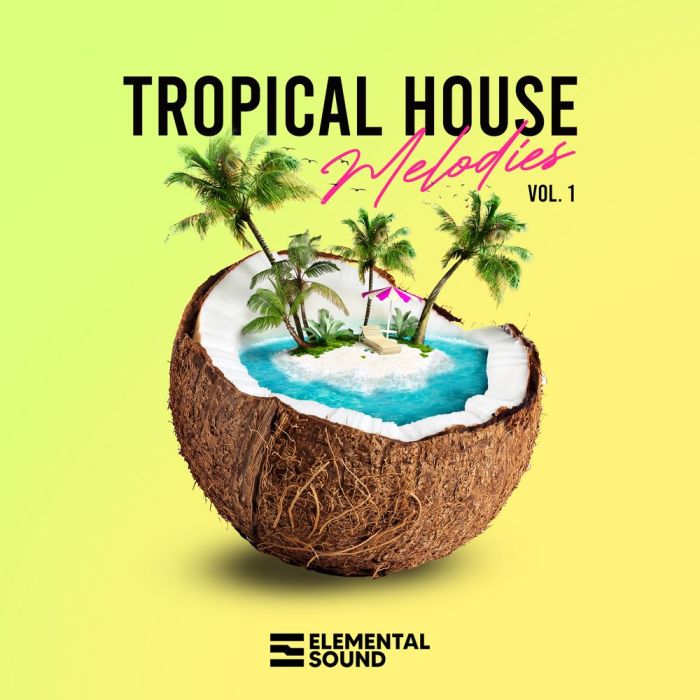
Tropical House, with its breezy melodies and sun-drenched soundscapes, translates its sonic identity into a vibrant and highly recognizable visual aesthetic. This visual language is crucial in establishing the genre’s brand and attracting a specific audience, creating a cohesive experience that extends beyond the music itself. The visual elements are carefully curated to evoke feelings of relaxation, escapism, and carefree enjoyment, mirroring the emotional response elicited by the music.
The visual representation of Tropical House extends across various platforms, from album art and music videos to festival staging and associated fashion. A consistent emphasis on bright colours, natural elements, and a generally optimistic mood creates a powerful and unified visual identity. This intentional design is not accidental; it’s a strategic deployment of visual cues to reinforce the genre’s sonic characteristics and enhance the listener’s experience.
Tropical House Music Festival Design
Imagine a Tropical House music festival nestled on a pristine beach at sunset. The stage, a massive, multi-tiered structure, resembles a giant, intricately carved tiki hut, its thatched roof glowing with warm LED lights that mimic the colours of a tropical sunset. The stage’s facade features lush, vibrant projections of swaying palm trees, cascading waterfalls, and colourful tropical fish, all synchronized with the music’s rhythm.
Lighting plays a pivotal role, transitioning smoothly from the warm hues of sunset to vibrant, pulsating colours that enhance the energy of the music. The overall effect is one of immersive escapism, transporting the audience to a paradise far removed from their daily lives. Laser lights, strategically placed, create dynamic patterns in the night sky, complementing the projections and adding an element of spectacle.
The surrounding area is decorated with lush greenery, tiki torches, and comfortable seating areas, ensuring a relaxed and inviting atmosphere for attendees.
Album Art and Music Video Aesthetics
Tropical House album art typically features bright, saturated colours – think turquoise oceans, golden sunsets, and lush green foliage. Images often depict idyllic beach scenes, tropical landscapes, or abstract representations of these themes. The overall aesthetic aims for a clean, minimalist feel, sometimes incorporating geometric shapes or patterns to add visual interest without overwhelming the viewer. Similarly, music videos often feature carefree individuals enjoying themselves in beautiful tropical settings, further reinforcing the genre’s carefree and escapist nature.
These videos frequently employ slow-motion shots, vibrant colours, and aerial perspectives to create a sense of awe and wonder, enhancing the overall sensory experience of the music. For example, Kygo’s music videos often feature stunning landscapes and carefree activities, perfectly reflecting the upbeat and relaxing nature of his music.
Clothing and Fashion Styles Associated with Tropical House
The fashion associated with Tropical House reflects the genre’s laid-back, carefree aesthetic. Think bright colours, lightweight fabrics, and comfortable silhouettes. The overall look is one of relaxed sophistication, combining elements of beachwear and resort style with a modern, stylish edge.
| Style | Description | Color Palette | Example |
|---|---|---|---|
| Hawaiian Shirts | Bold prints, loose fit, short or long sleeves. | Vibrant tropical prints, pastels | A classic Hawaiian shirt with a hibiscus print, paired with white linen shorts. |
| Flowy Dresses | Lightweight, maxi dresses in bright colors or floral prints. | Bright solids, floral prints, pastels | A bright yellow maxi dress with delicate straps, accessorized with a straw hat. |
| Shorts and Tank Tops | Simple, comfortable clothing ideal for warm weather. | Pastel shades, bright colours, nautical stripes | White linen shorts paired with a pastel pink tank top and white sneakers. |
| Straw Hats and Sunglasses | Essential accessories for protection from the sun. | Natural tones, various colours | A wide-brimmed straw hat and oversized sunglasses, adding a touch of effortless style. |
Production Techniques and Software
The creation of Tropical House music relies heavily on the sophisticated tools and techniques offered by Digital Audio Workstations (DAWs) and a range of audio plugins. These tools allow producers to craft the genre’s signature sounds, from the warm pads and shimmering synths to the crisp percussion and infectious grooves. The process, while seemingly effortless in the final product, involves a complex interplay of creative choices and technical precision.The sonic landscape of Tropical House is meticulously sculpted through the use of specific software and effects.
Understanding these tools is key to replicating and innovating within the genre.
Digital Audio Workstations (DAWs) Used in Tropical House Production
Several DAWs have become industry standards for electronic music production, and Tropical House is no exception. These platforms provide the foundational framework for arranging, recording, editing, and mixing audio. The choice often comes down to personal preference and workflow, but some consistently popular options include Ableton Live, Logic Pro X, FL Studio, and Pro Tools. Each offers a unique set of features and interfaces, catering to different production styles and levels of experience.
Ableton Live, for instance, is known for its intuitive session view, ideal for improvisational composition and live performance elements often incorporated into Tropical House. In contrast, Logic Pro X provides a comprehensive suite of instruments and effects, suitable for detailed sound design. FL Studio’s step sequencer is favored by producers who appreciate a more hands-on approach to beat creation.
Pro Tools, while perhaps less immediately intuitive for electronic music, is a powerful industry standard known for its stability and advanced mixing capabilities.
Essential Plugins and Effects for Tropical House Sounds
The characteristic sounds of Tropical House are often achieved through a combination of virtual instruments and effects plugins. These digital tools emulate classic hardware synthesizers, samplers, and effects processors, providing producers with a vast palette of sonic possibilities.
- Synthesizers (VSTi/AU): Plugins like Serum, Massive, Sylenth1, and Diva are commonly used to create the warm pads, bright leads, and arpeggiated melodies that define the genre. These synths offer extensive control over sound parameters, allowing producers to shape unique soundscapes.
- Effects Plugins: Reverb (for creating space and depth), delay (for rhythmic echoes and textural interest), chorus (for widening the stereo image and adding richness), phaser (for swirling, psychedelic effects), and saturation (for adding warmth and harmonic richness) are essential tools. Specific plugins like Valhalla Room, FabFilter Pro-Q 3, and Waves plugins are frequently used.
- Drum Machines and Samplers: Plugins like Native Instruments Maschine, Addictive Drums, and Kontakt are often employed for creating the rhythmic backbone of Tropical House tracks. These allow for the creation of complex drum patterns and the layering of percussion samples to achieve the characteristic groove.
The careful application of these plugins is crucial in shaping the final sound. For example, a subtle delay on the lead vocal can add a sense of spaciousness, while a heavy reverb on a pad can create an ethereal atmosphere. The skillful use of EQ and compression is also vital for achieving a balanced and polished mix.
Creating a Tropical House Track in a DAW
The process of creating a Tropical House track typically begins with a foundational rhythmic structure. This often involves programming a drum beat using a drum machine or sampler plugin. Once a basic groove is established, melodies and harmonies are developed using synthesizers, often focusing on bright, uplifting chords and catchy melodies. Next, bass lines are added, providing a low-end foundation and rhythmic drive.
Pads and other textural elements are layered to create atmosphere and depth. Vocals, often featuring a relaxed, melodic style, are then recorded and processed. Finally, the entire track is mixed and mastered to achieve a polished and balanced sound. This iterative process of experimentation and refinement is key to the genre’s signature sound.
Mixing and Mastering Techniques in Tropical House Production
Mixing and mastering are critical final stages that significantly impact the overall sound and feel of a Tropical House track. Mixing involves balancing individual tracks, adjusting levels, and applying effects to create a cohesive and dynamic mix. Mastering involves preparing the final mix for distribution across various platforms, ensuring it sounds good across different playback systems. Tropical House mixes often prioritize clarity and spaciousness, with a focus on achieving a bright and airy sound.
Mastering in this context aims for a loud but not overly compressed sound, retaining the dynamics and nuances of the mix. Different mastering engineers might employ different techniques and plugins to achieve this, with some favoring transparent approaches that preserve the original sonic character while others might utilize more aggressive techniques to achieve a louder final product. The choice often depends on the desired aesthetic and the specific characteristics of the mix.
A/B comparisons of different mastering approaches applied to the same track often reveal subtle but important differences in loudness, clarity, and overall impact.
Summary
Tropical House, far from being a fleeting trend, has cemented its place in the electronic music landscape. Its enduring appeal lies in its ability to seamlessly blend diverse musical influences, creating a sound that is both familiar and refreshingly unique. From the rhythmic intricacies of its percussion to the uplifting nature of its melodies, the genre continues to inspire artists and captivate listeners worldwide.
Its ongoing evolution promises further exciting developments, ensuring its continued relevance and influence in the years to come. The journey through its sounds, structures, and cultural significance reveals a rich tapestry of musical innovation, artistic expression, and global connectivity.
Popular Questions
What DAWs are most commonly used for Tropical House production?
Ableton Live, Logic Pro X, and FL Studio are popular choices among Tropical House producers due to their intuitive interfaces and extensive plugin support.
What are some common lyrical themes in Tropical House?
Common themes include escapism, summer vibes, love, and carefree living, often reflecting the genre’s upbeat and relaxed atmosphere.
How does Tropical House differ from Deep House?
While both genres share a house music foundation, Tropical House incorporates more prominent melodic elements, brighter sounds, and often features more prominent percussion and global influences, creating a more upbeat and summery feel compared to the often more subdued and atmospheric nature of Deep House.
Is Tropical House still popular?
While its peak popularity may have passed, Tropical House remains a significant and influential genre within the broader electronic music scene, continuing to inspire new artists and find a dedicated audience.
Leave a Reply