Blog

  • Classic Tropical Garden Design A Lush Escape

    Classic Tropical Garden Design A Lush Escape

    Imagine stepping into a verdant sanctuary, where the air hums with the symphony of rustling leaves and the gentle trickle of water. This is the essence of a classic tropical garden, a meticulously crafted landscape that evokes the untamed beauty of lush rainforests and vibrant coastal regions. These havens, inspired by historical influences and informed by horticultural science, blend diverse plant life, strategic design elements, and careful maintenance to create an immersive and tranquil experience.

    From the careful selection of palm species to the artful placement of water features, every detail contributes to a holistic design that celebrates the vibrant spirit of the tropics.

    The classic tropical garden design isn’t merely an aesthetic choice; it’s a testament to humanity’s enduring fascination with nature’s opulence. Understanding its core principles – layering, textural contrast, and the strategic use of light and shade – allows for the creation of personalized paradises. This exploration delves into the historical context, plant selection, layout strategies, maintenance techniques, and illustrative examples, providing a comprehensive guide to crafting your own piece of tropical bliss.

    Defining “Classic Tropical Garden Design”

    Classic tropical garden design evokes lush, vibrant landscapes reminiscent of humid, equatorial regions. It’s a style characterized by its abundance of diverse plant life, creating a sense of immersive natural beauty. Unlike more formal garden styles, the classic tropical approach prioritizes a sense of untamed luxuriance, though this is carefully orchestrated to create specific aesthetic effects.

    The core principles of classic tropical garden design center around mimicking the natural biodiversity and layered textures found in tropical rainforests and coastal regions. This involves using a wide variety of plants with differing heights, textures, and colors to create a dynamic and visually engaging space. Emphasis is placed on the use of shade-tolerant understory plants, vibrant flowering species, and striking foliage plants, often arranged in a somewhat informal, naturalistic manner.

    The overall effect aims for a sense of abundance and tranquility, a visual escape into a lush, exotic environment.

    Historical Influences on Classic Tropical Garden Design

    The development of classic tropical garden design is intricately linked to European colonial expansion into tropical regions. Beginning in the 18th and 19th centuries, wealthy colonists and explorers brought back exotic plants from their travels, introducing them to European gardens. This sparked a fascination with tropical flora, influencing garden design trends. Early examples often involved incorporating individual exotic specimens into existing formal garden layouts, but gradually, a more naturalistic approach emerged, aiming to recreate the atmosphere of the tropics themselves.

    The influence of landscape painting and romantic ideals also played a significant role, emphasizing the emotional impact of nature and the desire to create scenes of idyllic beauty. The development of botanical gardens further contributed to the understanding and cultivation of tropical plants, enabling the creation of increasingly authentic tropical landscapes.

    Iconic Examples of Classic Tropical Gardens

    Many gardens around the world exemplify classic tropical design. The Singapore Botanic Gardens, a UNESCO World Heritage Site, is a prime example, showcasing a vast collection of tropical plants arranged in thematic gardens that illustrate both the biodiversity of the region and the principles of horticultural design. The extensive use of palms, ferns, orchids, and other tropical species, along with thoughtfully designed water features, create a truly immersive experience.

    Similarly, the Royal Botanic Gardens, Kew, in London, though situated in a temperate climate, contains significant tropical conservatories that recreate the atmosphere of a tropical rainforest, showcasing the meticulous planning and horticultural skill required to create a convincing tropical setting. These gardens, along with numerous private estates and public parks in tropical and subtropical regions, demonstrate the enduring appeal and evolving interpretation of this garden style.

    Comparison of Classic Tropical Design with Other Garden Styles

    Classic tropical garden design differs significantly from other styles. Compared to the formal geometric precision of Italian Renaissance gardens, or the structured symmetry of French formal gardens, the tropical style embraces a more informal, naturalistic approach. Unlike the minimalist aesthetic of Japanese gardens, which often prioritize simplicity and contemplation, tropical gardens celebrate abundance and exuberance. While English cottage gardens emphasize a charming, informal feel with a focus on flowering herbaceous plants, tropical gardens incorporate a wider range of plant types, including trees, shrubs, climbers, and epiphytes, creating a more layered and complex visual experience.

    The use of water features, often incorporating ponds, streams, and waterfalls, is more common in tropical gardens than in many other styles, further enhancing the sense of a lush, vibrant environment. The overall atmosphere created by a classic tropical garden is distinctly different, prioritizing a sense of immersion in a rich and diverse ecosystem.

    Plant Selection for a Classic Tropical Garden
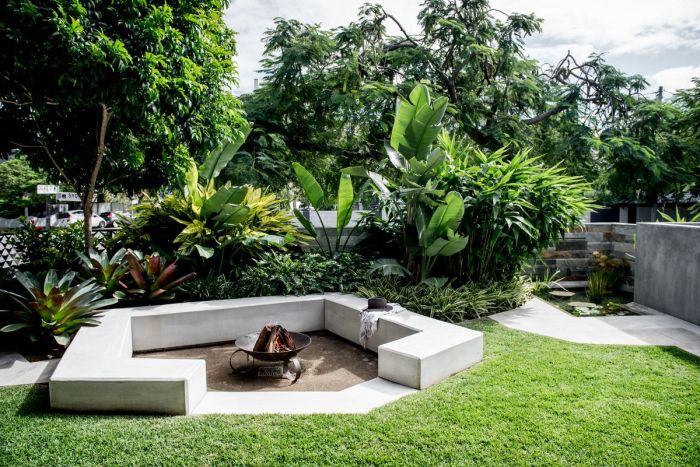
    Classic tropical garden design

    The creation of a thriving classic tropical garden hinges on a meticulous selection of plant species. The chosen flora must not only visually complement the overall design aesthetic but also thrive within the specific environmental conditions of the location. Factors such as sunlight exposure, water availability, and soil type all play crucial roles in determining the success of the garden.

    Careful consideration of these factors, coupled with an understanding of plant characteristics, is paramount.

    Essential Plant Species for Classic Tropical Gardens

    The following table lists essential plant species commonly used in classic tropical garden design, categorized by their characteristics, sunlight, and water requirements. These species offer a diverse range of textures, colors, and sizes, allowing for the creation of a visually rich and dynamic landscape. Note that specific needs may vary slightly depending on cultivar and local conditions.

    Species Characteristics Sunlight Needs Water Needs
    Heliconia rostrata (Hanging Lobster Claw) Showy, pendulous, red and yellow bracts; attracts hummingbirds. Partial shade to full sun Moderate to high; consistently moist soil
    Musa spp. (Banana Plants) Large, dramatic foliage; provides a bold vertical element; some varieties produce edible fruit. Full sun to partial shade High; requires consistently moist soil
    Hibiscus rosa-sinensis (Chinese Hibiscus) Vibrant, large flowers in various colors; continuous blooming throughout warm seasons. Full sun to partial shade Moderate; well-drained soil
    Bougainvillea spp. Thorny vines with brightly colored bracts; excellent for walls, fences, or trellises. Full sun Moderate; drought-tolerant once established
    Colocasia esculenta (Elephant Ear) Large, heart-shaped leaves; provides textural contrast and shade. Partial shade to full sun Moderate to high; prefers consistently moist soil
    Dieffenbachia spp. (Dumb Cane) Variegated foliage; adds a touch of elegance and contrast; suitable for shade. Partial shade Moderate; well-drained soil
    Cycas revoluta (Sago Palm) Slow-growing, cycad with stiff, dark green leaves; adds architectural interest. Full sun to partial shade Moderate; drought-tolerant once established
    Nephrolepis exaltata (Boston Fern) Delicate, cascading fronds; adds lushness and softens hardscapes. Partial shade High; prefers consistently moist soil

    The Role of Palms, Ferns, and Flowering Plants

    Palms provide a strong architectural backbone to the classic tropical garden, offering a variety of heights, shapes, and textures. Their fronds create a sense of verticality and tropical ambiance. Ferns, with their delicate foliage, add a lush, textural counterpoint to the bolder forms of palms and flowering plants. They thrive in shaded areas, creating depth and visual interest in understory plantings.

    Flowering plants, chosen for their vibrant colors and diverse bloom times, contribute a dynamic, ever-changing visual element. Careful selection ensures a continuous display of color throughout the growing season.

    Plant Layering and Textural Contrast

    Plant layering is a crucial aspect of classic tropical garden design. It involves arranging plants of varying heights and textures to create visual depth and interest. This technique mimics the natural layering found in tropical rainforests, where taller trees form a canopy, smaller trees and shrubs create a mid-layer, and groundcovers and ferns form the understory. Combining plants with contrasting textures – for instance, the smooth, waxy leaves of some flowering plants juxtaposed against the feathery fronds of ferns – further enhances the visual appeal of the garden.

    Sample Plant Palette for a Florida Classic Tropical Garden

    A classic tropical garden in Florida might include: Roystonea regia (Royal Palm) as a focal point, Copernicia alba (Silver Thatch Palm) for textural contrast, Philodendron spp. (various types) for climbing and ground cover, Heliconia rostrata for vibrant color, Hibiscus spp. for continuous blooms, and Nephrolepis exaltata (Boston Fern) for lush understory plantings. This palette offers a combination of architectural elements, textural contrast, and vibrant color, all suitable for Florida’s subtropical climate.

    Careful consideration of the mature size of each plant is essential to avoid overcrowding.

    Layout and Design Elements

    The layout of a classic tropical garden is designed to evoke a sense of lush, untamed beauty while maintaining a degree of order and accessibility. Careful consideration of sunlight, shade, and the strategic placement of plants and hardscaping elements is crucial to achieving this balance. The overall effect should be one of natural abundance and tranquility.

    The interplay of sunlight and shade is paramount in creating a thriving tropical garden. Sunlight requirements vary greatly amongst tropical plants; some thrive in full sun, while others prefer dappled shade or even deep shade. Effective design necessitates a thoughtful arrangement that caters to these individual needs, often utilizing the strategic placement of trees and taller plants to cast shade over more delicate species.

    This also creates microclimates within the garden, adding depth and complexity to the overall design.

    Pathways and Water Features

    Pathways in a classic tropical garden are rarely straight; instead, they meander through the landscape, encouraging exploration and discovery. Winding paths, often paved with natural materials like stone or brick, subtly guide visitors through the various sections of the garden. These paths are not merely functional; they are integral design elements that add to the garden’s overall charm and enhance the experience of strolling through the space.

    Water features, such as ponds, streams, or even simple fountains, introduce a dynamic element, adding visual interest and the soothing sounds of moving water. These features also provide a vital habitat for beneficial insects and amphibians, enhancing the garden’s biodiversity. The reflection of sunlight on water further adds to the garden’s luminosity and visual appeal.

    Shade and Sunlight Management

    The effective use of shade and sunlight is critical to the success of a tropical garden. Tall trees, such as palms or ficus, strategically placed, can create dappled shade beneath their canopies, protecting more sensitive plants from the intense tropical sun. Conversely, sunny areas can be allocated to sun-loving species, ensuring each plant receives the optimal amount of light for its growth.

    The positioning of structures, such as pergolas or gazebos, can further enhance shade management, providing sheltered areas for relaxation and contemplation. This strategic management prevents scorching and ensures the vibrant growth of all the flora. For example, a banana tree, known for its large leaves, can create a beautiful shade area for smaller plants like ferns or impatiens.

    Hardscaping Materials

    The choice of hardscaping materials is essential in maintaining the classic tropical garden aesthetic. Natural materials such as stone, wood, and brick are typically preferred, complementing the organic feel of the abundant vegetation. Stone pathways and walls add a sense of rustic charm, while wooden structures, such as bridges or pergolas, provide a warmer, more inviting feel. Brickwork can be used to create retaining walls or borders, adding structure and definition to the garden’s layout.

    The selection and placement of these materials should be carefully considered to ensure they blend seamlessly with the surrounding landscape, avoiding a jarring contrast with the natural elements. For example, weathered grey stone might be selected to mimic the tones of natural rock formations.

    Designing a Classic Tropical Garden Layout: A Step-by-Step Guide

    1. Assess the Site: Begin by thoroughly evaluating the site’s characteristics, including sunlight exposure, soil type, and existing drainage. This assessment informs decisions about plant placement and hardscaping.
    2. Develop a Conceptual Plan: Sketch a preliminary layout, considering the placement of pathways, water features, and major planting areas. This plan serves as a blueprint for the garden’s overall structure.
    3. Select Plants: Choose a diverse range of tropical plants that are suited to the site’s conditions and complement each other in terms of size, color, and texture. Consider the mature size of each plant to avoid overcrowding.
    4. Incorporate Hardscaping: Integrate hardscaping elements such as pathways, walls, and water features, ensuring they enhance the garden’s aesthetic appeal and functionality. Consider the use of natural materials that complement the surrounding environment.
    5. Implement the Design: Begin planting and installing the hardscaping elements, paying close attention to detail and ensuring proper spacing between plants.
    6. Maintain and Refine: Regularly maintain the garden, pruning plants, removing weeds, and adjusting the layout as needed to ensure its continued health and beauty. Regular observation allows for ongoing refinement of the design.

    Water Features and Other Design Elements

    The incorporation of water features and thoughtful placement of functional spaces are crucial for creating a truly immersive and enjoyable classic tropical garden. These elements not only enhance the aesthetic appeal but also contribute to the overall biodiversity and microclimate of the space, mimicking the natural water cycles found in lush tropical environments. The careful integration of lighting further amplifies the garden’s beauty, extending its enjoyment into the evening hours.Water features, such as fountains and ponds, introduce the soothing sounds and visual dynamism of moving water, a hallmark of many tropical landscapes.

    The gentle splashing and the reflective surfaces of the water create a tranquil atmosphere, counteracting the potential harshness of direct sunlight and adding a layer of complexity to the garden’s design. Furthermore, water features provide a habitat for beneficial insects and amphibians, fostering a richer ecosystem within the garden. Ponds, in particular, can support aquatic plants, further enhancing the biodiversity and visual interest.

    The humidity generated by the water also contributes to the overall microclimate, benefiting the surrounding vegetation.

    The Role of Water Features in Ambiance Enhancement

    The addition of a water feature dramatically alters the sensory experience of a tropical garden. The sound of gently flowing water masks unwanted noises from the surrounding environment, creating a sense of peaceful seclusion. Visually, the reflective surface of the water introduces a dynamic element, mirroring the sky and surrounding foliage, and enhancing the perception of depth and space.

    A strategically placed fountain can become a focal point, drawing the eye and guiding the visitor through the garden. The interplay of light and water creates shimmering effects that change throughout the day, adding a sense of movement and vitality to the otherwise static elements of the garden. For example, a small, cascading fountain placed near a seating area would create a calming and meditative atmosphere.

    A larger pond with strategically placed aquatic plants would offer a more naturalistic and biodiverse setting.

    Lighting Design for Nighttime Appreciation

    Strategic lighting is essential for extending the enjoyment of a classic tropical garden beyond daylight hours. Low-voltage landscape lighting, utilizing warm-toned LEDs, can be subtly integrated to highlight key plants, architectural features, and the water feature itself. Uplighting can dramatically showcase the textures and forms of large-leaved plants, while path lighting ensures safe and comfortable navigation at night. Submerged lighting in ponds can create magical underwater effects, highlighting the aquatic plants and the movement of the water.

    For instance, strategically placed spotlights can illuminate the vibrant colors of flowering plants, while path lights made of natural materials like bamboo would maintain a cohesive aesthetic. Careful consideration of light levels is crucial to avoid light pollution and to preserve the nocturnal habitat for beneficial insects and animals.

    Incorporation of Seating Areas and Functional Spaces

    Seating areas and other functional spaces are essential for transforming a classic tropical garden from a purely aesthetic space into a place of relaxation and enjoyment. Strategically placed benches, hammocks, or even outdoor dining areas provide opportunities for contemplation, social interaction, and quiet enjoyment of the garden’s beauty. These spaces should be designed to be both comfortable and aesthetically integrated into the overall garden design, perhaps nestled amongst lush foliage or positioned to offer a captivating view of a water feature.

    Consider the incorporation of pergolas or gazebos for shade and protection from the elements, adding further architectural interest to the garden. The materials used for seating and other structures should be chosen to complement the overall style of the garden and to withstand the tropical climate. For example, a rustic wooden bench nestled beneath a canopy of palms would provide a welcoming space for relaxation, while a shaded dining area with woven furniture could offer an ideal setting for al fresco meals.

    Design of a Water Feature for a Classic Tropical Garden

    A suitable water feature for a classic tropical garden could be a free-form pond measuring approximately 5 meters by 3 meters, with a depth ranging from 0.5 meters to 1 meter. The pond’s shape could mimic the natural curves of a stream or riverbed. The construction could utilize a flexible liner made of high-quality EPDM rubber, known for its durability and resistance to UV degradation.

    The edges of the pond could be subtly camouflaged with river rocks and strategically placed tropical plants, creating a seamless integration with the surrounding landscape. A small, battery-powered pump could circulate the water, ensuring cleanliness and providing a gentle flow to enhance the aesthetic appeal. The inclusion of aquatic plants such as water lilies and papyrus would add both visual interest and ecological value, contributing to the overall biodiversity of the garden.

    The pond could also incorporate a small waterfall feature, adding to the soundscape and creating a sense of movement.

    Maintaining a Classic Tropical Garden

    The vibrant beauty of a classic tropical garden demands consistent care. Maintaining its lushness and health requires a proactive approach encompassing regular maintenance tasks, pest and disease management, and thoughtful irrigation and fertilization strategies. Neglect can quickly lead to a decline in the overall aesthetic appeal and the health of individual plants. This section Artikels a practical maintenance schedule and crucial techniques to ensure your tropical paradise thrives.

    A Detailed Maintenance Schedule for a Classic Tropical Garden

    A well-structured maintenance schedule is essential for a thriving tropical garden. This schedule should be adapted to the specific needs of your plants and the local climate. However, some common tasks apply across the board. Regular inspections are key to early detection of problems.

    • Weekly Tasks: Deadheading spent blooms to encourage further flowering; checking for signs of pests or diseases; watering as needed, adjusting frequency based on rainfall and soil moisture; monitoring for nutrient deficiencies.
    • Bi-weekly Tasks: Cleaning debris from pathways and around plants; checking for weed growth and removing accordingly; applying foliar feed for certain plants that benefit from this method (e.g., orchids, ferns).
    • Monthly Tasks: Fertilizing plants according to their specific requirements; inspecting larger plants for structural damage or disease; assessing overall garden health and making adjustments to the maintenance schedule as needed.
    • Quarterly Tasks: Deep watering to encourage deep root growth; pruning and shaping of plants; soil testing to check nutrient levels; mulching to retain moisture and suppress weeds.
    • Annual Tasks: Major pruning and shaping of larger plants; soil replenishment or amendment; pest and disease prevention treatments; replanting or replacing any plants that have died or become unhealthy.

    Managing Pests and Diseases Common to Tropical Plants

    Tropical gardens are susceptible to a variety of pests and diseases. Early detection and swift action are crucial to preventing widespread damage. Integrated pest management (IPM) strategies, emphasizing prevention and minimal chemical use, are highly recommended.

    • Common Pests: Aphids, mealybugs, scale insects, spider mites, whiteflies, and various caterpillars. These can be controlled through methods such as hand-picking, insecticidal soap, neem oil, or biological control agents (e.g., introducing ladybugs to prey on aphids).
    • Common Diseases: Leaf spot, fungal blights, root rot, and viral diseases. These can often be prevented by ensuring good air circulation, avoiding overhead watering, and using disease-resistant plant varieties. Fungicides may be necessary in severe cases, but should be used judiciously and according to label instructions.
    • Disease Prevention: Proper sanitation, including removing infected plant material promptly and disposing of it appropriately, is crucial to preventing the spread of diseases. Maintaining good soil drainage and avoiding overwatering are also essential preventive measures.

    Proper Watering and Fertilization Techniques

    Water and nutrient availability are critical factors influencing the health and vigor of tropical plants. Consistent moisture levels are vital, but overwatering can lead to root rot. Fertilization provides the essential nutrients for healthy growth and flowering.

    Watering should be deep and infrequent rather than shallow and frequent, encouraging deep root development. The frequency depends on factors such as rainfall, soil type, and plant species. Observe the soil moisture before watering; allow the top inch or two to dry out before watering again. Consider using a drip irrigation system for efficient water delivery.

    Fertilization needs vary depending on the plant species and soil conditions. A soil test can determine nutrient deficiencies. Use a balanced, slow-release fertilizer formulated for tropical plants. Follow the manufacturer’s instructions carefully, avoiding over-fertilization, which can damage plant roots and harm the environment. Organic fertilizers, such as compost, can improve soil structure and provide slow-release nutrients.

    Pruning and Shaping Plants to Maintain the Desired Aesthetic

    Pruning and shaping are essential for maintaining the desired form and health of your tropical plants. This involves removing dead, damaged, or diseased branches, as well as shaping plants to maintain the overall aesthetic of the garden.

    Pruning should be done strategically, considering the natural growth habit of each plant species. Avoid drastic pruning, which can stress the plant and reduce its flowering potential. Use sharp, clean pruning tools to minimize the risk of disease transmission. For instance, palms generally require minimal pruning, focusing on removing dead fronds. On the other hand, flowering shrubs might benefit from more regular pruning to encourage bushier growth and abundant blooms.

    The timing of pruning also varies depending on the species, with some flowering best after pruning in late winter, while others prefer pruning after flowering in the spring or summer.

    Illustrative Examples
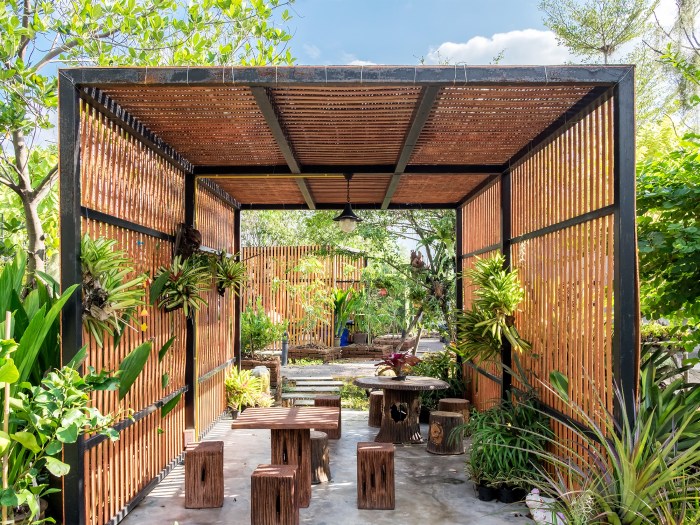
    Landscaping tropical garden ideas front design landscape yard jardin backyard paisagismo balinais gardens jardins path plants choose board walkway alex

    A classic tropical garden is more than just a collection of plants; it’s a carefully orchestrated symphony of color, texture, and form, designed to evoke the lush beauty of tropical rainforests and coastal regions. Understanding the visual elements is key to appreciating and recreating this style. The following examples showcase the interplay of these elements to achieve a truly captivating tropical garden aesthetic.

    The successful implementation of a classic tropical garden hinges on a meticulous selection of plants and the thoughtful arrangement of design elements. These examples will highlight the practical application of the principles discussed previously, offering a detailed look at what a realized classic tropical garden might look like.

    A Classic Tropical Garden Scene

    Imagine stepping into a space bathed in dappled sunlight filtering through the broad leaves of a mature Ravenala madagascariensis (Traveller’s Palm). The air is thick with the scent of frangipani ( Plumeria spp.), their intoxicating fragrance carried on a gentle breeze. Beneath the palms, the ground is a tapestry of textures: the smooth, glossy leaves of Calathea species contrasting with the rough, almost furry texture of Alocasia leaves.

    Colors range from the vibrant pinks and oranges of hibiscus ( Hibiscus rosa-sinensis) to the deep greens of various ferns and the silvery undersides of the Philodendron leaves. The overall effect is one of lush abundance and vibrant life, punctuated by the occasional splash of brighter color from flowering plants. The lighting shifts throughout the day, creating dynamic shadows that dance across the foliage, adding another layer of visual interest.

    This scene embodies the essence of a classic tropical garden, a place where nature’s artistry is celebrated in all its glory.

    Garden Entrance Featuring a Royal Palm and Stone Pathway

    The entrance to the garden is framed by a majestic Roystonea regia (Royal Palm), its tall, slender trunk crowned with a magnificent crown of fronds reaching towards the sky. The palm’s smooth, grey trunk contrasts beautifully with the warm tones of the stone pathway leading into the garden. The pathway, composed of large, irregularly shaped flagstones, meanders gently through the landscape, inviting exploration.

    Low-growing, drought-tolerant plants, such as Cordyline species with their striking foliage, are strategically placed along the edges of the pathway, adding a touch of color and texture without obstructing the view. The interplay of vertical lines from the palm and the horizontal lines of the pathway creates a visually appealing sense of balance and direction. The lighting here is crucial; the palm casts a welcome shade during the hottest part of the day, while the open space allows ample sunlight to reach the pathway.

    Shaded Seating Area

    A tranquil seating area is nestled beneath the dense canopy of a Ficus benjamina (Weeping Fig), its cascading branches providing ample shade. The ground beneath is covered with a soft carpet of Dichondra repens (Kidney Weed), its small, rounded leaves creating a lush, green groundcover. Larger specimens of Aspidistra elatior (Cast Iron Plant), known for their tolerance of low light conditions, are interspersed amongst the Dichondra, adding vertical interest and textural contrast.

    The cool, muted greens of these plants complement the warmer tones of the wooden seating, creating a calm and inviting atmosphere. The strategic placement of strategically placed lighting fixtures adds a soft, ambient glow in the evening, extending the usability of the space into the cooler hours. The overall design fosters a sense of seclusion and tranquility, a perfect spot for relaxation and contemplation within the vibrant tropical garden.

    Final Conclusion

    Creating a classic tropical garden is a journey of horticultural artistry and mindful design. By understanding the interplay of plant selection, layout, and maintenance, one can cultivate a vibrant, thriving ecosystem that reflects the unique beauty of tropical landscapes. From the careful consideration of sunlight and water needs to the strategic integration of hardscaping and water features, each element plays a vital role in shaping the overall ambiance.

    Ultimately, the success of a classic tropical garden lies not only in its aesthetic appeal but also in its ability to provide a sanctuary—a place of tranquility and rejuvenation where the spirit can reconnect with the vibrant energy of nature. The careful balance of science and artistry ensures a timeless, captivating space, a living testament to the enduring power of tropical beauty.

    FAQ Corner

    What are the common pests and diseases affecting tropical plants?

    Common pests include mealybugs, spider mites, aphids, and scale insects. Diseases vary by plant species but can include fungal leaf spots, root rot, and various viral infections. Regular inspection and proactive treatment are crucial.

    How often should I fertilize my tropical garden?

    Fertilizing frequency depends on the specific plant needs and soil conditions. Generally, a slow-release fertilizer applied every 2-3 months during the growing season is recommended. Adjust based on plant growth and soil testing results.

    What types of soil are best for tropical plants?

    Well-draining, slightly acidic soil rich in organic matter is ideal for most tropical plants. Amend heavy clay soils with compost and perlite to improve drainage. Sandy soils benefit from the addition of organic matter to increase water retention.

    Can I create a classic tropical garden in a temperate climate?

    Yes, but you’ll need to select plants that are hardy in your specific climate zone. Consider using container gardening for greater flexibility and protection during colder months. You may need to adapt the design to incorporate more sheltered areas.

    How do I choose the right size and type of water feature?

    Water feature size should be proportionate to the overall garden size. Consider the available space, budget, and maintenance requirements. Types range from simple fountains to elaborate ponds; choose one that complements the garden’s style and your personal preferences.
  • European-Style Classic Garden Design

    European-Style Classic Garden Design

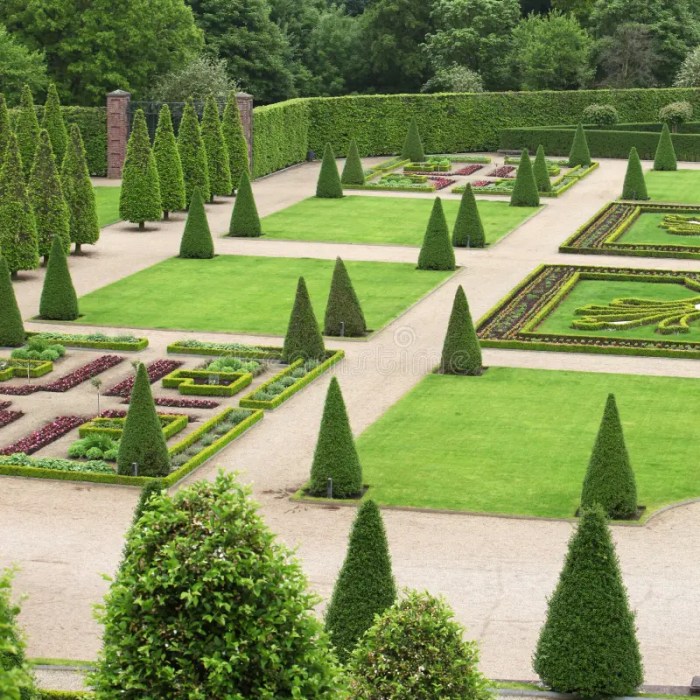
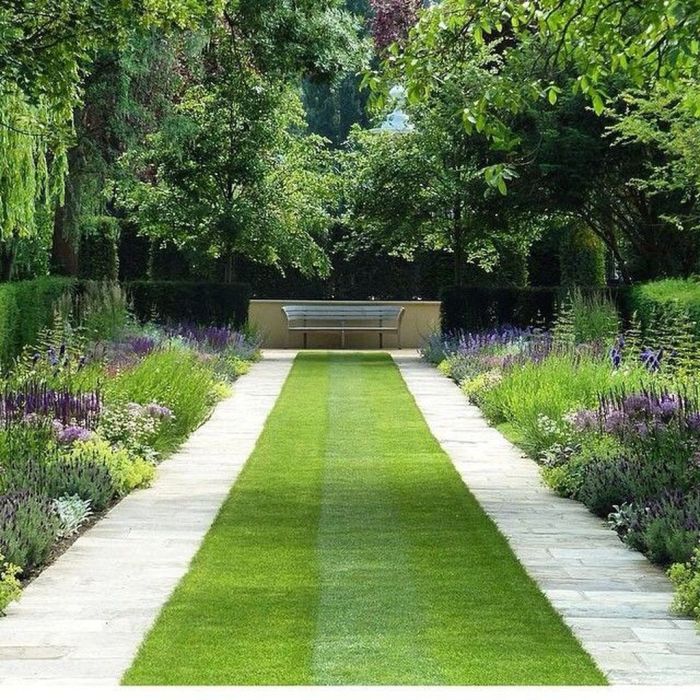
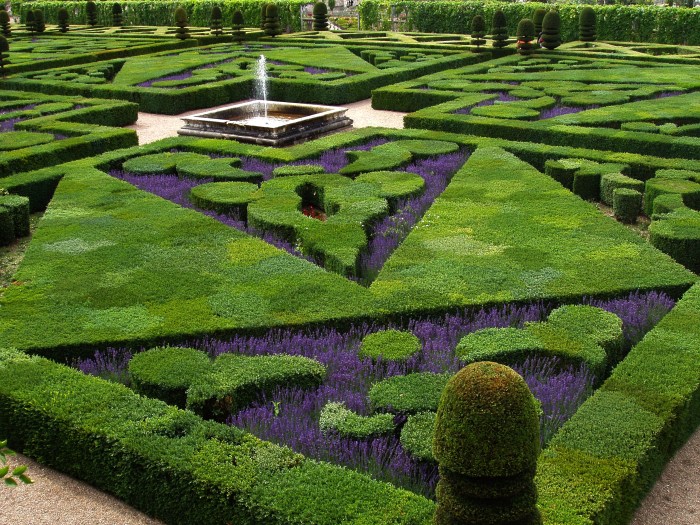
    Imagine strolling through a meticulously crafted landscape, where centuries of horticultural artistry converge. This is the essence of the European-style classic garden, a testament to human ingenuity and nature’s enduring beauty. From the formal grandeur of French gardens, meticulously manicured with geometric precision and reflecting pools, to the romantic, naturalistic charm of English gardens, overflowing with wildflowers and winding paths, these landscapes represent distinct cultural expressions shaped by historical trends and regional climates.

    The evolution of these styles, influenced by Renaissance ideals, Enlightenment philosophy, and the Romantic movement, has left an indelible mark on garden design, shaping aesthetics and practices that continue to inspire today. We will explore the key elements, from plant selection and structural design to ongoing maintenance, revealing the science and artistry behind these timeless creations.

    The design principles underlying these gardens are rooted in a deep understanding of botany and landscape architecture. Careful consideration of sunlight exposure, soil composition, and plant compatibility informs plant selection and arrangement. Structural elements, such as fountains, gazebos, and statuary, are not merely decorative additions but integral components, often symbolizing specific cultural or philosophical ideas. The use of symmetry, balance, and perspective enhances the visual impact, creating a harmonious and aesthetically pleasing environment.

    Moreover, the ongoing maintenance of these gardens requires specialized knowledge and dedicated effort to preserve their historical integrity and aesthetic appeal.

    Defining the “European-Style Classic Garden”

    Topdesignideas

    The European classic garden, a product of centuries of artistic and horticultural evolution, represents a sophisticated interplay between nature and human design. Its development reflects changing cultural values, technological advancements, and philosophical shifts across Europe. From the formal geometries of Italian Renaissance gardens to the naturalistic landscapes of the English garden, the style encompasses a diverse range of approaches, yet maintains a consistent emphasis on order, symmetry, and the deliberate manipulation of the natural world to create aesthetically pleasing and intellectually stimulating spaces.

    The historical evolution of the European classic garden style can be traced back to ancient Roman and Greek influences, which emphasized geometric layouts and the incorporation of water features. The Renaissance saw a revival of classical ideals, resulting in the creation of highly structured Italian gardens characterized by precisely manicured hedges, fountains, and sculpted topiary. The French Baroque style, exemplified by the gardens of Versailles, amplified this formality, employing grand axial perspectives and elaborate displays of power and wealth.

    In contrast, the English landscape garden, emerging in the 18th century, reacted against this formality, embracing a more naturalistic aesthetic that mimicked the seemingly random beauty of the natural world while still maintaining a sense of careful design.

    Key Characteristics of European Classic Gardens

    European classic gardens, despite their national variations, share several defining characteristics. These include a strong emphasis on symmetry and geometric patterns, often expressed through the layout of paths, flowerbeds, and water features. The use of carefully pruned hedges and topiary creates structured forms within the garden, contrasting with the softer lines of flowering plants and trees. Formal elements such as fountains, statues, and gazebos are frequently incorporated, adding to the overall sense of order and design.

    The integration of architecture, sculpture, and horticulture creates a unified and harmonious whole, demonstrating a deliberate artistic vision. Finally, the gardens often incorporated elements designed to evoke specific emotions or ideas, reflecting the prevailing philosophical and cultural climate.

    National Variations in European Classic Garden Style

    The Italian Renaissance garden, exemplified by the Boboli Gardens in Florence, prioritizes geometric precision and the creation of dramatic visual perspectives. Terraced gardens, fountains, and sculpted hedges are common features, creating a sense of grandeur and controlled beauty. The French Baroque garden, as seen in the Gardens of Versailles, emphasizes grand scale and axial symmetry, using long avenues, formal parterres, and elaborate water features to create an overwhelming display of power and magnificence.

    In contrast, the English landscape garden, epitomized by Stowe Landscape Garden, embraces a more naturalistic aesthetic, mimicking the appearance of an unspoiled landscape while subtly guiding the visitor’s experience through carefully placed features and strategically planted trees and shrubs.

    Materials and Building Techniques in European Classic Gardens

    The construction of European classic gardens involved a range of materials and techniques reflecting the available resources and the desired aesthetic effect. Stone, brick, and marble were frequently used for walls, terraces, and architectural features, reflecting the wealth and status of the garden’s owners. Elaborate water features, such as fountains and canals, required specialized engineering skills to manage water flow and pressure.

    The creation of formal hedges and topiary involved meticulous pruning and shaping of plants, often over many years. The planting of trees and shrubs followed specific design principles, ensuring that the overall composition of the garden contributed to the desired aesthetic effect. The use of materials like lead for pipes and ornate ironwork for gates and other decorative elements also reflects the skilled craftsmanship integral to these gardens.

    Plant Selection and Arrangement

    Garden formal flower flowers ideas make blog wild

    The creation of a successful European classic garden hinges on meticulous plant selection and arrangement. The aesthetic aims for a sense of controlled naturalism, balancing formality with the organic beauty of the plant life. Careful consideration of plant characteristics, including size, growth habit, bloom time, and color, is crucial to achieving the desired effect. The overall design should evoke a sense of timeless elegance and tranquility.

    Plant Choices for a European Classic Garden

    A palette of plants reflecting traditional European gardens should be selected, emphasizing a blend of structure and seasonal color variation. This involves choosing plants known for their historical significance in European landscaping, as well as their ability to thrive in the intended climate. The selection should also consider the garden’s size and sun exposure levels.

    Examples of Suitable Plants

    For flowering plants, consider Rosa gallica (French rose), known for its richly colored blooms and historical importance; Lavandula angustifolia (lavender), prized for its fragrant flowers and silvery foliage; and Digitalis purpurea (foxglove), with its tall spires of bell-shaped flowers. Shrubs could include Buxus sempervirens (boxwood), a classic hedging plant known for its dense, formal growth habit; and Hydrangea macrophylla (hydrangea), offering large, showy flower heads in a range of colors.

    Trees might include Tilia cordata (small-leaved lime), appreciated for its fragrant flowers and shade, and Acer platanoides (Norway maple), providing striking autumn color.

    Principles of Color Coordination and Texture

    Color coordination plays a vital role in creating a harmonious garden design. A classic European garden often employs a muted palette, incorporating soft pastels, creams, and deep greens. Bold colors can be used sparingly as accents. The interplay of textures is equally important; the smooth, glossy leaves of boxwood can be contrasted with the rough texture of a stone wall or the delicate blooms of a rose.

    Varying plant heights and forms creates visual interest and depth. For instance, the vertical lines of foxgloves can be complemented by the horizontal spread of lavender.

    Plant Choices Based on Sun Exposure

    Plant Name Sun Exposure Bloom Time Plant Type
    Rosa gallica (French Rose) Full sun to partial shade June-July Flowering Shrub
    Lavandula angustifolia (Lavender) Full sun June-August Herb/Sub-shrub
    Digitalis purpurea (Foxglove) Partial shade June-August Biennial
    Buxus sempervirens (Boxwood) Full sun to partial shade Insignificant bloom Shrub
    Hydrangea macrophylla (Hydrangea) Partial shade June-September Shrub
    Tilia cordata (Small-leaved Lime) Full sun June-July Tree
    Acer platanoides (Norway Maple) Full sun Autumn Tree

    Garden Structures and Features

    The carefully chosen structures and features within a European classic garden are not merely decorative elements; they are integral to the overall design, enhancing both the aesthetic appeal and the functionality of the space. These elements work in harmony with the planting scheme to create a sense of balance, proportion, and controlled natural beauty. Their placement and design reflect centuries of horticultural tradition and a deep understanding of how to manipulate space and light to achieve a specific effect.

    The incorporation of these elements transcends mere ornamentation; they serve practical purposes while contributing to the garden’s artistic composition. Consider, for instance, the strategic placement of a fountain to cool the air and provide a focal point, or the use of a strategically placed gazebo to offer shade and a quiet retreat. The interplay between these features and the living elements – the plants – creates a dynamic and engaging garden experience.

    Fountains

    Fountains, a quintessential feature of European classic gardens, serve multiple purposes beyond their aesthetic value. The gentle sound of flowing water creates a calming atmosphere, masking unwanted noises and fostering a sense of tranquility. The visual spectacle of water cascading or jetting into the air provides a captivating focal point, often strategically placed to draw the eye down a long vista or to highlight a particular architectural feature.

    From the simple, elegant designs of a classical Italian garden to the more elaborate Baroque styles with their sculpted figures and intricate waterworks, fountains are integral to the garden’s character. The physics of water movement, carefully manipulated through nozzle design and pressure, contributes to the visual artistry. For example, a carefully angled jet can create a shimmering arc of water, catching the sunlight and creating an ever-changing display.

    Gazebos and Pavilions

    Gazebos and pavilions provide shaded retreats within the garden, offering respite from the sun and a place for contemplation or social gatherings. Their architectural styles often complement the overall garden design, reflecting the prevalent architectural trends of the period. Materials range from wrought iron, offering delicate elegance, to sturdy stone, creating a sense of permanence and grandeur. The placement of a gazebo is crucial; it should offer a view of the most attractive aspects of the garden while providing a sense of seclusion and intimacy.

    A gazebo placed strategically near a water feature or a particularly vibrant flowerbed can amplify the overall aesthetic impact. The design might incorporate climbing plants, further integrating the structure into the natural landscape.

    Statuary

    Statuary adds another layer of artistic expression to the garden. Sculptures, often depicting classical figures or mythological scenes, can serve as focal points, adding depth and narrative to the landscape. The choice of materials, such as marble or bronze, and the style of the sculpture will influence the overall atmosphere. A classical statue might evoke a sense of serenity and order, while a more dynamic or expressive sculpture could inject a sense of drama or movement.

    The placement of statuary is equally important; a solitary figure might be placed to draw the eye towards a distant view, while a grouping of sculptures could create a small, intimate scene within the larger garden.

    Pathways

    Pathways are not merely functional elements; they guide the visitor through the garden, revealing its beauty gradually and creating a sense of anticipation and discovery. The choice of material significantly impacts the overall aesthetic. Gravel paths offer a natural, informal look, while stone or brick pathways provide a more formal and structured feel. The pattern and width of the pathway also contribute to the garden’s character; a meandering path suggests a more relaxed and informal atmosphere, whereas a straight, wide path conveys a sense of order and formality.

    The materials used are not only aesthetically significant but also reflect practicality; for example, brick is durable and easy to maintain, while gravel can require more frequent replenishment.

    Walls, Hedges, and Boundary Elements

    Walls, hedges, and other boundary elements are crucial in defining garden spaces and creating a sense of enclosure and intimacy. Hedges, particularly those composed of clipped evergreens, offer a formal and structured boundary, while walls, made of brick, stone, or even wood, can provide a more substantial and imposing presence. These elements not only delineate different areas within the garden but also serve to screen off unwanted views, create a backdrop for planting, and provide support for climbing plants.

    The height and material of these elements will vary depending on the desired level of formality and the overall design of the garden. For instance, a high brick wall might create a sense of seclusion in a formal setting, while a low, informal hedge might be more suitable for a cottage garden.

    Essential Garden Structures: Placement Considerations

    The effective placement of garden structures is paramount to achieving a harmonious and aesthetically pleasing design. Careful consideration must be given to the overall layout, the interplay of light and shadow, and the relationship between the structures and the surrounding planting.

    • Fountains: Often placed as focal points at the end of a vista or in a central location.
    • Gazebos/Pavilions: Situated to offer shade and a view of the most attractive garden features.
    • Statuary: Strategically placed to highlight architectural features or create intimate scenes.
    • Walls/Hedges: Used to define spaces, screen views, and provide backdrops for planting.
    • Pathways: Meandering or straight, guiding the visitor through the garden and connecting different areas.

    Maintaining a European Classic Garden

    Ideas contemporary sweetyhomee designing hedges

    The enduring beauty of a European classic garden demands consistent care. Maintaining its historical integrity and adapting to seasonal changes requires a blend of horticultural knowledge and a respectful approach to the garden’s design principles. This section Artikels the essential maintenance practices necessary to preserve the charm and vitality of this style of garden for years to come.

    Pruning Techniques for Classic Garden Plants

    Proper pruning is paramount in maintaining the structure and health of plants within a European classic garden. Different pruning techniques are employed depending on the plant species and the desired effect. For example, formative pruning of hedges, such as boxwood or hornbeam, involves shaping and maintaining their geometric forms throughout the growing season. This often necessitates multiple light prunings to avoid harsh cuts that could damage the plant’s health and aesthetic appeal.

    Conversely, flowering shrubs might require post-flowering pruning to encourage the next season’s bloom and maintain their overall shape. Incorrect pruning can lead to unbalanced growth, reduced flowering, and susceptibility to diseases. Understanding the specific requirements of each plant species is crucial. For instance, roses benefit from different pruning techniques depending on whether they are climbing, floribunda, or hybrid tea varieties.

    Weed Control and Soil Management

    Weed control is an ongoing process that prevents weeds from competing with desirable plants for resources such as water and nutrients. Hand weeding, while labor-intensive, is the most effective method for preserving the integrity of the garden beds and avoiding the use of herbicides which could harm beneficial insects and the overall soil ecosystem. Mulching with organic materials like composted bark or leaf mold suppresses weed growth, conserves soil moisture, and improves soil fertility over time.

    Regular soil testing can inform decisions on amending the soil with compost or other organic matter to ensure optimal growing conditions.

    Pest and Disease Management

    A healthy garden is less susceptible to pests and diseases. Regular inspection of plants is crucial for early detection of any problems. Integrated pest management (IPM) strategies prioritize preventative measures, such as selecting disease-resistant plant varieties and maintaining good plant hygiene. Biological control methods, such as introducing beneficial insects like ladybugs to control aphids, can be employed where appropriate.

    Chemical pesticides should be used only as a last resort and in strict accordance with manufacturer’s instructions, minimizing environmental impact.

    Preserving Historical Integrity

    Maintaining the historical character of a European classic garden requires a mindful approach to all maintenance activities. Original plant materials, if known, should be prioritized where feasible. New plantings should adhere to the garden’s original design principles, respecting the existing layout, plant choices, and overall aesthetic. Careful documentation of existing features and plant varieties can aid in future restoration and maintenance efforts.

    Any repairs or renovations to garden structures should utilize traditional materials and techniques wherever possible, ensuring consistency with the garden’s historical context.

    Adapting to Climate and Seasons

    European classic garden designs can be adapted to various climates through careful plant selection and seasonal management. In colder climates, winter protection measures such as mulching, wrapping vulnerable plants, or providing windbreaks may be necessary. In hotter, drier climates, drought-tolerant plants should be prioritized, and irrigation systems may be required to maintain soil moisture. Seasonal adjustments include adjusting watering schedules based on rainfall and temperature, fertilizing during the growing season, and protecting plants from extreme weather events.

    Seasonal Maintenance Schedule

    Season Task Frequency Materials Needed
    Spring Pruning, weeding, planting, soil preparation, fertilizing Ongoing Pruning shears, hand tools, compost, fertilizer, seeds/plants
    Summer Watering, weeding, pest and disease monitoring, deadheading Weekly/bi-weekly Watering can/hose, hand tools, insecticidal soap, fungicides (if needed)
    Autumn Clearing leaves, pruning, planting bulbs, preparing for winter Monthly Rakes, leaf blowers, pruning shears, bulbs, mulch
    Winter Protecting plants from frost, inspecting structures for damage As needed Mulch, burlap, protective covers, repair materials

    Illustrative Examples

    The design principles of the European classic garden, emphasizing symmetry, formality, and the integration of architecture and nature, are best understood through examination of both historical examples and hypothetical designs. These examples illuminate the versatility and enduring appeal of this style, showcasing its adaptability to diverse contexts and climates.

    The Gardens of Versailles: A Paragon of Formal Design

    The Gardens of Versailles, commissioned by Louis XIV in the 17th century, represent the epitome of the French formal garden, a sub-style within the broader European classic garden tradition. The gardens’ expansive scale, meticulously planned axial layout, and the strategic use of water features such as canals, fountains, and basins exemplify the grandeur and control characteristic of this style.

    The use of clipped hedges, parterres (ornamental flower beds), and meticulously arranged topiary, all crafted to mirror the palace’s symmetrical architecture, reflects a desire to impose order and harmony upon the natural world. Scientifically, the design maximized sunlight exposure for optimal plant growth, utilizing the prevailing winds to enhance the visual impact of water features. The vast expanse of the gardens also served as a demonstration of royal power and control over nature.

    Rows of precisely planted trees, such as limes and chestnuts, create a sense of perspective and depth, drawing the eye towards the palace and its focal points. The incorporation of sculptures and fountains further reinforces the sense of opulence and deliberate design.

    A Hypothetical Coastal European Classic Garden

    Imagine a hypothetical European classic garden situated on a gently sloping coastal site in the Mediterranean. The design would embrace the local climate and topography, utilizing drought-tolerant plants and creating a sense of layered depth. The central axis, defined by a gravel path bordered by low boxwood hedges, would lead from a central fountain towards a pergola draped with climbing roses (Rosa spp.), framing a stunning ocean view.

    Symmetrically placed raised beds would showcase a selection of fragrant herbs such as lavender (Lavandula angustifolia), rosemary (Rosmarinus officinalis), and thyme (Thymus vulgaris), interspersed with drought-resistant flowering plants like cistus (Cistus spp.) and bougainvillea (Bougainvillea spp.). Terracotta pots, filled with vibrant geraniums (Pelargonium spp.) and succulents, would add pops of color along the pathways. A classical-style gazebo, constructed from local stone, would provide a shaded seating area, offering a perfect vantage point to enjoy the sea breeze and the sunset.

    The design would incorporate native grasses and wildflowers along the periphery, softening the formal elements and creating a transition to the natural coastal landscape. This design utilizes the principles of symmetry and balance, while also acknowledging and integrating the surrounding environment.

    Symmetry and Balance in Garden Design: A Visual Symphony

    The visual impact of symmetry and balance in a European classic garden is profound. Symmetry, achieved through mirroring elements across a central axis, creates a sense of order, tranquility, and harmony. This is visually appealing to the human eye, triggering a subconscious recognition of balance and stability. For example, two identical fountains placed equidistant from a central pathway create a pleasing visual effect.

    The repetition of plant types and structures along the axis further reinforces this sense of harmony. Balance, while not necessarily symmetrical, involves a careful distribution of visual weight throughout the garden. This can be achieved through the use of contrasting colors, textures, and heights of plants, creating a dynamic yet balanced composition. The strategic placement of larger structures, such as a gazebo or a statue, can be counterbalanced by smaller elements such as flowerbeds or smaller structures, maintaining a sense of visual equilibrium.

    The interplay of symmetry and balance creates a sense of sophistication and deliberate design, reflecting the refined aesthetic of the European classic garden style.

    Lighting Schemes to Enhance Garden Beauty

    Different lighting schemes can dramatically enhance the beauty of a European classic garden at various times of day. During the day, the focus is on highlighting architectural features and plant textures. Strategic placement of strategically positioned solar-powered spotlights can accentuate the details of sculptures, fountains, and hedges. During the evening, warmer-toned LED lighting can create a magical atmosphere, highlighting the garden’s softer elements.

    Uplighting directed at trees and shrubs can create dramatic shadows and depth, adding visual interest. Path lighting, using low-voltage LEDs embedded in the ground, provides safe and elegant illumination for pathways, guiding visitors through the garden. Subtle backlighting of fountains or water features can create a mesmerizing effect, highlighting the movement of water. By carefully selecting the type, color, and intensity of lighting, one can transform the garden from a daytime display of order and symmetry to a nocturnal landscape of mystery and charm.

    The use of timers and sensors allows for automated control of lighting, maximizing energy efficiency and creating a seamless transition between day and night.

    Final Wrap-Up

    The European-style classic garden, in its diverse national expressions, stands as a powerful symbol of human creativity and our enduring connection with the natural world. From the formal precision of French Baroque gardens to the informal elegance of English landscapes, each style reflects a unique cultural and historical context. Understanding the underlying principles of design, plant selection, and maintenance is key to appreciating and recreating these timeless masterpieces.

    By studying the historical evolution and the scientific principles behind these gardens, we can not only appreciate their beauty but also gain a deeper understanding of the intricate relationship between human design and the natural world. The legacy of these gardens continues to inspire contemporary landscape architects and gardeners alike, demonstrating the enduring power of horticultural artistry.

    FAQ Section

    What are some common pests affecting European-style classic gardens?

    Common pests vary by region and plant type, but aphids, spider mites, and various caterpillars are frequent issues. Integrated pest management strategies, including biological controls and targeted pesticide use, are crucial.

    How do I choose the right soil for my European-style classic garden?

    Soil testing is essential to determine pH and nutrient levels. Amendments like compost and other organic matter can improve soil structure and fertility, catering to the specific needs of chosen plants.

    What are some sustainable practices for maintaining a European-style classic garden?

    Water conservation techniques (e.g., drip irrigation), using organic fertilizers, composting green waste, and selecting drought-tolerant plants contribute to sustainable gardening practices.

    How can I incorporate modern technology into maintaining a classic garden?

    Smart irrigation systems, weather monitoring tools, and plant health apps can assist in efficient water management, pest control, and overall garden maintenance.

  • Patio Decoration for Classic Gardens

    Patio Decoration for Classic Gardens

    Transforming a patio into a harmonious extension of a classic garden requires a nuanced understanding of design principles. This involves careful consideration of the garden’s style – be it the romantic charm of an English cottage garden, the structured elegance of a French formal garden, or the sun-drenched beauty of an Italianate design – to ensure a cohesive aesthetic.

    Material selection, from the durability of wrought iron to the timeless appeal of teak, plays a crucial role, as does the strategic placement of furniture and decorative elements. The interplay of color palettes, textures, and lighting further enhances the ambiance, creating a space that is both visually captivating and functionally inviting. This exploration delves into the art and science of creating such a space, blending historical garden styles with contemporary design sensibilities.

    The integration of patio design with the overall garden style is paramount. For instance, a formal French garden might benefit from a symmetrical patio layout with meticulously chosen stone paving and ornate wrought iron furniture, while a more relaxed English cottage garden could embrace a less structured design with natural stone paving and rustic wooden furniture. Understanding the inherent characteristics of each garden style informs every decision, from plant selection to the choice of decorative accents.

    The goal is not simply to add a patio, but to seamlessly blend it into the existing landscape, enhancing its beauty and functionality.

    Classic Garden Styles & Patio Integration

    The harmonious integration of a patio within a classic garden style requires careful consideration of the overall aesthetic and functionality. The patio should not only provide a comfortable space for relaxation but also enhance the garden’s design, becoming a seamless extension of its character. Different garden styles necessitate unique approaches to patio design, from material selection to planting schemes.

    English Cottage Garden Style and Patio Integration

    The English cottage garden, characterized by its informal, romantic, and abundant planting, benefits from a patio that mirrors this whimsical charm. Materials such as natural stone, reclaimed brick, or weathered wood create a sense of age and integration with the surrounding landscape. The patio’s shape should be irregular, perhaps meandering along a flowerbed or following the natural contours of the land, avoiding strict geometric lines.

    Planting schemes emphasize a profusion of flowering plants, herbs, and rambling roses, often spilling onto the patio itself. A small, rustic fountain or a weathered bench could complete the look. The patio should be positioned to offer views of the most vibrant parts of the garden, acting as a stage for the horticultural display.

    Italianate Garden Style and Patio Integration

    Italianate gardens, known for their formal structure, symmetry, and use of classical elements, require a patio design that reflects this elegance. Materials like terracotta tiles, travertine, or finely-cut stone are ideal. The patio should be geometrically precise, often rectangular or square, with clean lines and perhaps a central focal point like a fountain or statue. Planting schemes are carefully planned, featuring cypress trees, clipped hedges, and rows of fragrant herbs.

    The patio’s placement should be strategic, offering views of the garden’s axes and focal points, such as a formal pool or a meticulously arranged parterre. Architectural features like balustrades or ornate paving patterns can further enhance the formal elegance.

    French Formal Garden Style and Patio Integration

    French formal gardens are renowned for their grandeur, symmetry, and precise geometry. The patio design must complement this stately style. Materials like polished stone, marble, or even gravel are suitable choices, laid in intricate patterns. The patio should be a clearly defined space, often rectangular or square, with precise edges and potentially elaborate borders. Planting schemes are symmetrical and structured, using clipped hedges, topiary, and precisely placed flowerbeds.

    The patio should be positioned to command views of the entire garden, providing a vantage point to appreciate the meticulously planned design. Features like ornate fountains, statues, and meticulously placed seating complete the formal aesthetic.

    Japanese Garden Style and Patio Integration

    Japanese gardens prioritize tranquility, simplicity, and natural beauty. The patio should reflect this minimalist aesthetic. Natural materials such as wood, stone, or gravel are appropriate choices, with a focus on subtle textures and colors. The patio’s shape should be irregular, perhaps incorporating curves or meandering pathways. Planting schemes emphasize carefully selected plants with symbolic meanings, creating a sense of serenity and contemplation.

    The placement of the patio should be mindful of the garden’s overall composition, offering a peaceful spot to appreciate the natural elements. A stone lantern or a small water feature can enhance the contemplative atmosphere.

    Mediterranean Garden Style and Patio Integration

    Mediterranean gardens are characterized by their drought-tolerant plants, warm colors, and relaxed atmosphere. The patio design should reflect this sunny disposition. Materials such as terracotta tiles, stucco, or natural stone create a warm and inviting space. The patio shape can be more relaxed than in formal styles, perhaps incorporating curves or irregular edges. Planting schemes feature drought-tolerant plants like olive trees, lavender, and rosemary, often arranged in a casual, informal manner.

    The patio should be positioned to maximize sun exposure and offer views of the surrounding landscape. A pergola or a shaded seating area could provide relief from the midday sun.

    Patio Furniture Selection for Classic Gardens

    Patio decoration for classic gardens

    The selection of patio furniture is paramount in achieving the desired aesthetic and functionality within a classic garden setting. The interplay between material properties, design styles, and the overall garden’s character significantly influences the final ambiance. Choosing the right furniture not only enhances the visual appeal but also ensures comfort and durability, aligning seamlessly with the garden’s timeless elegance.

    This section explores the characteristics of various materials and provides examples of suitable furniture arrangements for both formal and informal classic garden patios.

    Material Comparison for Patio Furniture

    The longevity and aesthetic appeal of patio furniture are intrinsically linked to the materials used in its construction. Wrought iron, teak, and stone each offer unique advantages and disadvantages. Wrought iron, known for its intricate detailing and strength, exhibits excellent durability, resisting weathering and pests. However, its susceptibility to rust necessitates regular maintenance, typically involving painting or powder coating.

    Teak, a tropical hardwood, boasts natural resistance to decay and insects, showcasing a rich, warm aesthetic that complements classic garden settings. Its inherent oils provide weather protection, requiring minimal upkeep. Stone, particularly materials like granite or limestone, offers exceptional durability and a timeless elegance, but its considerable weight necessitates careful placement and can limit mobility. Each material’s properties – weight, resistance to degradation, and aesthetic qualities – must be considered in the context of the garden’s style and the intended use of the furniture.

    Formal Garden Patio Furniture Design

    A formal garden demands a structured and elegant patio furniture arrangement. Consider a design featuring a central stone or slate patio, approximately 12 feet by 15 feet, with a precisely placed wrought iron seating ensemble. This could consist of four intricately designed wrought iron chairs (24 inches wide x 26 inches deep x 36 inches high) arranged around a square wrought iron table (48 inches x 48 inches x 30 inches high) with a marble or granite top.

    The dark, almost black, powder-coated wrought iron provides a strong contrast against the lighter stone patio, echoing the formality of the garden design. The precise placement of the furniture, aligned with garden pathways and focal points, reinforces the structured aesthetic. The marble table top adds a touch of luxurious elegance, completing the formal setting. Regular cleaning and occasional repainting of the wrought iron will ensure the furniture’s longevity and maintain its visual impact.

    Informal Garden Patio Furniture Arrangement

    For a relaxed, informal patio setting within a classic garden, a more eclectic approach is appropriate. A collection of teak furniture pieces creates a warm and inviting atmosphere. This could include two comfortable teak armchairs (30 inches wide x 32 inches deep x 34 inches high) with plush cushions, a teak coffee table (36 inches x 24 inches x 18 inches high) featuring a curved design, and a generously sized teak sun lounger (72 inches long x 28 inches wide x 12 inches high).

    The natural grain and warm tones of the teak seamlessly integrate with the surrounding greenery. The relaxed arrangement encourages conversation and relaxation, creating a welcoming space for informal gatherings. Minimal maintenance, primarily involving occasional cleaning and oiling, preserves the teak’s natural beauty and durability. The addition of colorful cushions and throws adds a touch of personality and visual interest without detracting from the overall classic garden theme.

    Decorative Elements for Classic Patios

    The aesthetic of a classic garden patio hinges on the thoughtful selection and placement of decorative elements. These elements not only enhance the visual appeal but also contribute to the overall ambiance and functionality of the space. Careful consideration of materials, colors, and textures is crucial in achieving a cohesive and harmonious design that reflects the timeless elegance of classic garden styles.

    Classic Patio Decorative Elements

    The strategic use of decorative elements transforms a simple patio into a captivating outdoor room. The following table Artikels several key elements, their characteristics, and suitable materials.

    Element Description Material Suggestions Impact on Classic Garden Design
    Fountains A focal point that introduces the soothing sound of water, adding a sense of tranquility and elegance. Stone (limestone, marble, granite), cast iron, bronze Adds a sense of serenity and sophistication, reflecting the formal elegance often associated with classic gardens.
    Statues Sculptural pieces that add artistic interest and can be used to create focal points or define areas within the patio space. Stone (marble, limestone), bronze, cast iron Introduces classical elements, enhancing the overall theme and creating a sense of history and grandeur.
    Planters Containers for plants, which add color, texture, and life to the patio. Terracotta, stone, ceramic, wrought iron Provides opportunities to integrate the vibrancy of flora with the hardscape of the patio, creating a balanced and lively environment.
    Lighting Essential for creating ambiance and extending the usability of the patio into the evening. Wrought iron lanterns, solar-powered path lights, string lights Adds a layer of warmth and charm, highlighting architectural features and plants, while ensuring safety and comfort.

    Color Palettes for Classic Garden Patios

    Color selection plays a pivotal role in shaping the mood and atmosphere of a classic garden patio. Harmonious color combinations are key to achieving a timeless and elegant aesthetic. For instance, a palette of muted greens, creams, and soft blues evokes a sense of serenity and calmness, reflecting the natural beauty of a classic garden. The use of analogous colors – those that sit next to each other on the color wheel, such as blues and greens – creates a soothing and unified feel.

    Conversely, incorporating pops of accent colors, like a deep burgundy or terracotta, can add visual interest and warmth without disrupting the overall harmony. Consider the existing plant life when selecting colors; the patio’s palette should complement, not compete with, the natural surroundings.

    Texture Integration in Classic Patio Design

    The interplay of textures adds depth and visual richness to a classic garden patio. The contrast between the smooth surface of a stone patio and the rough-hewn texture of a wooden pergola, for example, creates a dynamic and engaging space. Soft fabrics, such as cushions and throws in linen or cotton, introduce a tactile element of comfort and warmth.

    The incorporation of different materials with varying textures – such as the smooth, cool surface of marble contrasted with the warmth and grain of teak wood furniture – allows for a sophisticated and multi-sensory experience. This layering of textures prevents monotony and adds a sense of luxury and sophistication, enhancing the overall appeal of the classic garden patio.

    Lighting & Ambiance for Classic Patios

    Patio decoration for classic gardens

    The careful orchestration of light is paramount in transforming a classic garden patio from a daytime space into a captivating evening retreat. Effective lighting design not only enhances visibility and safety but also dramatically influences the mood and atmosphere, fostering a sense of warmth, intimacy, or even playful festivity. Understanding the interplay of different lighting types and their strategic placement is key to achieving the desired ambiance.

    Ambient Lighting for Classic Patios

    Ambient lighting provides the overall illumination for the patio area, setting the foundational mood. Think of it as the soft glow that washes over the entire space, creating a comfortable and inviting atmosphere. For a classic garden patio, low-wattage, warm-toned LED string lights draped across pergolas or strung between trees are ideal. Their soft, diffused light mimics the gentle glow of twilight, enhancing the natural beauty of the surrounding greenery.

    Alternatively, recessed lighting in pathways or under seating areas offers a subtle, yet effective, wash of light, minimizing glare and maximizing safety. The color temperature of the lighting should be carefully considered; warmer tones (2700-3000 Kelvin) create a more welcoming and relaxed atmosphere, while cooler tones can feel more sterile and less inviting.

    Task Lighting for Classic Patios

    While ambient lighting sets the stage, task lighting focuses on specific areas requiring more direct illumination. On a classic garden patio, this might include the dining table, a reading nook, or a game area. For a dining table, consider elegant pendant lights or stylish table lamps with adjustable arms. These provide focused light for comfortable dining without overwhelming the overall ambiance.

    For a reading nook, a strategically placed wall sconce or a small, adjustable floor lamp can provide the necessary illumination without disturbing the relaxed mood of the patio. In all cases, the light source should be chosen to complement the overall design style of the patio and garden.

    Accent Lighting for Classic Patios

    Accent lighting is used to highlight specific architectural features, plants, or decorative elements, adding depth and visual interest to the space. On a classic garden patio, this might involve uplighting trees or shrubs to showcase their texture and form, or highlighting architectural details such as a stone wall or fountain. Low-voltage landscape lighting, strategically placed spotlights, or even strategically placed solar-powered path lights can effectively highlight these elements.

    The use of accent lighting should be subtle and carefully considered to avoid overwhelming the overall design. Too much accent lighting can detract from the overall ambiance, so a less-is-more approach is often best.

    Candles, Lanterns, and Other Light Sources for Classic Garden Patios

    Candles and lanterns add a touch of romanticism and old-world charm to a classic garden patio. The flickering light of candles creates a warm and inviting atmosphere, perfect for intimate gatherings. Strategically placed lanterns, whether traditional metal or elegant glass, can enhance the overall lighting scheme and add to the ambiance. However, safety should always be a primary concern when using open flames.

    Ensure candles are placed securely in holders and away from flammable materials. Consider using battery-operated LED candles as a safer alternative, offering the same warm glow without the fire hazard. Other light sources such as oil lamps or fire pits can also contribute to the ambiance, but their use should be carefully planned and executed with safety in mind.

    Creating a Mood Board for Classic Patio Lighting

    A mood board is a valuable tool for visualizing different lighting scenarios and their effect on the overall atmosphere of a classic garden patio. Begin by gathering images of various lighting fixtures, such as pendant lights, lanterns, string lights, and spotlights. Include images representing the desired mood—romantic, festive, relaxed, etc.—and the architectural style of the patio. Arrange the images on a board, physically or digitally, to illustrate different lighting schemes.

    For example, one section might depict the use of warm-toned string lights and candles for a romantic ambiance, while another shows the use of brighter task lighting for a more functional space. Annotate the board to specify the types of lighting used and their effect on the overall atmosphere, documenting the color temperature (Kelvin), light intensity (lumens), and fixture styles.

    This visual representation will help to ensure that the chosen lighting scheme effectively enhances the classic garden patio’s beauty and atmosphere.

    Plants & Landscaping Around the Patio

    Patio decoration for classic gardens

    The careful selection and placement of plants around a classic garden patio are crucial for creating a harmonious and aesthetically pleasing outdoor space. The right plants can soften hard edges, provide privacy, and enhance the overall beauty of the design, seamlessly integrating the patio with the surrounding garden. Careful consideration of mature size, care requirements, and visual impact is essential for long-term success.

    Suitable Plant Species for Classic Garden Patios

    Choosing plants for a patio border requires considering factors such as mature size, sun exposure, soil conditions, and the desired aesthetic. The following five species offer a variety of textures, colors, and sizes suitable for many classic garden styles.

    • Lavender (Lavandula angustifolia): This aromatic herb thrives in full sun and well-drained soil. It reaches a mature height of 1-3 feet and offers beautiful purple flowers, attracting pollinators. Lavender requires minimal care once established, tolerating drought conditions well.
    • Boxwood (Buxus spp.): A classic choice for formal gardens, boxwood shrubs offer dense, evergreen foliage. Their mature size varies greatly depending on the cultivar, ranging from a few inches to several feet tall and wide. Boxwood prefers partial shade to full sun and well-drained soil, requiring regular pruning to maintain its shape.
    • Hydrangea (Hydrangea macrophylla): Known for their large, showy flower heads, hydrangeas add vibrant color to a patio border. They reach a mature height of 3-6 feet and prefer partial shade and consistently moist soil. Flower color can vary depending on soil pH.
    • Rosemary (Rosmarinus officinalis): Another fragrant herb, rosemary is a versatile choice for sunny patios. It can grow into a large shrub, reaching 3-6 feet tall and wide, but can also be easily pruned to maintain a smaller size. Rosemary prefers well-drained soil and tolerates drought conditions.
    • Hosta (Hosta spp.): These shade-loving perennials offer a wide range of foliage colors and textures, from deep green to variegated blues and yellows. Hostas are relatively low-maintenance, preferring moist, well-drained soil and partial to full shade. Mature size varies greatly depending on the cultivar.

    A Lush Planting Scheme for a Classic Garden Patio

    Imagine a patio bordered by a layered planting scheme. At the base, a dense border of low-growing lavender (1-2 feet tall) provides a fragrant, purple sweep. Behind this, medium-height hydrangeas (3-4 feet tall) burst with summer color, their large flower heads contrasting beautifully with the finer texture of the lavender. Taller boxwood shrubs (4-5 feet tall), strategically placed, create visual anchors and define the border’s edges.

    Interspersed amongst the hydrangeas and boxwood, rosemary plants (2-3 feet tall) add their own textural interest and aromatic scent. Finally, to create a lush, verdant backdrop, several hostas (1-2 feet tall), with their varied foliage colors, are strategically positioned in the shadier areas. The result is a vibrant, textured border that flows seamlessly from the patio into the surrounding garden.

    Incorporating Vertical Gardening Elements

    Vertical gardening dramatically increases the visual impact and planting space available around a patio. Trellises, arbors, and walls can support climbing plants, adding height, texture, and visual interest.

    • Climbing Roses: These classic garden plants provide fragrant, colorful blooms throughout the season. Choose a variety suited to the available space and sunlight conditions.
    • Clematis: These vigorous climbers offer a profusion of beautiful flowers in various colors and forms. They prefer well-drained soil and partial shade.
    • Ivy: Evergreen ivy provides year-round coverage and can be trained to climb trellises or walls. It is a low-maintenance option for creating a lush, green backdrop.

    Strategically placed trellises can create shaded seating areas, visually separating different zones within the patio area, or provide a stunning backdrop for outdoor dining. The vertical element adds depth and complexity to the overall design, creating a more dynamic and engaging outdoor space.

    Final Wrap-Up

    Creating a captivating classic garden patio transcends mere decoration; it’s about crafting an experience. By carefully considering the garden’s style, selecting appropriate materials, and thoughtfully incorporating decorative elements and lighting, one can transform an outdoor space into a haven of tranquility and beauty. The harmonious blend of structure and nature, achieved through meticulous planning and attention to detail, results in a patio that is not only visually stunning but also a true reflection of the garden’s unique character.

    The journey of creating this space is as rewarding as the destination itself, a testament to the enduring power of thoughtful design.

    Top FAQs

    What are some low-maintenance plant options for a classic garden patio border?

    Lavender, rosemary, boxwood, and sedum are drought-tolerant and require minimal upkeep, making them ideal for busy gardeners. Their diverse textures and colors add visual interest.

    How can I protect patio furniture from the elements?

    Use high-quality weather-resistant materials like teak or powder-coated wrought iron. Consider adding protective covers during harsh weather conditions or storing furniture indoors during winter months. Regular cleaning and maintenance also extend the lifespan of outdoor furniture.

    What are some budget-friendly decorative elements for a classic garden patio?

    Repurposed items like vintage containers as planters, strategically placed mirrors to reflect light, and DIY string lights offer cost-effective ways to enhance the patio’s aesthetic appeal. Using readily available natural materials like river stones or driftwood can also add unique character.

    How do I choose the right size patio for my garden?

    Consider the scale of your garden and the intended use of the patio. A small patio might suffice for intimate gatherings, while a larger one is better suited for larger groups. Ensure the patio size complements the overall garden design without overwhelming it.

  • Elegant Classic Garden Decor A Timeless Design

    Elegant Classic Garden Decor A Timeless Design

    Imagine a garden where history whispers through meticulously placed boxwood hedges, the scent of roses hangs heavy in the air, and the gentle murmur of a fountain provides a soothing soundtrack. This is the essence of elegant classic garden decor – a harmonious blend of nature’s beauty and human artistry, meticulously crafted to evoke a sense of timeless elegance and refined taste.

    The principles underlying this style draw from centuries of garden design, incorporating elements of symmetry, balance, and the strategic use of carefully selected plants and materials. We’ll delve into the specifics of creating such a haven, exploring the key elements, materials, and plant choices that define this enduring aesthetic.

    From the selection of robust, enduring materials like weathered stone and wrought iron to the careful arrangement of plants with varying textures, colors, and heights, every detail contributes to the overall effect. The principles of symmetry and balance are paramount, creating a sense of order and tranquility that is characteristic of classic design. Understanding the nuances of color palettes, appropriate furniture choices, and effective lighting techniques will be crucial in achieving the desired ambiance.

    We will also examine the differences between formal and informal interpretations of this style, showcasing how versatility allows for diverse expressions of elegant classic design.

    Defining “Elegant Classic Garden Decor”

    Garden luxury landscaping elegant landscape architecture contemporary classic design elegance idesignarch homes interior designer structured instagram choose board saved lawn

    Elegant classic garden design transcends fleeting trends, embodying timeless sophistication and a refined aesthetic. It prioritizes balance, symmetry, and a curated selection of elements to create a space that feels both grand and intimate. This style draws inspiration from historical garden design principles, often incorporating elements reminiscent of formal European gardens, but with a contemporary sensibility that prevents it from feeling overly stuffy or dated.Elegant classic garden decor is characterized by its meticulous planning and execution.

    Unlike more relaxed styles, it emphasizes precision in plant placement, pathway design, and the selection of garden ornaments. The overall effect is one of controlled beauty, reflecting a deliberate and thoughtful approach to landscape design.

    Core Characteristics of Elegant Classic Garden Decor

    The core characteristics of this style revolve around a sense of order and refined beauty. Key features include carefully planned symmetrical layouts, often featuring central focal points such as a fountain or statue. Mature, well-maintained plants, carefully pruned and shaped, are a hallmark of the style. The use of high-quality materials in pathways, walls, and garden furniture further contributes to the overall sense of elegance and permanence.

    A restrained color palette, often featuring muted tones, adds to the feeling of sophisticated simplicity.

    Design Styles that Fall Under Elegant Classic Garden Decor

    Several design styles contribute to the broader category of elegant classic garden decor. Formal gardens, inspired by French Baroque and Italian Renaissance designs, are characterized by their geometric layouts, clipped hedges, and ornate features. English cottage gardens, while seemingly less structured, can also exhibit elegant classic qualities through their careful selection of plants and use of charming, yet refined, garden structures.

    Certain aspects of Mediterranean gardens, with their emphasis on fragrant plants and use of terracotta, can also contribute to an elegant classic feel, particularly when combined with elements of symmetry and carefully chosen ornamentation.

    Comparison with Other Garden Styles

    Elegant classic garden decor differs significantly from modern and rustic styles. Modern garden design often prioritizes clean lines, minimalist aesthetics, and a focus on functionality. In contrast, elegant classic design emphasizes ornamentation and a sense of history. Rustic gardens, on the other hand, embrace natural, unrefined elements, favoring a more wild and untamed appearance. While both modern and rustic styles can be beautiful, they lack the deliberate formality and refined aesthetic that defines elegant classic garden decor.

    The contrast lies in the level of control and the emphasis on curated beauty versus a more natural or minimalist approach.

    Color Palettes in Elegant Classic Garden Decor

    The color palette in elegant classic garden design is typically subdued and sophisticated. Muted shades of greens, grays, and creams are commonly used, creating a calming and harmonious atmosphere. Accents of deeper colors, such as burgundy or deep blues, can be incorporated sparingly to add visual interest without disrupting the overall sense of tranquility. The use of white, especially in flowers and garden structures, adds a touch of brightness and elegance.

    This restrained palette allows the textures and forms of the plants and garden structures to take center stage, creating a sense of understated luxury. The careful selection of colors reinforces the overall feeling of balance and refined taste.

    Key Elements of Elegant Classic Garden Design

    Elegant classic garden design evokes a sense of timeless beauty and refined simplicity. It’s a style achieved not through ostentation, but through careful consideration of plant selection, material choices, and the strategic application of design principles like symmetry and balance. The resulting space is one of tranquility and sophistication, a testament to horticultural artistry and mindful design.

    The key to achieving this lies in understanding the interplay of several core elements. These elements, when thoughtfully combined, create a harmonious and visually stunning garden that transcends fleeting trends.

    Plant Selection for Elegant Classic Gardens

    The foundation of any elegant classic garden is its plant life. Careful selection is crucial, favoring species known for their elegant forms, rich textures, and consistent blooming cycles. Evergreen shrubs, such as boxwood ( Buxus spp.) and holly ( Ilex spp.), provide year-round structure and visual interest. These plants, with their predictable growth habits, lend themselves well to the formal geometry often associated with classic design.

    Flowering perennials, chosen for their delicate blooms and harmonious color palettes, add seasonal bursts of color without disrupting the overall sense of order. Examples include roses ( Rosa spp.), lavender ( Lavandula spp.), and delphiniums ( Delphinium spp.). The use of topiary, the art of shaping shrubs into ornamental forms, adds a touch of sophistication and formality, further emphasizing the classical aesthetic.

    Careful consideration should be given to the mature size of plants to ensure they do not overwhelm the space.

    Furniture and Materials in Classic Garden Design

    Furniture plays a vital role in defining the character of a classic garden. Materials such as wrought iron, stone, and teak are favored for their durability and timeless elegance. Wrought iron offers intricate detailing and a sense of refined craftsmanship, while stone exudes a sense of permanence and solidity. Teak, with its rich coloration and natural resistance to weathering, provides a luxurious touch.

    Furniture pieces should be chosen for their simplicity and elegance, avoiding overly ornate or modern styles. A simple stone bench, a wrought-iron bistro set, or a teak chaise lounge can provide comfortable seating while complementing the overall aesthetic.

    The Role of Symmetry and Balance in Elegant Classic Garden Design

    Symmetry and balance are fundamental principles in classic garden design. Symmetry, the mirroring of elements on either side of a central axis, creates a sense of order and formality. This can be achieved through the placement of plants, pathways, and water features. Balance, on the other hand, refers to the visual equilibrium of elements within the garden.

    It doesn’t necessarily require strict symmetry; instead, it can involve the strategic arrangement of different elements to create a sense of visual harmony. For instance, a large, imposing tree on one side of the garden might be balanced by a cluster of smaller shrubs on the other, creating a sense of equilibrium without mirroring. The skillful application of these principles is key to achieving the sophisticated and serene atmosphere characteristic of an elegant classic garden.

    Sample Garden Layout Incorporating Key Elements

    Imagine a rectangular garden space. A central pathway, paved with natural stone, runs the length of the garden, dividing it into two symmetrical halves. On either side of the pathway, neatly clipped boxwood hedges form a formal border. Within these borders, symmetrical groupings of roses and lavender are planted, creating a visually appealing and fragrant display. At the far end of the garden, a weathered stone fountain serves as a focal point, its gentle splashing sound adding to the tranquil atmosphere.

    A wrought-iron bench is strategically placed near the fountain, offering a quiet spot for contemplation. The overall effect is one of refined elegance and balanced harmony.

    Texture and Pattern in Classic Garden Design

    The interplay of textures and patterns contributes significantly to the overall aesthetic of an elegant classic garden. The smooth, polished surface of a stone pathway contrasts beautifully with the rough texture of a bark-covered tree trunk. The delicate, feathery foliage of ferns complements the more structured forms of clipped hedges. Repeating patterns, such as those created by the regularly spaced planting of flowers or the geometric design of a paved area, contribute to the sense of order and formality.

    The careful consideration of these textural and visual elements creates a richly layered and visually engaging garden space. For instance, the smooth, dark green leaves of a boxwood hedge might be contrasted with the silvery foliage of artemisia, creating a dynamic interplay of textures and colors.

    Materials and Finishes for Elegant Classic Garden Decor

    The enduring appeal of classic garden design hinges significantly on the careful selection and treatment of materials. The choice of materials not only dictates the aesthetic but also influences the longevity and overall practicality of the garden features. Understanding the properties and potential finishes of various materials is crucial in creating a space that is both visually stunning and structurally sound.

    Natural materials, in particular, lend themselves beautifully to classic garden styles, evoking a sense of timelessness and harmony with the surrounding environment. The interplay of textures and the subtle weathering process further enhance their charm over time. The appropriate application of finishes can also protect these materials from the elements, ensuring their continued beauty for years to come.

    Natural Material Properties and Finishes

    Stone, wood, and wrought iron are foundational materials in elegant classic garden design. Each possesses unique properties influencing both aesthetic and practical considerations. Stone, with its inherent durability and varied textures (from smooth polished marble to rough-hewn granite), offers a timeless elegance. Wood, whether used in intricate latticework or sturdy benches, brings warmth and a natural aesthetic. Wrought iron, with its delicate curves and intricate detailing, adds a touch of refined sophistication.

    Finishes significantly impact the final appearance and lifespan of these materials. Stone can be left in its natural state to weather gracefully, polished to a high sheen for a more formal look, or treated with sealants to protect against staining and erosion. Wood can be left to silver naturally, stained to enhance its grain, or painted for a bolder statement.

    Wrought iron benefits from powder coating or oil-based paints to prevent rust and maintain its structural integrity. The choice of finish should complement the overall design style and the specific characteristics of the chosen material.

    Material Comparison Table

    Material Durability Aesthetic Cost
    Stone (Granite) Very High – Resistant to weathering and damage Robust, timeless, versatile; can range from rustic to highly polished High
    Stone (Marble) High – Durable but susceptible to etching and staining Elegant, refined, often features veining patterns Very High
    Wood (Cedar) Moderate – Naturally resistant to rot and insects, but requires treatment Warm, inviting, natural texture; ages gracefully Medium
    Wrought Iron High – Strong and durable, but susceptible to rust without proper treatment Elegant, intricate detailing, creates a sense of formality Medium to High

    Suitable Paint Colors and Application Techniques

    The color palette for an elegant classic garden should evoke a sense of serenity and sophistication. Subtle, muted tones are generally preferred, drawing inspiration from nature itself.

    Popular choices include soft greens, creams, greys, and muted blues, often reflecting the surrounding foliage and sky. These colors create a harmonious backdrop that allows the garden’s features to take center stage. For wrought iron, a deep, rich black or dark green provides a classic, elegant contrast against lighter backgrounds. Application techniques should be appropriate for the material.

    For wood, multiple thin coats are preferable to avoid cracking or peeling. For wrought iron, proper surface preparation, including cleaning and priming, is crucial for optimal adhesion and longevity.

    Furniture and Accessories for Elegant Classic Gardens

    Elegant classic garden decor

    The careful selection of furniture and accessories is paramount in achieving the desired aesthetic of an elegant classic garden. These elements not only provide functionality but also contribute significantly to the overall atmosphere and visual appeal, transforming a simple outdoor space into a sophisticated and inviting retreat. The choice of materials, styles, and placement should reflect a cohesive design, enhancing the existing architectural and landscaping features.

    Classic Garden Furniture Styles

    Classic garden furniture styles evoke a sense of timeless elegance and enduring quality. Materials such as wrought iron, stone, and teak are commonly employed, each possessing unique characteristics that contribute to the overall aesthetic. Wrought iron, for instance, offers intricate detailing and a sense of delicate strength. Its malleability allows for the creation of elaborate designs, from graceful curves to ornate flourishes.

    The dark, often black, finish of wrought iron provides a striking contrast against the greenery of the garden, particularly when paired with brightly colored flowers. Stone furniture, on the other hand, exudes a sense of permanence and solidity. Materials like limestone or granite offer durability and a natural beauty, often featuring simple, clean lines that complement formal garden designs.

    The weight and texture of stone provide a grounding element, creating a sense of stability and tranquility. Teak, a tropical hardwood, offers a warm, rich tone and exceptional weather resistance, making it ideal for outdoor use. Its natural aging process only adds to its character, developing a silvery patina over time. These materials, when used thoughtfully, create a harmonious blend of textures and colors, enhancing the overall elegance of the garden.

    Elegant Garden Accessories

    Statues, fountains, and urns serve as elegant focal points and add layers of visual interest to the classic garden. Statues, often crafted from stone, bronze, or cast iron, can depict classical figures, mythological creatures, or even stylized animals. Their placement should be carefully considered, ensuring they complement the surrounding landscape and architecture. A strategically placed statue can draw the eye, creating a sense of depth and intrigue.

    Fountains, with their soothing sounds and visual appeal, provide a dynamic element to the garden. The gentle flow of water creates a sense of serenity and tranquility, while the design of the fountain itself can range from simple and understated to elaborate and ornate. From the simple elegance of a wall-mounted fountain to the grandeur of a central basin fountain, water features add a touch of sophistication.

    Urns, often made from terracotta, stone, or ceramic, serve as both decorative elements and practical planters. Their classical forms and varied sizes offer versatility in placement and design. They can be used to flank doorways, line walkways, or serve as stand-alone features, adding a touch of refined elegance.

    Seating Arrangement Design

    A well-designed seating arrangement is crucial for creating a comfortable and inviting space within the garden. Consider the garden’s layout and existing features when arranging furniture. For example, a wrought iron bench placed beneath a shady tree provides a tranquil spot for relaxation. A stone table and chairs situated near a fountain or statue create a focal point for conversation and enjoyment.

    Consider incorporating different seating options to cater to various needs and preferences. A combination of benches, chairs, and perhaps even a chaise lounge can provide a range of seating choices. The use of cushions and throws in coordinating fabrics adds comfort and visual appeal, enhancing the overall ambiance. Maintaining a balance between formality and comfort is key.
    Lighting Design for Nighttime Ambiance

    Lighting plays a crucial role in enhancing the ambiance of an elegant classic garden at night. Subtle and strategically placed lighting can transform the space, creating a magical and inviting atmosphere. Path lighting guides visitors through the garden safely, highlighting key features and creating a sense of mystery. Uplighting on statues and trees casts dramatic shadows, enhancing their three-dimensional forms and creating visual interest.

    Low-voltage landscape lighting provides a soft, ambient glow, illuminating pathways and highlighting planting beds without overpowering the space. The use of warm-toned lighting creates a cozy and inviting atmosphere, while cooler tones can add a touch of sophistication. Careful consideration of lighting placement and intensity ensures that the garden’s features are showcased without being overly illuminated. A well-lit garden at night provides a different perspective, revealing the beauty and elegance of the space in a new light.

    Illustrative Examples of Elegant Classic Garden Decor

    Garden classic perfect create

    The following examples showcase the principles of elegant classic garden design through diverse styles, demonstrating the versatility and enduring appeal of this aesthetic. Each example emphasizes the interplay of plant selection, material choices, and carefully considered spatial arrangements to achieve a sense of refined beauty and tranquility.

    A Formal Garden Design

    This formal garden, inspired by the geometric precision of Italian Renaissance gardens, features a meticulously planned layout. Symmetrical boxwood hedges, clipped to perfect cubes and spheres, define precisely shaped parterres filled with vibrant annuals like petunias and geraniums, chosen for their dense blooms and striking colours. The planting scheme adheres to a strict colour palette, employing contrasting hues to create visual interest without disrupting the overall sense of order.

    Stately urns, crafted from weathered limestone, punctuate the pathways, their classical forms echoing the architectural elements of the surrounding structure. The furniture, consisting of wrought-iron benches with intricate detailing and elegant stone tables, maintains the formal aesthetic. The use of gravel pathways ensures a clean, crisp contrast to the lush greenery. The careful placement of strategically pruned trees, such as hornbeams, provides vertical accents and a sense of enclosure without overwhelming the design’s structured elegance.

    An Informal Cottage-Style Elegant Classic Garden

    In contrast to the formality of the previous example, this cottage garden embraces a more relaxed, naturalistic approach while retaining an air of refined elegance. Rambling roses, trained to climb over weathered brick walls and charming trellises, create a sense of romantic abundance. Perennial flowers, such as delphiniums, foxgloves, and lavender, are interspersed with herbs like rosemary and thyme, contributing to both visual appeal and fragrant charm.

    The pathways are less defined, perhaps composed of stepping stones set amongst a groundcover of thyme or creeping phlox. Furniture consists of rustic wooden benches and tables, perhaps slightly distressed to add character. A weathered stone birdbath provides a focal point, attracting birds and adding a touch of whimsical charm. The overall effect is one of relaxed sophistication, where nature’s informality is artfully cultivated.

    A Meticulously Designed Rose Garden

    Imagine a circular rose garden, its perimeter defined by a low, meticulously clipped yew hedge. The roses themselves are arranged in a carefully planned sequence, showcasing a spectrum of colours and forms. Deep crimson David Austin roses, known for their old-fashioned charm and intoxicating fragrance, are positioned as central focal points. These are complemented by lighter pink and apricot varieties, their delicate blooms creating a soft counterpoint.

    The roses are underplanted with low-growing silvery foliage, such as artemisia, which accentuates the vibrant colours of the roses and provides textural contrast. A central fountain, crafted from aged bronze, provides a soothing auditory and visual element. The pathway, constructed from finely crushed granite, provides a clean, uncluttered surface that allows the roses to take centre stage.

    The overall impression is one of breathtaking beauty, a testament to the power of careful planning and attention to detail.

    The Visual Impact of a Water Feature

    A meticulously designed fountain, positioned at the heart of a formal garden, acts as a dynamic focal point. The sound of gently cascading water adds a soothing auditory dimension, while the visual movement of the water creates a sense of serenity and vitality. The fountain itself might be crafted from classical materials like marble or bronze, its design echoing the overall architectural style of the garden.

    The water’s reflection creates a shimmering effect, further enhancing the beauty of the surrounding plants and structures. In a more informal setting, a natural-looking pond, fringed with water lilies and other aquatic plants, offers a tranquil oasis, reflecting the sky and surrounding foliage. The gentle lapping of water against the pond’s edge creates a calming atmosphere, encouraging relaxation and contemplation.

    The strategic placement of lighting around the water feature, particularly in the evening, further enhances its visual impact, transforming it into a captivating spectacle.

    End of Discussion

    Creating an elegant classic garden is a journey of careful planning and meticulous execution, a testament to the enduring power of well-considered design. By understanding the core principles – symmetry, balance, the strategic use of natural materials, and the careful selection of plants – one can craft a space that transcends fleeting trends and becomes a timeless sanctuary. The integration of carefully chosen furniture, accessories, and lighting further enhances the overall ambiance, creating a haven that is both visually stunning and profoundly relaxing.

    Whether formal or informal in its execution, an elegant classic garden is a testament to the enduring beauty of nature and the enduring artistry of human design, a place where tranquility reigns supreme.

    Q&A

    What is the typical lifespan of wrought iron garden furniture?

    With proper maintenance (regular cleaning and application of rust preventative), high-quality wrought iron furniture can last for decades, even centuries. However, exposure to harsh weather conditions can accelerate deterioration.

    How can I maintain the color of my painted garden features?

    Regular cleaning and the application of a high-quality exterior paint designed for weathering are essential. Repainting every few years, depending on climate and exposure, will maintain the vibrancy of the color and protect the surface from damage.

    What are some low-maintenance plant options for a classic garden?

    Boxwood, lavender, and certain varieties of roses are known for their resilience and relatively low maintenance requirements. Choosing drought-tolerant plants appropriate for your climate is also key to minimizing upkeep.

    How can I incorporate lighting to enhance the evening ambiance?

    Path lighting, strategically placed spotlights to highlight key features (statues, fountains, or specific plant groupings), and soft ambient lighting from lanterns or strategically placed outdoor sconces can create a magical evening atmosphere.

    What are some pest control methods for an elegant classic garden?

    Integrated pest management (IPM) strategies are recommended. This involves a combination of methods such as attracting beneficial insects, using organic pesticides only when necessary, and regularly inspecting plants for signs of infestation.

  • Classic Headboard Designs A Timeless Elegance

    Classic Headboard Designs A Timeless Elegance

    The headboard, a seemingly simple element, holds a surprising weight in the history of interior design. From the ornate carvings of Victorian-era headboards to the sleek lines of mid-century modern pieces, these structures transcend mere functionality, becoming statements of personal style and reflections of broader cultural trends. This exploration delves into the enduring appeal of classic headboard designs, examining their evolution through various historical periods, the materials and craftsmanship involved, and their seamless integration into contemporary spaces.

    We’ll trace the narrative of these architectural accents, revealing how enduring design principles have shaped the headboards we admire today.

    Through an examination of design elements, material choices, and stylistic variations, we aim to illuminate the enduring legacy of classic headboard designs. We will analyze the historical context, the evolution of craftsmanship techniques, and the ongoing relevance of these pieces in modern interiors. The journey will reveal not only the aesthetic beauty but also the craftsmanship and cultural significance embedded within each design.

    Defining “Classic” Headboard Designs

    The term “classic” in headboard design denotes pieces that transcend fleeting trends, exhibiting enduring aesthetic appeal and reflecting established design principles across various historical periods. These designs often incorporate high-quality materials and craftsmanship, resulting in pieces that are both visually striking and structurally sound. Their enduring popularity stems from a timeless elegance that complements a wide range of interior styles, offering a sense of sophistication and permanence.

    Classic headboard designs are characterized by their balanced proportions, thoughtful detailing, and the use of durable, often high-quality materials. They are not defined by a single style but rather by a set of underlying principles that emphasize craftsmanship, enduring elegance, and adaptability to different interior schemes. The evolution of these designs across various eras reflects changing tastes and technological advancements, yet certain core elements persist, guaranteeing their continued relevance.

    Classic Headboard Styles Across Eras

    The following table illustrates the evolution of classic headboard styles across different historical periods, highlighting key features and representative visual characteristics. These examples demonstrate the versatility and enduring appeal of classic design principles.

    Style Name Era Key Features Representative Image Description
    Victorian Late 19th Century Ornate carvings, plush upholstery (often velvet or damask), dark wood finishes (mahogany, walnut), high headboards with intricate detailing, sometimes incorporating mirrored panels or inlaid mother-of-pearl. A tall, imposing headboard with deeply carved floral motifs, upholstered in rich burgundy velvet, showcasing a highly polished mahogany frame. The overall impression is one of opulence and grandeur.
    Art Deco 1920s-1930s Geometric patterns, streamlined silhouettes, use of luxurious materials like lacquer, chrome, and inlaid wood veneers, often featuring bold colors and contrasting textures. A headboard with a stepped, geometric design, finished in a high-gloss black lacquer with inlaid chrome accents. The lines are clean and sharp, reflecting the era’s emphasis on modernity and sophistication.
    Mid-Century Modern 1940s-1960s Simple, clean lines, organic forms, use of natural materials like wood and rattan, often featuring tapered legs and minimalist detailing. A headboard made of solid teak wood, with a low profile and gently curved shape. The finish is a warm honey tone, highlighting the natural grain of the wood. The overall aesthetic is one of understated elegance and functionality.
    Traditional Varied, but often associated with earlier periods Simple, symmetrical designs, often featuring paneling, molding, or simple upholstery. Materials vary widely depending on the specific sub-style, but typically include wood, fabric, or leather. A headboard constructed from light oak, featuring simple vertical paneling and a slightly curved top. The design is understated and elegant, suitable for a range of interior styles. The finish is a clear, natural varnish, showcasing the wood grain.

    Enduring Appeal of Classic Headboard Designs

    The continued popularity of classic headboard designs stems from several factors. Their timeless aesthetic ensures they remain relevant across various design trends, offering a sense of stability and sophistication. The quality of materials and craftsmanship associated with classic designs often results in pieces that are durable and long-lasting, representing a worthwhile investment. Furthermore, classic designs possess a versatility that allows them to be integrated seamlessly into a wide range of interior styles, from traditional to contemporary settings.

    The adaptability of these designs makes them a safe and stylish choice for homeowners seeking enduring elegance in their bedrooms.

    Materials Used in Classic Headboard Designs

    The enduring appeal of classic headboard designs is inextricably linked to the materials used in their creation. The choice of material not only dictates the aesthetic but also influences the headboard’s durability, comfort, and overall lifespan. Historically, a limited palette of materials was available, yet artisans skillfully manipulated these resources to produce headboards of remarkable artistry and longevity.

    This exploration delves into the properties and craftsmanship techniques associated with the most common materials found in classic headboard designs.

    The selection of materials for a classic headboard was often dictated by factors such as availability, cost, and desired aesthetic. The interplay between material properties and craftsmanship resulted in a diverse range of headboards, each reflecting the cultural and technological context of its creation. Understanding these historical choices provides insight into the evolution of headboard design and the enduring legacy of traditional techniques.

    Wood in Classic Headboard Designs

    Wood, a readily available and versatile material, has been a cornerstone of classic headboard design for centuries. Its inherent strength, workability, and aesthetic appeal make it an ideal choice for creating both simple and ornate headboards. Different wood species offer varying properties; hardwoods like oak and mahogany possess greater durability and density, lending themselves to intricate carvings and robust structures.

    Softer woods, such as pine, are easier to work with but may require more careful treatment to ensure longevity.

    Traditional craftsmanship techniques for wooden headboards involved meticulous joinery, often employing mortise and tenon joints for strength and stability. Intricate carvings, inlay work, and decorative molding were frequently used to enhance the aesthetic appeal, reflecting the stylistic preferences of different eras. The finishing process, typically involving sanding, staining, and varnishing, protected the wood and enhanced its natural beauty or allowed for customized coloration.

    Examples include the ornate, hand-carved headboards of the Victorian era, showcasing intricate detailing and rich, dark wood finishes, or the simpler, Shaker-style headboards characterized by clean lines and functional design.

    Upholstered Fabrics in Classic Headboard Designs

    Upholstered headboards offer a softer, more luxurious aesthetic, achieved through the skillful combination of fabric and padding. The choice of fabric varied greatly depending on the desired level of luxury and durability. Heavy-duty fabrics like velvet, damask, and linen were favored for their resilience and ability to withstand wear and tear. These fabrics often possessed rich textures and patterns, contributing to the overall elegance of the headboard.

    The construction of an upholstered headboard involves a framework, typically made of wood, which provides structural support. Layers of padding, such as cotton batting or foam, are applied to create a comfortable and cushioned surface. The chosen fabric is then carefully stretched and secured over the padding, using techniques like stapling or tacking. The final result is a headboard that is both visually appealing and comfortable to lean against.

    Examples include the tufted headboards popular in the early 20th century, characterized by their buttoned detailing and luxurious fabrics, or the simpler, streamlined designs of mid-century modern headboards, which often featured clean lines and less ornate detailing.

    Metal in Classic Headboard Designs

    Metal, particularly wrought iron and brass, has been used in classic headboard designs to create both decorative and structural elements. Wrought iron, with its malleability and strength, allowed for the creation of intricate scrollwork and decorative patterns. Brass, with its lustrous golden hue, added a touch of opulence and sophistication.

    The craftsmanship involved in creating metal headboards required specialized skills in forging, welding, and finishing. Artisans would heat and shape the metal to create the desired forms, often employing intricate techniques to produce ornate designs. The finished headboards were then often painted or polished to protect the metal and enhance its aesthetic appeal. Examples include the ornate, wrought-iron headboards of the French Provincial style, featuring delicate scrollwork and curvilinear designs, or the simpler, geometric designs of Art Deco headboards, which often incorporated brass or chrome accents.

    Design Elements of Classic Headboards

    Classic headboard designs

    Classic headboard design, a testament to enduring aesthetic principles, transcends fleeting trends. Understanding the key design elements allows us to appreciate the artistry and craftsmanship involved in these pieces, often reflecting specific historical periods and cultural influences. These elements, working in concert, contribute to the overall visual impact and functional purpose of the headboard.

    The visual appeal of a classic headboard is multifaceted, stemming from a careful interplay of height, shape, ornamentation, and detailing. These elements are not merely decorative; they often reflect the prevailing architectural styles and technological capabilities of their era. For instance, the ornate carvings of a Victorian headboard differ significantly from the streamlined elegance of an Art Deco design, reflecting the stylistic shifts of the time.

    Headboard Height and Shape

    Headboard height significantly impacts the overall presence and feel of a bed. Taller headboards, often seen in Victorian and Edwardian styles, command attention and create a sense of grandeur. Shorter headboards, conversely, contribute to a more minimalist or contemporary aesthetic. The shape itself also plays a vital role. Classic headboards range from simple rectangular forms to more elaborate curves, arches, and even uniquely shaped designs echoing stylistic movements like the Art Nouveau’s flowing lines or the geometric precision of Art Deco.

    The height and shape together influence the visual weight and proportion of the headboard within the bedroom’s design.

    Ornamentation and Detailing

    The level of ornamentation and detailing further distinguishes classic headboard styles. Intricate carvings, particularly prevalent in wood headboards, are often deeply symbolic and meticulously executed. These carvings might depict floral motifs, geometric patterns, or even mythological scenes, adding layers of visual richness. In contrast, simpler headboards might rely on clean lines and subtle textural variations for their appeal.

    The materials themselves—wood, metal, or upholstered fabrics—contribute to the overall aesthetic and level of detailing.

    The choice of materials profoundly influences the ornamentation and detailing possible. Intricate carvings are more readily achieved in wood, while metalwork allows for elaborate forging and decorative finishes. Upholstered headboards offer a different approach, using the texture and pattern of the fabric itself as a primary decorative element. The careful selection and application of these materials are crucial to the overall success of the design.

    Common Decorative Motifs in Classic Headboards

    A wide array of decorative motifs has been employed throughout history to enhance the aesthetic appeal of classic headboards. These motifs often reflect prevailing cultural tastes and artistic movements. Their strategic placement and execution contribute significantly to the overall design’s visual impact and narrative.

    • Floral motifs: Roses, lilies, and other floral patterns are ubiquitous, reflecting nature’s enduring appeal across various design eras.
    • Geometric patterns: From simple stripes and chevrons to complex arabesques, geometric designs provide structure and visual rhythm.
    • Carvings: Intricate carvings, often found in wood headboards, can depict anything from acanthus leaves to mythological creatures, demonstrating high levels of craftsmanship.
    • Inlays: The incorporation of contrasting materials, such as mother-of-pearl or other precious woods, creates visual interest and texture.
    • Upholstery patterns: Damask, brocade, and other richly textured fabrics add visual opulence and softness.

    Categorizing Design Elements by Style or Era

    Classifying classic headboard designs by era provides a framework for understanding the evolution of style and the specific elements that characterized each period. These classifications are not rigid; there’s often overlap and stylistic blending.

    Era/Style Key Design Elements Illustrative Description
    Victorian (1837-1901) Tall, ornate, often carved wood; dark, rich finishes; floral and/or geometric carvings; plush upholstery Imagine a headboard towering over the bed, richly carved with swirling floral patterns and intricate details, finished in a deep mahogany or ebony. The headboard might be upholstered in velvet or heavy brocade.
    Art Deco (1920s-1930s) Geometric shapes; streamlined forms; use of lacquer, chrome, or inlaid wood; bold colors Picture a headboard with clean lines and geometric patterns, perhaps featuring sunburst designs or stylized floral motifs. The materials might include polished chrome or richly lacquered wood, with a strong emphasis on symmetry and geometric precision.
    Mid-Century Modern (1930s-1960s) Simple, clean lines; minimal ornamentation; use of natural materials (wood, cane); often low profile Visualize a headboard made of simple, unadorned wood, perhaps with a slightly curved top. The style emphasizes functionality and natural materials, avoiding excessive ornamentation.

    Classic Headboard Styles and Their Variations

    Headboard upholstered cabeceros tufted cama headboards vinyl bedroom camas cabecero cabeceras estrenocasa tapizadas modernas dormitorio artículo modway

    The enduring appeal of classic headboard designs stems from their ability to seamlessly integrate timeless elegance with adaptable functionality. Their evolution reflects changing aesthetic preferences and technological advancements in materials and manufacturing processes, resulting in a diverse range of styles that continue to inspire contemporary bedroom design. This section will explore three prominent classic styles – panel, tufted, and sleigh headboards – detailing their historical development and stylistic variations.Panel headboards, characterized by their simple, flat surfaces, represent a foundational element in headboard design.

    Their inherent versatility allows for a wide range of customizations, making them adaptable to various interior styles.

    Panel Headboard Variations

    The evolution of the panel headboard is a testament to the power of minimalist design. Early examples, often crafted from solid wood, possessed a straightforward rectangular form, focusing on the quality of the material and the precision of the craftsmanship. Later adaptations saw the incorporation of decorative moldings, creating subtle yet impactful visual interest. The advent of mass production techniques allowed for greater experimentation with materials, introducing options like upholstered panels or those constructed from painted wood or even veneers, offering a broader spectrum of colors and textures.

    The size and proportions of panel headboards have also shifted over time, with contemporary designs ranging from slender, minimalist pieces to substantial, statement-making features that dominate the wall behind the bed.

    Tufted Headboard Variations

    Tufted headboards, distinguished by their characteristic button-tufting or nailhead trim, embody a more luxurious aesthetic. Originating in the Victorian era, where deep buttoning served both decorative and structural purposes, these headboards have undergone significant stylistic transformations. Early tufted headboards were typically crafted from richly upholstered fabrics, often velvet or damask, stretched taut over a wooden frame. The buttons, meticulously placed and securely fastened, provided both aesthetic appeal and structural integrity.

    Over time, variations emerged, with different button sizes, spacing, and patterns contributing to a range of visual effects. Modern interpretations incorporate a wider array of materials, including faux leather, linen, and other contemporary fabrics, and frequently employ innovative techniques to create intricate patterns and textures. Size variations are also prevalent, with some tufted headboards maintaining a relatively compact profile, while others assume grander proportions.

    Sleigh Headboard Variations

    Sleigh headboards, identifiable by their distinctive curved top and scrolled posts, evoke a sense of romantic elegance. Inspired by the graceful curves of antique sleighs, these headboards first gained popularity in the 18th and 19th centuries. Early examples were predominantly constructed from dark, polished wood, often featuring intricate carvings and embellishments. The evolution of sleigh headboards has seen a gradual simplification of design, with some modern interpretations retaining the characteristic curved top while minimizing ornate details.

    The use of lighter woods and painted finishes has also broadened the stylistic possibilities. Materials have diversified, with upholstered versions offering a softer, more contemporary aesthetic. Size and scale are also variable, with smaller sleigh headboards suited for tighter spaces, while larger designs can create a striking focal point in a master bedroom.

    Visual Representation of Tufted Headboard Variations

    Variation 1: A classic tufted headboard, approximately 48 inches tall and 60 inches wide, crafted from dark cherry wood with deep button tufting in a rich navy velvet. The buttons are evenly spaced, creating a traditional and elegant pattern. Simple nailhead trim accents the perimeter.Variation 2: A mid-century modern-inspired tufted headboard, measuring 36 inches tall and 54 inches wide, featuring a light oak frame and linen upholstery in a soft gray.

    The tufting is less structured, with larger, less frequently spaced buttons creating a more relaxed and casual look. No nailhead trim is present.Variation 3: A contemporary tufted headboard, approximately 54 inches tall and 72 inches wide, made from a sleek black painted wood frame and a textured, charcoal gray faux leather upholstery. The tufting is bold and geometric, employing a diamond pattern with oversized buttons, and the headboard is accented with brushed nickel studs.

    Integrating Classic Headboard Designs into Modern Spaces

    Classic headboard designs

    The inherent elegance of classic headboard designs, often rooted in centuries of craftsmanship and design principles, presents a unique challenge and opportunity: seamlessly integrating them into the clean lines and minimalist aesthetics prevalent in many modern homes. Successfully achieving this blend requires a careful consideration of scale, material, and the overall design philosophy of the bedroom. The key lies not in forcing a clash, but in creating a harmonious dialogue between old and new.The successful integration of classic headboards into contemporary spaces hinges on understanding the principles of visual weight and balance.

    A richly carved, ornate headboard, for instance, demands a more minimalist approach to the rest of the room’s decor to avoid overwhelming the space. Conversely, a simpler classic design, such as a streamlined upholstered headboard, can serve as a focal point within a more eclectic or maximalist setting.

    Classic Headboard Integration in Minimalist Settings

    Minimalist design prioritizes clean lines, functionality, and a neutral color palette. A classic headboard can be incorporated successfully by selecting a piece with simple lines and a neutral color. A light-colored, subtly tufted headboard in linen or a sleek, wooden headboard with minimal ornamentation can add a touch of warmth and texture without disrupting the minimalist aesthetic. The key is to choose a headboard that echoes the simplicity of the overall design, but adds a layer of subtle sophistication.

    For example, a plain, white upholstered headboard with a low profile would complement a minimalist bedroom with white walls, light wood flooring, and simple furniture.

    Classic Headboard Integration in Traditional Settings

    Integrating a classic headboard into a traditionally styled bedroom is a more natural fit. Here, the focus shifts to complementing existing elements and creating a cohesive narrative. A richly carved wooden headboard with ornate detailing would be perfectly at home in a bedroom featuring antique furniture, patterned wallpaper, and rich fabrics. Consider matching the wood tones of the headboard to other furniture pieces to maintain a sense of unity.

    The overall effect should be one of elegant continuity, enhancing the existing traditional ambiance.

    Classic Headboard Integration in Eclectic Settings

    Eclectic design embraces a mix of styles and periods. This presents an opportunity to use a classic headboard as a statement piece. A dramatically styled headboard, perhaps one with a bold fabric or unique shape, can act as a central visual anchor, bringing together disparate elements. The key here is to ensure that the headboard’s color palette and material choices harmonize with the other elements in the room, creating a sense of controlled chaos rather than visual dissonance.

    For example, a vintage-inspired headboard with a striking geometric pattern could be paired with modern lighting fixtures and contemporary artwork.

    Design Tips for Balanced Aesthetics

    Achieving a balanced aesthetic when incorporating a classic headboard into a modern space requires careful planning.

    Consider the scale of the headboard relative to the size of the bed and the room. A large, ornate headboard might overwhelm a small bedroom, while a small, simple headboard might get lost in a large space.

    Choose materials and colors that complement the existing décor. Avoid jarring contrasts that will disrupt the overall aesthetic. The use of coordinating fabrics and textures can help to unify the look.

    Pay attention to the details. The finish of the headboard, the hardware used, and even the placement of the bed within the room can all contribute to the overall impression.

    Don’t be afraid to experiment! Classic headboards can be surprisingly versatile. By carefully considering the design elements and the overall style of the room, you can create a truly unique and harmonious space.

    Last Point

    Classic headboard designs, far from being relics of the past, represent a timeless elegance that continues to resonate in modern interiors. Their enduring appeal stems from a harmonious blend of craftsmanship, aesthetic appeal, and the ability to seamlessly integrate with diverse design styles. By understanding the historical context, the materials, and the key design elements that define these pieces, we can appreciate their enduring value and effectively incorporate them into contemporary spaces, creating bedrooms that are both stylish and historically informed.

    The enduring legacy of these designs lies not just in their beauty but in their ability to connect us to the past while enriching our present.

    Essential FAQs

    What is the average lifespan of a well-maintained classic headboard?

    With proper care, a well-constructed classic headboard, especially those made from durable materials like solid wood, can last for decades, even generations. The lifespan depends heavily on the materials used and the quality of craftsmanship.

    How can I clean different materials used in classic headboards?

    Cleaning methods vary depending on the material. Wood headboards generally benefit from dusting and occasional gentle cleaning with a damp cloth. Upholstered headboards require specific cleaning solutions depending on the fabric; always check the manufacturer’s instructions. Metal headboards can be cleaned with a soft cloth and mild detergent.

    Are classic headboards suitable for smaller bedrooms?

    While some classic styles are quite large, many variations exist. Smaller-scale designs or those with simpler profiles can work well in smaller bedrooms. Consider the proportions of the headboard relative to the bed and room size.

    Where can I find authentic classic headboard designs?

    Antique shops, vintage furniture stores, and online marketplaces specializing in antique and vintage furniture are excellent places to find authentic classic headboards. Many high-end furniture manufacturers also produce pieces inspired by classic designs.

  • Easy Classic Bedroom Upgrades A Guide to Elegant Transformation

    Easy Classic Bedroom Upgrades A Guide to Elegant Transformation

    Transforming a bedroom from drab to fab doesn’t require an extensive renovation. Subtle yet impactful changes, informed by principles of design and ergonomics, can elevate the space into a sanctuary of comfort and style. This exploration delves into practical, aesthetically pleasing upgrades, drawing on established design principles and leveraging readily available materials. We’ll examine the science of light and space, exploring how strategic choices in bedding, wall treatments, and lighting can dramatically alter the mood and functionality of your classic bedroom.

    The journey involves understanding the psychology of color and texture, and how these elements contribute to a restful and inspiring environment.

    From the foundational element of the bed frame – considering the impact of minimalist, canopy, or upholstered designs – to the carefully curated textiles and strategic lighting schemes, each decision will be meticulously analyzed for its impact on the overall atmosphere. We’ll explore how to integrate personal touches to reflect individual style, while maximizing storage solutions to maintain a clutter-free and serene haven.

    The goal? To create a classic bedroom that is both visually stunning and profoundly comfortable, a space designed for rejuvenation and relaxation.

    Revamping the Bed Frame

    Easy classic bedroom upgrades

    The bed frame, often overlooked, is a cornerstone of bedroom design. Its style significantly impacts the room’s overall aesthetic and functionality. Upgrading your bed frame can be a surprisingly impactful and relatively straightforward project, offering a significant return on investment in terms of both visual appeal and improved sleep quality. This section explores three distinct bed frame upgrade options, detailing their construction, cost, and aesthetic effects.

    Minimalist Platform Bed Design and Construction

    A minimalist platform bed offers a clean, contemporary look, ideal for smaller bedrooms or those with a preference for uncluttered spaces. This style typically consists of a low-profile frame, often made of wood or metal, directly supporting the mattress. The construction typically involves a sturdy frame built from 2×4 lumber for support, with plywood or solid wood slats providing the mattress support.

    For a truly minimalist look, consider using simple, straight lines and avoiding ornate detailing. Materials such as sustainably sourced pine or oak for the frame and birch plywood for the slats offer a balance of durability and aesthetic appeal. Construction can involve basic woodworking skills, including cutting, assembling, and finishing the wood. A protective sealant or stain can enhance the wood’s durability and add a desired aesthetic finish.

    Canopy Bed with Sheer Curtains Design and Construction

    A canopy bed, historically associated with royalty and elegance, introduces a sense of drama and intimacy to the bedroom. The frame’s structure can be built from various materials, such as wood, metal, or even repurposed industrial pipes for a more unique industrial-chic look. The key element is the canopy itself, created using lightweight sheer curtains draped from a frame extending above the bed.

    The curtains, typically made from a flowing fabric like cotton voile or linen, create a soft, ethereal ambiance. The construction involves creating a sturdy frame to support the canopy, which can be attached to the ceiling or the headboard. The curtains are then draped and secured, often with simple tiebacks or rings. Careful consideration of fabric weight and drape is essential to achieve the desired aesthetic effect.

    A dark wood frame paired with ivory sheer curtains creates a classic, romantic look, while a metallic frame with lighter-colored curtains provides a modern, airy feel.

    Upholstered Headboard Design and Construction

    An upholstered headboard adds a touch of luxury and comfort to the bedroom. This style involves a padded headboard, typically made of foam and covered with fabric. The headboard’s frame can be constructed from wood or metal, providing the support structure for the padding and upholstery. The foam padding provides comfort and cushioning, while the fabric adds texture and visual interest.

    A wide range of fabrics, from plush velvet to durable linen, can be used to create the desired look and feel. Construction involves creating the frame, attaching the foam padding using an adhesive or staples, and then covering it with the chosen fabric, carefully stretching and securing it to the frame. Consider adding buttons or tufting for a more sophisticated look.

    A high-quality foam and a durable fabric will ensure longevity and comfort.

    Bed Frame Upgrade Comparison

    Type Cost Effort Aesthetic
    Minimalist Platform Bed Low to Moderate Low to Moderate Clean, Modern, Minimalist
    Canopy Bed with Sheer Curtains Moderate to High Moderate to High Romantic, Dramatic, Ethereal
    Upholstered Headboard Moderate Moderate Luxurious, Comfortable, Textured

    Updating Textiles and Bedding

    Easy classic bedroom upgrades

    Transforming your bedroom’s aesthetic begins with the textiles. The feel and visual impact of your bedding directly influence the overall atmosphere, contributing significantly to the sleep environment and the room’s overall ambiance. Careful consideration of fabric choices, color palettes, and layering techniques can elevate the space from ordinary to extraordinary.

    Three Approaches to Bedding Updates

    Three distinct styles offer diverse avenues for updating your bedroom textiles: a luxurious hotel-style approach, a bohemian-inspired aesthetic, and a minimalist Scandinavian design. Each style employs specific fabrics, color palettes, and layering techniques to create a unique and cohesive look. The science of textiles lies in understanding how different fibers affect thermal regulation, drape, and durability, all impacting the sleep experience.

    Luxurious Hotel-Style Bedding

    This style prioritizes opulence and comfort. Imagine crisp, white Egyptian cotton sheets, their high thread count (600 or more) contributing to exceptional softness and breathability. The smoothness of the fabric against the skin promotes relaxation, a key factor in sleep quality. A plush duvet, possibly in a creamy ivory or subtle grey, adds a layer of warmth and visual appeal.

    Layering involves a lightweight cotton blanket or a silk throw for added texture and a touch of luxury. Color palettes remain neutral, emphasizing whites, creams, and soft greys to maintain a sense of calm and sophistication. The subtle sheen of silk accents adds an element of visual interest without overwhelming the overall minimalist feel.

    Bohemian-Inspired Bedding

    This style embraces a free-spirited, eclectic approach. Natural fibers like linen and cotton are prominent, often in earthy tones such as terracotta, deep greens, and warm browns. Layering is key: a textured linen duvet cover might be layered with a patchwork quilt, adding visual complexity and warmth. Embroidered throw pillows in vibrant colors and patterns introduce pops of personality.

    The inclusion of natural materials, such as a jute rug or macrame wall hanging, reinforces the bohemian aesthetic. The slightly irregular texture of linen adds to the relaxed and lived-in feel, characteristic of this style. Color theory plays a significant role, with complementary and analogous color schemes creating a harmonious yet exciting environment.

    Minimalist Scandinavian Bedding

    This style emphasizes simplicity and functionality. Clean lines and a muted color palette are central. High-quality cotton sheets in white or light grey form the base. A simple duvet cover in a solid, neutral color, perhaps a soft blue or light beige, provides warmth without visual clutter. Layering is minimal, possibly involving a single lightweight knit throw for added texture.

    Natural materials, such as wood and wool, can be incorporated into the overall room design to enhance the Scandinavian aesthetic. The choice of cotton, known for its breathability and hypoallergenic properties, aligns perfectly with the focus on health and well-being associated with this style.

    Affordable Sources for High-Quality Bedding

    Choosing high-quality bedding doesn’t necessitate breaking the bank. Many retailers offer excellent value for money.

    • Direct-to-consumer brands specializing in bedding often eliminate markups associated with traditional retail.
    • Online marketplaces provide opportunities to discover lesser-known brands and unique products.
    • Outlet stores and end-of-season sales can offer significant discounts on high-quality items.
    • Factory seconds or slightly imperfect items can offer substantial savings without compromising significantly on quality.
    • Local fabric stores allow for the purchase of fabric and DIY projects, enabling complete customization.

    Impact of Textile Choices

    Different textiles significantly impact the bedroom’s feel and look. Linen, known for its breathability and natural wrinkles, creates a relaxed, rustic ambiance. Cotton, offering versatility and softness, lends itself to various styles. Silk, with its luxurious sheen and smooth texture, adds a touch of opulence. The choice of textile should align with both the desired aesthetic and the personal preferences of the occupant.

    For instance, individuals sensitive to heat might prefer the breathability of linen or cotton, while those seeking a luxurious feel might opt for silk or high-thread-count cotton. Understanding the thermal properties of each fabric is crucial for creating a comfortable and restful sleep environment.

    Transforming the Walls and Lighting

    Elevating a classic bedroom’s aesthetic involves thoughtful consideration of both wall treatments and lighting design. These elements significantly impact the room’s overall mood, functionality, and visual appeal. Strategic choices in wall decor and lighting can transform a space from ordinary to extraordinary, creating a haven of comfort and style.

    Wall Upgrade Options

    Three straightforward approaches can dramatically enhance a bedroom’s walls: a curated gallery wall, a statement feature wall, and practical, aesthetically pleasing shelving. These options cater to diverse styles and budgets, allowing for personalized expression.

    • Gallery Wall: This involves arranging a collection of framed prints, photographs, or artwork in a visually appealing arrangement. Materials needed include frames of varying sizes (consider a cohesive style or mix for eclecticism), picture hooks or adhesive strips suitable for the wall type, and a tape measure for planning the layout. Begin by laying out the frames on the floor to visualize the arrangement.

      Then, mark the hook placement on the wall using a pencil, ensuring consistent spacing and alignment. Finally, carefully hang the frames, adjusting their positions as needed to achieve the desired aesthetic. The psychology of visual balance plays a key role; experiment with symmetrical or asymmetrical arrangements.

    • Feature Wall: A single wall transformed with wallpaper or paint creates a strong focal point. For wallpaper, you’ll need the wallpaper itself, wallpaper paste (check the manufacturer’s instructions for compatibility), a smoothing tool, a measuring tape, a sharp utility knife, and a plumb bob or level for accurate hanging. The process involves measuring and cutting the wallpaper panels, applying paste according to the instructions, and carefully smoothing out air bubbles as you affix the panels to the wall.

      Paint requires paint, brushes or rollers, painter’s tape (for clean lines if desired), and a drop cloth. Proper preparation is crucial; clean the wall and apply primer for optimal paint adhesion and color vibrancy.

    • Simple Shelving: Open shelving provides both storage and display space. Materials include shelves (wood, metal, or acrylic), brackets, a drill (if necessary for wall mounting), screws, a level, and a stud finder (to ensure secure mounting). Measure and mark the shelf locations, ensuring they are level and securely anchored to wall studs for optimal support. Once the brackets are mounted, carefully place the shelves onto the brackets.

      This approach can be enhanced by incorporating LED strip lighting under the shelves to highlight displayed items.

    Bedroom Lighting Schemes

    Effective bedroom lighting incorporates ambient, task, and accent lighting to create a versatile and inviting atmosphere. The strategic placement and types of fixtures influence the mood and functionality of the space.

    • Scheme 1: Soft and Romantic: Ambient lighting is provided by a central chandelier or flush-mount fixture emitting warm white light (around 2700K). Task lighting is achieved using bedside table lamps with adjustable brightness, offering soft, warm light for reading. Accent lighting is minimal, perhaps a small LED strip light behind a headboard for a subtle glow.
    • Scheme 2: Modern and Functional: Ambient lighting uses recessed downlights providing even illumination throughout the room, using neutral white light (around 4000K). Task lighting includes a flexible desk lamp with a bright, cool white (around 6500K) LED bulb for studying or working. Accent lighting could be provided by track lighting highlighting artwork or architectural details.
    • Scheme 3: Eclectic and Dramatic: Ambient lighting utilizes a combination of a statement pendant light and wall sconces emitting warm white light (around 2700K). Task lighting is integrated into the headboard, perhaps with adjustable LED reading lights. Accent lighting involves strategically placed spotlights to highlight a gallery wall or a textured feature wall.

    Lighting Scheme Comparison

    Scheme Cost (Estimate) Lighting Type Ambiance
    Soft and Romantic $200 – $500 Ambient (Chandelier/Flush Mount), Task (Bedside Lamps), Accent (LED Strip) Warm, intimate, relaxing
    Modern and Functional $300 – $700 Ambient (Recessed Downlights), Task (Desk Lamp), Accent (Track Lighting) Clean, bright, efficient
    Eclectic and Dramatic $400 – $1000 Ambient (Pendant, Wall Sconces), Task (Headboard Lights), Accent (Spotlights) Stylish, layered, visually engaging

    Adding Personal Touches and Decor

    Designs decorative

    Transforming a classic bedroom into a haven of personal expression involves more than just new bedding; it’s about infusing the space with elements that reflect your unique style and personality. This process leverages the principles of environmental psychology, which studies the relationship between people and their built environments. By carefully curating personal items and decorative accents, we can create a space that promotes relaxation, creativity, and a sense of well-being.The strategic incorporation of personal touches and decor significantly impacts the overall aesthetic and emotional resonance of the bedroom.

    This section explores effective methods for achieving this, drawing on principles of interior design and the psychological impact of personal belongings.

    Five Unique Ways to Add Personal Touches Using Existing Items

    Repurposing existing items is a cost-effective and environmentally conscious approach to personalizing a classic bedroom. This method reduces waste and allows for creative expression by transforming familiar objects into unique decorative elements.

    • Transforming a collection of vintage postcards into a gallery wall: Frame a selection of postcards depicting landscapes, architecture, or artwork that resonates with your personal tastes. Arranging them in a visually appealing pattern creates a personalized gallery wall, reflecting your interests and travel experiences. The varied colors and imagery add visual interest and texture to the room. This technique is based on the Gestalt principles of visual perception, emphasizing the organization of elements into meaningful wholes.

    • Displaying cherished books as decorative objects: Stacking or arranging beloved books on shelves or a bedside table adds personality and intellectual depth to the space. The spines provide visual interest and act as a conversation starter. Choosing books with visually appealing covers further enhances their decorative potential. This aligns with the concept of “visual merchandising” in retail, where carefully arranged products enhance the overall aesthetic.

    • Creating a curated display of family photos: A thoughtfully arranged collection of family photos in various frames or a photo album adds a sentimental touch. This can be organized chronologically, thematically, or based on a specific color scheme. The visual narrative created through family photographs evokes nostalgia and strengthens the sense of home.
    • Repurposing old fabric scraps into unique throw pillows: Old scarves, clothing, or even bedsheets can be transformed into unique throw pillows, adding pops of color and texture. This method showcases creativity and resourcefulness while adding personalized style to the bedroom.
    • Using collections as decorative elements: Whether it’s seashells, stamps, or vintage buttons, showcasing a personal collection adds a unique character to the room. Displaying these collections in glass cases, shadow boxes, or on open shelves creates visual interest and provides conversation points. This aligns with the principles of “object-based learning,” where tangible items are used to stimulate interest and memory.

    Incorporating Vintage or Antique Pieces

    The integration of vintage or antique pieces can significantly enhance the classic feel of a bedroom, provided it’s done thoughtfully to avoid overwhelming the space. Careful selection and placement are key to maintaining balance and visual harmony. The use of antiques draws upon the principles of historical preservation and appreciation of craftsmanship.

    Consider a single statement piece, such as an antique dresser or a vintage mirror, as a focal point. Alternatively, several smaller antique items, like a bedside lamp or a decorative tray, can be strategically placed to create a cohesive aesthetic without cluttering the room. The color palette and style of the antique pieces should complement the overall bedroom design.

    For example, a dark wood antique dresser might pair well with a lighter-colored bedding set, creating a balanced contrast.

    Five Affordable and Easy-to-Implement Decorative Accents

    Adding affordable decorative accents can transform a classic bedroom without breaking the bank. These small details contribute significantly to the overall ambiance and personality of the room.

    • Adding plants: Introducing plants like snake plants or ZZ plants, known for their low-maintenance nature, adds a touch of life and color. Their air-purifying qualities also contribute to a healthier environment.
    • Using patterned throw blankets: A textured throw blanket in a complementary pattern introduces visual interest and warmth. This is a simple and cost-effective way to update the look of the bed.
    • Incorporating candles or diffusers: Scented candles or diffusers create a relaxing and inviting atmosphere, enhancing the sensory experience of the bedroom. Choosing calming scents like lavender or chamomile promotes relaxation.
    • Hanging artwork: Affordable prints or framed photographs add visual interest and personality. The artwork’s subject matter and color scheme should complement the overall room design.
    • Using decorative cushions: Adding decorative cushions in various textures and colors provides comfort and visual appeal. These can be easily swapped out to change the room’s look seasonally or according to mood.

    Simple Storage Solutions

    Optimizing storage in a classic bedroom requires a strategic approach that balances functionality with aesthetics. Effective storage solutions not only declutter the space but also enhance its overall visual appeal, contributing to a serene and organized environment. The following explores three practical options, along with strategies for concealing remaining items, considering both spatial efficiency and design harmony.

    Effective storage solutions are crucial for maintaining a clean and organized classic bedroom. The principles of ergonomics and spatial design suggest that maximizing vertical space and utilizing often-underutilized areas, such as under the bed, are key to successful storage solutions. The selection of materials should also consider durability, aesthetic compatibility with the room’s overall style, and ease of maintenance.

    Under-Bed Storage Solutions

    Under-bed storage offers significant untapped potential. Utilizing the space beneath the bed frame provides ample room for storing off-season clothing, linens, or other items not frequently needed. Consider using shallow, plastic storage bins (approximately 18″ x 24″ x 6″) with lids to protect contents from dust and moisture. For heavier items, sturdy fabric storage bags with reinforced handles (approximately 24″ x 36″ x 12″) can be employed.

    These are generally more cost-effective and breathable than rigid plastic containers. Opting for neutral colors will ensure they blend seamlessly with the existing bedroom décor. Choosing lightweight yet durable polypropylene or robust canvas materials guarantees longevity and ease of use.

    Wall-Mounted Shelving

    Wall-mounted shelves provide both practical storage and a decorative element. Floating shelves (approximately 12″ deep x 36″ wide x 1″ thick) made of light-colored wood or painted to match the wall color will create a visually appealing and uncluttered look. They are ideal for displaying books, framed photographs, or small decorative objects. For a more rustic aesthetic, consider reclaimed wood shelves.

    The installation height should be carefully considered to ensure easy access and prevent visual obstruction. Strategically placed shelves can enhance the visual appeal of the room while providing a practical storage solution.

    Stylish Storage Ottomans

    Storage ottomans combine functionality and style. A large ottoman (approximately 24″ x 24″ x 18″) with a hinged lid provides ample hidden storage for blankets, pillows, or other items. Choose an ottoman upholstered in a fabric that complements the bedroom’s existing color scheme. Materials such as linen, velvet, or faux leather offer both durability and aesthetic appeal.

    The ottoman’s size should be proportionate to the room’s dimensions, avoiding overwhelming the space. Investing in a high-quality ottoman ensures both longevity and enhances the room’s aesthetic.

    Clever concealment of clutter is essential for maintaining a classic bedroom’s uncluttered appearance. The following strategies can significantly enhance the room’s visual order.

    • Utilize decorative baskets to store items such as magazines or remote controls.
    • Employ decorative boxes to conceal items on shelves or dressers.
    • Store extra bedding inside duvet covers or pillowcases.
    • Use attractive trays to organize items on nightstands or dressers.
    • Invest in a stylish jewelry box or armoire to keep jewelry and accessories organized and hidden.

    Comparison of Storage Solutions

    Solution Pros Cons Cost
    Under-bed storage Maximizes unused space, affordable Can be difficult to access items, may require additional storage containers Low to moderate
    Wall-mounted shelves Visually appealing, easy access, customizable Requires wall space, may require professional installation Moderate to high
    Storage ottomans Stylish, versatile, convenient Can be bulky, limited storage capacity compared to other options Moderate to high

    Last Recap

    Ultimately, upgrading a classic bedroom is a journey of thoughtful curation, balancing aesthetic appeal with functional practicality. By strategically addressing the bed frame, textiles, wall treatments, lighting, and storage solutions, you can create a space that reflects your personal style while maximizing comfort and tranquility. Remember, the key is to focus on incremental improvements, carefully considering the impact of each element on the overall atmosphere.

    The result? A bedroom that is not only visually appealing but also a haven of peace and relaxation, a testament to the power of thoughtful design and the science of creating a truly comfortable and inspiring space.

    Query Resolution

    What are some eco-friendly options for bedroom upgrades?

    Consider using sustainable materials like organic cotton bedding, reclaimed wood for a platform bed, or water-based paints for walls. Look for furniture made from sustainably sourced wood or recycled materials.

    How can I incorporate smart home technology into my classic bedroom upgrade?

    Smart lighting systems allow for customizable ambiance and automation. Smart speakers can control music and other devices. Consider smart storage solutions with integrated sensors for inventory management.

    What if my bedroom is small? How can I maximize space?

    Opt for a minimalist bed frame, utilize vertical space with wall-mounted shelves, and choose light-colored walls to create an illusion of spaciousness. Multifunctional furniture, like ottomans with storage, is also highly beneficial.

    How do I choose the right color palette for a classic bedroom?

    Classic bedrooms often utilize a neutral base (whites, creams, grays) accented with richer tones. Consider your personal preference and the amount of natural light in the room. Cooler tones can make a room feel larger, while warmer tones create a cozy atmosphere.

    What is the best way to maintain the upgraded bedroom?

    Regular dusting and vacuuming are essential. Protect textiles with appropriate covers and spot clean immediately. For upholstered furniture, regular professional cleaning is recommended. Proper lighting maintenance (bulb changes) prevents premature aging of fixtures.

  • Budget-friendly Classic Bedroom Decor

    Budget-friendly Classic Bedroom Decor

    Transforming your bedroom into a haven of classic elegance doesn’t necessitate a king’s ransom. This exploration delves into the art of achieving a sophisticated, timeless aesthetic on a budget, proving that luxurious style isn’t synonymous with exorbitant costs. We’ll unravel the secrets to sourcing affordable materials, repurposing existing items, and employing clever design techniques to create a space that reflects your personal style while respecting your financial constraints.

    Prepare to discover how seemingly simple choices can yield remarkable results, enhancing both the beauty and functionality of your sanctuary.

    From defining the nuances of “classic” bedroom styles – encompassing traditional, transitional, and contemporary interpretations – to mastering cost-effective material selection and furniture sourcing, we’ll navigate every step of the process. We’ll uncover the power of color palettes in setting the mood, the magic of DIY projects in adding personality, and the elegance of thoughtful lighting and textile choices.

    Ultimately, this guide aims to empower you to create a classic bedroom that is both aesthetically pleasing and financially responsible.

    Defining “Classic” Bedroom Style

    The term “classic” in bedroom design resists rigid definition, encompassing a spectrum of aesthetics that prioritize timeless elegance and enduring appeal. While trends ebb and flow, classic styles maintain their relevance through careful selection of materials, colors, and forms. This exploration delves into three distinct interpretations of classic bedroom design, highlighting their defining elements and associated color palettes.

    Traditional Classic Bedroom Style

    Traditional classic bedroom design evokes a sense of refined history and understated luxury. This style often draws inspiration from historical periods like Georgian, Victorian, or even earlier styles, adapting their core principles for contemporary living. The emphasis is on quality craftsmanship, rich materials, and a sense of symmetry and balance in the overall composition.Key design elements for this style include ornate moldings, detailed woodwork (perhaps a statement headboard or built-in shelving), and the use of high-quality natural materials such as hardwood floors, plush textiles (velvet, linen), and possibly antique or antique-inspired furniture.

    The overall effect aims for a feeling of substantial comfort and enduring elegance.Common color palettes for a traditional classic bedroom often feature muted, sophisticated hues. Think deep blues, warm creams, soft greens, or rich browns. Accents might incorporate gold or silver metallics to add a touch of opulence. For example, a deep navy blue wall paired with cream-colored bedding and gold-toned accents would exemplify this style.

    Modern Classic Bedroom Style

    In contrast to the ornate richness of the traditional approach, the modern classic bedroom style prioritizes clean lines, minimalist aesthetics, and a focus on functionality. While still aiming for timelessness, this style avoids excessive embellishment, favoring simplicity and sophistication.Key design elements here include sleek lines, simple furniture with high-quality materials, and a focus on negative space. Neutral color palettes are favored, allowing the quality of the materials and the overall architectural details to speak for themselves.

    Built-in storage solutions, minimalist lighting fixtures, and perhaps a statement piece of art can add visual interest without disrupting the overall sense of calm and order.Common color palettes lean toward neutrals: whites, greys, and beige. Subtle accents of black or deep charcoal grey can add visual weight and sophistication. A bedroom with white walls, a light grey rug, and a black metal bed frame would be a quintessential example of this style.

    Transitional Classic Bedroom Style

    The transitional classic style acts as a bridge between traditional and modern interpretations. It retains the elegance and richness associated with traditional styles but incorporates elements of modern design to create a more contemporary feel. This style often involves a blend of old and new, combining antique or vintage pieces with modern furniture and decor.Key design elements in this style include a mix of textures and patterns, a balanced approach to ornamentation (avoiding both excessive embellishment and stark minimalism), and a focus on creating a space that feels both inviting and sophisticated.

    The blend of traditional and modern elements is key; this might involve a classic four-poster bed paired with modern bedside tables or a vintage rug layered with a contemporary throw.Common color palettes for a transitional classic bedroom are versatile. They might start with a neutral base (cream, beige, or light grey) and incorporate richer accent colors like navy blue, emerald green, or burnt orange.

    This creates a sense of depth and visual interest without feeling overwhelming. For example, a cream-colored wall, a navy blue headboard, and accents of gold and emerald green would create a balanced and visually appealing transitional classic bedroom.

    Budget-Friendly Material Choices

    Creating a classic bedroom on a budget requires strategic material selection. Durability and aesthetic appeal are paramount, but cost-effectiveness shouldn’t compromise quality. The following materials offer a balance between these factors, allowing for the creation of a timeless and inviting space without breaking the bank.

    Affordable and Durable Materials for Classic Bedroom Decor

    The selection of materials significantly impacts the longevity and aesthetic of a classic bedroom. Choosing durable, yet budget-friendly options, ensures both style and practicality. Five materials that effectively balance these needs are: pine wood, cotton, linen, jute, and recycled glass.

    Pine Wood: A Versatile Choice for Furniture

    Pine wood, known for its affordability and workability, presents a compelling option for bedroom furniture. Its light color and straight grain lend themselves well to classic styles. Pine is relatively soft, meaning it’s easy to work with, but it is also susceptible to dents and scratches. Therefore, it’s best suited for pieces that won’t experience excessive wear and tear, such as a headboard or a simple nightstand.

    Proper sealing with a protective finish will significantly enhance its durability and resistance to moisture. Conversely, harder woods like oak or cherry, while aesthetically similar, are considerably more expensive.

    Cotton: A Breathable and Comfortable Bedding Choice

    Cotton remains a staple for bedding due to its breathability, softness, and affordability. Its natural fibers are gentle on the skin, making it ideal for sensitive sleepers. However, cotton can wrinkle easily and may require ironing for a crisp look. Higher thread counts generally indicate better quality and durability, but also come with a higher price tag.

    For a classic look, consider a simple white cotton sheet set, which can be easily complemented with other affordable accessories. Alternatives like silk or Egyptian cotton, while luxurious, significantly increase the budget.

    Linen: A Durable and Textured Fabric for Drapes and Upholstery

    Linen, a natural fiber known for its durability and luxurious texture, provides a sophisticated touch to classic bedrooms. It’s relatively wrinkle-resistant compared to cotton, requiring less ironing. Linen’s inherent strength makes it suitable for drapes, accent pillows, or even upholstery on less-used furniture. However, linen can be more expensive than cotton, although it’s still relatively affordable compared to other high-end fabrics like velvet or silk.

    Its slightly coarser texture contributes to its unique aesthetic appeal, perfectly complementing classic designs.

    Jute: An Eco-Friendly Option for Rugs and Wall Decor

    Jute, a natural fiber derived from a plant, offers a sustainable and affordable alternative for rugs and wall decor. Its coarse texture adds a rustic charm, fitting seamlessly into a classic aesthetic. Jute rugs are durable and relatively easy to clean, although they may shed initially. As a natural fiber, jute is biodegradable, aligning with environmentally conscious design principles.

    While jute’s natural color is usually a neutral beige, it can be dyed to match specific color schemes. Other natural fiber rugs, like sisal or seagrass, provide similar benefits but may have varying price points.

    Recycled Glass: An Affordable and Stylish Choice for Lighting and Accessories

    Recycled glass offers a unique and sustainable option for lighting fixtures and decorative accessories. Its versatility allows for a wide range of styles and colors, fitting easily into a classic bedroom setting. Recycled glass is often more affordable than new glass, contributing to the overall budget-friendliness. However, it’s essential to ensure the recycled glass is properly processed and free from imperfections to maintain its structural integrity.

    Consider using recycled glass in a simple table lamp or decorative bowls to add a touch of elegance without excessive cost. Alternatives, such as crystal or artisan-blown glass, are significantly more expensive.

    Sample Budget Breakdown for a Classic Bedroom

    Material Cost per Unit Quantity Total Cost
    Pine wood (headboard & nightstand) $100 2 $200
    Cotton bedding (sheets, duvet cover) $50 1 $50
    Linen drapes $75 2 $150
    Jute rug $60 1 $60
    Recycled glass lamp $30 1 $30
    Total $490

    Sourcing Affordable Furniture & Decor

    Creating a classic bedroom on a budget requires strategic sourcing of furniture and decor. Understanding the principles of value and leveraging various avenues for acquisition are key to achieving a sophisticated look without breaking the bank. This involves a combination of smart shopping, creative repurposing, and a touch of DIY ingenuity.Finding high-quality, classic-style pieces without overspending necessitates a multi-pronged approach.

    We’ll explore reliable sources, methods for securing discounts, and simple yet effective DIY projects to personalize your space.

    Reliable Sources for Budget-Friendly Classic Bedroom Furniture

    Three primary avenues consistently yield affordable classic-style bedroom furniture: thrift stores and consignment shops, online marketplaces, and furniture outlets. Thrift stores and consignment shops offer a treasure trove of pre-owned furniture, often in excellent condition, at significantly reduced prices. These stores frequently receive donations of high-quality pieces from individuals downsizing or updating their homes. Online marketplaces, such as eBay and Facebook Marketplace, provide access to a vast inventory of used and new furniture from both individual sellers and businesses.

    This expands the geographical reach, increasing the chances of finding unique pieces. Furniture outlets offer new furniture at discounted prices, often due to overstock, slight imperfections, or discontinued lines. These outlets are particularly useful for finding solid, basic pieces that can form the foundation of a classic bedroom.

    Methods for Finding Discounted or Secondhand Items While Maintaining Quality

    Securing discounted or secondhand items while ensuring quality requires careful inspection and negotiation. Before purchasing any used furniture, thoroughly examine it for structural integrity, signs of damage (e.g., scratches, water stains), and the overall condition of upholstery or finishes. If purchasing online, request additional photos and detailed descriptions to assess the item’s condition. Negotiating prices is crucial.

    Research comparable items online to establish a fair market value. Don’t be afraid to politely propose a lower price, especially if you’ve identified minor flaws or if the item has been listed for an extended period. Consider the cost of potential repairs or reupholstering when evaluating the overall value. For instance, a slightly damaged antique dresser might be a steal if the cost of refinishing is less than the savings on a new piece.

    DIY Projects to Enhance Classic Bedroom Decor Using Inexpensive Materials

    Transforming a classic bedroom on a budget is significantly aided by DIY projects. These projects not only save money but also allow for personalization and customization.

    • Reupholstering a Headboard: A worn-out headboard can be revitalized with new fabric. Choose a durable, classic fabric like linen or cotton, and use basic upholstery techniques to create a refreshed look. This project requires minimal tools and can significantly impact the room’s aesthetic.
    • Creating a Gallery Wall: A gallery wall showcases personal style and adds visual interest without significant expense. Use inexpensive frames from thrift stores or dollar stores, and print or acquire affordable artwork, photographs, or even postcards to create a unique arrangement. This project requires only basic framing and hanging materials.
    • Repurposing Old Jars as Storage: Clean glass jars can be transformed into stylish storage containers for toiletries, makeup, or other small items. Decorate the jars with paint, ribbon, or labels for a personalized touch. This project is inexpensive and eco-friendly.
    • Making a Simple Bedskirt: A bedskirt adds elegance and hides storage space under the bed. Use inexpensive fabric remnants or drop cloths to create a simple, tailored bedskirt. This project requires basic sewing skills and minimal materials.
    • Painting an Old Dresser or Nightstand: A fresh coat of paint can completely transform an old dresser or nightstand. Choose a classic color that complements the overall bedroom scheme. Sanding and priming the furniture beforehand ensures a smooth, professional finish. This project requires only paint, brushes, and sandpaper.

    Color Palettes and their Impact

    The chromatic environment of a bedroom significantly influences sleep quality and overall well-being. Specific wavelengths of light stimulate or suppress melatonin production, impacting our circadian rhythm. Therefore, choosing the right color palette is crucial for creating a restful and sophisticated classic bedroom atmosphere. This section explores three calming and sophisticated color palettes, analyzing their visual impact and providing a practical guide for their implementation.

    Color psychology demonstrates a strong correlation between color and mood. Warm colors like reds and oranges tend to be stimulating, while cool colors like blues and greens are generally associated with relaxation. However, the intensity and saturation of a color also play a crucial role. A muted blue, for example, can be just as calming as a pale green, while a bright red can be overwhelming.

    Careful consideration of these factors is essential for creating a harmonious and effective design.

    Calming and Sophisticated Color Palettes for Classic Bedrooms

    Three color palettes, each with a distinct character, are presented below, detailing their effect on mood and providing guidance on material application for a budget-friendly approach. These palettes are designed to evoke a sense of tranquility and elegance, aligning with the classic bedroom aesthetic.

    Color Usage Material Example Cost Estimate (USD)
    Soft Blue (e.g., “Celestial Blue”) Walls, Bedding Matte emulsion paint; linen bedding Paint: $30-50; Bedding: $50-150
    Creamy White (e.g., “Ivory”) Trim, Accessories White wood trim; off-white cotton curtains Trim: Varies depending on size; Curtains: $30-80
    Light Grey (e.g., “Silver Sage”) Accent Wall, Throw Pillows Semi-gloss paint; wool throw pillows Paint: $20-40; Pillows: $20-60
    Color Usage Material Example Cost Estimate (USD)
    Warm Grey (e.g., “Dove Grey”) Walls, Bedding Matte emulsion paint; cotton bedding Paint: $30-50; Bedding: $40-120
    Taupe (e.g., “Mushroom”) Accent pieces, Rug Wooden furniture; jute rug Furniture: Varies widely; Rug: $40-100
    Natural Wood Tones Flooring, Furniture Light oak flooring; pine nightstand Flooring: Varies widely; Nightstand: $50-150
    Color Usage Material Example Cost Estimate (USD)
    Sage Green (e.g., “Willow Green”) Walls, Curtains Eggshell paint; linen curtains Paint: $30-50; Curtains: $60-150
    Soft Yellow (e.g., “Buttercup”) Accent Wall, Lampshade Semi-gloss paint; linen lampshade Paint: $20-40; Lampshade: $20-50
    White (e.g., “Bright White”) Trim, Bedding White wood trim; cotton bedding Trim: Varies depending on size; Bedding: $40-100

    Creating a Classic Ambiance on a Budget

    Budget-friendly classic bedroom decor

    Achieving a classic bedroom aesthetic doesn’t necessitate a lavish budget. By strategically employing design principles and cost-effective materials, one can cultivate an atmosphere of sophistication and timeless elegance without compromising financial prudence. This involves understanding the psychology of design and leveraging the power of illusion to create a sense of grandeur.The perception of luxury is often tied to the details.

    Subtle choices in lighting, textiles, and carefully selected accessories can significantly elevate the overall feel of the room, transforming it from simply functional to genuinely inviting and refined. The key is to focus on quality over quantity, selecting a few key pieces that make a statement rather than accumulating numerous inexpensive items.

    Affordable Lighting Solutions Enhancing Classic Aesthetics

    Strategic lighting is crucial in establishing a classic ambiance. Overly bright, harsh lighting can feel cheap and sterile; conversely, dim, poorly placed lighting can create a gloomy atmosphere. The goal is to emulate the soft, warm glow often associated with period lighting. This can be achieved affordably through several methods. For instance, a single, well-placed floor lamp with a linen shade can cast a warm, inviting light, creating a focal point and minimizing the need for multiple, less effective light sources.

    Similarly, inexpensive LED bulbs with warm white color temperatures (2700K-3000K) can be used in existing fixtures to mimic the soft glow of incandescent bulbs without the high energy consumption. Repurposing existing lamps with new, more elegant shades can also significantly enhance the overall look, transforming a simple lamp into a statement piece. The principle of “less is more” applies here; a few well-placed, high-quality light sources are far more effective than numerous poorly placed, cheap lights.

    Textile Selection for a Classic and Cozy Atmosphere

    Textiles play a pivotal role in creating a classic and cozy bedroom. The right fabrics can dramatically influence the room’s texture and visual appeal, contributing significantly to the overall feeling of luxury. High-thread-count cotton sheets, though more expensive than lower-count alternatives, offer superior comfort and a more luxurious drape. However, even budget-friendly options can be elevated by layering.

    For example, a simple duvet cover can be paired with a plush throw blanket for added texture and warmth, creating a sense of opulence without the cost of high-end bedding. Similarly, curtains made from affordable linen or cotton blends can add a touch of elegance. The use of layering with sheer curtains underneath heavier drapes allows for control over light and privacy while enhancing the visual depth of the window treatment.

    Choosing a rug with a classic pattern, even in a more affordable material like jute or a well-made synthetic fiber, can anchor the space and add warmth underfoot. The strategic use of texture through textiles is key to creating a luxurious feel without breaking the bank.

    Illustrative Examples of Budget Classic Bedrooms

    Dormitor accents wendi incalca reguli decorare poti amenajare polka visit avso

    Creating a classic bedroom on a budget requires careful planning and strategic choices. The following examples demonstrate how different design approaches can achieve a timeless aesthetic without compromising affordability. Each example focuses on maximizing impact through thoughtful selection of furniture, color palettes, and textiles, showcasing the versatility of classic design principles across various budget levels.

    Classic Bedroom Design: Minimalist Elegance

    This design prioritizes simplicity and functionality. The color palette centers around neutral tones—a soft, warm white on the walls, complemented by natural wood flooring. The bed, a simple platform bed frame constructed from sustainably sourced pine, serves as the focal point. The cost-effectiveness stems from the minimal use of materials and the selection of readily available, affordable wood.

    A muted gray wool throw blanket adds texture and warmth without excessive expense. Storage is maximized with built-in wardrobes instead of bulky freestanding units, a strategy that reduces both cost and visual clutter. Minimalist décor includes a single framed print above the bed and a simple bedside table crafted from reclaimed wood, further emphasizing the environmentally conscious and budget-friendly nature of the design.

    The overall atmosphere is one of calm serenity, achieved through the intentional reduction of visual stimuli and the use of natural materials.

    Classic Bedroom Design: Refined Traditionalism

    This design embraces traditional elements while maintaining a budget-conscious approach. The walls are painted in a soft, warm cream color, evoking a sense of timelessness. The bed is a classic four-poster design, but instead of expensive mahogany, it’s constructed from painted MDF, a more affordable material that can be easily customized with paint or wallpaper to match the overall scheme.

    Textiles play a crucial role, with affordable linen curtains in a muted floral pattern adding softness and visual interest. The bed is dressed with crisp white cotton sheets and a simple patchwork quilt, offering both comfort and visual appeal at a reasonable price. Second-hand or repurposed furniture, such as a vintage dresser refinished with a coat of paint, adds character and reduces costs.

    The overall atmosphere is one of refined elegance, achieved through careful attention to detail and the strategic use of affordable, yet high-impact, materials and furnishings.

    Classic Bedroom Design: Eclectic Charm

    This approach demonstrates how mixing and matching affordable vintage and new items can create a unique and stylish classic bedroom. The walls are painted a deep, calming blue, creating a sense of tranquility. The bed is a simple metal frame, a cost-effective option readily available from many retailers. Layering textiles is key—a vintage rug found at a thrift store adds warmth and pattern under the bed, while colorful, affordable throw pillows in various textures and patterns add personality.

    A repurposed antique side table provides a unique and affordable bedside solution. The overall atmosphere is eclectic and charming, showcasing how mixing different styles and textures can create a classic feel without significant financial investment. The eclectic nature allows for more flexibility and creative expression, making it ideal for those on a tighter budget who wish to inject their own personality into the design.

    Final Summary

    Creating a budget-friendly classic bedroom is a journey of thoughtful choices and creative resourcefulness. By understanding the core principles of classic design – simplicity, elegance, and functionality – and by embracing affordable materials, clever sourcing strategies, and DIY enhancements, you can achieve a truly stunning and personalized space. Remember, the key lies not in extravagance, but in the thoughtful curation of elements that resonate with your personal style and create a tranquil, inviting atmosphere.

    The result? A bedroom that exudes timeless charm without breaking the bank – a testament to the power of intelligent design and mindful spending.

    Question Bank

    What are some common mistakes to avoid when decorating a classic bedroom on a budget?

    Common mistakes include sacrificing quality for price (leading to short-lived decor), neglecting proper measurements before purchasing furniture, and failing to plan a cohesive color scheme. Overlooking lighting and textile choices can also diminish the overall ambiance.

    How can I ensure my budget-friendly classic bedroom remains stylish over time?

    Invest in high-quality, durable base items like a sturdy bed frame and classic-style furniture pieces in neutral colors. Accessories and textiles can be updated easily and affordably to reflect changing trends while maintaining the overall classic aesthetic.

    Where can I find inspiration for budget-friendly classic bedroom decor?

    Explore online resources like Pinterest, home decor blogs, and Instagram for visual inspiration. Visit thrift stores, antique shops, and flea markets for unique and affordable finds. Consider browsing home improvement stores for sales and clearance items.

    How important is a cohesive color palette in a classic bedroom?

    A cohesive color palette is crucial for creating a sense of calm and sophistication. Sticking to a limited number of colors within a harmonious scheme helps create a unified and visually appealing space. Neutral tones are excellent base colors for classic styles.

    Can I mix different classic styles within one bedroom?

    Yes, you can create a unique and personalized space by blending elements from different classic styles (e.g., traditional and transitional). However, maintaining a cohesive color palette and consistent design elements will help prevent the room from feeling cluttered or disjointed.

  • Marble Accents in Classic Bedrooms

    Marble Accents in Classic Bedrooms

    The timeless elegance of a classic bedroom finds a captivating new dimension when adorned with the cool sophistication of marble accents. This exploration delves into the harmonious marriage of historical design principles and the enduring allure of this metamorphic rock. We will examine the diverse types of marble suitable for such settings, considering their veining, color palettes, and inherent durability.

    From subtle inlays to statement fireplace surrounds, we will uncover the myriad ways marble can elevate the classic bedroom aesthetic, enhancing both its visual appeal and intrinsic value.

    This journey will traverse various classic bedroom styles, including Victorian, Georgian, and French Provincial, highlighting how marble’s versatility allows for seamless integration regardless of the chosen aesthetic. We’ll navigate the practical considerations, addressing potential challenges like maintenance and addressing solutions for common issues. The narrative will culminate in a detailed exploration of several classic bedroom designs featuring marble accents, showcasing the transformative power of this natural material in creating spaces that exude both luxury and enduring charm.

    Defining “Classic Bedroom” Style

    Marble bedroom decor gave myw dramatic

    The term “classic bedroom” encompasses a broad range of design aesthetics that prioritize timeless elegance and enduring appeal. Unlike fleeting trends, classic bedroom design emphasizes quality craftsmanship, enduring materials, and a sophisticated atmosphere conducive to rest and relaxation. This style transcends ephemeral fashions, offering a sense of stability and refined taste.

    Classic bedroom design is characterized by a harmonious blend of form and function, prioritizing comfort and a sense of calm. It avoids overly trendy or overtly modern elements, instead favoring traditional forms and proportions. The overall effect is one of understated luxury and enduring sophistication.

    Classic Bedroom Color Palettes

    Classic bedroom color palettes typically feature a restrained and sophisticated range of hues. Neutral tones such as creams, ivories, soft greys, and muted blues form the foundation, providing a sense of tranquility and spaciousness. These base colors are often complemented by accent colors drawn from nature, such as subtle greens, warm browns, or deep burgundy. The use of color is generally subdued, creating a calming and restful environment.

    Bold colors are used sparingly, if at all, as accents to highlight specific features or pieces of furniture. The goal is to create a sense of timeless elegance rather than vibrant modernity.

    Classic Bedroom Materials and Furniture Styles

    High-quality materials are a hallmark of classic bedroom design. Natural materials such as wood (often mahogany, cherry, or oak), linen, cotton, and wool are commonly used for furniture, bedding, and upholstery. These materials offer durability, texture, and a sense of inherent luxury. Furniture styles typically reflect traditional designs, such as four-poster beds, antique dressers, and ornate nightstands.

    The craftsmanship is often meticulous, with attention paid to detail and the use of high-quality joinery. Metal accents, particularly brass or wrought iron, may be incorporated to add subtle elegance.

    Comparison of Classic Bedroom Sub-Styles

    The following table compares several prominent sub-styles within the broader category of classic bedroom design. These sub-styles each offer a unique interpretation of the classic aesthetic, reflecting specific historical periods and regional influences. Understanding these distinctions allows for a more nuanced appreciation of the diverse possibilities within classic bedroom design.

    Style Name Dominant Colors Typical Materials Characteristic Furniture Pieces
    Victorian Deep reds, rich browns, golds, and jewel tones Dark wood (mahogany, rosewood), velvet, brocade Four-poster beds with ornate carvings, chaise longues, vanity tables with elaborate mirrors
    Georgian Creams, ivories, muted blues, and greens Light wood (maple, pine), linen, cotton Simple, elegant beds with straight lines, chest of drawers with delicate hardware, writing desks
    French Provincial Soft pastels, creams, and muted yellows Light wood (oak, pine), linen, toile de Jouy Armoires, sleigh beds, elegant dressing tables with curved legs, upholstered chairs

    Exploring Marble Accents

    The enduring elegance of marble has made it a timeless choice for interior design, particularly within the classic bedroom setting. Its inherent beauty, stemming from its unique crystalline structure and diverse mineral composition, lends itself to creating luxurious and sophisticated spaces. Understanding the various types of marble and their application is key to successfully incorporating this material as a striking accent.

    Marble Types Suitable for Bedroom Accents

    The diverse geological formations that produce marble result in a wide array of colors, veining patterns, and textures. Choosing the right marble depends on the desired aesthetic and the specific application within the bedroom. Calacatta marble, known for its dramatic white background with bold grey veining, offers a striking contrast. Carrara marble, another popular choice, presents a softer, more subtle white with delicate grey veining.

    Statuario marble boasts a brilliant white background with minimal, fine grey veining, lending a pristine and luxurious feel. For a warmer tone, Crema Marfil marble, with its creamy beige and subtle veining, offers a more relaxed and inviting atmosphere. Finally, darker marbles like Nero Marquina, with its dramatic black background and striking white veining, create a bold and sophisticated statement.

    The durability and ease of maintenance of these marbles make them ideal for high-traffic areas like vanity tops and fireplace surrounds.

    Examples of Marble Accents in Classic Bedrooms

    Marble’s versatility allows for its integration into various design elements within a classic bedroom. A fireplace surround crafted from Calacatta marble, for instance, immediately elevates the room’s grandeur. The dramatic veining creates a focal point, drawing the eye and adding a touch of opulence. Vanity tops made from Carrara marble provide a clean, elegant surface that complements traditional bathroom fixtures.

    The subtle veining adds a touch of sophistication without overwhelming the space. Inlays of polished Statuario marble within a wooden floor or furniture pieces add subtle highlights of luxury, showcasing the marble’s luminosity. Smaller accents, such as marble decorative boxes or coasters, introduce a touch of classic elegance. Even a simple marble lamp base can add a touch of sophistication.

    Marble Accent Schemes for Classic Bedrooms

    Three distinct marble accent schemes can be envisioned for a classic bedroom, each creating a unique ambiance.

    Scheme 1: Serene White Elegance

    This scheme utilizes Carrara marble as the primary accent. A Carrara marble vanity top paired with a matching backsplash creates a clean, spa-like atmosphere. Subtle Carrara inlays in the headboard or a framed mirror add subtle texture and visual interest. The overall effect is one of understated luxury and tranquility. The cool tones of the Carrara marble are balanced by warm, neutral wall colors and soft furnishings.

    Scheme 2: Bold and Dramatic Contrast

    This scheme employs Nero Marquina marble to create a striking contrast. A Nero Marquina fireplace surround becomes the focal point of the room, its dramatic black and white veining creating a visually arresting feature. Smaller accents, such as Nero Marquina lamp bases or decorative objects, echo the bold pattern without overpowering the space. The overall effect is one of sophisticated drama and modern elegance, balanced by the classic architectural elements of the room.

    Scheme 3: Warm and Inviting Luxury

    This scheme utilizes Crema Marfil marble to create a warm and inviting atmosphere. A Crema Marfil vanity top and floor inlays add a touch of understated elegance. The subtle veining and creamy color create a sense of calm and sophistication. This scheme pairs well with warmer wall colors and rich fabrics, creating a welcoming and luxurious retreat.

    The overall effect is a sense of relaxed opulence.

    Integrating Marble with Classic Design Elements

    Hilight pokazowy apartament nowoczesne mieszkania studia projektu wnętrza designing showroom

    The inherent elegance of marble, a metamorphic rock formed under immense pressure and heat, lends itself beautifully to classic bedroom design. Its cool, often veined surfaces offer a timeless sophistication that complements the traditional motifs and materials characteristic of these styles. Successfully integrating marble, however, requires a nuanced understanding of both the material’s properties and the specific aesthetic of the chosen classic style.The successful integration of marble accents hinges on careful consideration of the overall design scheme.

    The physical properties of marble—its weight, density, and potential for staining—must be accounted for in the selection and placement of accents. Moreover, the visual characteristics—color, veining patterns, and finish—should harmoniously complement the existing color palette and textures of the room. For instance, a heavily veined marble might overwhelm a delicate, pastel-toned room, whereas a subtle, light-colored marble could be lost in a richly decorated space.

    Marble Accents in Various Classic Bedroom Styles

    The application of marble accents varies considerably depending on the specific classic style. In a Victorian bedroom, characterized by rich ornamentation, dark wood, and opulent fabrics, marble might be used for fireplace surrounds, mantelpieces, or perhaps a striking vanity top. The dramatic veining of a dark marble, such as Nero Marquina, could create a visually arresting focal point, complementing the room’s existing grandeur.

    In contrast, a Georgian-style bedroom, known for its clean lines and restrained elegance, might incorporate marble more subtly. A simple marble tabletop on a bedside table or a delicately veined marble inlay in a wooden floor could add a touch of understated luxury without disrupting the overall balance. A minimalist, neoclassical bedroom, on the other hand, might utilize marble for a single, statement piece, such as a large, polished marble slab as a headboard, showcasing the material’s inherent beauty without excessive ornamentation.

    Challenges and Solutions in Marble Integration

    Incorporating marble into a classic bedroom presents certain challenges. The material’s cost can be substantial, particularly for high-quality pieces. Furthermore, marble is relatively porous and requires regular sealing to prevent staining, especially in high-traffic areas or near sources of moisture. Its weight also necessitates careful consideration of structural support, particularly for larger pieces like countertops or fireplace surrounds.

    Solutions to these challenges include carefully budgeting for the material, selecting more affordable marble varieties if necessary (such as honed rather than polished finishes), and employing skilled professionals for installation and maintenance. Regular sealing with a high-quality sealant will help protect the marble from staining, and careful planning will ensure that any large pieces are adequately supported. For instance, choosing smaller marble accents instead of large slabs can mitigate both cost and structural concerns, while still achieving a visually impactful result.

    The use of marble mosaic tiles offers a more affordable and manageable alternative for large areas, while still maintaining the classic aesthetic.

    Visual Representation

    Marble accents in classic bedrooms

    The application of marble accents in classic bedroom design offers a unique opportunity to blend historical aesthetics with the inherent beauty and durability of natural stone. The careful selection and placement of marble elements can significantly impact the overall mood and visual appeal of the space, transforming it from a simple sleeping area into a luxurious and sophisticated retreat.

    Understanding the visual impact of different marble types and design choices is crucial for achieving a harmonious and aesthetically pleasing result.

    Marble Fireplace Surround in a Classic Bedroom

    Imagine a stately bedroom, its walls clad in a soft, creamy linen wallpaper. The focal point is a magnificent fireplace, its surround crafted from richly veined Calacatta marble. The marble’s white background is dramatically punctuated by bold, grey-and-gold veining, reminiscent of swirling clouds or ancient riverbeds. The fireplace itself is a classic Georgian design, featuring a simple, elegant mantelpiece with delicately carved detailing.

    The marble’s polished surface reflects the warm glow of the firelight, casting a soft, ethereal luminescence across the room. The overall ambiance is one of refined elegance and quiet grandeur, a space that whispers of history and timeless sophistication. The cool tones of the marble create a pleasing contrast with the warmer hues of the wallpaper and furnishings, establishing a balanced and visually appealing aesthetic.

    The subtle sheen of the polished marble adds a touch of understated luxury, enhancing the feeling of calm and tranquility.

    Marble-Topped Vanity in a Classic Bedroom

    A classic bedroom’s elegance is amplified by the inclusion of a vanity featuring a countertop of Emperador Dark marble. This deep brown marble, with its characteristic warm, reddish-brown tones and subtle veining, provides a striking contrast to the lighter colours of the room. The vanity itself is a graceful piece of antique furniture, possibly made of mahogany or cherry wood, its delicate curves and ornate detailing complementing the marble’s inherent sophistication.

    A large, ornate mirror hangs above, framed in a gilded, antique-style frame, reflecting the light and further enhancing the luxurious atmosphere. Small, crystal knobs adorn the drawers, adding a touch of sparkle and refinement. The matte texture of the Emperador Dark marble offers a tactile contrast to the smooth, polished wood, creating a rich sensory experience. The overall effect is one of luxurious comfort and refined elegance.

    Subtle Marble Accents in Classic Bedrooms

    The integration of marble need not be limited to large, statement pieces. Subtle incorporation can equally elevate a classic bedroom’s aesthetic. Several approaches allow for the strategic use of marble to enhance the room’s design without overpowering it.

    • Marble Thresholds: Replacing standard thresholds with thin slabs of polished marble, perhaps in a contrasting color to the flooring, creates a sophisticated touch at entryways. The subtle shift in material and texture draws the eye and adds a refined detail.
    • Marble Tabletops: A small, marble-topped side table or nightstand offers a subtle yet luxurious touch. The choice of marble can be tailored to the room’s color scheme and overall style, allowing for seamless integration.
    • Marble Inlay in Furniture: Incorporating small marble inlays into existing furniture pieces, such as a chest of drawers or a headboard, adds a touch of understated elegance without dominating the space. The inlay can feature geometric patterns or simple, linear designs.
    • Marble Accents in Lighting Fixtures: Marble can be incorporated into the design of lighting fixtures, such as table lamps or wall sconces, adding a touch of subtle luxury and visual interest. The marble can be used as a base or as an accent element within the fixture’s design.
    • Marble Shower Surround (Ensuite Bathroom): If the bedroom includes an ensuite bathroom, a marble shower surround can subtly extend the luxurious feel into the adjoining space. This provides a cohesive design language between the two rooms. The choice of marble should complement the bedroom’s overall aesthetic for a unified look.

    Maintaining and Caring for Marble Accents

    Marble accents in classic bedrooms

    Marble, a metamorphic rock prized for its beauty and durability, requires specific care to maintain its luster and prevent damage in a bedroom setting. The porous nature of marble makes it susceptible to staining and etching, necessitating a proactive approach to cleaning and maintenance. Understanding the material’s properties is crucial for preserving its aesthetic appeal and extending its lifespan.

    Marble Cleaning Procedures

    Regular cleaning is paramount to prevent the accumulation of dirt and grime, which can lead to staining and dulling of the surface. A simple cleaning routine can significantly prolong the life of your marble accents. The following steps Artikel a recommended approach:

    1. Dusting: Begin by gently dusting the marble surface with a soft, dry microfiber cloth or a feather duster. This removes loose dust and debris, preventing scratching during subsequent cleaning steps.
    2. Cleaning: Mix a mild detergent, such as a pH-neutral soap, with lukewarm water. Use a soft cloth or sponge to gently wipe the surface, ensuring thorough cleaning. Avoid abrasive cleaners or scouring pads, as these can scratch the delicate marble. Rinse the surface with clean water and dry it immediately with a clean, soft cloth to prevent water spots.

    3. Polishing: Once the marble is clean and dry, you can enhance its shine by polishing it with a specialized marble polish. Apply a small amount of polish to a soft cloth and gently rub it in circular motions. Buff the surface with a clean cloth to achieve a lustrous finish.

    Preventing Marble Damage

    Preventing damage is far more efficient than repairing it. Marble’s susceptibility to staining and etching requires careful consideration of potential hazards within a bedroom environment.

    • Stain Prevention: Immediately clean up any spills or splashes of liquids, especially acidic substances like juice, wine, or vinegar. These can etch or stain the marble if left to sit. Using coasters under glasses and other items helps prevent spills. Regular sealing of the marble surface with a high-quality marble sealant can also significantly reduce the risk of staining.

    • Etching Prevention: Etching, a dulling of the marble’s surface caused by acidic substances, can be prevented by avoiding contact with acidic liquids. Always use coasters and trivets under hot dishes and acidic beverages. Regular sealing can also help minimize the risk of etching.
      • Repairing Minor Marble Damage

        While prevention is key, minor damage may still occur. For minor scratches, a polishing compound designed for marble can often restore the surface. For shallow etching, a professional restoration may be necessary. Deep scratches or chips usually require professional intervention. Attempting DIY repairs on significant damage can potentially worsen the problem.

        “Prevention is always the best approach when it comes to maintaining the beauty of marble. Regular cleaning and careful handling are far more effective than attempting to repair significant damage.”

        Last Point

        Ultimately, the incorporation of marble accents in a classic bedroom represents a sophisticated blend of artistry and practicality. The careful selection of marble type, its strategic placement, and the overall design cohesion are paramount in achieving a harmonious and visually stunning result. By understanding the nuances of classic design principles and the unique properties of marble, homeowners can create a space that transcends mere decoration, becoming a testament to enduring style and refined taste.

        The result is a bedroom that not only reflects the homeowner’s aesthetic preferences but also stands as a testament to the enduring power of classic design enhanced by the timeless beauty of natural stone.

        Detailed FAQs

        What is the best type of marble for high-traffic bedroom areas?

        Harder marbles like Carrara or Calacatta are more resistant to scratches and wear, making them ideal for high-traffic areas.

        How can I prevent staining on my marble vanity top?

        Regular sealing and prompt cleaning of spills are crucial. Using coasters and trivets will also minimize staining risks.

        Can marble accents increase the resale value of a home?

        Yes, high-quality marble accents are generally considered a luxury upgrade, potentially increasing a home’s perceived value and appeal to prospective buyers.

        Are there eco-friendly options for marble accents?

        Sourcing marble from responsibly managed quarries and choosing reclaimed or recycled marble are more sustainable options.

        How often should I reseal my marble surfaces?

        The frequency depends on the type of marble and its porosity, but generally, resealing every 1-3 years is recommended.

  • Luxurious Classic Bedroom Designs A Timeless Elegance

    Luxurious Classic Bedroom Designs A Timeless Elegance

    Step into a realm of refined elegance where history whispers through meticulously crafted details. Luxurious classic bedroom design isn’t merely about aesthetics; it’s about creating a sanctuary of tranquility and sophistication. This exploration delves into the core principles, from historical influences and material choices to spatial arrangements and the subtle interplay of light and texture, that define this timeless style.

    We’ll examine how color palettes, furniture selection, and architectural features converge to evoke a sense of opulent calm, transforming a bedroom into a haven of luxurious comfort.

    This journey will unravel the science behind the art, exploring the psychological impact of color and texture on our perception of luxury. We will investigate the practical application of design principles, including the strategic use of space, symmetry, and lighting, to achieve a cohesive and harmonious atmosphere. Through detailed examples, we’ll illustrate how different elements – from four-poster beds to built-in wardrobes and ensuite bathrooms – contribute to the overall experience of a truly luxurious classic bedroom.

    Defining “Luxurious Classic Bedroom Design”

    The term “luxurious classic bedroom design” evokes images of opulent comfort and timeless elegance. It transcends mere aesthetics, encompassing a sophisticated blend of historical influences, high-quality materials, and meticulous craftsmanship. This style represents the pinnacle of bedroom design, aiming for an atmosphere of refined serenity and understated grandeur.The core elements of a luxurious classic bedroom design are intricately interwoven.

    They include the careful selection of premium materials, such as high-thread-count linens, richly textured fabrics (velvet, silk, damask), and solid wood furniture crafted from hardwoods like mahogany or cherry. Architectural details, such as ornate moldings, high ceilings, and large windows, contribute to the sense of spaciousness and grandeur. A balanced color palette, often featuring muted jewel tones or soft neutrals, creates a calming and sophisticated ambiance.

    Finally, the incorporation of antique or antique-inspired furniture, along with carefully curated accessories, completes the overall luxurious feel.

    Historical Influences on Luxurious Classic Bedroom Design

    The luxurious classic bedroom style draws heavily from various historical periods, primarily the 18th and 19th centuries. Elements of Georgian, Regency, and Victorian design are frequently incorporated. Georgian design, known for its symmetry and refined elegance, is reflected in the use of paneled walls and symmetrical furniture arrangements. Regency style, with its emphasis on graceful curves and luxurious fabrics, adds a touch of romanticism.

    Victorian influence manifests in the use of rich ornamentation, intricate detailing, and a layering of textures and patterns. These historical styles provide the foundation for the timeless appeal of luxurious classic bedrooms, constantly evolving yet retaining a core sense of heritage.

    Comparison with Other Bedroom Styles

    Luxurious classic bedroom design stands in contrast to modern and minimalist styles. Modern bedrooms prioritize clean lines, functionality, and a minimalist aesthetic, often featuring sleek furniture and neutral color palettes. Minimalist bedrooms take this further, emphasizing simplicity and the absence of clutter. In contrast, luxurious classic design embraces ornamentation, rich textures, and a layered approach, creating a more opulent and visually complex space.

    While modern and minimalist designs focus on efficiency and functionality, the luxurious classic style prioritizes comfort, visual richness, and a sense of history. The difference lies in the intended atmosphere: calm functionality versus opulent comfort.

    Materials and Craftsmanship in Luxurious Classic versus Standard Classic Bedrooms

    The key distinction between luxurious and standard classic bedrooms lies in the quality of materials and craftsmanship. Luxurious versions utilize premium materials: solid wood furniture with intricate joinery, high-thread-count Egyptian cotton sheets, hand-woven rugs, and bespoke upholstery. Craftsmanship is paramount; details are meticulously executed, reflecting a dedication to quality and longevity. Standard classic bedrooms may employ less expensive materials, such as veneers instead of solid wood, mass-produced furniture, and less durable fabrics.

    The difference in craftsmanship is also apparent; details may be simpler or less refined. The overall impact is a significant difference in perceived quality, durability, and the overall luxurious feel. A luxurious classic bedroom is an investment, reflecting both financial resources and a commitment to enduring style and comfort.

    Color Palettes and Textures in Luxurious Classic Bedrooms

    The creation of a luxurious classic bedroom hinges on a carefully curated interplay of color palettes and textures. These elements work synergistically to evoke feelings of opulence, tranquility, and timeless elegance. The psychological impact of color and the tactile experience of texture are crucial components in achieving the desired atmosphere. Scientific studies on color psychology and sensory perception underpin the design choices made in creating such spaces.

    Luxurious Classic Bedroom Color Schemes

    Three distinct color palettes effectively capture the essence of luxurious classic bedroom design. Each palette leverages color psychology to create a specific mood and ambiance. The selection of colors is based on their proven effects on human perception and well-being.

    • Palette 1: Warm Neutrals with Jewel Tones: This palette combines the calming effect of warm neutrals like cream, beige, and taupe with the richness of jewel tones such as deep emerald green, sapphire blue, or ruby red. The neutrals provide a grounding base, while the jewel tones add depth and sophistication. This combination is known to promote relaxation and a sense of regal comfort.

    • Palette 2: Muted Grays and Soft Whites with Gold Accents: This palette uses the sophisticated elegance of muted grays and soft whites as a foundation. The introduction of gold accents—through metallic finishes or artwork—adds a touch of opulence and warmth. Gray, known for its calming and versatile nature, creates a serene environment, while the soft white enhances the sense of spaciousness. The gold adds a touch of vibrancy and luxury.

    • Palette 3: Deep Blues and Greens with Ivory Highlights: This palette evokes a sense of tranquility and natural beauty. Deep blues and greens, inspired by nature, create a soothing atmosphere, while ivory highlights add brightness and prevent the space from feeling too dark. These colors are scientifically linked to reduced stress and improved sleep quality, contributing to the overall luxurious experience.

    Texture Selection for Luxurious Feel

    The tactile experience is paramount in achieving a luxurious feel. Different textures interact with light and create visual interest, further enhancing the perception of opulence. The following table illustrates the impact of various textures:

    Texture Visual Impact Luxurious Feel
    Velvet Deep, rich color saturation; soft, plush appearance. Soft, decadent, and inviting; evokes a sense of indulgence.
    Silk Subtle sheen; smooth, flowing drape. Smooth, elegant, and refined; imparts a sense of high quality.
    Cashmere Soft, fluffy texture; subtle variations in color. Soft, warm, and luxurious; evokes a sense of comfort and exclusivity.
    Leather Rich, textured surface; warm tones. Classic, sophisticated, and durable; suggests quality and longevity.
    High-Gloss Wood Reflective surface; deep, rich color. Sleek, polished, and sophisticated; conveys a sense of timeless elegance.

    Metallic Accents in Luxurious Classic Bedrooms

    The strategic use of metallic accents—gold, silver, and bronze—significantly enhances the luxurious feel of a classic bedroom. Gold, in particular, is associated with royalty and opulence, adding a touch of timeless elegance. Silver provides a more contemporary and sleek feel, while bronze offers a warmer, more antique aesthetic. The reflectivity of these metals interacts with the lighting to create visual interest and depth, enhancing the overall ambiance.

    For example, gold leaf detailing on furniture or silver-plated hardware on wardrobes contributes significantly to the perception of luxury.

    Impact of Lighting on the Perception of Luxury

    Lighting plays a crucial role in shaping the perception of luxury within a classic bedroom. Layered lighting—combining ambient, task, and accent lighting—is essential. Ambient lighting, such as a chandelier or recessed lighting, provides overall illumination. Task lighting, like bedside lamps, illuminates reading areas. Accent lighting, through strategically placed spotlights or sconces, highlights architectural details or artwork, creating visual drama and enhancing the perception of opulence.

    Warm-toned lighting, such as incandescent or warm-white LED bulbs, generally creates a more inviting and luxurious atmosphere compared to cooler-toned lighting. The careful manipulation of light and shadow contributes significantly to the overall luxurious feel.

    Furniture and Furnishings

    Bedroom classic designs traditional furniture design grandeur feel efistu homedesignlover

    The selection of furniture and furnishings is paramount in achieving a truly luxurious classic bedroom design. The pieces chosen should not only be aesthetically pleasing but also reflect a commitment to quality craftsmanship and enduring style, contributing to the overall ambiance of refined elegance. Careful consideration of materials, textures, and scale is crucial to creating a harmonious and sophisticated space.

    The inherent properties of materials directly impact the sensory experience of the room. For instance, the smooth, cool touch of polished wood contrasts with the soft, plush feel of luxurious fabrics, creating a multi-sensory experience that defines true luxury. The strategic use of these materials, from the bed’s headboard to the subtle sheen of a dresser’s finish, works in concert to evoke a sense of timeless sophistication.

    Signature Furniture Pieces

    A luxurious classic bedroom typically features a statement bed as its centerpiece. This could be a four-poster bed crafted from richly stained mahogany or walnut, possibly featuring intricate carvings or inlaid details. The headboard, often tall and imposing, might be upholstered in a luxurious fabric like velvet or silk. Complementing the bed are elegant nightstands, usually matching the bed’s style and material, providing convenient surfaces for lamps and personal items.

    A large, ornate dresser, perhaps with a mirrored top, completes the ensemble, offering ample storage space while contributing to the room’s overall grandeur. A chaise lounge or comfortable armchair provides additional seating and a touch of refined relaxation.

    Luxurious Fabrics in Bedding, Drapes, and Upholstery

    The tactile experience of luxurious fabrics is essential to a classic bedroom’s opulence. High-thread-count Egyptian cotton sheets offer unparalleled softness and breathability, while silk or satin bedding adds a touch of decadent glamour. Heavy, richly textured fabrics like velvet, damask, or brocade are ideal for drapes, adding depth and sophistication to the room. Upholstery fabrics should complement the overall color scheme and texture, with options ranging from finely woven wool to plush velvets, all contributing to a cohesive and luxurious design.

    The weight and drape of these fabrics significantly contribute to the overall feeling of opulence and comfort.

    Essential Accessories Enhancing the Luxurious Classic Aesthetic

    The following accessories elevate the luxurious classic aesthetic:

    • A statement chandelier or pendant light: A crystal chandelier, for instance, adds a touch of old-world glamour and illuminates the space with sparkling brilliance. The design should complement the overall style of the room.
    • An antique mirror: A large, ornately framed mirror not only adds visual interest but also creates the illusion of more space, reflecting light and enhancing the room’s elegance. The age and craftsmanship of the mirror are key factors in its contribution to the overall luxury.
    • Luxurious area rugs: Persian or Oriental rugs, known for their intricate designs and high-quality materials, add warmth, texture, and a sense of history to the room. Their softness underfoot enhances the sensory experience.
    • Ornate decorative objects: Sculptures, decorative boxes, or antique vases, carefully chosen to complement the room’s color palette and style, add personality and visual interest. These pieces contribute to the overall narrative of the space.
    • High-quality artwork: Original paintings or framed prints, carefully selected to harmonize with the room’s color scheme and style, add a touch of sophistication and cultural richness. The subject matter and artistic style should align with the overall aesthetic.

    Antique Furniture Versus Modern Reproductions

    The choice between antique furniture and modern reproductions depends on individual preferences and budget. Antique pieces offer unparalleled character, history, and craftsmanship, often featuring intricate details and unique patinas that cannot be replicated. However, they can be expensive and require careful maintenance. Modern reproductions offer a more accessible and budget-friendly alternative, allowing for a similar aesthetic without the high cost or fragility of antiques.

    High-quality reproductions often utilize traditional techniques and materials, striving to capture the essence of antique pieces while offering greater durability and practicality. The choice ultimately impacts the overall feel and value of the room; genuine antiques contribute to a sense of history and heritage, while well-made reproductions offer a more contemporary interpretation of classic style.

    Architectural Details and Space Planning

    Luxurious classic bedroom designs

    The creation of a luxurious classic bedroom hinges not only on the choice of furnishings and color palettes but also on the underlying architecture and spatial arrangement. Careful consideration of architectural details and effective space planning are crucial in achieving the desired atmosphere of refined elegance and timeless sophistication. The interplay of these elements contributes significantly to the overall perception of luxury and comfort.

    Architectural features play a pivotal role in establishing the foundation for a luxurious classic bedroom. High ceilings, for instance, instantly impart a sense of grandeur and spaciousness, even in smaller rooms. The increased vertical space allows for more elaborate lighting fixtures and taller furniture pieces, further enhancing the feeling of opulence. This effect is well-documented in architectural design principles, with studies showing a correlation between ceiling height and perceived spaciousness and luxury.

    High Ceilings and Moldings

    High ceilings create an immediate sense of spaciousness and grandeur. They provide a canvas for dramatic lighting, ornate moldings, and impressive ceiling treatments. Moldings, whether simple or elaborate, add depth and texture to the walls, creating visual interest and contributing to the classic aesthetic. The strategic placement of crown molding, chair rails, and baseboards can define the space and enhance the overall elegance.

    Consider the impact of coffered ceilings, which add architectural interest and a touch of historical grandeur, often found in stately homes and palaces throughout history.

    Fireplaces and Built-in Features

    A fireplace, whether functional or decorative, adds a touch of romanticism and warmth to the bedroom. Its presence evokes a sense of history and tradition, perfectly complementing the classic style. Other built-in features, such as custom cabinetry or wardrobes, seamlessly integrate into the design, providing ample storage while maintaining a clean and elegant look. These built-in elements contribute to the overall sense of bespoke craftsmanship and luxury, reflecting the high standards of a classic design.

    Examples include built-in seating areas that add both visual interest and functionality to the space.

    Space Planning for Luxurious Classic Bedrooms

    Effective space planning is essential, regardless of the bedroom’s size. In large bedrooms, the challenge lies in creating a balanced and inviting atmosphere without making the space feel empty or impersonal. This can be achieved through the strategic placement of furniture groupings, creating distinct zones for sleeping, dressing, and relaxing. In smaller bedrooms, maximizing space and functionality requires careful consideration of furniture selection and arrangement.

    Multi-functional furniture, such as ottomans with storage or beds with built-in drawers, can help optimize space while maintaining the luxurious aesthetic.

    Symmetry and Balance in Classic Design

    Symmetry and balance are fundamental principles of classic design. They create a sense of order, harmony, and visual appeal. In a luxurious classic bedroom, symmetry can be achieved through the placement of bedside tables, lamps, and artwork. The use of mirrored furniture or decorative elements can also enhance the sense of balance and create a visually pleasing effect.

    The human eye naturally gravitates towards symmetry, leading to a feeling of comfort and tranquility, key elements in a luxurious and relaxing bedroom.

    Window Treatments for a Luxurious Classic Feel

    Window treatments play a crucial role in shaping the overall ambiance of a classic bedroom. Luxurious fabrics such as velvet, silk, or damask, in rich colors or patterns, add texture and elegance. Floor-length drapes or curtains create a sense of grandeur and privacy. Consider incorporating valances or cornices for a more formal look. The choice of window treatments should complement the overall color palette and design elements of the room.

    For instance, heavy, richly textured drapes might be paired with ornate moldings, while lighter, sheer fabrics could be used to soften the overall effect in a smaller room.

    Illustrative Examples

    جدران كلاسيك

    The following examples showcase the principles of luxurious classic bedroom design through detailed descriptions of three distinct bedroom suites, each highlighting unique design elements and material choices that contribute to their overall opulent aesthetic. These examples demonstrate the versatility of the classic style while adhering to the principles of luxury and comfort.

    Luxurious Classic Bedroom with a Four-Poster Bed

    This opulent bedroom features a majestic four-poster bed crafted from richly stained mahogany. The deep, warm tones of the wood are complemented by intricate carvings, showcasing the skilled craftsmanship involved. The headboard is upholstered in a luxurious silk damask, a fabric known for its durability and lustrous sheen, in a deep emerald green that adds a touch of sophistication.

    The bed’s canopy, also made of mahogany, is draped with sheer, ivory silk panels, creating a sense of privacy and intimacy. The silk, a natural protein fiber known for its smoothness and strength, adds a layer of tactile luxury. The overall effect is one of regal grandeur and timeless elegance. The floor is covered in a plush, hand-woven Persian rug, its intricate patterns adding another layer of visual richness.

    The rug’s natural wool fibers contribute to both the room’s warmth and its acoustic properties, reducing sound reverberation.

    Luxurious Classic Bedroom with a Built-in Wardrobe

    This bedroom boasts a substantial built-in wardrobe crafted from solid oak, a hardwood prized for its strength, durability, and beautiful grain. The wardrobe’s design is characterized by clean lines and elegant proportions. The doors are framed with ornate moldings, adding a touch of classic detail. The hardware, consisting of polished nickel knobs and pulls, offers a subtle contrast to the warm tones of the oak.

    The interior of the wardrobe is meticulously organized, featuring a combination of drawers, shelves, and hanging space to accommodate various clothing items and accessories. The drawers are fitted with soft-close mechanisms, minimizing noise and ensuring smooth operation. This meticulous attention to detail enhances both the functionality and aesthetic appeal of the wardrobe. The use of oak, a sustainable and renewable resource, contributes to the environmentally conscious aspects of the design.

    Luxurious Classic Bedroom with an Ensuite Bathroom

    This luxurious bedroom suite seamlessly integrates a spacious ensuite bathroom, creating a cohesive and opulent atmosphere. Both spaces are unified through the use of consistent materials and color palettes. The bedroom and bathroom floors are clad in large-format porcelain tiles, mimicking the look of Carrara marble, a stone known for its elegant veining and timeless appeal. The walls of the bathroom are adorned with matching marble tiles, creating a sense of spaciousness and refinement.

    The bathroom features a freestanding bathtub crafted from cast iron, coated with a high-gloss enamel, offering both durability and a luxurious aesthetic. The chrome fixtures, including the showerhead and faucets, complement the marble and add a touch of modern elegance. The lighting in both the bedroom and bathroom is soft and diffused, creating a relaxing and inviting ambiance.

    The consistent material choices and lighting scheme in both spaces contribute to a unified sense of luxury and tranquility.

    Final Wrap-Up

    Ultimately, the allure of a luxurious classic bedroom lies in its ability to transcend fleeting trends, offering a timeless sanctuary of peace and refinement. By understanding the historical context, material properties, and design principles discussed here, one can craft a space that not only reflects personal style but also provides a restorative haven for the mind and body. The careful selection of color palettes, textures, furniture, and architectural details, combined with thoughtful space planning, creates an environment that fosters relaxation and elevates the everyday experience of rest and rejuvenation.

    The result is a bedroom that is not merely a room, but a testament to enduring elegance and luxurious comfort.

    Essential Questionnaire

    What is the difference between a classic and a traditional bedroom design?

    While often used interchangeably, “classic” implies a timeless elegance with clean lines and sophisticated details, whereas “traditional” can encompass a wider range of historical styles, sometimes featuring more ornate details and heavier ornamentation.

    How can I incorporate a luxurious feel into a small bedroom?

    Maximize space with built-in storage, use light and airy colors, strategically place mirrors to create an illusion of spaciousness, and select streamlined furniture with clean lines to avoid clutter. Focus on high-quality materials in smaller quantities for maximum impact.

    What are some eco-friendly options for luxurious classic bedroom design?

    Sustainable materials like reclaimed wood, organic cotton linens, and low-VOC paints can create a luxurious feel without compromising environmental responsibility. Look for certifications like FSC (Forest Stewardship Council) for wood products.

    How important is the headboard in a luxurious classic bedroom?

    The headboard is a focal point, often showcasing luxurious materials like velvet or upholstered leather. Its size and design contribute significantly to the overall aesthetic and should complement the bed frame and overall style.

    What are some modern updates to a classic bedroom design?

    Incorporating modern technology, such as smart lighting and automated window treatments, can enhance convenience and luxury. Using contemporary art pieces or minimalist accessories can also add a fresh twist while retaining the classic elegance.

  • Wall art for classic bedrooms Enhancing timeless elegance

    Wall art for classic bedrooms Enhancing timeless elegance

    The classic bedroom, a sanctuary of refined taste and enduring style, finds its soul in the careful curation of its elements. While furniture, fabrics, and color palettes lay the foundation, wall art provides the finishing flourish, elevating the space from merely comfortable to truly captivating. Understanding the nuances of classic design—its emphasis on symmetry, proportion, and a restrained elegance—is crucial in selecting artwork that complements, rather than clashes, with the existing aesthetic.

    This exploration delves into the art of choosing, framing, and integrating wall art to create a classic bedroom that exudes timeless charm and personal expression.

    From identifying the core characteristics of a classic bedroom—think rich textures, muted palettes, and perhaps antique or reproduction furniture—to selecting artwork that harmonizes with these features, the journey unfolds. We will examine various artistic styles, from traditional landscapes to subtly evocative abstract pieces, and discuss how subject matter, framing, and placement can dramatically influence the overall mood and feel of the room.

    The science of visual perception, in terms of color theory and spatial arrangement, will subtly inform our choices, ensuring that the final product is not just aesthetically pleasing, but also psychologically harmonious.

    Defining “Classic Bedroom” Style

    Wall art for classic bedrooms

    The term “classic bedroom” evokes a sense of timeless elegance and enduring appeal. Unlike fleeting trends, a classic bedroom design prioritizes enduring quality, sophisticated details, and a sense of refined comfort. This style transcends momentary fashion, aiming for an aesthetic that remains stylish and relevant for years, even decades, to come. It’s a style characterized by its deliberate choices, reflecting a commitment to lasting value and refined taste.

    Classic bedroom aesthetics are built upon a foundation of carefully selected elements. These elements work in harmony to create a space that feels both luxurious and inviting. The overall effect is one of understated elegance, suggesting a sophisticated and peaceful sanctuary.

    Core Characteristics of Classic Bedroom Design

    Classic bedrooms prioritize quality over quantity. This manifests in the use of high-quality materials, such as solid wood furniture, fine linens, and durable fabrics. The color palette is typically muted and sophisticated, often featuring neutral tones like creams, ivories, soft blues, and greens, accented with subtle pops of richer colors. Symmetry and balance are key design principles, contributing to the overall sense of order and tranquility.

    Details are important; think carefully chosen hardware, elegant moldings, and possibly antique or heirloom pieces that add character and history to the room.

    Classic Bedroom Design Elements

    The furniture in a classic bedroom often features clean lines and traditional forms. Think antique-inspired beds with ornate headboards, perhaps a stately dresser with intricate carvings, and nightstands that complement the bed’s style. Fabrics play a significant role; luxurious materials like silk, velvet, linen, and high-thread-count cotton are frequently used for bedding, curtains, and upholstery. These fabrics contribute to the sense of opulence and comfort that defines the style.

    Color palettes often center around a neutral base, such as creamy whites or soft greys, accented with subtle jewel tones or earthier shades in the textiles and artwork. The overall atmosphere is one of calm sophistication and restrained luxury.

    Interpretations of Classic Bedroom Styles

    While the core principles remain consistent, different interpretations of the “classic” bedroom style exist. A traditional classic bedroom might feature heavily carved furniture, rich fabrics, and a more formal layout. In contrast, a transitional classic bedroom blends traditional elements with more contemporary lines and a slightly less formal feel. The transitional style might incorporate simpler furniture shapes and a more streamlined aesthetic while retaining the luxurious fabrics and muted color palette associated with the classic style.

    The differences lie primarily in the degree of formality and the level of ornamentation used. Both, however, prioritize quality materials and a sense of timeless elegance.

    Classic vs. Contemporary and Modern Bedrooms

    The key difference between a classic bedroom and a contemporary or modern bedroom lies in the emphasis on timelessness versus trendiness. Contemporary and modern styles are often characterized by bold colors, minimalist designs, and the use of cutting-edge materials. Classic bedrooms, conversely, emphasize enduring quality, traditional forms, and a sense of understated elegance. A contemporary bedroom might feature sleek, minimalist furniture, bold geometric patterns, and a focus on functionality.

    A modern bedroom could utilize innovative materials and technology, perhaps smart home features and streamlined, space-saving furniture. The classic style, on the other hand, prioritizes the enduring appeal of traditional craftsmanship and high-quality materials, creating a space that transcends fleeting trends.

    Wall Art Styles Suitable for Classic Bedrooms

    Classic bedrooms, defined by their elegant simplicity and timeless appeal, offer a versatile canvas for wall art. The chosen artwork significantly impacts the room’s overall ambiance, influencing mood and reflecting personal style. Selecting the right style enhances the classic aesthetic, creating a space that is both sophisticated and inviting. The following sections explore five distinct wall art styles perfectly suited to complement the refined atmosphere of a classic bedroom.

    Classic Landscape Paintings

    Landscape paintings, particularly those employing traditional techniques like oil on canvas, immediately evoke a sense of calm and sophistication. The visual impact hinges on the carefully chosen color palette and the subject matter’s inherent tranquility. Muted greens, blues, and browns create a peaceful atmosphere, while vibrant sunsets or sunrises can add a touch of drama without compromising the classic feel.

    The framing should be equally considered; a gilded or ornate frame complements the traditional style, while a simple, dark wood frame offers a more understated elegance. For example, a landscape depicting a serene English countryside scene in muted greens and blues, framed in a dark oak frame, would contribute to a feeling of quietude and timeless beauty.

    Botanical Prints and Illustrations

    Botanical illustrations, with their meticulous detail and scientific accuracy, add a touch of refined intellectualism to the classic bedroom. The visual impact stems from the intricate detail and the often subtle color palettes used. Think muted greens, delicate pinks, and soft yellows, all carefully rendered to showcase the beauty of nature. The framing is crucial; delicate, thin frames in gold or silver can highlight the delicate nature of the prints, while a slightly bolder frame in a dark wood can add a touch of gravitas.

    An example might be a collection of framed botanical prints showcasing various wildflowers, each framed in a simple, yet elegant, silver frame, creating a cohesive and sophisticated display.

    Still Life Paintings

    Still life paintings, particularly those featuring fruits, flowers, or elegantly arranged objects, bring a sense of cultured elegance to a classic bedroom. The visual impact relies on the composition and color choices. Rich, deep colors, such as plums, deep reds, and golden yellows, can create a feeling of warmth and luxury, while a more muted palette can contribute to a calmer, more contemplative atmosphere.

    The framing should echo the painting’s style; a gilded frame might suit a more opulent still life, while a simple, dark wood frame might be appropriate for a more minimalist composition. Consider, for instance, a still life featuring a bowl of ripe peaches and plums in a rich, warm palette, framed in a substantial gilded frame.

    Antique Maps or Charts

    Antique maps or nautical charts add a layer of history and intrigue to a classic bedroom. Their visual impact comes from the aged look, the detailed cartography, and the inherent sense of exploration and adventure they evoke. The color palettes are usually muted, often featuring browns, creams, and muted blues. The framing should reflect the age and style of the piece; a dark, ornate frame might be appropriate for a more aged map, while a simpler frame might be preferred for a cleaner look.

    For example, a beautifully aged map of a historic city, framed in a dark, distressed wood frame, could serve as a striking focal point.

    Abstract Art with Muted Tones

    While classic bedrooms often lean towards representational art, carefully chosen abstract pieces can add a contemporary touch without disrupting the overall harmony. The visual impact lies in the interplay of color, texture, and form. Muted tones and a limited color palette are crucial to maintaining the classic feel. Avoid overly bright or jarring colors. The framing should be simple and understated, allowing the art itself to be the focal point.

    For instance, a large abstract piece featuring soft blues, grays, and whites, framed in a simple black frame, could add a subtle modern twist to the room’s classic aesthetic.

    Style Description
    Classic Landscape Paintings Serene English countryside scene in muted greens and blues, framed in a dark oak frame.
    Botanical Prints and Illustrations Collection of framed botanical prints showcasing wildflowers, each framed in a simple silver frame.
    Still Life Paintings Still life featuring ripe peaches and plums in a rich, warm palette, framed in a substantial gilded frame.
    Antique Maps or Charts Aged map of a historic city, framed in a dark, distressed wood frame.
    Abstract Art with Muted Tones Large abstract piece featuring soft blues, grays, and whites, framed in a simple black frame.

    Choosing Appropriate Artwork Subject Matter

    Selecting the right artwork for a classic bedroom involves understanding the psychological impact of different subject matters and how they interact with the room’s overall aesthetic. The goal is to create a space that promotes relaxation, tranquility, and a sense of refined elegance, all hallmarks of classic bedroom design. Careful consideration of subject matter is crucial in achieving this atmosphere.The emotional response evoked by artwork is a complex interplay of personal preference and established psychological principles.

    Studies in environmental psychology demonstrate a strong correlation between the visual environment and mood regulation. For instance, exposure to nature scenes has been shown to reduce stress and improve cognitive function, while vibrant, chaotic images can have the opposite effect. This understanding informs the selection of artwork for a classic bedroom.

    Landscapes in Classic Bedrooms

    Landscapes, particularly those depicting serene natural scenes—calm seascapes, rolling hills at sunset, or tranquil forests—are highly suitable for classic bedrooms. These images evoke a sense of peace and tranquility, promoting relaxation and aiding sleep. For example, a pastoral landscape painting in muted earth tones would complement a classic bedroom’s subdued color palette and create a calming atmosphere. The visual cues of soft light and natural forms contribute to a sense of spaciousness and serenity, a desirable effect in a bedroom.

    A well-chosen landscape painting can become a focal point, adding depth and visual interest without being overly stimulating.

    Portraits and Their Impact on Ambiance

    Portraits, when carefully selected, can add a touch of sophistication and personal history to a classic bedroom. However, the choice should be guided by the overall mood. A formal portrait in a traditional style, perhaps of a historical figure or a family ancestor, could complement a more stately bedroom design. The key is to ensure the portrait’s style and subject matter align with the room’s overall aesthetic.

    A jarringly modern portrait in a highly traditional space would create a stylistic clash. Conversely, a soft, romantic portrait might be better suited for a more feminine or delicate classic bedroom design. The emotional impact of a portrait depends heavily on the subject’s expression and the painting’s style; a serene expression promotes calm, while a dramatic or intense expression might be too stimulating for a bedroom.

    Still Lifes and Their Use in Classic Settings

    Still life paintings, particularly those featuring flowers or elegantly arranged objects, can add a touch of refined elegance to a classic bedroom. The meticulous detail and careful composition typical of classic still life paintings contribute to a sense of order and calm. A still life of subtly colored flowers in a delicate vase, for instance, would create a visually appealing yet calming focal point.

    Conversely, a still life depicting dark, intense colors or overly complex arrangements could feel jarring and disruptive in a bedroom environment. The emotional effect of a still life is closely tied to its color palette and the objects depicted; muted tones and natural elements generally promote relaxation, while bold colors and unusual objects might be more suitable for other rooms in the house.

    Abstract Art and its Role in Classic Design

    Abstract art, while seemingly at odds with the structured nature of classic design, can find a place in a classic bedroom if chosen carefully. Abstract paintings with soft, flowing lines and a limited color palette can contribute to a sense of tranquility and sophistication. However, overly bold or chaotic abstract pieces are generally unsuitable for a classic bedroom environment.

    The aim is to find an abstract piece that complements the existing design rather than competes with it. The emotional impact of abstract art is subjective and depends largely on the viewer’s interpretation; however, generally speaking, pieces with calming colors and flowing forms tend to promote relaxation.

    Artwork Size and Proportions

    The size and proportion of artwork relative to the room’s dimensions are critical considerations. An oversized piece can overwhelm a small bedroom, while a tiny piece can get lost in a large space. As a general rule, artwork should be proportionate to the wall space it occupies. In a classic bedroom, consider using a gallery wall of smaller pieces to fill a larger wall space, rather than relying on one large piece.

    The visual weight of the artwork should be balanced with the room’s furniture and other decorative elements. A large, heavy piece might be suitable for a large, stately bedroom, but it could be overwhelming in a smaller, more intimate space.

    Framing and Presentation of Wall Art

    Wall art for classic bedrooms

    The careful selection and application of framing significantly impacts the overall aesthetic appeal and perceived value of classic bedroom wall art. A well-chosen frame not only protects the artwork but also acts as a crucial design element, harmonizing with the room’s decor and enhancing the artwork’s visual impact. The frame’s material, style, and color all contribute to the final presentation, transforming a simple piece into a statement piece.Framing styles for classic bedrooms should complement the existing décor, avoiding jarring clashes.

    The frame acts as a visual bridge between the artwork and the room’s overall style, subtly influencing the mood and atmosphere. The choice of frame should reflect the artwork’s style and the bedroom’s design ethos, whether it’s opulent Victorian, understated Georgian, or refined Art Deco. Careful consideration of these factors ensures a cohesive and elegant visual narrative.

    Frame Styles and Their Suitability

    Ornate frames, often characterized by intricate carvings, gilded accents, and rich, dark wood tones, are particularly well-suited for classic bedrooms with a traditional or Victorian aesthetic. These frames add a sense of grandeur and sophistication, echoing the opulent details often found in classic interior design. Minimalist frames, conversely, feature clean lines and simple designs, often in neutral colors such as black, white, or natural wood.

    They are ideal for modern classic bedrooms or those with a more understated aesthetic, allowing the artwork itself to take center stage. Gilded frames, with their metallic sheen, offer a touch of luxurious elegance, suitable for classic bedrooms with a touch of glamour or those inspired by periods such as the Baroque or Rococo. The choice depends on the overall design language and desired level of ornamentation.

    Frame Materials and Their Aesthetic Implications

    The material of the frame significantly impacts its aesthetic qualities and longevity. Wood frames, particularly those made from hardwoods like oak or mahogany, exude warmth and timeless elegance. Their natural grain and rich tones add depth and character to the artwork. Metal frames, such as those crafted from brass, silver, or iron, can offer a more contemporary or industrial feel, depending on the finish and design.

    However, carefully chosen metallic frames can still complement a classic aesthetic, particularly when employing finishes that evoke antique metals. Plaster frames, often found in ornate styles, provide a softer, more textured look, suitable for artwork with delicate or painterly qualities. The material choice should consider both durability and aesthetic compatibility with the artwork and the room’s overall style.

    Examples of Frame Options

    The following table illustrates a variety of frame options, showcasing the interplay between material, style, and aesthetic outcome:

    Frame Material Style Example Description
    Oak Wood Ornate Deeply carved frame with a dark, rich finish, featuring acanthus leaf motifs and subtle gilding. Suitable for a large oil painting in a Victorian-style bedroom.
    Brass Metal Minimalist Sleek, thin frame with a brushed brass finish. Its simple lines complement a modern print in a contemporary classic bedroom.
    Plaster Ornate Intricately molded plaster frame, painted in a muted gold leaf. Its delicate details enhance a pastel watercolor in a Rococo-inspired bedroom.

    Integrating Wall Art with Existing Décor

    Wall art for classic bedrooms

    Harmonizing wall art with a classic bedroom’s existing décor is crucial for achieving a cohesive and aesthetically pleasing space. The principles of visual weight, color theory, and design balance all play a significant role in successfully integrating artwork to enhance, rather than detract from, the overall ambiance. Understanding these principles allows for the strategic placement and selection of art pieces that complement the room’s existing furniture, fabrics, and color palette.The successful integration of wall art hinges on understanding the existing décor’s dominant elements.

    This involves analyzing the furniture’s style (e.g., ornate Victorian, minimalist Georgian), fabric patterns (floral, geometric, damask), and the prevailing color scheme (monochromatic, analogous, complementary). By identifying these key characteristics, you can select artwork that either echoes these elements or provides a complementary contrast, thereby creating visual harmony. Ignoring these elements can result in a disjointed and visually jarring effect, undermining the intended classic elegance of the room.

    Color Palette Coordination

    Choosing wall art colors that complement or contrast with the existing color scheme is paramount. If the bedroom features a predominantly muted palette of creams, blues, and greens, artwork with similar hues can create a sense of continuity. Conversely, introducing a vibrant piece of art with contrasting colors can serve as a focal point, adding a touch of boldness without disrupting the overall harmony.

    For instance, a muted blue bedroom might be enhanced by a framed botanical print in shades of sage green and muted yellow, while a bolder contrast could be achieved with a vibrant still life painting featuring rich reds and golds, strategically placed above a cream-colored dresser. This strategic use of color creates visual interest and depth.

    Furniture and Fabric Considerations

    The style and scale of the furniture significantly influence the choice of artwork. In a bedroom with ornate Victorian furniture, a large, intricately framed oil painting depicting a classical scene would create a harmonious and visually balanced effect. The painting’s ornate frame would complement the furniture’s detailing. In contrast, a minimalist Georgian-style bedroom would benefit from a simpler, more modern piece of art, perhaps a minimalist landscape photograph in a sleek, unadorned frame.

    The scale of the artwork should also be considered; overly large pieces can overwhelm smaller rooms, while excessively small pieces can get lost in larger spaces. Proportion is key to maintaining visual balance.

    Size and Arrangement Strategies

    The size and arrangement of wall art significantly impact the room’s visual balance. A large, single piece of artwork can serve as a powerful focal point, drawing the eye and anchoring the room’s design. Multiple smaller pieces, however, can be arranged to create a gallery wall, adding visual texture and interest. The arrangement should consider the existing furniture placement; for example, a gallery wall might be strategically positioned above a chest of drawers or a bed’s headboard.

    In rooms with high ceilings, larger-scale artwork can help to ground the space, while smaller pieces are better suited to rooms with lower ceilings.

    Examples of Integrated Wall Art Designs

    The following table illustrates different approaches to integrating wall art within a classic bedroom setting. Note that these are merely examples; countless variations are possible depending on individual preferences and existing décor.

    Wall Art Style Subject Frame Furniture/Color Coordination Example
    Oil Painting Classical Landscape Ornate Gilded Frame Above a mahogany four-poster bed in a room with deep reds and golds
    Watercolor Print Floral Bouquet Simple White Frame Above a white dresser in a room with pastel blues and greens
    Black and White Photograph Architectural Detail Sleek Black Frame On a wall adjacent to a grey chaise lounge in a monochromatic room
    Framed Botanical Print Detailed Plant Study Natural Wood Frame Above a light oak writing desk in a room with earth tones

    Illustrative Examples of Classic Bedroom Wall Art

    Wall art for classic bedrooms

    The selection of wall art significantly impacts the overall aesthetic and ambiance of a classic bedroom. Careful consideration of the room’s existing décor, color palette, and desired mood is crucial for achieving a harmonious and visually appealing space. The following examples demonstrate how different artwork choices can transform the feel of three distinct classic bedroom settings.

    Classic Bedroom with French Provincial Influences

    This bedroom features a soft, muted color palette of creams, pale blues, and muted golds. The furniture is predominantly light wood with delicate carvings, showcasing the elegance of the French Provincial style. The flooring is light oak, and the bedding is a luxurious linen blend in cream and pale blue.The proposed wall art is a framed botanical print depicting a cluster of delicate lavender and roses.

    The artwork measures 30″ x 40″ and is rendered in watercolor, capturing the subtle color variations and textures of the flowers. The frame is a simple, elegant gold-leafed wood frame, complementing the muted gold accents in the room. The artwork is hung above the headboard, creating a focal point that enhances the room’s overall serene atmosphere. The color palette of the artwork directly mirrors the muted tones of the room, creating a cohesive and visually pleasing effect.

    The scientific basis for this choice lies in the established principles of color theory and visual harmony; analogous colors (those adjacent on the color wheel) create a sense of calm and tranquility.

    Classic Bedroom with Traditional English Style

    This bedroom is characterized by a rich, warm color palette of deep reds, browns, and creams. The furniture is made of dark wood, with ornate details and heavy fabrics. The flooring is a dark hardwood, and the bedding is a luxurious velvet in a deep burgundy color. The overall feel is one of rich opulence and comfort.The chosen artwork is a framed oil painting of a classical landscape, featuring a stately home surrounded by lush greenery.

    The artwork is 24″ x 36″ and is painted in a realistic style, capturing the fine details of the architecture and the natural world. The frame is a dark, richly carved wood frame that complements the dark wood furniture in the room. The artwork is placed above a chest of drawers, adding a focal point to this area without overwhelming the space.

    The deep reds and browns of the painting echo the room’s color scheme, further reinforcing the sense of richness and tradition. The use of a landscape painting draws upon the established psychological impact of nature scenes on human well-being, creating a sense of peace and serenity in the bedroom.

    Classic Bedroom with Modern Minimalist Influences

    This bedroom features a neutral color palette of whites, grays, and blacks. The furniture is sleek and modern, with clean lines and minimal ornamentation. The flooring is polished concrete, and the bedding is a crisp white linen. The overall style is clean, sophisticated, and uncluttered.The wall art is a black and white photographic print of a geometric abstract design. The artwork measures 20″ x 20″ and is printed on high-quality matte paper.

    The frame is a simple, black wood frame, adding a touch of sophistication without distracting from the artwork itself. The artwork is hung above the nightstand, providing a subtle yet impactful visual element. The monochromatic nature of the artwork complements the room’s neutral color scheme, creating a sense of balance and harmony. The choice of abstract art aligns with the minimalist aesthetic, promoting a sense of calm and order through simplicity.

    The geometric shapes and lines, while abstract, provide a subtle visual interest that prevents the room from feeling too stark.

    Last Point

    Ultimately, the perfect wall art for a classic bedroom is a reflection of the occupant’s personality and taste, carefully integrated within the existing design framework. By understanding the principles of classic design, exploring diverse artistic styles, and considering the psychological impact of color and subject matter, one can transform a simply furnished room into a haven of sophisticated beauty.

    The process is a delicate balance between adhering to established aesthetic conventions and injecting personal expression, resulting in a space that is both timeless and uniquely individual. The journey of selecting the right wall art is not merely a decorative exercise, but a chance to weave a narrative, to express a mood, and to create a space that resonates deeply with its inhabitants.

    Quick FAQs

    What are some common mistakes to avoid when choosing wall art for a classic bedroom?

    Overwhelming the space with too much art or choosing pieces that are drastically discordant with the existing color palette and style are common pitfalls. Avoid overly modern or jarringly bright pieces in a traditionally styled room.

    How can I determine the appropriate size of wall art for my classic bedroom?

    Consider the size of the wall and the surrounding furniture. A large piece can anchor a large wall, while smaller pieces can be grouped for a more dynamic effect. Avoid pieces that are too small or too large for their location.

    What are some budget-friendly options for achieving a classic look with wall art?

    Repurposing existing frames, sourcing prints from online marketplaces, or creating your own artwork using affordable materials are excellent budget-friendly options. Framing can significantly impact the perceived value.

    Can I mix different styles of wall art within a classic bedroom?

    Yes, but strive for cohesion. A carefully curated mix of styles can add visual interest, but ensure a unifying element (e.g., color palette, framing style) ties them together. Avoid clashing styles.

    Where should I place wall art in a classic bedroom to maximize its impact?

    Above the headboard is a traditional placement. Other options include above a dresser or vanity, or even in a grouping on a larger wall. Consider the focal point of the room.